
Alzheimer's Disease
Alzheimer’s disease is a progressive neurological disorder that gradually affects memory, thinking abilities, behavior, and daily functioning. It is the most common cause of dementia and occurs when abnormal changes in the brain lead to the loss of nerve cells and their connections over time. As the condition advances, it can significantly impact an individual's ability to perform routine activities and maintain independence. At Park Hospitals, advanced neurological assessments, specialized diagnostic services, and comprehensive memory care programs support the early diagnosis and effective management of Alzheimer’s disease to help patients and families navigate the challenges associated with cognitive decline.
The exact cause of Alzheimer’s disease is not fully understood, but a combination of genetic, environmental, and lifestyle factors is believed to contribute to its development. Increasing age is the most significant risk factor, although family history, certain genetic mutations, cardiovascular disease, high blood pressure, diabetes, obesity, and smoking may also increase the likelihood of developing the condition. Changes in brain proteins and progressive damage to brain cells play a key role in the disease process.
Symptoms typically develop gradually and worsen over time. Early signs often include memory loss, difficulty recalling recent events, misplaced belongings, and challenges with planning or problem-solving. As the disease progresses, individuals may experience confusion, language difficulties, personality changes, impaired judgment, disorientation, and difficulty recognizing familiar people or places. In advanced stages, Alzheimer’s disease can interfere with communication, mobility, and the ability to perform basic self-care activities.
Diagnosis generally involves a comprehensive medical and neurological evaluation along with cognitive assessments, memory testing, blood investigations, and brain imaging studies such as MRI or CT scans. These evaluations help specialists assess cognitive function, rule out other possible causes of symptoms, and determine the extent of brain involvement.
While there is currently no cure for Alzheimer’s disease, treatment focuses on managing symptoms, slowing cognitive decline, and improving quality of life. Medications may help support memory and cognitive function in some individuals. Cognitive stimulation, lifestyle modifications, supportive therapies, and caregiver education are also important components of long-term care.
With experienced neurologists, advanced diagnostic technology, and dedicated memory care services, Park Hospitals provides personalized treatment and ongoing support for individuals affected by Alzheimer’s disease. Early diagnosis and timely intervention can help improve symptom management, enhance daily functioning, and support better long-term outcomes for patients and their families.
Meet Our Experts
Experienced Clinical Leaders
Consult with our highly skilled specialists dedicated to providing world-class medical expertise and personalized treatment plans.
Find A Doctor




.jpg)









.png)
.jpeg)

















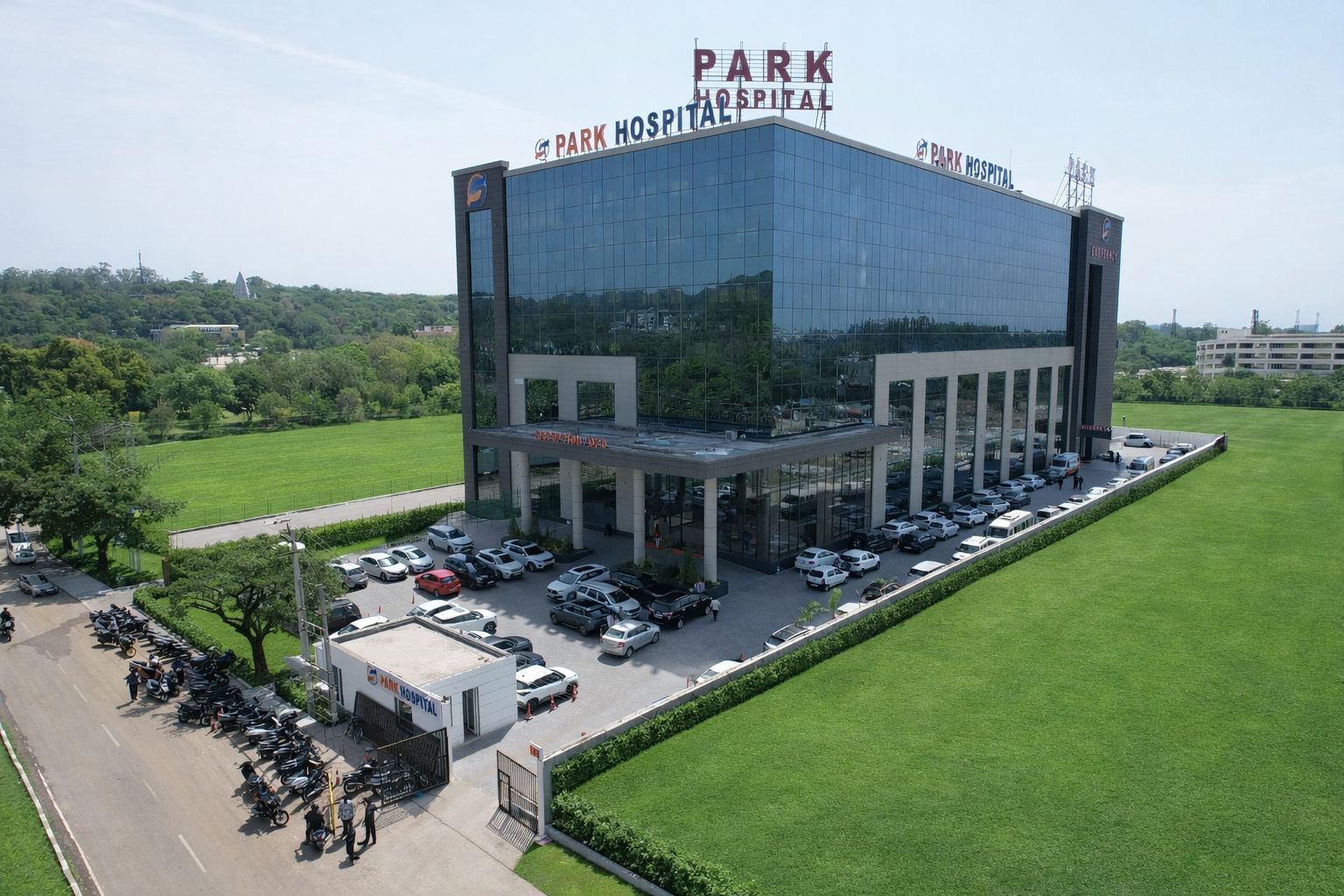








Our Hospital Locations
Healing Near You
Experience world-class clinical expertise and compassionate care at our advanced facilities conveniently located across the region
View All