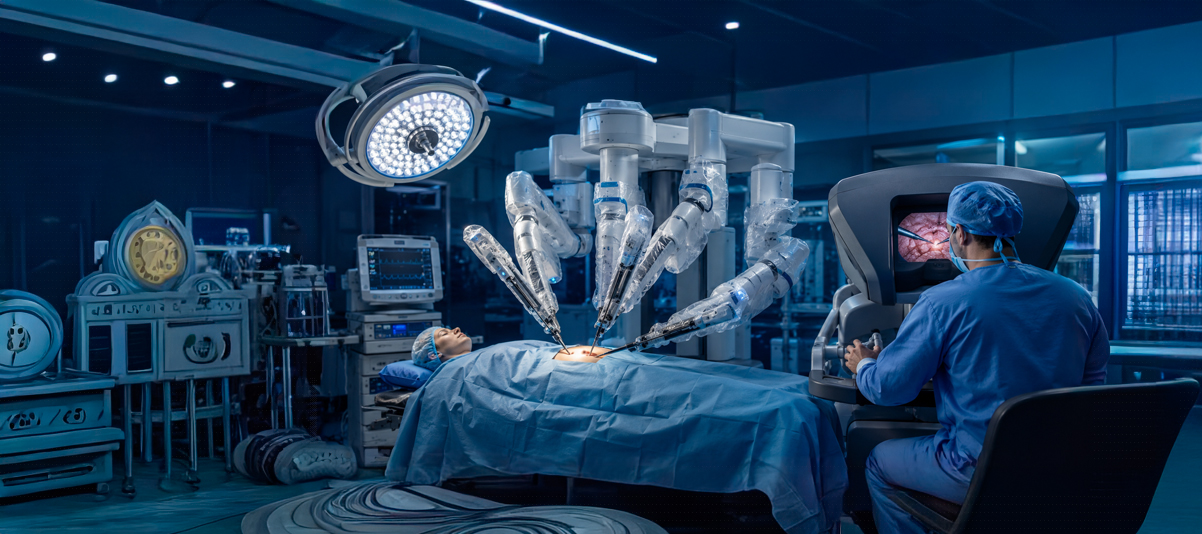
Robotic Surgeries
Robotic Surgery in India.
The future of surgery is here at Park Hospitals. Our Robotic-Assisted Surgeries programme brings the precision, dexterity, and visualisation of robotic-assisted surgery to patients across a wide range of surgical specialities, combining the expertise of an experienced surgeon with the enhanced capabilities of a robotic platform.
The robotic system provides the surgeon with a magnified, high-definition 3D view of the surgical field and translates hand movements into precise, tremor-free micro-movements within the patient's body. Instruments with seven degrees of freedom enable complex dissection and reconstruction in anatomically challenging spaces with minimal blood loss and tissue trauma.
Our robotic surgery programme covers urology, radical prostatectomy, partial nephrectomy, cystectomy, gynaecology, hysterectomy, myomectomy, staging for gynaecological cancers and general surgery including colorectal resection, hernia repair, bariatric surgery, and thoracic procedures. Patients benefit from smaller incisions, significantly less pain, dramatically reduced hospital stay, and faster return to normal activities.
For cancer surgery, robotic precision enables more complete tumour excision with better preservation of critical surrounding structures, improving both oncological and functional outcomes. Our robotic surgical team is fully trained and credentialed in robotic techniques. At Park Hospitals, Robotic-Assisted Surgeries is our commitment to the most advanced, precise, and patient-friendly surgical care in the region.
Meet Our Experts
Experienced Clinical Leaders
Consult with our highly skilled specialists dedicated to providing world-class medical expertise and personalized treatment plans.
Find A Doctor


Patient Testimonials
Stories Reflecting Excellence in Patient Care
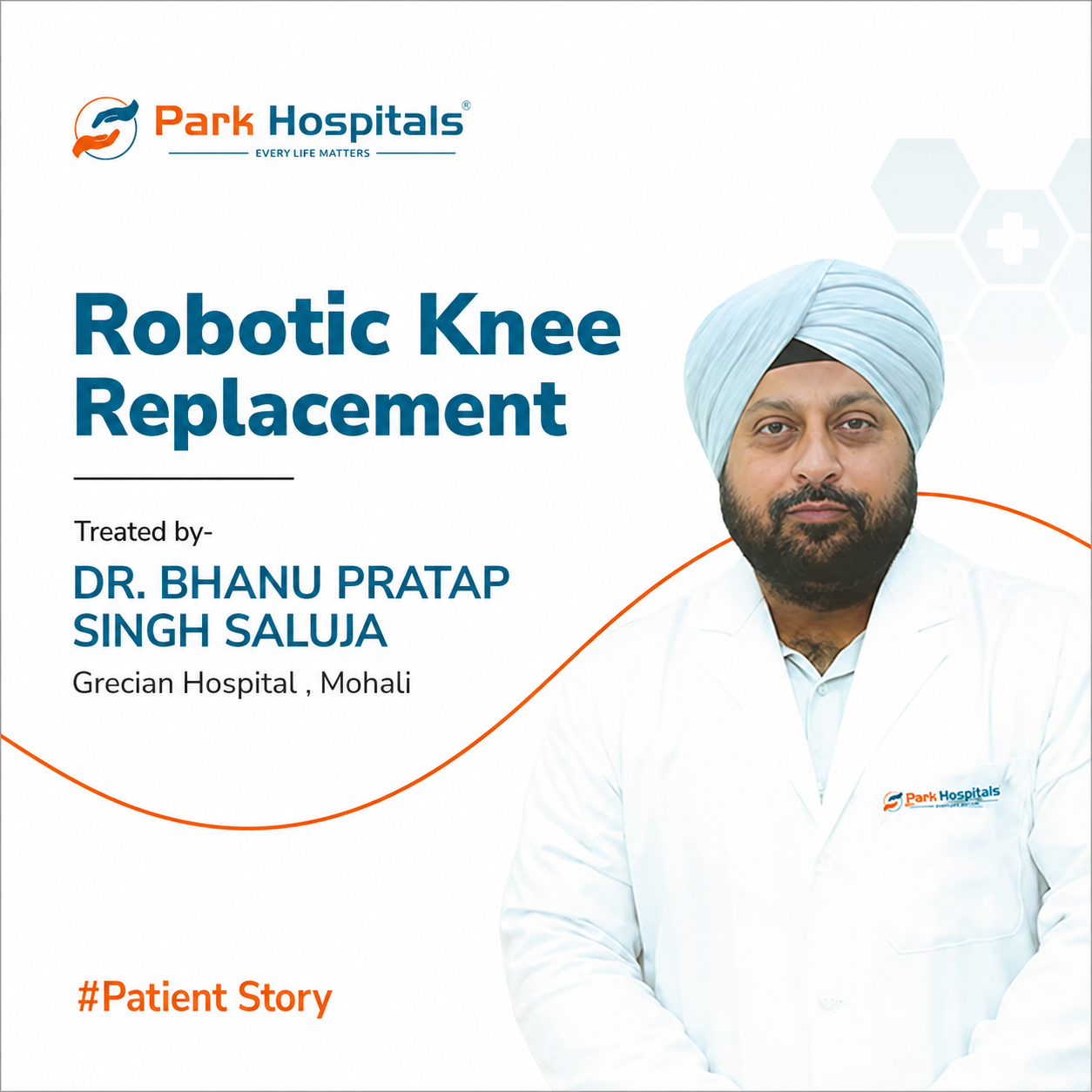
Robotic Knee Replacement Success Story
A patient regained mobility and confidence through successful robotic knee replacement surgery. Advanced robotic technology, expert orthopedic care, and personalized rehabilitation helped reduce pain, improve movement, and enhance overall quality of life.
Know More
Pain-Free Walking After Total Knee Replacement
Following a successful Total Knee Replacement (TKR), the patient regained mobility and confidence. Expert orthopedic care, advanced surgical techniques, and rehabilitation support helped achieve pain-free walking and an improved quality of life.

Goodbye Knee Pain! | Advanced Knee Replacement | Dr. Anand Jindal | Park Hospital Panchkula
Chronic knee pain can affect your mobility and quality of life. Advanced knee replacement surgery can help you move comfortably and regain confidence.
Dr. Anand Jindal
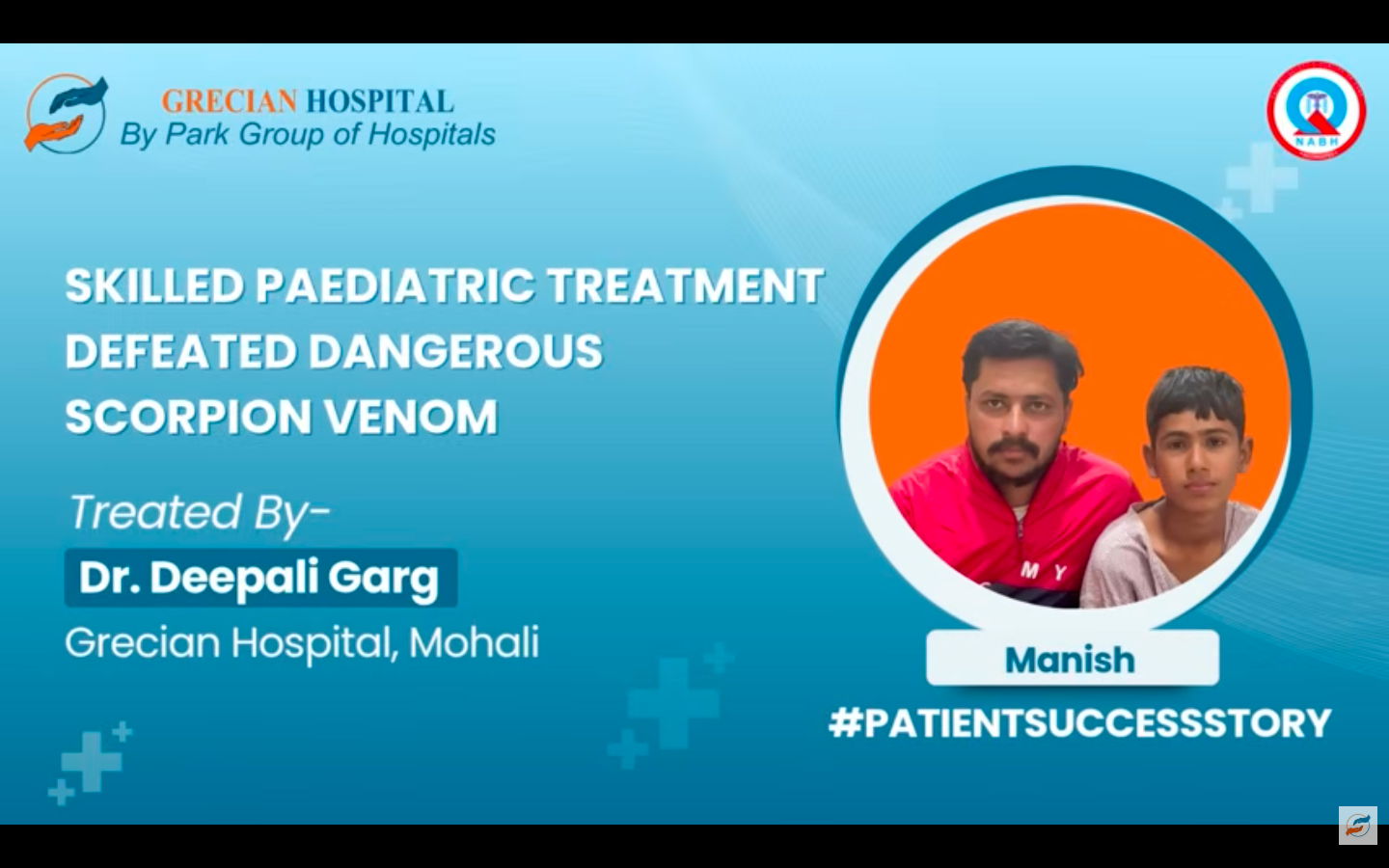
Expert Paediatric Care Defeats Scorpion Venom
A child suffering from a dangerous scorpion sting was successfully treated through timely intervention and expert pediatric care. Prompt diagnosis, critical monitoring, and specialized treatment ensured a safe recovery and positive outcome.
Dr. Milan Arora


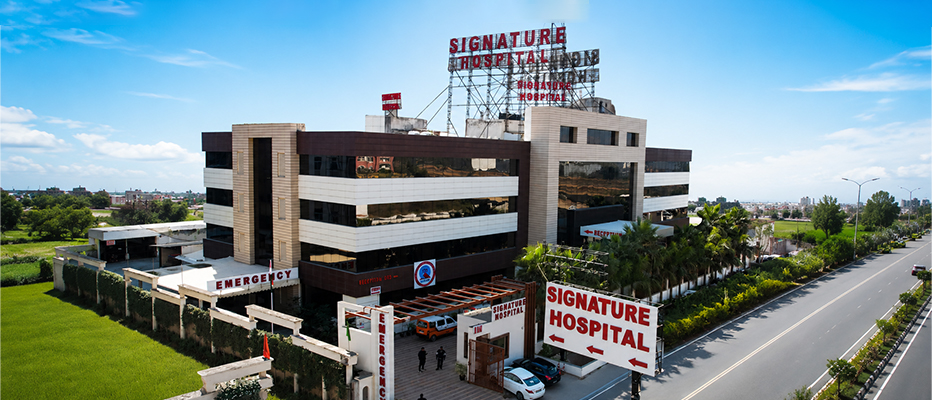



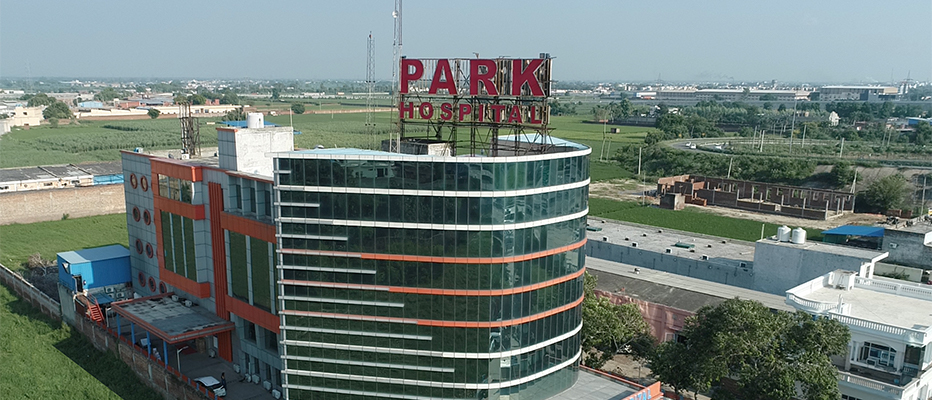


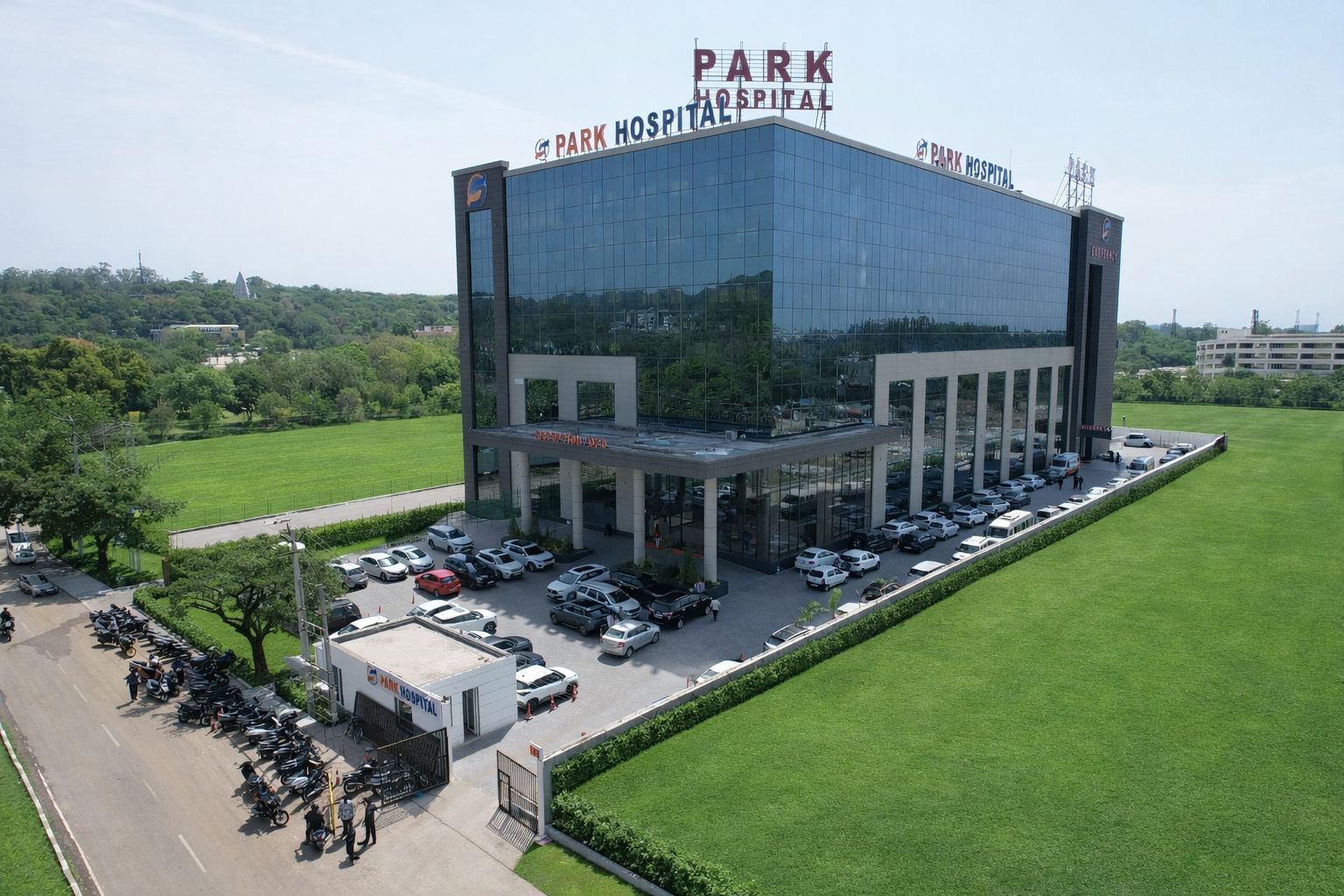
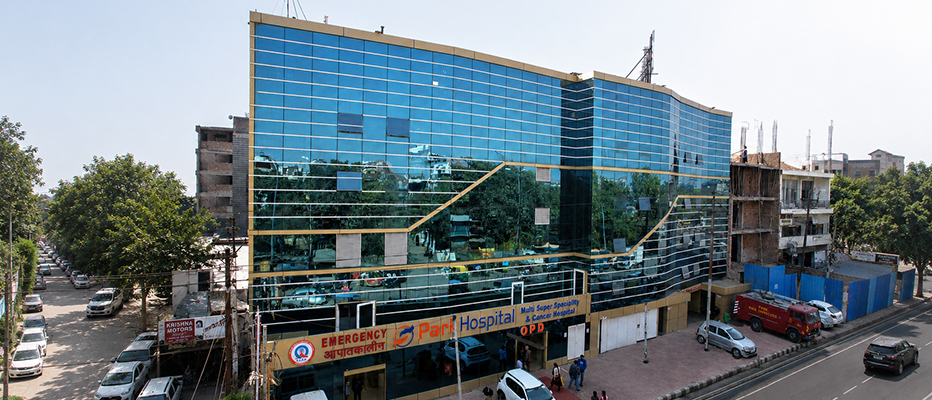

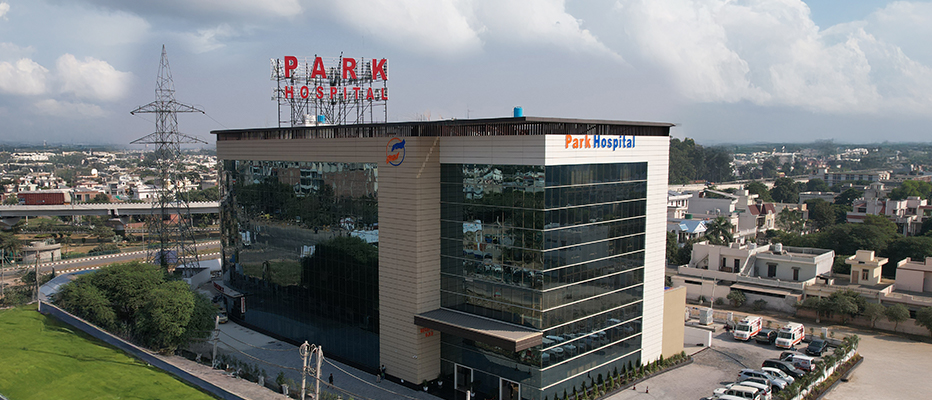



Our Hospital Locations
Healing Near You
Experience world-class clinical expertise and compassionate care at our advanced facilities conveniently located across the region
View AllHealth Tips
Expert Advice for Healthy Life

Frequently Asked Questions
Common questions answered by our experts
Robot-assisted surgery is a form of minimally invasive surgery in which a surgeon controls specialized instruments using a robotic surgical system. The surgeon sits at a console and guides the instruments through small incisions, while a high-definition camera provides a magnified view of the surgical area. The robotic system translates the surgeon's hand movements into precise instrument movements. Importantly, the robot does not perform the operation independently; the surgeon remains in control throughout the procedure.
Robot-assisted surgery can be used for selected procedures across several specialties, including gastrointestinal, urological, gynecological, thoracic and general surgery. Depending on the patient's condition and the expertise available, robotic techniques may be used for procedures involving the colon and rectum, stomach, oesophagus, pancreas and other abdominal organs. The suitability of robotic surgery varies by procedure, tumour or disease characteristics and individual anatomy. Your surgeon can explain whether robotic assistance offers an appropriate approach for your specific operation.
Robotic surgery may be considered when a minimally invasive approach is appropriate and the robotic system can provide useful advantages for the particular procedure. It may be especially helpful for operations requiring work in confined or technically challenging areas, where enhanced visualization and instrument control can assist the surgeon. However, robotic surgery is not automatically preferable to open or conventional laparoscopic surgery. The decision depends on the procedure, disease, patient's health and anatomy, as well as the surgeon's experience and available technology.
When appropriate, robot-assisted surgery may offer the benefits associated with minimally invasive surgery, such as smaller incisions, less postoperative pain, reduced blood loss and a potentially shorter hospital stay or recovery period. The robotic system can also provide the surgeon with a magnified three-dimensional view and instruments designed for precise movement. However, benefits vary according to the operation and individual patient. Robotic surgery may not be suitable for everyone, and it does not guarantee better outcomes than other surgical approaches.
Before surgery, the team evaluates the patient's diagnosis, overall health and suitability for a minimally invasive approach. Assessment may include a physical examination, blood tests, imaging and other investigations relevant to the planned operation. The surgeon also considers the size and location of the tumour or affected area, previous surgeries, anatomy and any medical conditions that could affect anaesthesia or recovery. The expected benefits, potential risks and alternative surgical approaches are discussed before deciding whether robotic surgery is appropriate.
Recovery varies depending on the type and complexity of surgery and the patient's overall health. Because robotic procedures are minimally invasive, some patients may experience less pain and return to normal activities sooner than after comparable open surgery. Following the procedure, patients receive guidance on wound care, medicines, diet, physical activity and follow-up appointments. Fatigue and temporary discomfort are possible during recovery. Your surgeon will provide specific instructions and explain when you can resume work, exercise and other normal activities.
Ask why robotic surgery is being recommended for your particular condition and whether laparoscopic or open surgery would be equally appropriate. Discuss the expected benefits, possible risks, complications and recovery time. It is also useful to ask how often the surgeon performs the procedure, whether the operation may need to be converted to another surgical approach and what outcomes you can realistically expect. Understanding all available options can help you and your surgeon choose the approach that best fits your individual circumstances.