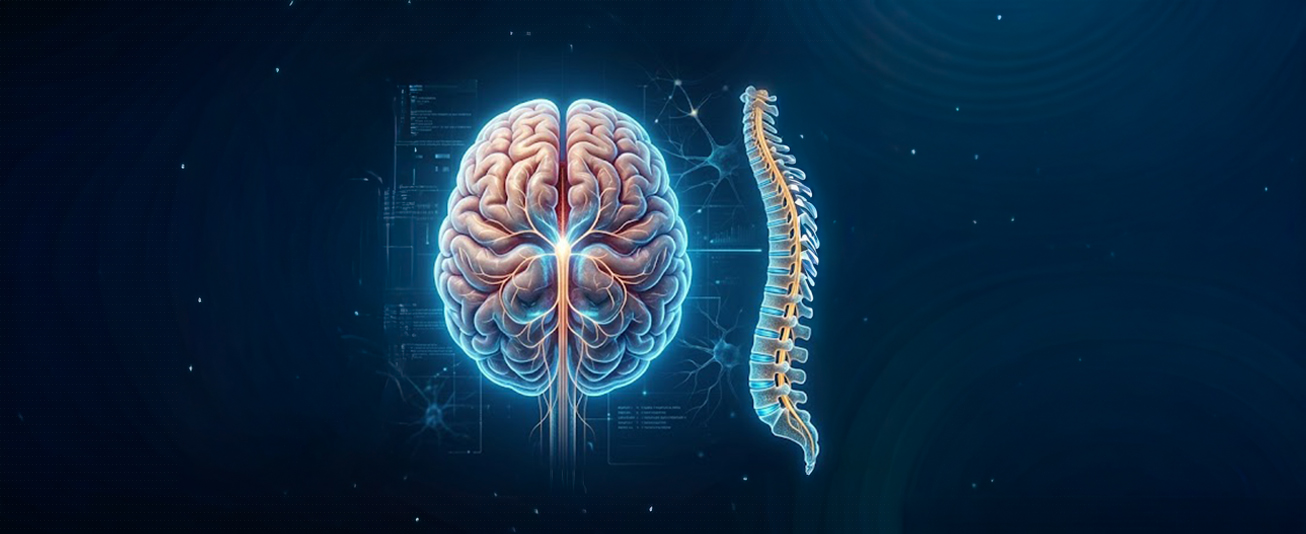
Neuro Sciences-Brain & Spine
Best Neuro Hospital in India
The brain and spinal cord control every thought, movement, sensation, and function that defines our lives. When neurological disease strikes, the impact is profound, and the quality of care received makes all the difference. At Park Hospitals, our Department of Neuro Sciences brings together neurologists, neurosurgeons, spine specialists, and neuro-rehabilitation therapists to deliver comprehensive, coordinated care for the full spectrum of brain and spine conditions.
Our neurology team manages epilepsy, Parkinson's disease, multiple sclerosis, dementia, stroke, migraine, vertigo, and peripheral neuropathy. Our dedicated stroke care program operates round the clock with thrombolysis and mechanical thrombectomy capabilities to minimize neurological damage and maximize recovery. Advanced diagnostic tools, including EEG, nerve conduction studies, and high-resolution neuroimaging, support accurate, timely diagnosis.
Our neurosurgery program covers tumor resection, aneurysm clipping, deep brain stimulation, epilepsy surgery, and hydrocephalus management. Spine surgery for disc disease, stenosis, deformity, and trauma is offered through both minimally invasive and complex reconstructive approaches. Intraoperative neuromonitoring and neuronavigation ensure precision during every procedure.
Neuro-rehabilitation, combining physiotherapy, speech therapy, occupational therapy, and neuropsychology, completes our program, helping every patient recover function and independence after neurological illness or surgery.
Diseases and Procedures
Advanced Treatments For Every Disease
1 ALS (Amyotrophic Lateral Sclerosis)
Amyotrophic Lateral Sclerosis (ALS) is a progressive neurological disorder that affects the nerve cells responsible for Read More
2 Alzheimer's Disease
Alzheimer’s disease is a progressive neurological disorder that gradually affects memory, thinking abilities, behavior Read More
3 Brain Tumors
Brain tumors are abnormal growths of cells that develop within the brain or surrounding structures. Read More
4 Degenerative Disc Disease
egenerative disc disease is a condition in which the intervertebral discs that act as cushions between the bones of the Read More
5 Disc Degeneration
Disc degeneration is a condition in which the intervertebral discs that act as cushions between the bones of the spine g Read More
6 Epilepsy
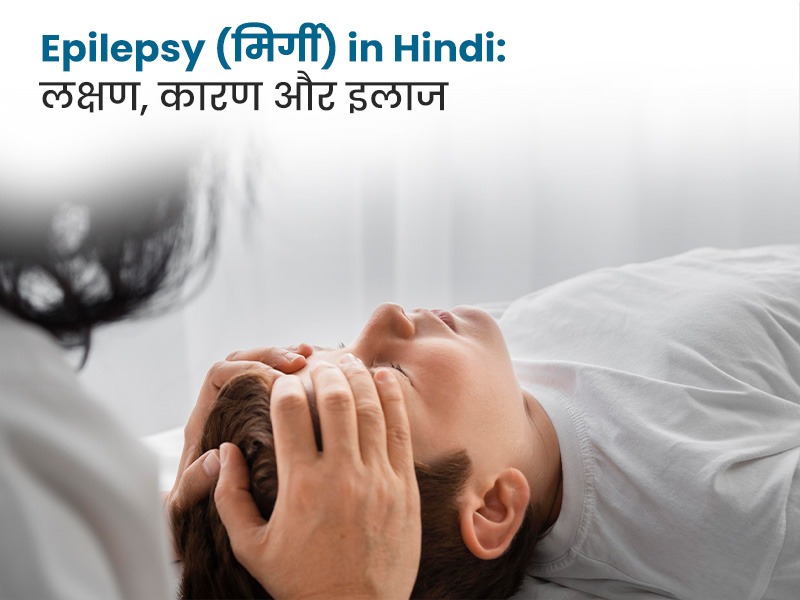
Epilepsy is a chronic neurological disorder characterized by recurrent, unprovoked seizures caused by abnormal electrica Read More
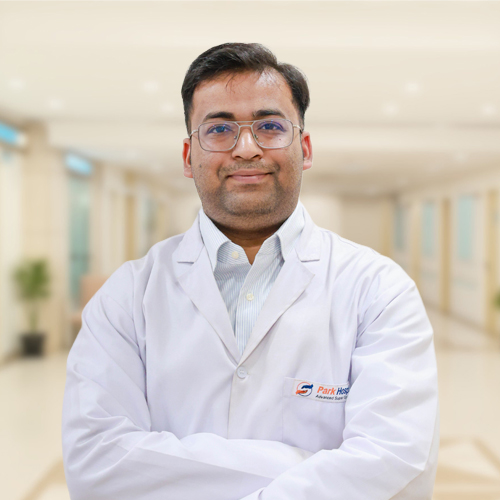
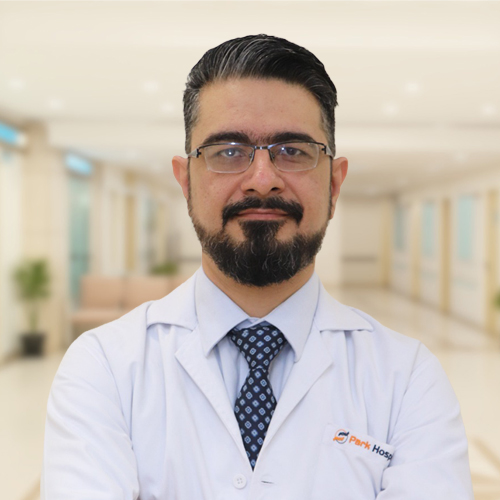
Meet Our Experts
Experienced Clinical Leaders
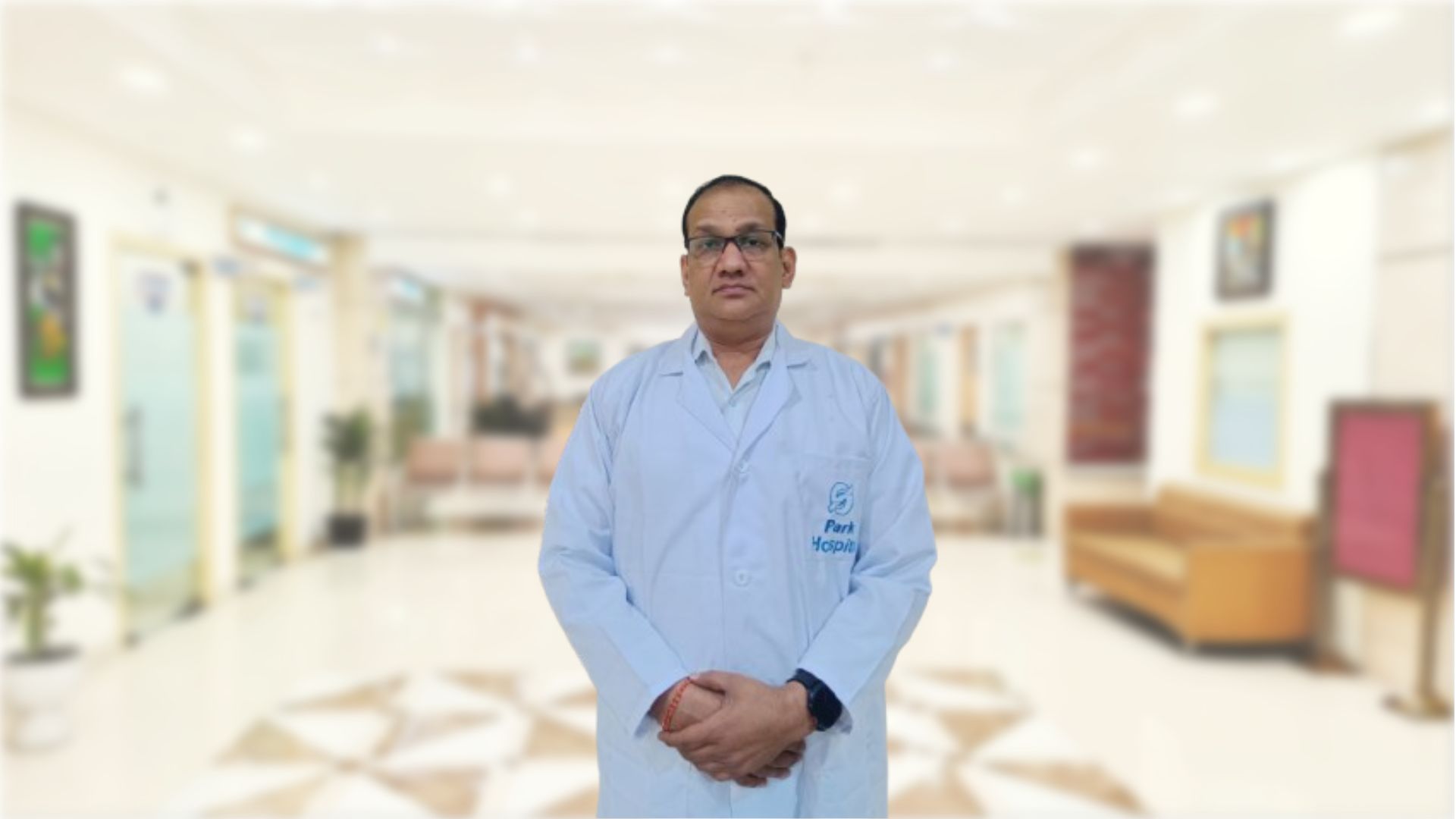
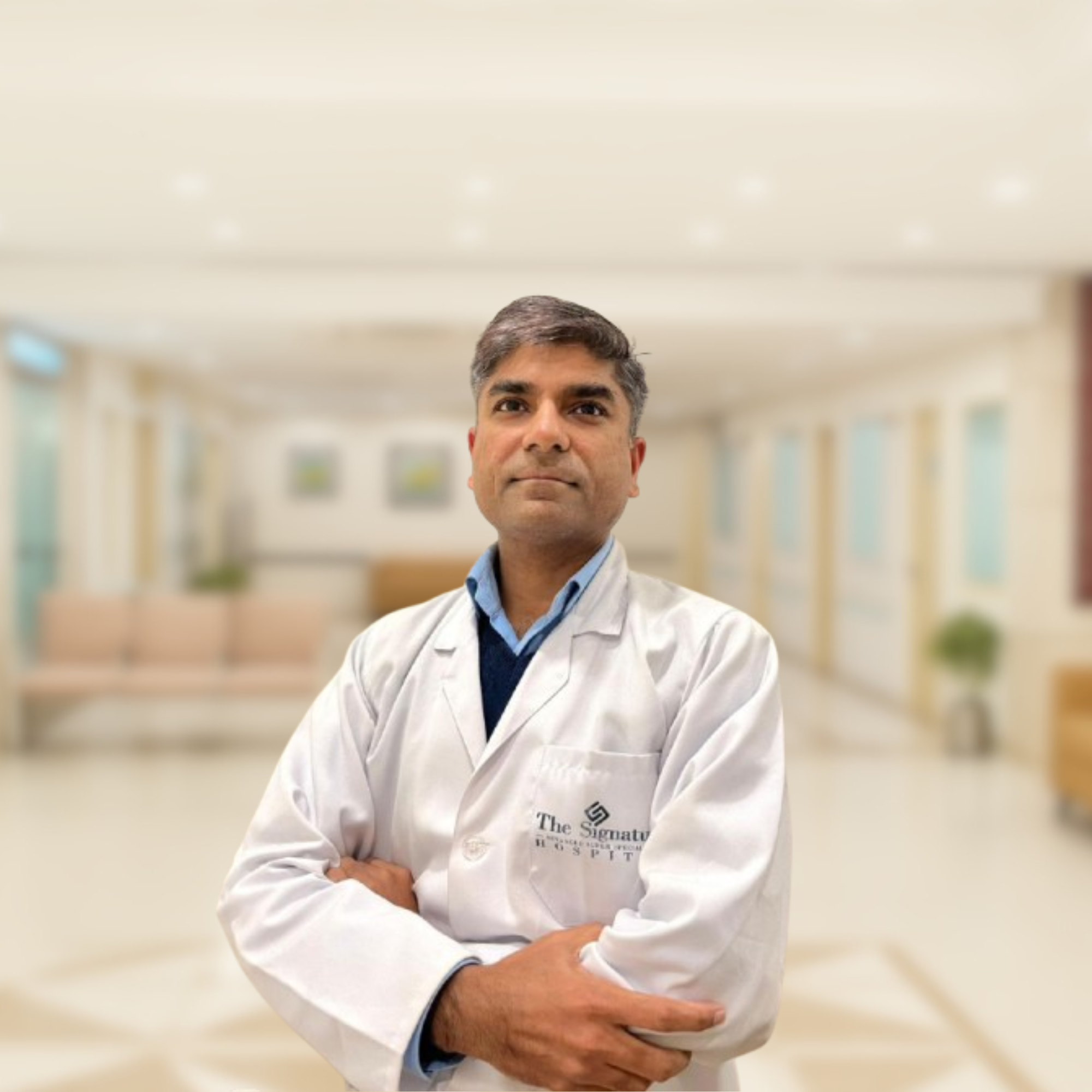
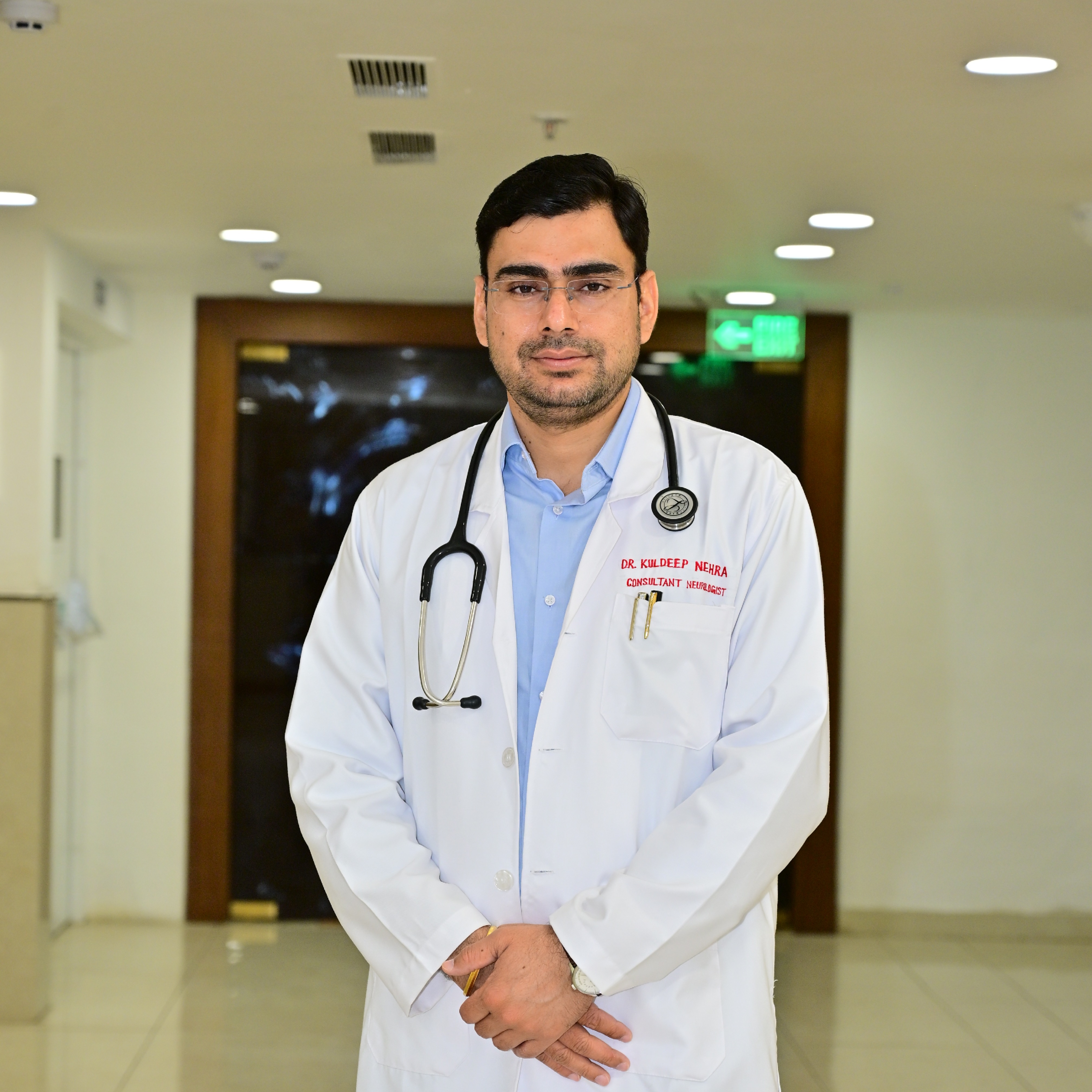
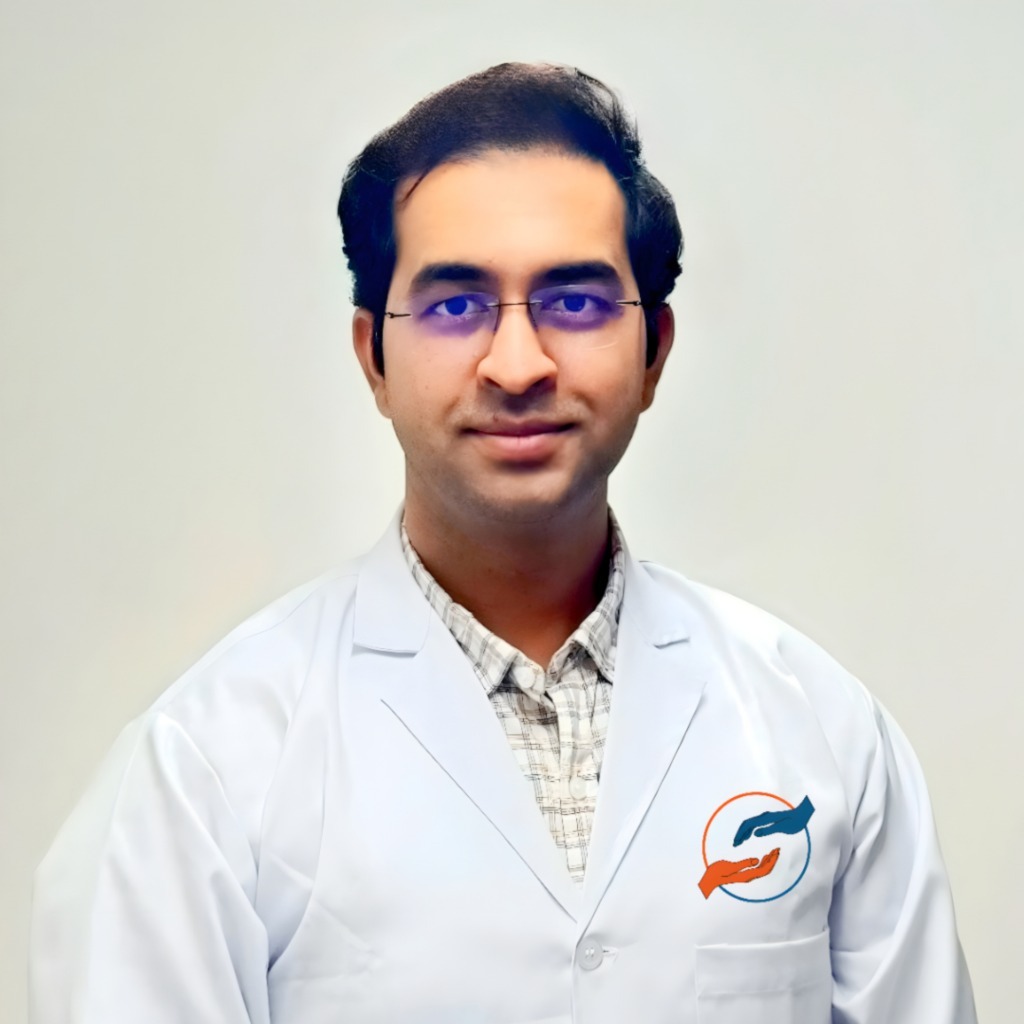
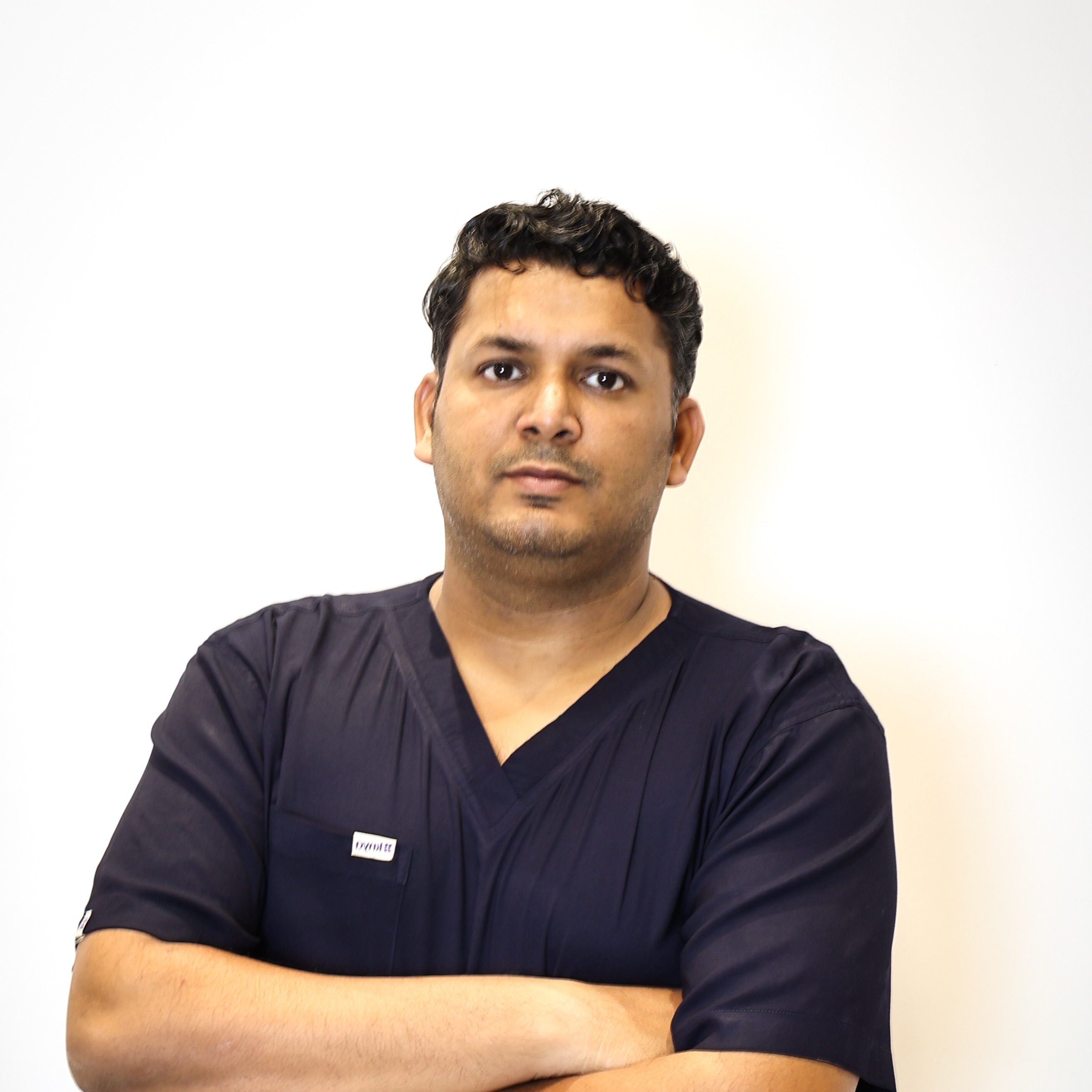
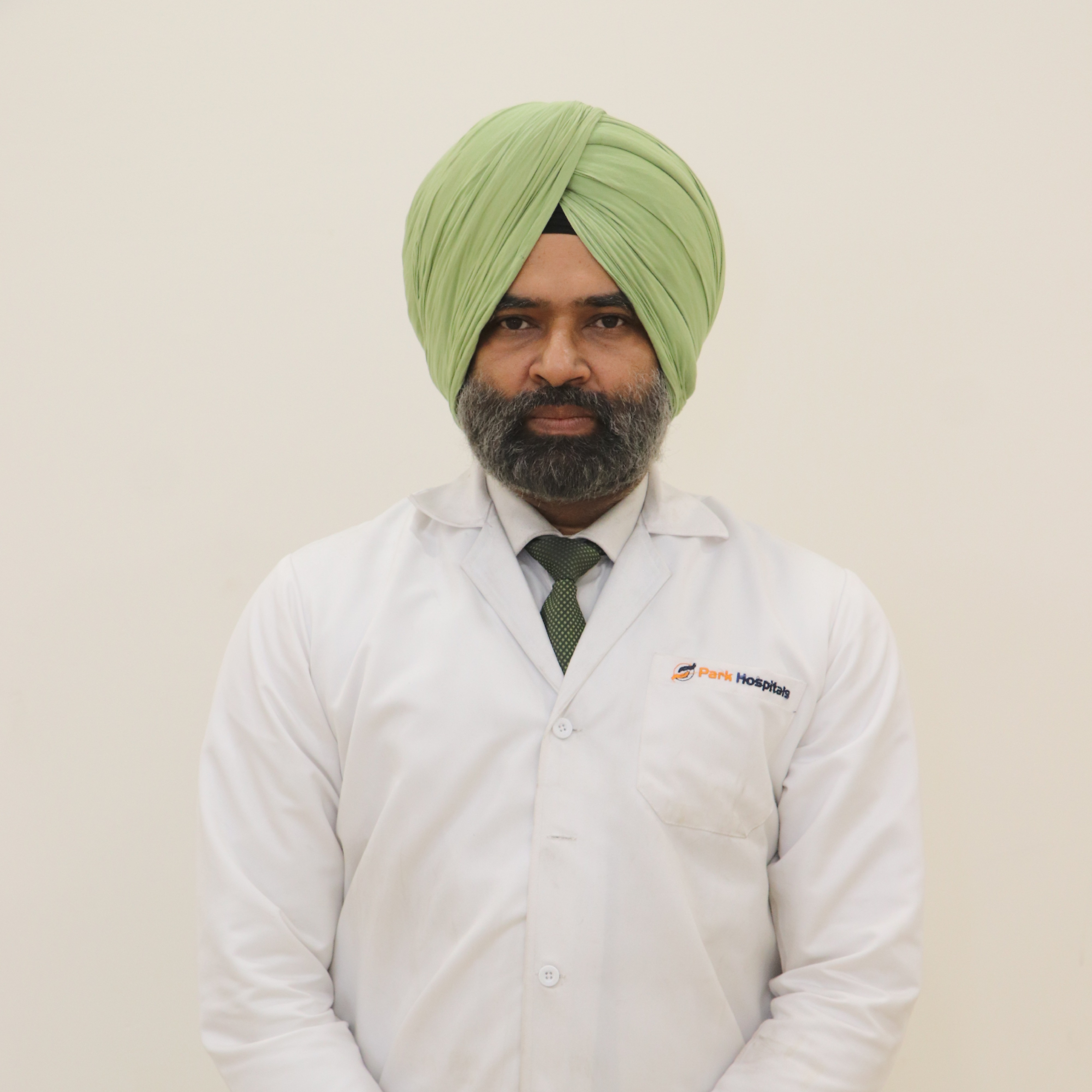
Consult with our highly skilled specialists dedicated to providing world-class medical expertise and personalized treatment plans.
Find A Doctor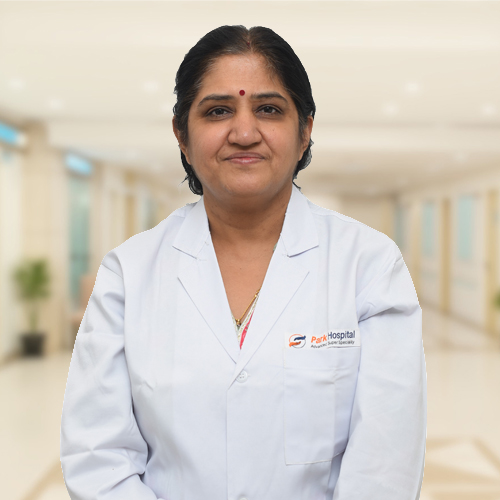


.jpg)
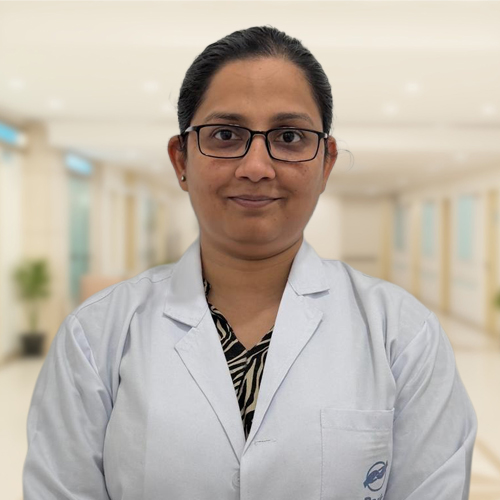
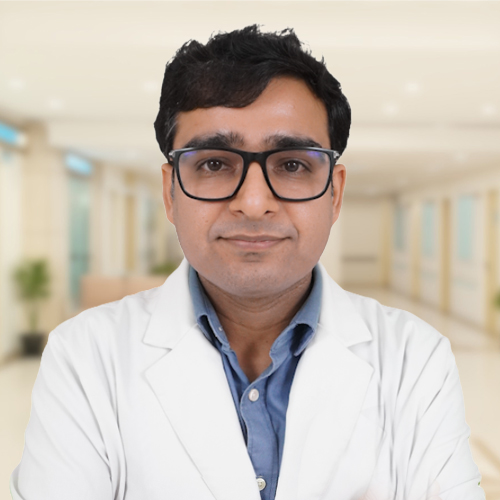
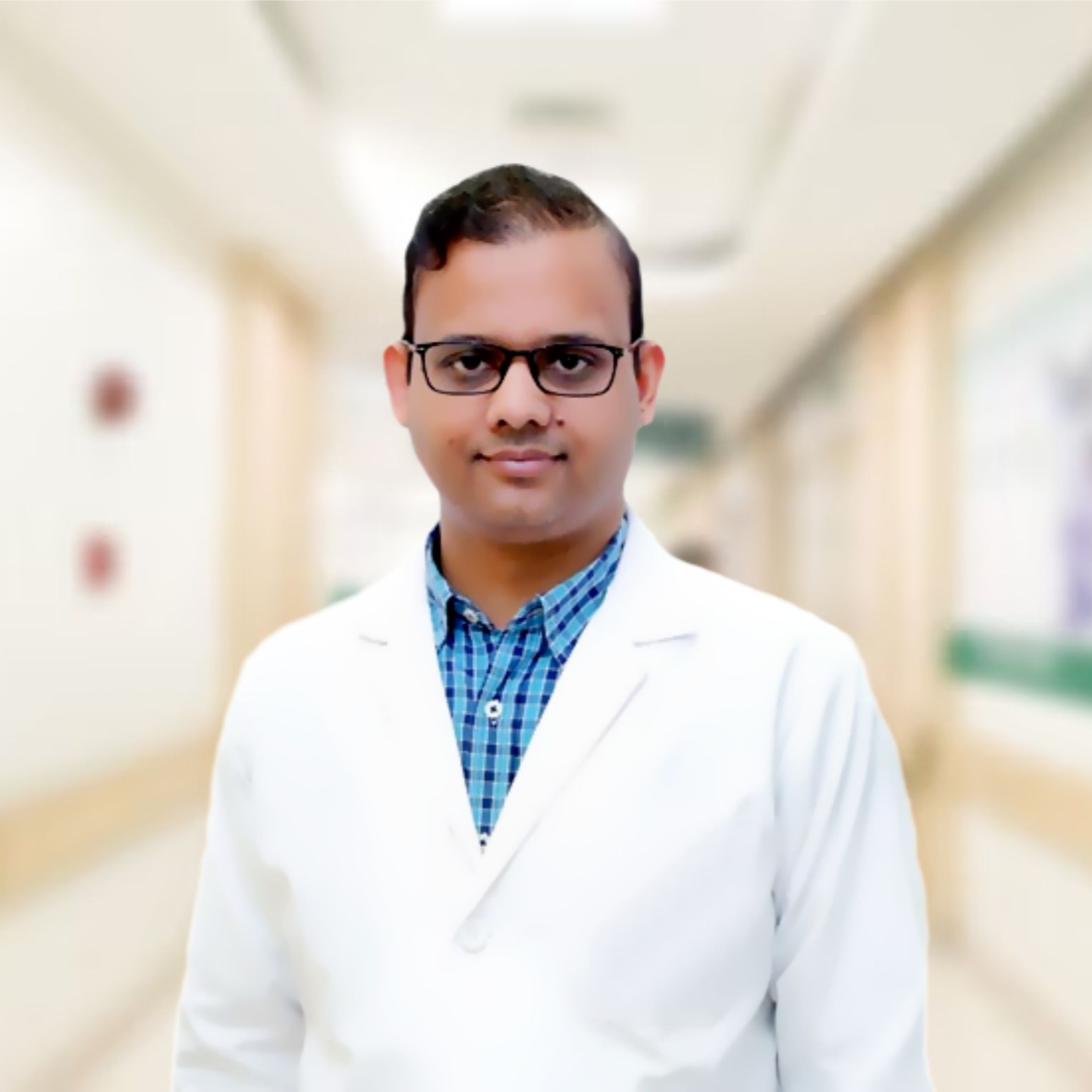
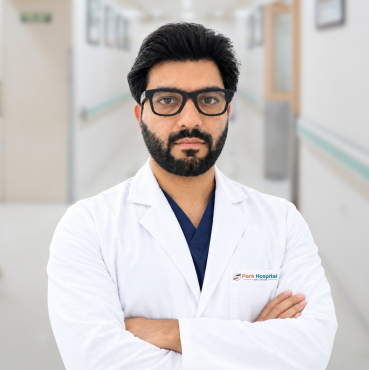

.png)
.jpeg)

Patient Testimonials
Stories Reflecting Excellence in Patient Care
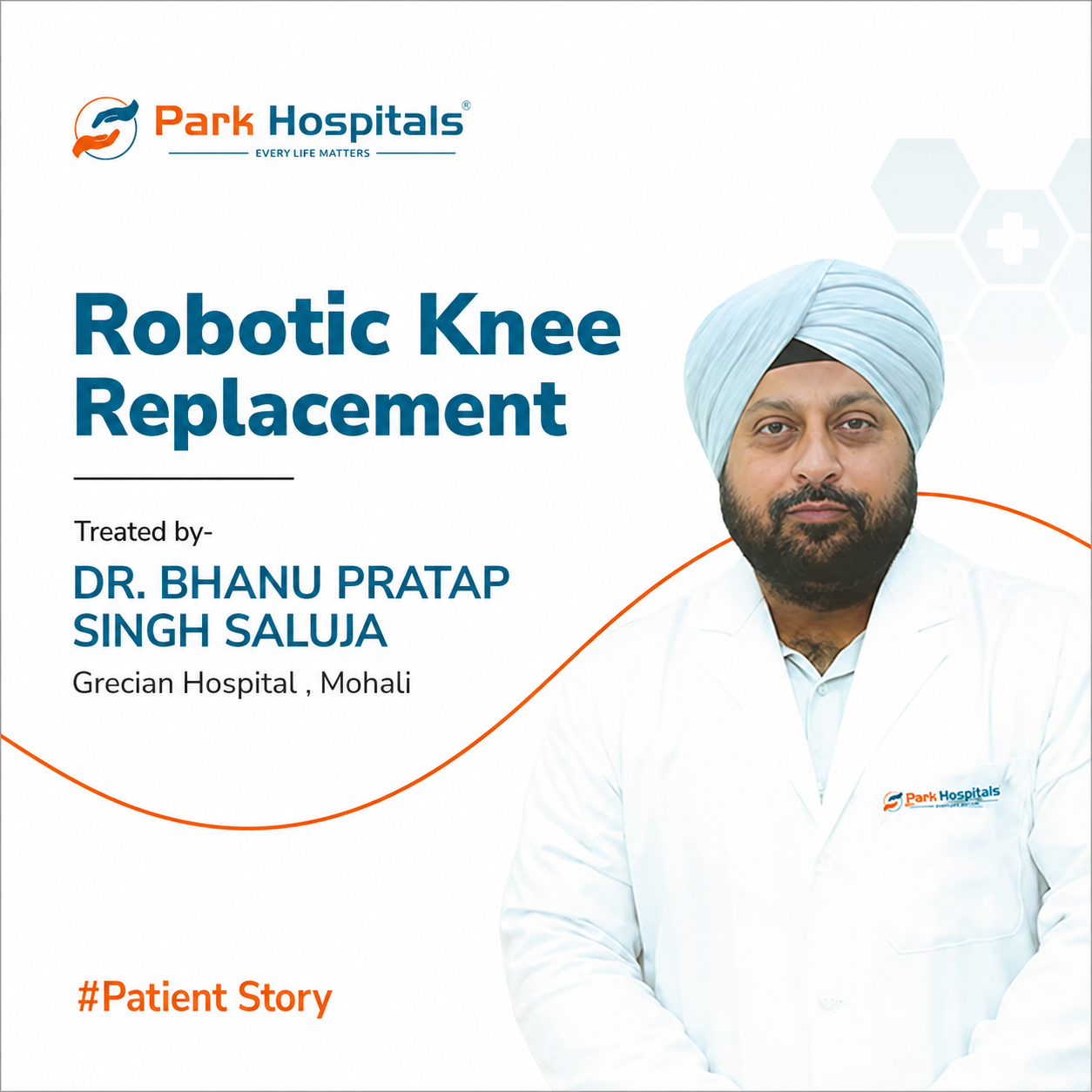
Robotic Knee Replacement Success Story
A patient regained mobility and confidence through successful robotic knee replacement surgery. Advanced robotic technology, expert orthopedic care, and personalized rehabilitation helped reduce pain, improve movement, and enhance overall quality of life.
Know More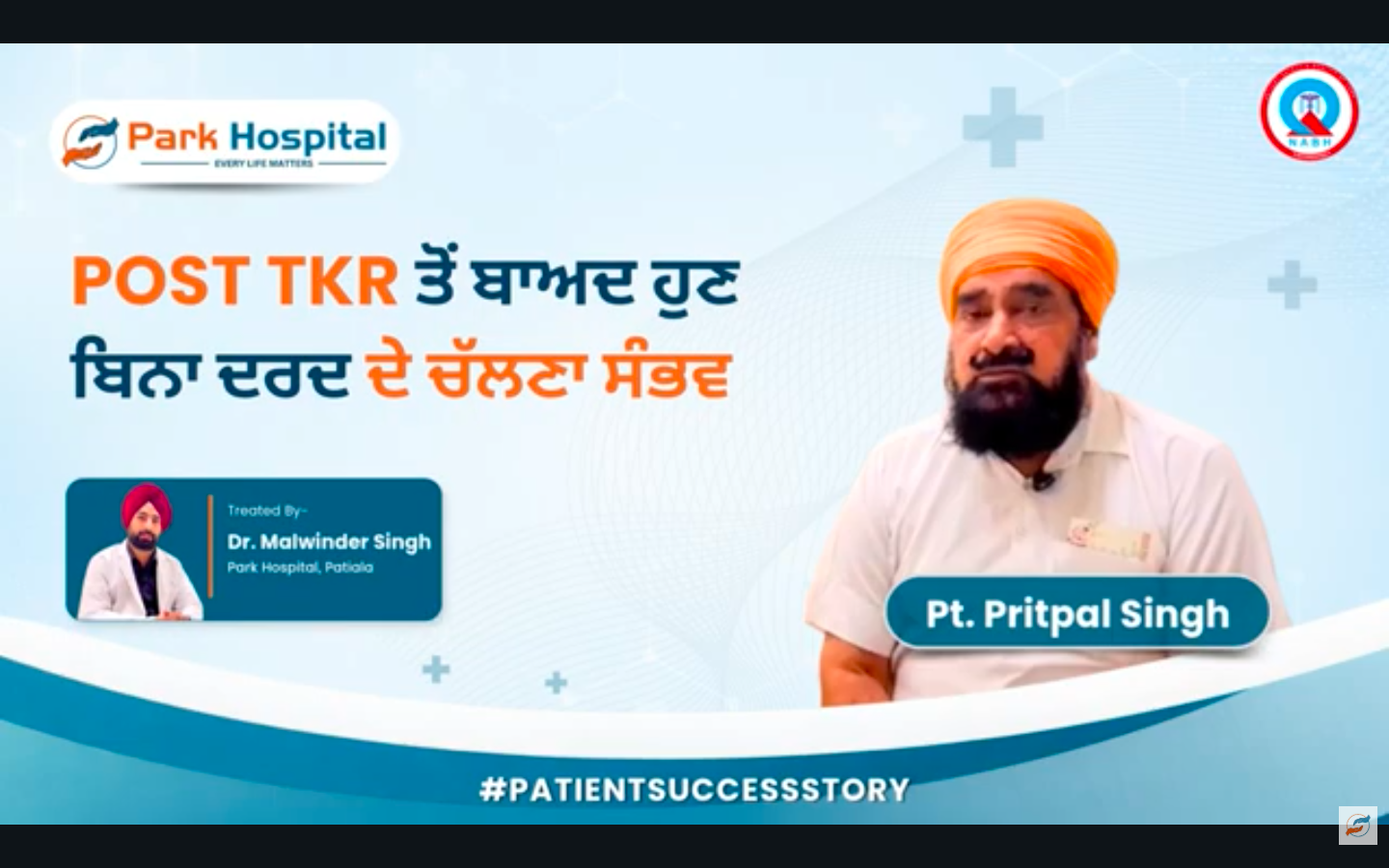
Pain-Free Walking After Total Knee Replacement
Following a successful Total Knee Replacement (TKR), the patient regained mobility and confidence. Expert orthopedic care, advanced surgical techniques, and rehabilitation support helped achieve pain-free walking and an improved quality of life.
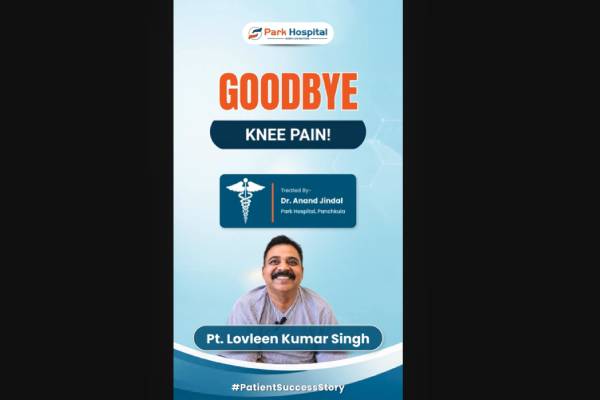
Goodbye Knee Pain! | Advanced Knee Replacement | Dr. Anand Jindal | Park Hospital Panchkula
Chronic knee pain can affect your mobility and quality of life. Advanced knee replacement surgery can help you move comfortably and regain confidence.
Dr. Anand Jindal
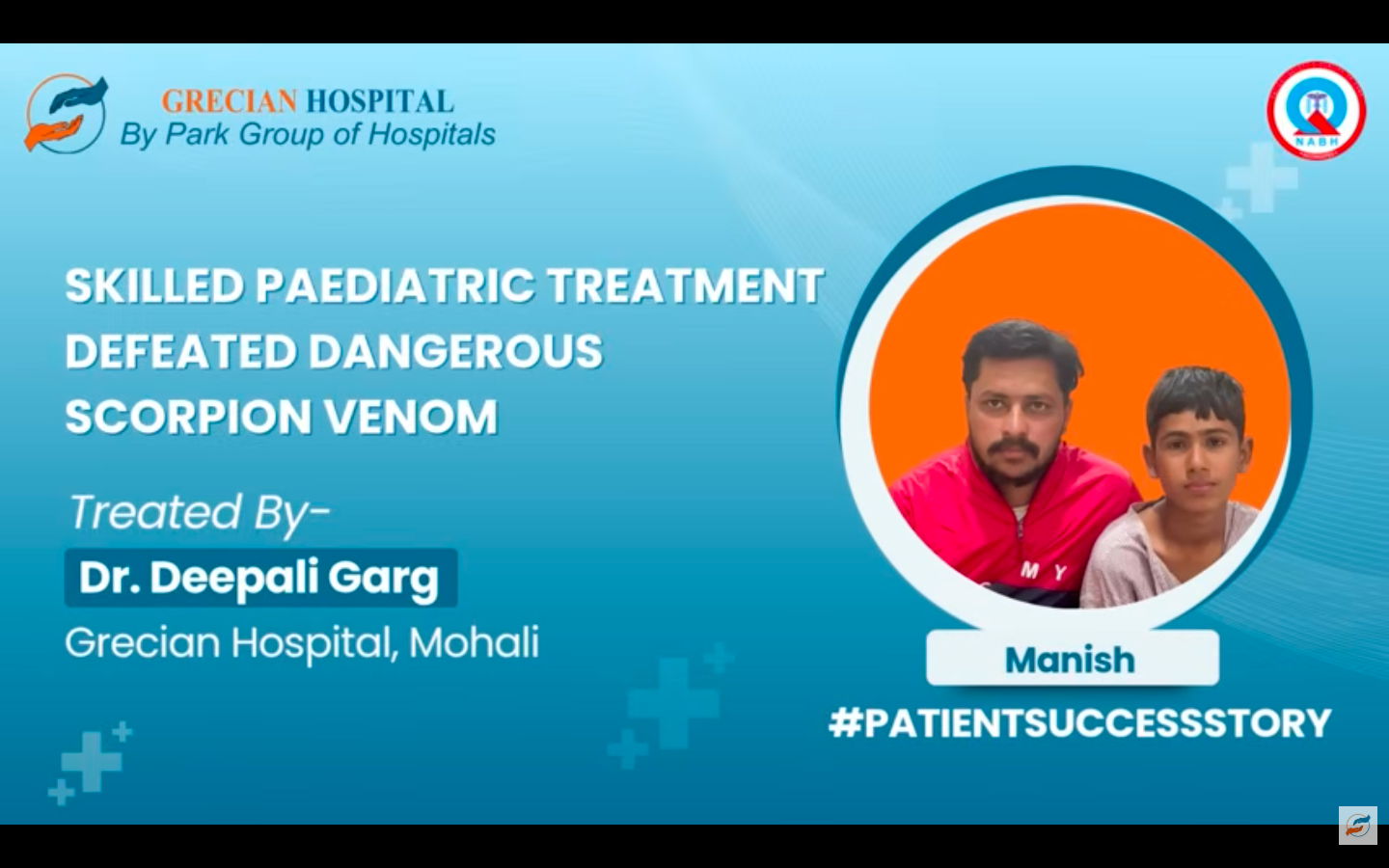
Expert Paediatric Care Defeats Scorpion Venom
A child suffering from a dangerous scorpion sting was successfully treated through timely intervention and expert pediatric care. Prompt diagnosis, critical monitoring, and specialized treatment ensured a safe recovery and positive outcome.
Dr. Milan Arora
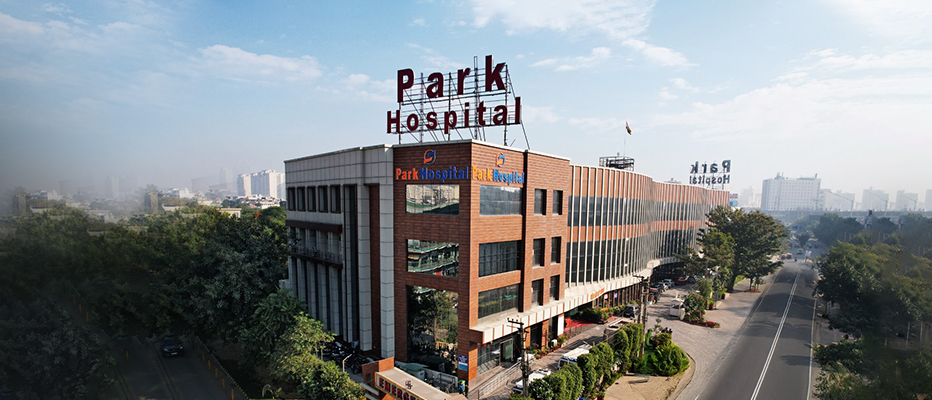

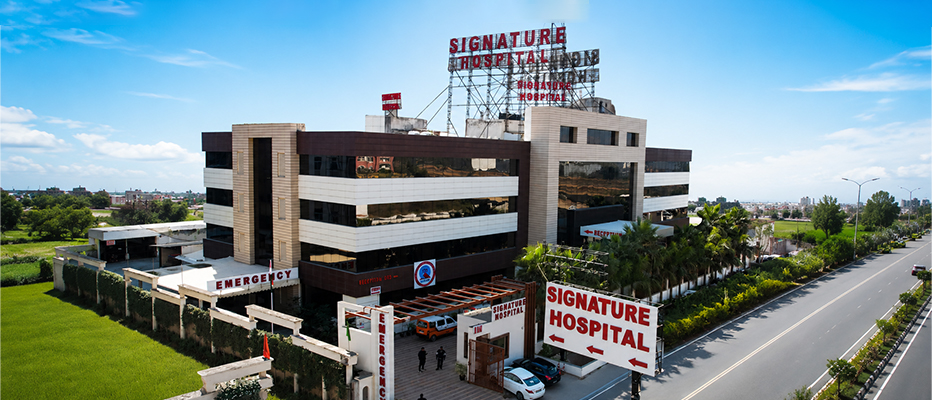
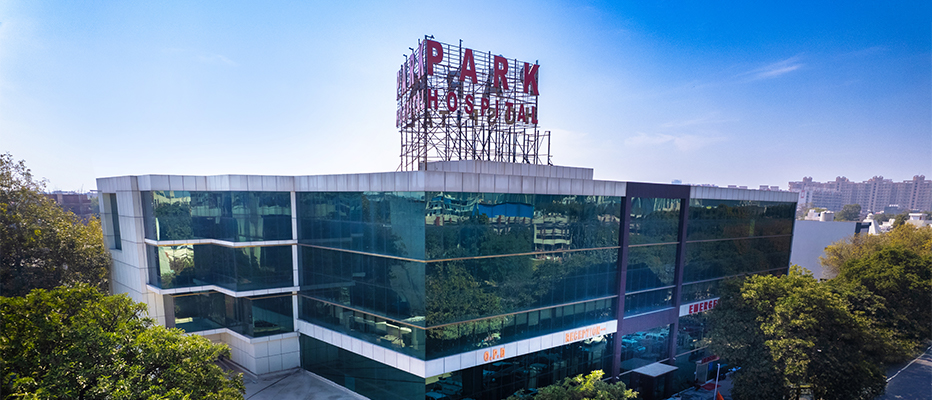
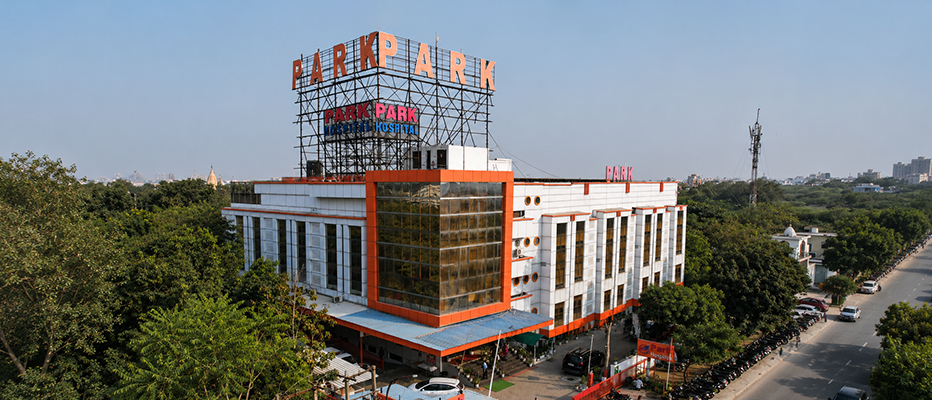
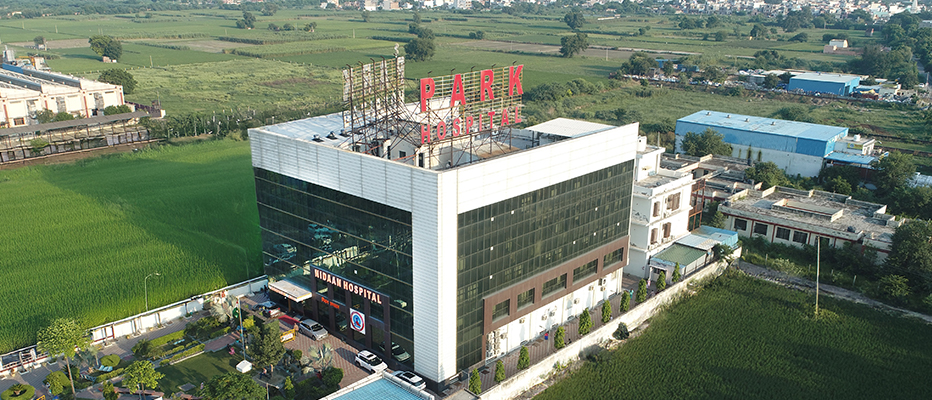
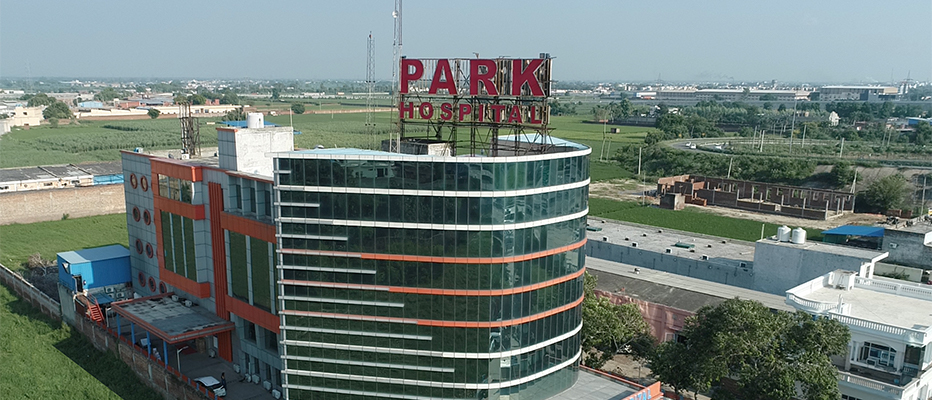
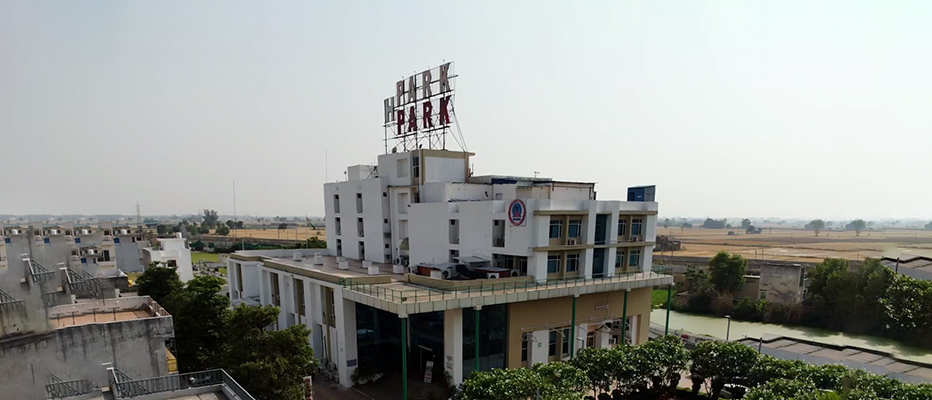
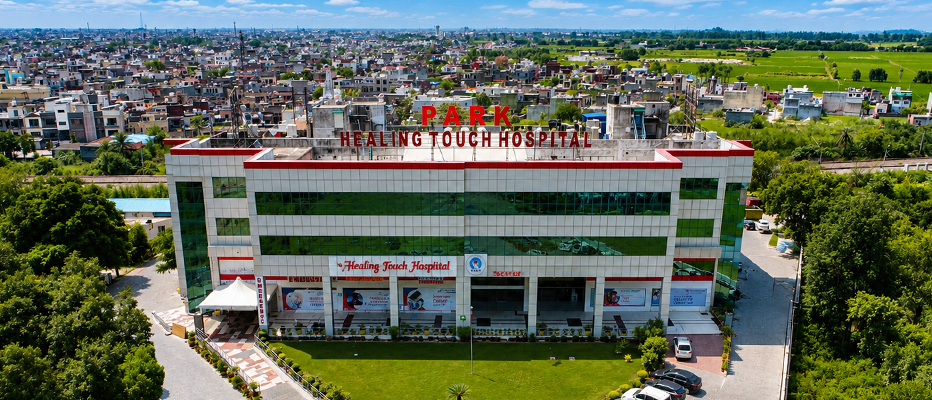
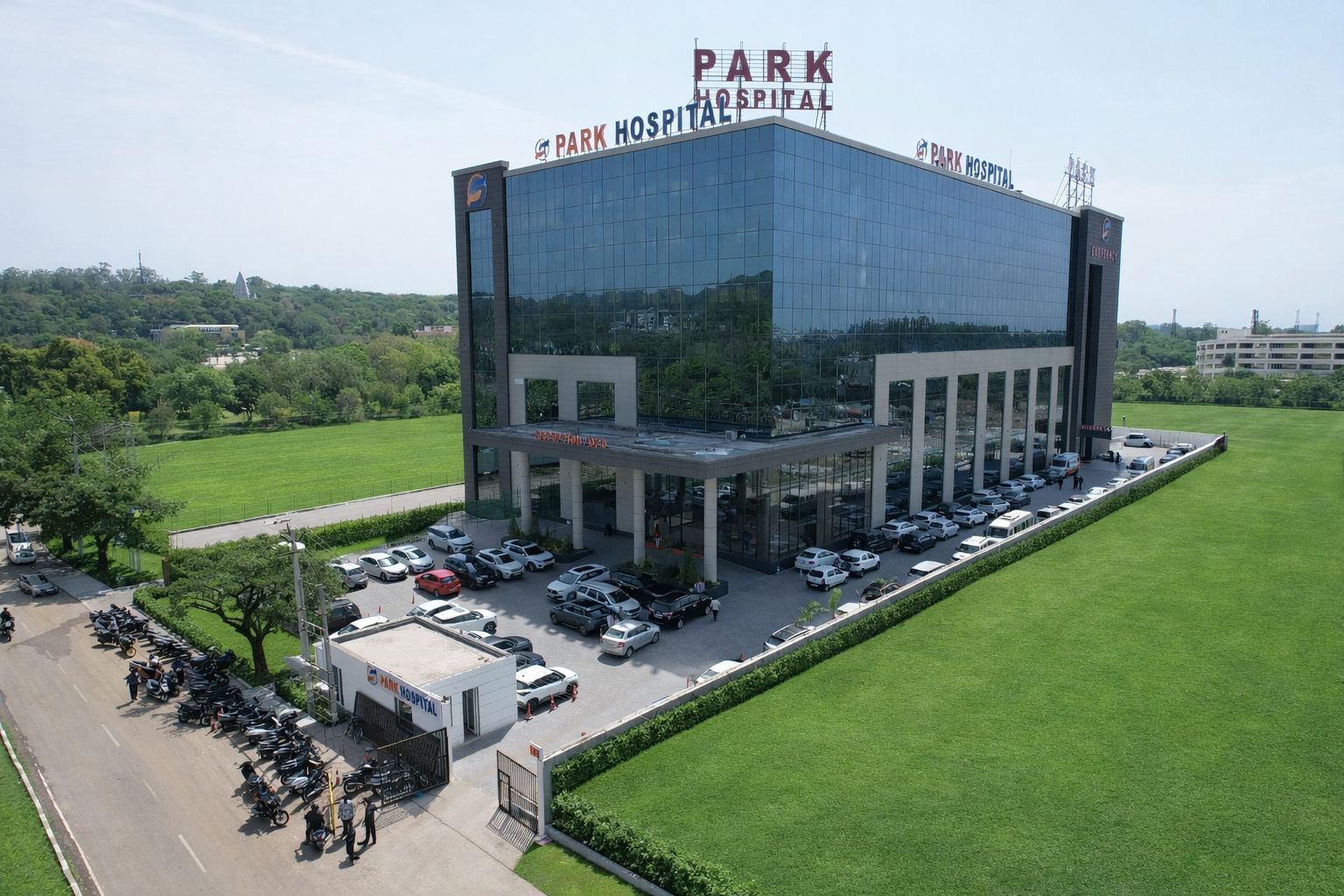
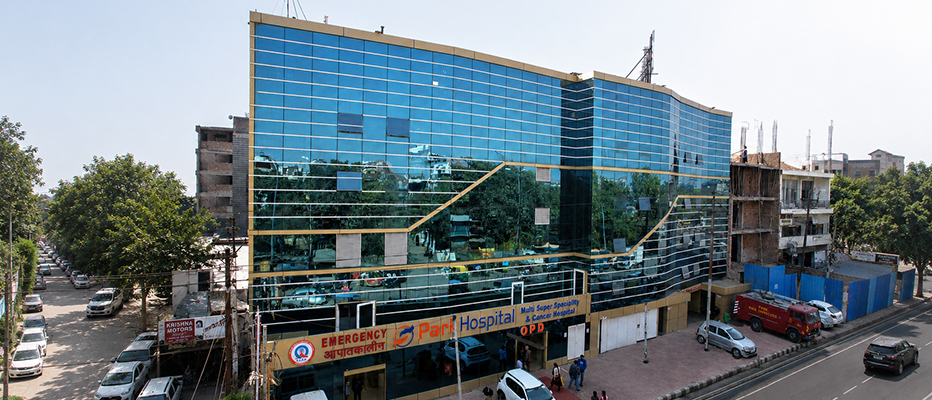
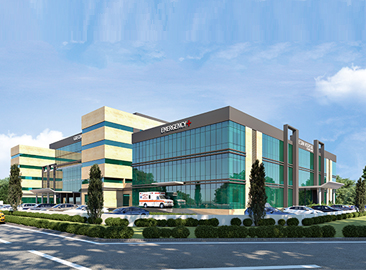
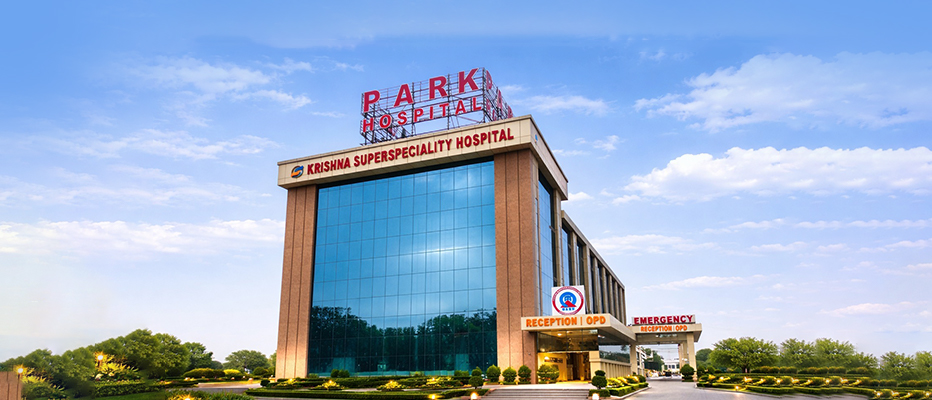
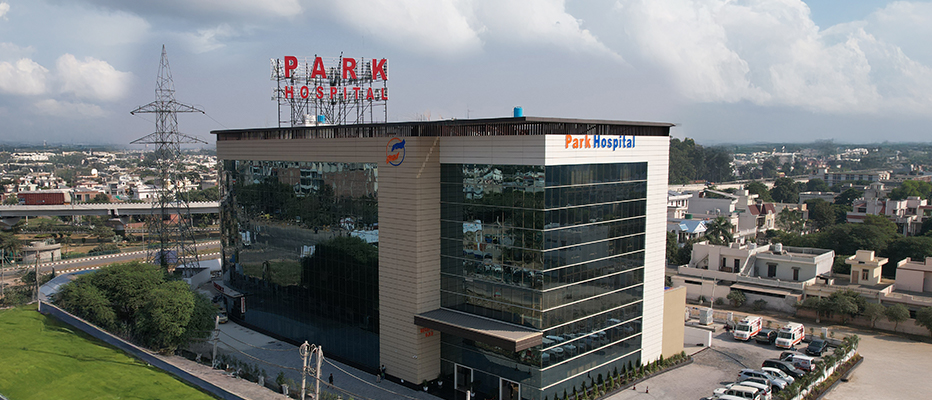

Our Hospital Locations
Healing Near You
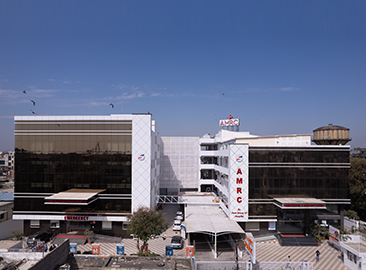
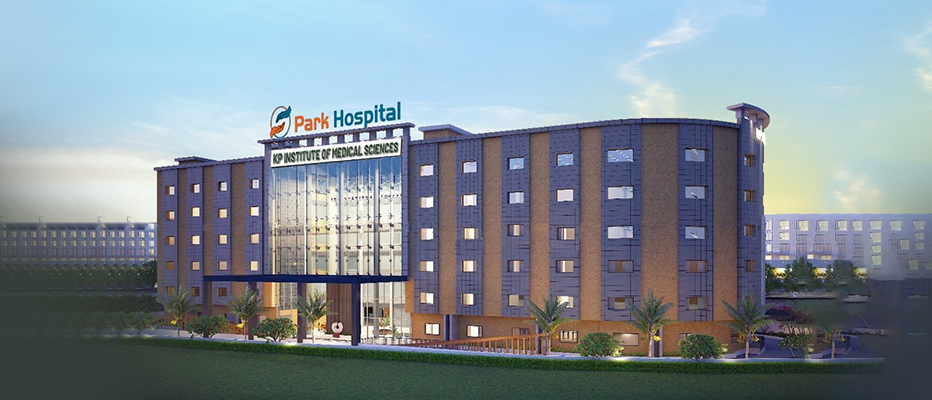
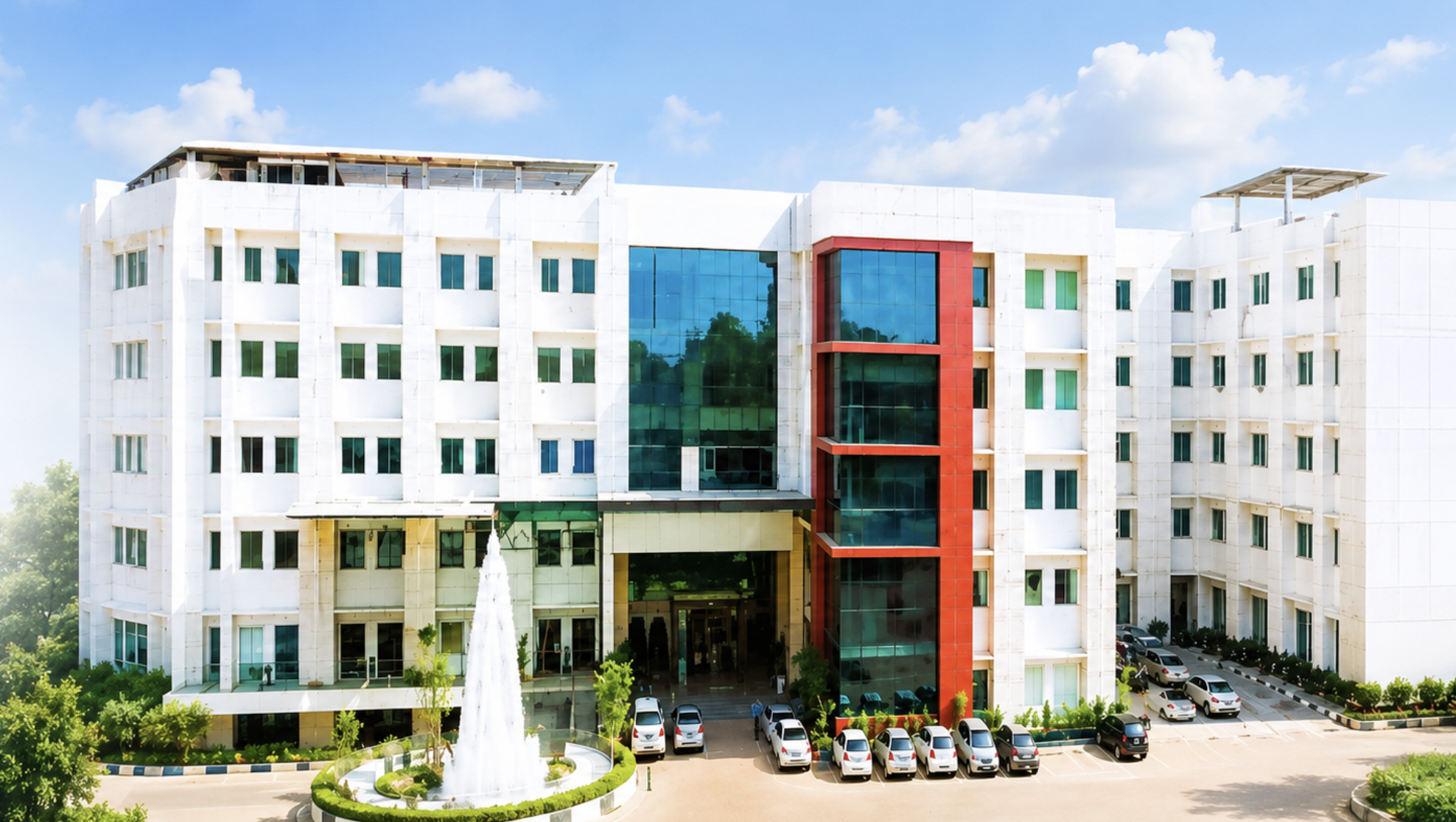
Experience world-class clinical expertise and compassionate care at our advanced facilities conveniently located across the region
View AllHealth Tips
Expert Advice for Healthy Life


Frequently Asked Questions
Common questions answered by our experts
A neuroscience team may evaluate and treat a wide range of conditions affecting the brain, spinal cord, nerves and spine. These can include headaches, epilepsy, stroke, Parkinson’s disease, multiple sclerosis, neuropathy, brain and spinal tumours, herniated discs, spinal stenosis, spinal injuries and other neurological or spine disorders. Depending on the condition, care may involve neurologists, neurosurgeons, spine specialists, rehabilitation professionals and other specialists working together to develop an appropriate treatment plan.
You should consider specialist evaluation for persistent or worsening symptoms such as frequent headaches, seizures, dizziness, weakness, numbness or tingling, balance or coordination problems, persistent back or neck pain, or pain that spreads into the arms or legs. New bowel or bladder problems, significant weakness or sudden neurological changes require prompt medical attention. A specialist can review your symptoms, medical history and examination findings to determine whether further testing, monitoring, medication, rehabilitation or surgery may be needed.
Diagnosis begins with a detailed review of symptoms, medical history and neurological or physical examination. Depending on the suspected condition, doctors may recommend MRI or CT scans to examine the brain or spine. Other tests can include EEG for certain seizure disorders, electromyography and nerve conduction studies for nerve or muscle problems, and specialised imaging or laboratory tests when required. The appropriate investigations depend on the symptoms and suspected condition, helping the specialist identify the cause and plan treatment.
Treatment depends on the specific condition, its severity and the patient's overall health. Options may include medicines, physical or neurological rehabilitation, lifestyle measures, pain management and other nonsurgical approaches. Some patients may require minimally invasive procedures or surgery, particularly when a structural problem is causing significant symptoms or other treatments have not provided adequate relief. A multidisciplinary team may combine different approaches to address symptoms, improve function and support long-term quality of life.
Surgery may be considered when a condition requires structural correction, when symptoms are severe or progressive, or when nonsurgical treatments have not provided sufficient improvement. For example, surgery may be appropriate for certain brain tumours, spinal cord compression, some spinal tumours, severe spinal stenosis or other conditions affecting the nervous system. The decision depends on the diagnosis, imaging findings, symptoms, risks and expected benefits. A neurosurgeon or spine specialist can explain whether surgery is appropriate and discuss alternatives.
Neurological rehabilitation focuses on helping patients regain or maintain movement, strength, balance, coordination and independence after a neurological illness or injury. Depending on the condition, rehabilitation may include physical therapy, occupational therapy, speech and language therapy, and other specialised support. Rehabilitation can also help patients learn strategies for managing changes in daily activities and improving function. The programme is tailored to the person's condition, abilities, goals and stage of recovery.
Ask what may be causing your symptoms, whether you need imaging or other diagnostic tests and what the results may indicate. If a condition is diagnosed, ask about its severity, available treatment options and whether nonsurgical care is appropriate. You can also discuss the expected benefits and risks of treatment, recovery, rehabilitation and warning signs that require immediate attention. Bring previous scans, reports, prescriptions and a list of your symptoms to help the specialist understand your medical history.