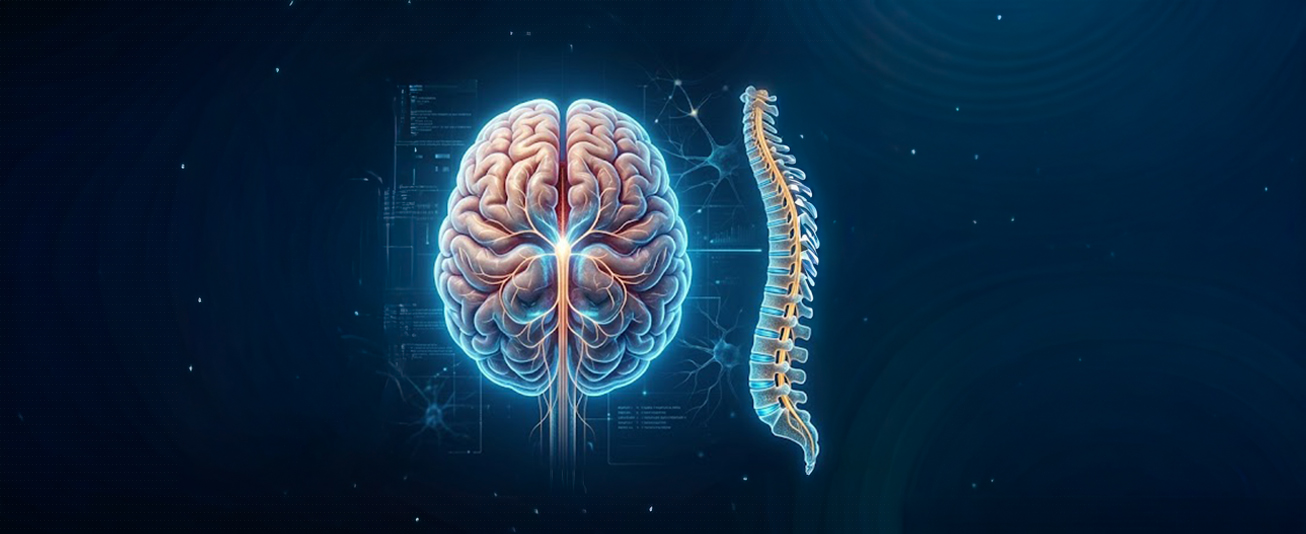
Neuro Rehabilitation
Neuro-Rehabilitation helps patients recover from neurological conditions affecting movement, speech, balance, and cognitive function. At Park Hospitals, our rehabilitation specialists provide personalized therapy programs focused on restoring independence and improving quality of life.
Patients recovering from stroke, spinal injuries, brain trauma, Parkinson disease, or neurological surgeries benefit from structured rehabilitation support.
Treatment programs may include physiotherapy, occupational therapy, speech therapy, cognitive rehabilitation, balance training, and mobility enhancement.
Modern rehabilitation equipment and evidence based therapy approaches help support functional recovery and long term neurological wellness.
With compassionate multidisciplinary care and advanced rehabilitation services, Park Hospitals remains dedicated to helping patients regain confidence and functional ability after neurological illness or injury.
Patient Testimonials
Stories Reflecting Excellence in Patient Care
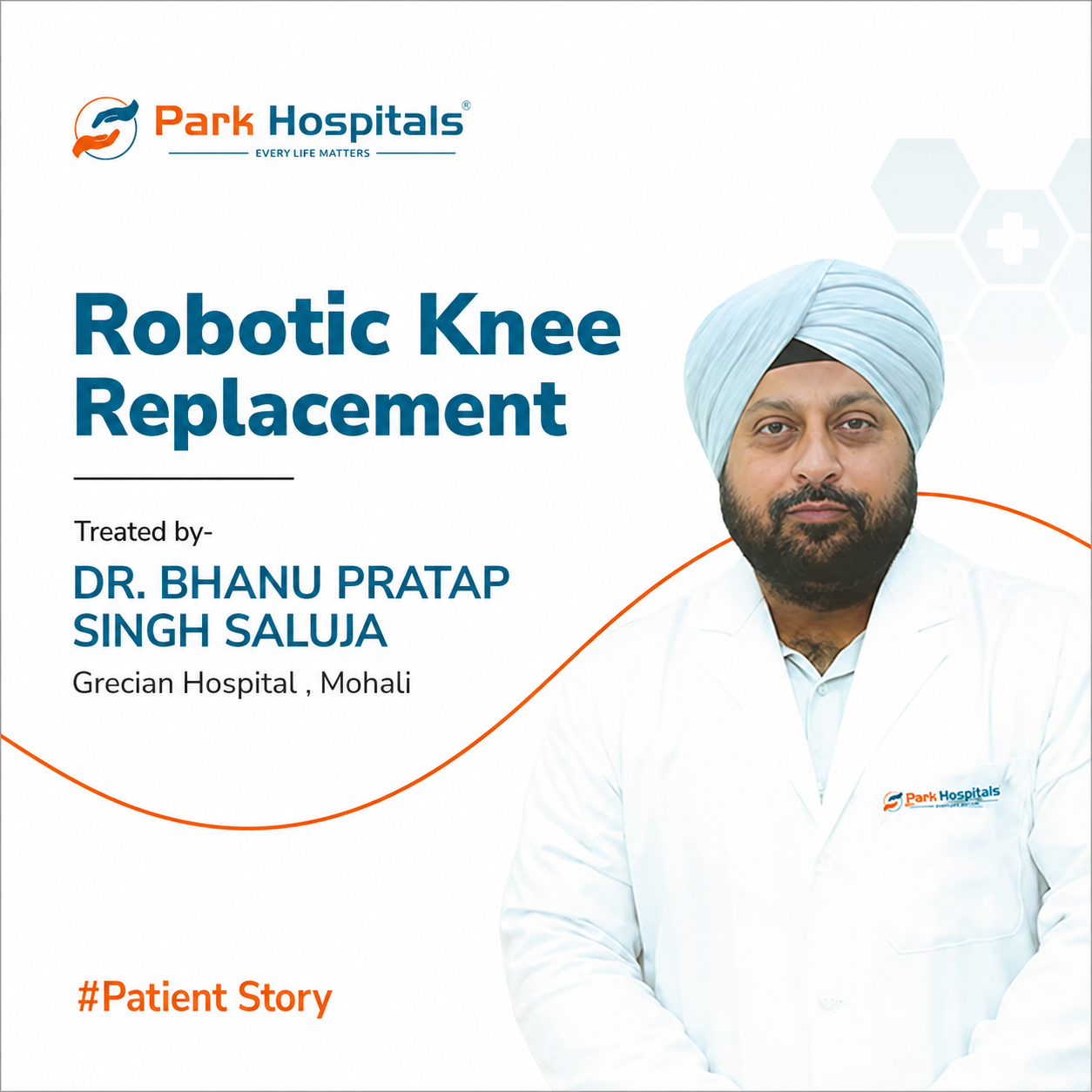
Robotic Knee Replacement Success Story
A patient regained mobility and confidence through successful robotic knee replacement surgery. Advanced robotic technology, expert orthopedic care, and personalized rehabilitation helped reduce pain, improve movement, and enhance overall quality of life.
Know More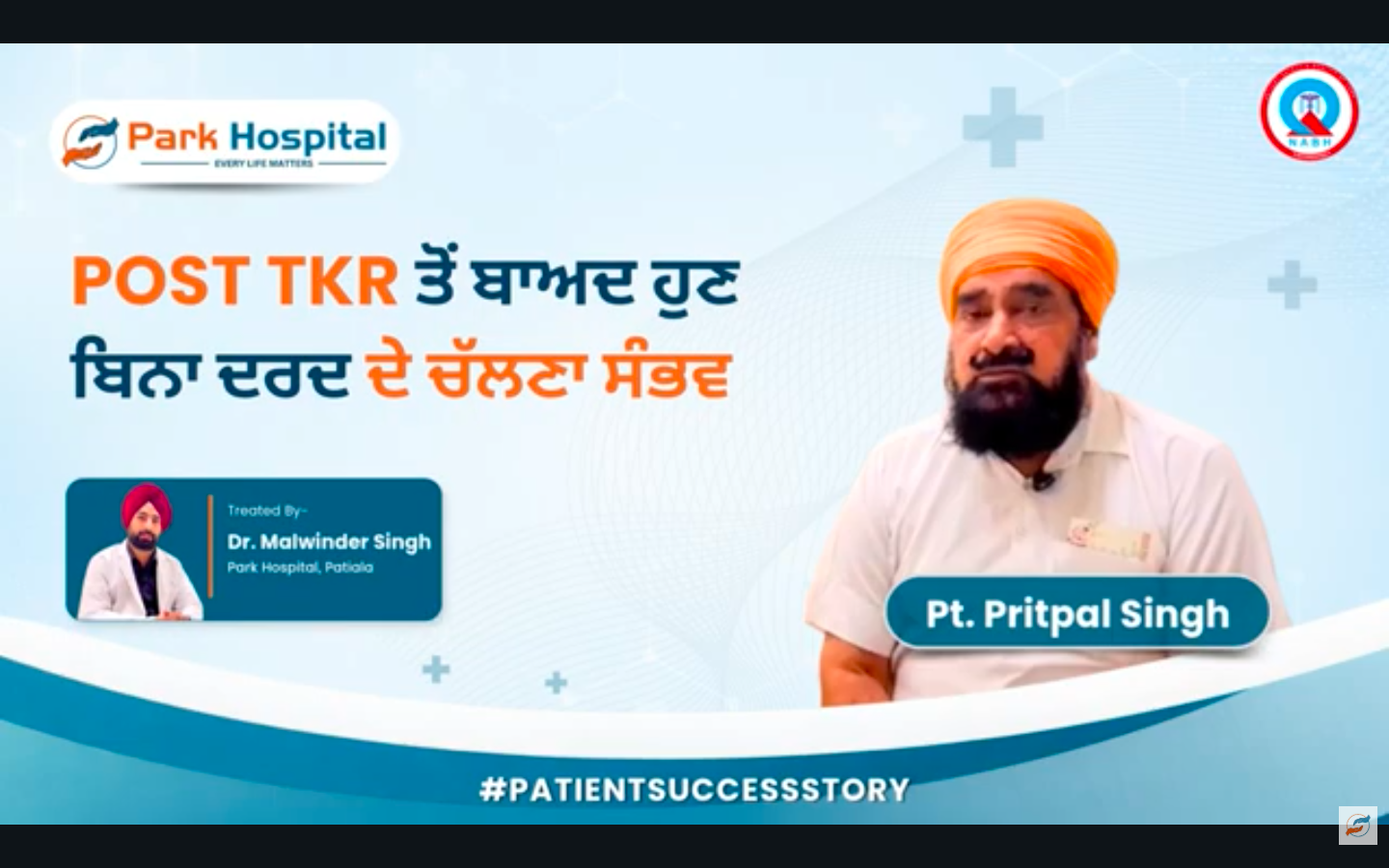
Pain-Free Walking After Total Knee Replacement
Following a successful Total Knee Replacement (TKR), the patient regained mobility and confidence. Expert orthopedic care, advanced surgical techniques, and rehabilitation support helped achieve pain-free walking and an improved quality of life.
Goodbye Knee Pain! | Advanced Knee Replacement | Dr. Anand Jindal | Park Hospital Panchkula
Chronic knee pain can affect your mobility and quality of life. Advanced knee replacement surgery can help you move comfortably and regain confidence.
Dr. Anand Jindal
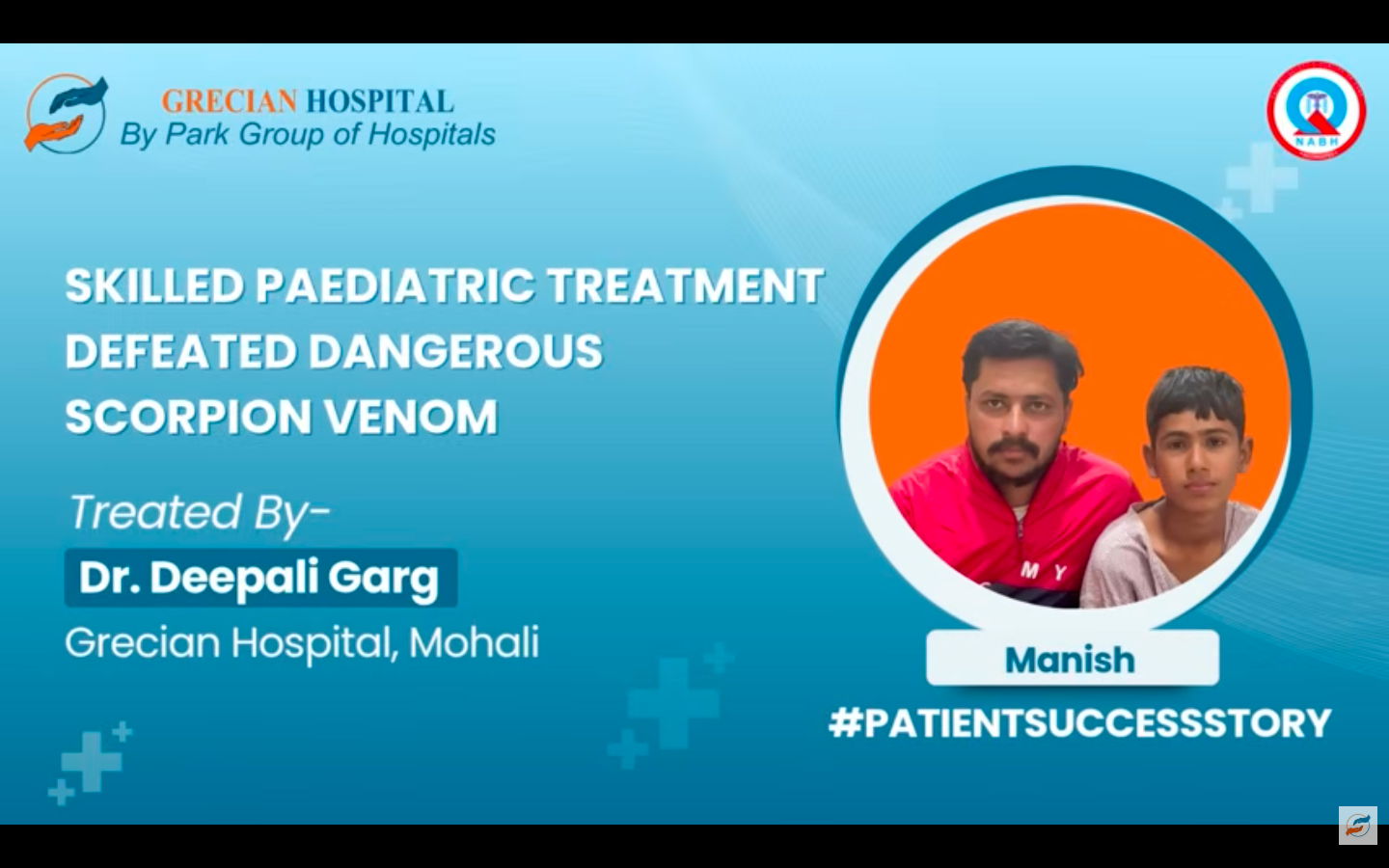
Expert Paediatric Care Defeats Scorpion Venom
A child suffering from a dangerous scorpion sting was successfully treated through timely intervention and expert pediatric care. Prompt diagnosis, critical monitoring, and specialized treatment ensured a safe recovery and positive outcome.
Dr. Milan Arora
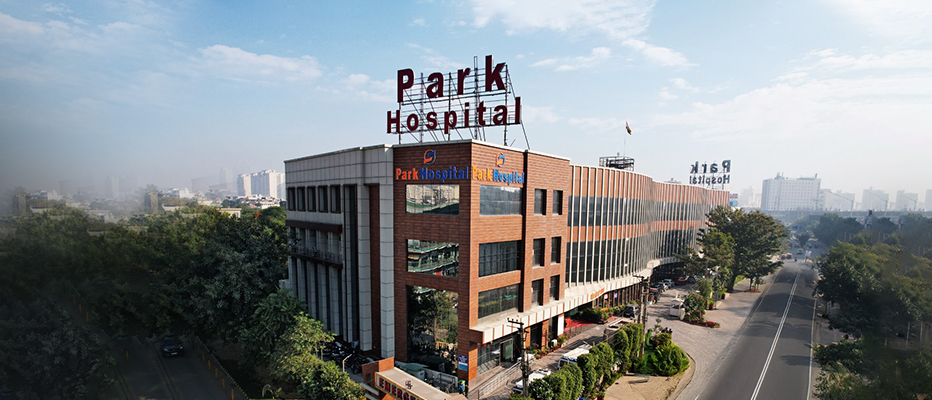


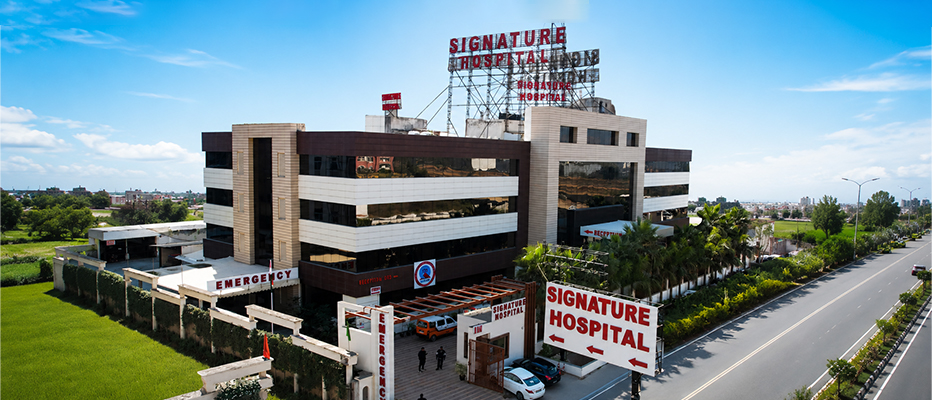
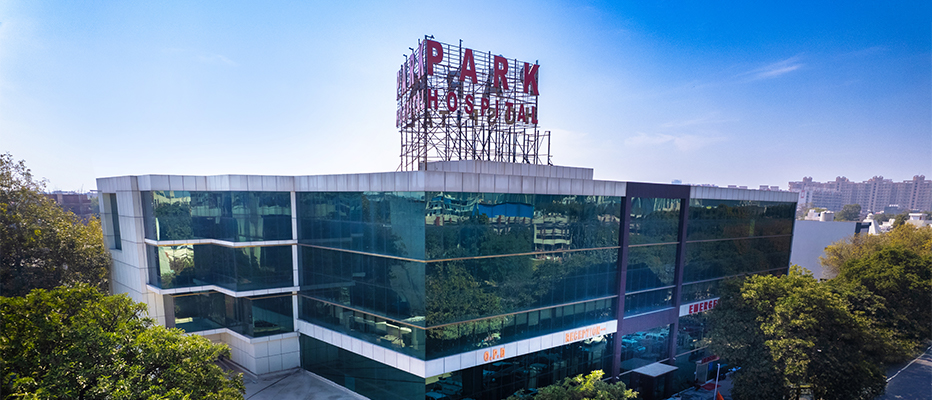

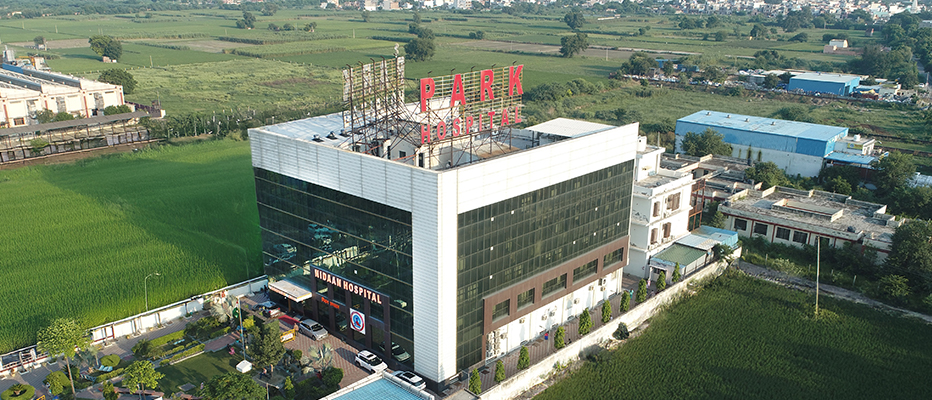
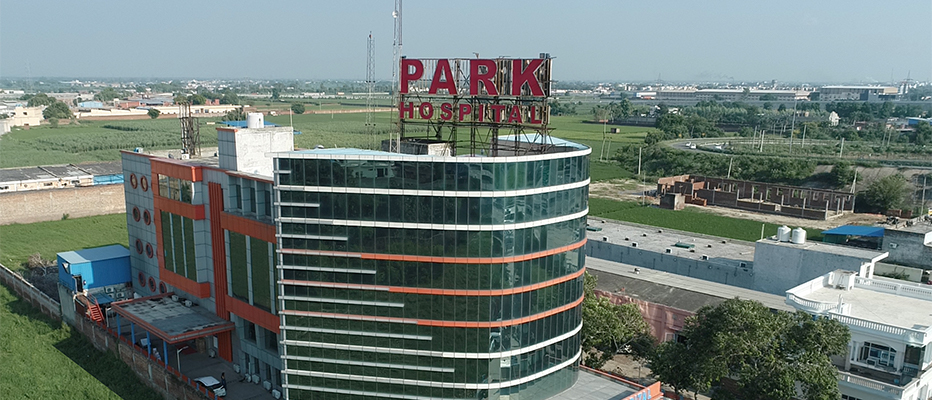
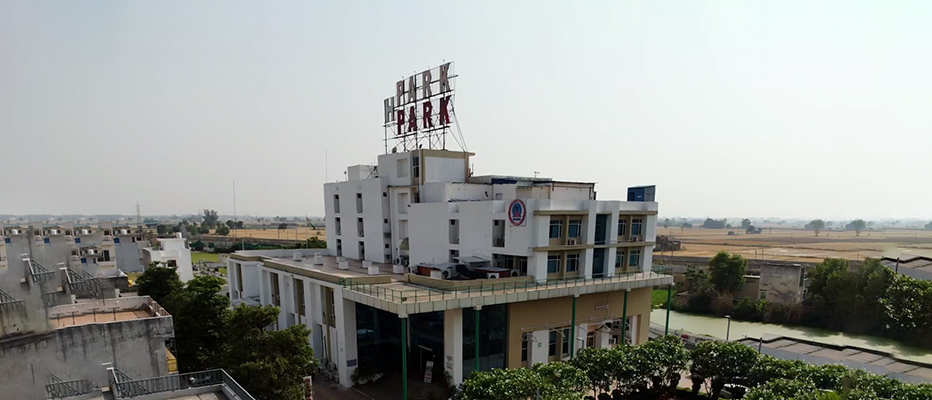

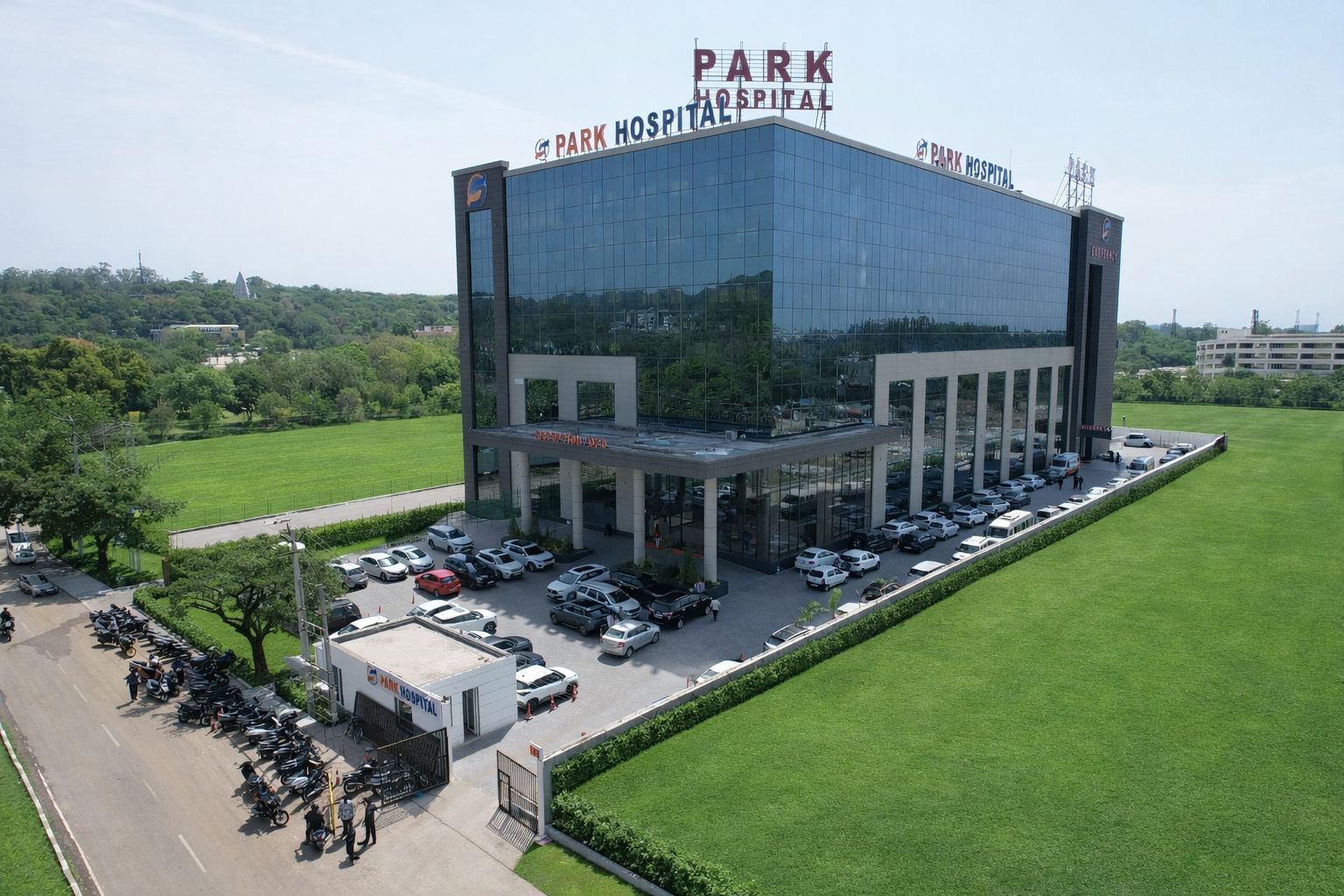
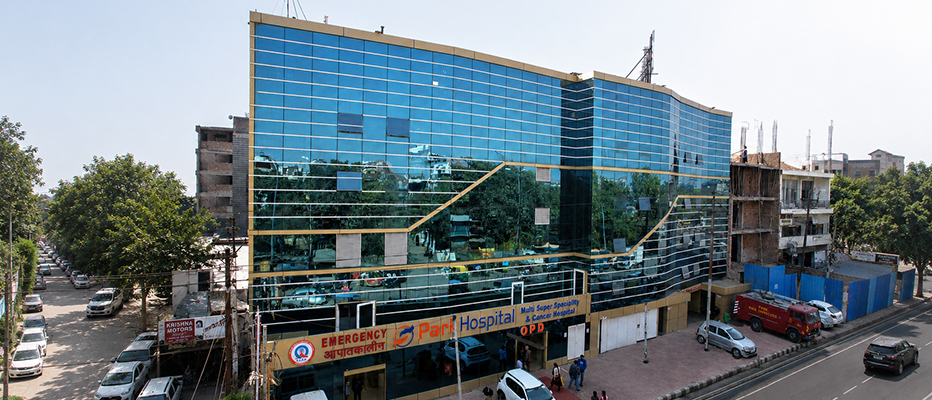
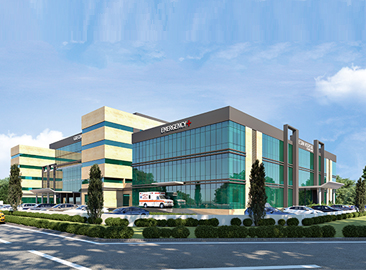

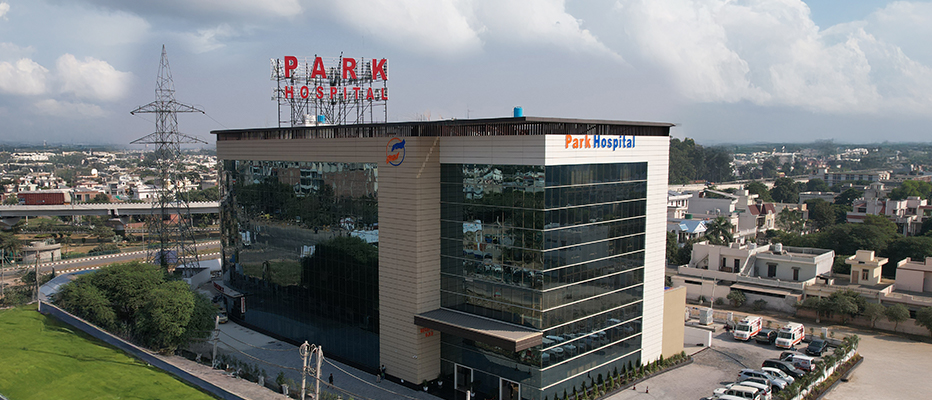
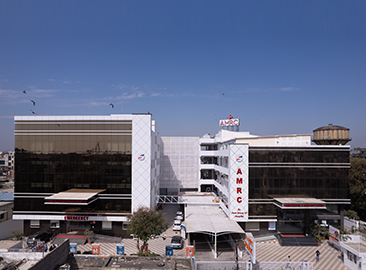

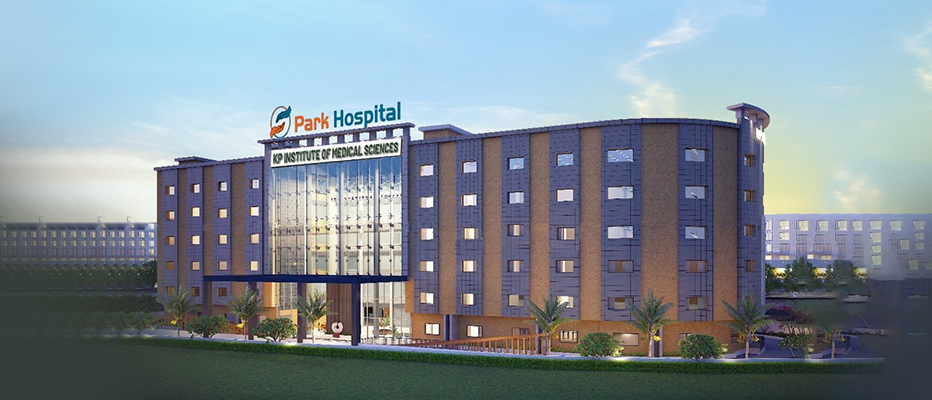
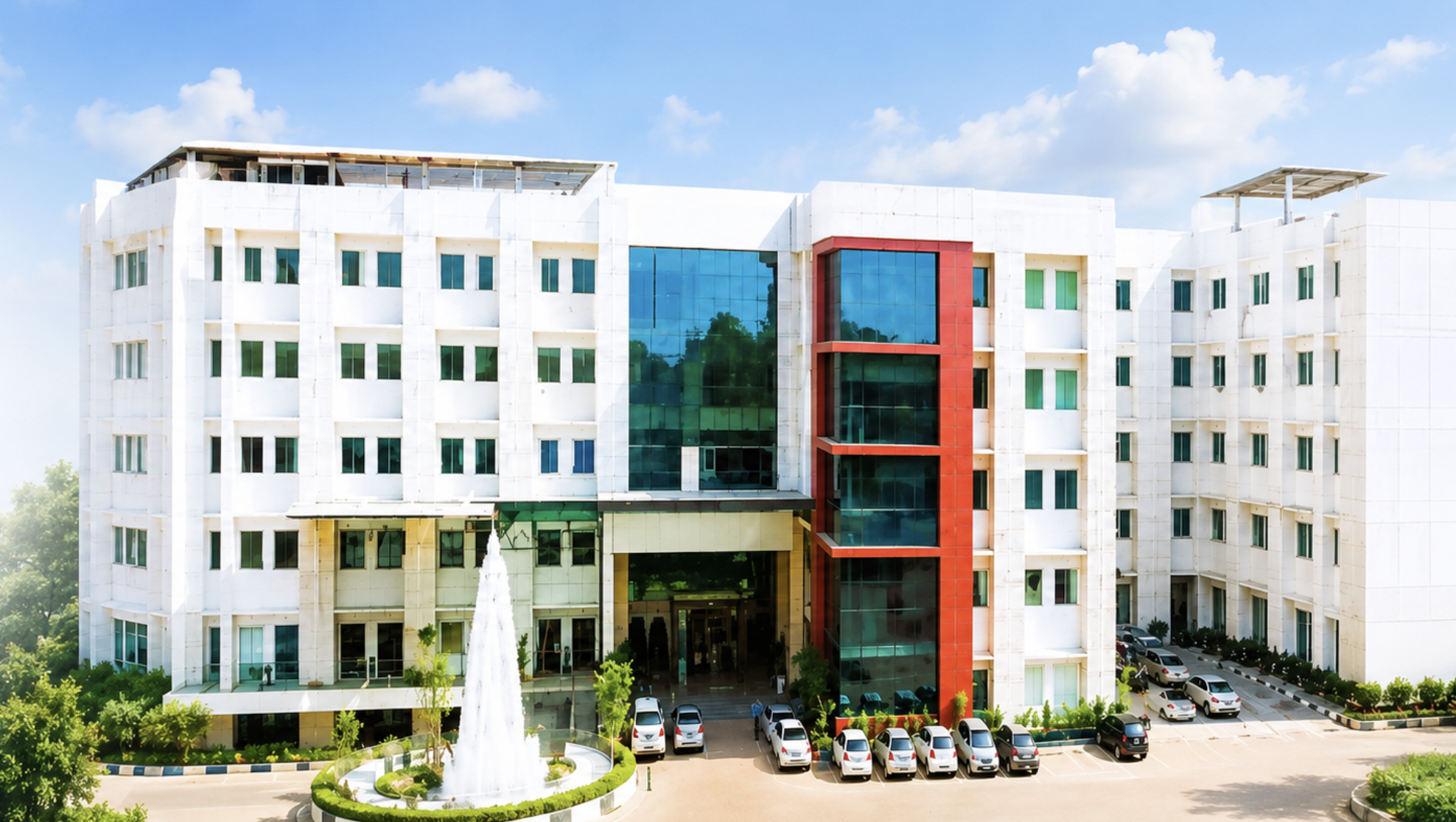
Our Hospital Locations
Healing Near You
Experience world-class clinical expertise and compassionate care at our advanced facilities conveniently located across the region
View AllHealth Tips
Expert Advice for Healthy Life


Frequently Asked Questions
Common questions answered by our experts
Neuro-rehabilitation is a specialised programme designed to help people regain or maintain physical, cognitive, communication and daily living abilities affected by neurological conditions or brain injuries. It may benefit people recovering from stroke, traumatic brain injury, brain tumours, spinal cord conditions and other neurological disorders. The goal is to improve function, independence and quality of life. Rehabilitation may begin in the hospital and continue through inpatient, outpatient or home-based programmes depending on the person's needs and recovery.
Neuro-rehabilitation may be recommended after conditions that affect movement, communication, thinking, balance or everyday functioning. These can include stroke, traumatic brain injury, brain tumours, spinal cord injuries and certain neurological disorders that cause physical or cognitive difficulties. The need for rehabilitation depends on the type and severity of the condition and the abilities affected. A rehabilitation team assesses the person's limitations and goals before developing an appropriate programme.
Rehabilitation can often begin while the patient is still in the hospital, once the medical team considers it safe. After a stroke, rehabilitation commonly begins within 24 to 48 hours when appropriate. Starting rehabilitation early can support recovery and help patients begin relearning affected skills. The timing and intensity depend on the person's medical condition, severity of the injury and specific difficulties. Rehabilitation may continue for months or longer as the patient's abilities and goals change.
A neuro-rehabilitation programme may involve several therapies depending on the patient's needs. Physical therapy can work on strength, movement, balance and walking, while occupational therapy focuses on everyday activities and independence. Speech and language therapy can address communication and swallowing difficulties. Cognitive rehabilitation may help with memory, thinking and problem-solving. Psychological support, nursing care, social support and vocational rehabilitation may also be included. A multidisciplinary team coordinates these therapies according to the patient's condition and recovery goals.
Neuro-rehabilitation uses structured, repetitive practice to help patients relearn skills affected by neurological injury or disease. Physical therapy may improve strength, coordination, balance and walking, while occupational therapy helps patients regain skills needed for dressing, bathing, household tasks and other daily activities. Speech therapy can support communication and swallowing. The programme focuses on the abilities affected and gradually builds functional independence, helping patients participate more safely and confidently in everyday life.
A rehabilitation plan is based on the patient's diagnosis, the areas of function affected, overall health, abilities, personal goals and level of independence. The rehabilitation team evaluates physical, cognitive, communication and emotional needs and then sets specific goals. The programme may be adjusted as the patient improves or new challenges arise. Family and caregivers can also be involved in planning and supporting recovery. This individualised approach helps ensure that therapy remains relevant to the patient's changing needs.
Recovery varies from person to person and depends on factors such as the severity and location of the neurological injury, overall health, age and the specific abilities affected. Motivation, mood, participation in therapy and support from family or caregivers can also influence progress. Starting rehabilitation early and working with a skilled multidisciplinary team may support better outcomes. Recovery can continue for months or longer, and rehabilitation goals may need to change as the patient's abilities improve.