
Cancer Care
A cancer diagnosis changes everything, and the quality of care that follows determines what comes next. At Park Hospitals, our Cancer Care Centre brings together medical oncologists, surgical oncologists, radiation oncologists, pathologists, and palliative care specialists as one unified team, reviewing every case together, deciding together, and caring for every patient together.
We treat all types of cancer, breast, lung, colorectal, head and neck, gynaecological, urological, haematological, gastrointestinal, and brain, with treatment plans built on the latest evidence and approved through our multidisciplinary tumour board. Medical oncology delivers chemotherapy, targeted therapy, immunotherapy, and hormone therapy, using internationally benchmarked protocols to maximise efficacy and protect quality of life.
Surgical oncology covers the full range of cancer resections across multiple organ systems with oncoplastic and minimally invasive techniques used wherever appropriate. Our oncology day care unit provides a calm, comfortable environment for outpatient treatment. Psychological support, nutritional counselling, pain management, and cancer rehabilitation complete our holistic programme.
We understand that cancer affects not just the patient but the entire family and our patient navigation team ensures that no one faces this journey alone. At Park Hospitals, cancer care is a commitment to every patient's dignity, hope, and quality of life.
Diseases and Procedures
Advanced Treatments For Every Disease
1 Bladder Cancer
Bladder cancer is a type of cancer that develops in the tissues of the urinary bladder, the organ responsible for storin Read More
2 Blood Cancer
Blood cancer refers to a group of cancers that affect the blood, bone marrow, and lymphatic system, interfering with the Read More
3 Breast Cancer
Breast cancer is a type of cancer that develops when abnormal cells in the breast grow uncontrollably and form a tumor. Read More
4 Colorectal Cancer
Colorectal cancer is a type of cancer that develops in the colon or rectum, which are parts of the large intestine respo Read More
5 Gastrointestinal Cancers
Gastrointestinal cancers are a group of cancers that affect the digestive system, including the esophagus, stomach, live Read More
6 Gynecologic Cancers (Gynecologic cancers (ovarian, cervical, etc.)
Gynecologic cancers are a group of cancers that affect the female reproductive system, including the ovaries, cervix, ut Read More
Meet Our Experts
Experienced Clinical Leaders
Consult with our highly skilled specialists dedicated to providing world-class medical expertise and personalized treatment plans.
Find A Doctor








.jpg)








.jpeg)

Patient Testimonials
Stories Reflecting Excellence in Patient Care

Robotic Knee Replacement Success Story
A patient regained mobility and confidence through successful robotic knee replacement surgery. Advanced robotic technology, expert orthopedic care, and personalized rehabilitation helped reduce pain, improve movement, and enhance overall quality of life.
Know More
Pain-Free Walking After Total Knee Replacement
Following a successful Total Knee Replacement (TKR), the patient regained mobility and confidence. Expert orthopedic care, advanced surgical techniques, and rehabilitation support helped achieve pain-free walking and an improved quality of life.
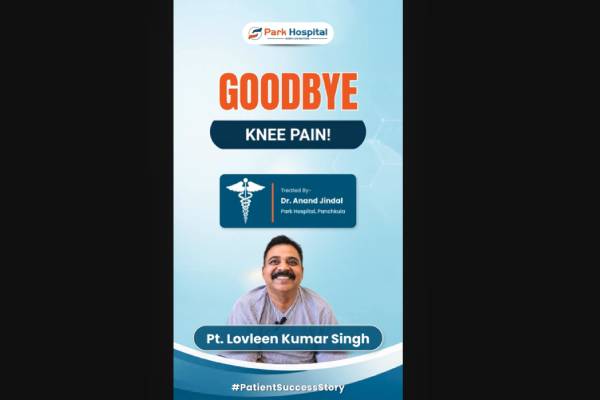
Goodbye Knee Pain! | Advanced Knee Replacement | Dr. Anand Jindal | Park Hospital Panchkula
Chronic knee pain can affect your mobility and quality of life. Advanced knee replacement surgery can help you move comfortably and regain confidence.
Dr. Anand Jindal
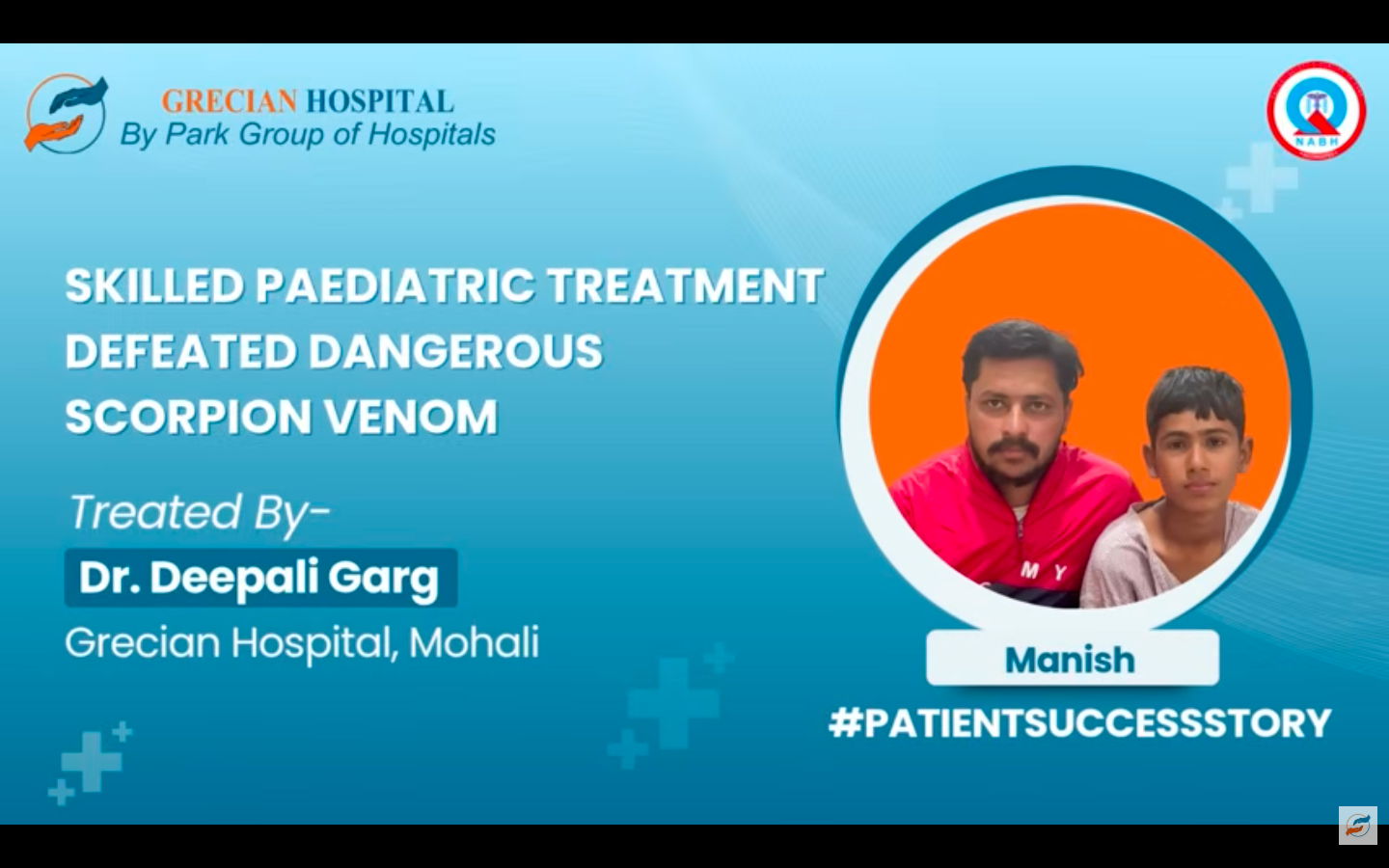
Expert Paediatric Care Defeats Scorpion Venom
A child suffering from a dangerous scorpion sting was successfully treated through timely intervention and expert pediatric care. Prompt diagnosis, critical monitoring, and specialized treatment ensured a safe recovery and positive outcome.
Dr. Milan Arora


















Our Hospital Locations
Healing Near You
Experience world-class clinical expertise and compassionate care at our advanced facilities conveniently located across the region
View AllHealth Tips
Expert Advice for Healthy Life



Frequently Asked Questions
Common questions answered by our experts
Many symptoms associated with cancer can also occur with common, non-cancerous conditions, so having a symptom does not mean you have cancer. However, persistent or unexplained changes should be evaluated. These may include an unexplained lump, unintentional weight loss, persistent fatigue, changes in bowel or bladder habits, difficulty swallowing, persistent indigestion, a cough that does not go away, unexplained bleeding or bruising, persistent pain, or changes in a mole or skin lesion. If symptoms concern you or do not resolve, speak with your doctor.
Cancer diagnosis usually involves a combination of medical history, physical examination, laboratory tests and imaging such as CT, MRI, PET, ultrasound or X-rays. A biopsy is often needed to confirm whether abnormal cells are cancerous and can also provide information about the cancer type and grade. Once cancer is diagnosed, staging determines how extensive it is and whether it has spread to other parts of the body. The stage helps the cancer team understand the disease and plan appropriate treatment.
Cancer treatment depends on the type and stage of cancer, overall health and individual preferences. Options may include surgery, chemotherapy, radiation therapy, immunotherapy, targeted therapy and hormone therapy. Some cancers are treated with a single approach, while others require a combination of treatments. Treatment may aim to cure the cancer, remove or control it, reduce the risk of recurrence, slow its progression or relieve symptoms. Clinical trials may also provide access to newer treatment approaches for eligible patients.
Treatment decisions are based on more than the cancer's location. Specialists consider the type and stage of cancer, characteristics of the tumour, whether it has spread, the patient's overall health and other medical conditions, and the potential benefits and risks of available treatments. In some cancers, testing the tumour for specific molecular or genetic characteristics can help identify treatments that are more likely to work. The patient's preferences and goals are also important when developing an individualized treatment plan.
The role of each treatment varies according to the cancer. Surgery may be used to remove a tumour when it can be safely removed. Chemotherapy may be used to destroy cancer cells, sometimes before or after surgery or with other treatments. Radiation therapy uses high-energy radiation to target cancer cells and may be used alone or alongside other treatments. Immunotherapy helps the immune system recognize and attack cancer, while targeted therapy acts on specific abnormalities that help cancer cells grow.
Side effects vary considerably depending on the cancer and treatment, and many can be prevented, reduced or treated. Patients should tell their cancer care team about new or worsening symptoms rather than trying to manage significant side effects alone. Treatment may include medicines for nausea or pain, nutritional support, strategies for managing fatigue or other supportive care. Depending on the treatment, monitoring blood counts and organ function may also be important. Patients should ask which symptoms require urgent medical attention and whom to contact if they occur.
Useful questions include: What type and stage of cancer do I have? Will I need additional tests? What are my treatment options, and which do you recommend? What is the goal of treatment? What benefits and side effects should I expect? How soon should treatment begin, and how might it affect my daily life? Are there clinical trials or other treatment options I should consider? You can also ask whether a second opinion would be useful and how other health conditions may affect your treatment.