
Hemato Oncology
Hemato Oncology focuses on cancers affecting the blood, bone marrow, and lymphatic system. At Park Hospitals, our hemato oncology specialists provide advanced diagnosis and treatment for leukemia, lymphoma, myeloma, and related blood disorders.
The department offers chemotherapy, immunotherapy, bone marrow evaluation, supportive transfusion care, and infection prevention support.
Patients receive personalized treatment plans and multidisciplinary care aimed at improving survival and quality of life.
With experienced oncology specialists and advanced cancer care infrastructure, Park Hospitals delivers comprehensive Hemato Oncology services focused on compassionate patient care.
Patient Testimonials
Stories Reflecting Excellence in Patient Care

Robotic Knee Replacement Success Story
A patient regained mobility and confidence through successful robotic knee replacement surgery. Advanced robotic technology, expert orthopedic care, and personalized rehabilitation helped reduce pain, improve movement, and enhance overall quality of life.
Know More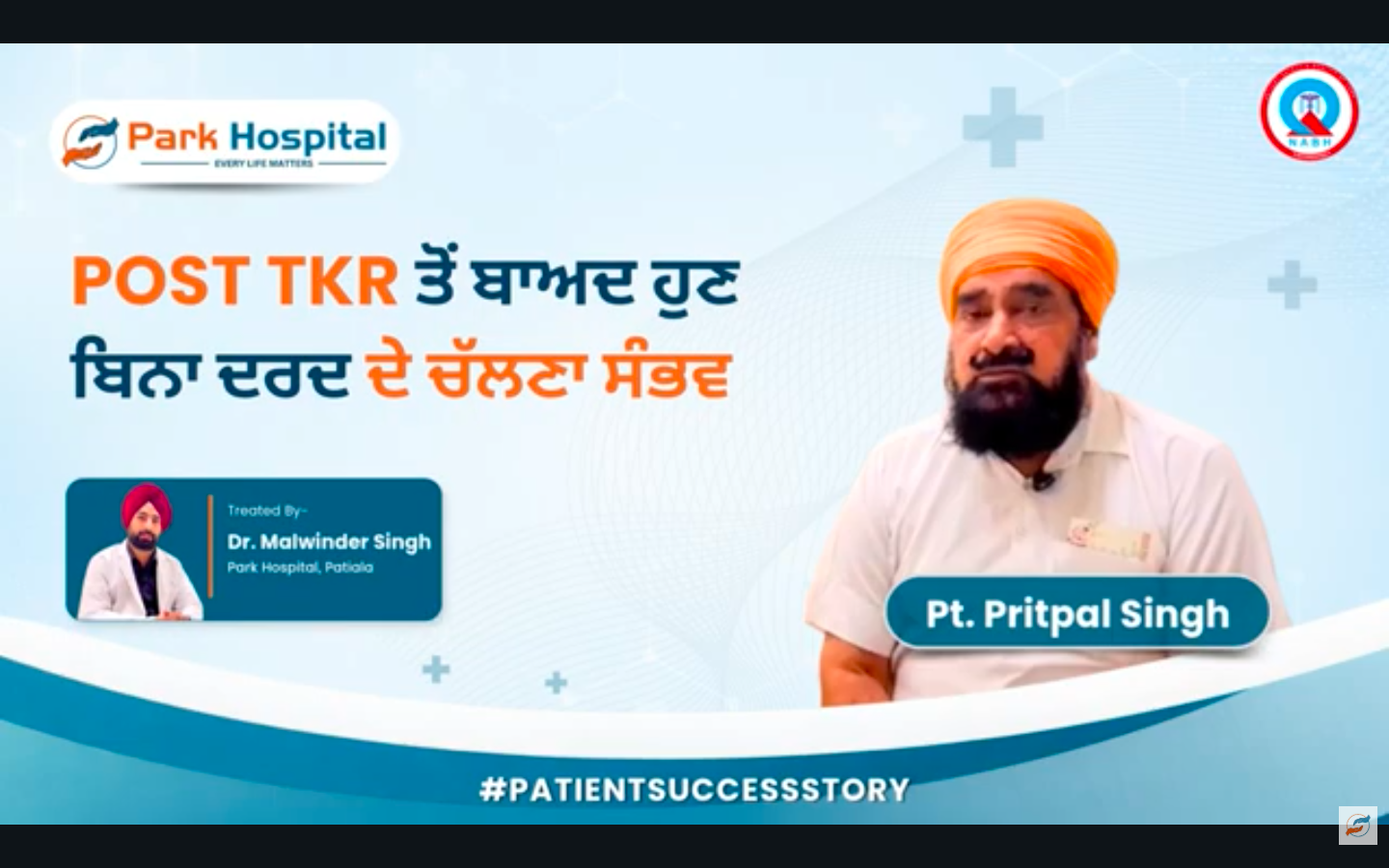
Pain-Free Walking After Total Knee Replacement
Following a successful Total Knee Replacement (TKR), the patient regained mobility and confidence. Expert orthopedic care, advanced surgical techniques, and rehabilitation support helped achieve pain-free walking and an improved quality of life.

Goodbye Knee Pain! | Advanced Knee Replacement | Dr. Anand Jindal | Park Hospital Panchkula
Chronic knee pain can affect your mobility and quality of life. Advanced knee replacement surgery can help you move comfortably and regain confidence.
Dr. Anand Jindal
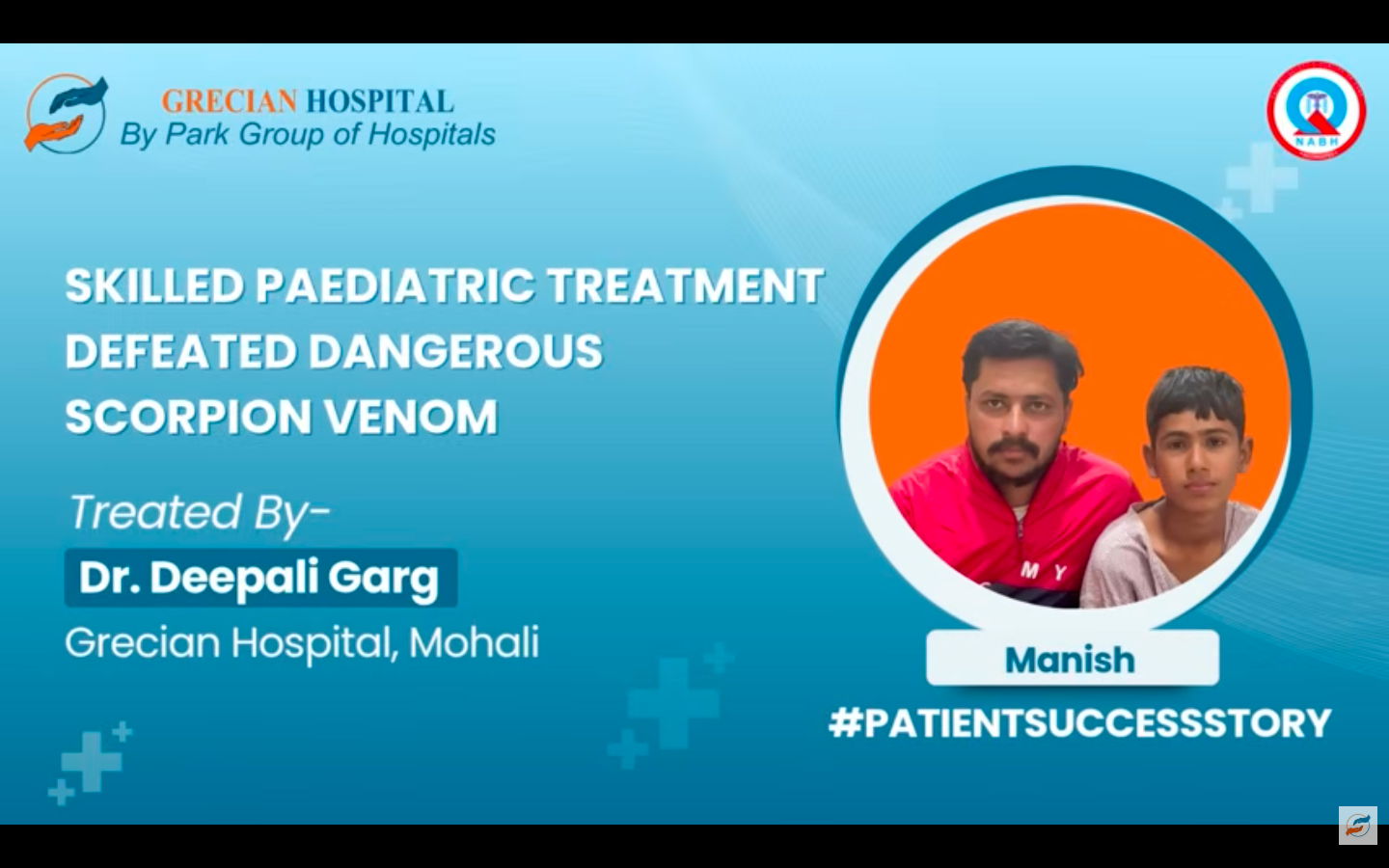
Expert Paediatric Care Defeats Scorpion Venom
A child suffering from a dangerous scorpion sting was successfully treated through timely intervention and expert pediatric care. Prompt diagnosis, critical monitoring, and specialized treatment ensured a safe recovery and positive outcome.
Dr. Milan Arora



















Our Hospital Locations
Healing Near You
Experience world-class clinical expertise and compassionate care at our advanced facilities conveniently located across the region
View AllHealth Tips
Expert Advice for Healthy Life


Frequently Asked Questions
Common questions answered by our experts
A hemato-oncology specialist diagnoses and treats cancers and other disorders affecting the blood, bone marrow and lymphatic system. Blood cancers commonly managed include leukemias, lymphomas and multiple myeloma. Depending on the condition, specialists may also care for related plasma-cell disorders and other complex blood diseases. Treatment varies considerably between conditions and may include chemotherapy, immunotherapy, targeted medicines, radiation therapy or stem cell transplantation. Care is tailored according to the specific diagnosis, disease characteristics and individual patient factors.
Symptoms can vary depending on the type of blood disorder or cancer and may also occur with many non-cancerous conditions. Possible warning signs include persistent fatigue or weakness, unexplained fever or night sweats, frequent infections, unexplained bruising or bleeding, swollen lymph nodes, persistent bone or abdominal discomfort and unintentional weight loss. Some blood cancers may cause very few symptoms initially and may first be suspected because of an abnormal blood test. Persistent or unexplained symptoms should be evaluated by a healthcare professional.
Diagnosis usually begins with a medical history, physical examination and blood tests such as a complete blood count. Depending on the suspected condition, specialists may examine blood or bone marrow cells and use tests such as flow cytometry, chromosome analysis and molecular or genetic testing. Imaging may also be required for certain blood cancers. These investigations help determine the specific type and characteristics of the disease, which is important because treatment can differ significantly between subtypes.
Treatment depends on the specific blood cancer, its subtype, stage or risk characteristics, and the patient's overall health. Options may include chemotherapy, targeted therapy, immunotherapy, radiation therapy and stem cell transplantation. Some slow-growing blood cancers may initially be monitored closely rather than treated immediately, while aggressive diseases may require prompt therapy. Treatment plans can involve one approach or a combination of treatments. Advances in molecular and immune-based therapies have also expanded treatment options for several blood cancers.
The choice depends on the type and characteristics of the blood cancer. Chemotherapy may be used to destroy rapidly dividing cancer cells, while targeted therapies act on specific abnormalities that help cancer cells survive or grow. Immunotherapy uses the immune system to recognize and attack abnormal cells and is used for selected blood cancers. Stem cell transplantation may be considered for certain high-risk, relapsed or treatment-resistant diseases, or when intensive therapy is appropriate. Eligibility depends on disease characteristics and the patient's overall health.
Response is monitored using tests appropriate to the specific blood cancer. These may include regular blood counts, examination of blood or bone marrow, imaging studies and molecular or other disease-specific tests. In some cancers, specialists can detect very small amounts of remaining disease using sensitive tests, helping assess whether treatment is working or whether additional therapy may be needed. Monitoring also helps identify treatment-related complications and guides decisions about continuing, changing or completing treatment.
Ask about the exact type and subtype of blood cancer or disorder, how extensive or high-risk it is and whether additional testing is needed. Discuss the recommended treatment, its goal, alternatives, expected benefits and potential side effects. You can also ask whether molecular or genetic testing could influence treatment choices, whether a clinical trial may be appropriate and how response will be monitored. If stem cell transplantation is being considered, ask why it is recommended, what it involves and what alternatives are available.