
ENT
ENT Hospital in India
The ear, nose, and throat play essential roles in hearing, balance, breathing, swallowing, and voice, and disorders affecting these structures can significantly impact communication, nutrition, and quality of life. At Park Hospitals, our Department of ENT provides comprehensive, expert care for all otolaryngological conditions from common ear infections to complex head and neck surgery.
Our ENT surgeons manage the complete range of ear disorders, otitis media, cholesteatoma, perforated tympanic membrane, otosclerosis, and sensorineural hearing loss with audiometric evaluation and surgical options including myringoplasty, tympanoplasty, stapedectomy, mastoidectomy, and cochlear implantation. Nasal and sinus conditions, allergic rhinitis, sinusitis, nasal polyps, and deviated septum are managed with medical therapy and functional endoscopic sinus surgery.
Throat and laryngeal conditions including tonsillitis, adenoid hypertrophy, vocal cord lesions, and dysphagia are managed medically and surgically. Snoring and upper airway-related sleep apnoea are addressed in collaboration with our sleep medicine team. Head and neck cancer, oral cavity, oropharyngeal, laryngeal, thyroid, and salivary gland tumours is managed through our multidisciplinary oncology pathway.
Rhinoplasty and septoplasty for both functional and aesthetic indications complete our surgical offering. At Park Hospitals, ENT care restores the senses, the voice, and the connections that make life meaningful.
Diseases and Procedures
Advanced Treatments For Every Disease
1 Nasal Polyps
Nasal polyps are soft, noncancerous growths that develop on the lining of the nasal passages or sinuses as a result of c Read More
2 Hearing Loss
Hearing loss is a condition characterized by a partial or complete reduction in the ability to hear sounds in one or bot Read More
3 Deviated septum
A deviated septum is a condition in which the nasal septum, the thin wall of cartilage and bone that separates the two n Read More
4 Otitis media (ear infection)
Otitis media is a common condition characterized by inflammation or infection of the middle ear, the air-filled space lo Read More
5 Sinusitis
Sinusitis is a condition characterized by inflammation or swelling of the tissues lining the sinuses, the air-filled cav Read More
6 Throat cancer
Throat cancer is a type of cancer that develops in the tissues of the throat, including the pharynx, larynx (voice box), Read More
Meet Our Experts
Experienced Clinical Leaders
Consult with our highly skilled specialists dedicated to providing world-class medical expertise and personalized treatment plans.
Find A Doctor











.png)



Patient Testimonials
Stories Reflecting Excellence in Patient Care

Robotic Knee Replacement Success Story
A patient regained mobility and confidence through successful robotic knee replacement surgery. Advanced robotic technology, expert orthopedic care, and personalized rehabilitation helped reduce pain, improve movement, and enhance overall quality of life.
Know More
Pain-Free Walking After Total Knee Replacement
Following a successful Total Knee Replacement (TKR), the patient regained mobility and confidence. Expert orthopedic care, advanced surgical techniques, and rehabilitation support helped achieve pain-free walking and an improved quality of life.

Goodbye Knee Pain! | Advanced Knee Replacement | Dr. Anand Jindal | Park Hospital Panchkula
Chronic knee pain can affect your mobility and quality of life. Advanced knee replacement surgery can help you move comfortably and regain confidence.
Dr. Anand Jindal
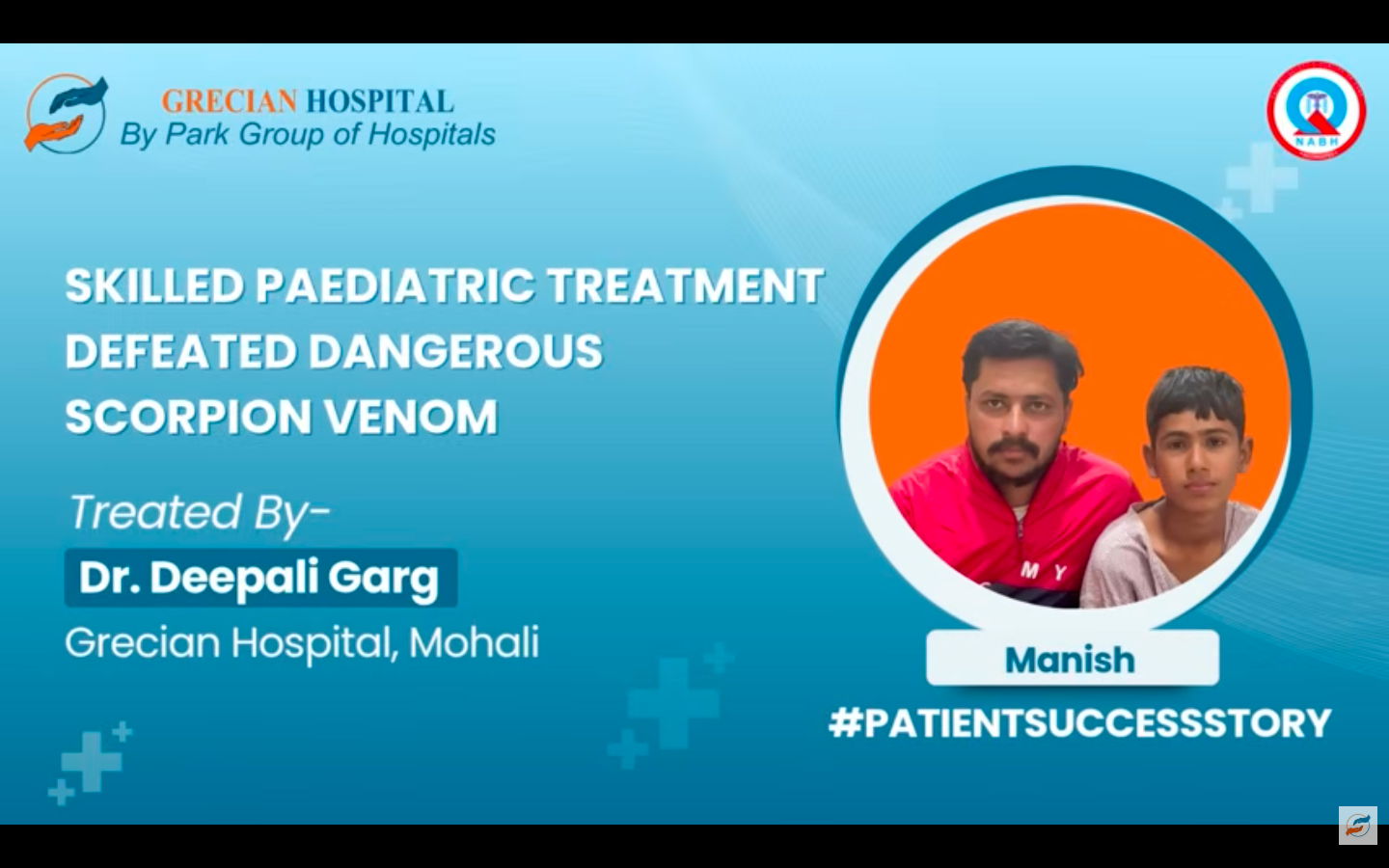
Expert Paediatric Care Defeats Scorpion Venom
A child suffering from a dangerous scorpion sting was successfully treated through timely intervention and expert pediatric care. Prompt diagnosis, critical monitoring, and specialized treatment ensured a safe recovery and positive outcome.
Dr. Milan Arora


















Our Hospital Locations
Healing Near You
Experience world-class clinical expertise and compassionate care at our advanced facilities conveniently located across the region
View AllHealth Tips
Expert Advice for Healthy Life


Ear Discharge That Keeps Coming Back: When a Hole in the Eardrum Needs Surgery

24 Sep 2026

By Dr. Anav Rattan

Why Is Your Nose Always Blocked?
24 Sep 2026
By Dr. Anav Rattan

Sudden Hearing Loss: Is It a Medical Emergency?
26 Feb 2026
View All
Frequently Asked Questions
Common questions answered by our experts
An ENT evaluation may be appropriate for persistent or recurrent problems involving the ears, nose or throat. These can include hearing loss, recurring ear infections, ringing in the ears, persistent nasal blockage, recurrent sinus problems, frequent nosebleeds, difficulty swallowing, persistent hoarseness or a sore throat that does not improve. Balance problems, unexplained changes in smell or persistent symptoms affecting sleep or breathing may also require assessment. The need for specialist evaluation depends on the symptoms, their duration and their impact on daily life.
Consider seeing an ENT specialist when hearing, sinus or throat symptoms are persistent, recurrent or affecting everyday activities. This may include ongoing nasal obstruction, recurrent sinus infections, unexplained hearing changes, persistent ear discomfort, dizziness, chronic hoarseness or difficulty swallowing. An ENT specialist can investigate symptoms that have not improved with initial treatment and determine whether medical treatment, hearing assessment, imaging or another intervention is appropriate. Sudden hearing loss or severe breathing difficulty requires prompt medical evaluation.
Many ENT conditions can be managed medically without an operation. Depending on the diagnosis, treatment may include medicines, nasal sprays, allergy management, hearing rehabilitation or other non-surgical approaches. Conditions such as allergic rhinitis, many sinus problems, ear infections and some throat disorders can often be treated conservatively. Some hearing conditions may be managed with hearing aids or other assistive devices. The appropriate treatment depends on the underlying cause, severity and response to initial management.
Testing depends on the symptoms and the area affected. An ENT specialist may examine the ears, nose and throat directly and use hearing tests such as audiometry when hearing is affected. Depending on the condition, additional tests may include tympanometry, nasal or throat endoscopy, imaging such as CT or MRI, allergy testing or laboratory investigations. Specialized balance testing may be recommended for dizziness or vertigo. These tests help identify the cause of symptoms and determine the most appropriate treatment.
ENT surgery may be considered when a condition does not respond adequately to appropriate medical treatment, causes significant functional problems or requires correction of a structural abnormality. Depending on the condition, surgery may be used for problems such as severely obstructed nasal passages, certain chronic sinus conditions, enlarged tonsils or adenoids, persistent ear problems or other structural disorders. Surgery is not automatically required for recurring symptoms; the decision is based on the diagnosis, severity, previous treatment and expected benefits.
Good hygiene, avoiding tobacco smoke and managing allergies or known triggers can help reduce some ENT problems. Appropriate vaccination can lower the risk of certain respiratory infections, while protecting the ears from excessive noise can help prevent hearing damage. For chronic sinus or nasal problems, following the recommended treatment plan and using prescribed nasal therapies correctly can help control symptoms. Persistent or recurring problems should not be repeatedly self-treated without evaluation, particularly when hearing, swallowing, breathing or voice changes are involved.
The consultation usually begins with a discussion of your symptoms, when they started, how often they occur and any previous treatments or investigations. The ENT specialist will examine the relevant areas, which may include the ears, nose, throat and neck. Hearing or other specialized tests may be performed or recommended depending on your symptoms. The specialist will then explain the likely cause, whether further testing is needed and whether medical treatment, monitoring or surgery is appropriate.