
Bariatric Surgery
Bariatric Surgery in India
Severe obesity is a complex, chronic medical condition, not a lifestyle choice with profound implications for health, longevity, and quality of life. When lifestyle modification and medical management cannot achieve sustained weight loss, bariatric surgery offers a safe, effective, and often transformative solution. At Park Hospitals, our Bariatric Surgery programme is delivered by experienced surgeons through a comprehensive, multidisciplinary care model.
We offer the full range of bariatric procedure,s laparoscopic sleeve gastrectomy, Roux-en-Y gastric bypass, mini gastric bypass, and revisional bariatric surgery, all performed through tiny keyhole incisions. Patient selection is rigorous, every candidate is evaluated by our bariatric surgeon, dietitian, psychologist, and physician before surgery is recommended, ensuring full physical and psychological preparedness.
Weight loss following bariatric surgery is significant, most patients lose 60 to 80% of excess weight within the first year. The metabolic benefits are equally remarkable, type 2 diabetes resolves or dramatically improves in the majority of patients, often before significant weight loss has occurred, reflecting the profound hormonal effects of these procedures on glucose metabolism.
Post-operative care includes nutritional supplementation, dietary progression, psychological support, and structured long-term follow-up. At Park Hospitals, bariatric surgery is not about aesthetics, it is about health, longevity, and life transformation.
Diseases and Procedures
Advanced Treatments For Every Disease
1 Gastric Banding
Gastric Banding at Park Hospitals is a minimally invasive bariatric surgery procedure performed to support weight loss i Read More
2 Gastric Bypass Surgery
Gastric Bypass Surgery at Park Hospitals is a bariatric surgical procedure performed to support significant weight loss Read More
3 Metabolic Surgery
Metabolic Surgery at Park Hospitals is an advanced surgical treatment performed to help manage obesity and obesity-relat Read More
4 Sleeve Gastrectomy
Sleeve Gastrectomy at Park Hospitals is a minimally invasive bariatric surgery procedure performed to support significan Read More
5 Weight Loss Surgery
Weight Loss Surgery at Park Hospitals involves advanced bariatric surgical procedures performed to help individuals achi Read More
Meet Our Experts
Experienced Clinical Leaders
Consult with our highly skilled specialists dedicated to providing world-class medical expertise and personalized treatment plans.
Find A Doctor



Patient Testimonials
Stories Reflecting Excellence in Patient Care
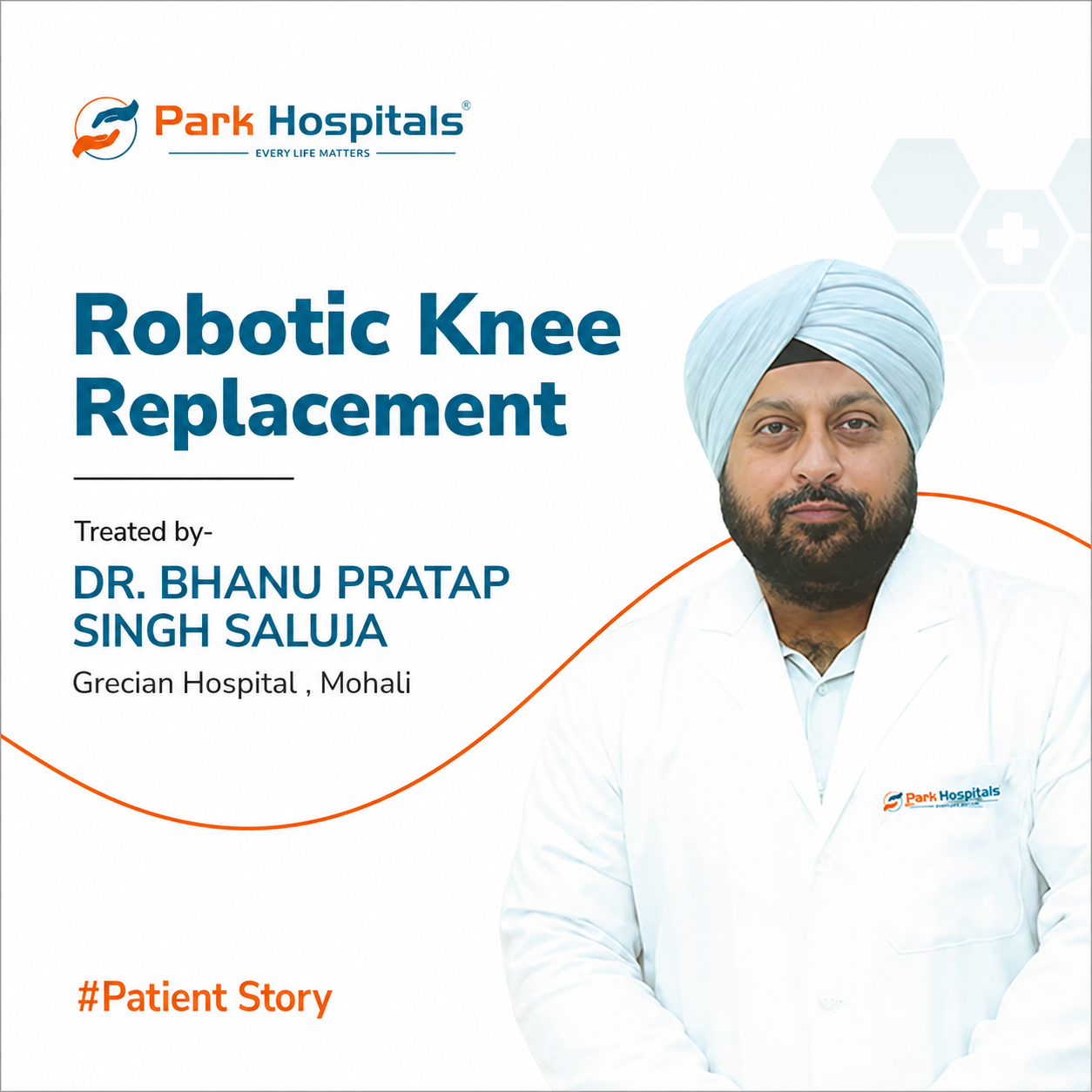
Robotic Knee Replacement Success Story
A patient regained mobility and confidence through successful robotic knee replacement surgery. Advanced robotic technology, expert orthopedic care, and personalized rehabilitation helped reduce pain, improve movement, and enhance overall quality of life.
Know More
Pain-Free Walking After Total Knee Replacement
Following a successful Total Knee Replacement (TKR), the patient regained mobility and confidence. Expert orthopedic care, advanced surgical techniques, and rehabilitation support helped achieve pain-free walking and an improved quality of life.

Goodbye Knee Pain! | Advanced Knee Replacement | Dr. Anand Jindal | Park Hospital Panchkula
Chronic knee pain can affect your mobility and quality of life. Advanced knee replacement surgery can help you move comfortably and regain confidence.
Dr. Anand Jindal
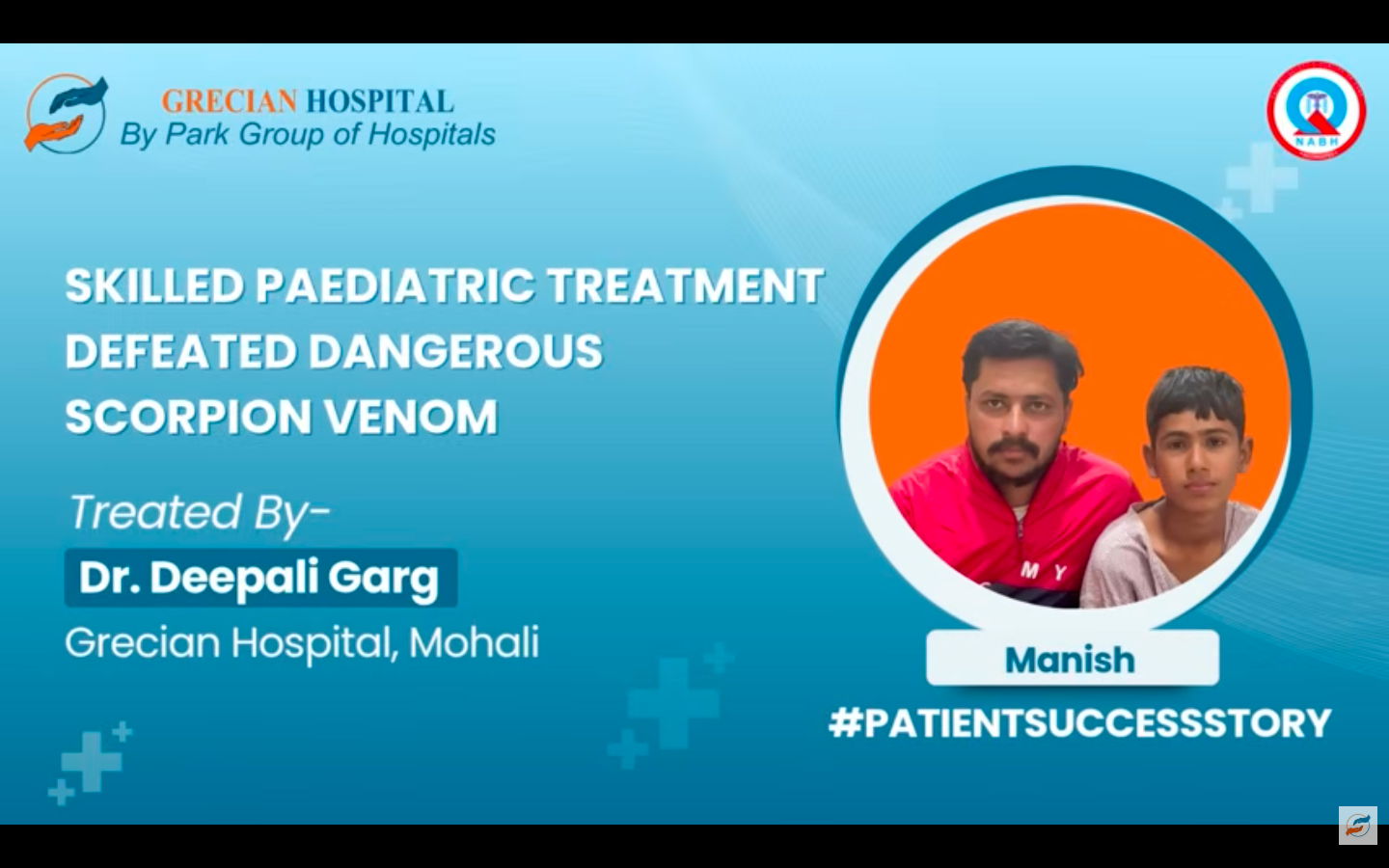
Expert Paediatric Care Defeats Scorpion Venom
A child suffering from a dangerous scorpion sting was successfully treated through timely intervention and expert pediatric care. Prompt diagnosis, critical monitoring, and specialized treatment ensured a safe recovery and positive outcome.
Dr. Milan Arora


















Our Hospital Locations
Healing Near You
Experience world-class clinical expertise and compassionate care at our advanced facilities conveniently located across the region
View AllHealth Tips
Expert Advice for Healthy Life




Frequently Asked Questions
Common questions answered by our experts
Bariatric or metabolic surgery may be considered when obesity is causing significant health problems and lifestyle-based weight management has not produced sufficient results. Mayo Clinic generally considers surgery for adults with a BMI of 40 or higher, or a BMI of 35–39.9 with serious obesity-related conditions such as type 2 diabetes, high blood pressure or severe sleep apnea. In some circumstances, surgery may also be considered at a BMI of 30–34.9 when significant weight-related health problems are present.
Being overweight alone does not automatically make someone a candidate for bariatric surgery. Eligibility depends on factors such as BMI, obesity-related health conditions, previous weight-management efforts and overall health. A comprehensive assessment also considers eating patterns, medical history, medicines and the patient's readiness to make permanent changes to diet, physical activity and follow-up care. The decision is individualized and is often made by a multidisciplinary team that may include surgeons, physicians, dietitians and behavioral health professionals.
Common bariatric procedures include sleeve gastrectomy and Roux-en-Y gastric bypass. Other procedures, such as biliopancreatic diversion with duodenal switch and single-anastomosis duodeno-ileal bypass with sleeve gastrectomy (SADI-S), may be considered in selected patients. These procedures work in different ways: some primarily reduce the amount of food the stomach can hold, while others also alter nutrient absorption or affect hormones involved in hunger and fullness. The most appropriate procedure depends on the patient's health, BMI, eating patterns and treatment goals.
Bariatric surgery changes the digestive system in ways that can reduce food intake, alter nutrient absorption and, with some procedures, influence hormones involved in appetite and fullness. The resulting weight loss can improve several obesity-related conditions, including type 2 diabetes, high blood pressure, sleep apnea, abnormal cholesterol levels and metabolic dysfunction-associated steatotic liver disease. It may also improve mobility and overall quality of life. Long-term results depend not only on the procedure but also on sustained changes in eating habits and physical activity.
Before surgery, patients typically undergo a comprehensive assessment to determine whether surgery is appropriate and to identify factors that could affect treatment or recovery. This may include reviewing weight history, eating and activity patterns, medical conditions and medicines, along with a physical examination and laboratory testing. Additional assessments may evaluate conditions such as diabetes, high blood pressure, liver problems or other obesity-related health concerns. Patients may also receive nutritional and behavioral evaluation and specific instructions about medicines, eating, physical activity and smoking before surgery.
Bariatric surgery requires lifelong changes rather than being a standalone solution for weight loss. Immediately after surgery, patients generally progress from liquids to pureed or soft foods and eventually to regular foods in carefully controlled portions. Long-term care focuses on balanced nutrition, appropriate portion sizes, regular physical activity and taking prescribed vitamin or mineral supplements when required. Regular follow-up and blood tests may be needed to monitor nutrition and overall health. Maintaining these changes is essential for achieving and sustaining the benefits of surgery.
Bariatric surgery can produce substantial, long-term weight loss and may improve or even resolve several obesity-related health conditions, including type 2 diabetes, hypertension and sleep apnea. However, it is a major surgical procedure and carries potential risks. Short-term complications can include bleeding, infection, blood clots, anaesthesia-related problems and leaks. Longer-term complications vary by procedure and may include nutritional deficiencies, gallstones, bowel obstruction, reflux or the need for additional surgery. Regular long-term follow-up is therefore an important part of care.