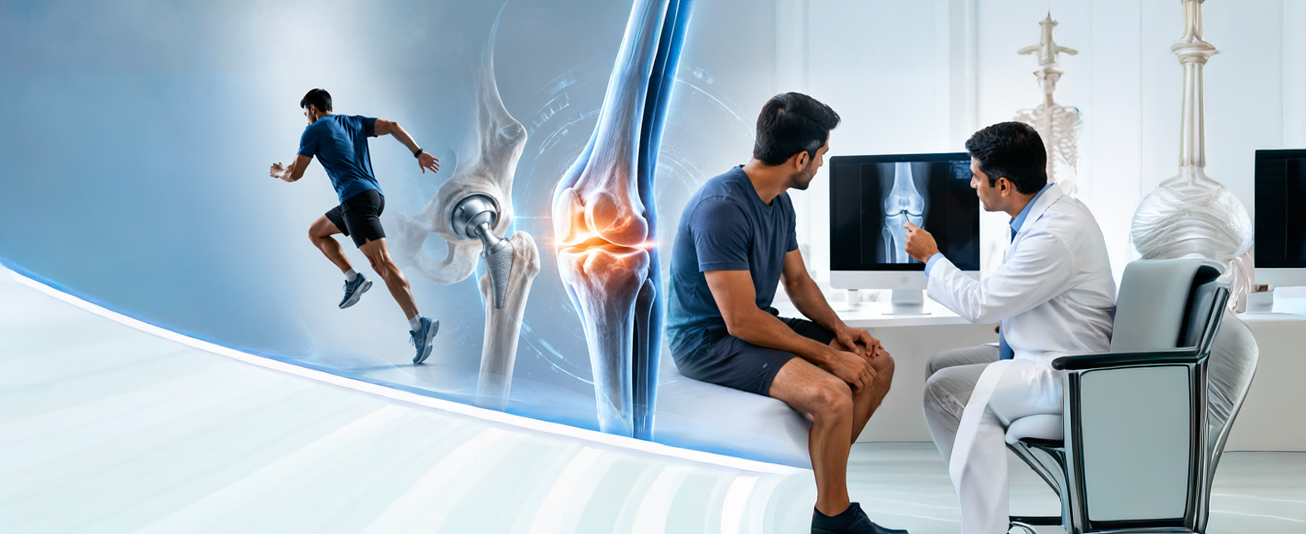
Ortho, Joint Replacement & Sports Medicine
Best Orthopaedic Hospital in India
Movement is fundamental to the human experience and when pain, injury, or joint disease compromises that freedom, it affects every dimension of life. At Park Hospitals, our Department of Bone, Orthopaedics, Joint Replacement & Sports Medicine is dedicated to restoring movement, relieving pain, and returning every patient to the life they deserve.
Our orthopaedic surgeons manage the complete spectrum of musculoskeletal conditions, fractures, dislocations, soft tissue injuries, degenerative joint disease, spinal disorders, bone tumours, and congenital deformities. Both conventional and minimally invasive surgical techniques are employed, with expertise in complex trauma, paediatric orthopaedics, and limb reconstruction.
Joint replacement is a cornerstone of our department with total knee, total hip, shoulder, and unicondylar knee replacements performed using modern implant systems and computer-assisted techniques. Our rapid recovery protocols enable earlier mobilisation, faster discharge, and better functional outcomes. Sports medicine provides expert care for ACL tears, meniscal injuries, rotator cuff tears, tendinopathies, and sports fractures with arthroscopic surgery widely used for its minimal disruption and rapid recovery.
Physiotherapy and structured rehabilitation begin on the day of surgery and continue through every stage of recovery. At Park Hospitals, orthopaedic care is not just about fixing what is broken, it is about restoring the life that injury interrupted.
Diseases and Procedures
Advanced Treatments For Every Disease
1 General Fractures
A fracture is a break or crack in a bone that occurs when the force applied to the bone exceeds its strength. Read More
2 Meniscal Tear
A meniscal tear is one of the most common knee injuries and occurs when the meniscus, a C-shaped piece of cartilage that Read More
3 Osteoarthritis
Osteoarthritis is the most common form of arthritis and is a degenerative joint disorder that occurs when the protective Read More
4 Osteoporosis
Osteoporosis is a progressive bone disease characterized by reduced bone density and deterioration of bone structure, ma Read More
5 Posterior Cruciate Ligament (PCL) Injury
A posterior cruciate ligament (PCL) injury is a condition involving damage to one of the major stabilizing ligaments of Read More
6 Rotator Cuff Tear
A rotator cuff tear is a common shoulder injury that occurs when one or more of the tendons within the rotator cuff beco Read More
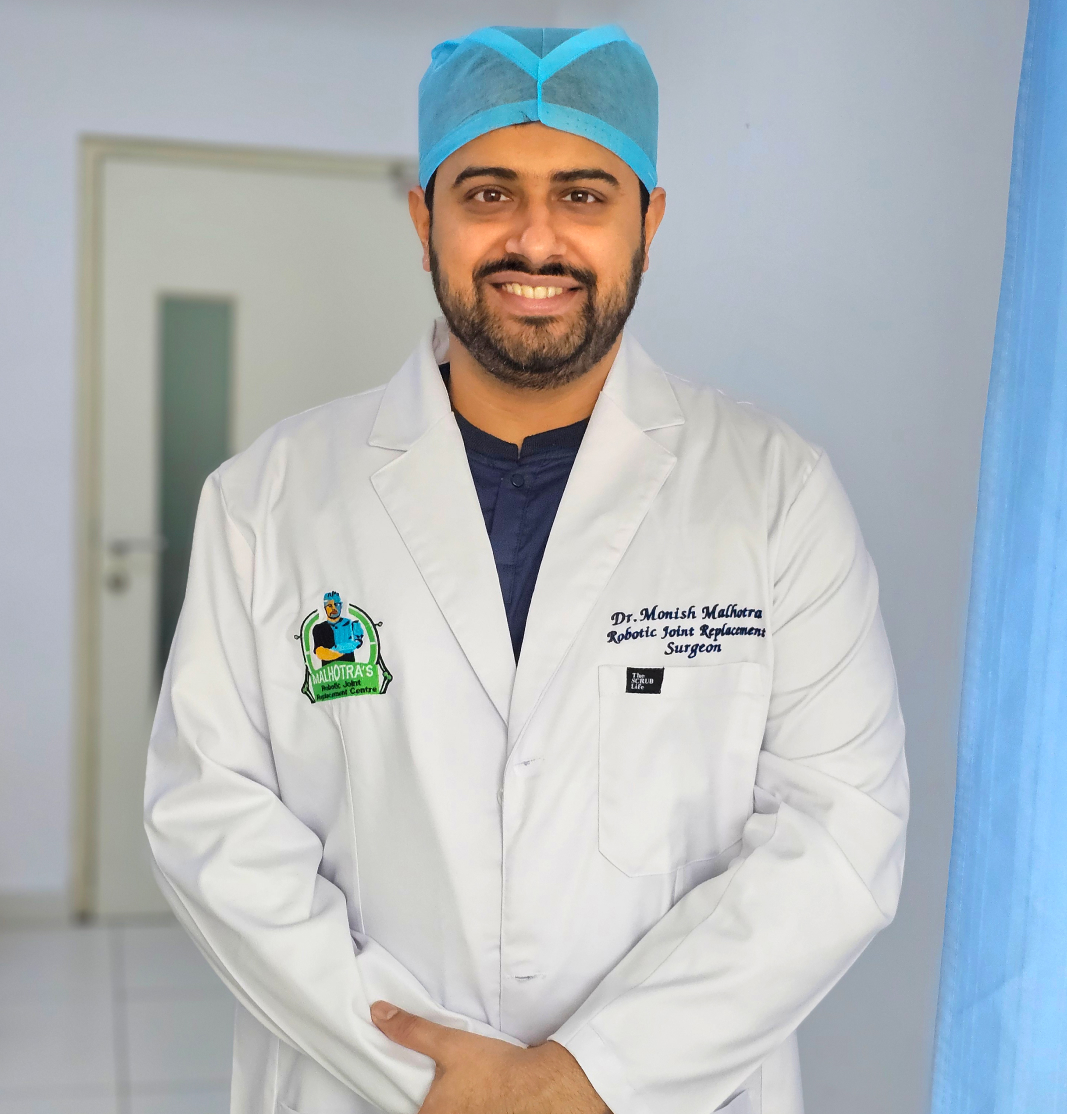
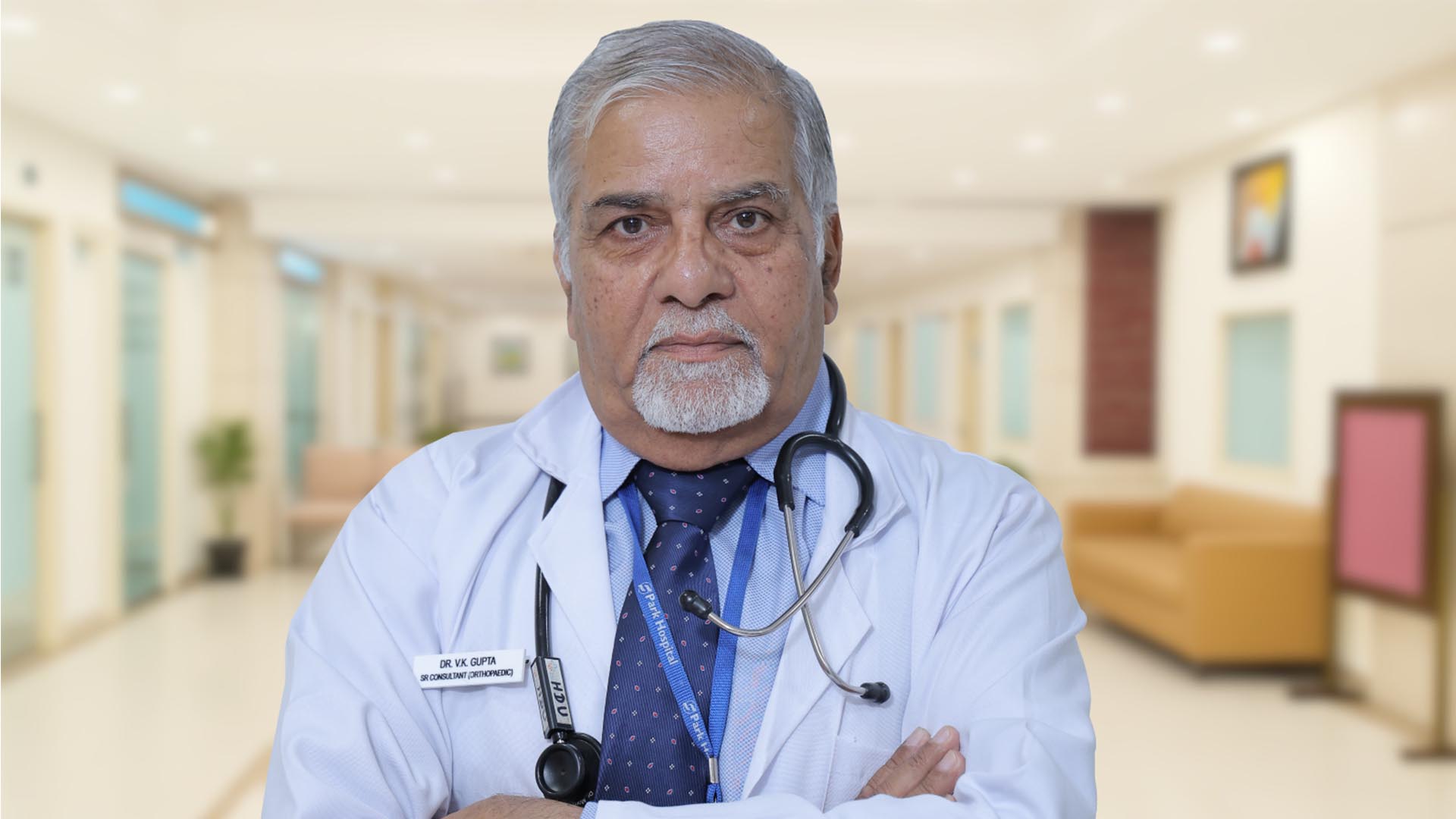
Meet Our Experts
Experienced Clinical Leaders
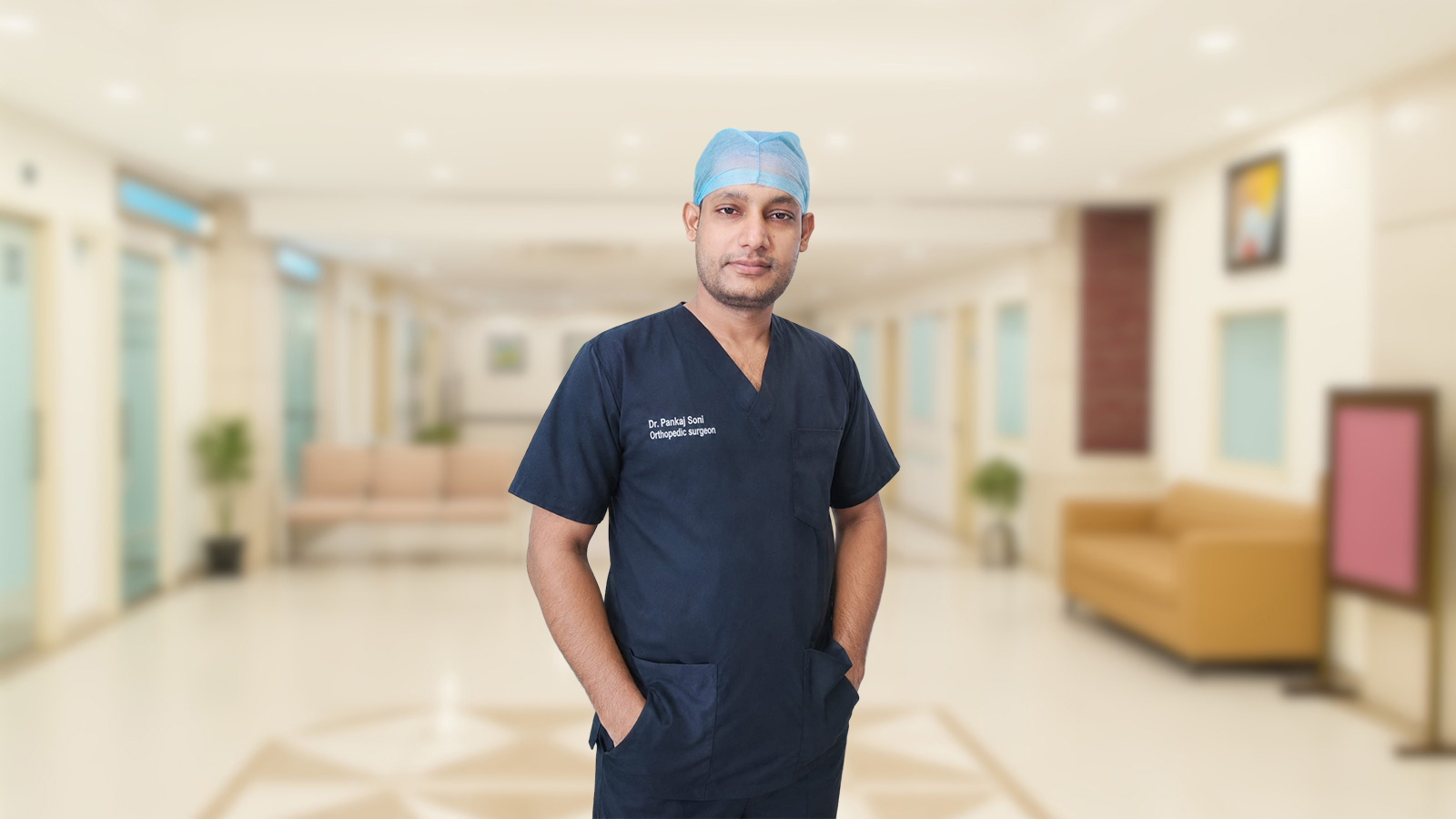
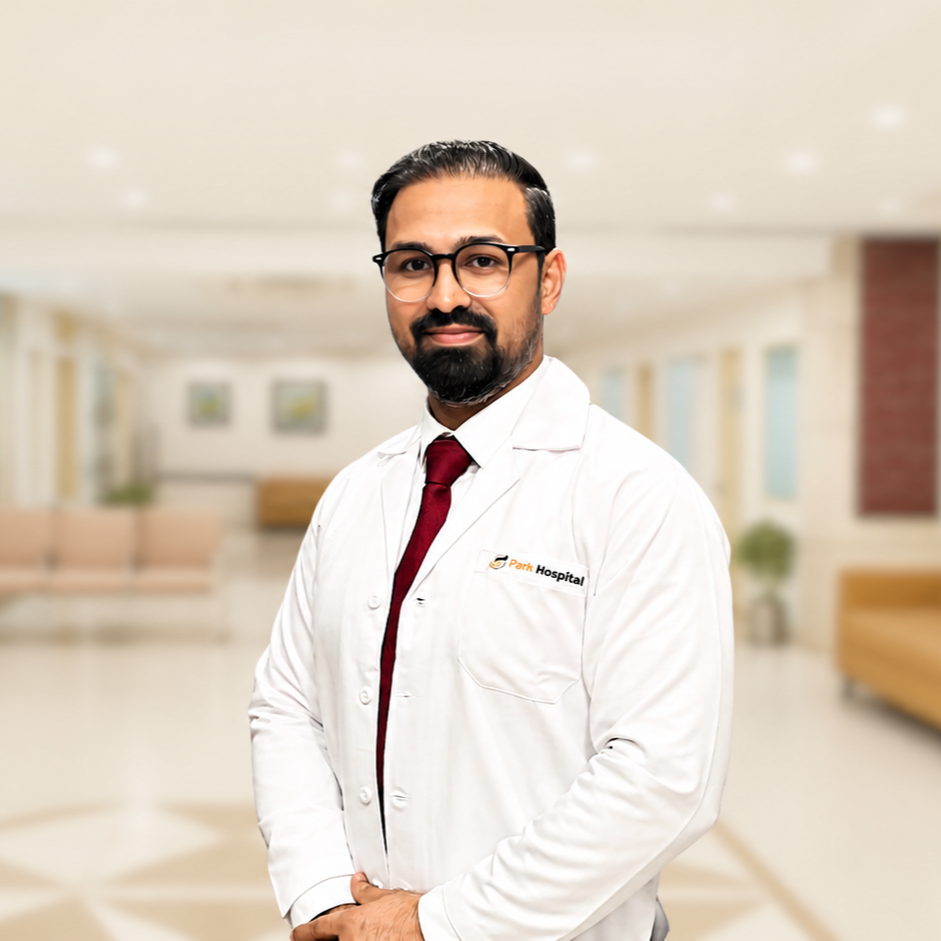
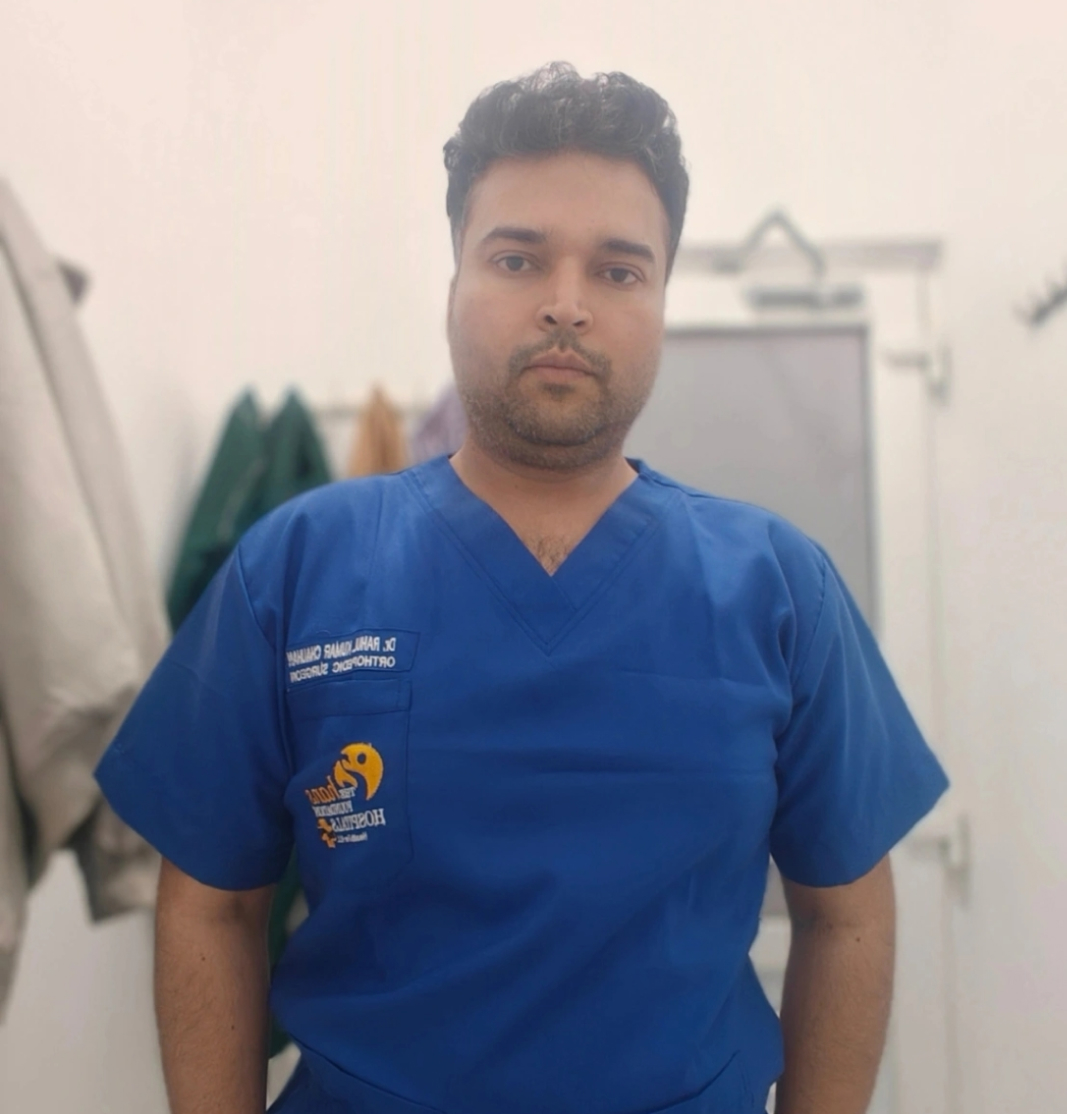
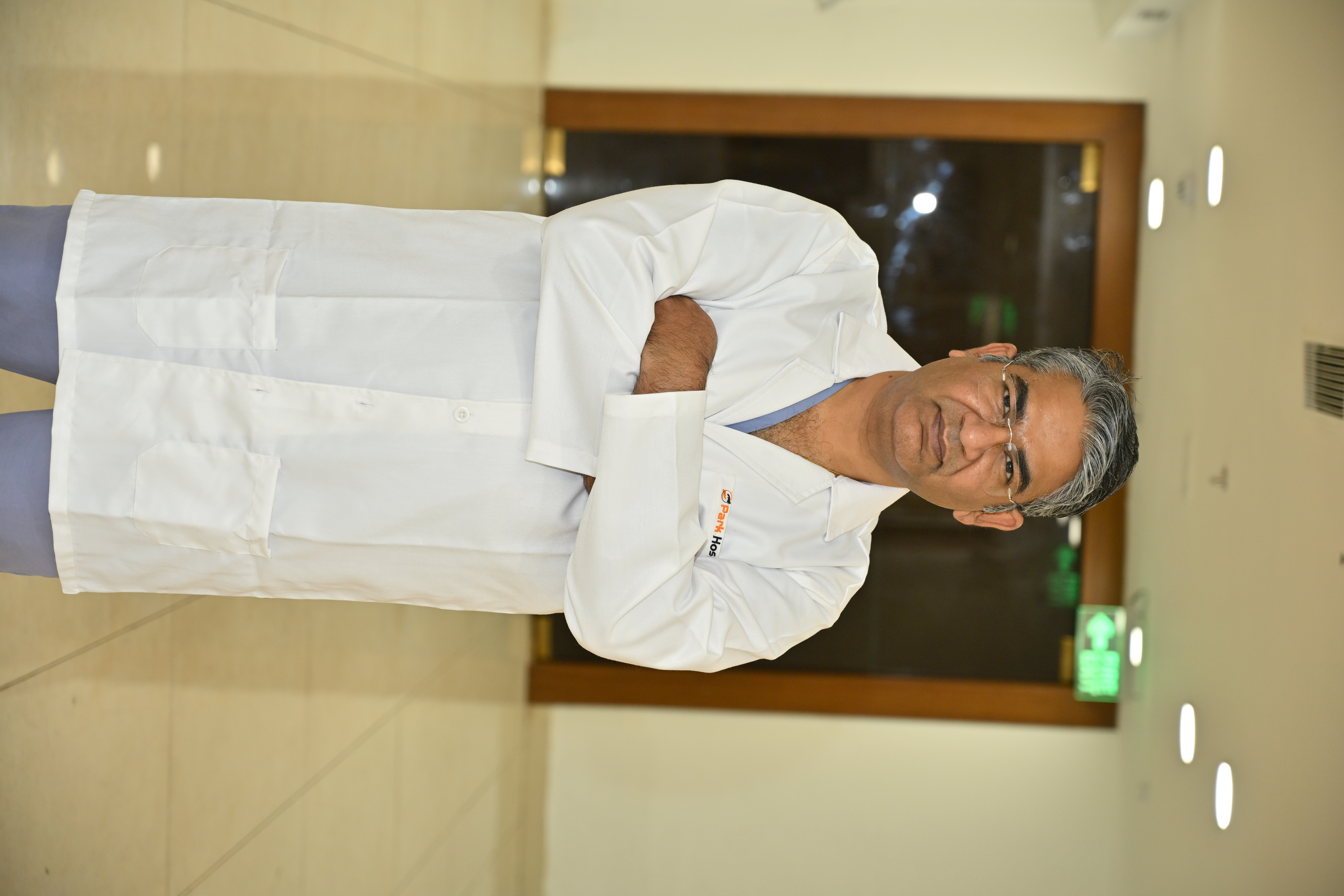
Consult with our highly skilled specialists dedicated to providing world-class medical expertise and personalized treatment plans.
Find A Doctor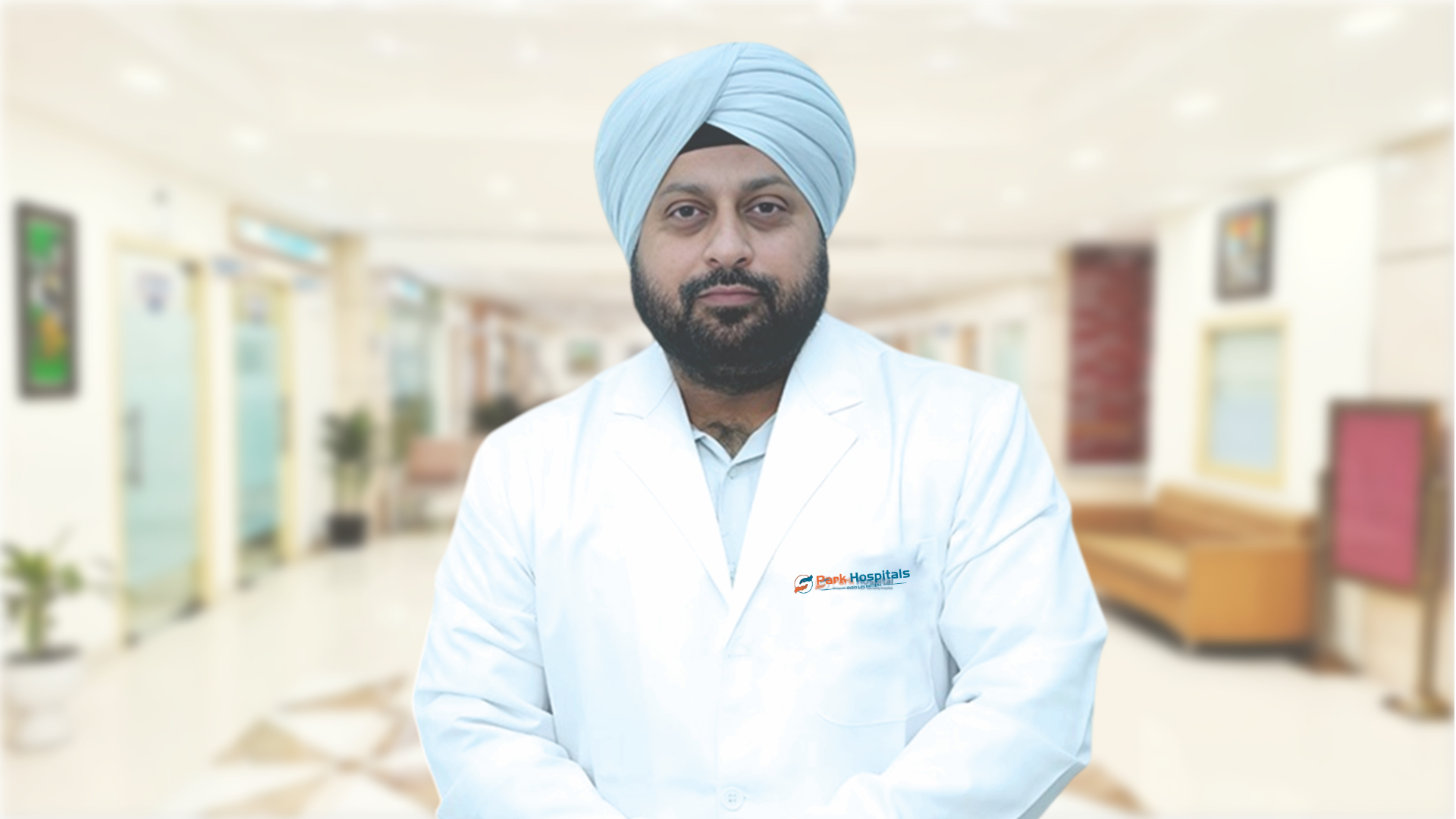


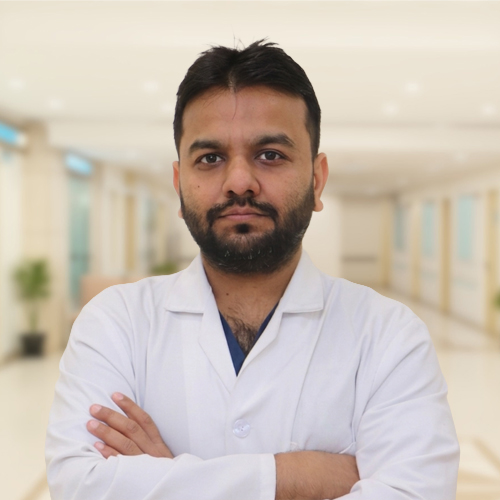
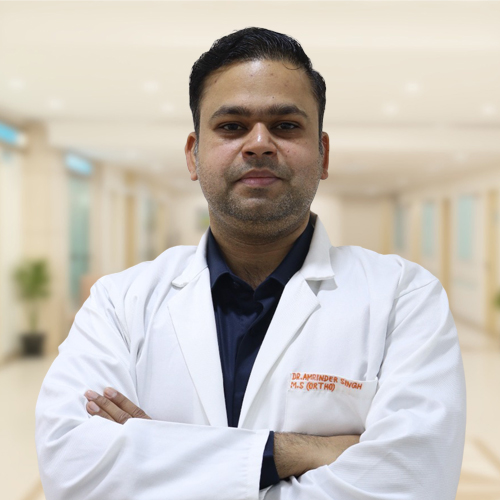

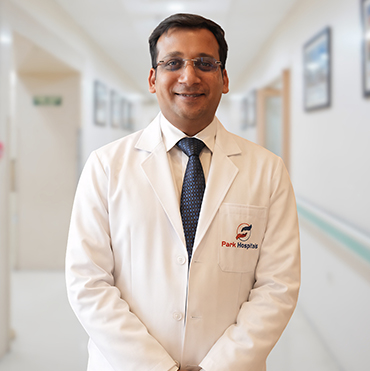
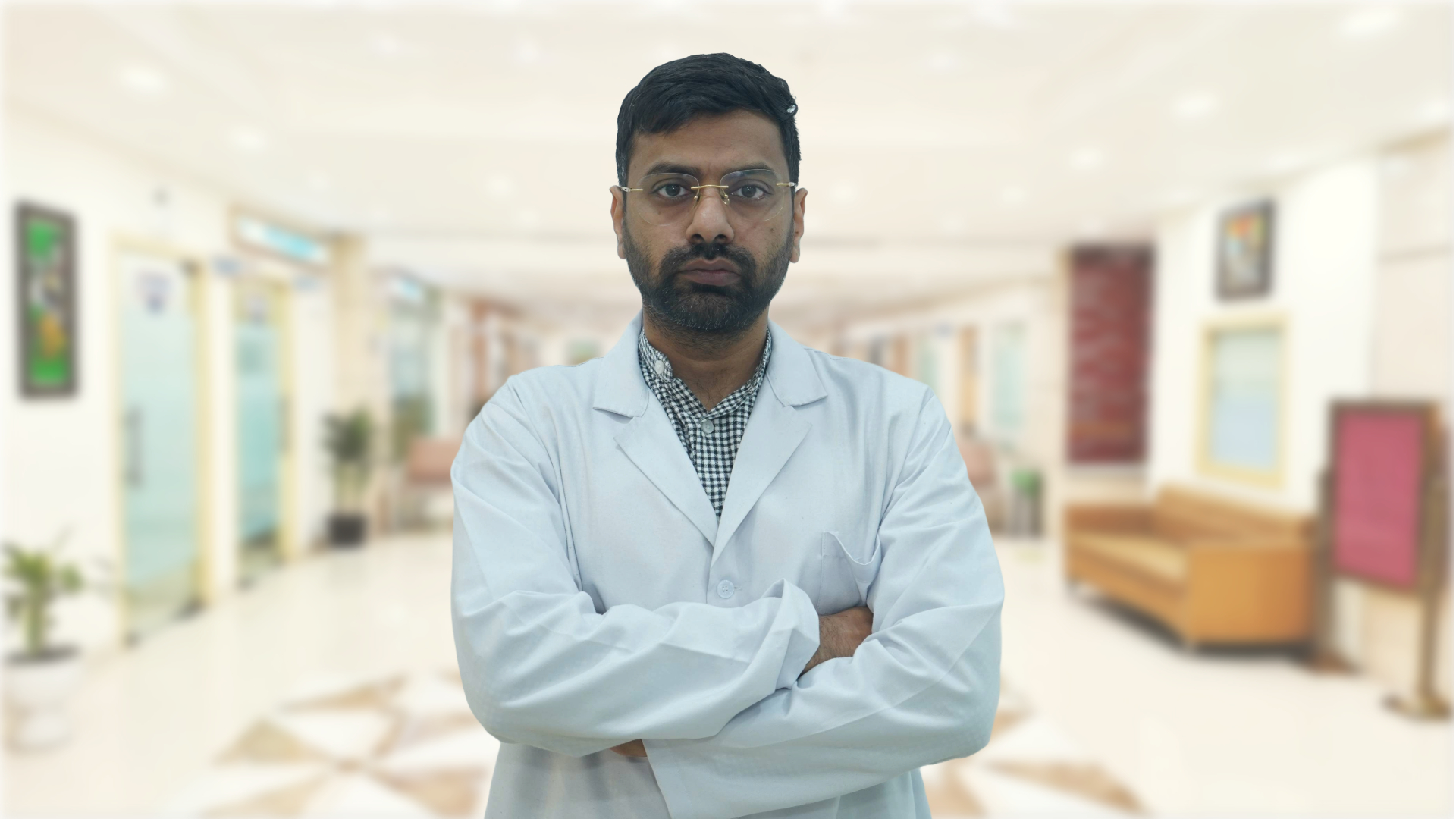
 ortho sonipat.jpg)

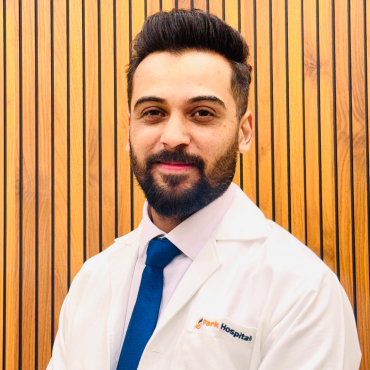

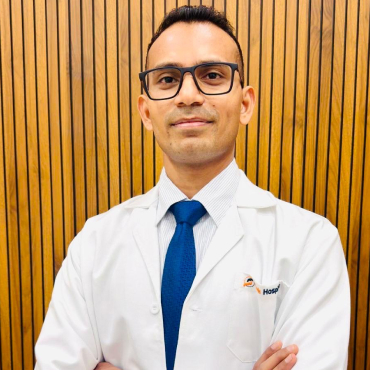
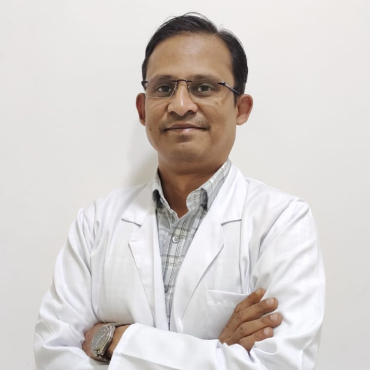
.jpg)
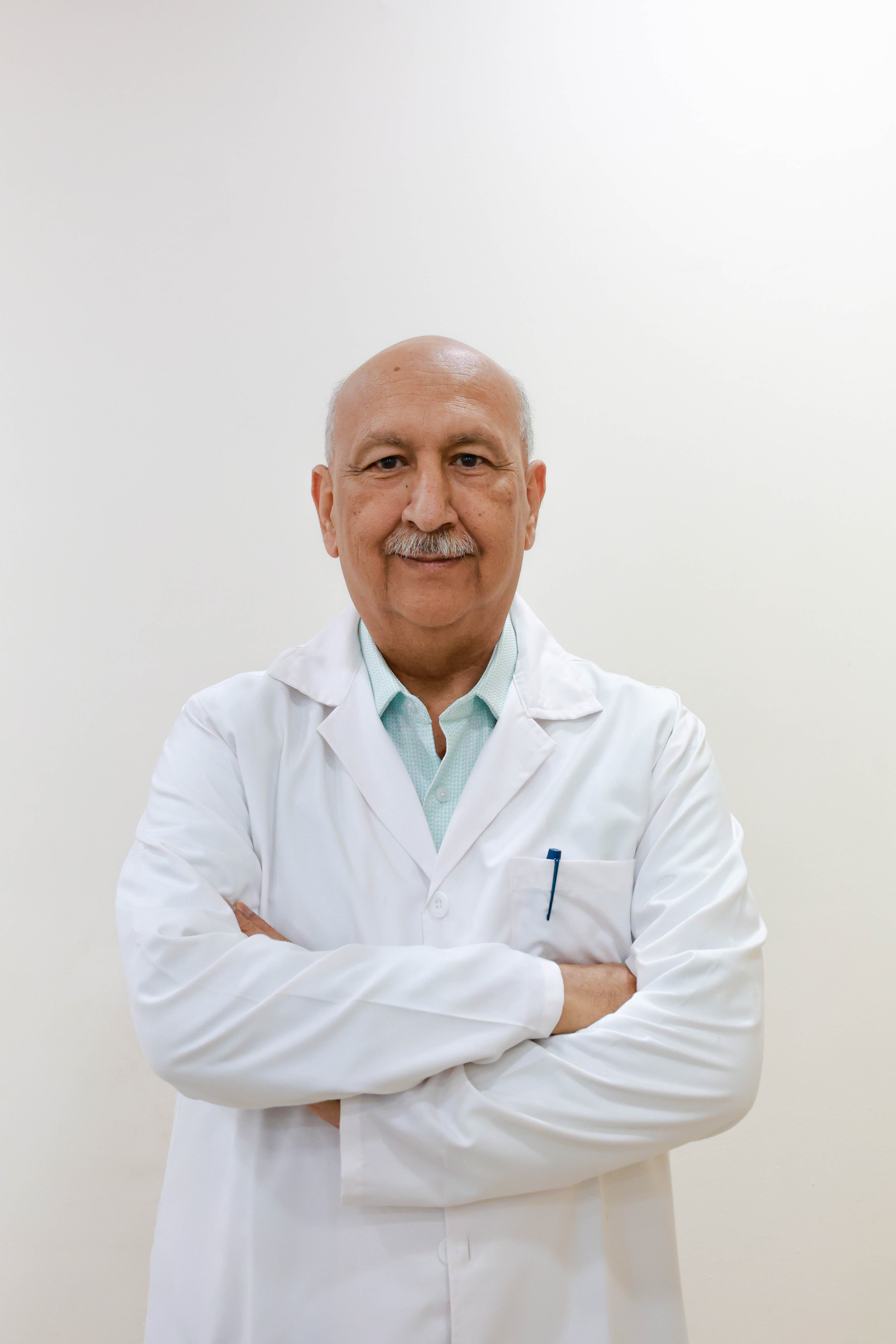
.jpg)
.png)
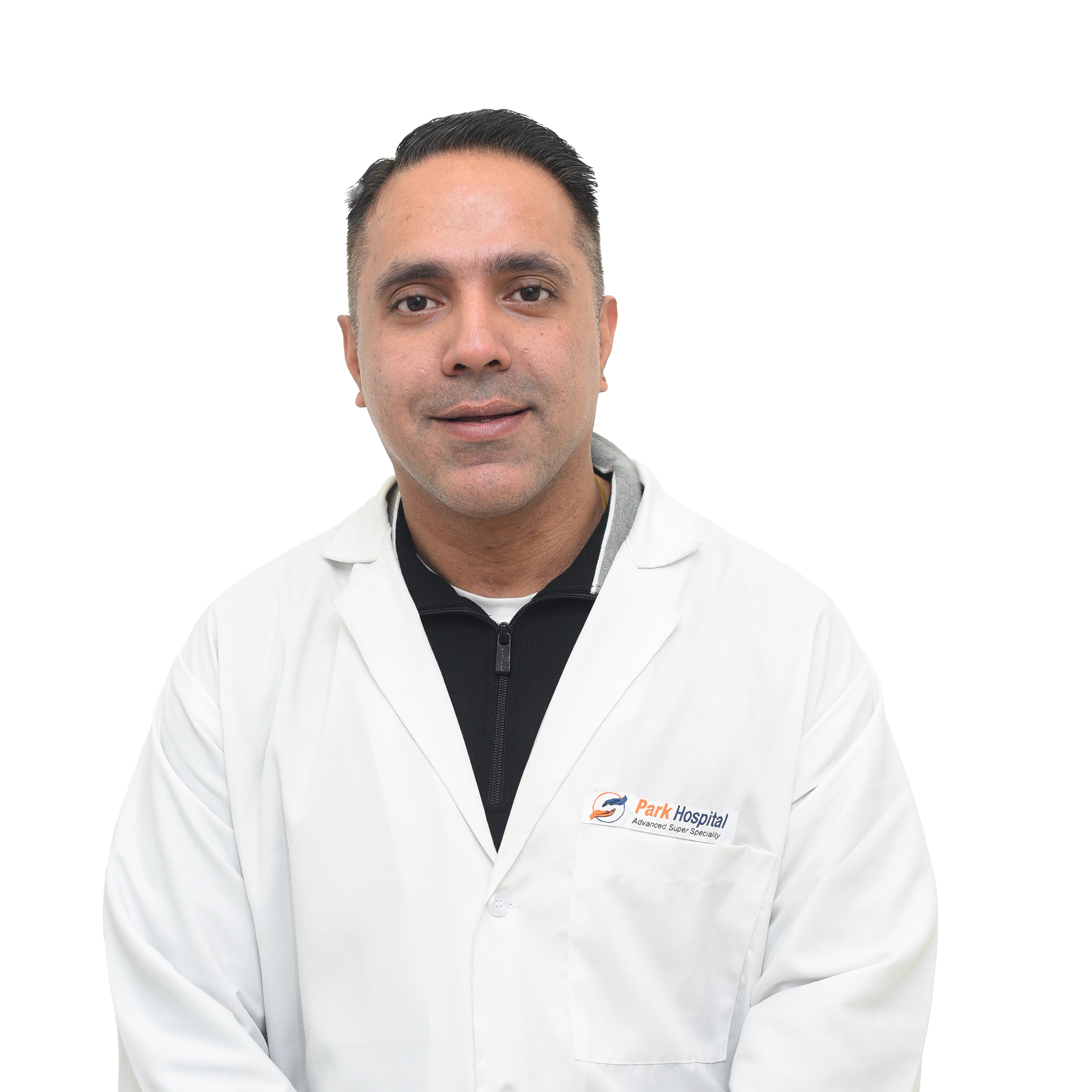
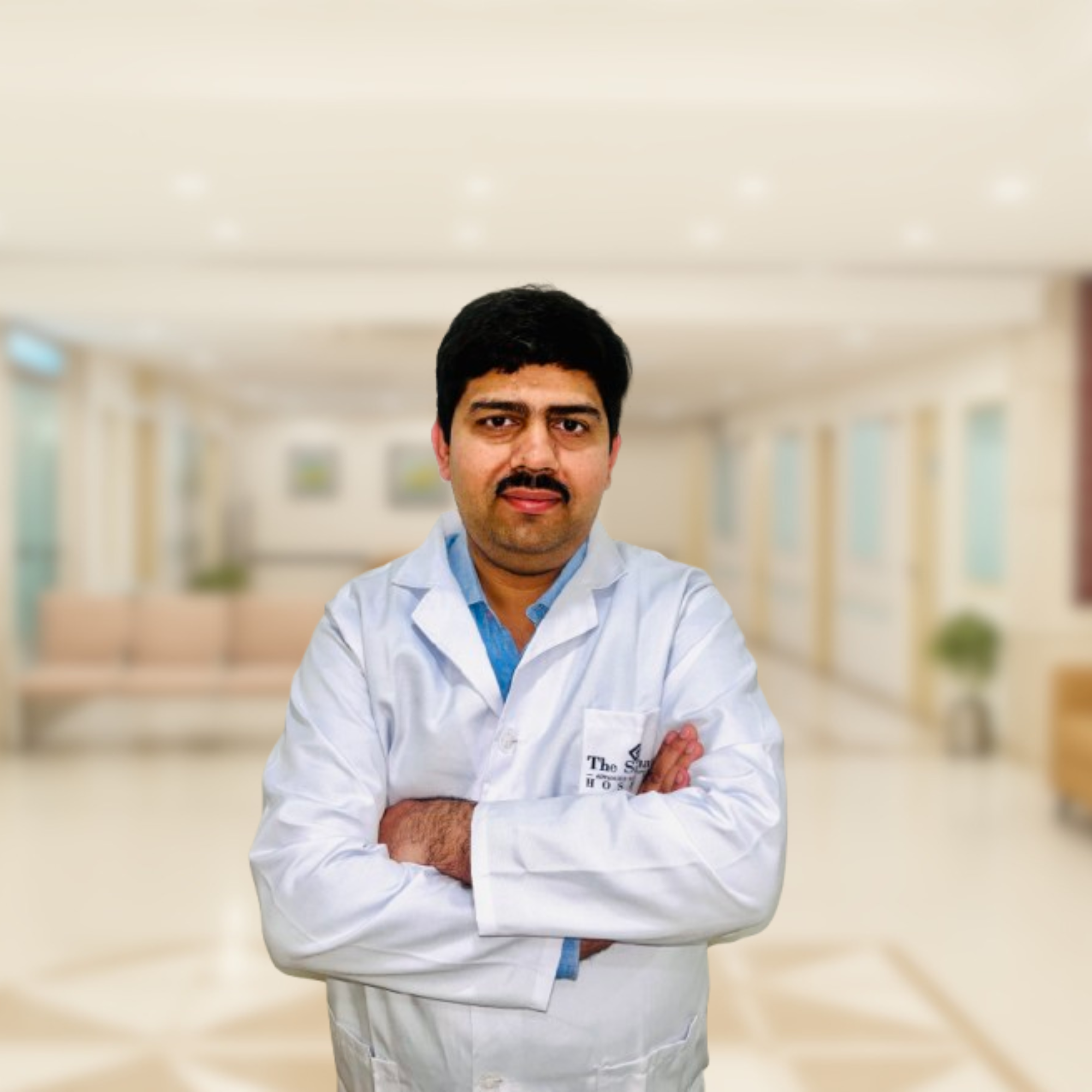
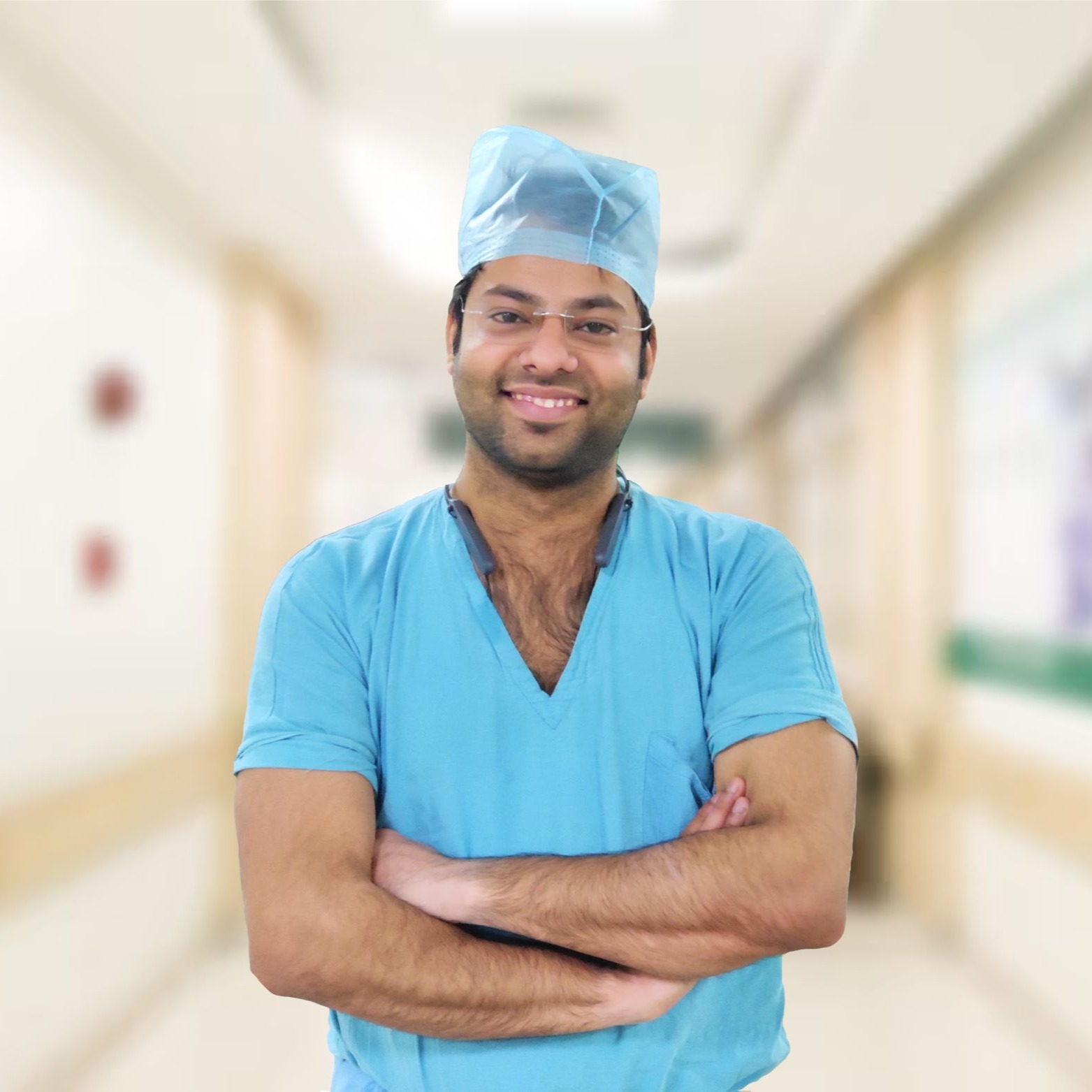

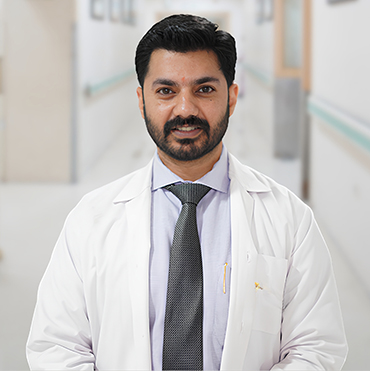

Patient Testimonials
Stories Reflecting Excellence in Patient Care
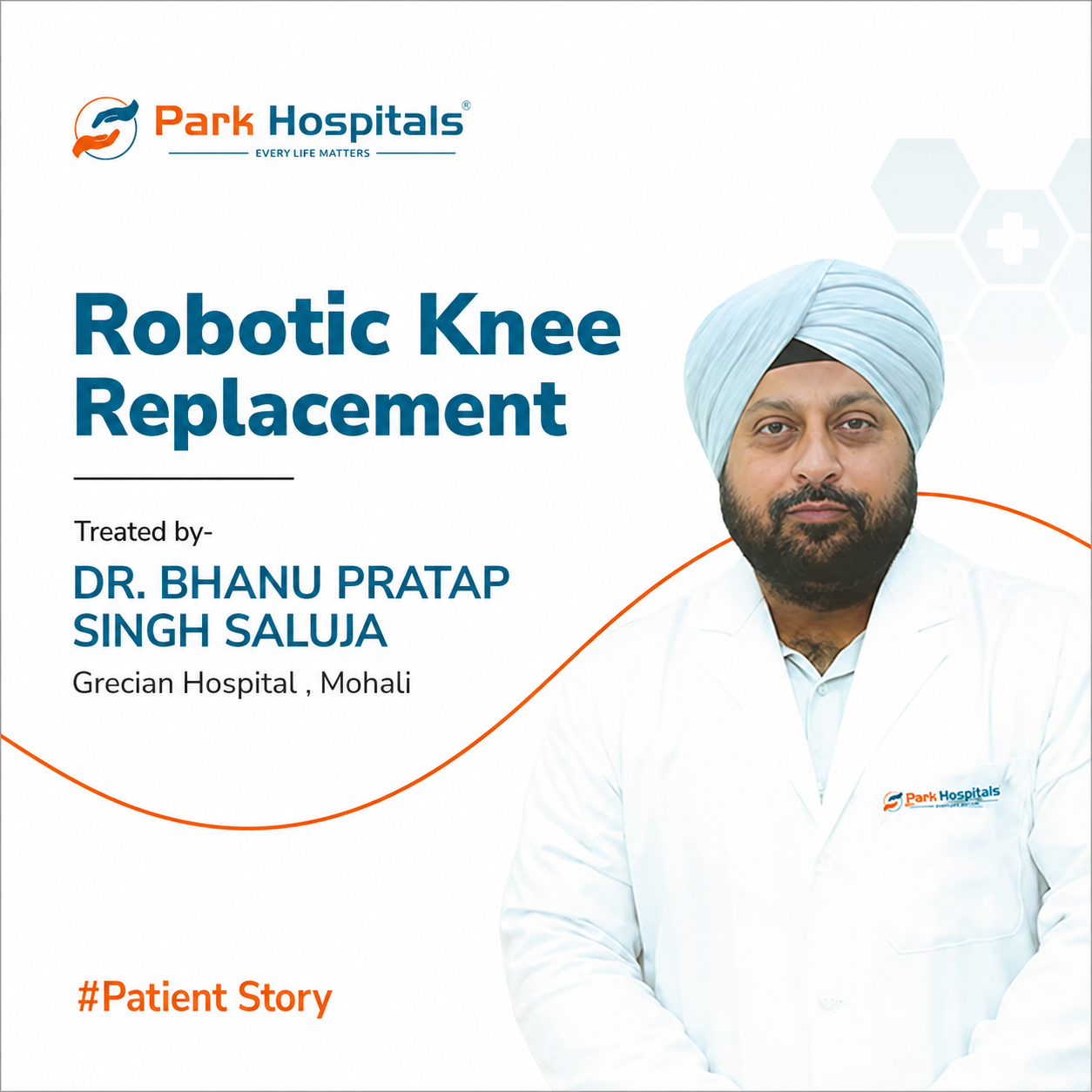
Robotic Knee Replacement Success Story
A patient regained mobility and confidence through successful robotic knee replacement surgery. Advanced robotic technology, expert orthopedic care, and personalized rehabilitation helped reduce pain, improve movement, and enhance overall quality of life.
Know More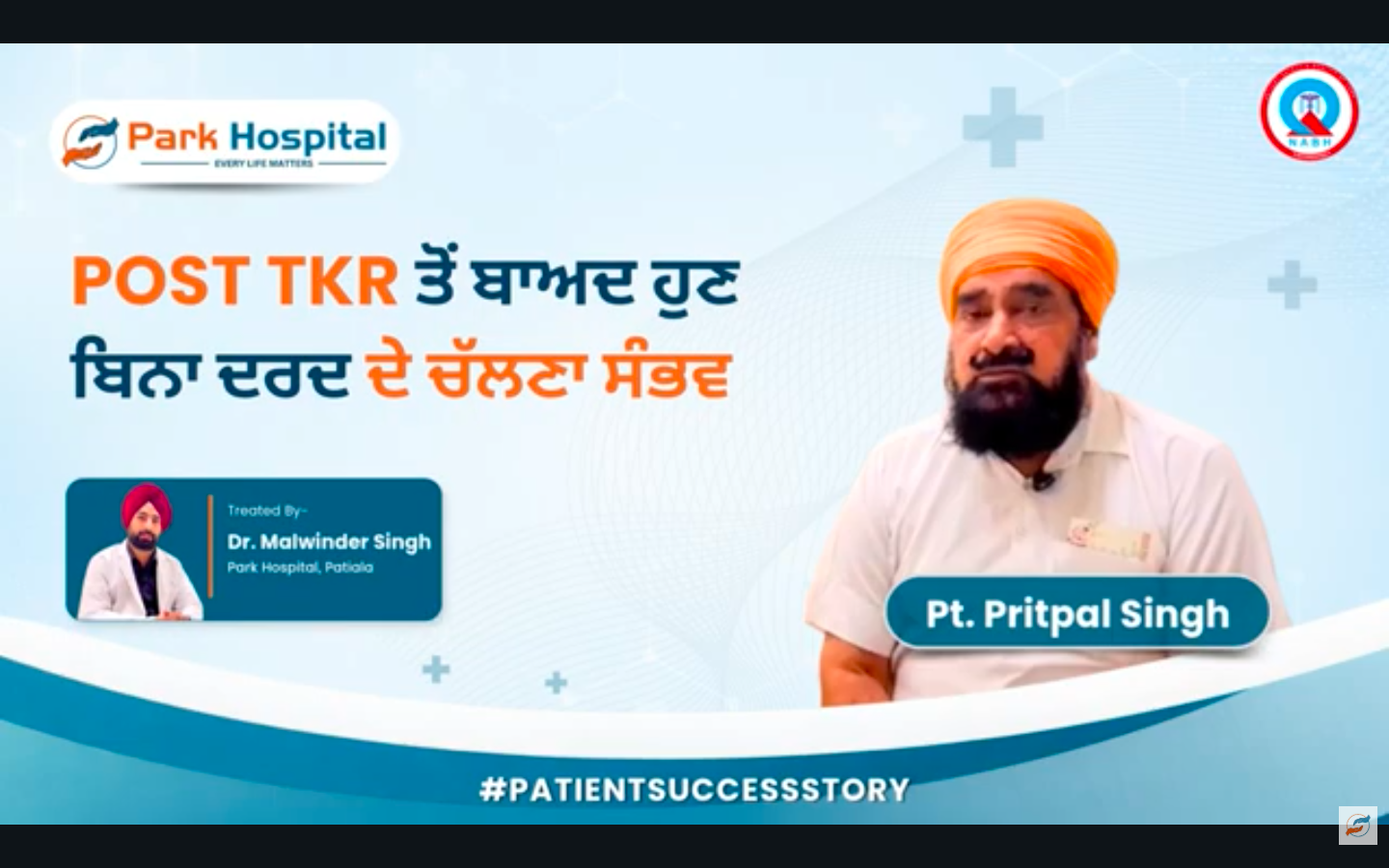
Pain-Free Walking After Total Knee Replacement
Following a successful Total Knee Replacement (TKR), the patient regained mobility and confidence. Expert orthopedic care, advanced surgical techniques, and rehabilitation support helped achieve pain-free walking and an improved quality of life.
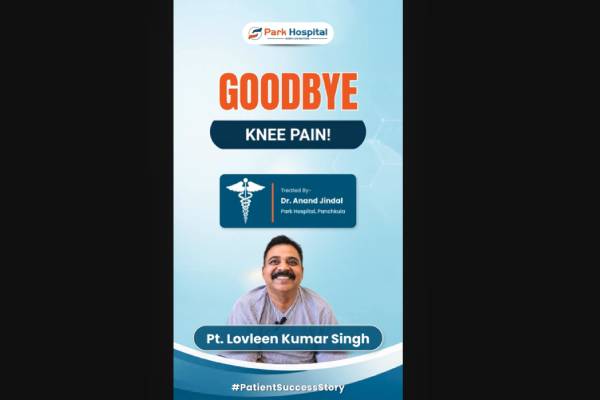
Goodbye Knee Pain! | Advanced Knee Replacement | Dr. Anand Jindal | Park Hospital Panchkula
Chronic knee pain can affect your mobility and quality of life. Advanced knee replacement surgery can help you move comfortably and regain confidence.
Dr. Anand Jindal
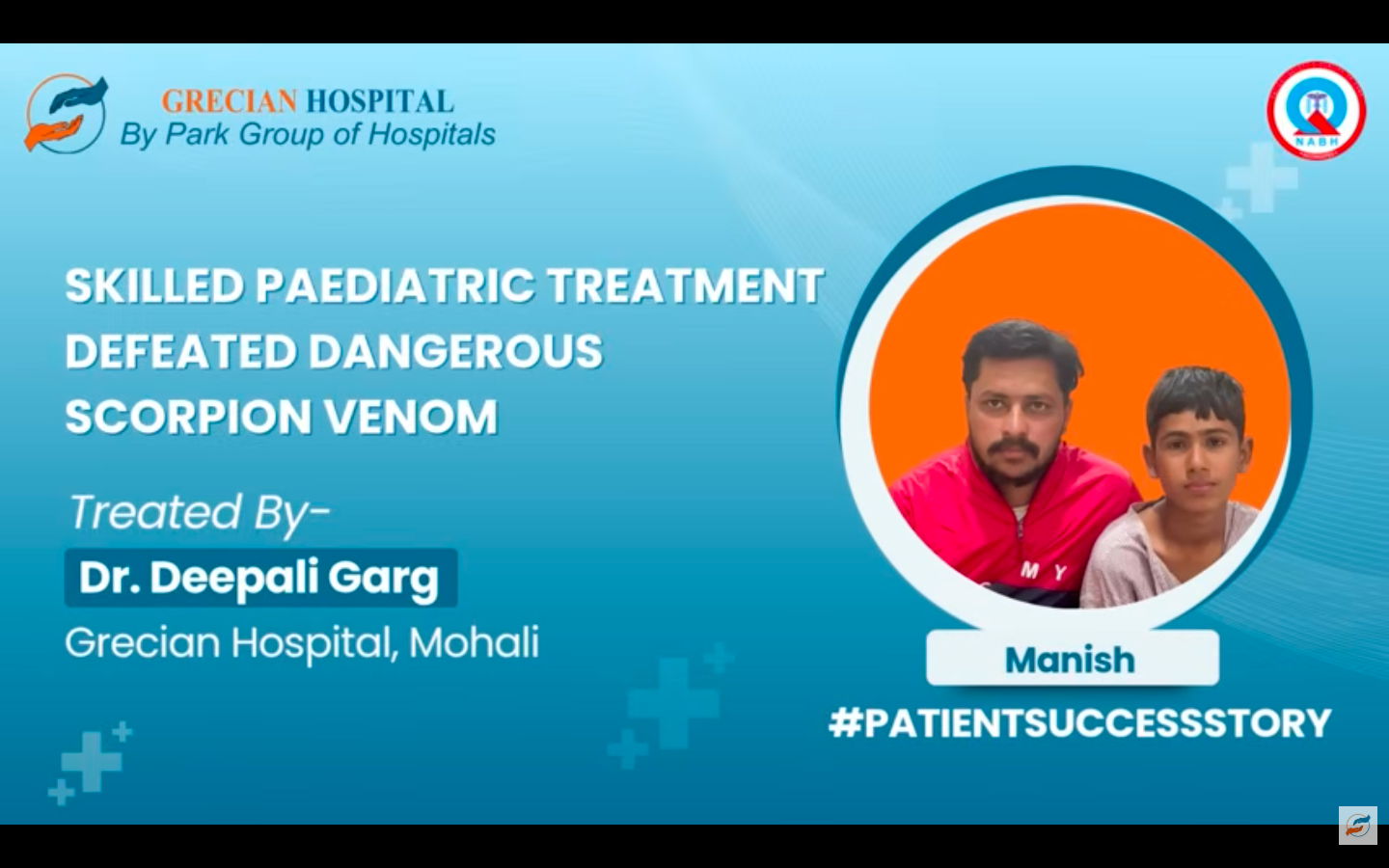
Expert Paediatric Care Defeats Scorpion Venom
A child suffering from a dangerous scorpion sting was successfully treated through timely intervention and expert pediatric care. Prompt diagnosis, critical monitoring, and specialized treatment ensured a safe recovery and positive outcome.
Dr. Milan Arora


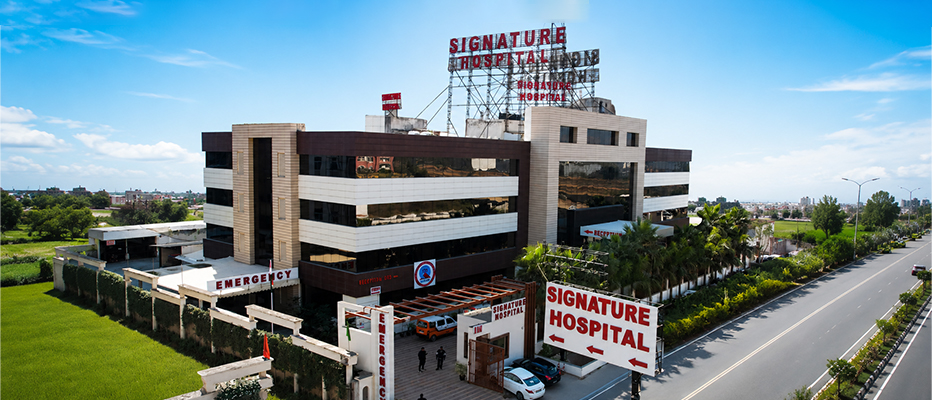
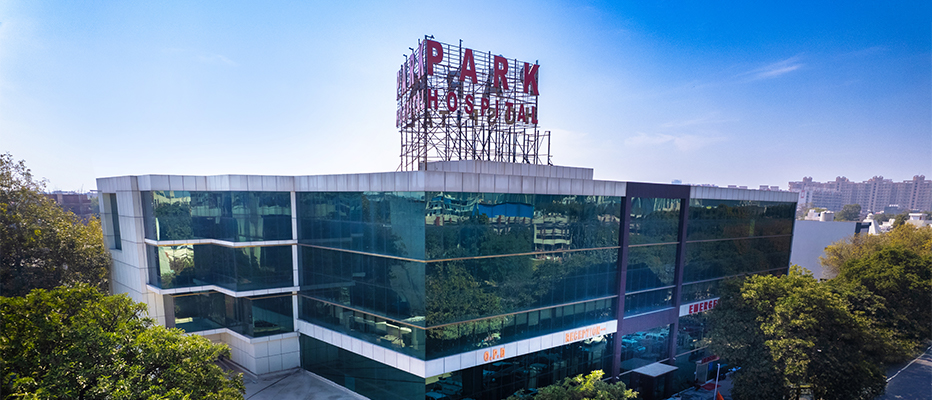
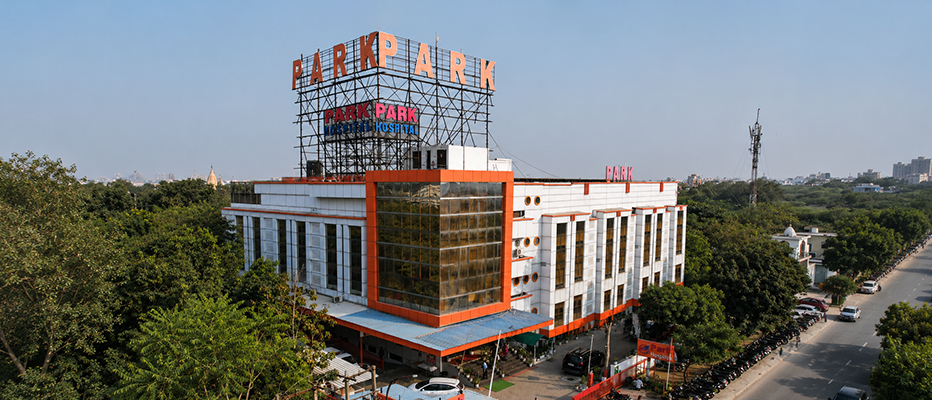
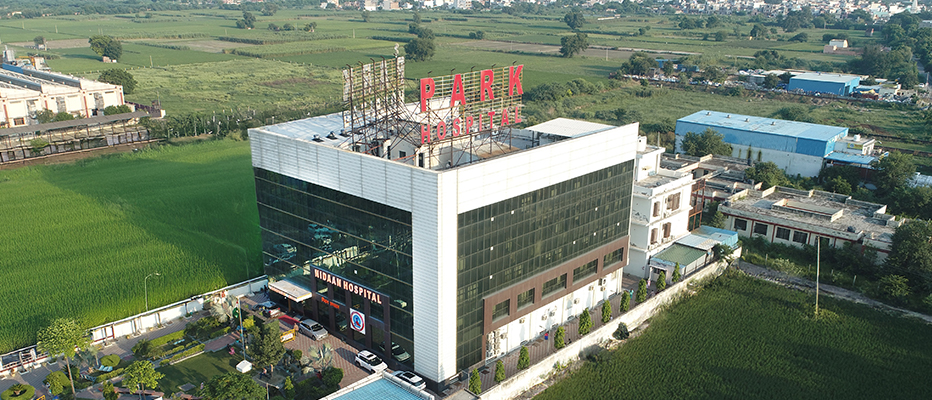
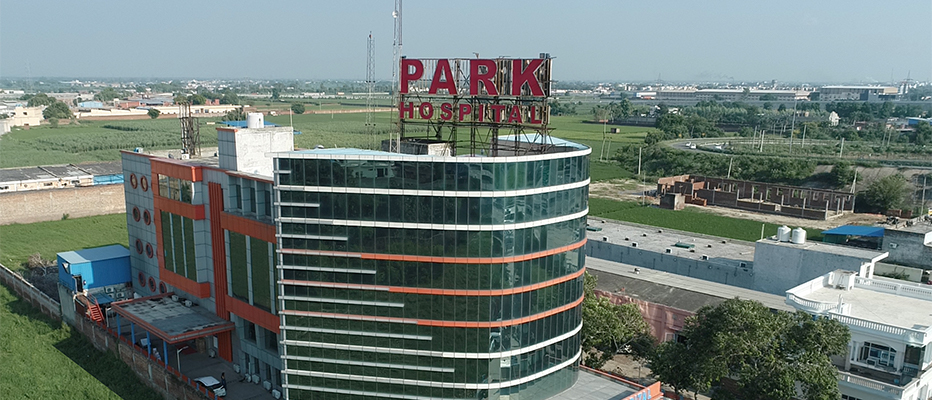
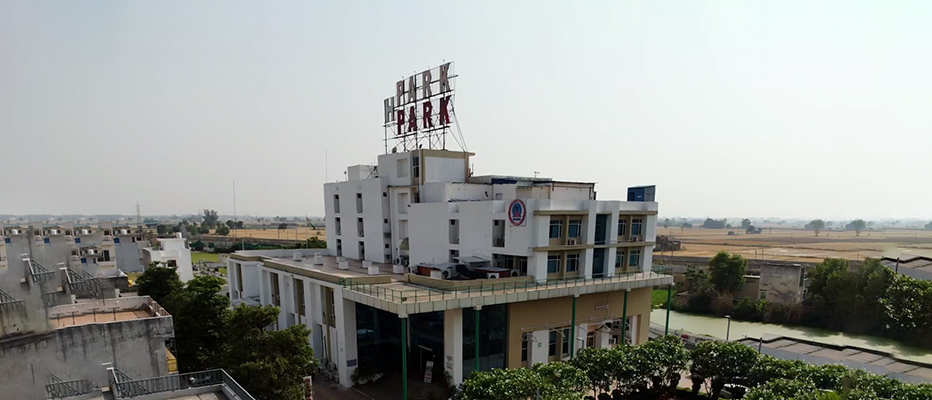

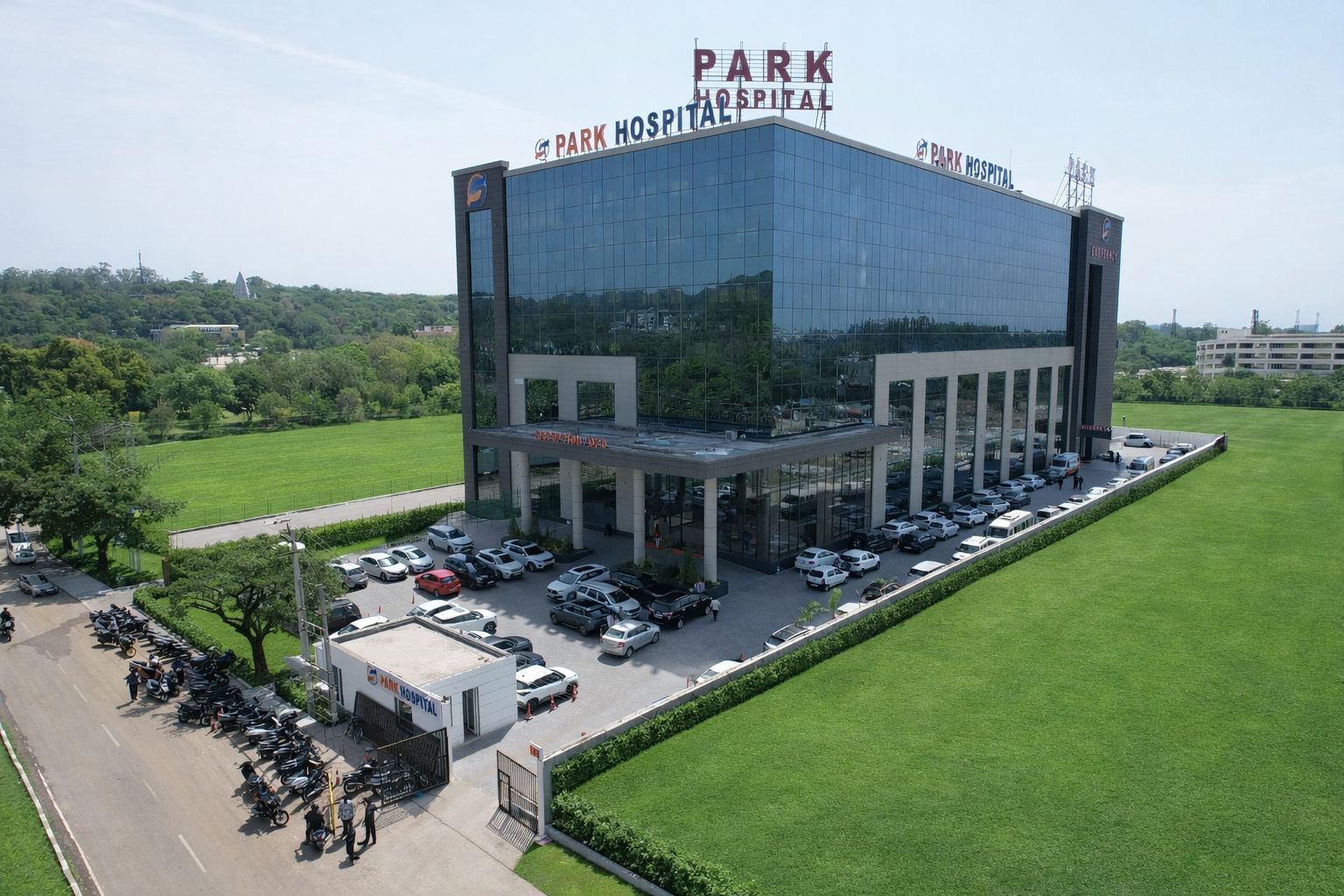
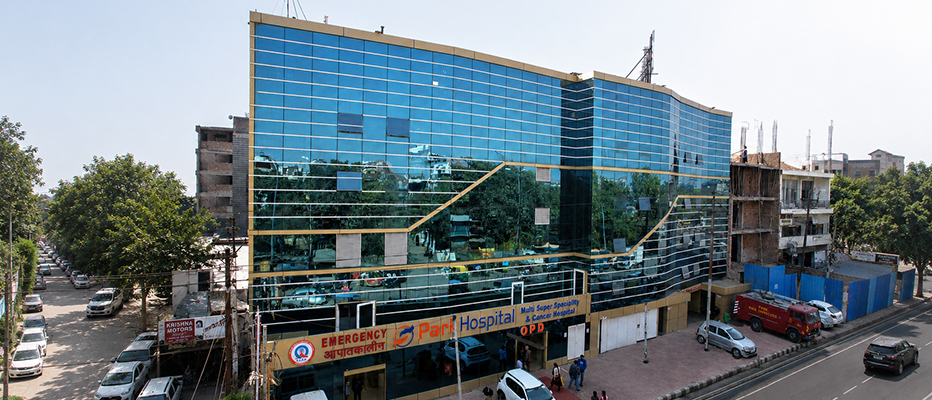


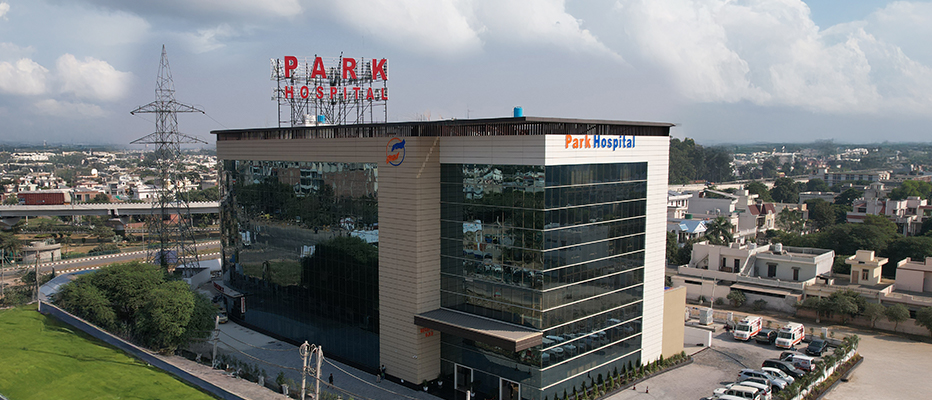

Our Hospital Locations
Healing Near You
Experience world-class clinical expertise and compassionate care at our advanced facilities conveniently located across the region
View AllHealth Tips
Expert Advice for Healthy Life

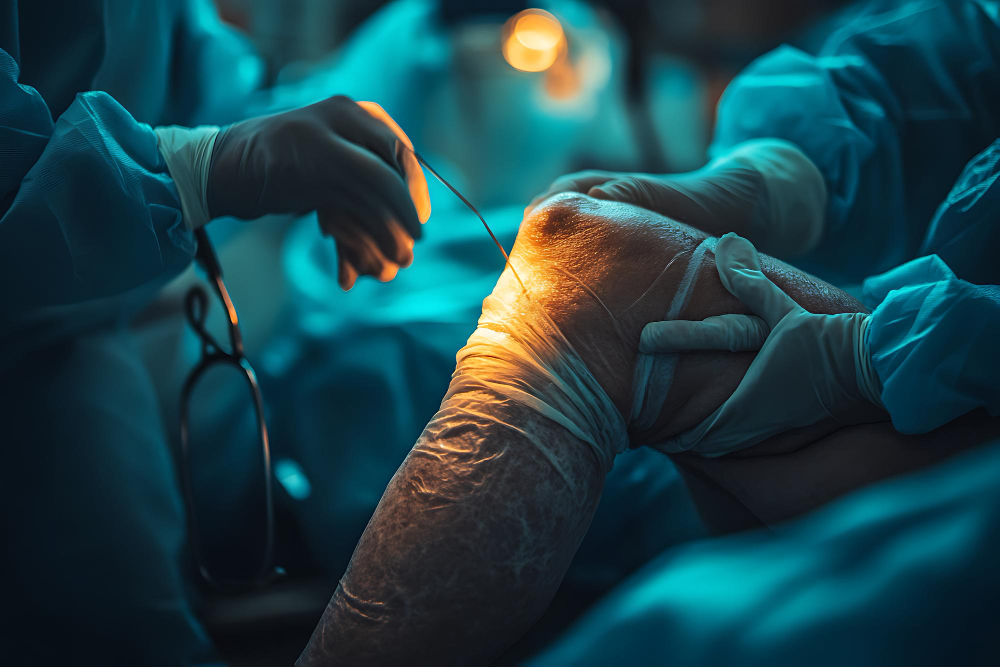
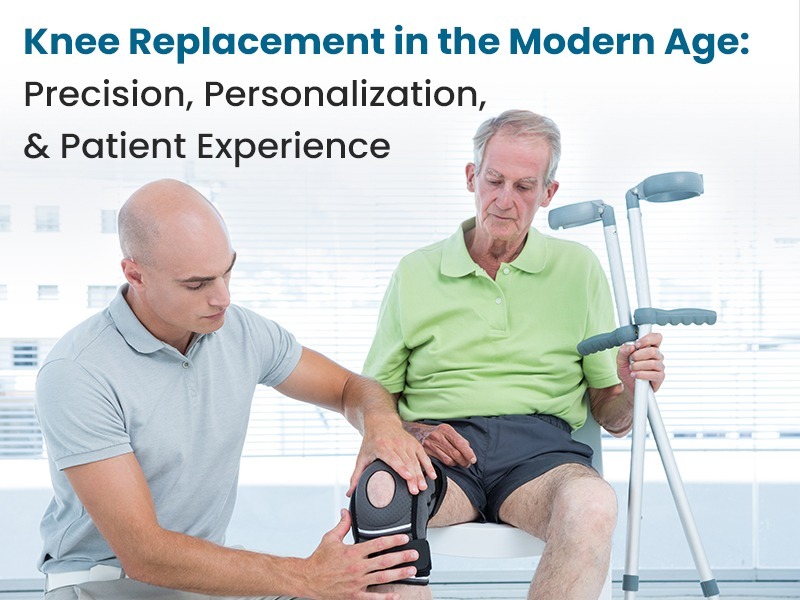
What Actually Happens After Knee Replacement: A Week-by-Week Reality Check

25 Sep 2026

By Dr. Anand Jindal

View All
Frequently Asked Questions
Common questions answered by our experts
Orthopedic specialists diagnose and treat conditions affecting the bones, joints, muscles, ligaments, tendons and related structures. Common problems include arthritis, fractures, joint injuries, ligament and tendon injuries, back and neck conditions, sports injuries and joint degeneration. Orthopedic care may also address conditions affecting the hip, knee, shoulder, hand, foot and ankle. Depending on the condition, treatment may involve medicines, physiotherapy, injections, supportive devices or surgery.
You should consider seeing an orthopedic doctor if bone or joint pain persists, keeps returning or begins interfering with daily activities. Persistent stiffness, swelling, reduced range of motion, weakness or difficulty walking can also warrant evaluation. Specialist assessment is particularly important after an injury that causes significant pain, swelling, deformity or difficulty using the affected area. Early evaluation can help identify the cause and determine whether nonsurgical treatment, rehabilitation or surgery may be appropriate.
Diagnosis usually begins with a medical history and physical examination to assess pain, swelling, strength, stability and range of motion. Depending on the suspected condition, imaging may include X-rays, MRI, CT scans or ultrasound. X-rays can show bone damage and changes in joint spaces, while MRI provides detailed images of cartilage, tendons and ligaments. Blood tests or joint fluid analysis may also be recommended when doctors need to investigate inflammatory arthritis, gout, infection or other causes of joint symptoms.
Joint replacement may be considered when severe joint damage causes persistent pain and significantly limits movement or daily activities, particularly when other treatments have not provided adequate relief. It is commonly performed for advanced arthritis affecting the hip or knee. Before recommending surgery, the orthopedic surgeon evaluates symptoms, joint function, imaging findings, overall health and previous treatments. Joint replacement involves removing damaged joint surfaces and replacing them with artificial components designed to improve function and reduce pain.
Nonsurgical treatment depends on the condition and may include physical therapy, exercises to improve strength and flexibility, medicines for pain or inflammation, activity modification, braces or other supportive devices and selected injections. Maintaining a healthy weight and staying physically active with appropriate low-impact exercise can also help manage certain joint conditions. The treatment plan is tailored to the underlying problem, symptoms and overall health. A specialist may recommend a combination of approaches rather than relying on one treatment alone.
Orthopedic and sports medicine specialists commonly treat injuries involving muscles, tendons, ligaments, joints and bones. These can include sprains, strains, ligament injuries, tendon injuries, cartilage damage, fractures and joint dislocations. Commonly affected areas include the knee, shoulder, ankle, hip and elbow. Some injuries occur suddenly during sports, while others develop gradually because of repetitive stress or overuse. Treatment depends on the type and severity of the injury and may involve rehabilitation, medication, supportive care or surgery.
Regular physical activity can help strengthen the muscles surrounding joints and support mobility. Choose exercises appropriate for your fitness level and include activities that improve strength, flexibility and balance. Maintaining a healthy weight can reduce stress on weight-bearing joints such as the knees and hips. Using appropriate protective equipment during sports, gradually increasing exercise intensity and allowing adequate recovery can also help reduce injury risk. If you have an existing joint condition or persistent pain, seek professional guidance before starting a new exercise programme.