
Anaesthesiology
Anaesthesiology in India
Behind every successful surgery is a team ensuring the patient is safe, comfortable, and stable, from the moment they enter the operation theatre until they are fully recovered. At Park Hospitals, our Department of Anaesthesiology is that team, experienced anaesthesiologists and anaesthesia nurses who bring clinical expertise and meticulous attention to every procedure, every day.
Anaesthesiology is far more than sleep induction. It encompasses pre-operative risk assessment and patient optimisation, administration and maintenance of general, regional, or local anaesthesia, and close post-operative monitoring and pain management. Our anaesthesiologists are involved in the care of every surgical patient, from elective procedures to complex emergencies.
Our pre-operative assessment clinics comprehensively evaluate every patient, reviewing medical history, current medications, allergies, airway characteristics, and cardiorespiratory fitness, identifying and addressing any factors that increase anaesthetic risk. High-risk patients receive detailed optimisation in collaboration with relevant specialists before entering the operation theatre.
Intraoperatively, our team employs the full range of modern anaesthetic techniques, TIVA, volatile anaesthesia, regional nerve blocks, epidural and spinal anaesthesia with advanced monitoring ensuring patient safety throughout. Our acute pain team implements multimodal analgesia protocols that minimise post-operative pain and facilitate early recovery and discharge. At Park Hospitals, our anaesthesiology team is the silent guardian of every surgical journey.
Meet Our Experts
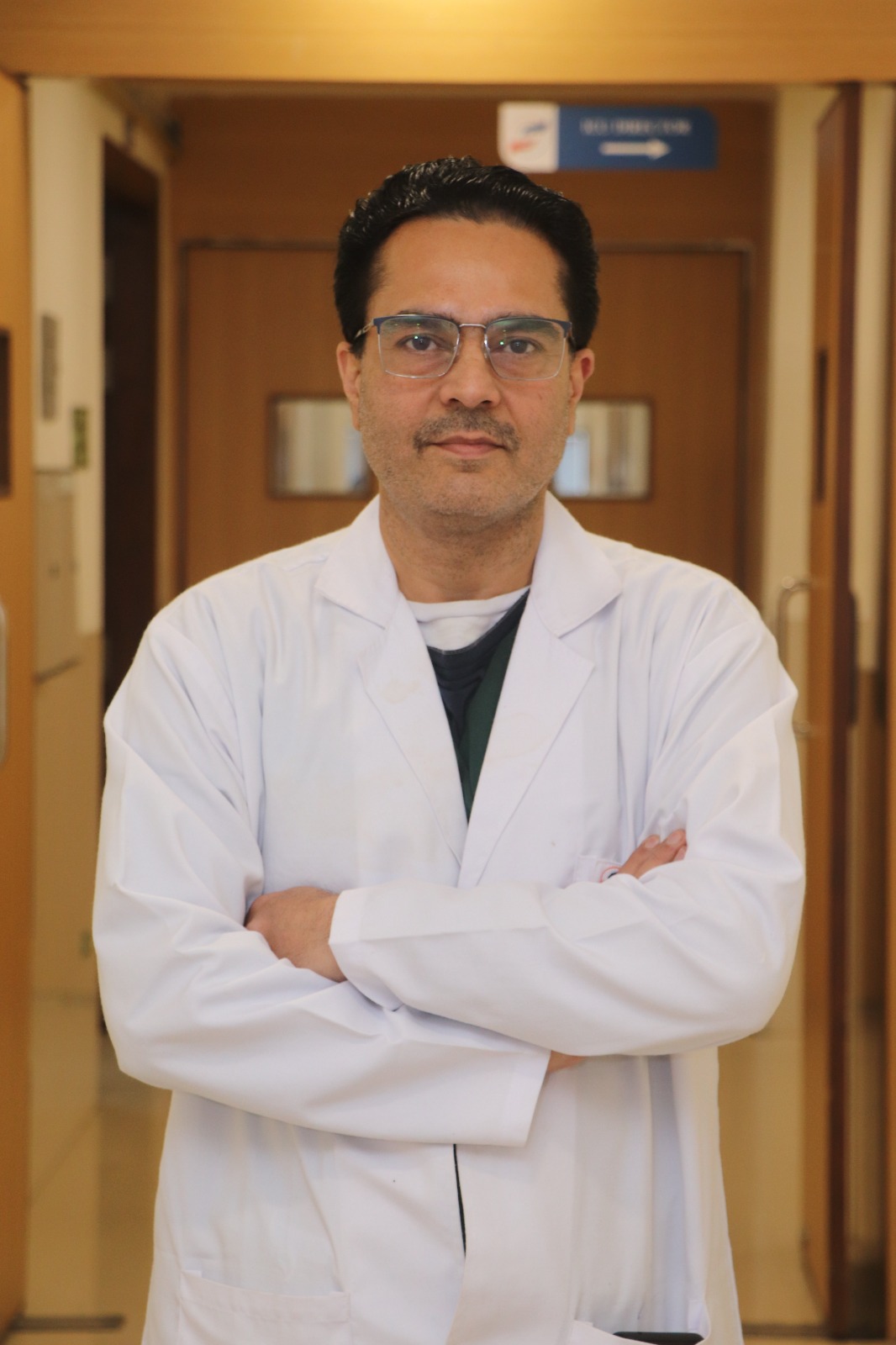
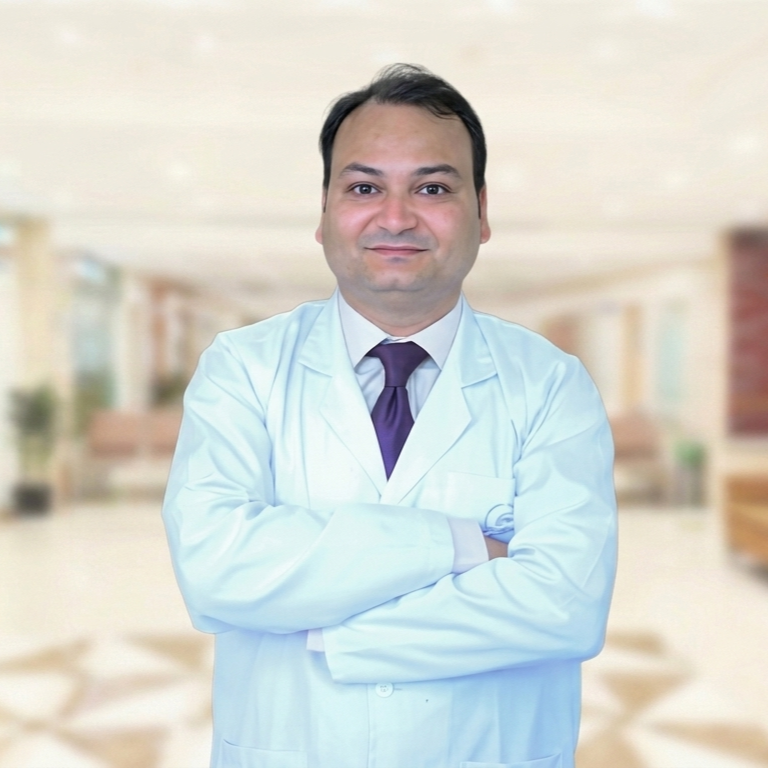
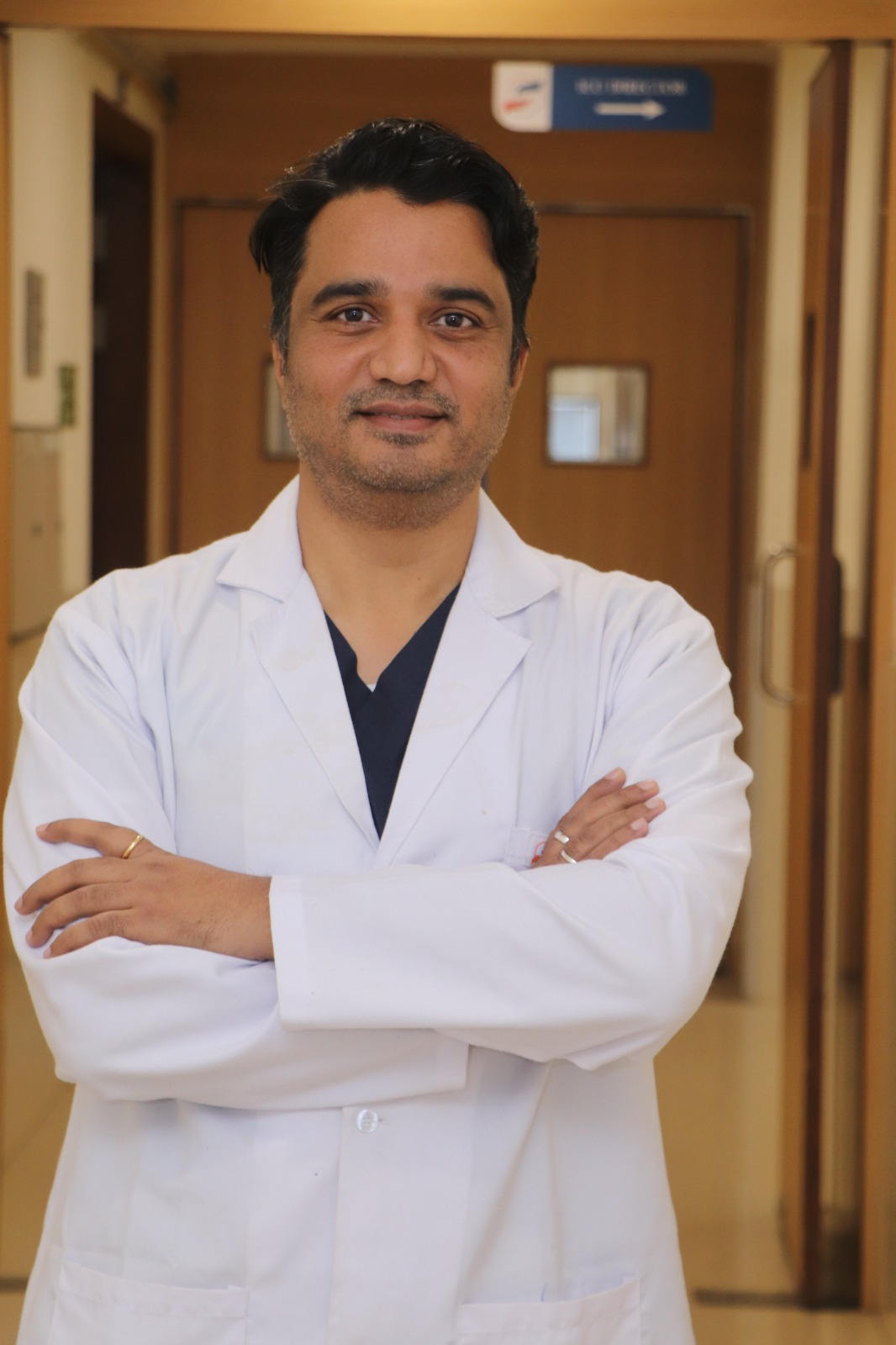
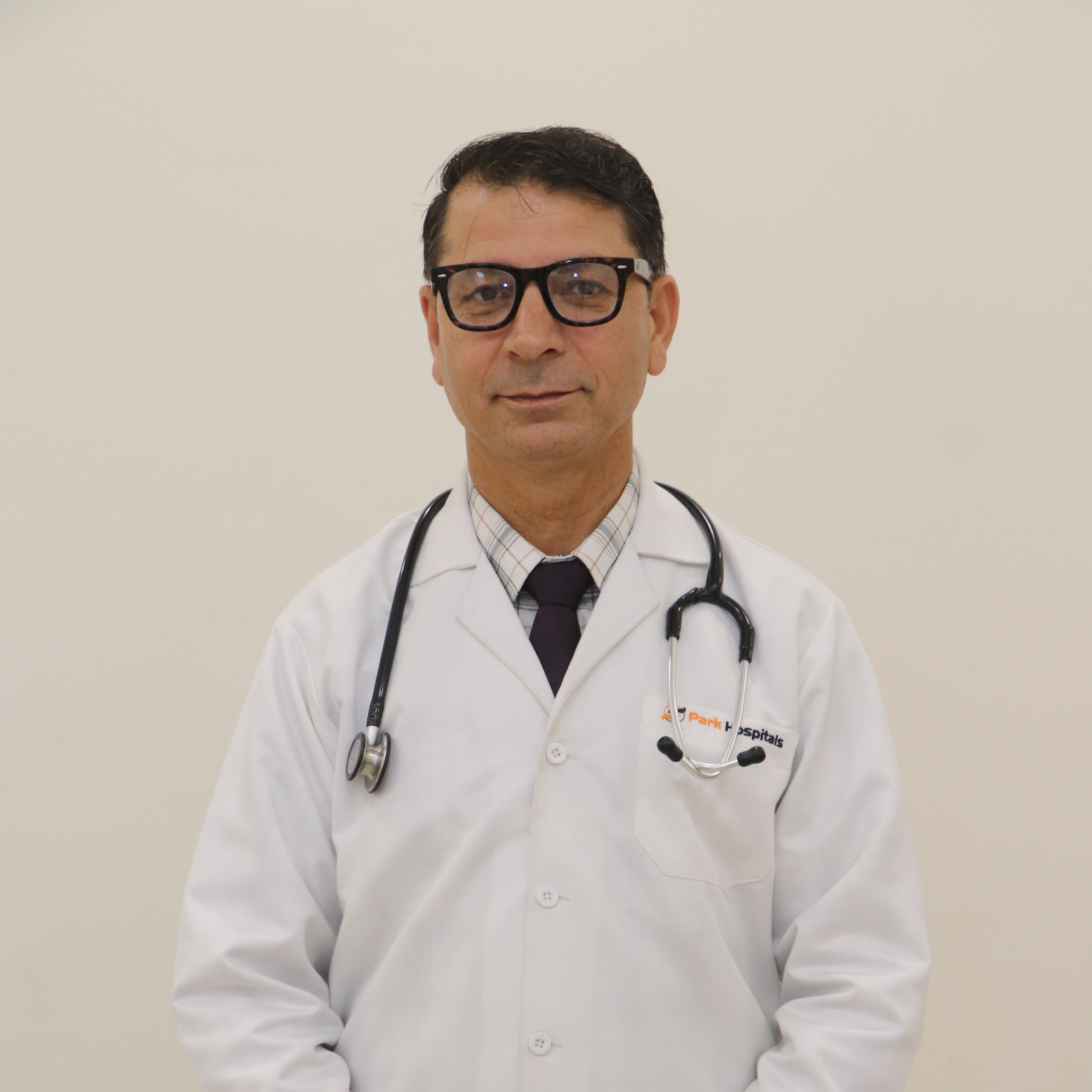
Experienced Clinical Leaders
Consult with our highly skilled specialists dedicated to providing world-class medical expertise and personalized treatment plans.
Find A Doctor


























Patient Testimonials
Stories Reflecting Excellence in Patient Care
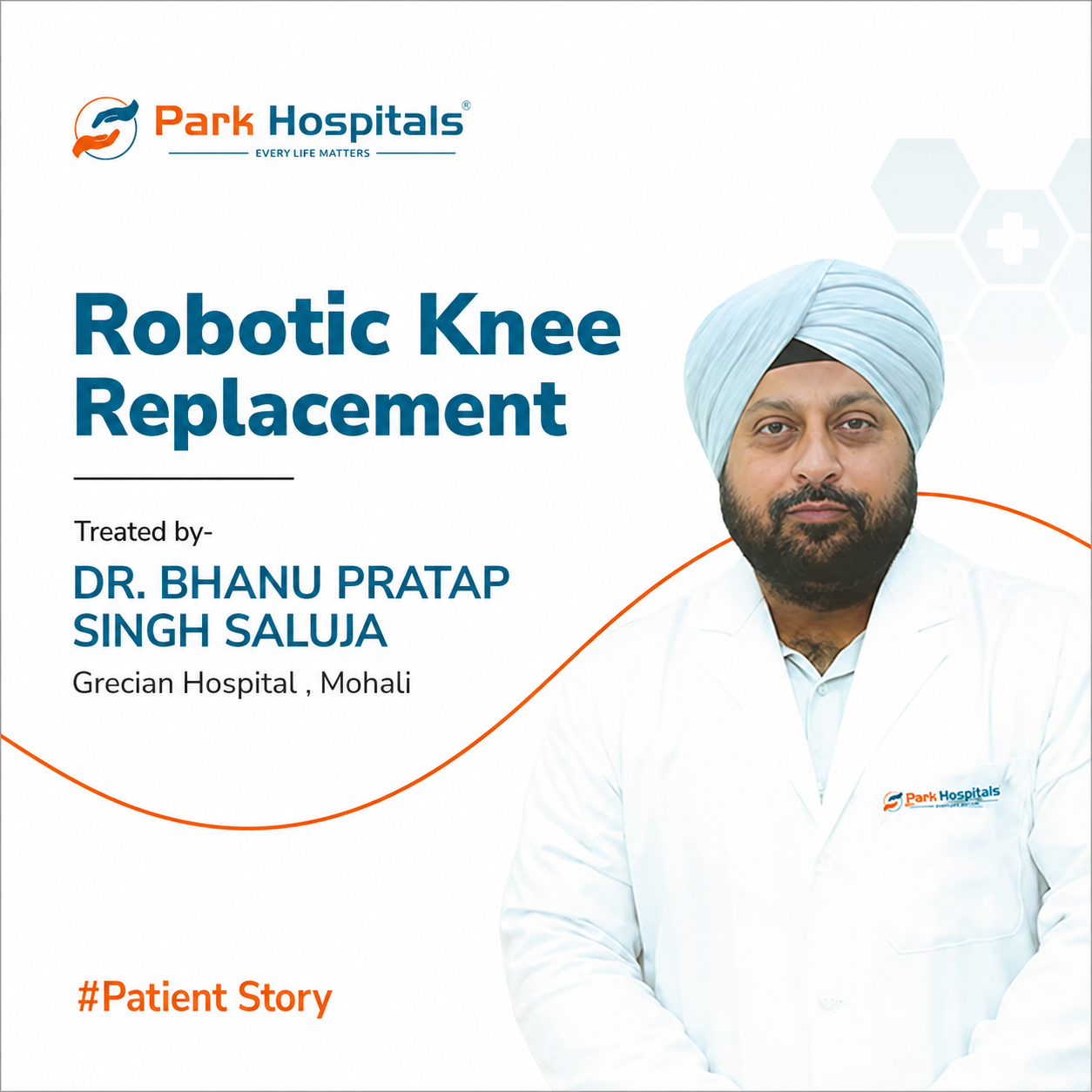
Robotic Knee Replacement Success Story
A patient regained mobility and confidence through successful robotic knee replacement surgery. Advanced robotic technology, expert orthopedic care, and personalized rehabilitation helped reduce pain, improve movement, and enhance overall quality of life.
Know More
Pain-Free Walking After Total Knee Replacement
Following a successful Total Knee Replacement (TKR), the patient regained mobility and confidence. Expert orthopedic care, advanced surgical techniques, and rehabilitation support helped achieve pain-free walking and an improved quality of life.

Goodbye Knee Pain! | Advanced Knee Replacement | Dr. Anand Jindal | Park Hospital Panchkula
Chronic knee pain can affect your mobility and quality of life. Advanced knee replacement surgery can help you move comfortably and regain confidence.
Dr. Anand Jindal
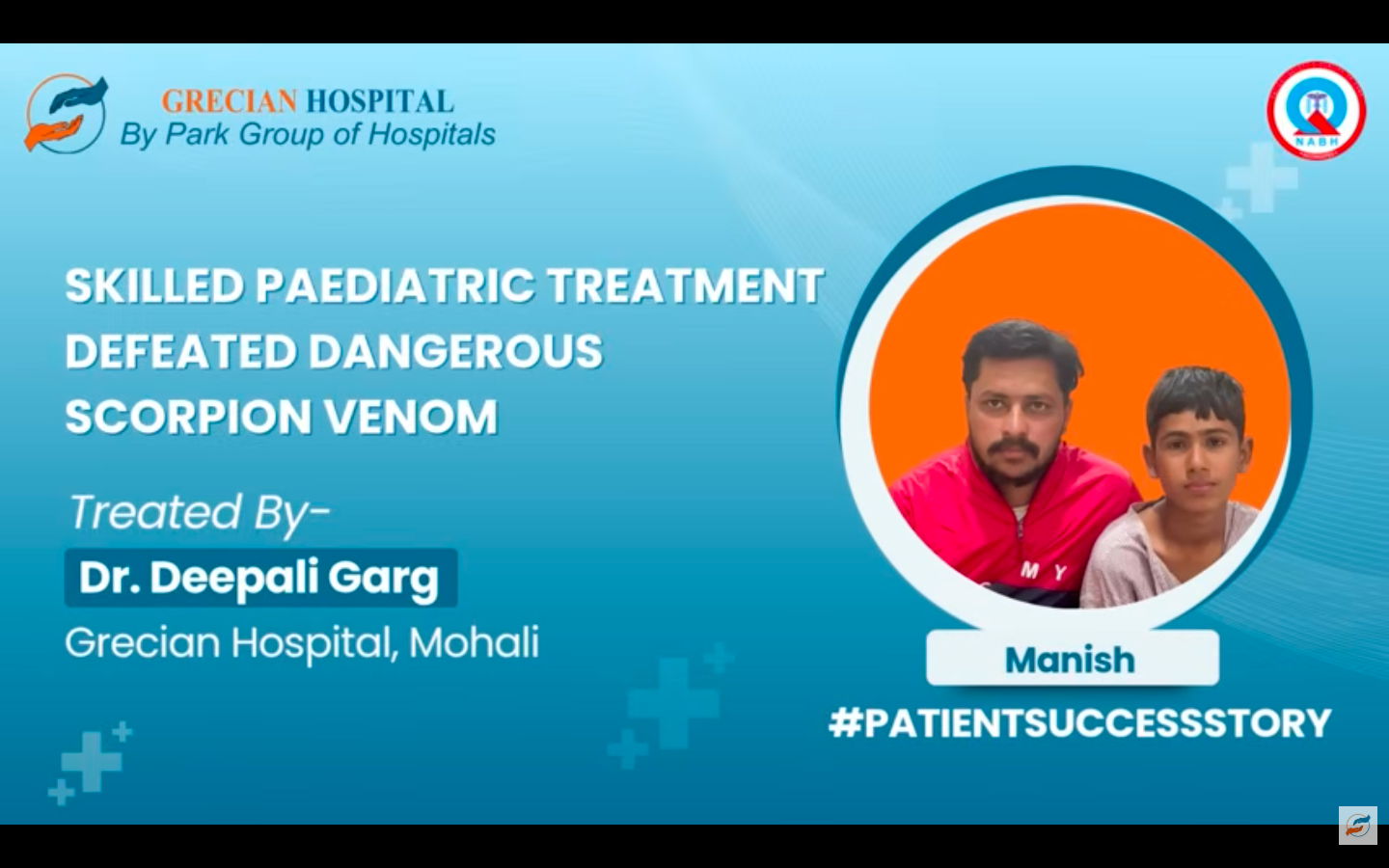
Expert Paediatric Care Defeats Scorpion Venom
A child suffering from a dangerous scorpion sting was successfully treated through timely intervention and expert pediatric care. Prompt diagnosis, critical monitoring, and specialized treatment ensured a safe recovery and positive outcome.
Dr. Milan Arora










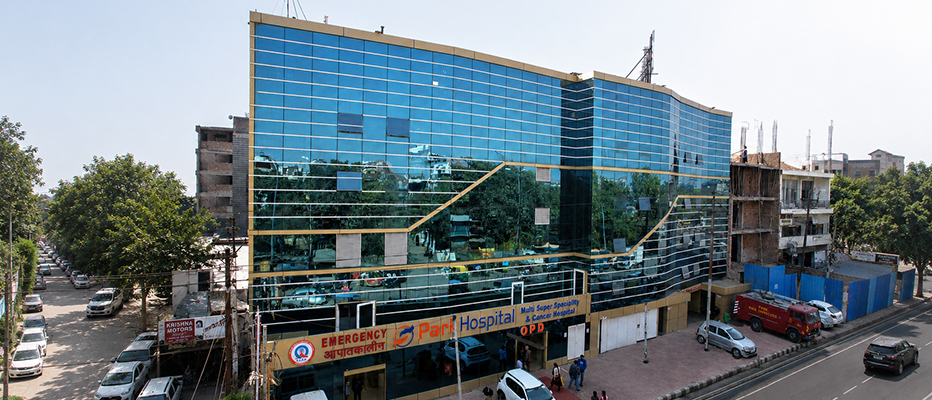



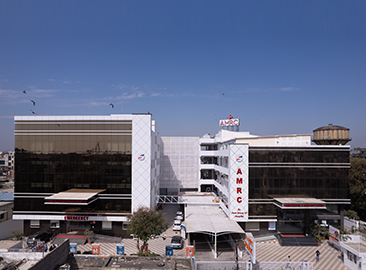



Our Hospital Locations
Healing Near You
Experience world-class clinical expertise and compassionate care at our advanced facilities conveniently located across the region
View AllHealth Tips
Expert Advice for Healthy Life




Frequently Asked Questions
Common questions answered by our experts
An anaesthesiologist helps plan and manage a patient's care before, during and after surgery. Before the procedure, they review medical history, medicines, allergies, previous experiences with anaesthesia and relevant health conditions to determine the safest approach. During surgery, they administer anaesthesia, monitor vital functions such as breathing, heart rate and blood pressure, and adjust medicines and fluids as needed. After surgery, they help manage pain, nausea and other effects of anaesthesia and oversee recovery until the patient is stable.
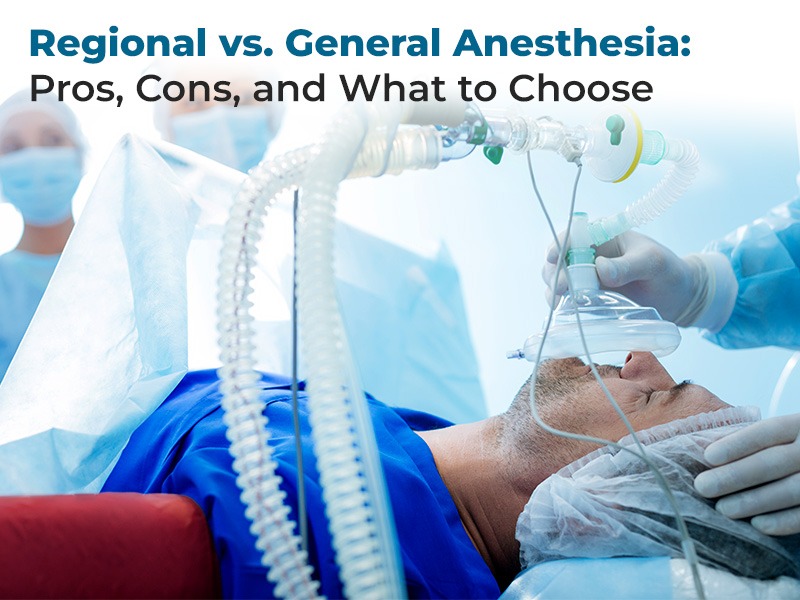
The type of anaesthesia depends on the procedure, the area being treated, the patient's health and other individual factors. General anaesthesia produces a sleep-like state and is commonly used for major or lengthy procedures. Regional anaesthesia temporarily numbs a larger part of the body, such as with spinal or nerve-block techniques, while the patient may remain awake or receive sedation. Local anaesthesia numbs a small, specific area and is often used for minor procedures. Different techniques may sometimes be combined.
Preoperative assessment helps the anaesthesia team understand the patient's health and identify factors that could affect anaesthesia or recovery. The assessment may include medical and surgical history, current medicines and supplements, allergies, previous reactions or difficulties with anaesthesia, and conditions affecting the heart, lungs, kidneys or liver. The team may also review when the patient last ate or drank and perform or request relevant examinations and tests. This information helps determine the safest anaesthetic approach and prepare for potential risks.
Be open about all medicines, vitamins and supplements you take, as well as any allergies or previous reactions to medicines or anaesthesia. Tell your anaesthesiologist about medical conditions such as asthma, sleep apnea, heart disease, diabetes, kidney or liver problems, and any recent illness. It is also important to mention previous difficulties with anaesthesia and relevant family history. Follow instructions about fasting and medicines carefully, as eating or drinking too close to anaesthesia can increase certain risks.
The anaesthesia team continuously monitors the patient's condition throughout the procedure. Depending on the surgery and type of anaesthesia, monitoring may include blood pressure, heart rate, oxygen levels, breathing, temperature and other measures of vital function. The anaesthesiologist adjusts anaesthetic medicines, fluids and other treatments according to these readings and the patient's response. Pain management is also planned as part of perioperative care, using appropriate medicines or techniques based on the procedure and the patient's individual needs.
The choice of anaesthesia is individualized. Factors include the type, location and duration of surgery, the expected level of pain, the patient's medical conditions, medicines, allergies, previous anaesthesia experiences and overall health. The patient's preferences may also be considered where clinically appropriate. Some procedures require general anaesthesia, while others may be safely performed using regional or local anaesthesia, sometimes with sedation. The anaesthesiologist and surgical team assess these factors together to select the approach that offers the best balance of safety and comfort.
After anaesthesia, patients are monitored in a recovery area while they gradually become more alert and their vital signs stabilize. It is common to feel sleepy, groggy or mildly confused initially. Some people experience nausea, dizziness, dry mouth, shivering, a sore throat or temporary discomfort, depending on the type of anaesthesia and surgery. The team can provide medicines to manage pain or nausea when needed. Recovery time varies, and patients receive instructions about eating, activity, medicines and when they can safely return home.