
Internal Medicine & Geriatric
Internal Medicine Hospital in India
Internal medicine is the integrative discipline that forms the backbone of adult healthcare, the specialty to which patients with complex, multisystem, or undifferentiated illness turn for comprehensive assessment and coordinated management. At Park Hospitals, our Department of Internal Medicine & Geriatrics brings together experienced physicians with the breadth and depth to manage the most challenging adult medical conditions and the compassion to care for our most senior and vulnerable patients.
Our physicians manage a wide range of acute and chronic conditions, including hypertension, diabetes, coronary artery disease, heart failure, chronic kidney disease, liver disease, infections, autoimmune conditions, and hematological disorders. We serve as the primary point of contact for patients with complex medical problems, synthesizing diverse clinical information and coordinating specialist input within a clear, patient-centered management plan.
Acute medicine, rapid assessment of chest pain, breathlessness, stroke, altered consciousness, and other urgent presentations, is a particular strength. Our acute medicine team ensures high-risk conditions are identified and treated without delay. Geriatric medicine brings specialist expertise in dementia, falls, incontinence, frailty, delirium, and polypharmacy, using comprehensive geriatric assessment to evaluate every dimension of an older patient's health.
We collaborate closely with physiotherapy, occupational therapy, and social work to support the independence and quality of life of our older patients. At Park Hospitals, internal medicine sees beyond the diagnosis to the person and treats both with equal dedication.
Meet Our Experts
Experienced Clinical Leaders
Consult with our highly skilled specialists dedicated to providing world-class medical expertise and personalized treatment plans.
Find A Doctor














 Dharmendr.png)


.jpeg)







.jpg)























Patient Testimonials
Stories Reflecting Excellence in Patient Care

Robotic Knee Replacement Success Story
A patient regained mobility and confidence through successful robotic knee replacement surgery. Advanced robotic technology, expert orthopedic care, and personalized rehabilitation helped reduce pain, improve movement, and enhance overall quality of life.
Know More
Pain-Free Walking After Total Knee Replacement
Following a successful Total Knee Replacement (TKR), the patient regained mobility and confidence. Expert orthopedic care, advanced surgical techniques, and rehabilitation support helped achieve pain-free walking and an improved quality of life.

Goodbye Knee Pain! | Advanced Knee Replacement | Dr. Anand Jindal | Park Hospital Panchkula
Chronic knee pain can affect your mobility and quality of life. Advanced knee replacement surgery can help you move comfortably and regain confidence.
Dr. Anand Jindal
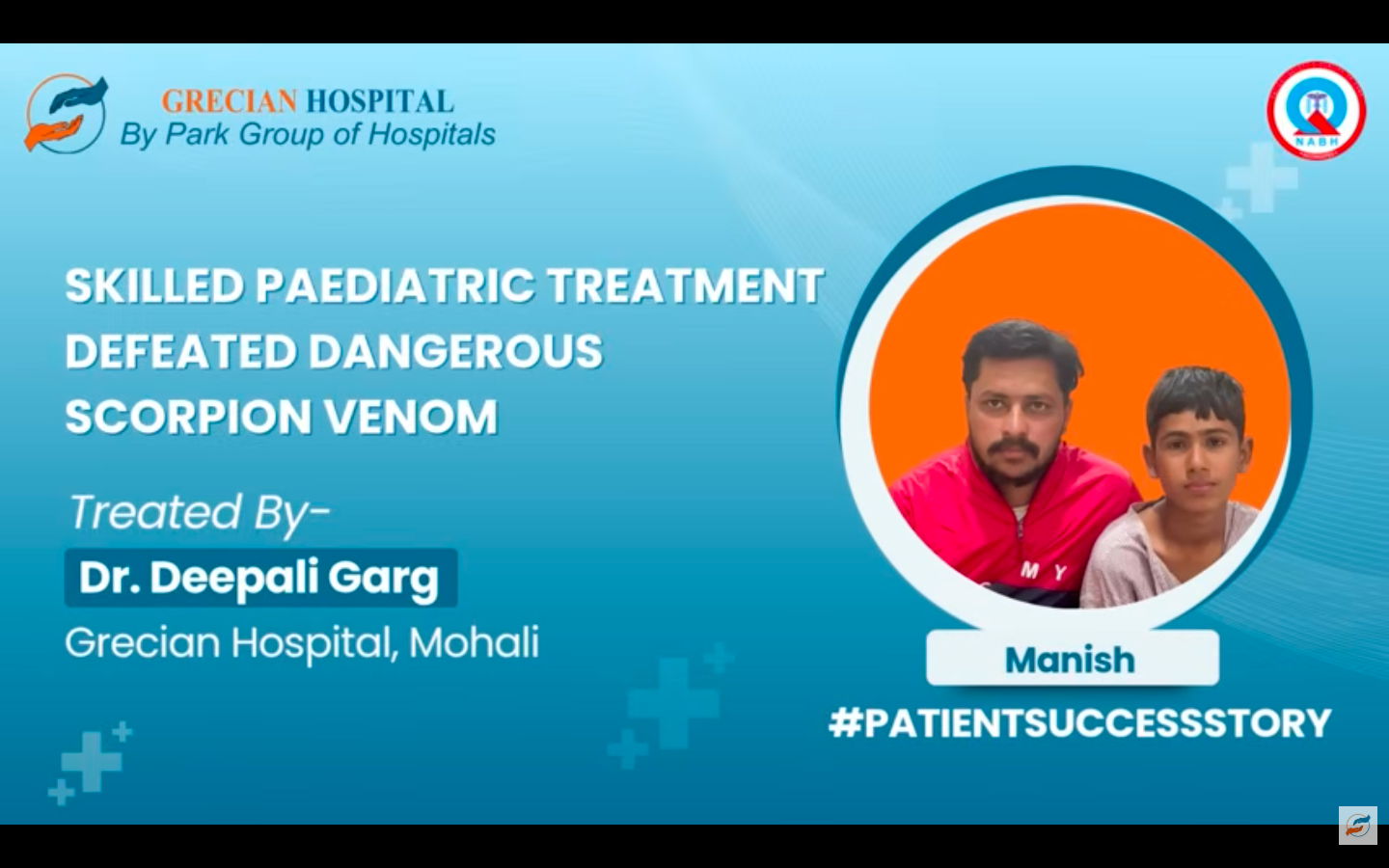
Expert Paediatric Care Defeats Scorpion Venom
A child suffering from a dangerous scorpion sting was successfully treated through timely intervention and expert pediatric care. Prompt diagnosis, critical monitoring, and specialized treatment ensured a safe recovery and positive outcome.
Dr. Milan Arora


















Our Hospital Locations
Healing Near You
Experience world-class clinical expertise and compassionate care at our advanced facilities conveniently located across the region
View AllHealth Tips
Expert Advice for Healthy Life


I feel perfectly fine, Doctor. Why do I need a health check-up?

21 Sep 2026

By Dr. Kshitiz D Vashista
.jpg)
- Health Benefits, Nutrition, Uses & Side Effects.jpg)
View All
Frequently Asked Questions
Common questions answered by our experts
Internal medicine specialists, or internists, diagnose and manage a broad range of health problems in adults. They commonly care for conditions such as diabetes, high blood pressure, high cholesterol, respiratory infections, thyroid disorders, digestive problems and other chronic illnesses. Internists also manage patients with multiple medical conditions and help coordinate care when several health concerns overlap. They may provide ongoing preventive and primary care or refer patients to another specialist when a more focused evaluation or treatment is required.
Adults can consult an internal medicine specialist for routine preventive care as well as new, persistent or unexplained health concerns. An internist can evaluate symptoms such as ongoing fatigue, unexplained weight changes, recurrent infections, persistent pain or changes in blood pressure or blood sugar. They are also well suited to managing chronic conditions and coordinating care when a patient has several health problems. For sudden or severe symptoms, urgent or emergency medical care may be more appropriate.
Internists take a comprehensive approach, looking at the patient's symptoms, medical history, medicines, lifestyle and existing health conditions rather than evaluating each problem in isolation. They may perform a physical examination and order blood tests, imaging or other investigations based on the clinical picture. When several conditions or medicines may be interacting, the internist considers how they affect one another and prioritizes the most important concerns. This approach can help develop a coordinated treatment plan and avoid unnecessary or conflicting treatments.
Preventive care depends on age, sex, family history, lifestyle, existing health conditions and individual risk factors. Depending on these factors, routine care may include monitoring blood pressure, blood glucose and cholesterol, along with appropriate cancer screenings, vaccinations and assessments of factors such as weight, tobacco or alcohol use. Some adults may also need screening for conditions such as osteoporosis or infectious diseases. An internist can help determine which preventive checks are appropriate and when they should be repeated.
Effective management combines regular monitoring, appropriate medicines and sustainable lifestyle changes. Depending on the condition, this may include a balanced diet, regular physical activity, maintaining a healthy weight, limiting tobacco and alcohol exposure and taking prescribed medicines consistently. Regular follow-up allows treatment to be adjusted based on blood pressure, blood glucose, cholesterol and other relevant measures. Managing related risk factors is also important because conditions such as diabetes and hypertension can increase the risk of heart, kidney and blood-vessel complications.
An internist may refer a patient when a condition requires specialized expertise, advanced testing, a procedure or treatment outside the scope of general internal medicine. Referral may also be appropriate when symptoms remain unexplained despite an initial evaluation, when a condition is complex or when specialist input could improve management. The internist can help coordinate information between specialists and continue managing the patient's overall health, particularly when multiple conditions are present.
Bring a list of your current medicines and supplements, including doses if possible, along with information about allergies, previous diagnoses, surgeries and relevant family medical history. If you have recent blood tests, imaging reports or records from other doctors, bring those as well. Before the visit, make a note of your main symptoms, when they began and any factors that affect them. It can also help to prepare questions about your health concerns, preventive screenings, treatment options and follow-up.