
Endocrinology
Endocrinology Hospital in India
Hormones regulate virtually every function of the human body and when the endocrine system is disrupted, the consequences are widespread. At Park Hospitals, our Department of Endocrinology provides expert, comprehensive care for the full spectrum of hormonal and metabolic conditions from diabetes and thyroid disease to rare endocrine tumours and complex pituitary disorders.
Diabetes mellitus, both type 1 and type 2 is one of our most important clinical areas. We provide comprehensive diabetes care including glycaemic optimisation, continuous glucose monitoring, insulin pump therapy, structured patient education, and multidisciplinary management of diabetic complications affecting the kidneys, eyes, nerves, and heart. Thyroid disorders, hypothyroidism, hyperthyroidism, Graves' disease, thyroid nodules, and thyroid cancer are evaluated with detailed ultrasound, FNAC, and dynamic thyroid function testing, with surgical and radioiodine treatment coordinated with our relevant specialist teams.
Other conditions within our practice include adrenal disorders, Cushing's syndrome, Addison's disease, phaeochromocytoma, pituitary tumours, PCOS, osteoporosis, hyperparathyroidism, and metabolic syndrome. Male and female reproductive endocrinology, including hypogonadism and menstrual disorders, is also within our scope.
Our team works in close collaboration with surgery, nuclear medicine, radiology, ophthalmology, and nephrology, ensuring patients with complex endocrine conditions receive truly integrated, multidisciplinary care. At Park Hospitals, we make the complex manageable with expertise, clarity, and personalised attention.
Meet Our Experts
Experienced Clinical Leaders
Consult with our highly skilled specialists dedicated to providing world-class medical expertise and personalized treatment plans.
Find A Doctor







Patient Testimonials
Stories Reflecting Excellence in Patient Care
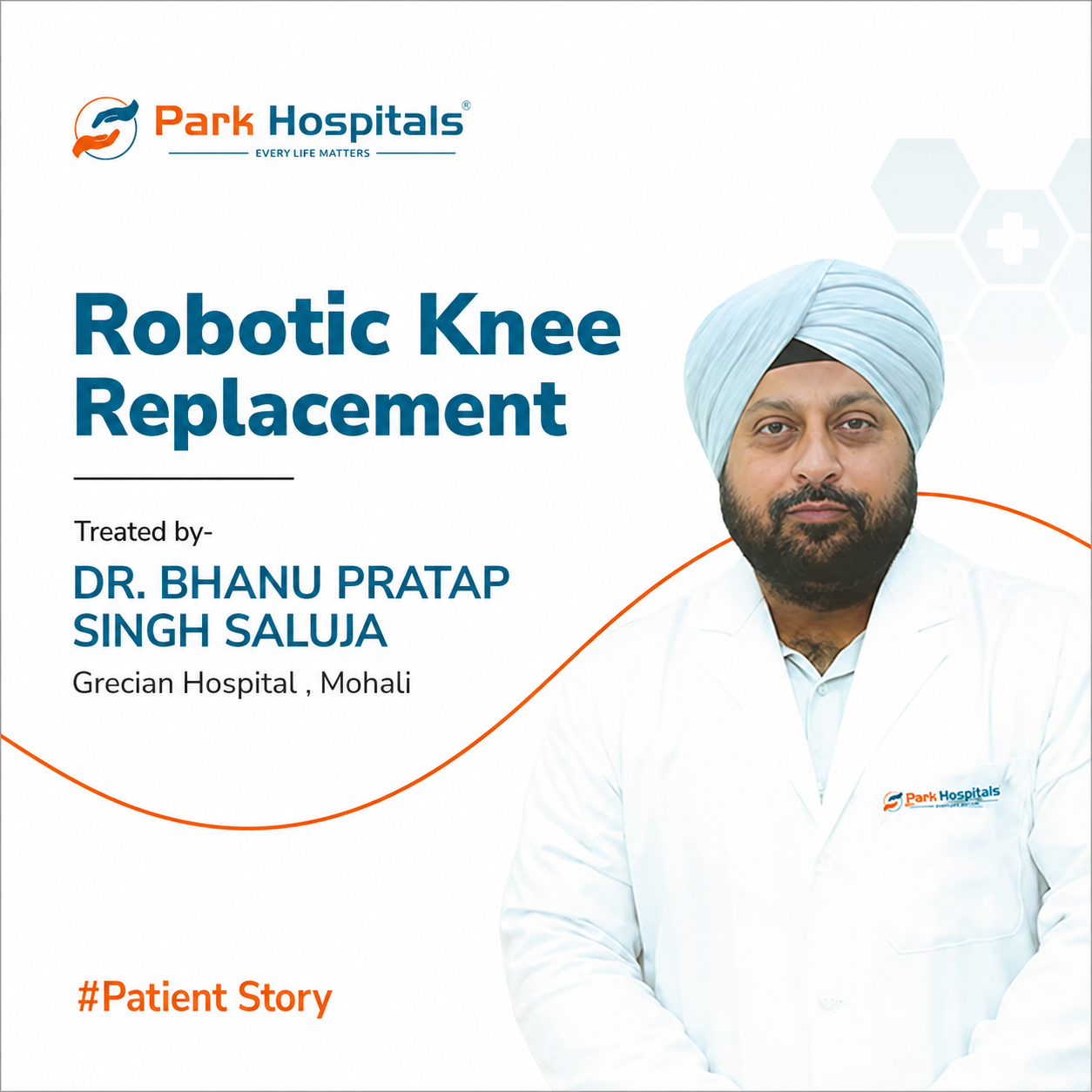
Robotic Knee Replacement Success Story
A patient regained mobility and confidence through successful robotic knee replacement surgery. Advanced robotic technology, expert orthopedic care, and personalized rehabilitation helped reduce pain, improve movement, and enhance overall quality of life.
Know More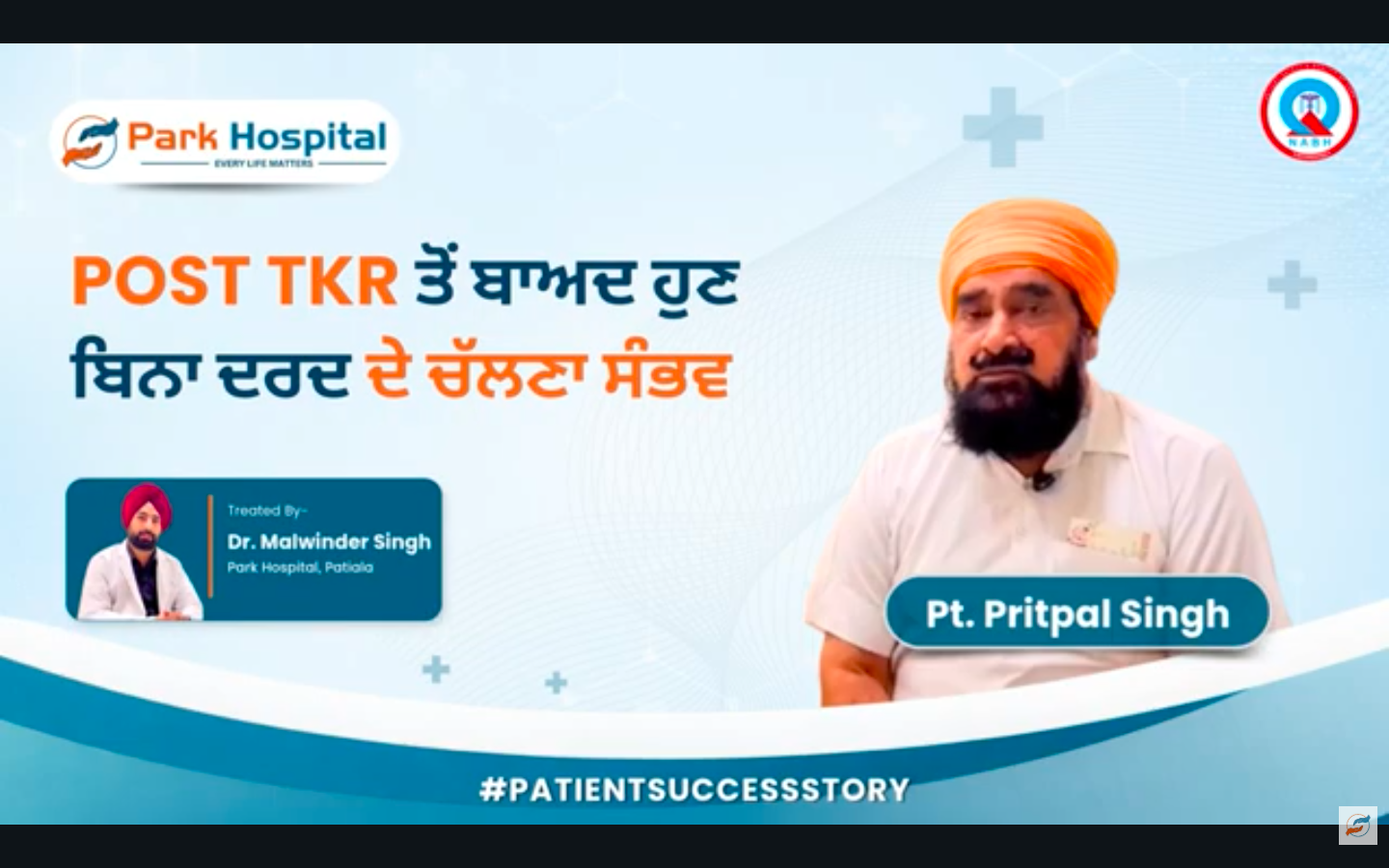
Pain-Free Walking After Total Knee Replacement
Following a successful Total Knee Replacement (TKR), the patient regained mobility and confidence. Expert orthopedic care, advanced surgical techniques, and rehabilitation support helped achieve pain-free walking and an improved quality of life.

Goodbye Knee Pain! | Advanced Knee Replacement | Dr. Anand Jindal | Park Hospital Panchkula
Chronic knee pain can affect your mobility and quality of life. Advanced knee replacement surgery can help you move comfortably and regain confidence.
Dr. Anand Jindal

Expert Paediatric Care Defeats Scorpion Venom
A child suffering from a dangerous scorpion sting was successfully treated through timely intervention and expert pediatric care. Prompt diagnosis, critical monitoring, and specialized treatment ensured a safe recovery and positive outcome.
Dr. Milan Arora






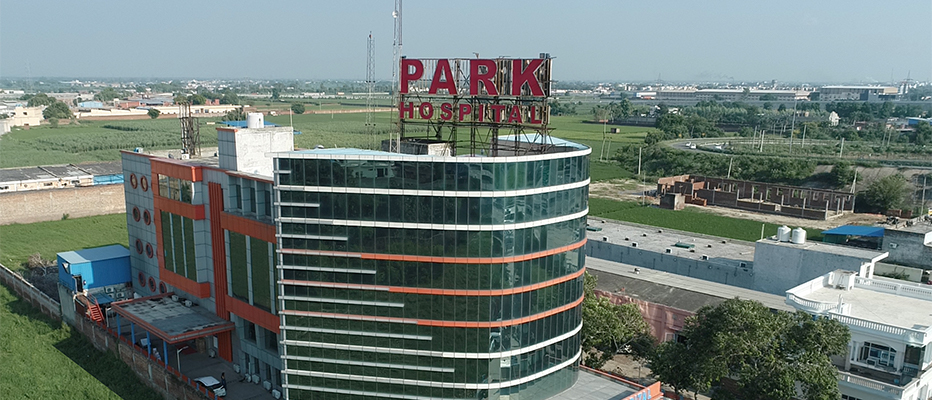



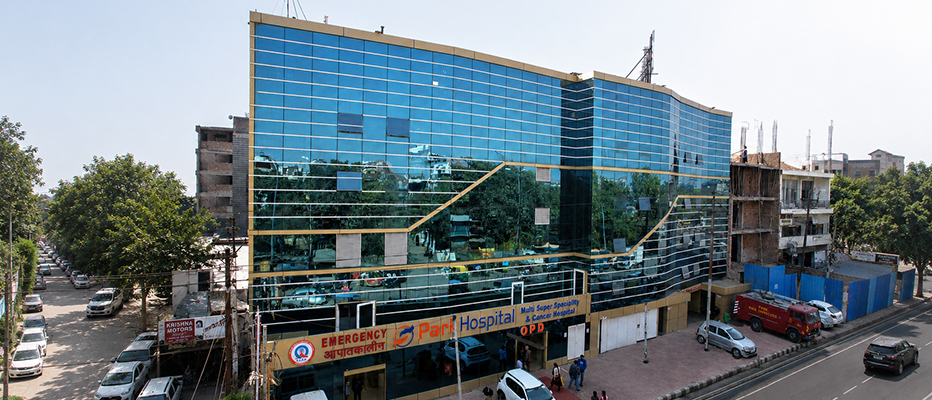
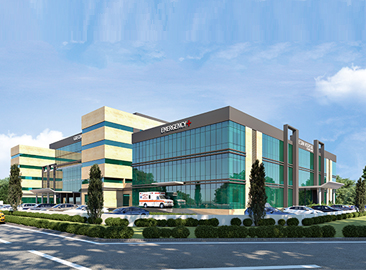






Our Hospital Locations
Healing Near You
Experience world-class clinical expertise and compassionate care at our advanced facilities conveniently located across the region
View AllHealth Tips
Expert Advice for Healthy Life




Frequently Asked Questions
Common questions answered by our experts
Hormonal disorders can affect many parts of the body and may cause symptoms that are easy to attribute to other conditions. Depending on the hormone involved, symptoms may include unexplained weight gain or loss, persistent fatigue, changes in appetite or thirst, frequent urination, changes in menstrual cycles, heat or cold intolerance, excessive sweating, changes in mood, weakness or changes in growth. Because these symptoms have many possible causes, persistent or unexplained changes should be evaluated rather than assumed to be hormonal.
An endocrinologist may be recommended when symptoms, blood tests or an existing diagnosis suggest a hormonal or metabolic disorder requiring specialist care. This may include difficult-to-control diabetes, thyroid abnormalities, unexplained changes in hormone levels, osteoporosis, adrenal or pituitary disorders, or complex metabolic problems. Specialist evaluation can also be useful when treatment is not achieving adequate control or when several endocrine conditions overlap. Your primary doctor may refer you based on your symptoms, examination and initial test results.
Endocrinologists diagnose and manage disorders involving hormones and metabolism. Common conditions include diabetes, thyroid disorders, osteoporosis and other bone and mineral disorders. They also treat conditions affecting the pituitary, adrenal and reproductive glands, as well as certain causes of obesity and metabolic abnormalities. Depending on the clinical situation, endocrinologists may evaluate problems involving calcium levels, growth and puberty, testosterone or other reproductive hormones. Treatment varies according to the underlying hormonal imbalance and its effect on overall health.
Testing depends on the symptoms and the endocrine system suspected to be affected. Blood tests are commonly used to measure hormone levels, blood glucose, HbA1c, thyroid function, electrolytes, calcium and other metabolic markers. Urine or other specialized tests may also be needed for certain hormonal conditions. Imaging such as ultrasound, CT or MRI can help assess endocrine glands when structural abnormalities are suspected. Some hormone disorders require dynamic tests that measure how the body responds to a particular stimulus or medication.
Management is individualized according to the type of disorder, its severity and the patient's overall health. Diabetes care may include nutrition and physical activity changes, medicines and, when needed, insulin, along with regular monitoring of blood glucose and other health measures. Thyroid disorders may require thyroid hormone replacement for an underactive thyroid or medicines and other treatments to control an overactive thyroid. Regular follow-up and blood tests help determine whether treatment is controlling the condition and whether adjustments are needed.
Specialist care may be useful when an endocrine condition is complex, difficult to control, associated with complications or requires detailed investigation. In obesity, an endocrinologist may assess metabolic or hormonal factors and develop a comprehensive treatment approach when lifestyle measures alone have not been sufficient. Osteoporosis may require specialist evaluation when fracture risk is high, bone loss is significant or the cause is unclear. Similarly, persistent abnormalities involving the pituitary, adrenal glands, calcium or other hormones may require specialist assessment.
Ask what may be causing your symptoms or abnormal test results, whether additional testing is needed and what your diagnosis means for your long-term health. Discuss the recommended treatment, alternatives, expected benefits and possible side effects. Ask how often your condition should be monitored and which symptoms or test results would require earlier review. For conditions such as diabetes, thyroid disease or osteoporosis, ask what changes you can make to diet, activity, medicines or other aspects of daily care to improve control and reduce complications.