
Osteoporosis
Osteoporosis is a progressive bone disease characterized by reduced bone density and deterioration of bone structure, making bones weaker, more fragile, and more susceptible to fractures. The condition develops gradually over time and often remains undetected until a fracture occurs. Osteoporosis commonly affects the hips, spine, and wrists, but it can involve any bone in the body. As one of the leading causes of fractures in older adults, osteoporosis can significantly impact mobility, independence, and quality of life. At Park Hospitals, advanced orthopedic services, specialized diagnostic facilities, and comprehensive bone health programs support the early diagnosis and effective management of osteoporosis to help prevent fractures and preserve long-term skeletal health.
Osteoporosis occurs when the body loses bone mass faster than it can replace it. Increasing age is one of the most significant risk factors, particularly among postmenopausal women due to declining estrogen levels. Other contributing factors include a family history of osteoporosis, inadequate calcium and vitamin D intake, physical inactivity, smoking, excessive alcohol consumption, low body weight, and certain medical conditions or medications that affect bone metabolism.
In its early stages, osteoporosis may not cause noticeable symptoms. As bone loss progresses, individuals may experience back pain, loss of height over time, stooped posture, and fractures that occur more easily than expected. Fragility fractures of the hip, spine, and wrist are among the most common complications associated with the condition.
If left untreated, osteoporosis can lead to recurrent fractures, chronic pain, reduced mobility, physical disability, and loss of independence. Hip and spinal fractures, in particular, may significantly affect overall health and increase the risk of long-term complications.
Diagnosis typically involves a detailed medical evaluation along with bone mineral density testing, commonly performed using dual-energy X-ray absorptiometry (DEXA) scans. Blood tests and other investigations may also be recommended to identify underlying causes of bone loss and assess overall bone health.
Treatment focuses on strengthening bones, slowing bone loss, and reducing fracture risk. Management may include calcium and vitamin D supplementation, weight-bearing exercises, lifestyle modifications, medications that improve bone density, and fall-prevention strategies. Regular monitoring is essential to assess treatment effectiveness and maintain bone health.
With experienced orthopedic specialists, endocrinologists, advanced diagnostic technology, and comprehensive bone health services, Park Hospitals provides personalized treatment and long-term management for individuals with osteoporosis. Early diagnosis and timely intervention can help reduce fracture risk, preserve mobility, and support healthier long-term outcomes and quality of life.
Meet Our Experts
Experienced Clinical Leaders
Consult with our highly skilled specialists dedicated to providing world-class medical expertise and personalized treatment plans.
Find A Doctor









 ortho sonipat.jpg)









.jpg)

.jpg)


.png)
















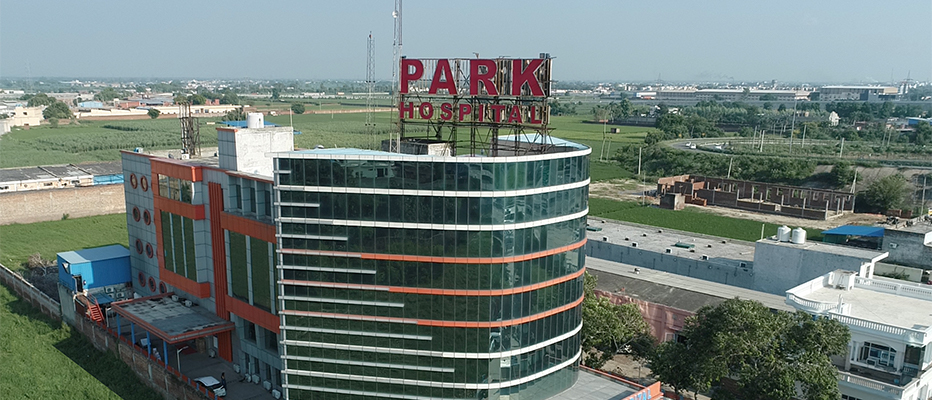



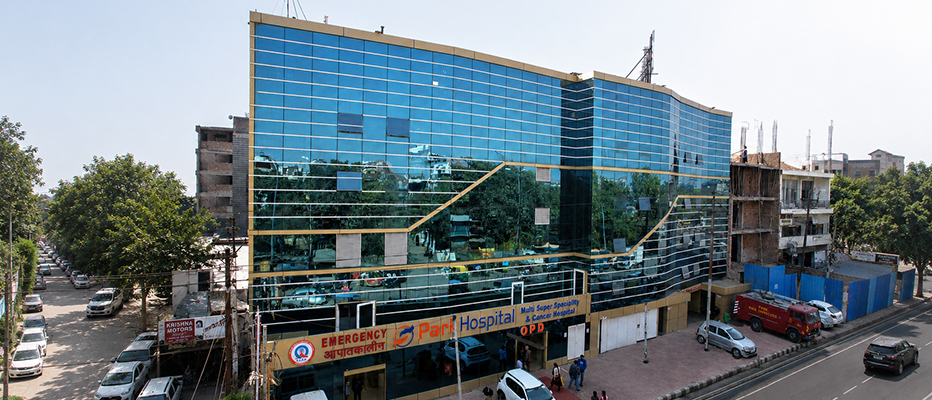






Our Hospital Locations
Healing Near You
Experience world-class clinical expertise and compassionate care at our advanced facilities conveniently located across the region
View All