
Colorectal Cancer
Colorectal cancer is a type of cancer that develops in the colon or rectum, which are parts of the large intestine responsible for processing and eliminating waste from the body. The condition often begins as small, noncancerous growths known as polyps that can gradually become cancerous over time. Colorectal cancer is among the most commonly diagnosed cancers worldwide, but it is also one of the most preventable and treatable forms of cancer when detected early. At Park Hospitals, advanced gastrointestinal diagnostics, specialized oncology services, and multidisciplinary cancer care programs support the early detection and comprehensive treatment of colorectal cancer to improve patient outcomes and quality of life.
Several factors may increase the risk of developing colorectal cancer. These include increasing age, a family history of colorectal cancer or colon polyps, inflammatory bowel diseases such as ulcerative colitis and Crohn’s disease, obesity, smoking, excessive alcohol consumption, physical inactivity, and diets high in processed or red meats. Certain inherited genetic conditions may also increase an individual's susceptibility to the disease.
Symptoms can vary depending on the location and stage of the cancer. Common signs include persistent changes in bowel habits, diarrhea, constipation, blood in the stool, abdominal pain, bloating, unexplained weight loss, fatigue, and a sensation that the bowel does not empty completely. Some individuals may not experience noticeable symptoms during the early stages, making routine screening particularly important.
If left untreated, colorectal cancer can grow into deeper layers of the intestinal wall and spread to nearby lymph nodes or distant organs such as the liver and lungs. Advanced disease may result in bowel obstruction, severe bleeding, nutritional problems, and other serious complications that can significantly affect overall health.
Diagnosis typically involves a detailed medical evaluation along with stool-based screening tests, colonoscopy, tissue biopsy, blood investigations, and imaging studies such as CT scans or MRI. These assessments help specialists determine the location, extent, and stage of the cancer while guiding treatment planning.
Treatment depends on the stage of the disease and the patient's overall health. Management may include surgical removal of the tumor, chemotherapy, radiation therapy, targeted therapy, immunotherapy, or a combination of these approaches. Personalized treatment plans are developed to achieve optimal cancer control while preserving digestive function whenever possible.
With experienced gastroenterologists, colorectal surgeons, oncologists, advanced diagnostic technology, and comprehensive cancer care services, Park Hospitals provides personalized treatment and long-term support for individuals diagnosed with colorectal cancer. Early detection and timely intervention can significantly improve treatment success, reduce complications, and support healthier long-term outcomes.
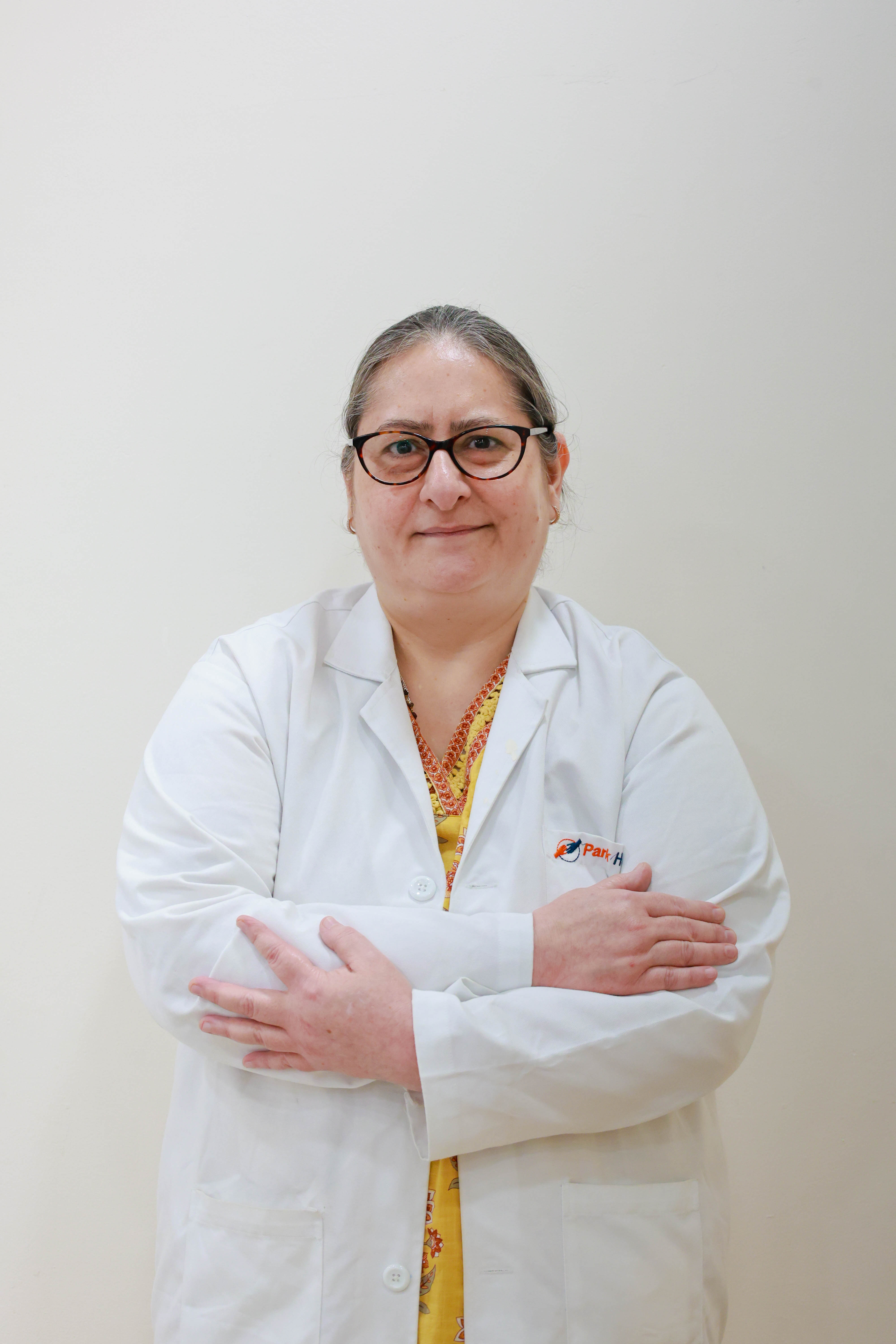
Meet Our Experts
Experienced Clinical Leaders
Consult with our highly skilled specialists dedicated to providing world-class medical expertise and personalized treatment plans.
Find A Doctor








.jpg)









.jpeg)



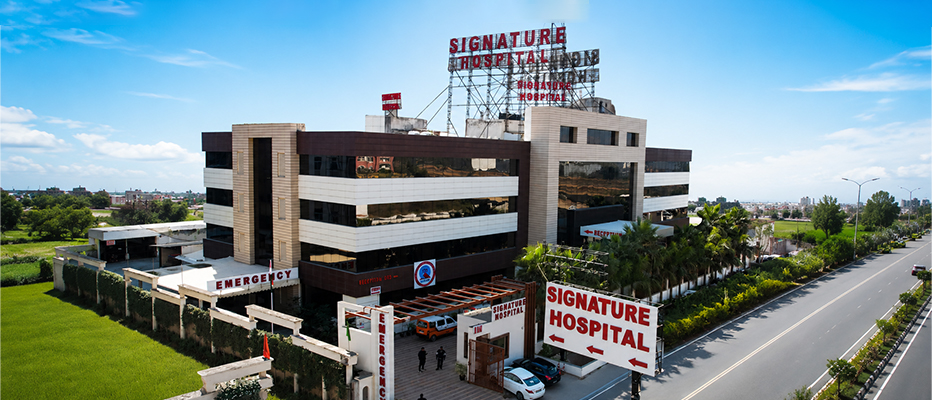



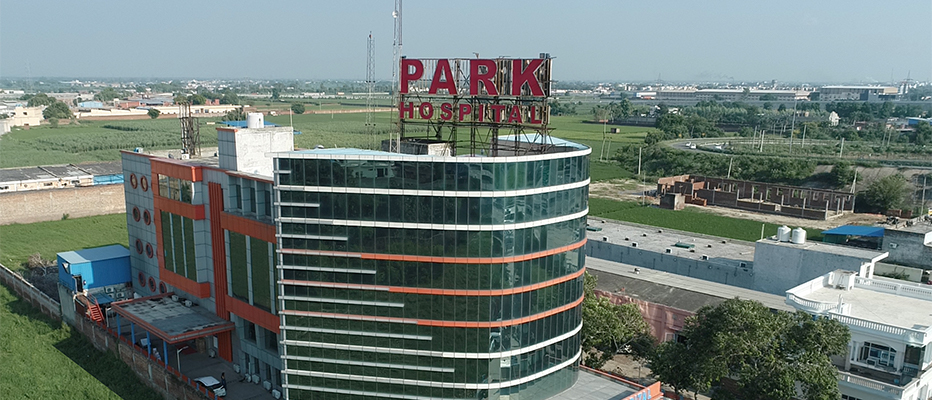

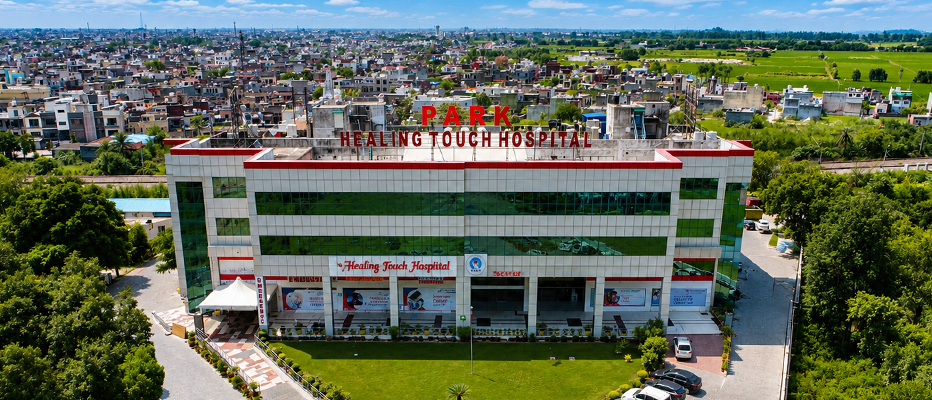
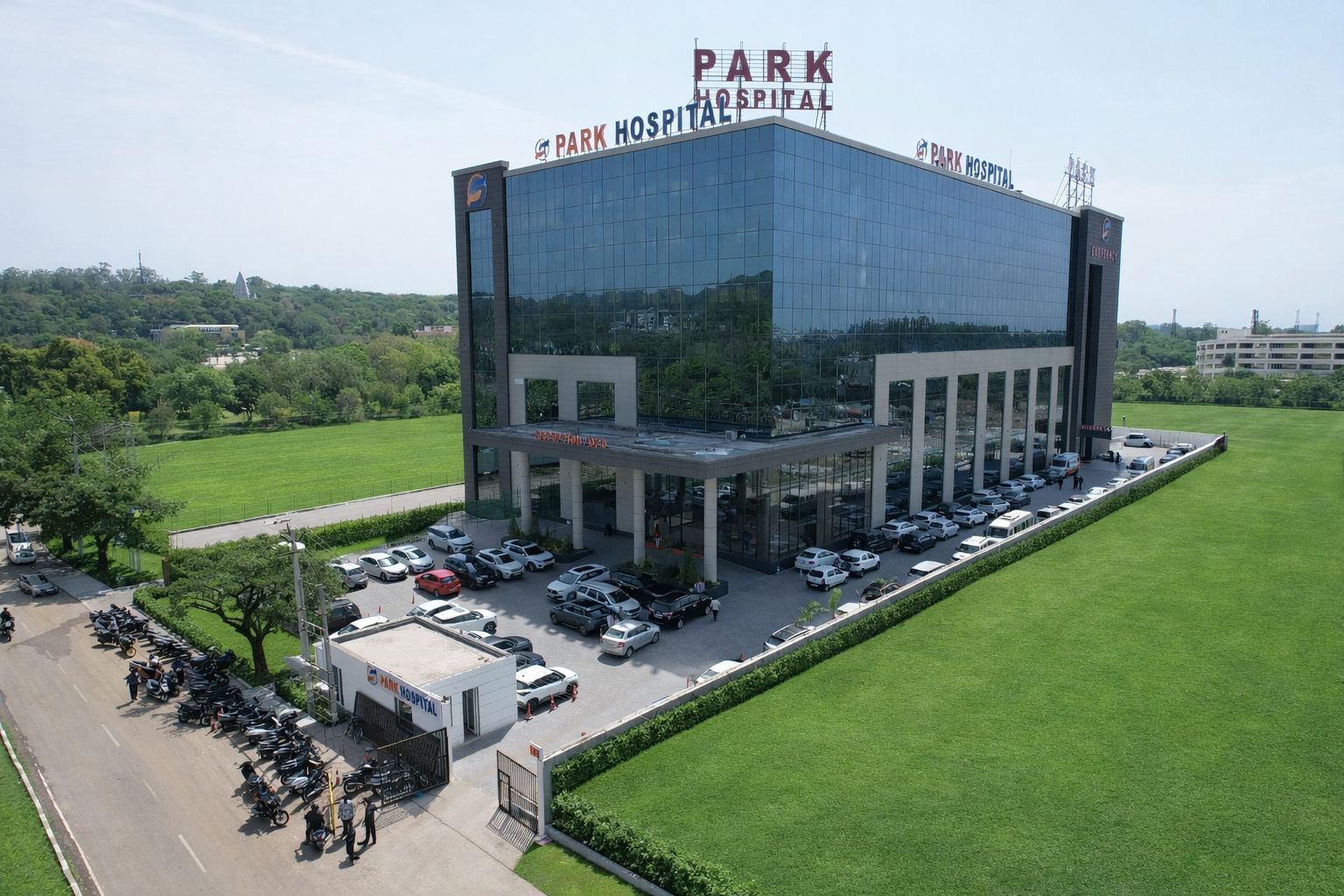
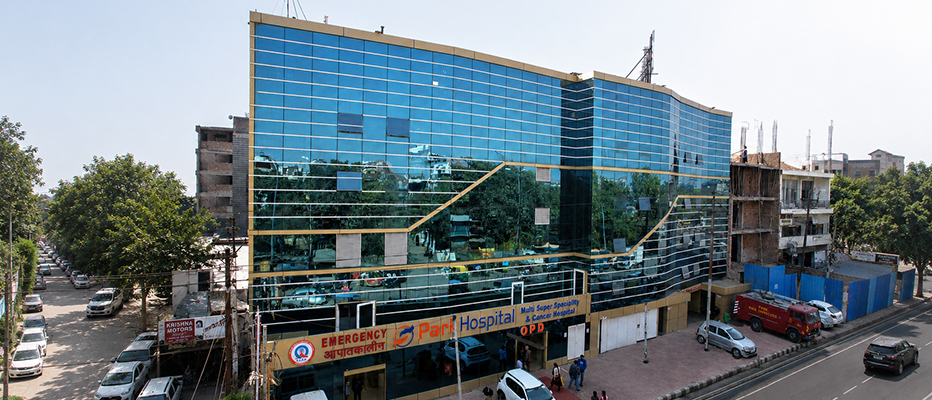

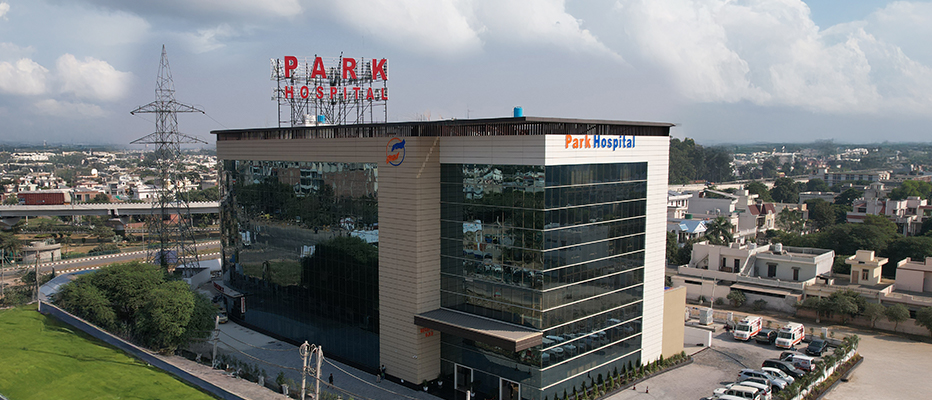
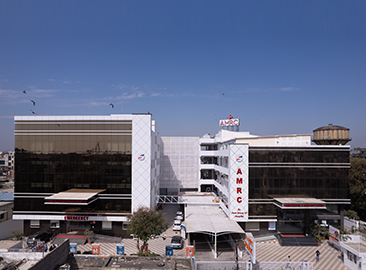

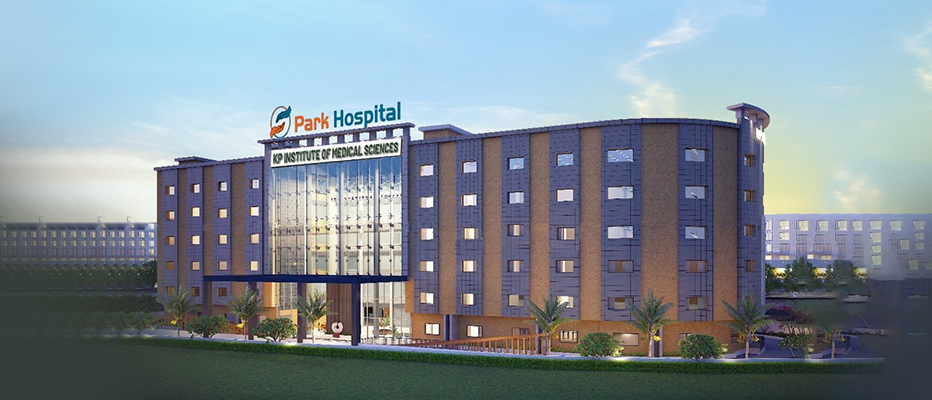
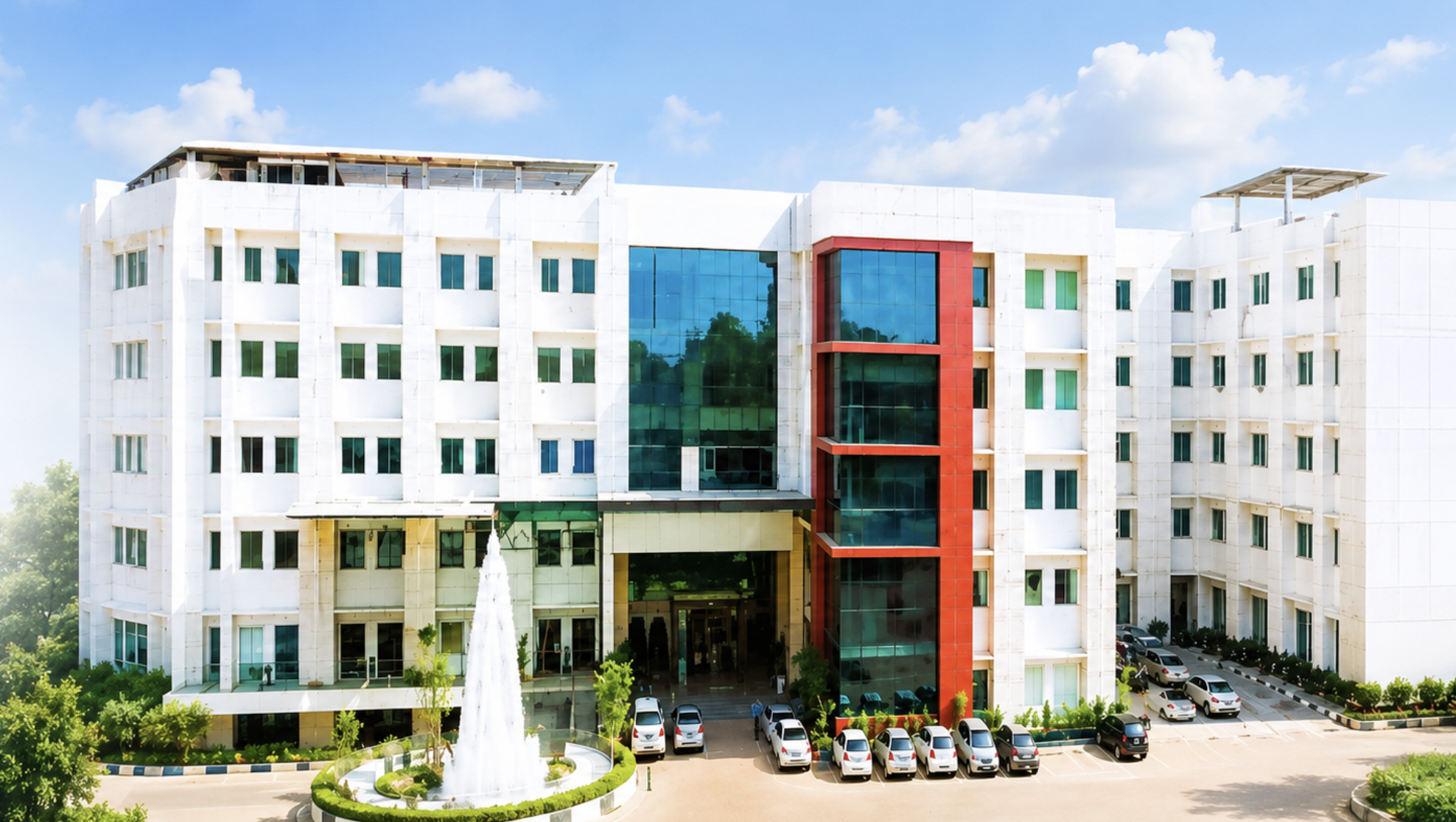
Our Hospital Locations
Healing Near You
Experience world-class clinical expertise and compassionate care at our advanced facilities conveniently located across the region
View All