
Radiation Oncology
Radiation Oncology uses high energy radiation to destroy cancer cells while protecting surrounding healthy tissues. At Park Hospitals, our radiation oncology specialists provide advanced radiation therapy using modern treatment planning systems and precision technology.
The department offers external beam radiation therapy, image guided radiation therapy, and targeted radiation treatment for various cancers.
Advanced treatment planning and safety protocols help improve cancer control while minimizing treatment related side effects.
Patients receive continuous monitoring, supportive care, and rehabilitation throughout the treatment journey.
With advanced radiation technology and experienced specialists, Park Hospitals remains committed to delivering safe and effective Radiation Oncology services.
Meet Our Experts
Experienced Clinical Leaders
Consult with our highly skilled specialists dedicated to providing world-class medical expertise and personalized treatment plans.
Find A Doctor


Patient Testimonials
Stories Reflecting Excellence in Patient Care

Robotic Knee Replacement Success Story
A patient regained mobility and confidence through successful robotic knee replacement surgery. Advanced robotic technology, expert orthopedic care, and personalized rehabilitation helped reduce pain, improve movement, and enhance overall quality of life.
Know More
Pain-Free Walking After Total Knee Replacement
Following a successful Total Knee Replacement (TKR), the patient regained mobility and confidence. Expert orthopedic care, advanced surgical techniques, and rehabilitation support helped achieve pain-free walking and an improved quality of life.
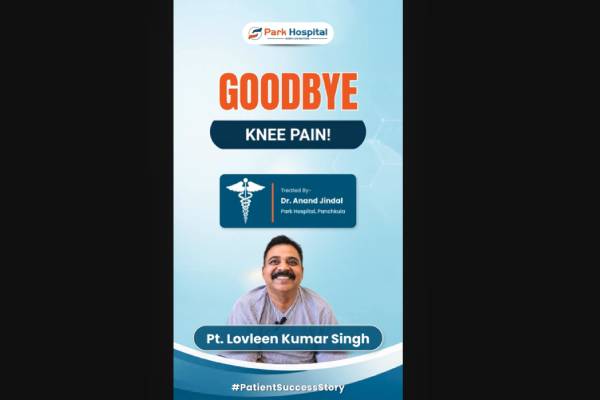
Goodbye Knee Pain! | Advanced Knee Replacement | Dr. Anand Jindal | Park Hospital Panchkula
Chronic knee pain can affect your mobility and quality of life. Advanced knee replacement surgery can help you move comfortably and regain confidence.
Dr. Anand Jindal
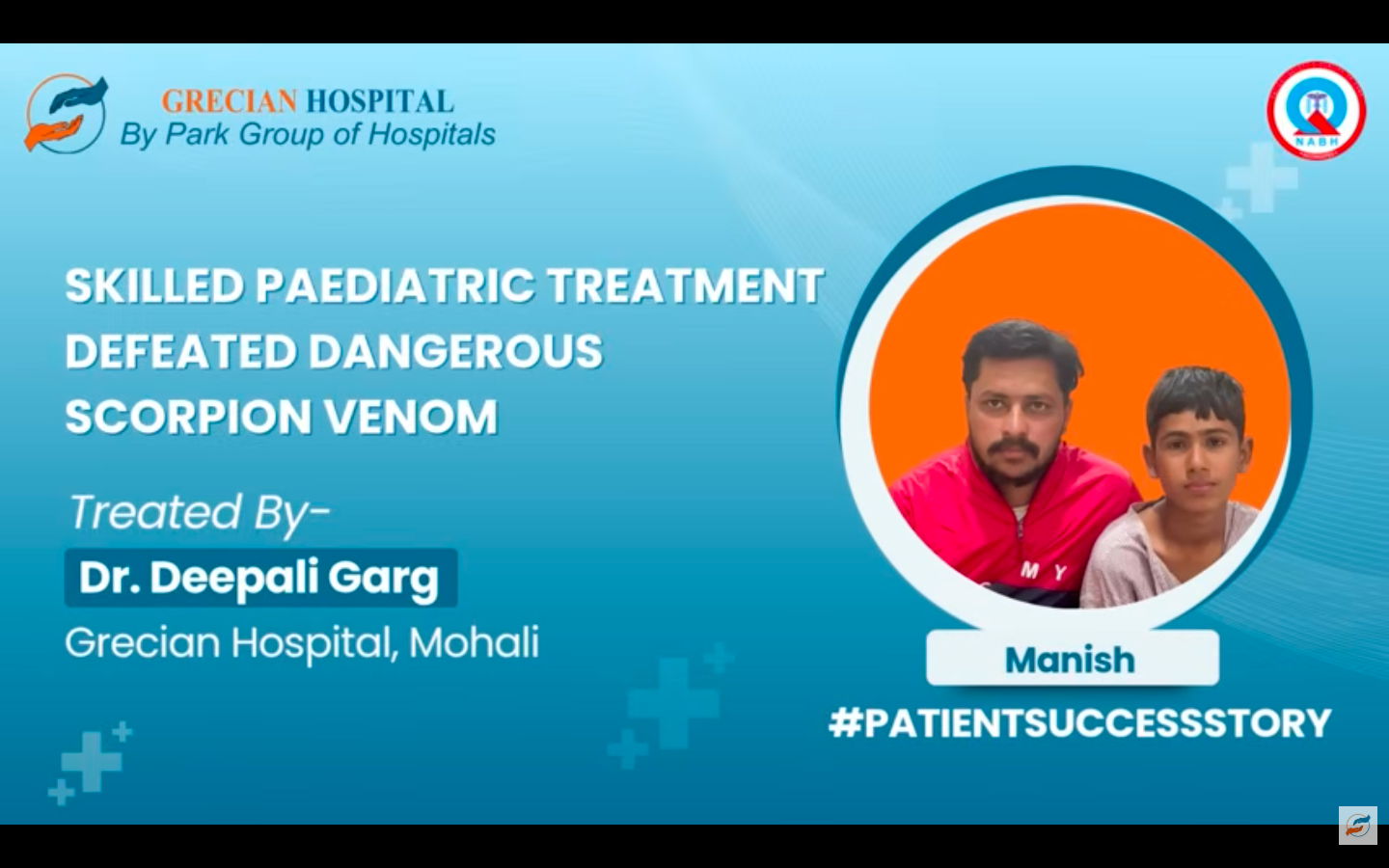
Expert Paediatric Care Defeats Scorpion Venom
A child suffering from a dangerous scorpion sting was successfully treated through timely intervention and expert pediatric care. Prompt diagnosis, critical monitoring, and specialized treatment ensured a safe recovery and positive outcome.
Dr. Milan Arora


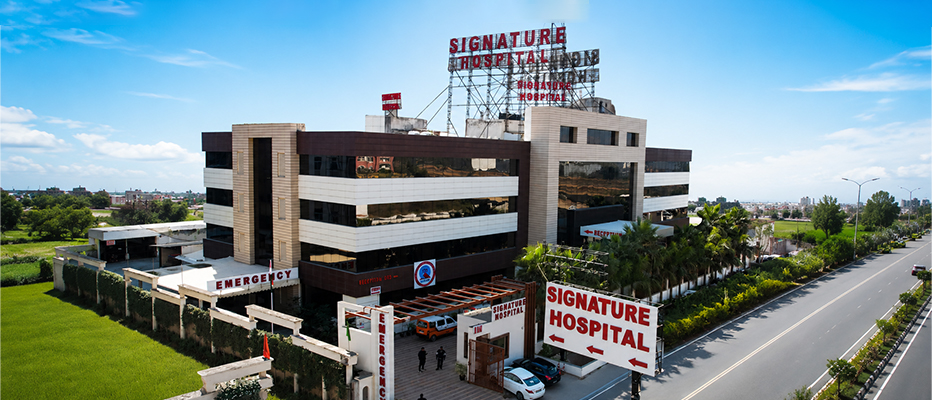


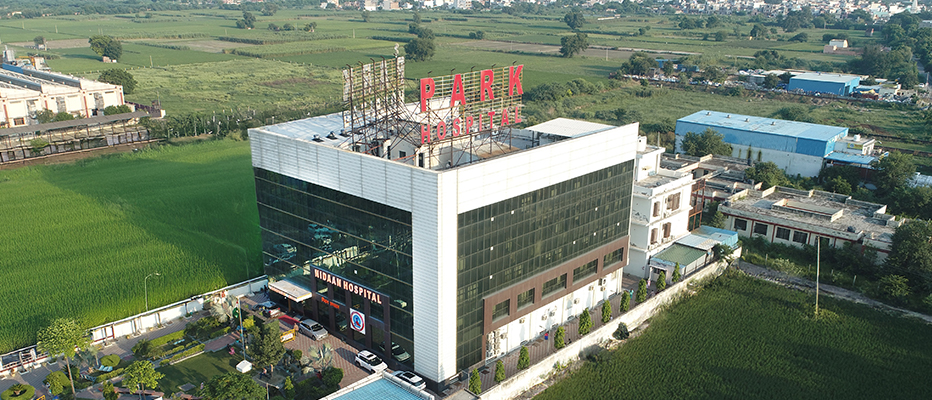
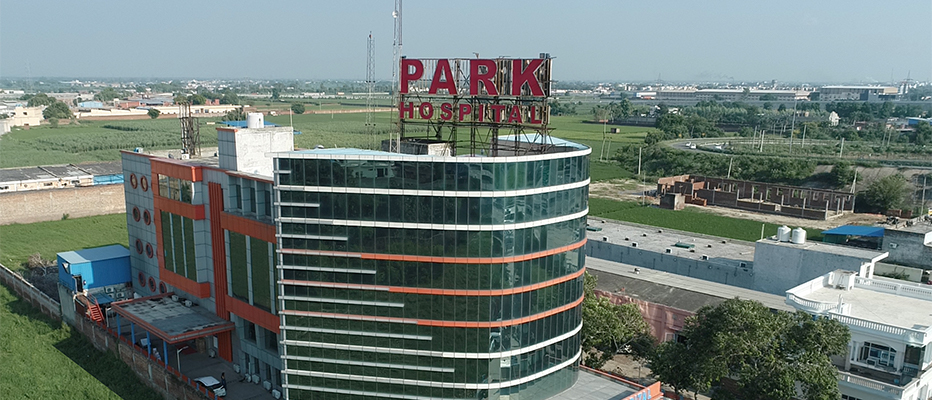
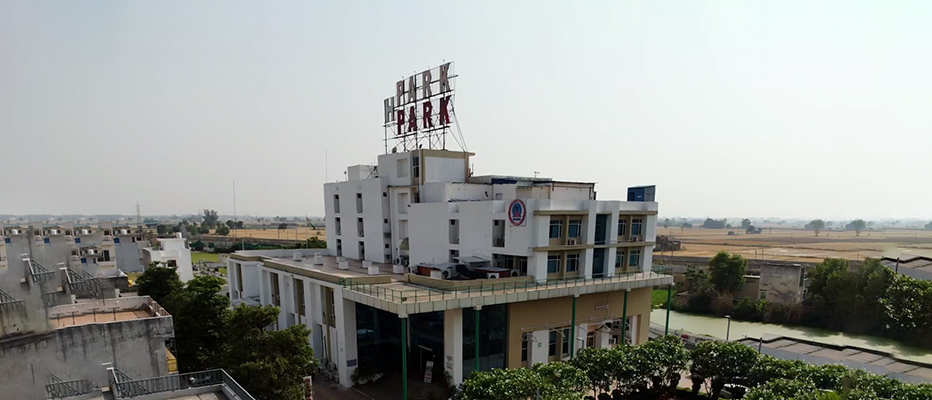

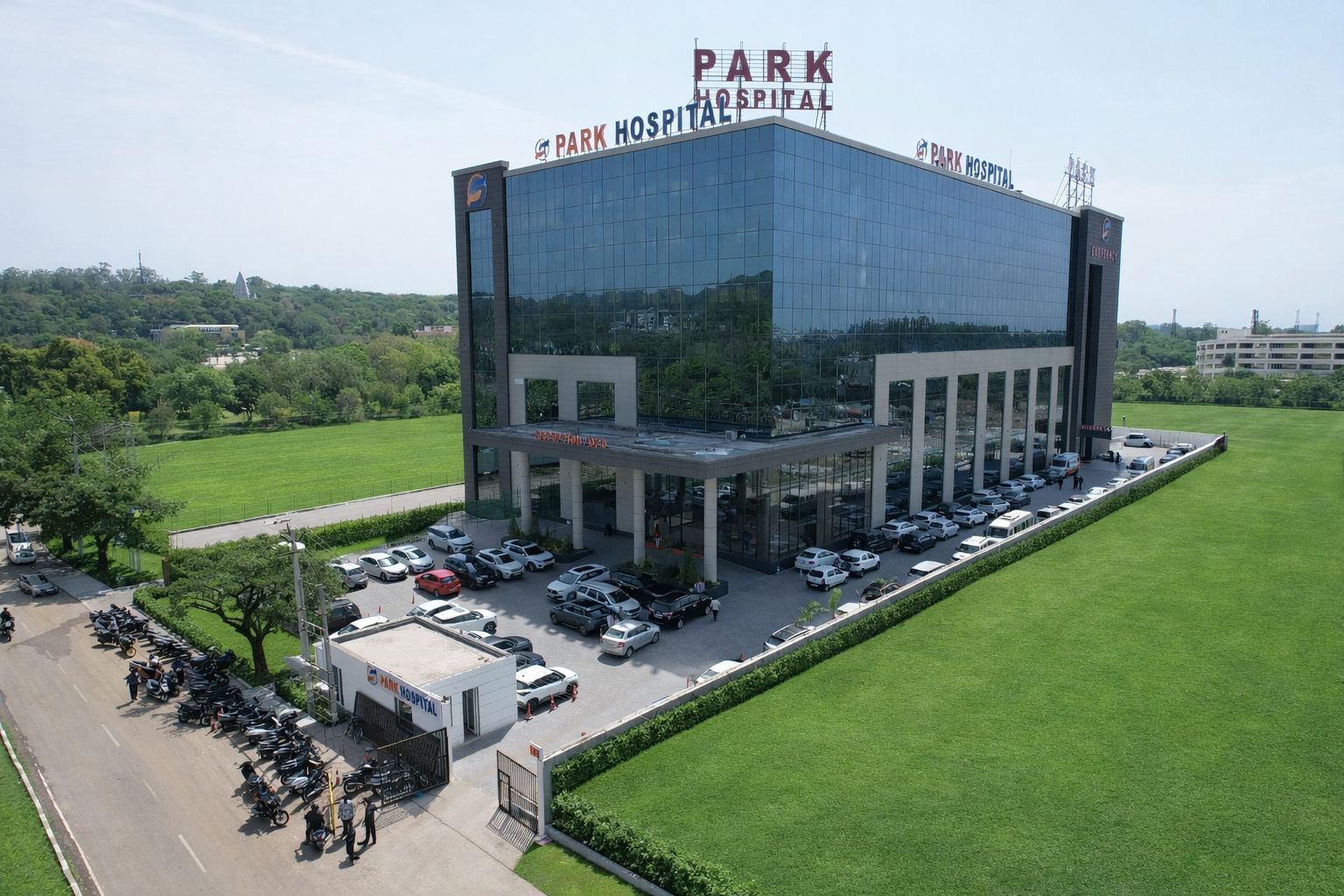
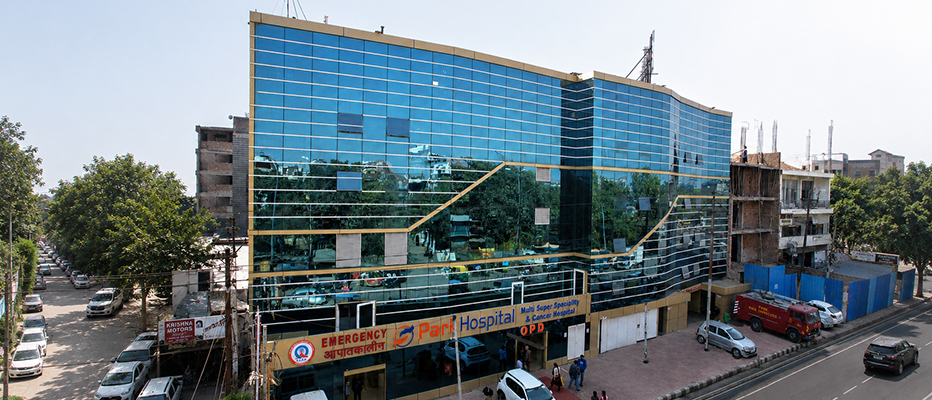
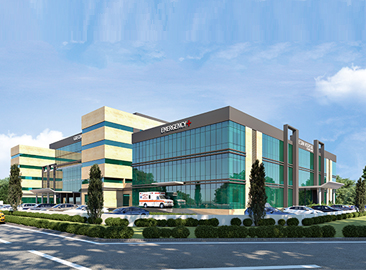


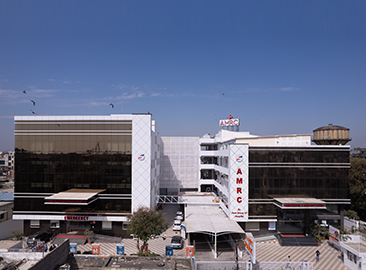



Our Hospital Locations
Healing Near You
Experience world-class clinical expertise and compassionate care at our advanced facilities conveniently located across the region
View AllHealth Tips
Expert Advice for Healthy Life

Frequently Asked Questions
Common questions answered by our experts
Radiation therapy uses high-energy radiation to damage or destroy cancer cells and stop them from growing. It can be used to treat cancer with the aim of eliminating the disease, reducing the risk of recurrence or controlling cancer that cannot be cured. Depending on the cancer, radiation may be given before surgery to shrink a tumour, after surgery to destroy remaining cancer cells, or alongside other treatments. It may also be used to relieve symptoms such as pain caused by advanced cancer.
Radiation therapy can be used to treat many types of cancer, including cancers of the breast, prostate, lung, head and neck, brain, cervix, rectum and skin. It may also be used for certain blood cancers and other tumours. The role of radiation varies depending on the cancer's type, stage, location and treatment goals. Radiation oncologists may use radiation alone or as part of a broader treatment plan that includes surgery, chemotherapy or other systemic therapies.
External beam radiation therapy delivers radiation from a machine outside the body and directs it toward the tumour. Different techniques can shape and target the radiation in different ways to limit exposure to nearby healthy tissue. Other approaches include brachytherapy, in which a radioactive source is placed inside or close to the treatment area, and certain forms of systemic radiation therapy that travel through the bloodstream to target specific cancer cells. The appropriate technique depends on the cancer and its location.
Treatment planning begins with understanding the cancer's type, stage, size and location and the surrounding healthy organs and tissues. Imaging, often including CT scans, is used to map the treatment area and determine how radiation should be delivered. The radiation oncologist decides the appropriate dose, treatment technique and schedule while aiming to give the tumour an effective dose and minimize exposure to healthy tissue. The plan is individualized according to the patient's diagnosis, treatment goals and previous or planned cancer therapies.
Side effects depend largely on the part of the body being treated, the radiation dose and the patient's individual response. Fatigue and skin changes in the treatment area are common. Depending on the treatment site, patients may experience symptoms such as hair loss in the treated area, nausea, changes in bowel habits, mouth or throat discomfort or difficulty swallowing. Some effects occur during treatment, while others may develop later. The radiation oncology team monitors patients and can recommend measures to prevent or manage side effects.
Yes. Radiation therapy is frequently combined with other cancer treatments when doing so can improve cancer control. It may be given before surgery to shrink a tumour, after surgery to reduce the risk of recurrence, or together with chemotherapy in cancers where combined treatment is beneficial. Depending on the cancer, radiation may also be incorporated into treatment plans involving immunotherapy or targeted therapy. The sequence and combination are determined by the cancer type, stage, treatment goals and the patient's overall health.
Before treatment begins, your radiation oncology team will explain the purpose of radiation, the area being treated, the expected schedule, potential side effects and how they will be managed. Treatment is usually planned carefully using imaging, and the radiation itself is generally painless during delivery. Ask what you can expect before, during and after each session, whether you need any special preparation, how treatment may affect your daily activities and which symptoms should be reported promptly. Understanding the plan can make treatment more predictable and manageable.