
Surgical Oncology
Surgical Oncology involves surgical removal of cancerous tumors and affected tissues. At Park Hospitals, our oncology surgeons provide advanced cancer surgeries using precision guided techniques and minimally invasive procedures whenever possible.
The department manages cancers affecting the breast, gastrointestinal tract, head and neck, lungs, reproductive organs, and soft tissues.
Advanced imaging, tumor board discussions, and multidisciplinary planning help ensure effective cancer treatment and improved surgical outcomes.
Comprehensive postoperative rehabilitation and cancer recovery support help patients regain strength and confidence.
With experienced oncology surgeons and modern surgical facilities, Park Hospitals provides world class Surgical Oncology care.
Meet Our Experts
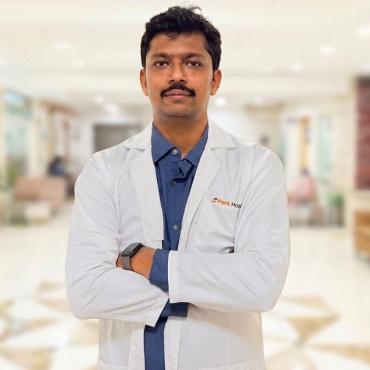
Experienced Clinical Leaders
Consult with our highly skilled specialists dedicated to providing world-class medical expertise and personalized treatment plans.
Find A Doctor



Patient Testimonials
Stories Reflecting Excellence in Patient Care

Robotic Knee Replacement Success Story
A patient regained mobility and confidence through successful robotic knee replacement surgery. Advanced robotic technology, expert orthopedic care, and personalized rehabilitation helped reduce pain, improve movement, and enhance overall quality of life.
Know More
Pain-Free Walking After Total Knee Replacement
Following a successful Total Knee Replacement (TKR), the patient regained mobility and confidence. Expert orthopedic care, advanced surgical techniques, and rehabilitation support helped achieve pain-free walking and an improved quality of life.

Goodbye Knee Pain! | Advanced Knee Replacement | Dr. Anand Jindal | Park Hospital Panchkula
Chronic knee pain can affect your mobility and quality of life. Advanced knee replacement surgery can help you move comfortably and regain confidence.
Dr. Anand Jindal
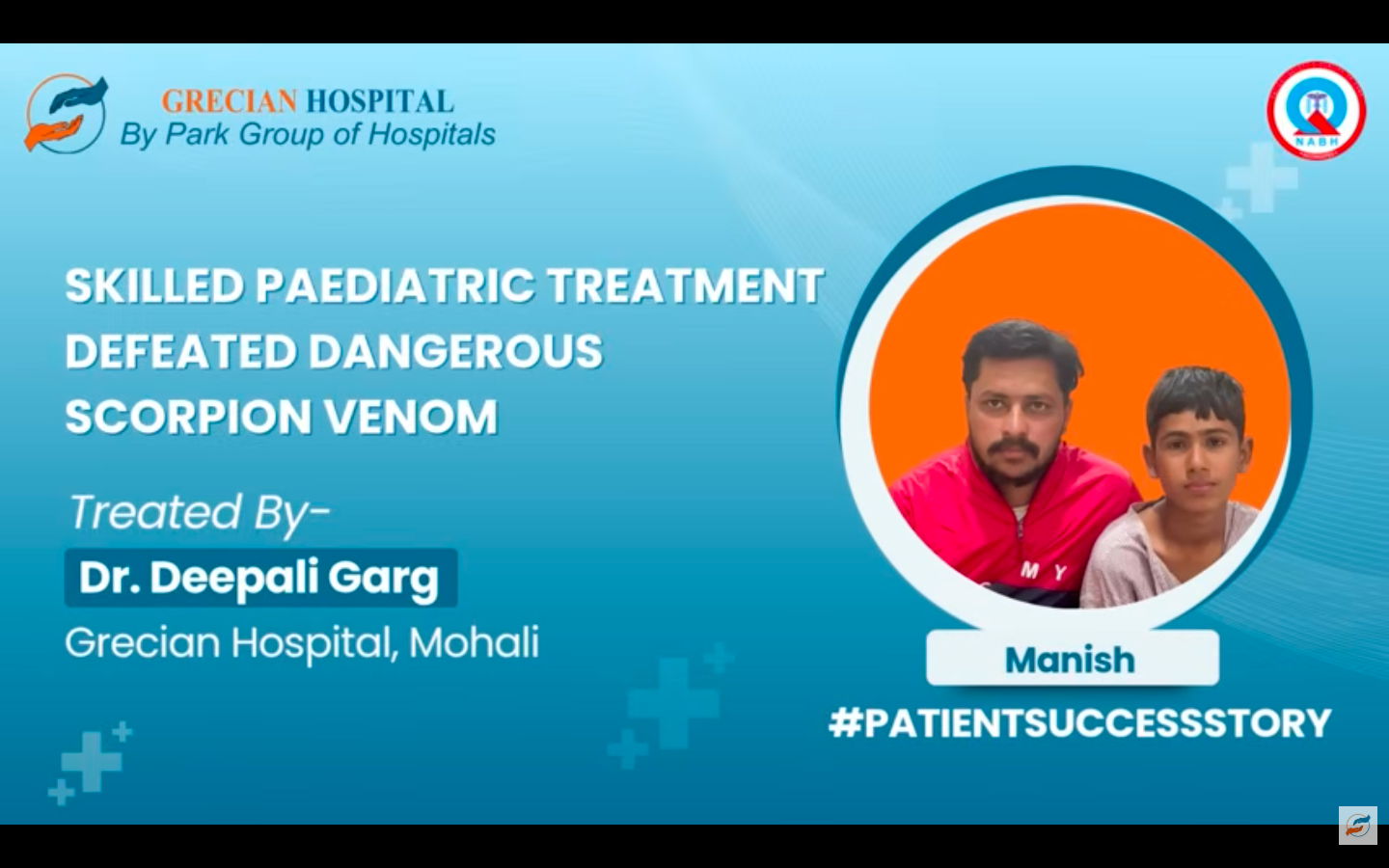
Expert Paediatric Care Defeats Scorpion Venom
A child suffering from a dangerous scorpion sting was successfully treated through timely intervention and expert pediatric care. Prompt diagnosis, critical monitoring, and specialized treatment ensured a safe recovery and positive outcome.
Dr. Milan Arora
















Our Hospital Locations
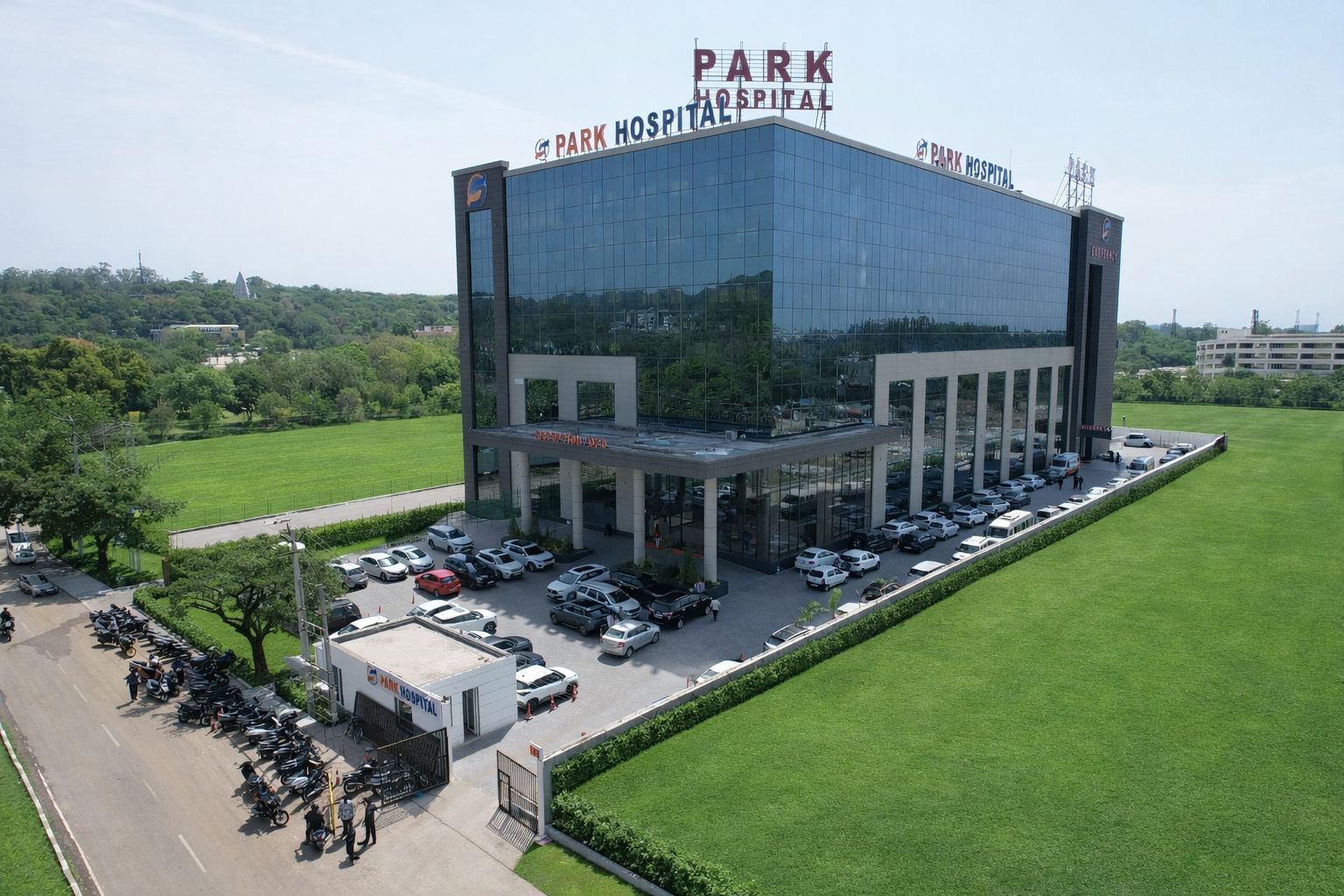
Healing Near You
Experience world-class clinical expertise and compassionate care at our advanced facilities conveniently located across the region
View AllHealth Tips
Expert Advice for Healthy Life

Frequently Asked Questions
Common questions answered by our experts
Surgery may be used to remove a cancerous tumour when it is localized and can be safely removed. Depending on the cancer, surgery may be the main treatment or combined with chemotherapy, radiation therapy or other systemic treatments. It can also be used to relieve symptoms caused by a tumour, such as obstruction or bleeding, even when the cancer cannot be completely removed. The role of surgery depends on the cancer type, stage, location, overall health and goals of treatment.
Surgical oncology can be involved in the treatment of many solid tumours, including cancers of the breast, colon and rectum, stomach, liver, pancreas, oesophagus, thyroid and skin. The specific role of surgery varies considerably between cancers and stages. Some tumours can be removed completely with surgery, while others may require chemotherapy or radiation before or after an operation. Surgical oncologists may also perform procedures to diagnose cancer, assess its extent or manage complications related to the disease.
A surgical oncologist assesses whether a tumour can be safely removed while achieving the intended treatment goal. This involves reviewing the cancer's type, size, location and stage, as well as whether it has spread to nearby tissues, lymph nodes or distant organs. Imaging such as CT, MRI or PET scans may help map the disease, while biopsy results establish the cancer type. The tumour's relationship with important blood vessels and organs is also considered. Complex cases may be reviewed by a multidisciplinary cancer team.
Preoperative evaluation helps the surgical team understand the cancer and determine whether surgery can be performed safely. Depending on the cancer, this may include imaging such as CT, MRI or PET scans, biopsy and laboratory tests. Additional assessments may evaluate heart and lung function, nutritional status or other medical conditions that could affect surgery or recovery. The exact tests vary according to the planned procedure and the patient's overall health. Your surgical team will explain which investigations are necessary before the operation.
Minimally invasive surgery, including laparoscopic or robotic techniques, may be considered when the cancer and the planned operation are suitable for these approaches. They use smaller incisions and may offer benefits such as less postoperative discomfort and a shorter recovery in appropriately selected patients. Organ-preserving surgery may also be possible for certain cancers when the tumour can be adequately treated without removing the entire organ. Suitability depends on tumour location, size, stage, anatomy and the need to achieve appropriate cancer control.
Recovery varies according to the type and extent of surgery, the patient's overall health and whether additional treatment is required. Patients may experience pain, fatigue, changes in appetite or temporary changes in normal body functions. The surgical team will provide guidance on wound care, activity, nutrition, medicines and follow-up appointments. Recovery may take days to several weeks or longer for major procedures. Follow-up is important to monitor healing, review pathology results and determine whether further cancer treatment is recommended.
Cancer treatment is often coordinated rather than delivered as isolated treatments. Surgery may remove the primary tumour, while chemotherapy or radiation therapy may be used before surgery to shrink or control the cancer, or after surgery to address cancer cells that may remain and reduce the risk of recurrence. In some situations, systemic therapy or radiation is the primary treatment instead of surgery. A multidisciplinary team considers the cancer type, stage and individual patient factors to determine the sequence and combination of treatments.