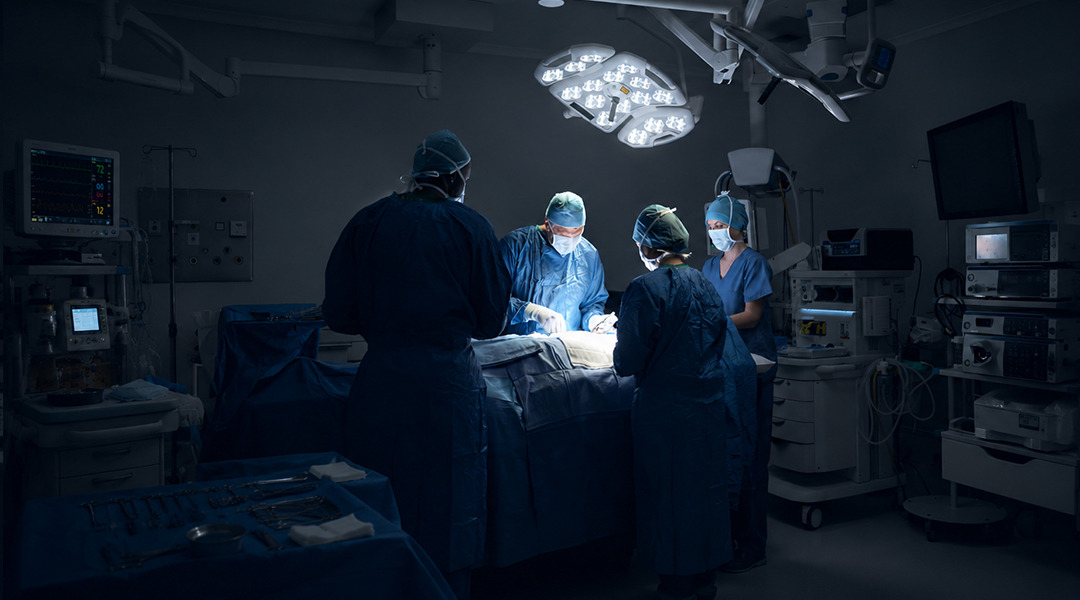
Cancer Surgeries
Cancer Surgeries at Park Hospitals are performed to remove cancerous tumors, affected tissues, or abnormal growths from the body as part of comprehensive cancer treatment. Surgical intervention is often recommended for diagnosing, staging, treating, or preventing the spread of cancer depending on the type, location, and severity of the disease. The primary goal of cancer surgery is to remove as much of the tumor as possible while preserving the function of surrounding healthy organs and tissues.
Before planning surgery, oncology specialists conduct detailed evaluations through imaging tests, biopsies, blood investigations, PET scans, MRI scans, CT scans, and other diagnostic procedures to determine the stage and extent of cancer. Factors such as tumor size, location, spread to nearby tissues, overall health condition, and treatment history are carefully assessed to develop a personalized surgical plan. In some cases, surgery may be combined with chemotherapy, radiation therapy, immunotherapy, or targeted therapy for more effective cancer management.
The surgical approach may vary depending on the type and stage of cancer being treated. Procedures can involve minimally invasive laparoscopic or robotic-assisted techniques, organ-preserving surgeries, tumor excision, lymph node removal, reconstructive procedures, or more extensive open surgeries when required. Advanced surgical technology and precision-guided techniques help surgeons remove cancerous tissue accurately while minimizing damage to surrounding structures, reducing blood loss, and supporting improved recovery outcomes.
One of the major advantages of modern cancer surgery is improved tumor removal precision, better disease control, and enhanced post-surgical recovery. Minimally invasive approaches often result in smaller incisions, reduced pain, shorter hospital stays, and faster healing compared to traditional open procedures. Post-operative rehabilitation, nutritional support, pain management, and continuous follow-up care also play an important role in supporting recovery and long-term health after treatment.
With experienced oncologists, advanced surgical oncology facilities, and multidisciplinary cancer care support, Park Hospitals provides comprehensive surgical treatment for various types of cancers. Early diagnosis, timely surgical intervention, and personalized treatment planning can help improve treatment outcomes, support recovery, and enhance overall quality of life for cancer patients.
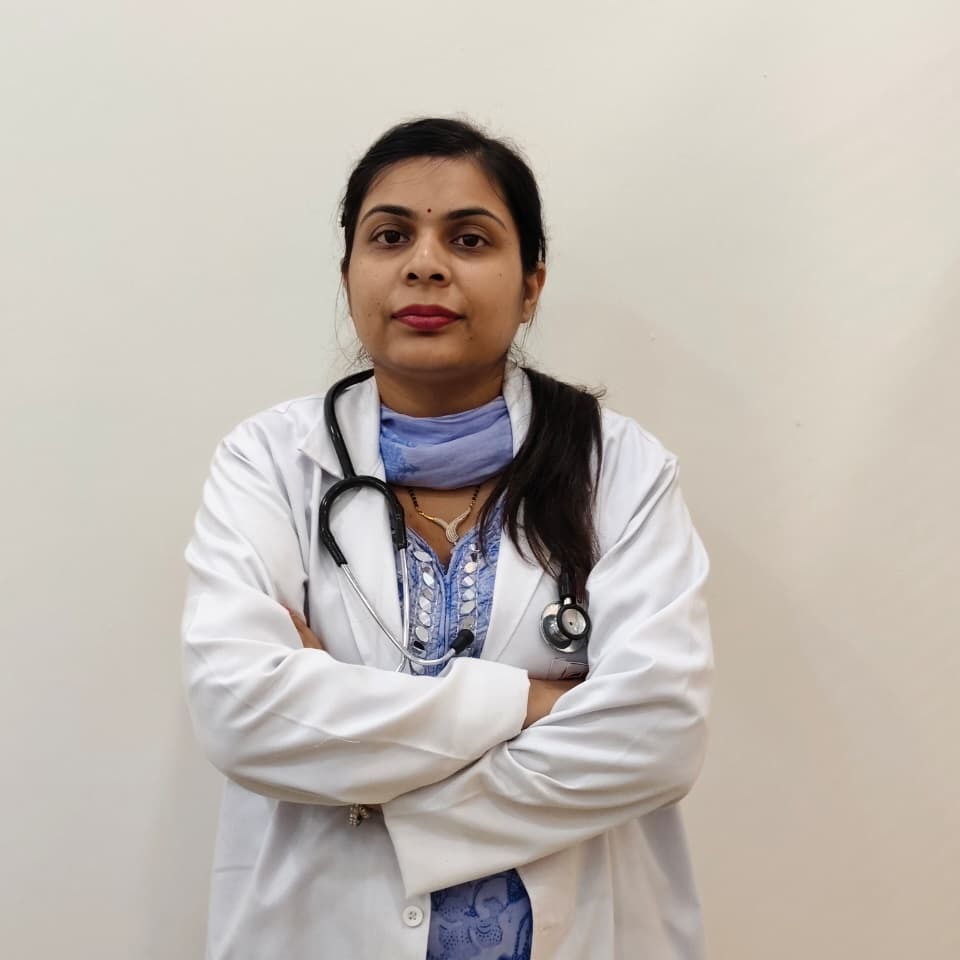
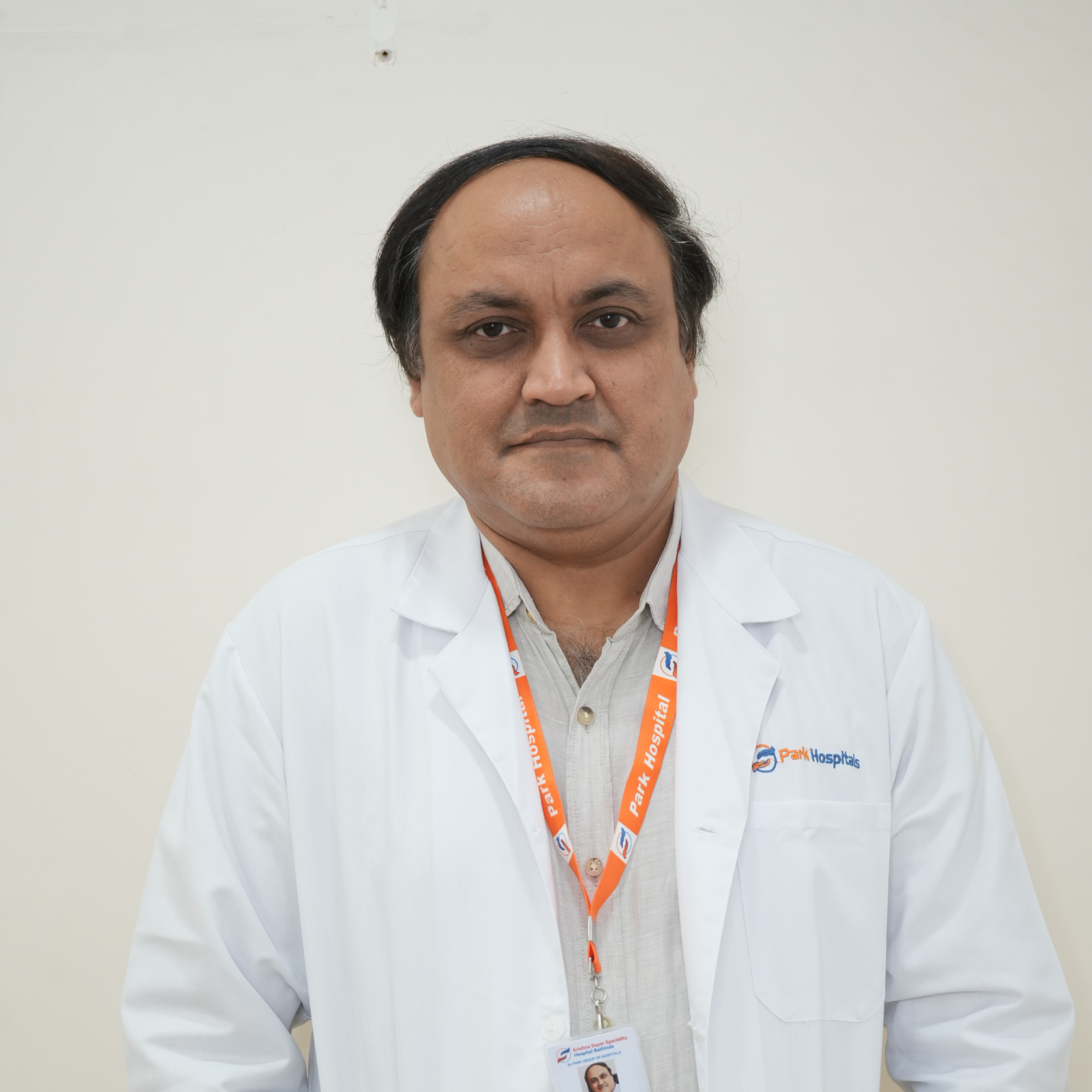
Meet Our Experts
Experienced Clinical Leaders
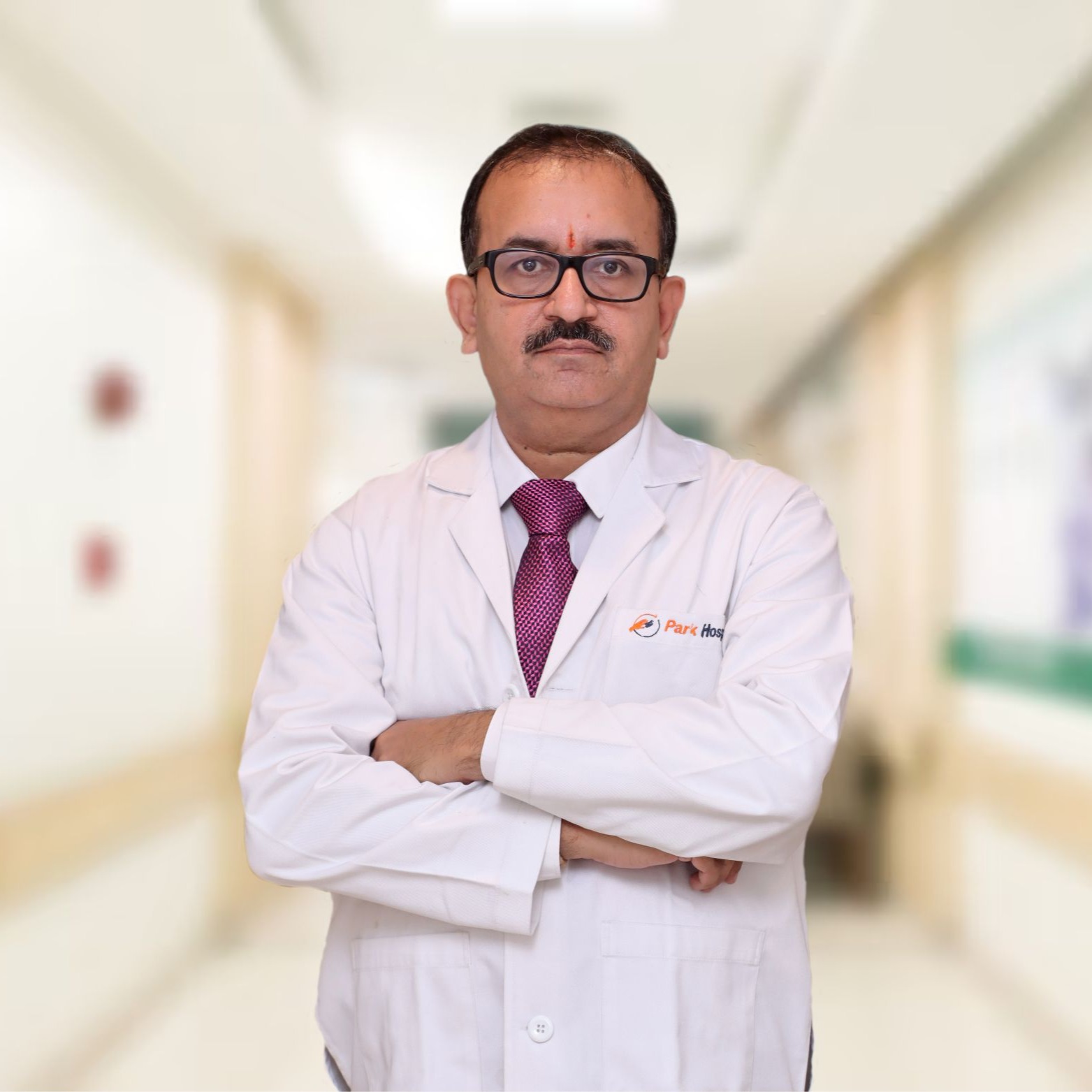
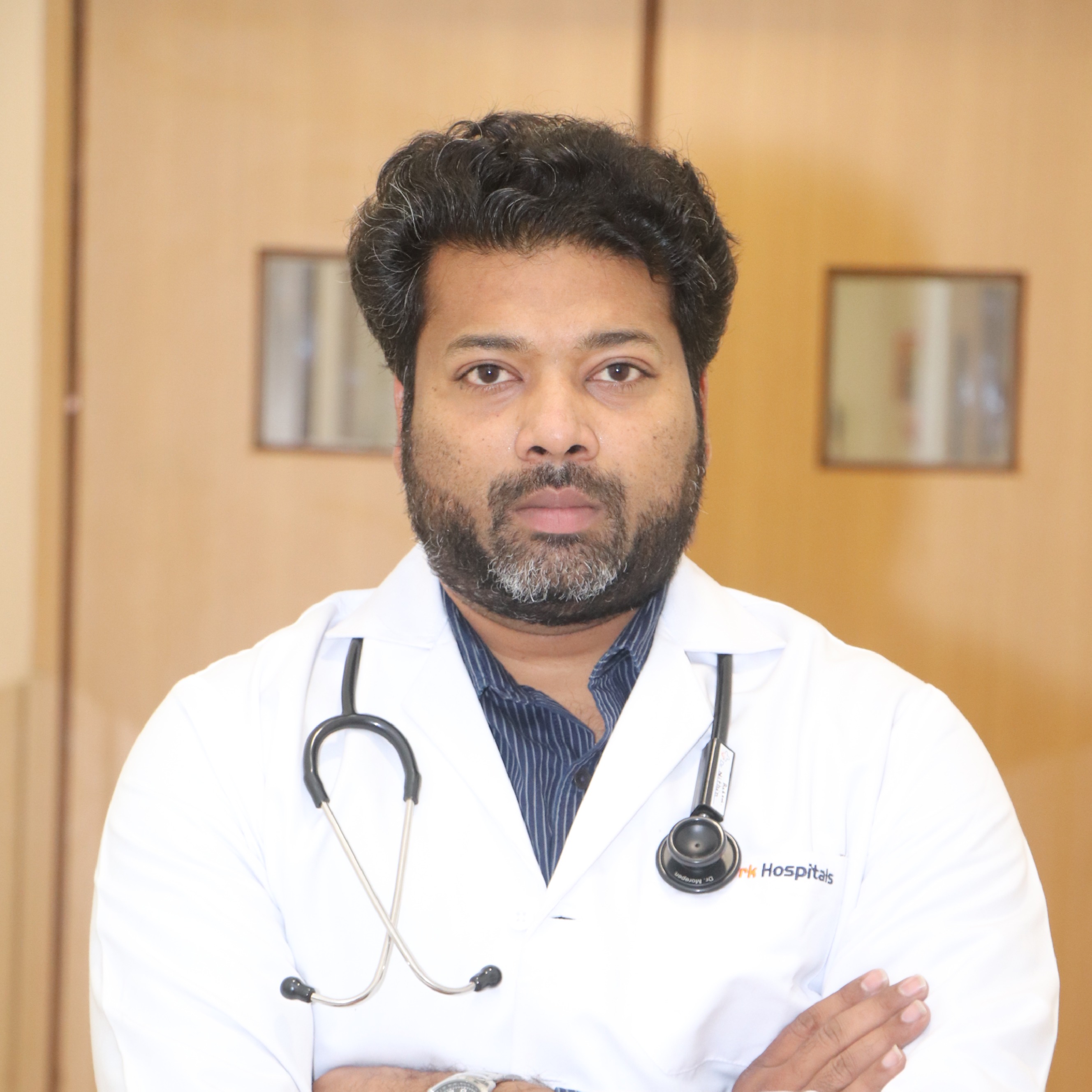
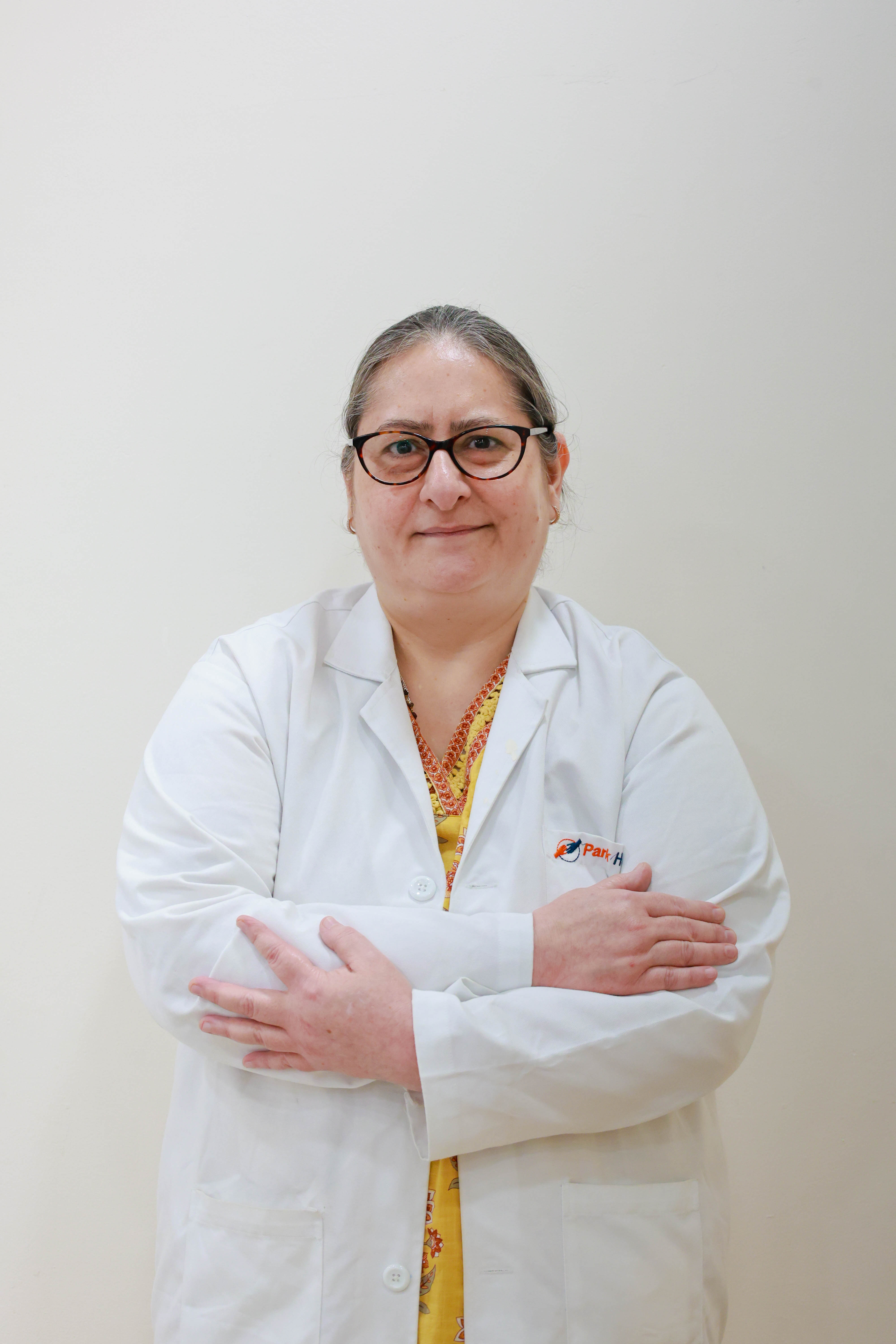
Consult with our highly skilled specialists dedicated to providing world-class medical expertise and personalized treatment plans.
Find A Doctor





.jpg)




.jpeg)


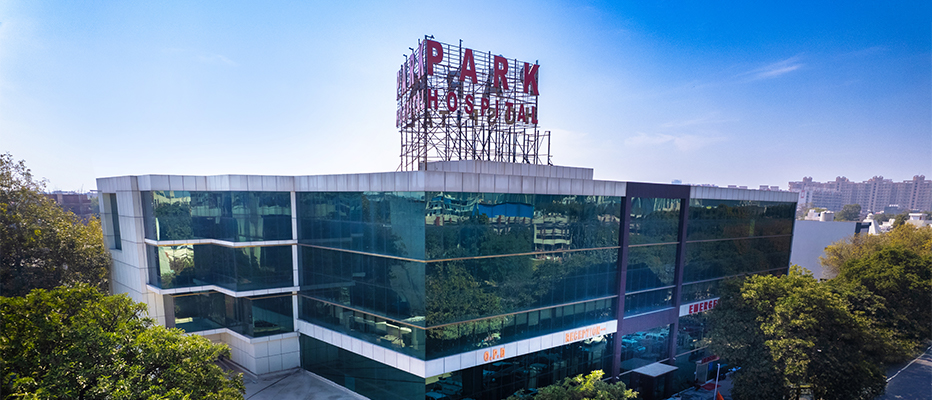

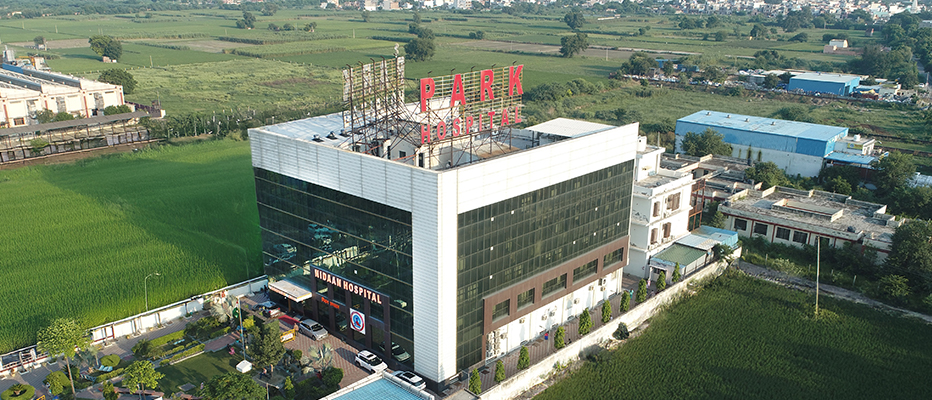
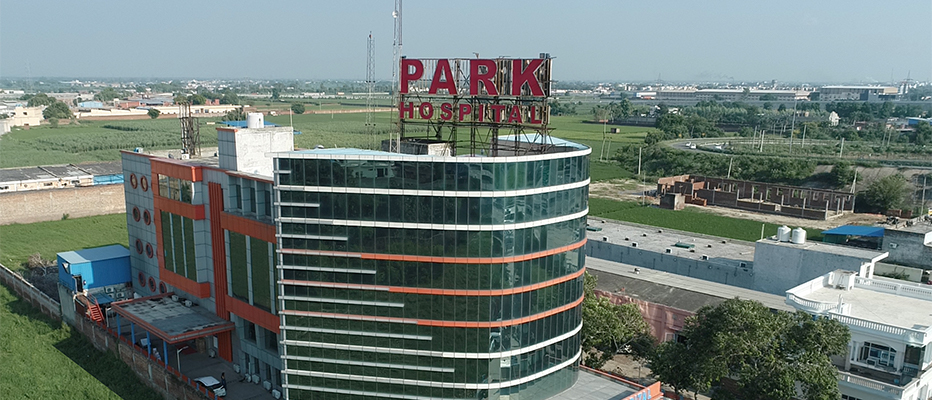
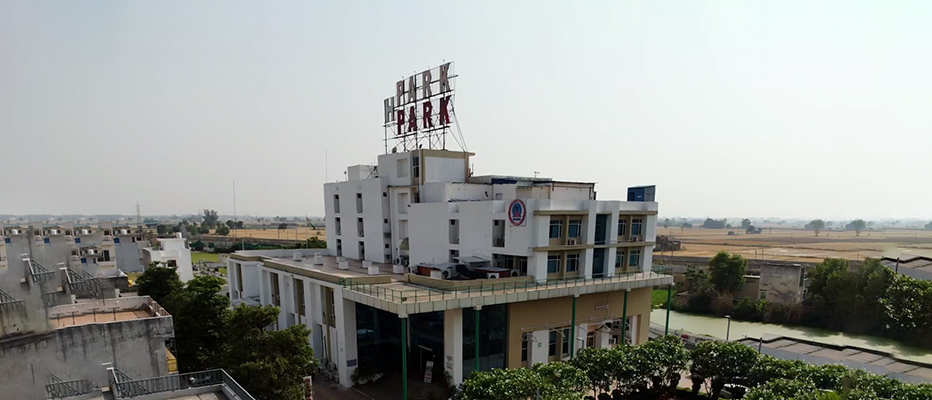
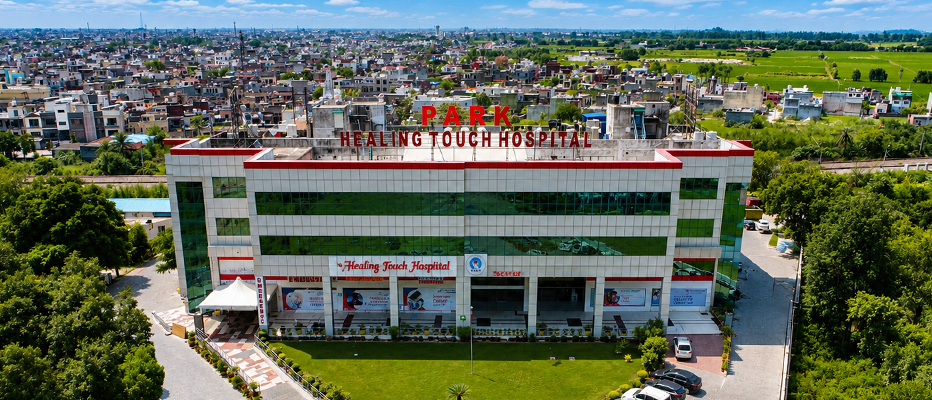
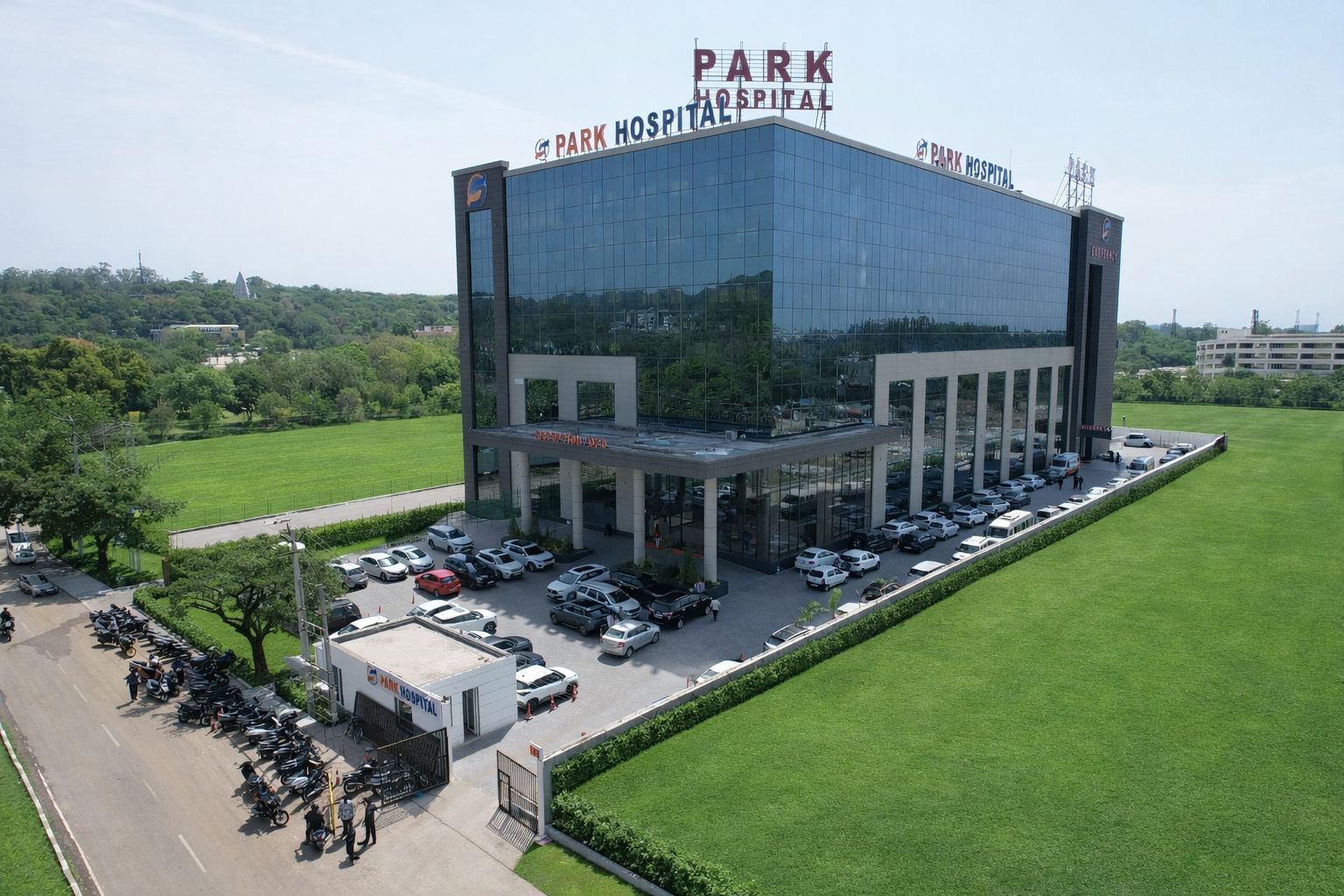
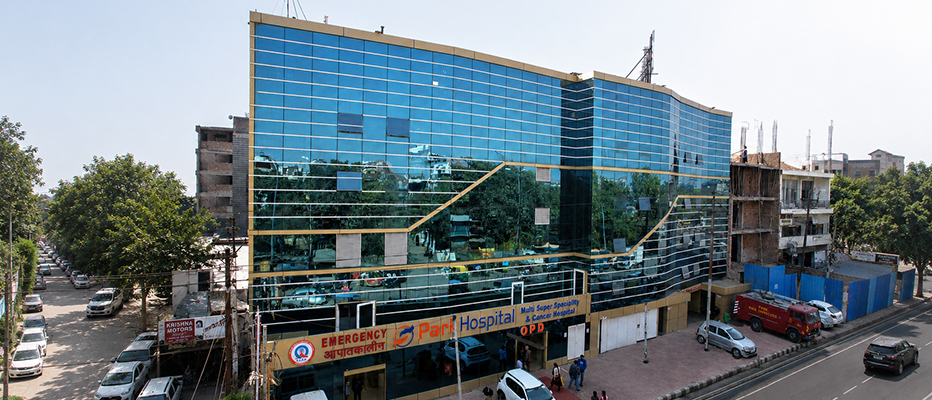

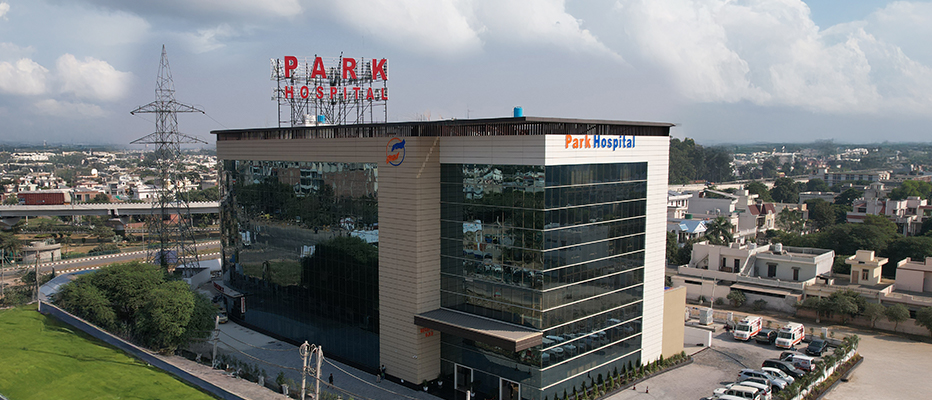
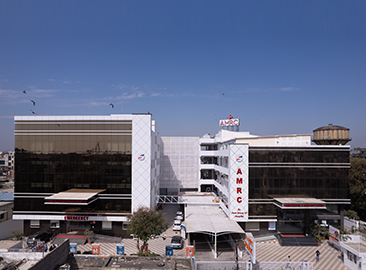

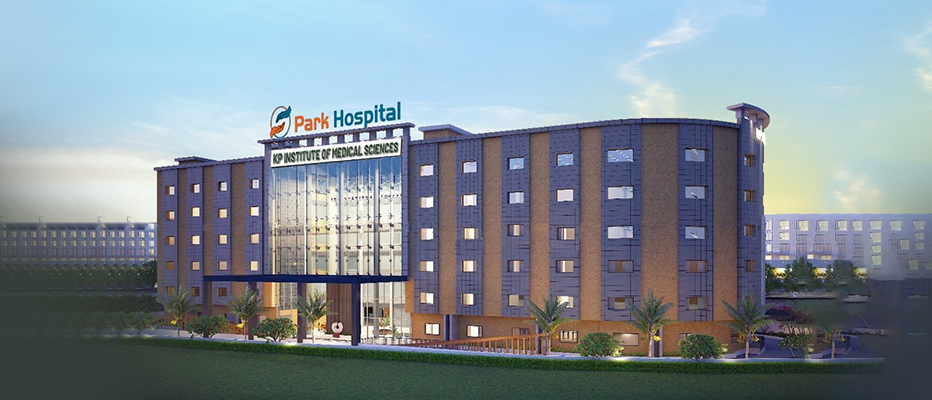
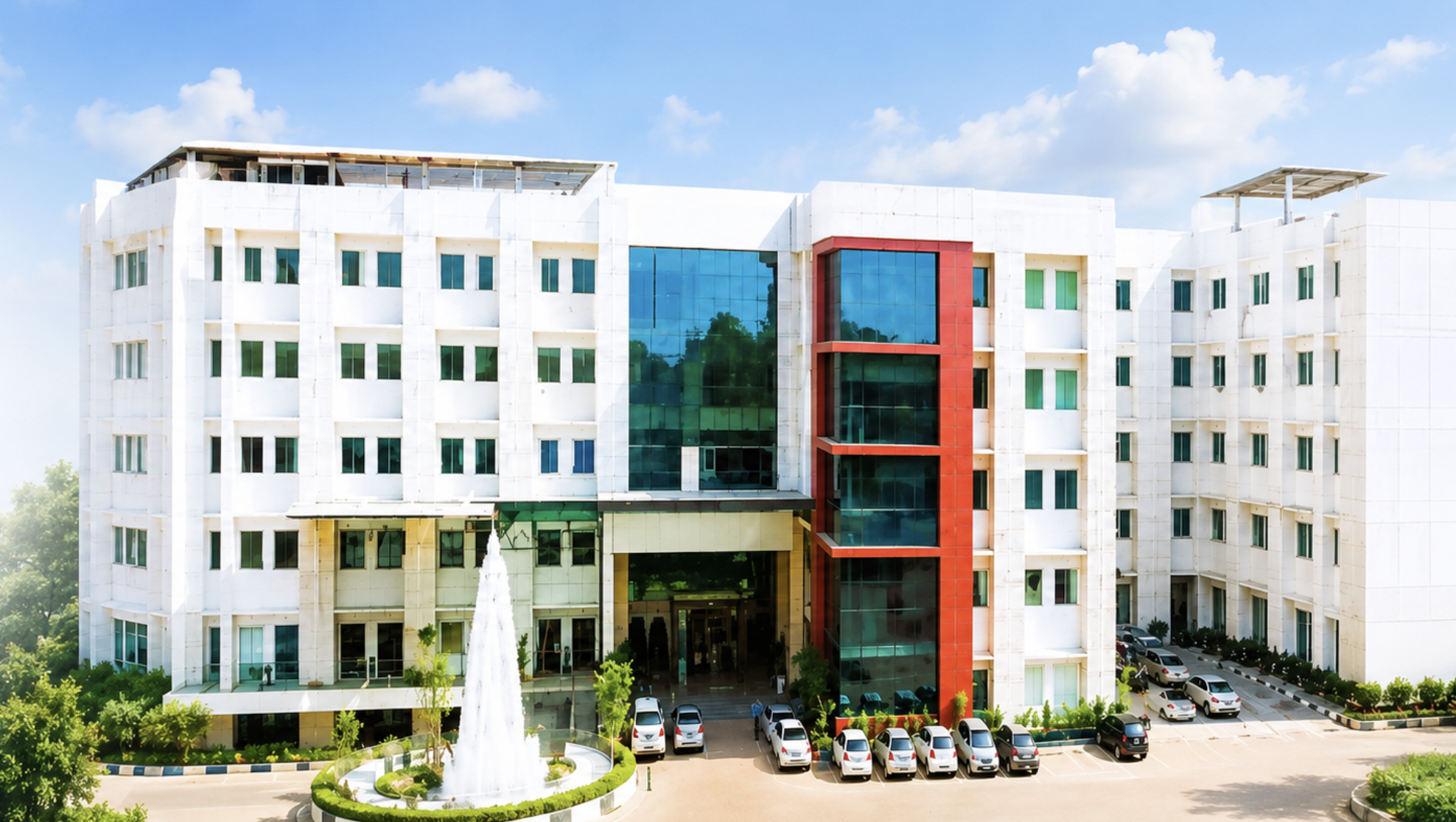
Our Hospital Locations
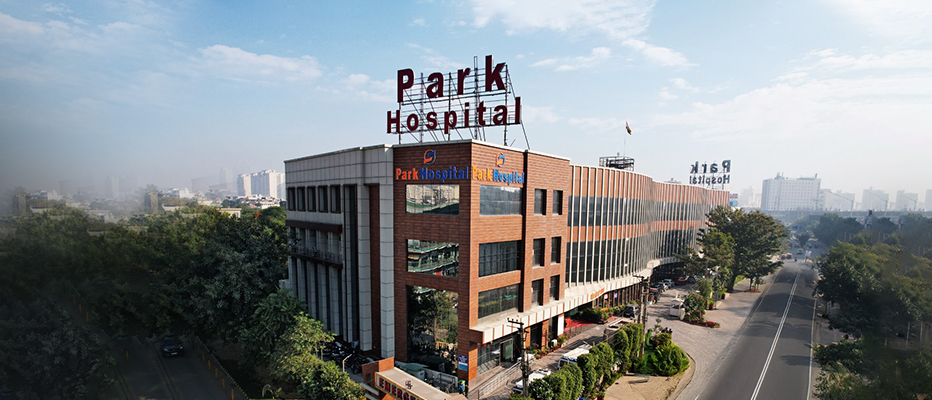
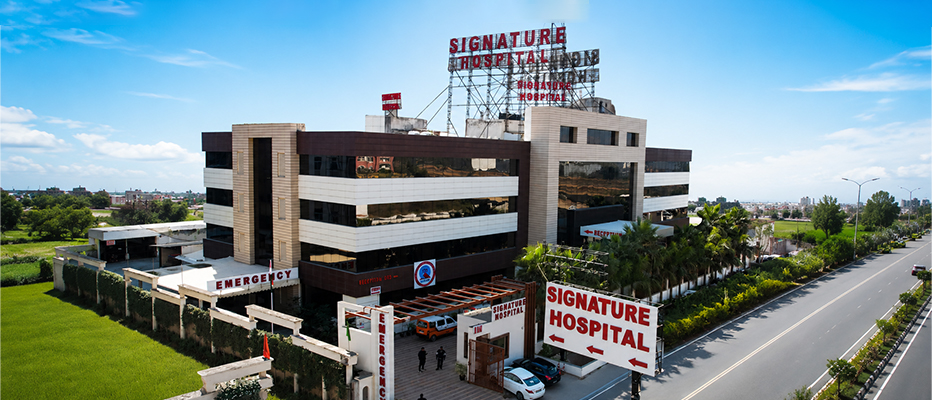
Healing Near You
Experience world-class clinical expertise and compassionate care at our advanced facilities conveniently located across the region
View AllFrequently Asked Questions
Common questions answered by our experts
Surgery may be recommended to remove a tumor, confirm a diagnosis, relieve symptoms, or help prevent the spread of cancer.
Not always. Depending on the type and stage of cancer, additional treatments such as chemotherapy, radiation therapy, or targeted therapy may be recommended.
The surgical approach depends on factors such as the type, size, location, and stage of the cancer, as well as the patient's overall health.
Recovery varies depending on the procedure performed, but your care team will provide guidance on pain management, activity levels, and follow-up care.
Some patients may require further treatment or ongoing monitoring to help reduce the risk of recurrence and support long-term health.