
Palliative & Supportive Care
Palliative And Supportive Care focuses on improving comfort and quality of life for patients with serious illnesses including cancer. At Park Hospitals, our specialists provide pain management, emotional support, symptom control, nutritional guidance, and rehabilitation support.
The department works closely with oncology teams to help patients manage treatment related side effects and maintain physical and emotional well being.
Comprehensive counseling and family support services help patients and caregivers cope with the challenges of chronic illness.
With compassionate multidisciplinary care and patient centered treatment, Park Hospitals remains dedicated to supporting patients throughout every stage of their healthcare journey.
Patient Testimonials
Stories Reflecting Excellence in Patient Care
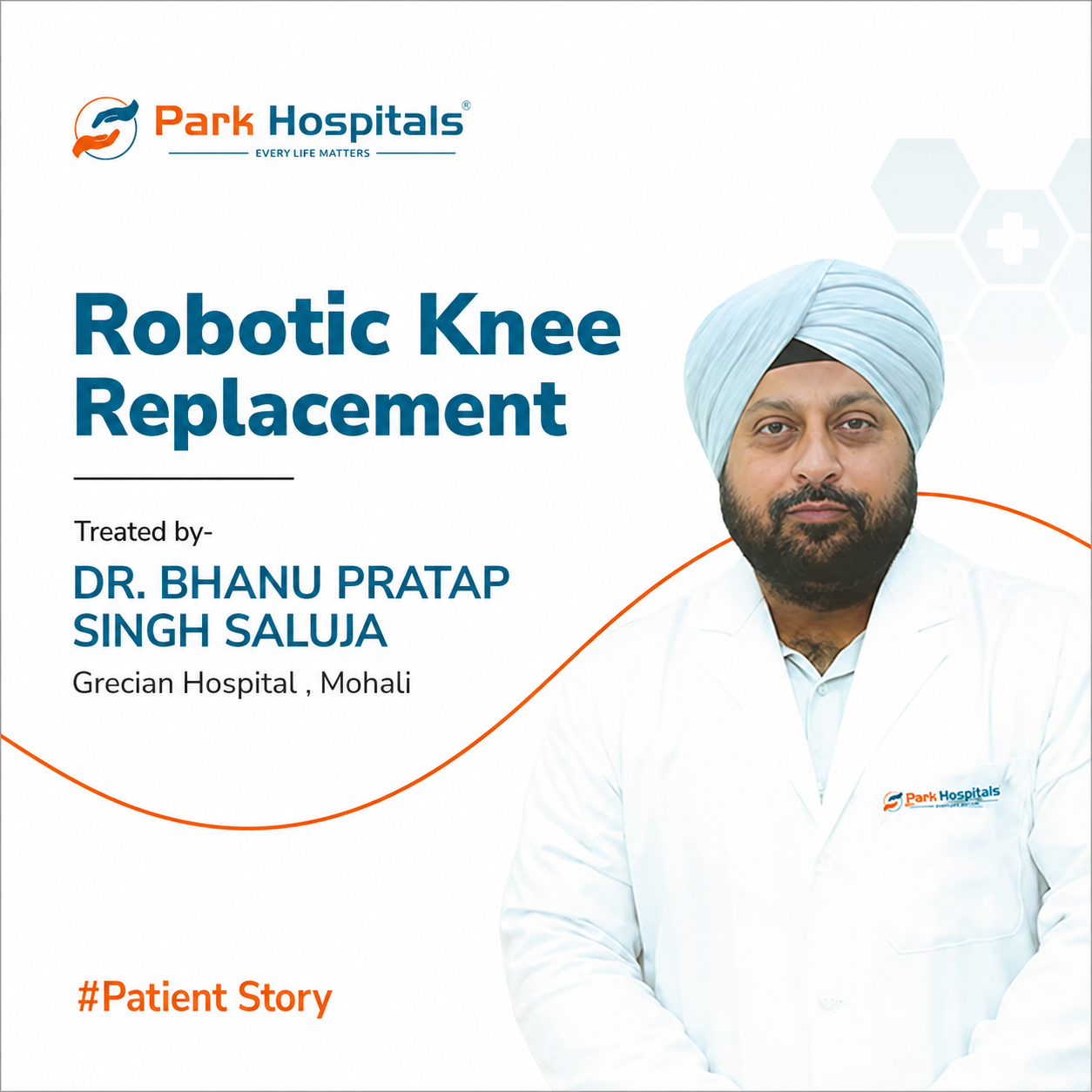
Robotic Knee Replacement Success Story
A patient regained mobility and confidence through successful robotic knee replacement surgery. Advanced robotic technology, expert orthopedic care, and personalized rehabilitation helped reduce pain, improve movement, and enhance overall quality of life.
Know More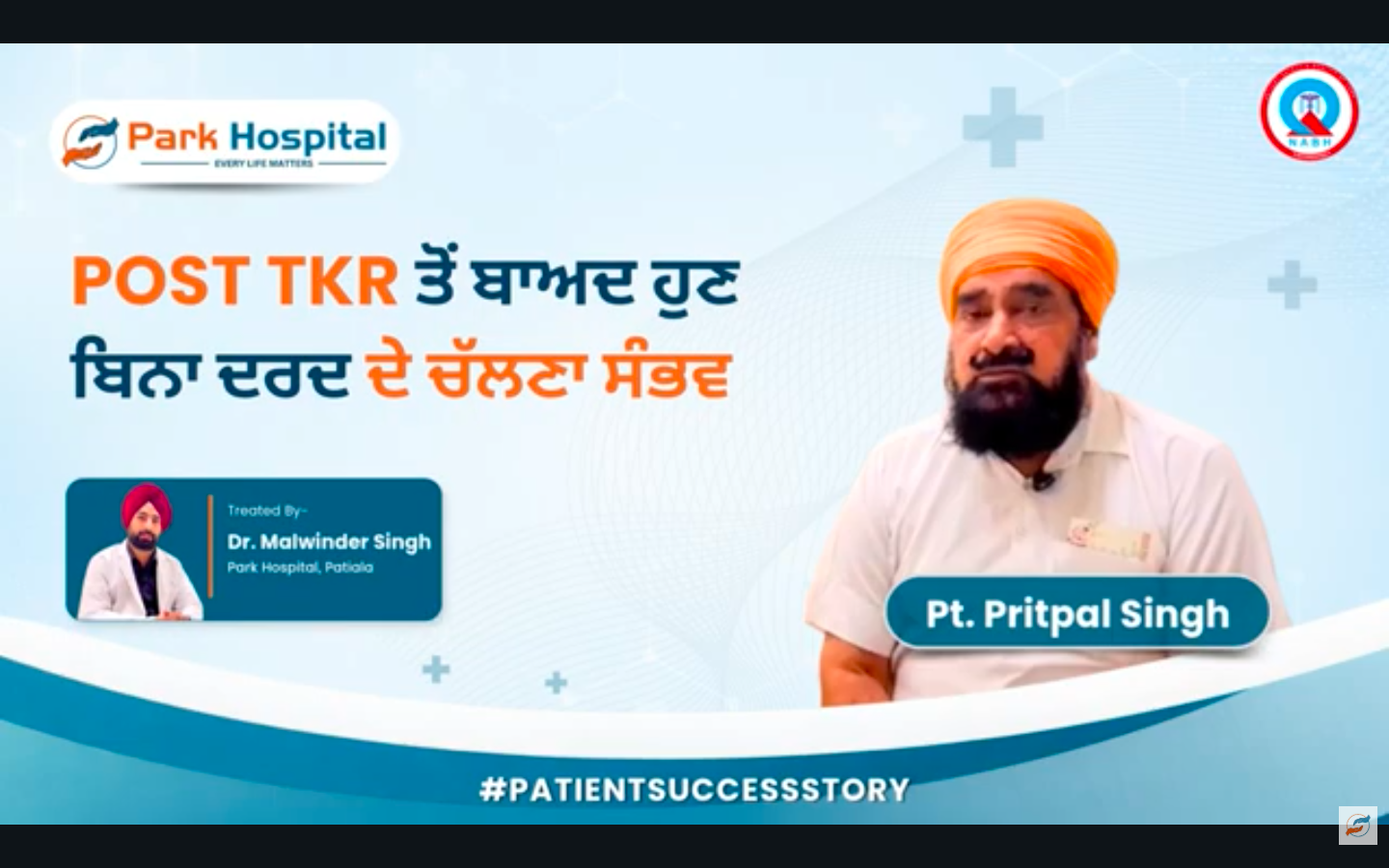
Pain-Free Walking After Total Knee Replacement
Following a successful Total Knee Replacement (TKR), the patient regained mobility and confidence. Expert orthopedic care, advanced surgical techniques, and rehabilitation support helped achieve pain-free walking and an improved quality of life.

Goodbye Knee Pain! | Advanced Knee Replacement | Dr. Anand Jindal | Park Hospital Panchkula
Chronic knee pain can affect your mobility and quality of life. Advanced knee replacement surgery can help you move comfortably and regain confidence.
Dr. Anand Jindal
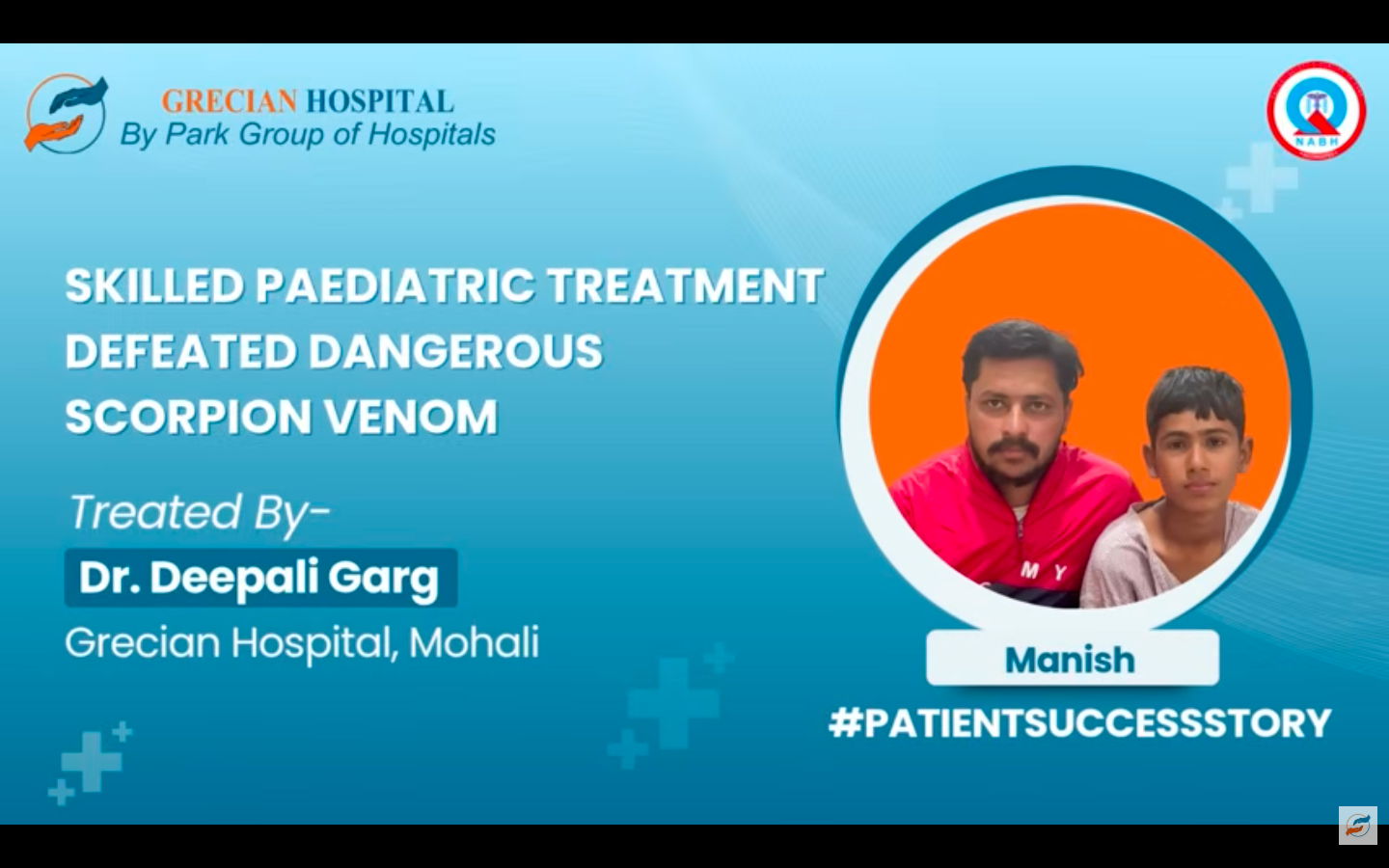
Expert Paediatric Care Defeats Scorpion Venom
A child suffering from a dangerous scorpion sting was successfully treated through timely intervention and expert pediatric care. Prompt diagnosis, critical monitoring, and specialized treatment ensured a safe recovery and positive outcome.
Dr. Milan Arora



















Our Hospital Locations
Healing Near You
Experience world-class clinical expertise and compassionate care at our advanced facilities conveniently located across the region
View AllHealth Tips
Expert Advice for Healthy Life


Frequently Asked Questions
Common questions answered by our experts
Palliative care is specialized medical care focused on improving quality of life for people living with a serious illness. It addresses symptoms such as pain, breathlessness, nausea and fatigue, while also supporting emotional, social and spiritual wellbeing. It can benefit people with cancer as well as those living with other serious or chronic conditions. Palliative care is based on the patient's needs rather than prognosis and can be provided at any stage of illness, alongside treatments intended to manage the underlying condition.
Palliative care can be introduced early in the course of a serious illness rather than being reserved for the final stages of life. Early involvement can help patients manage symptoms, understand treatment options and cope with the emotional and practical challenges of illness. It may be particularly helpful when symptoms are difficult to control, treatment decisions are complex or illness is significantly affecting daily life. Palliative care can continue alongside disease-directed treatment and can be adjusted as a person's needs change.
Palliative care teams assess symptoms comprehensively and develop an individualized plan to improve comfort and daily functioning. Pain may be managed with medicines and other approaches, while symptoms such as nausea, breathlessness, constipation, fatigue, anxiety or sleep difficulties can also be addressed. The team considers the underlying illness, current treatments and the patient's goals when choosing appropriate interventions. Regular reassessment allows treatment to be adjusted as symptoms change, helping patients maintain the best possible quality of life.
Yes. Palliative care can be provided at the same time as cancer treatments such as chemotherapy, radiation therapy, surgery, immunotherapy or targeted therapy. Its purpose is not to replace cancer treatment but to provide an additional layer of support. A palliative care team can help manage treatment-related or cancer-related symptoms, support emotional wellbeing, assist with complex decisions and help patients communicate their goals and preferences. Early palliative care may be especially valuable when symptoms or the impact of treatment are affecting quality of life.
Serious illness can affect much more than physical health. Supportive and palliative care may include help with anxiety, distress, coping and communication, as well as nutritional concerns such as poor appetite or difficulty maintaining adequate intake. Teams may also help patients and families navigate practical challenges, understand available support services and plan care around individual needs and priorities. Depending on the patient's situation, care may involve doctors, nurses, dietitians, social workers, counsellors and other specialists working together.
Families can be an important part of a patient's support system, and palliative care also recognizes that serious illness affects caregivers. With the patient's consent, family members can participate in discussions about symptoms, treatment goals, care preferences and practical needs. The team can help families understand what to expect, communicate with the healthcare team and cope with the challenges of caregiving. Support may also be available for caregiver stress and emotional wellbeing, helping families provide care while looking after their own needs.
A palliative care team takes a whole-person approach to care, looking beyond the disease itself to understand what matters most to the patient. By managing symptoms, supporting emotional wellbeing, addressing nutritional and practical concerns, and helping patients and families make informed decisions, the team can reduce the burden of serious illness. Care is tailored to individual goals and may change as needs evolve. The overall aim is to help patients live as comfortably and meaningfully as possible while receiving appropriate medical care.