
Degenerative Disc Disease
Degenerative disc disease is a condition in which the intervertebral discs that act as cushions between the bones of the spine gradually wear down over time. These discs help absorb shock and support flexibility during movement. As the discs lose hydration, elasticity, and structural integrity, they may become less effective at protecting the spine, leading to pain and reduced mobility. Although it is commonly associated with aging, degenerative disc disease can also affect younger individuals due to injury, repetitive strain, or genetic factors. At Park Hospitals, advanced spine care services, specialized diagnostic facilities, and comprehensive orthopedic and neurosurgical expertise support the early diagnosis and effective management of degenerative disc disease to improve comfort and quality of life.
The condition develops as part of the natural aging process, during which spinal discs gradually lose their water content and flexibility. Additional risk factors include spinal injuries, repetitive physical stress, obesity, smoking, poor posture, and a family history of spinal disorders. Degeneration may occur in any part of the spine but is most commonly seen in the cervical (neck) and lumbar (lower back) regions.
Symptoms can vary depending on the location and severity of disc degeneration. Common symptoms include chronic neck or back pain, stiffness, reduced flexibility, and discomfort that worsens with prolonged sitting, bending, lifting, or twisting movements. Some individuals may experience pain that radiates into the arms or legs if nearby nerves become compressed. In more severe cases, numbness, tingling sensations, or muscle weakness may occur.
If left untreated, degenerative disc disease can contribute to complications such as herniated discs, spinal stenosis, chronic pain, nerve compression, and limitations in daily activities. Persistent symptoms may affect mobility, physical function, and overall quality of life.
Diagnosis typically involves a detailed medical evaluation along with physical examination, X-rays, magnetic resonance imaging (MRI), computed tomography (CT) scans, and other specialized assessments. These investigations help specialists evaluate disc health, identify nerve involvement, and determine the extent of spinal degeneration.
Treatment depends on symptom severity and the impact on daily activities. Management may include physical therapy, lifestyle modifications, pain-relieving medications, posture correction, and targeted rehabilitation programs. In cases where conservative treatment is ineffective, minimally invasive procedures or spinal surgery may be recommended to relieve pressure on affected nerves and improve spinal stability.
With experienced spine specialists, advanced diagnostic technology, and comprehensive rehabilitation services, Park Hospitals provides personalized treatment and long-term management for individuals with degenerative disc disease. Early diagnosis and timely intervention can help reduce pain, improve mobility, and support better long-term spinal health outcomes.
Meet Our Experts
Experienced Clinical Leaders
Consult with our highly skilled specialists dedicated to providing world-class medical expertise and personalized treatment plans.
Find A Doctor




.jpg)









.png)
.jpeg)














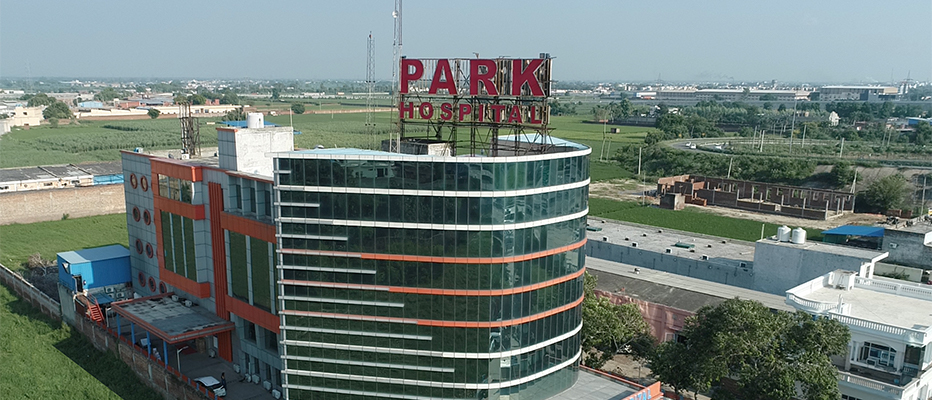


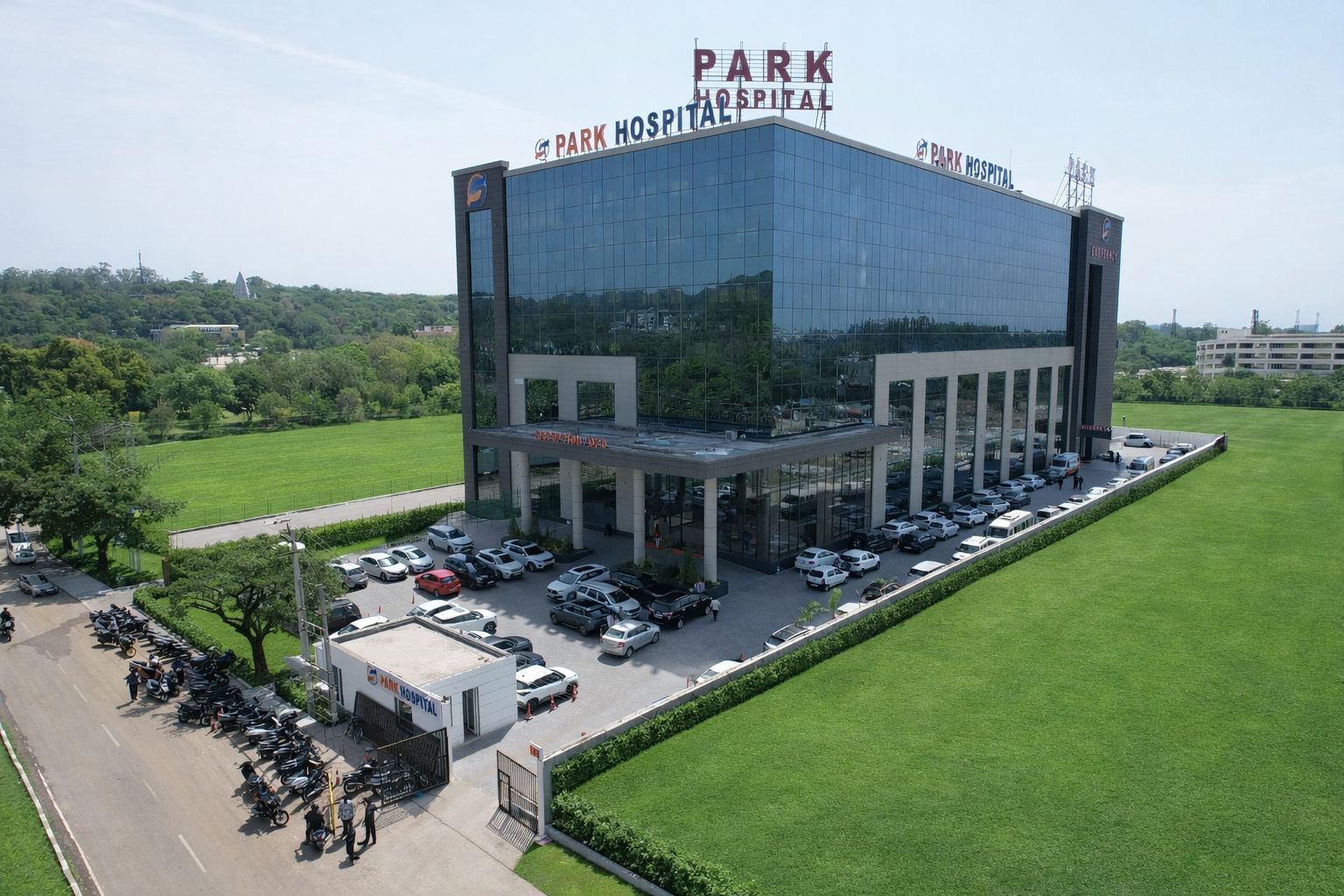
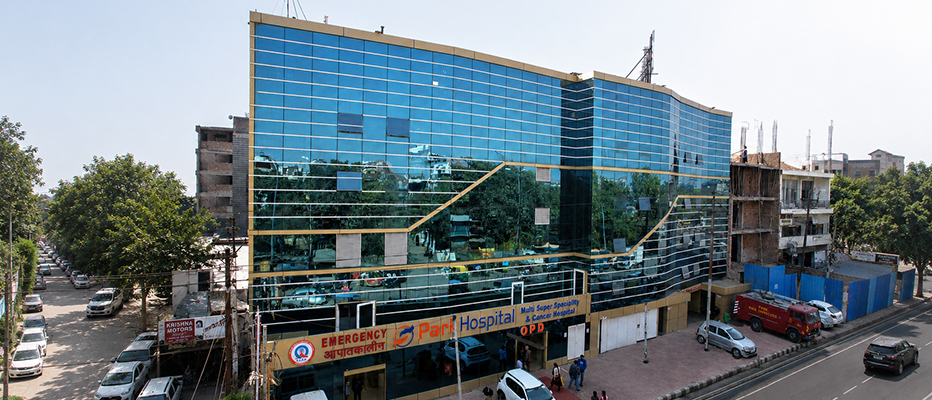




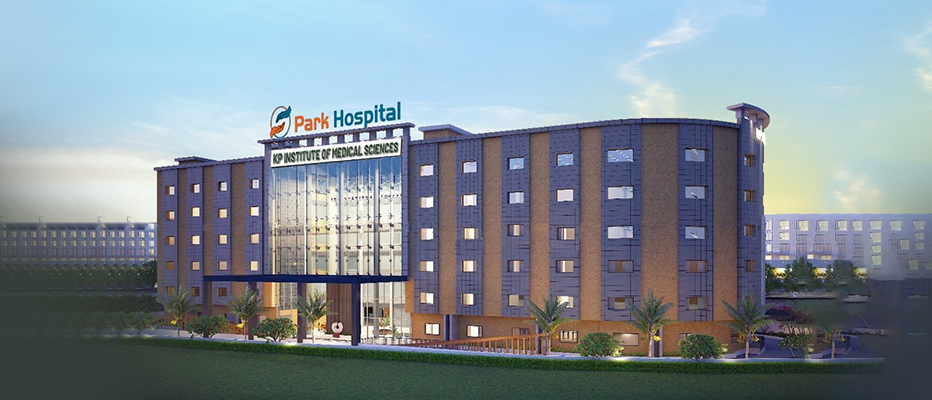

Our Hospital Locations
Healing Near You
Experience world-class clinical expertise and compassionate care at our advanced facilities conveniently located across the region
View All