Neurosurgery
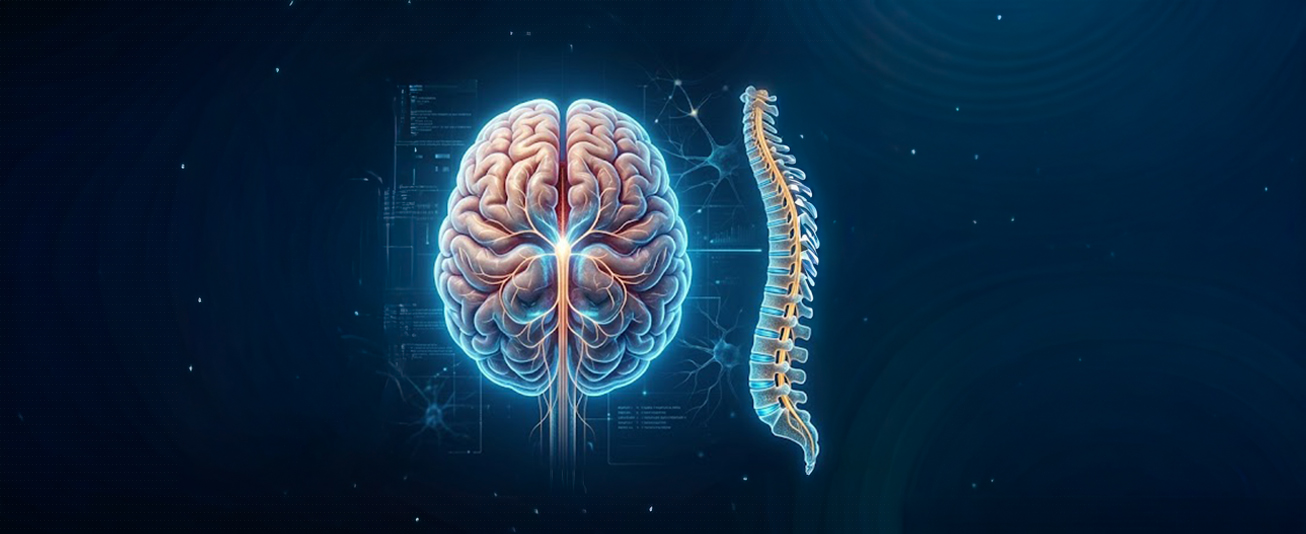
Neurosurgery involves surgical treatment for diseases and injuries affecting the brain, spine, and nervous system. At Park Hospitals, our neurosurgeons provide advanced surgical care using modern operation theatres, neuronavigation systems, and minimally invasive techniques.
The department manages brain tumors, spinal disorders, traumatic brain injuries, nerve compression conditions, aneurysms, and congenital neurological disorders.
Advanced imaging and surgical planning technologies help improve precision and patient safety during complex neurological procedures.
Minimally invasive brain and spine surgeries support reduced pain, shorter hospital stay, and faster recovery. Comprehensive postoperative rehabilitation and neurological recovery programs help patients regain strength, mobility, and functional independence.
With multidisciplinary collaboration between neurosurgeons, neurologists, rehabilitation experts, and critical care specialists, Park Hospitals provides advanced Neurosurgery services focused on successful patient outcomes.
Meet Our Experts
Experienced Clinical Leaders
Consult with our highly skilled specialists dedicated to providing world-class medical expertise and personalized treatment plans.
Find A Doctor





Patient Testimonials
Stories Reflecting Excellence in Patient Care
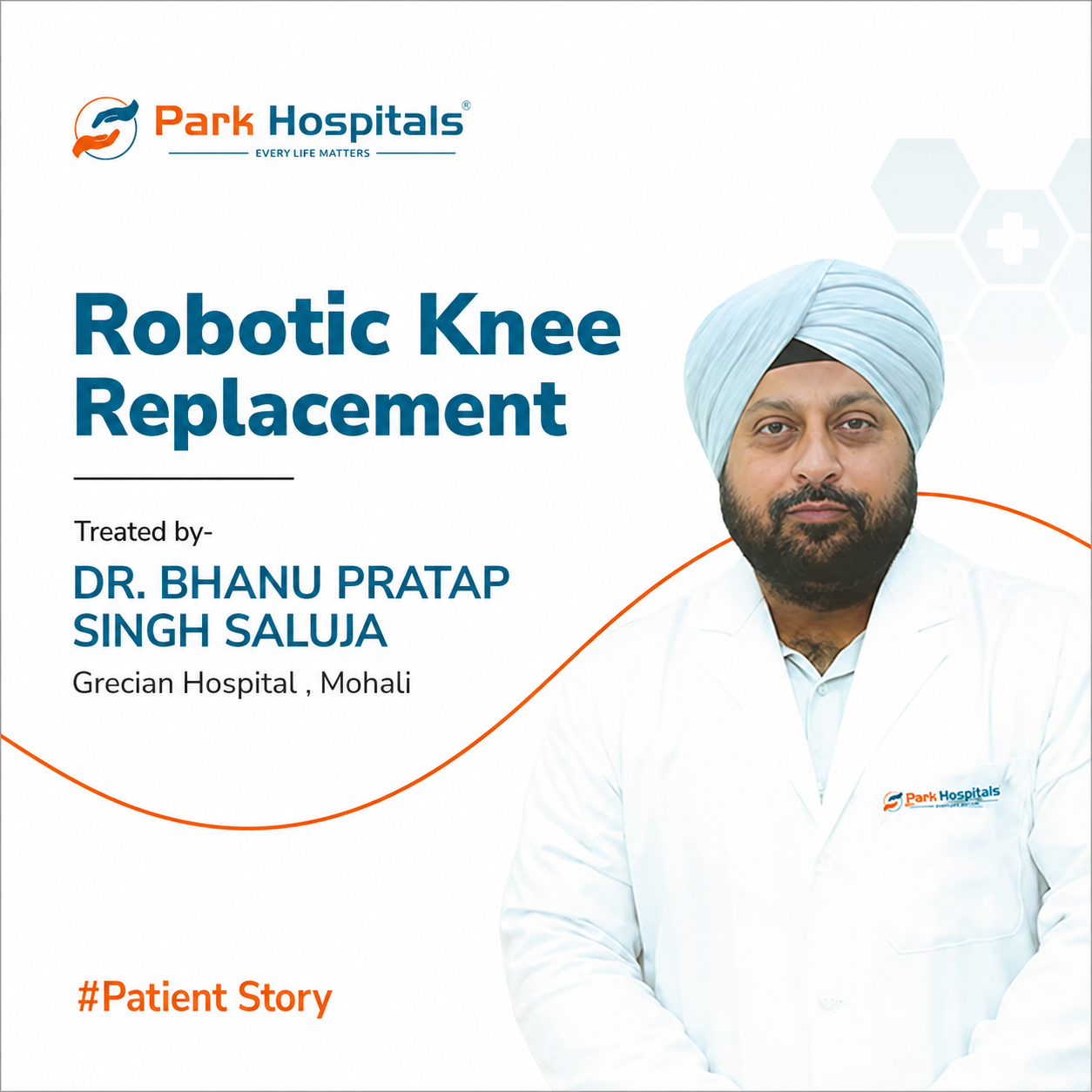
Robotic Knee Replacement Success Story
A patient regained mobility and confidence through successful robotic knee replacement surgery. Advanced robotic technology, expert orthopedic care, and personalized rehabilitation helped reduce pain, improve movement, and enhance overall quality of life.
Know More
Pain-Free Walking After Total Knee Replacement
Following a successful Total Knee Replacement (TKR), the patient regained mobility and confidence. Expert orthopedic care, advanced surgical techniques, and rehabilitation support helped achieve pain-free walking and an improved quality of life.

Goodbye Knee Pain! | Advanced Knee Replacement | Dr. Anand Jindal | Park Hospital Panchkula
Chronic knee pain can affect your mobility and quality of life. Advanced knee replacement surgery can help you move comfortably and regain confidence.
Dr. Anand Jindal
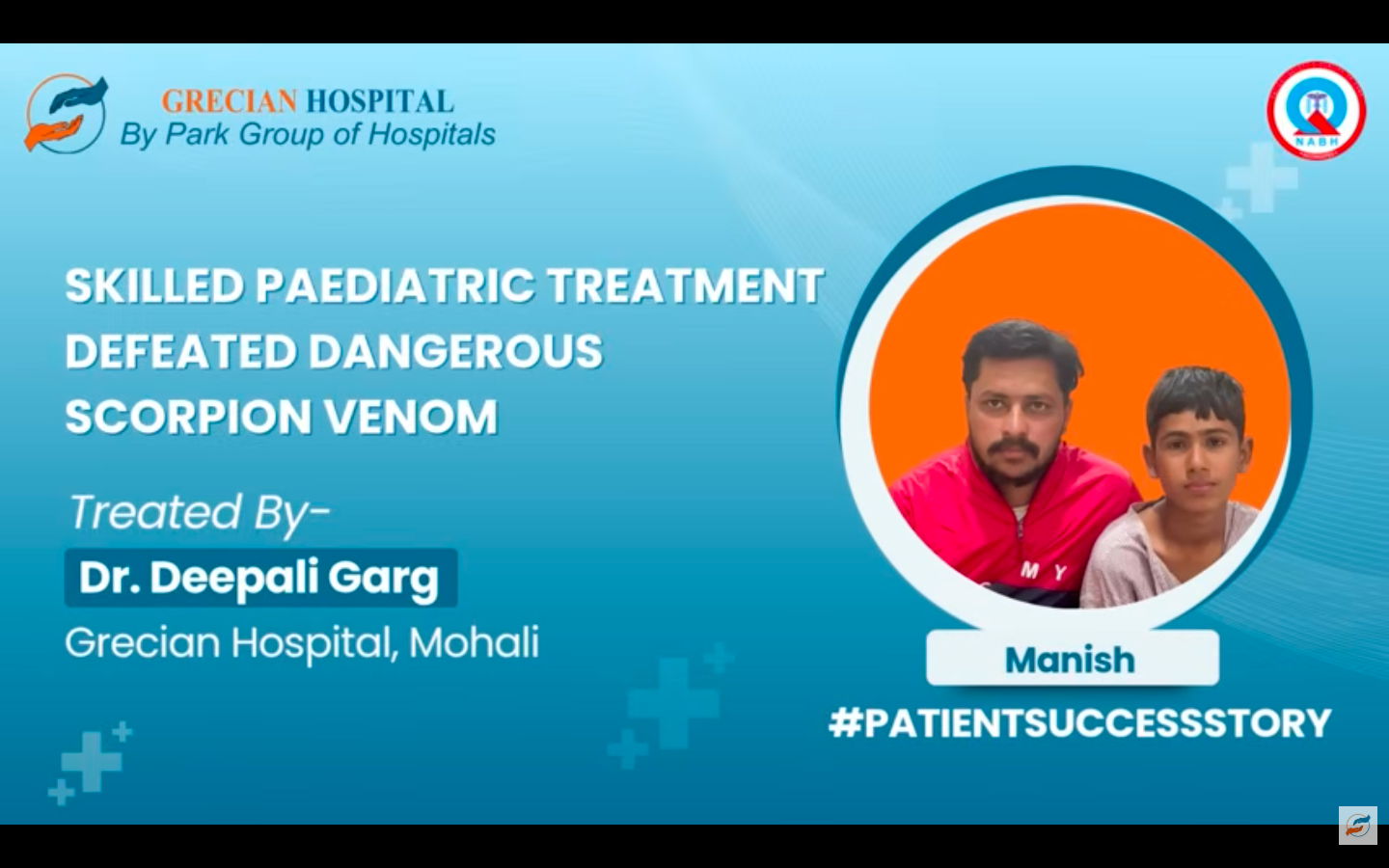
Expert Paediatric Care Defeats Scorpion Venom
A child suffering from a dangerous scorpion sting was successfully treated through timely intervention and expert pediatric care. Prompt diagnosis, critical monitoring, and specialized treatment ensured a safe recovery and positive outcome.
Dr. Milan Arora









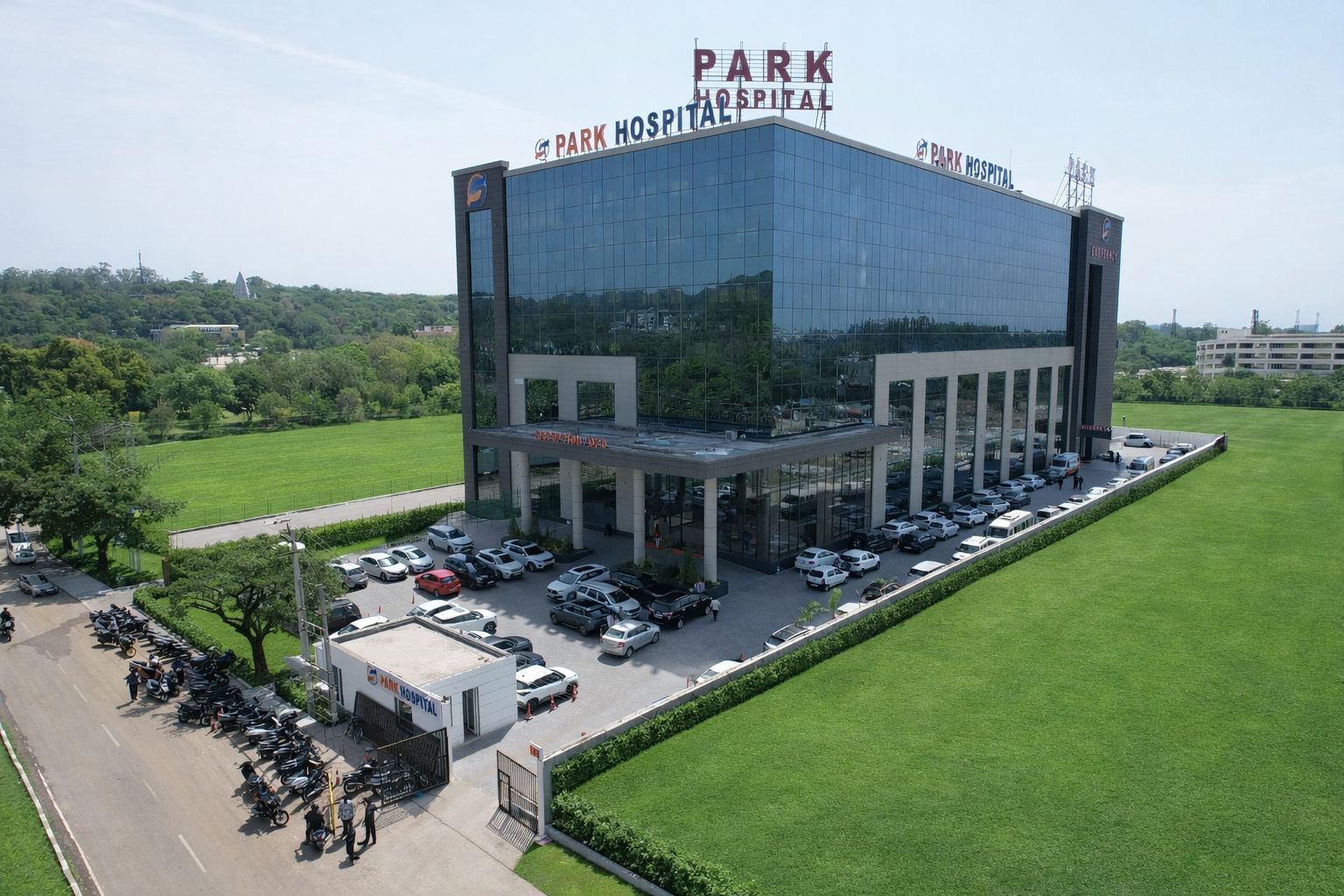
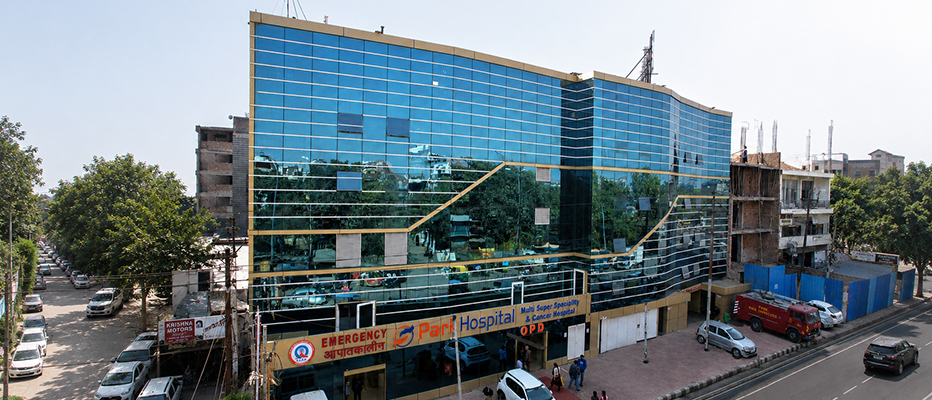



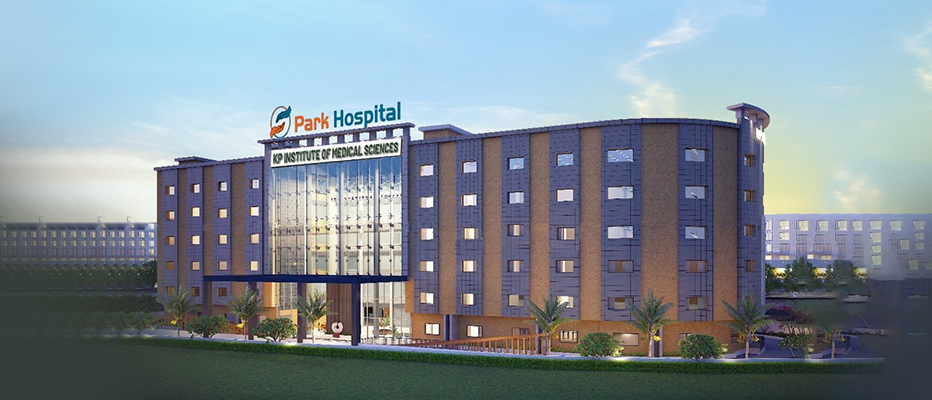

Our Hospital Locations
Healing Near You
Experience world-class clinical expertise and compassionate care at our advanced facilities conveniently located across the region
View AllHealth Tips
Expert Advice for Healthy Life

Frequently Asked Questions
Common questions answered by our experts
Neurosurgery may be recommended when a brain or spine condition requires surgical treatment, particularly when symptoms are severe or progressive, a tumour or structural abnormality needs treatment, or there is significant pressure on the brain, spinal cord or nerves. Surgery may also be considered when nonsurgical treatments have not provided adequate relief. The decision depends on the diagnosis, symptoms, imaging findings, overall health and expected benefits and risks. Not every brain or spine condition requires surgery.
Neurosurgeons treat a wide range of conditions involving the brain, spinal cord, nerves and spine. These can include brain and spinal tumours, aneurysms, certain vascular abnormalities, epilepsy requiring surgery, hydrocephalus, spinal stenosis, spinal tumours, spinal cord injuries and some conditions causing nerve compression. They may also treat certain movement disorders and peripheral nerve conditions. The appropriate specialist and treatment depend on the specific diagnosis, its location and severity, symptoms and the patient's overall health.
Before surgery, the neurosurgical team reviews your symptoms, medical history, previous treatments and neurological examination findings. Imaging such as MRI or CT scans is commonly used to understand the location and extent of a brain or spinal condition. Depending on the diagnosis, additional tests may be needed to assess brain function, nerve activity, blood vessels or other health factors. This evaluation helps the surgeon determine whether surgery is appropriate, select the safest approach and plan the procedure.
Minimally invasive neurosurgery uses smaller openings or specialised techniques to reach the affected area while limiting disruption to surrounding tissue. Depending on the condition, options may include keyhole craniotomy, endoscopic or transnasal procedures, laser interstitial thermal therapy and minimally invasive spinal surgery. Some vascular conditions can also be treated through minimally invasive endovascular procedures. These approaches are not suitable for every patient. Imaging, the location and size of the affected area and the type of condition help determine the safest surgical approach.
The potential benefit of neurosurgery depends on the condition being treated and may include removing a tumour, relieving pressure on the brain or spinal cord, reducing symptoms or preventing further complications. However, neurosurgery carries risks that vary according to the procedure and the area being treated. Possible complications include bleeding, infection, seizures, stroke, fluid leakage and changes in movement, speech, vision, memory or other brain functions. Your surgeon will discuss the expected benefits and individual risks before treatment.
Recovery depends on the type of surgery, the condition treated and the patient's overall health. After brain surgery, patients may be closely monitored in hospital before gradually returning to normal activities. Some may require physical, occupational or speech therapy. Spine surgery may also involve gradual movement and rehabilitation. Recovery can range from several weeks to several months depending on the procedure. Your surgical team will provide guidance on activity, wound care, medicines, follow-up appointments and rehabilitation based on your individual recovery.
A neurosurgical opinion may be appropriate when imaging identifies a brain or spine condition that could require surgery, when symptoms are worsening despite appropriate treatment, or when there is significant compression of the brain, spinal cord or nerves. It can also be useful when surgery has been recommended and you want to understand the procedure, alternatives, potential risks and expected recovery. A neurosurgical consultation does not automatically mean surgery will be required. The specialist first determines whether an operation is appropriate for your condition.