
Spine Surgery
Spine Surgery focuses on the treatment of spinal disorders affecting movement, posture, and nerve function. At Park Hospitals, our spine specialists provide advanced diagnosis and minimally invasive surgical treatment for spinal conditions.
Common conditions treated include slipped disc, spinal stenosis, scoliosis, degenerative spine disease, spinal fractures, and nerve compression disorders.
Advanced spinal imaging, robotic assisted procedures, and minimally invasive surgical techniques help improve treatment precision and recovery outcomes.
Treatment options may include spinal decompression, disc replacement, spinal stabilization, and rehabilitation therapy.
Park Hospitals follows a multidisciplinary approach involving spine surgeons, neurologists, physiotherapists, and pain management specialists to provide holistic spinal care.
With advanced spine treatment facilities and experienced specialists, Park Hospitals remains committed to restoring mobility and improving spinal health.
Patient Testimonials
Stories Reflecting Excellence in Patient Care

Robotic Knee Replacement Success Story
A patient regained mobility and confidence through successful robotic knee replacement surgery. Advanced robotic technology, expert orthopedic care, and personalized rehabilitation helped reduce pain, improve movement, and enhance overall quality of life.
Know More
Pain-Free Walking After Total Knee Replacement
Following a successful Total Knee Replacement (TKR), the patient regained mobility and confidence. Expert orthopedic care, advanced surgical techniques, and rehabilitation support helped achieve pain-free walking and an improved quality of life.

Goodbye Knee Pain! | Advanced Knee Replacement | Dr. Anand Jindal | Park Hospital Panchkula
Chronic knee pain can affect your mobility and quality of life. Advanced knee replacement surgery can help you move comfortably and regain confidence.
Dr. Anand Jindal
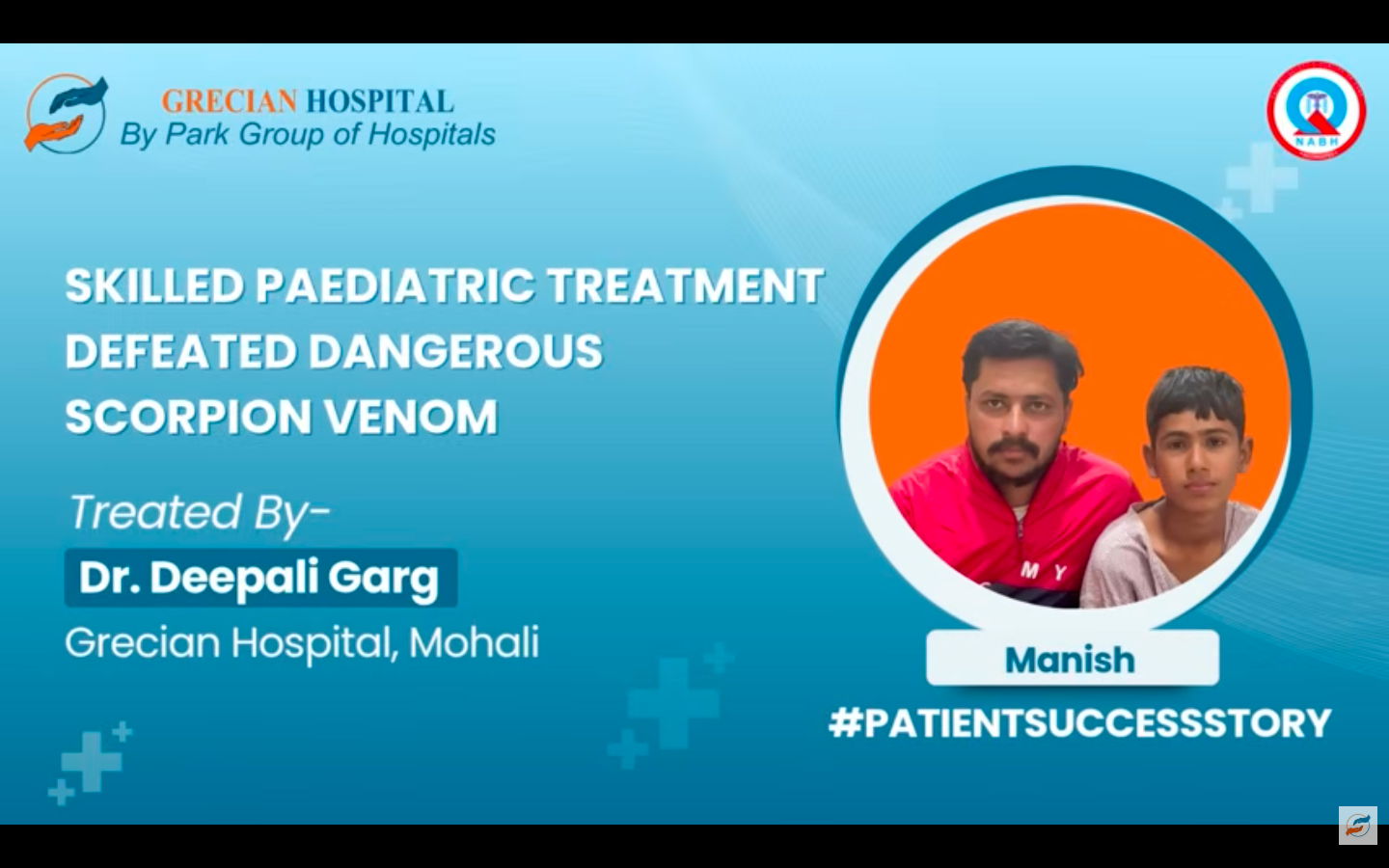
Expert Paediatric Care Defeats Scorpion Venom
A child suffering from a dangerous scorpion sting was successfully treated through timely intervention and expert pediatric care. Prompt diagnosis, critical monitoring, and specialized treatment ensured a safe recovery and positive outcome.
Dr. Milan Arora











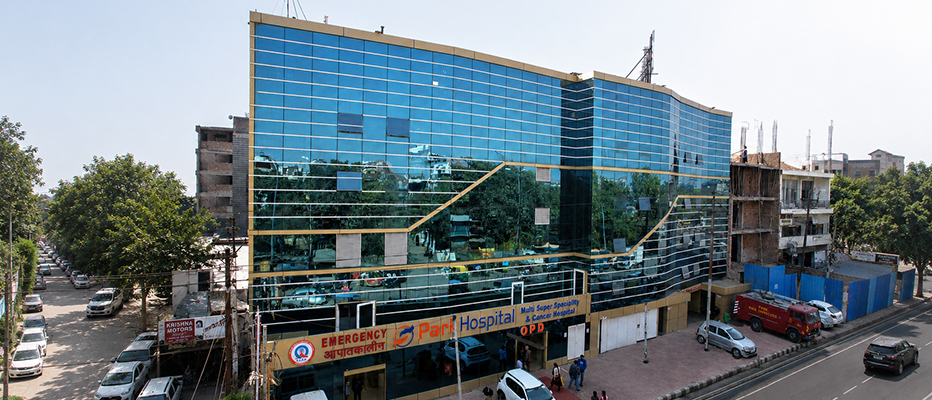







Our Hospital Locations
Healing Near You
Experience world-class clinical expertise and compassionate care at our advanced facilities conveniently located across the region
View AllHealth Tips
Expert Advice for Healthy Life


Frequently Asked Questions
Common questions answered by our experts
Persistent or worsening back or neck pain may require specialist evaluation, particularly when pain travels into an arm or leg or is accompanied by numbness, tingling or weakness. Difficulty walking, balance problems or symptoms that interfere with daily activities may also warrant assessment. New bladder or bowel problems, saddle numbness or rapidly worsening weakness require urgent medical attention. A spine specialist can assess the symptoms, perform an examination and determine whether imaging or other investigations are needed.
Spine surgery is generally considered when symptoms are severe, disabling or progressive and nonsurgical treatments have not provided sufficient relief. It may also be recommended when a structural problem is causing significant nerve compression, weakness or difficulty walking. Conditions such as certain herniated disks or spinal stenosis may require surgery in selected patients. The decision depends on the diagnosis, symptoms, imaging findings, overall health and expected benefits. Many back and neck conditions improve without surgery, so treatment is usually individualised.
Spine surgery may be used to treat selected cases of herniated or damaged disks, spinal stenosis, spinal instability and certain spinal deformities. It may also be recommended for some spinal fractures, tumours or conditions causing pressure on the spinal cord or nerves. Common procedures include diskectomy, laminectomy and spinal fusion. Not every patient with a spine condition needs surgery. The appropriate procedure depends on the underlying problem, its severity, symptoms, imaging findings and response to nonsurgical treatment.
Evaluation usually begins with a medical history and physical or neurological examination. Depending on the symptoms, imaging may include X-rays, MRI or CT scans. MRI can provide detailed images of the spinal cord, nerves, disks and other soft tissues, while CT can show bones and certain structural changes clearly. In some cases, nerve conduction studies or electromyography may be used to assess nerve function. The specialist chooses tests based on the symptoms and suspected spinal condition.
Minimally invasive spine surgery uses smaller incisions and specialised instruments to reach the affected area while limiting disruption to surrounding tissues. Depending on the condition, procedures may include minimally invasive diskectomy, decompression or spinal fusion. These approaches are not suitable for every patient or every spinal problem. A surgeon considers the diagnosis, location of the problem, spinal stability, imaging findings and overall health before recommending a minimally invasive approach. The expected benefits and limitations should be discussed before surgery.
Recovery varies considerably depending on the type of surgery, the underlying condition and the patient's overall health. Some minimally invasive procedures may allow patients to return to normal activities within a few weeks, while more extensive operations can require several months of recovery. Rehabilitation and gradual return to activity may be part of the process. Your surgeon will provide specific guidance on movement, wound care, work, exercise and follow-up based on the procedure performed and your individual recovery.
Ask what is causing your symptoms, whether surgery is necessary and what alternatives are available. Discuss the expected benefits, possible risks, type of procedure, recovery time and how surgery may affect your daily activities. Ask whether minimally invasive treatment is appropriate and what could happen if you delay or avoid surgery. It is also reasonable to ask about the surgeon's recommended approach and whether a second opinion would be helpful before making a decision.