
Arrhythmias
Arrhythmias are disorders of the heart's electrical system that cause the heart to beat too fast, too slow, or in an irregular pattern. The heart relies on coordinated electrical signals to maintain a steady rhythm and pump blood efficiently throughout the body. When these signals become disrupted, abnormal heart rhythms may develop, affecting the heart's ability to function properly. At Park Hospitals, advanced cardiac diagnostics, specialized electrophysiology services, and comprehensive heart care programs support the early diagnosis and effective management of arrhythmias to help reduce complications and improve cardiovascular health.
Arrhythmias can occur for a variety of reasons, including coronary artery disease, high blood pressure, heart valve disorders, cardiomyopathy, congenital heart conditions, and previous heart attacks. Certain medications, electrolyte imbalances, thyroid disorders, excessive caffeine or alcohol consumption, smoking, and stress may also contribute to the development of abnormal heart rhythms. While some arrhythmias are temporary and harmless, others may require medical evaluation and treatment.
Symptoms can vary depending on the type and severity of the arrhythmia. Some individuals may not experience noticeable symptoms, while others may develop palpitations, a fluttering sensation in the chest, rapid heartbeat, dizziness, fatigue, shortness of breath, chest discomfort, or fainting episodes. In more serious cases, arrhythmias can interfere with blood circulation and increase the risk of stroke, heart failure, or sudden cardiac arrest if left untreated.
Diagnosis typically involves a thorough cardiovascular evaluation along with electrocardiograms (ECG), Holter monitoring, event recorders, echocardiography, stress testing, and electrophysiology studies. These investigations help specialists identify the type of arrhythmia, determine its underlying cause, and assess its impact on overall heart function.
Treatment depends on the specific arrhythmia and the severity of symptoms. Management may include lifestyle modifications, medications to regulate heart rhythm or heart rate, treatment of underlying medical conditions, and catheter-based procedures such as cardiac ablation. In some cases, implantable devices such as pacemakers or implantable cardioverter-defibrillators (ICDs) may be recommended to help maintain a normal heart rhythm and prevent serious complications.
With experienced cardiologists, advanced electrophysiology expertise, and comprehensive cardiac care services, Park Hospitals provides personalized treatment and long-term monitoring for individuals with arrhythmias. Early diagnosis and timely intervention can help restore rhythm control, reduce complications, and support healthier long-term cardiovascular outcomes.
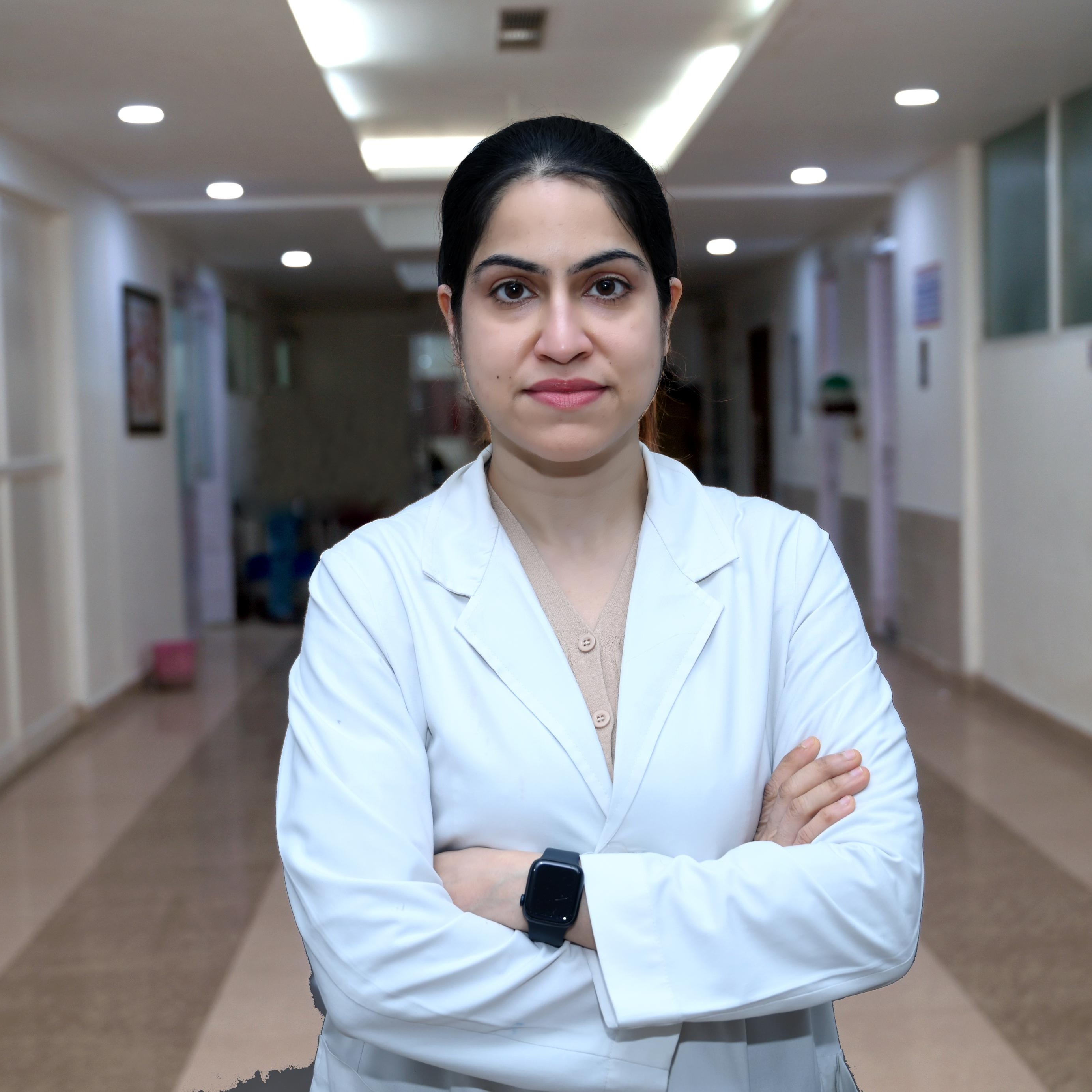
Meet Our Experts
Experienced Clinical Leaders
Consult with our highly skilled specialists dedicated to providing world-class medical expertise and personalized treatment plans.
Find A Doctor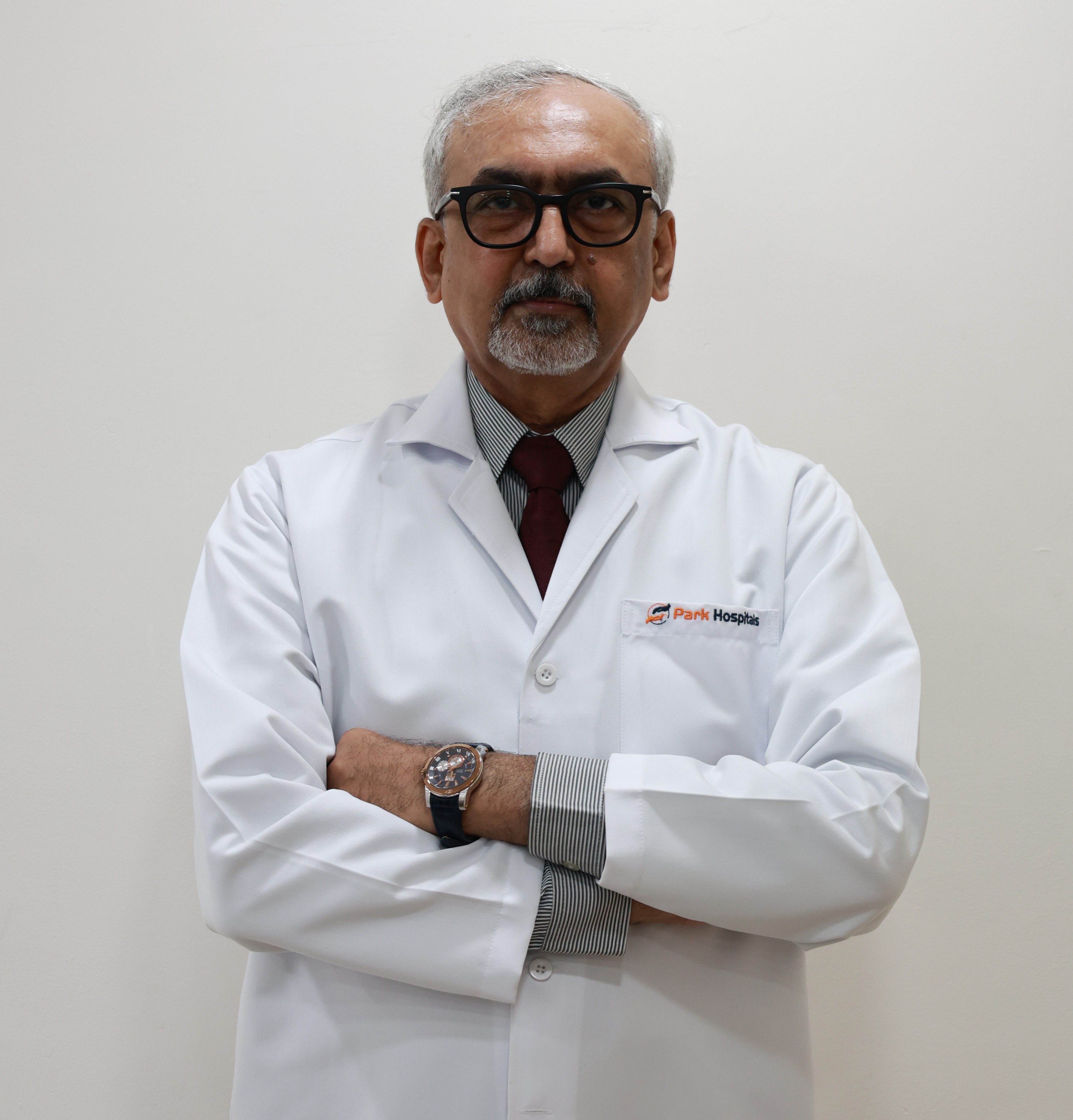
















.png)



.jpg)











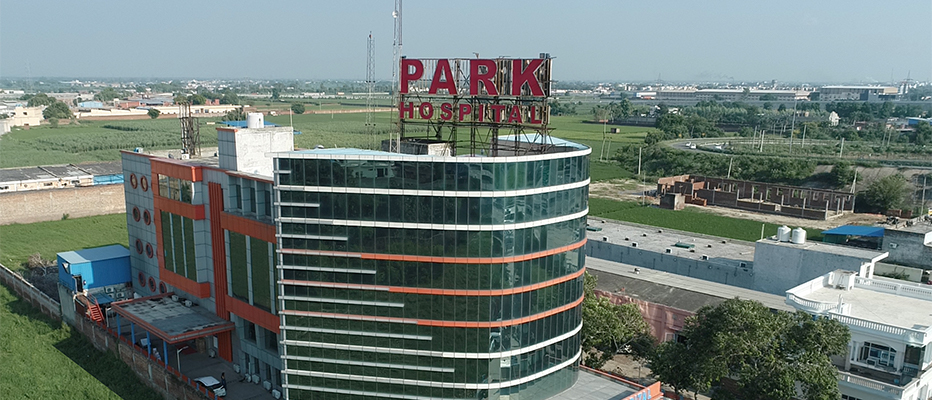


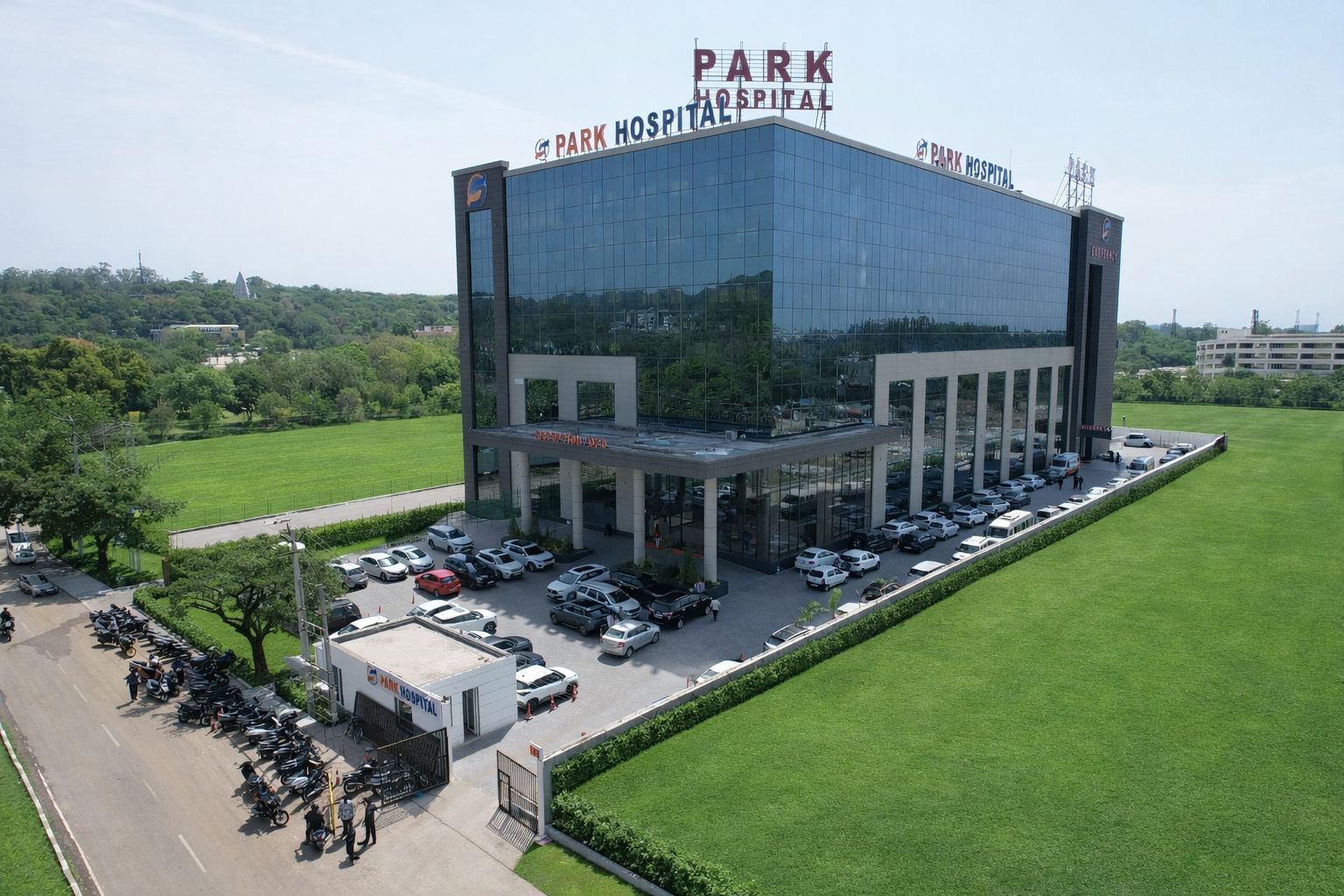








Our Hospital Locations
Healing Near You
Experience world-class clinical expertise and compassionate care at our advanced facilities conveniently located across the region
View All