
Atherosclerosis
Atherosclerosis is a progressive cardiovascular condition in which fatty deposits, cholesterol, calcium, and other substances accumulate within the walls of the arteries, forming plaques that narrow and harden the blood vessels. Over time, these changes can restrict blood flow to vital organs and tissues, increasing the risk of serious cardiovascular complications. Atherosclerosis can affect arteries throughout the body, including those supplying the heart, brain, kidneys, and limbs. At Park Hospitals, advanced cardiovascular diagnostics, preventive heart care programs, and specialized treatment services support the early detection and effective management of atherosclerosis to help reduce the risk of life-threatening complications and improve long-term vascular health.
Atherosclerosis develops gradually and is often associated with several risk factors. High cholesterol levels, high blood pressure, diabetes, obesity, smoking, physical inactivity, unhealthy dietary habits, and increasing age can all contribute to plaque formation within the arteries. A family history of cardiovascular disease may also increase an individual's susceptibility to developing the condition. In many cases, atherosclerosis progresses silently over several years before symptoms become noticeable.
Symptoms depend on the arteries affected and the degree of blood flow restriction. Many individuals may not experience symptoms during the early stages of the disease. As arterial narrowing becomes more severe, symptoms such as chest pain, shortness of breath, leg pain during walking, fatigue, dizziness, or weakness may develop. If left untreated, atherosclerosis can lead to serious complications including coronary artery disease, heart attack, stroke, peripheral artery disease, and kidney dysfunction.
Diagnosis typically involves a comprehensive cardiovascular evaluation along with blood tests, electrocardiograms (ECG), stress testing, ultrasound examinations, computed tomography (CT) scans, angiography, and other specialized imaging studies. These investigations help specialists assess blood flow, identify arterial blockages, and determine the severity of the condition.
Treatment focuses on slowing disease progression, improving blood flow, and reducing the risk of complications. Management may include lifestyle modifications, dietary improvements, regular physical activity, smoking cessation, and medications to control cholesterol, blood pressure, and blood sugar levels. In more advanced cases, procedures such as angioplasty, stent placement, or vascular surgery may be recommended to restore adequate circulation.
With experienced cardiologists, advanced vascular imaging technology, and comprehensive cardiovascular care services, Park Hospitals provides personalized treatment and long-term management for individuals with atherosclerosis. Early diagnosis and proactive intervention can help preserve vascular health, prevent complications, and support better long-term cardiovascular outcomes.
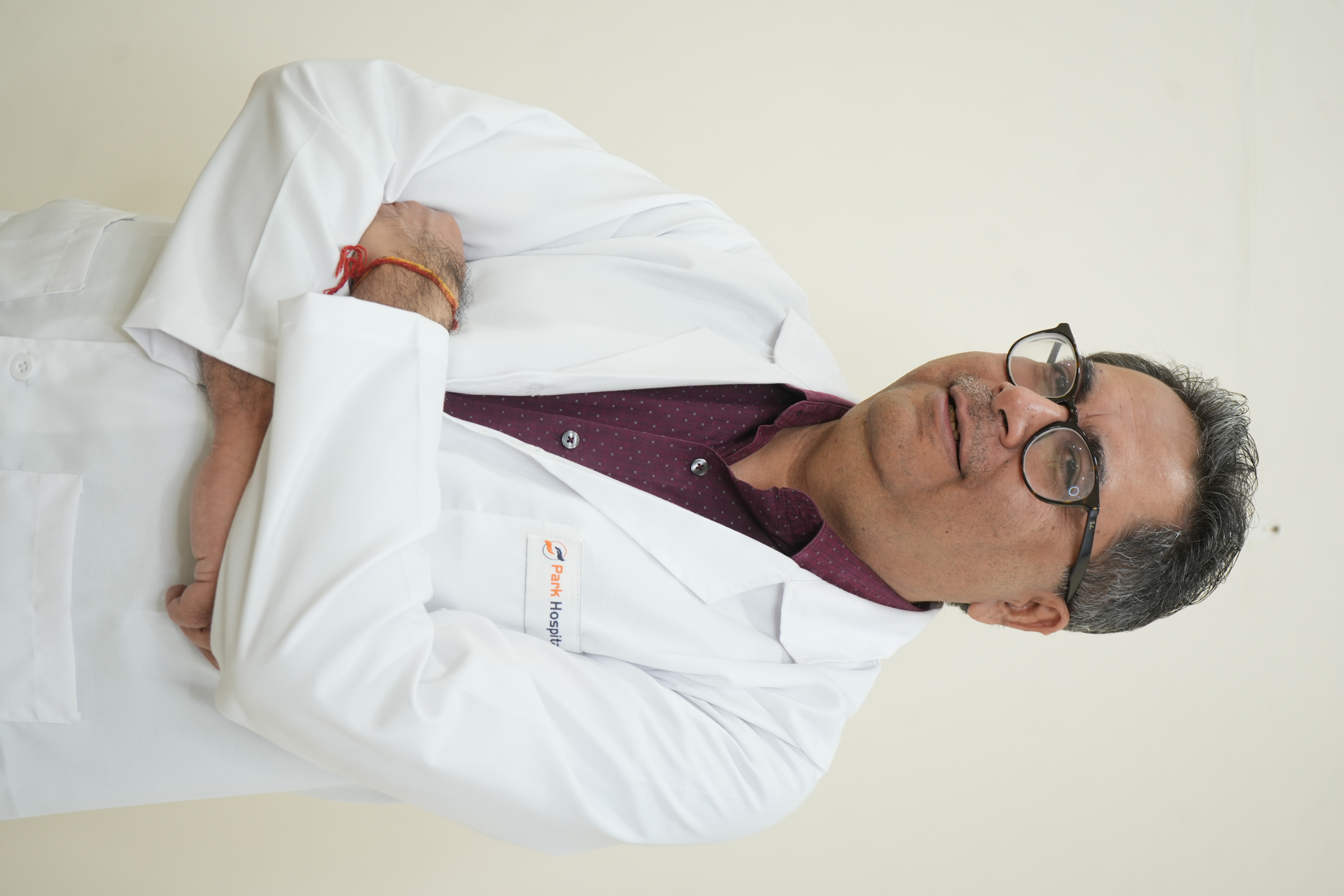
Meet Our Experts
Experienced Clinical Leaders
Consult with our highly skilled specialists dedicated to providing world-class medical expertise and personalized treatment plans.
Find A Doctor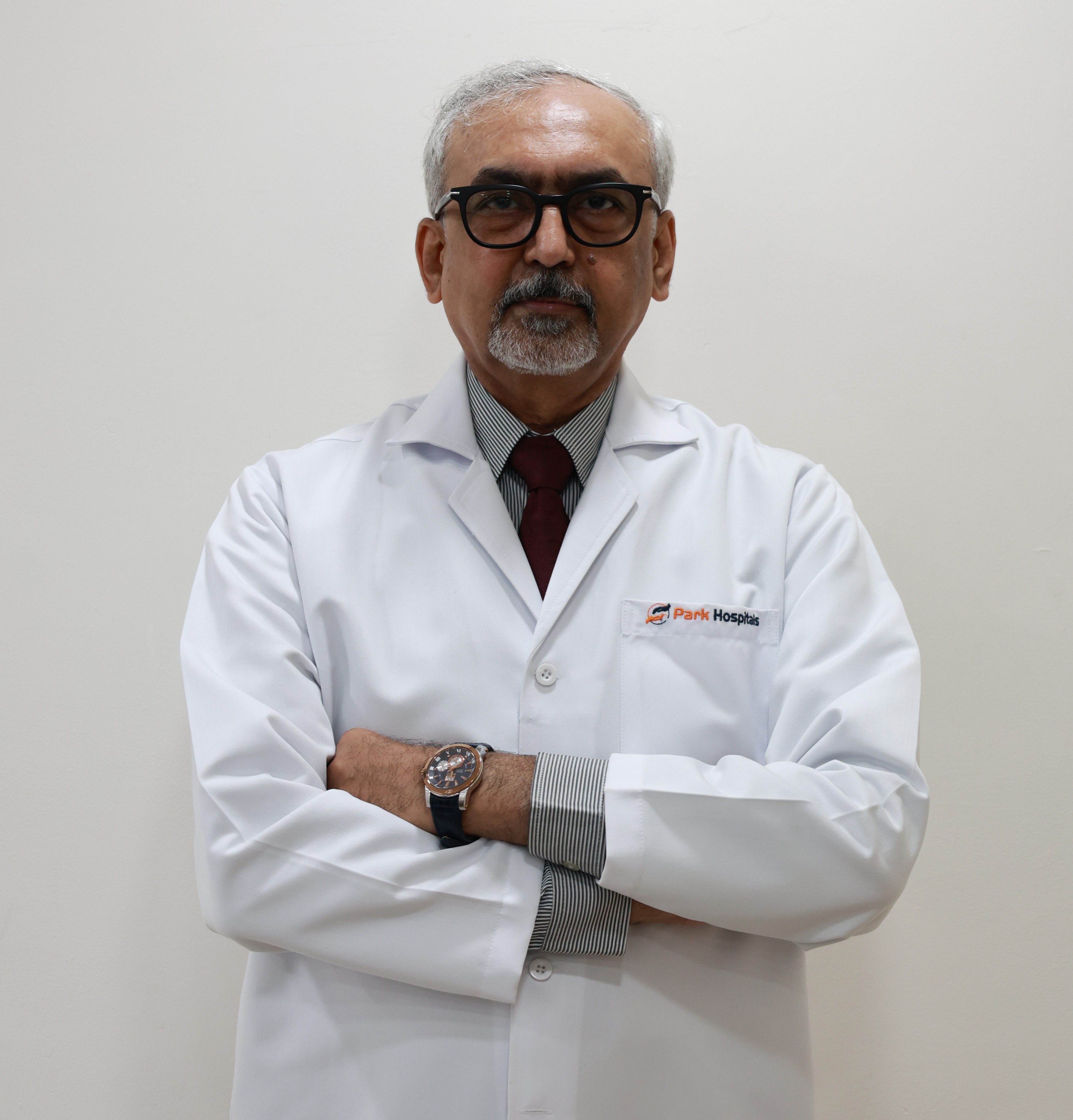















.png)



.jpg)












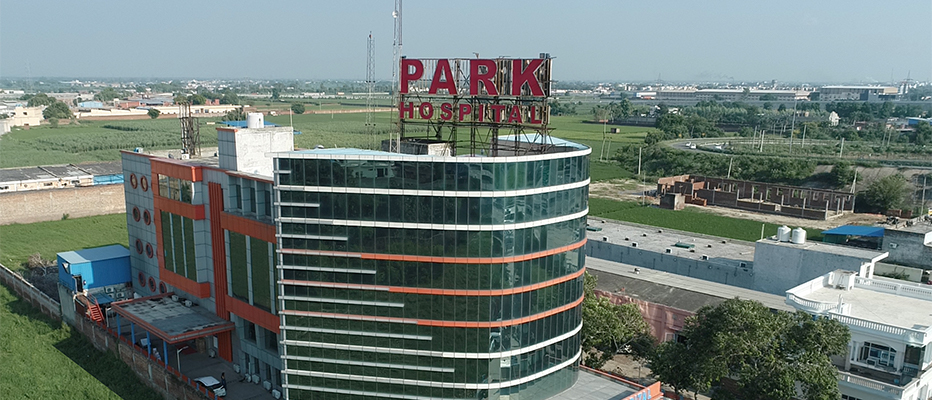


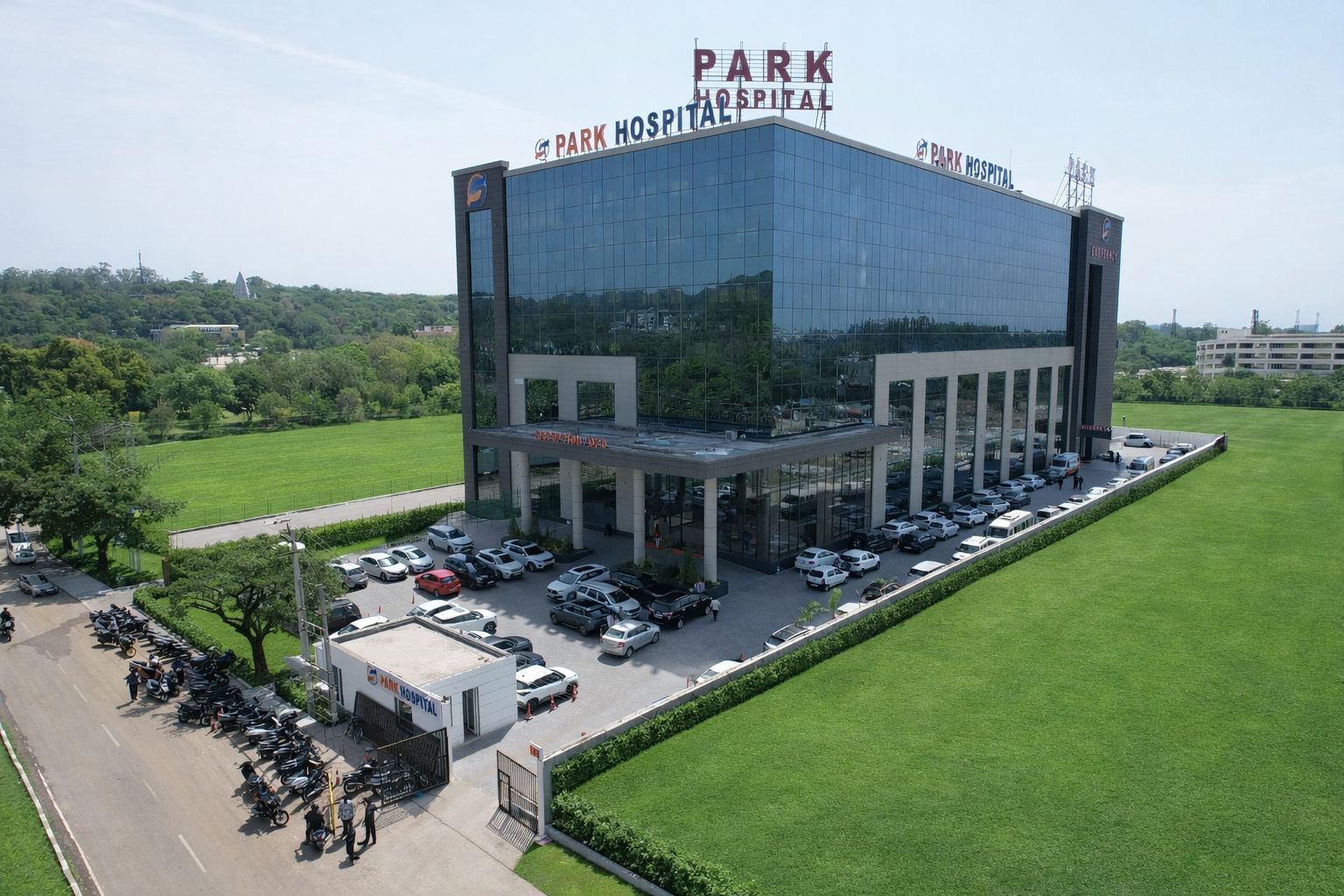
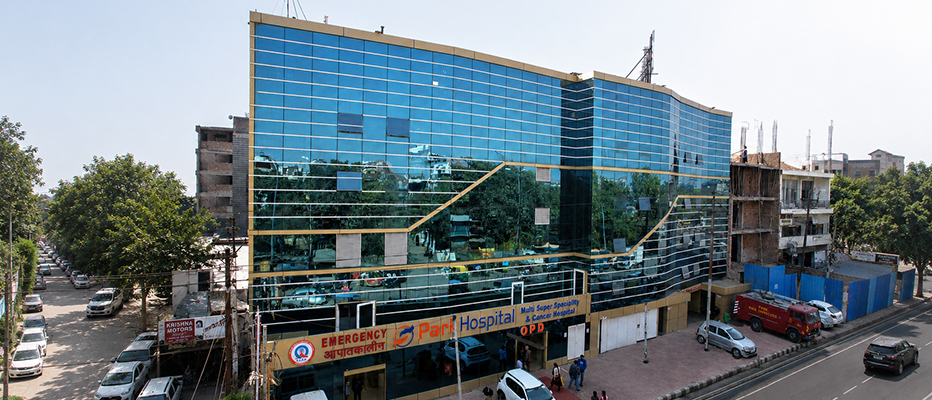




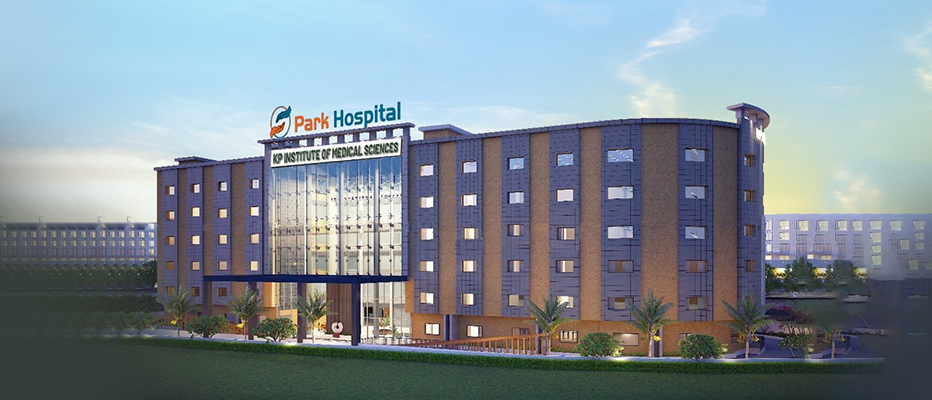

Our Hospital Locations
Healing Near You
Experience world-class clinical expertise and compassionate care at our advanced facilities conveniently located across the region
View All