
Celiac Disease
Celiac disease is a chronic autoimmune disorder in which the immune system reacts abnormally to gluten, a protein found in wheat, barley, and rye. This immune response damages the lining of the small intestine, particularly the finger-like projections known as villi that are responsible for absorbing nutrients from food. Over time, this damage can lead to nutritional deficiencies and a wide range of digestive and non-digestive health problems. At Park Hospitals, advanced gastroenterology services, specialized diagnostic facilities, and comprehensive nutritional support programs help support the early diagnosis and effective management of celiac disease to improve digestive health and overall well-being.
The condition develops in genetically susceptible individuals and is triggered by the consumption of gluten-containing foods. A family history of celiac disease, certain genetic markers, and the presence of other autoimmune disorders such as type 1 diabetes or autoimmune thyroid disease may increase the risk of developing the condition. Although celiac disease can occur at any age, symptoms may appear gradually and vary significantly from one individual to another.
Common symptoms include chronic diarrhea, abdominal pain, bloating, excessive gas, nausea, constipation, unexplained weight loss, and persistent fatigue. Some individuals may experience symptoms unrelated to the digestive system, including anemia, bone or joint pain, skin rashes, headaches, delayed growth in children, or reproductive health concerns. In certain cases, symptoms may be mild or absent, making diagnosis more challenging.
If left untreated, celiac disease can lead to serious complications such as malnutrition, vitamin and mineral deficiencies, osteoporosis, infertility, growth problems in children, neurological disorders, and an increased risk of certain gastrointestinal conditions. Early diagnosis is therefore essential to prevent long-term health consequences and preserve intestinal function.
Diagnosis typically involves a detailed medical evaluation along with blood tests that detect specific antibodies associated with celiac disease. An upper gastrointestinal endoscopy with small intestinal biopsy is often performed to confirm the diagnosis and assess the extent of intestinal damage. Additional investigations may be recommended to evaluate nutritional deficiencies and associated medical conditions.
The primary treatment for celiac disease is lifelong adherence to a strict gluten-free diet. Eliminating gluten allows the intestinal lining to heal and helps prevent further damage. Nutritional counseling, vitamin supplementation, and regular follow-up care may also be recommended to support recovery and monitor long-term health.
With experienced gastroenterologists, advanced diagnostic technology, and comprehensive dietary support services, Park Hospitals provides personalized care and long-term management for individuals with celiac disease. Early diagnosis and consistent treatment can help relieve symptoms, restore intestinal health, prevent complications, and support better long-term outcomes and quality of life.
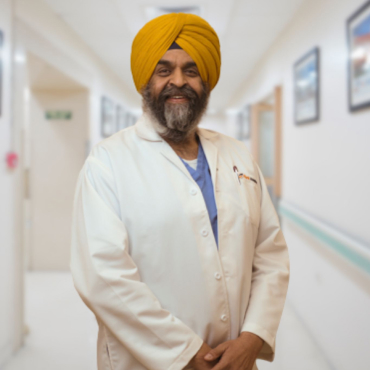
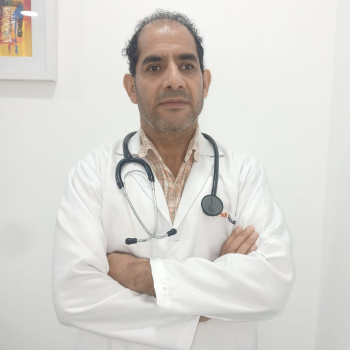
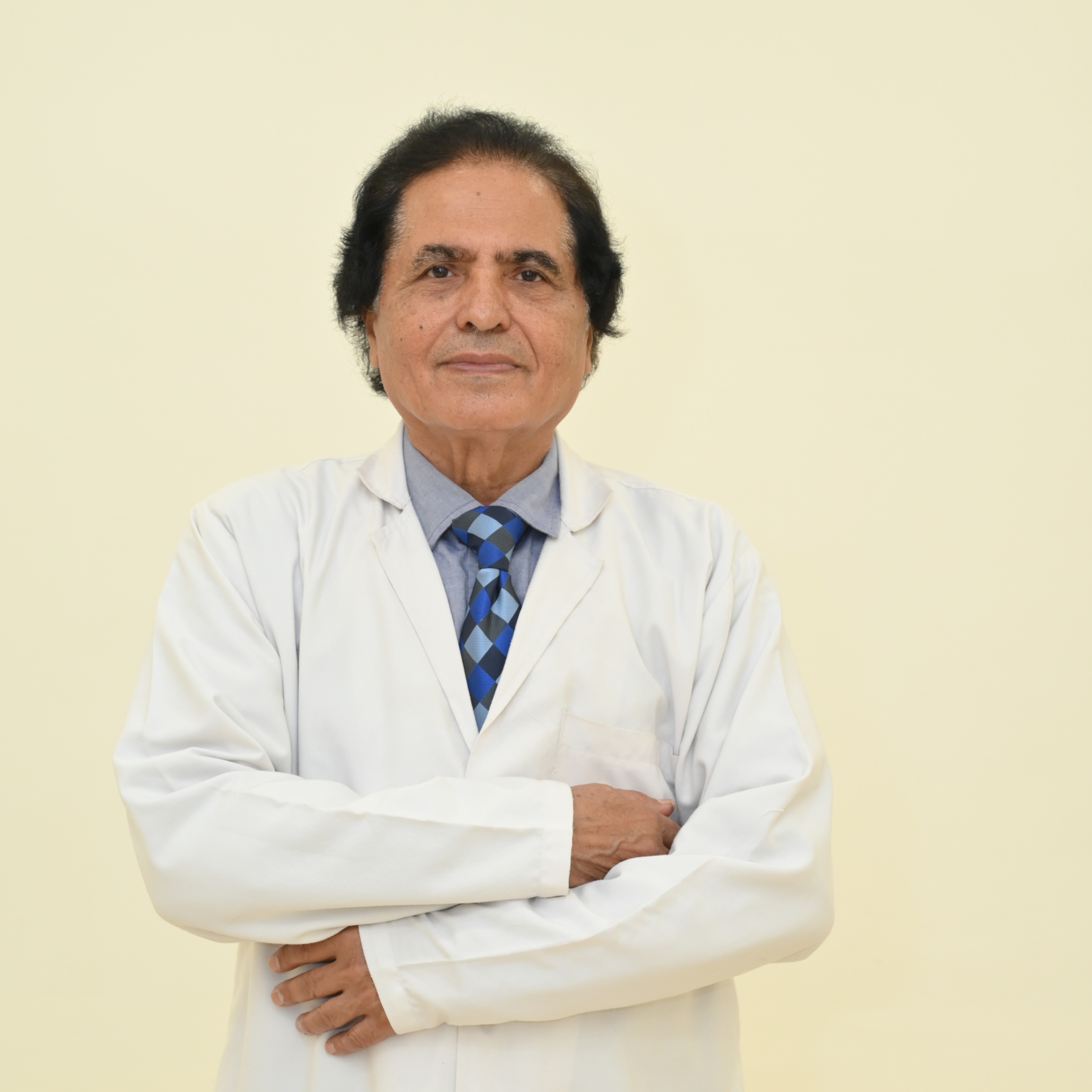
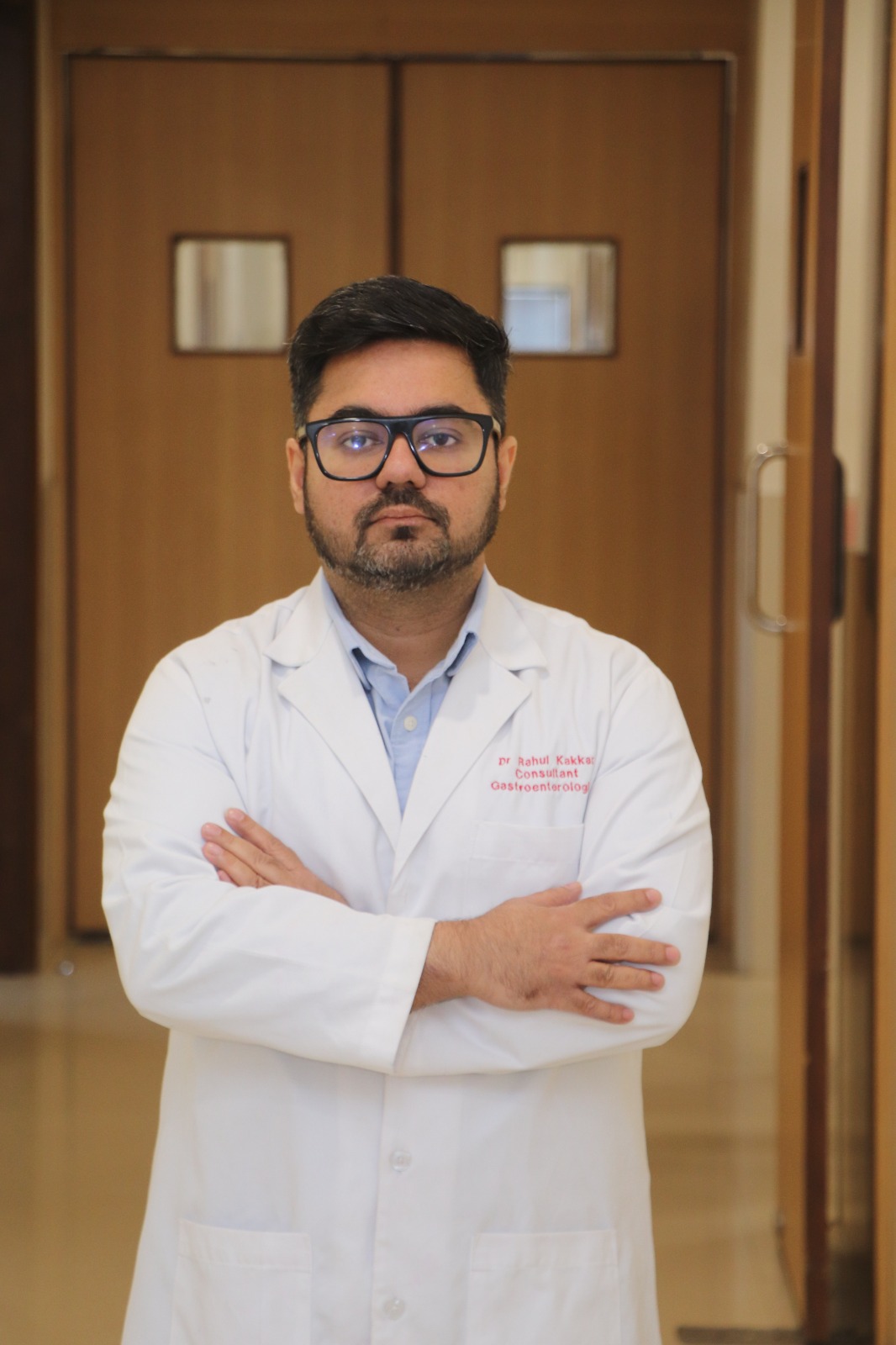
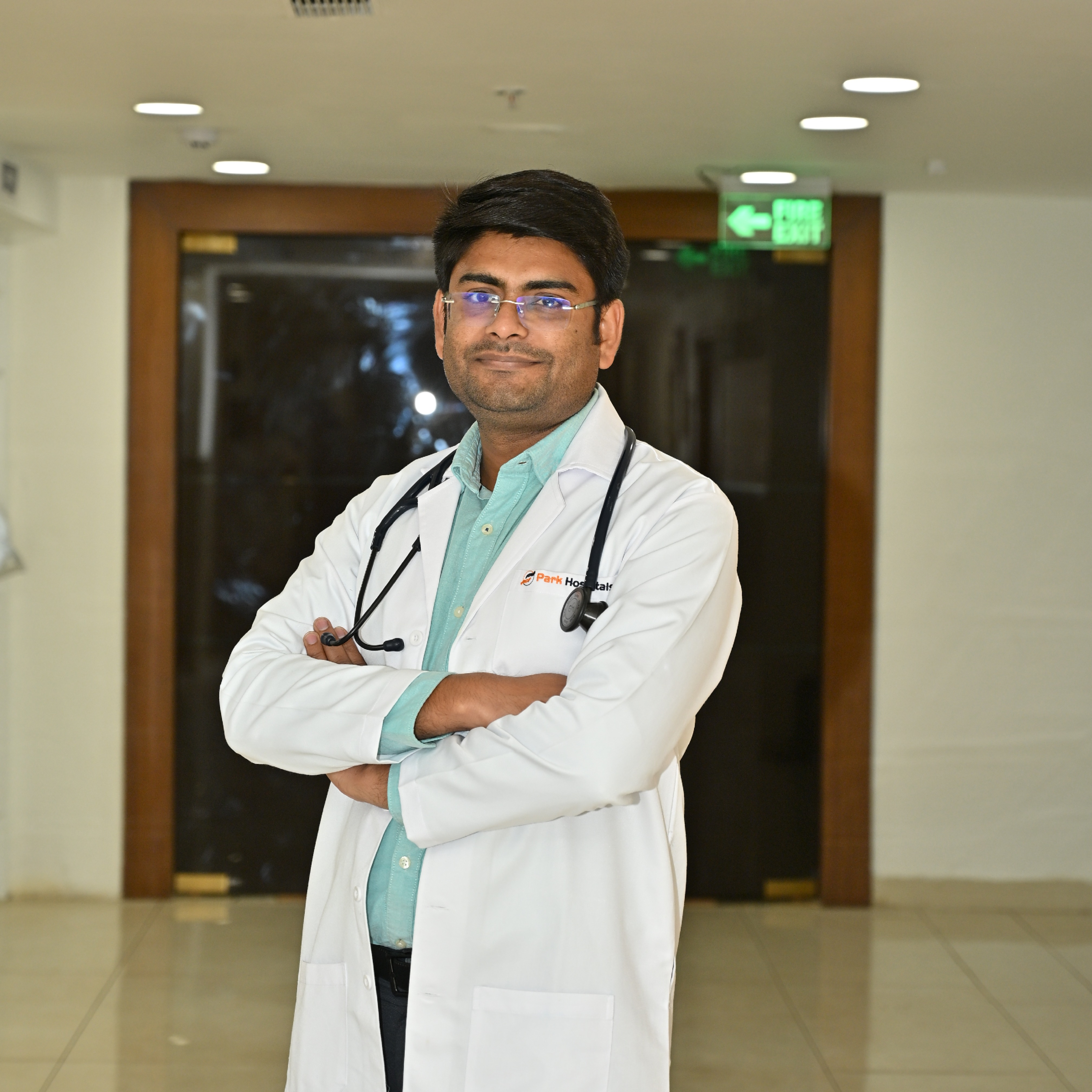
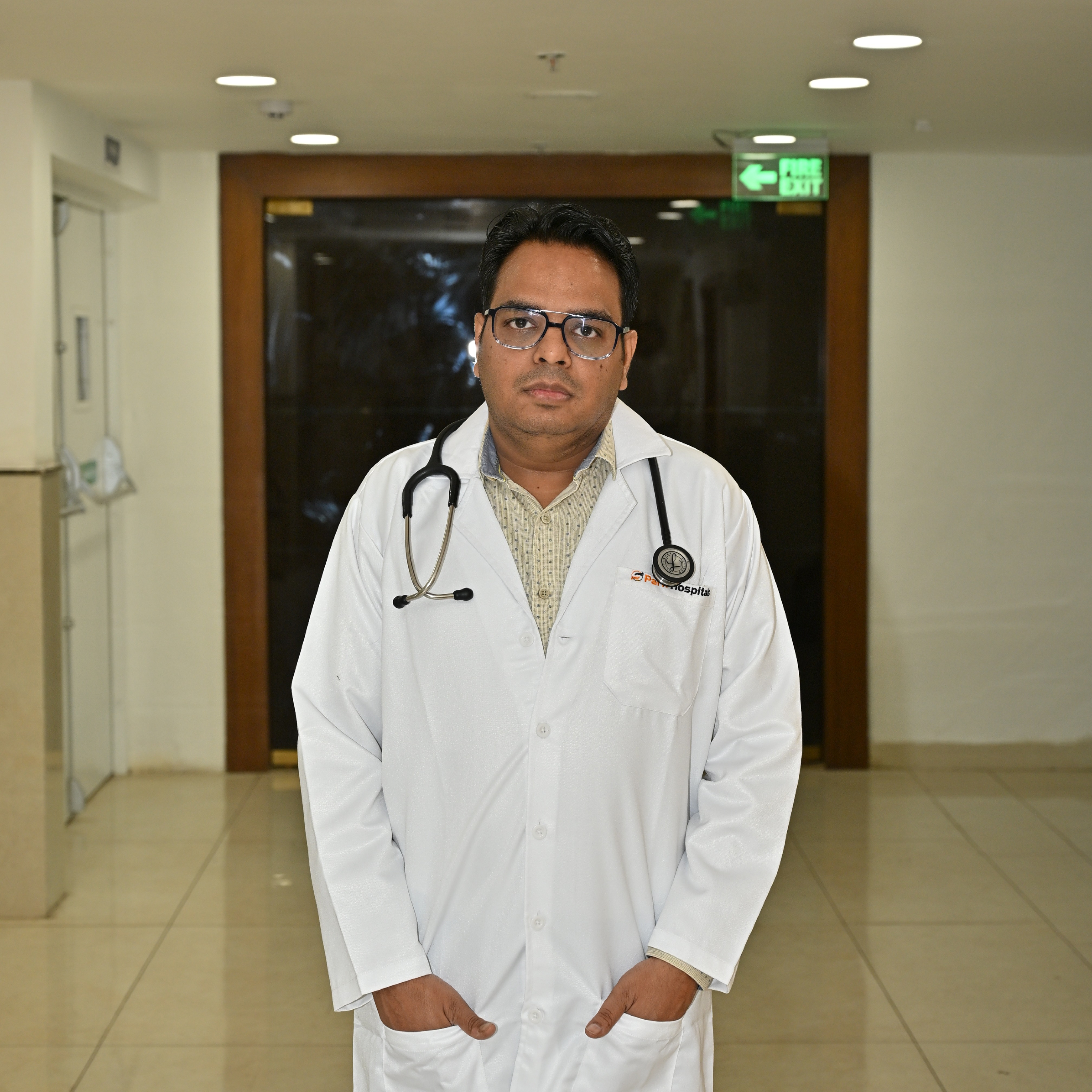
Meet Our Experts
Experienced Clinical Leaders
Consult with our highly skilled specialists dedicated to providing world-class medical expertise and personalized treatment plans.
Find A Doctor














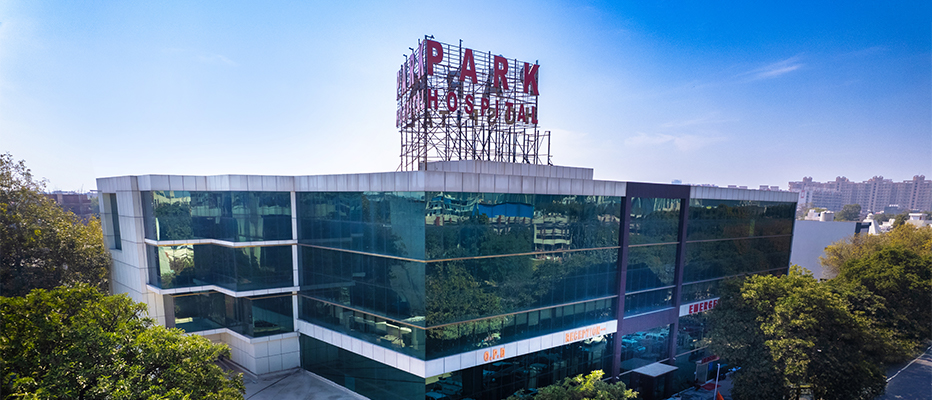

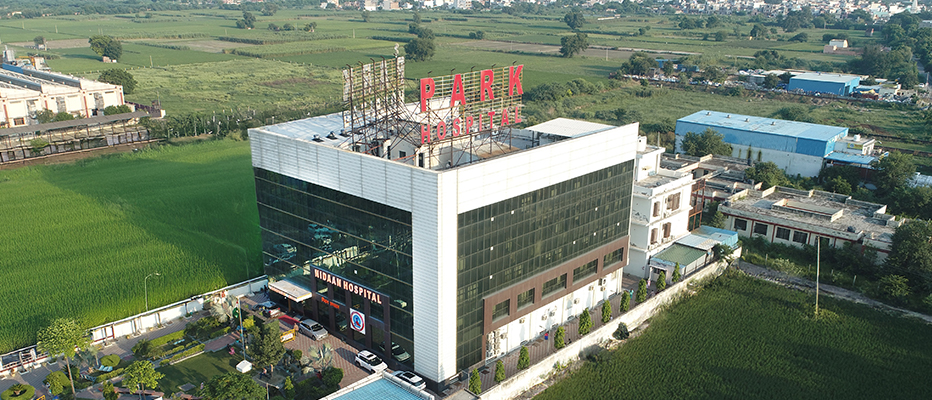
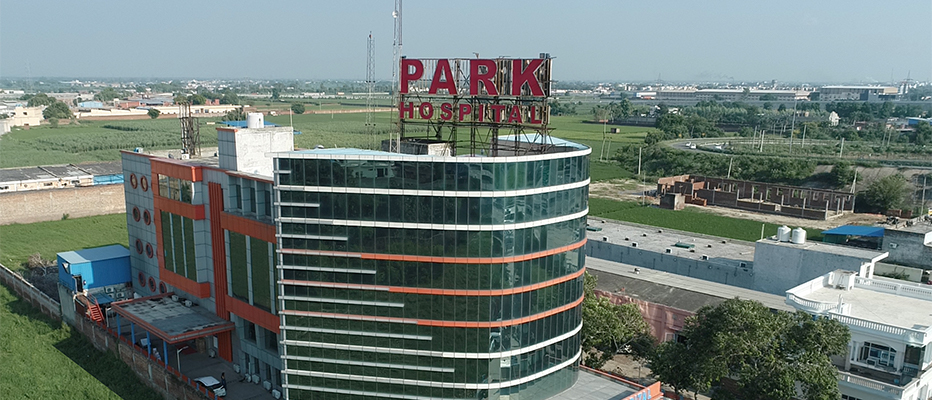
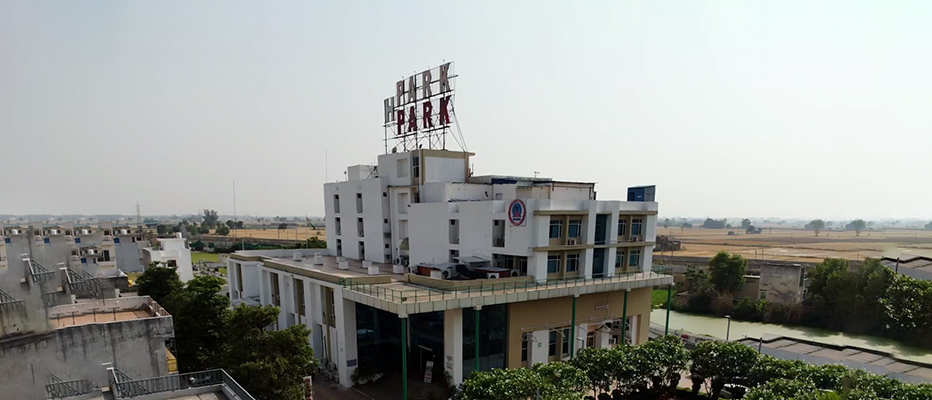
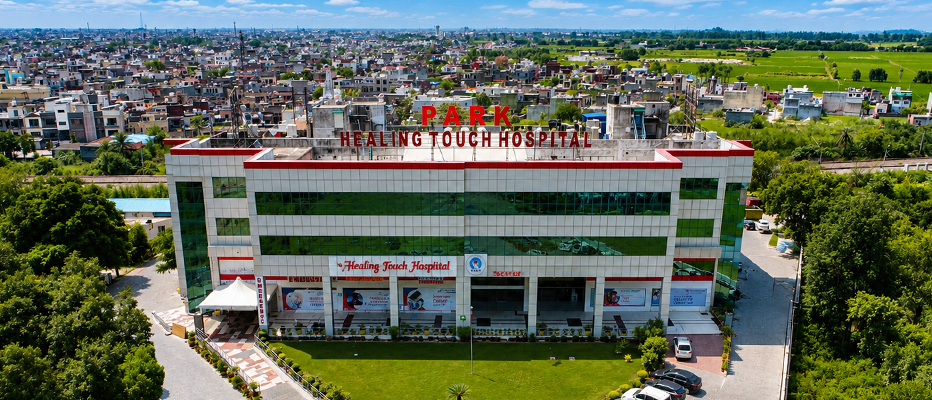
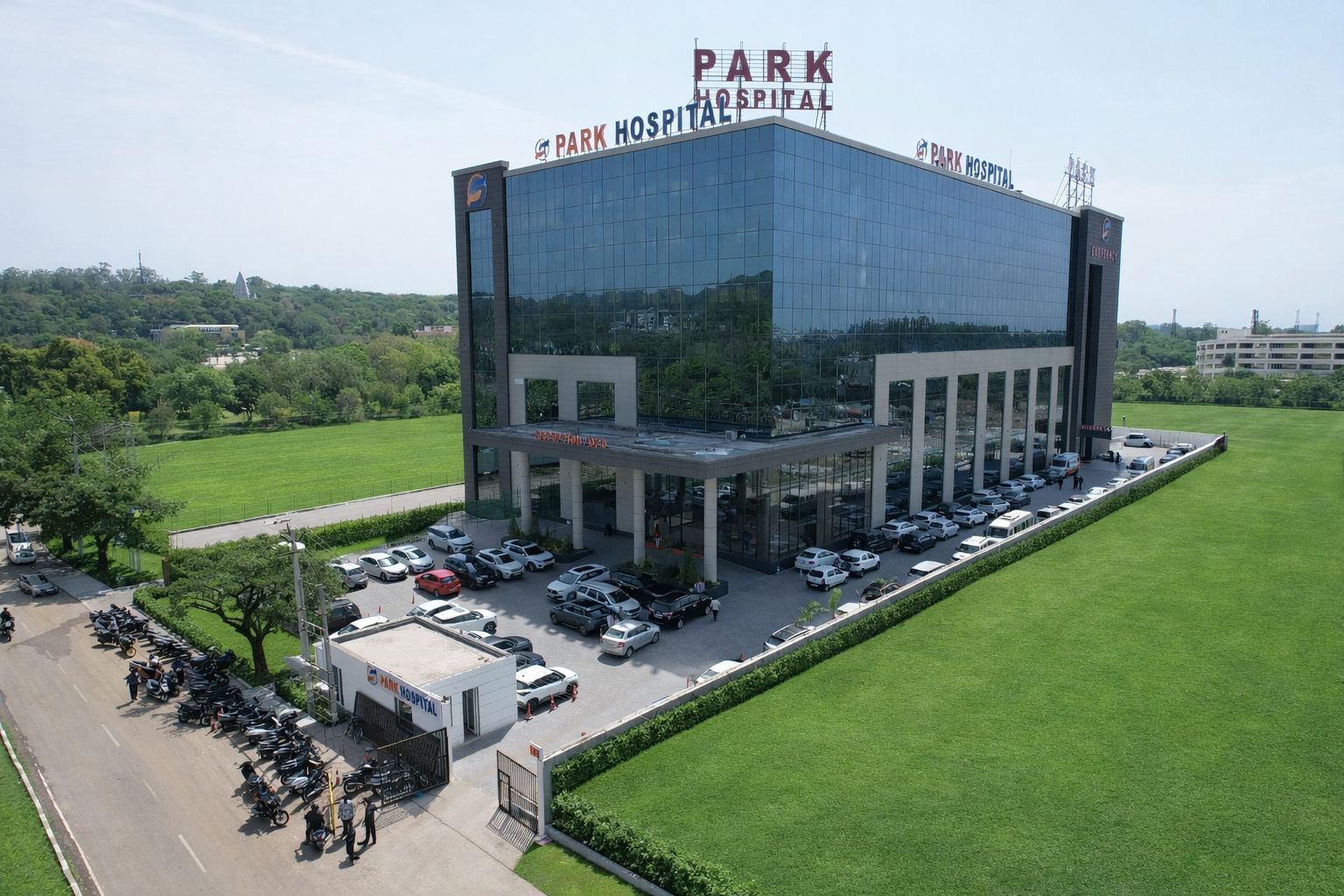
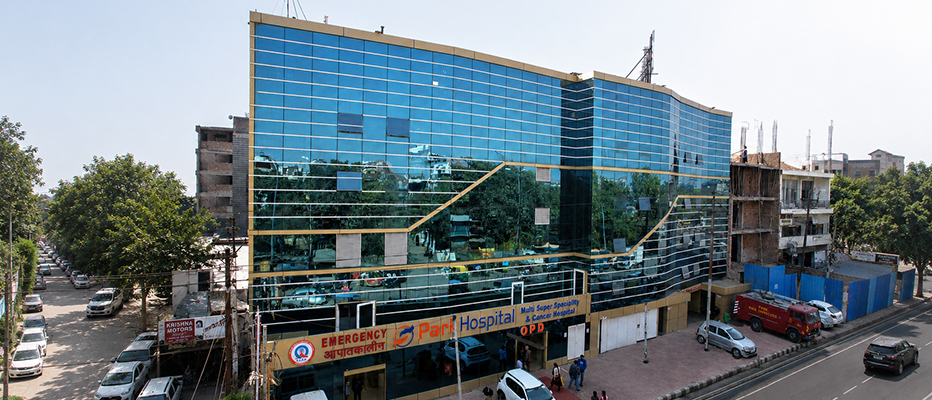


Our Hospital Locations
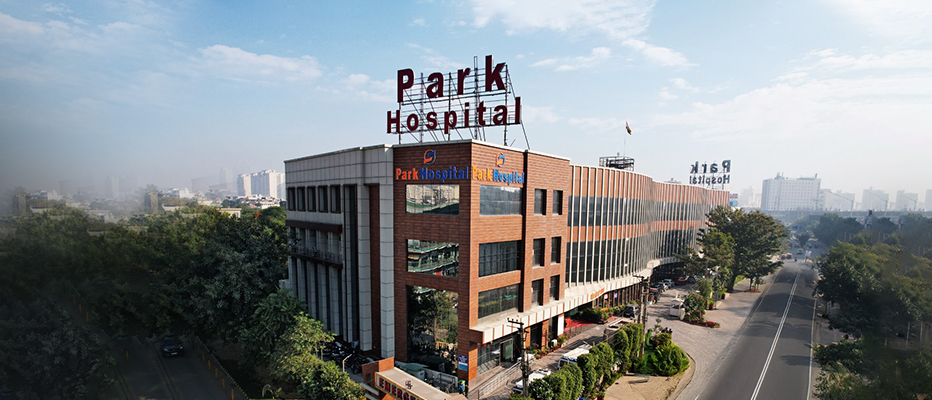
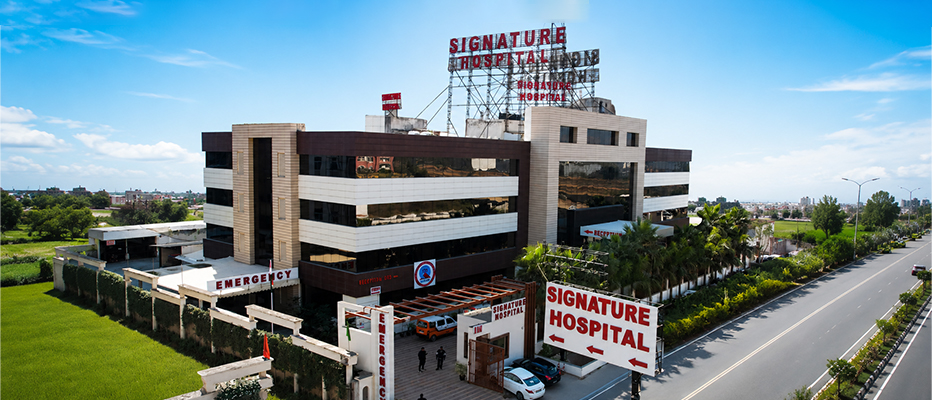
Healing Near You
Experience world-class clinical expertise and compassionate care at our advanced facilities conveniently located across the region
View All