
Female Urinary Incontinence
Female urinary incontinence is a condition characterized by the involuntary leakage of urine due to a loss of bladder control. It is a common health concern that can affect women of all ages, although it becomes more prevalent with advancing age. Urinary incontinence can range from occasional urine leakage during physical activity to a sudden and strong urge to urinate that is difficult to control. While the condition can be distressing and affect daily life, effective treatment options are available. At Park Hospitals, advanced urogynecology and urology services, specialized diagnostic facilities, and comprehensive pelvic floor care programs support the early diagnosis and effective management of female urinary incontinence to improve comfort, confidence, and quality of life.
Several factors may contribute to urinary incontinence in women. Pregnancy, childbirth, menopause, aging, obesity, pelvic floor muscle weakness, chronic cough, neurological disorders, and certain medications can increase the risk of bladder control problems. Some women may experience stress incontinence, urge incontinence, or a combination of both, depending on the underlying cause.
Symptoms vary according to the type of incontinence. Common signs include urine leakage during coughing, sneezing, laughing, exercising, or lifting heavy objects. Other individuals may experience a sudden, intense urge to urinate followed by involuntary urine leakage. Frequent urination, nighttime urination, and difficulty reaching the bathroom in time may also occur.
If left untreated, urinary incontinence can affect emotional well-being, social interactions, sleep quality, and overall quality of life. Persistent symptoms may also increase the risk of skin irritation, urinary tract infections, and reduced participation in daily activities.
Diagnosis typically involves a detailed medical evaluation, physical examination, bladder function assessment, urine tests, bladder diaries, and specialized urodynamic studies when necessary. These investigations help specialists identify the type and severity of incontinence and determine the most appropriate treatment approach.
Treatment depends on the underlying cause and severity of symptoms. Management may include pelvic floor exercises, bladder training, lifestyle modifications, medications, minimally invasive procedures, or surgical interventions in selected cases.
With experienced urogynecologists, urologists, advanced diagnostic technology, and comprehensive women's health services, Park Hospitals provides personalized treatment and long-term support for women with urinary incontinence. Early diagnosis and timely intervention can help restore bladder control, reduce complications, and support a more active and confident lifestyle.
Meet Our Experts
Experienced Clinical Leaders
Consult with our highly skilled specialists dedicated to providing world-class medical expertise and personalized treatment plans.
Find A Doctor


















 Raman Malhi.png)

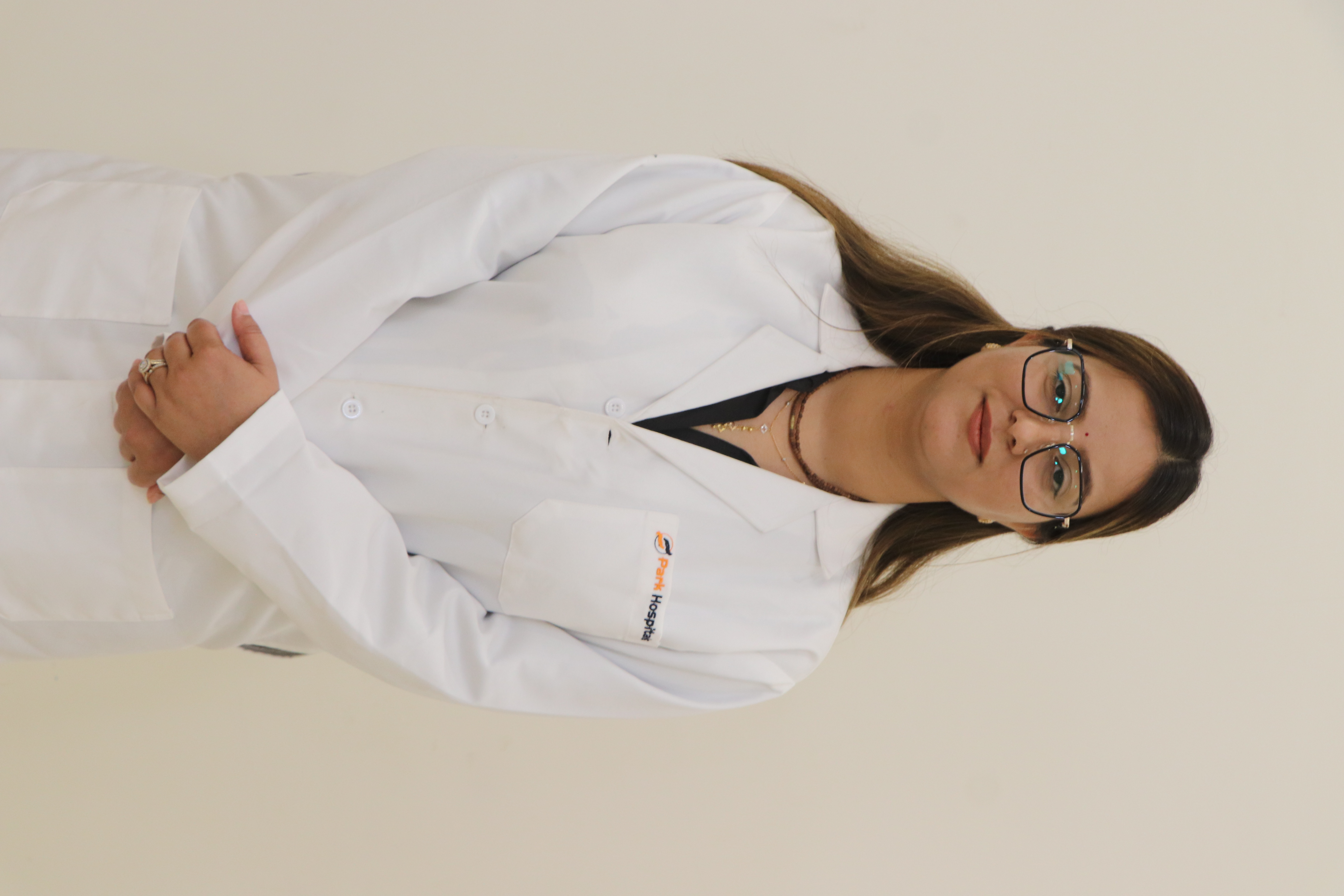
.jpeg)
























Our Hospital Locations
Healing Near You
Experience world-class clinical expertise and compassionate care at our advanced facilities conveniently located across the region
View All