
Gallstones
Gallstones are hardened deposits of bile fluid that form within the gallbladder, a small organ located beneath the liver that stores and releases bile to aid digestion. These stones can vary in size and may range from tiny particles to larger formations. While some individuals with gallstones may never experience symptoms, others may develop significant discomfort and complications that require medical attention. At Park Hospitals, advanced gastroenterology services, specialized diagnostic facilities, and experienced surgical teams support the early diagnosis and effective treatment of gallstones to help maintain digestive health and prevent complications.
Gallstones develop when substances in bile, such as cholesterol or bilirubin, become imbalanced and crystallize. Several factors can increase the risk of gallstone formation, including obesity, rapid weight loss, pregnancy, diabetes, increasing age, family history, and diets high in fat or cholesterol. Women are generally more likely than men to develop gallstones due to hormonal influences.
Many individuals with gallstones remain symptom-free. When symptoms occur, they commonly include sudden pain in the upper right abdomen, pain after meals, nausea, vomiting, bloating, indigestion, and discomfort that may radiate to the back or right shoulder. Episodes of pain, often referred to as biliary colic, can vary in intensity and duration.
If left untreated, gallstones can lead to complications such as gallbladder inflammation (cholecystitis), bile duct obstruction, pancreatitis, infection, and jaundice. These complications may require urgent medical intervention and can significantly affect overall health.
Diagnosis typically involves a detailed medical evaluation along with ultrasound imaging, blood tests, CT scans, magnetic resonance cholangiopancreatography (MRCP), and other specialized investigations when required. These assessments help specialists determine the size, number, and location of gallstones while identifying any associated complications.
Treatment depends on the presence and severity of symptoms. Asymptomatic gallstones may only require monitoring, while symptomatic cases often require treatment. Management may include medications in selected situations, although surgical removal of the gallbladder, known as cholecystectomy, is the most common and effective treatment for recurrent or complicated gallstones.
With experienced gastroenterologists, advanced imaging technology, and comprehensive surgical care services, Park Hospitals provides personalized treatment and long-term support for individuals with gallstones. Early diagnosis and timely intervention can help relieve symptoms, prevent complications, and support better digestive health outcomes.
Meet Our Experts
Experienced Clinical Leaders
Consult with our highly skilled specialists dedicated to providing world-class medical expertise and personalized treatment plans.
Find A Doctor

























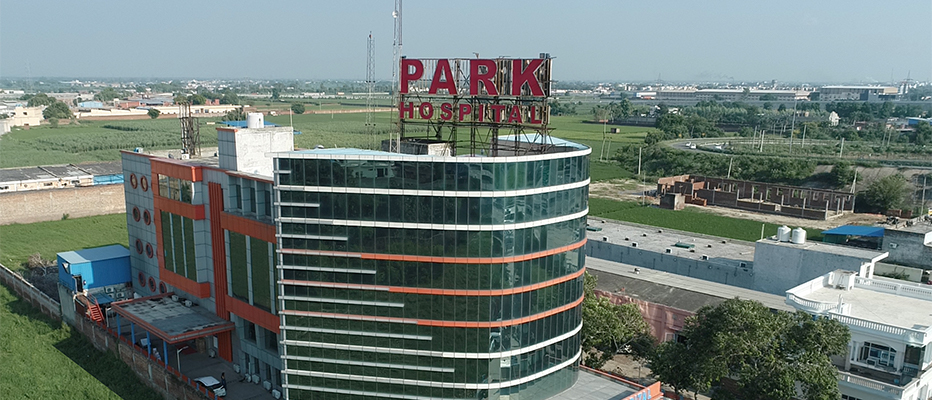


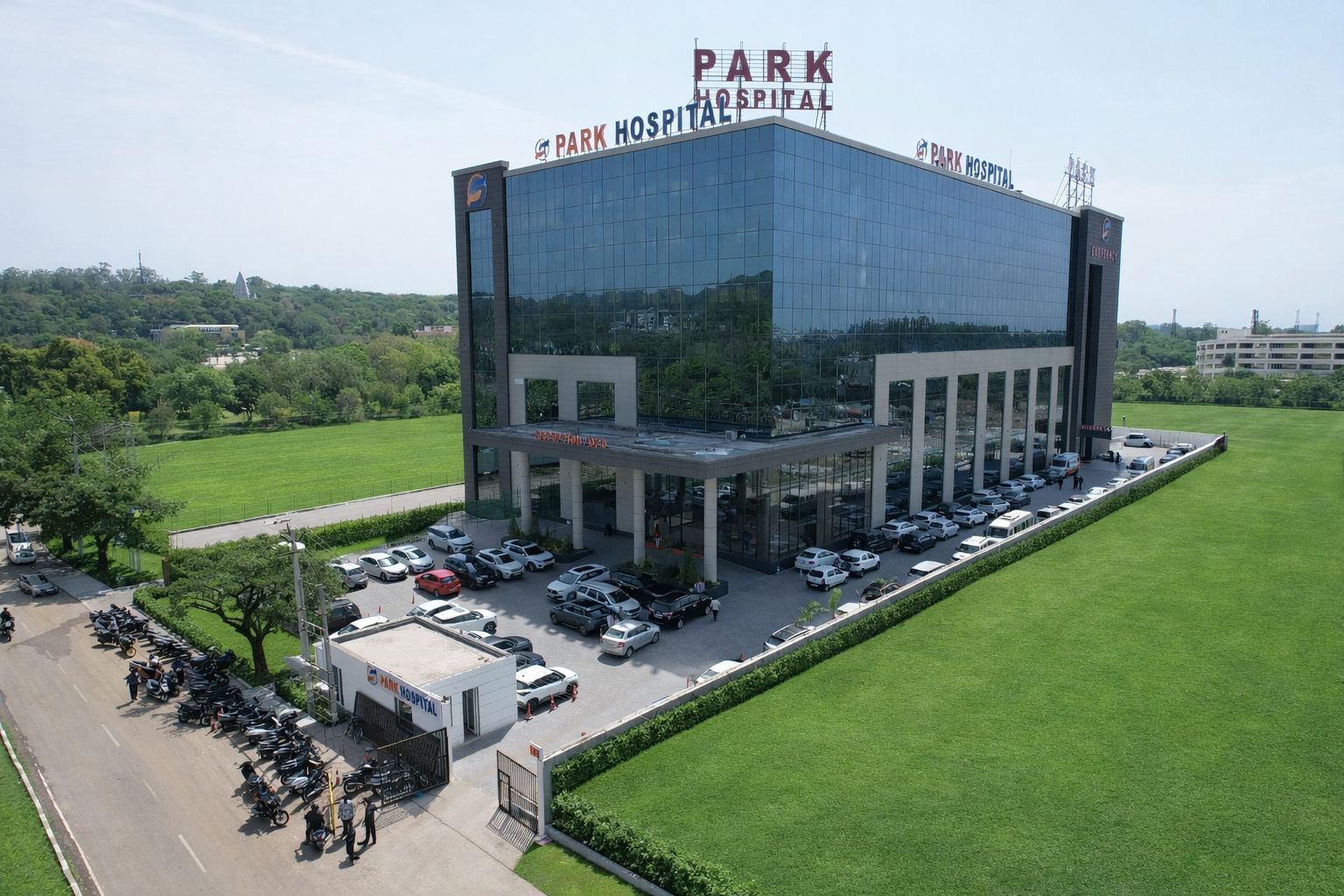







Our Hospital Locations
Healing Near You
Experience world-class clinical expertise and compassionate care at our advanced facilities conveniently located across the region
View All