
Gastroesophageal Reflux Disease (GERD)
Gastroesophageal reflux disease (GERD) is a chronic digestive disorder that occurs when stomach acid or stomach contents repeatedly flow back into the esophagus, the tube that connects the mouth to the stomach. This backward flow, known as acid reflux, can irritate the lining of the esophagus and lead to persistent symptoms. While occasional acid reflux is common, frequent or ongoing reflux may indicate GERD and require medical evaluation. At Park Hospitals, advanced gastroenterology services, specialized diagnostic facilities, and comprehensive digestive care programs support the early diagnosis and effective management of gastroesophageal reflux disease to improve digestive health and quality of life.
GERD develops when the lower esophageal sphincter, a muscular valve between the esophagus and stomach, becomes weakened or relaxes inappropriately. Several factors may increase the risk of developing GERD, including obesity, pregnancy, smoking, hiatal hernia, certain medications, and diets high in fatty, spicy, or acidic foods. Frequent consumption of alcohol and caffeinated beverages may also contribute to symptoms in some individuals.
Common symptoms include persistent heartburn, a burning sensation in the chest, regurgitation of food or sour-tasting fluid, difficulty swallowing, chest discomfort, chronic cough, hoarseness, sore throat, and a sensation of a lump in the throat. Symptoms often worsen after meals, when lying down, or during sleep.
If left untreated, GERD can lead to complications such as esophagitis, esophageal ulcers, narrowing of the esophagus, chronic respiratory problems, and Barrett's esophagus, a condition associated with an increased risk of esophageal cancer. Early diagnosis and treatment are important to prevent long-term damage.
Diagnosis typically involves a detailed medical evaluation along with upper gastrointestinal endoscopy, pH monitoring studies, esophageal manometry, and other specialized investigations when necessary. These assessments help specialists evaluate the severity of reflux and identify associated complications.
Treatment focuses on reducing reflux, relieving symptoms, and preventing complications. Management may include dietary and lifestyle modifications, weight management, medications that reduce stomach acid production, and surgical interventions in selected cases when conservative treatment is ineffective.
With experienced gastroenterologists, advanced diagnostic technology, and comprehensive digestive care services, Park Hospitals provides personalized treatment and long-term management for individuals with GERD. Early diagnosis and timely intervention can help control symptoms, protect the esophagus, and support better long-term digestive health.
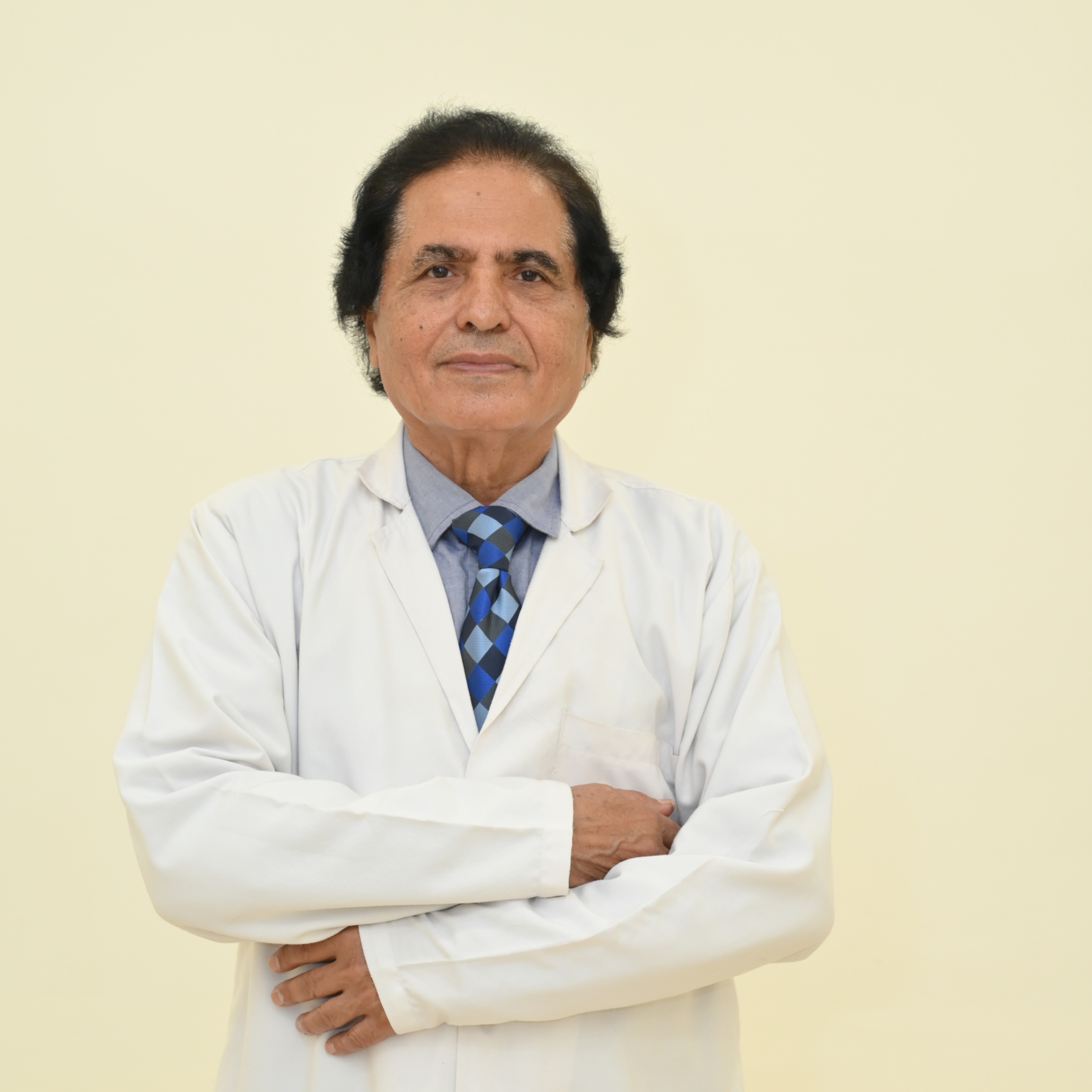
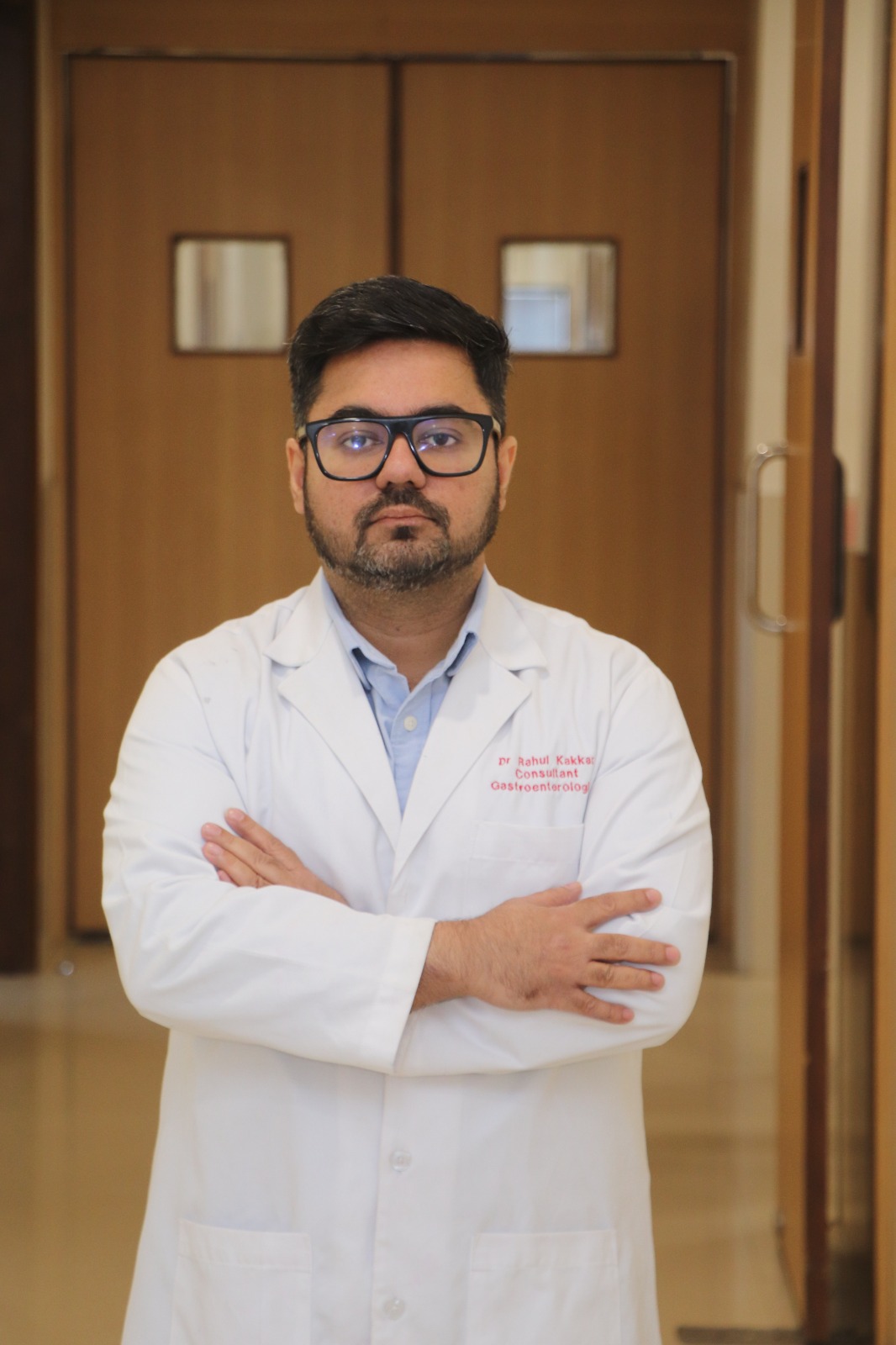
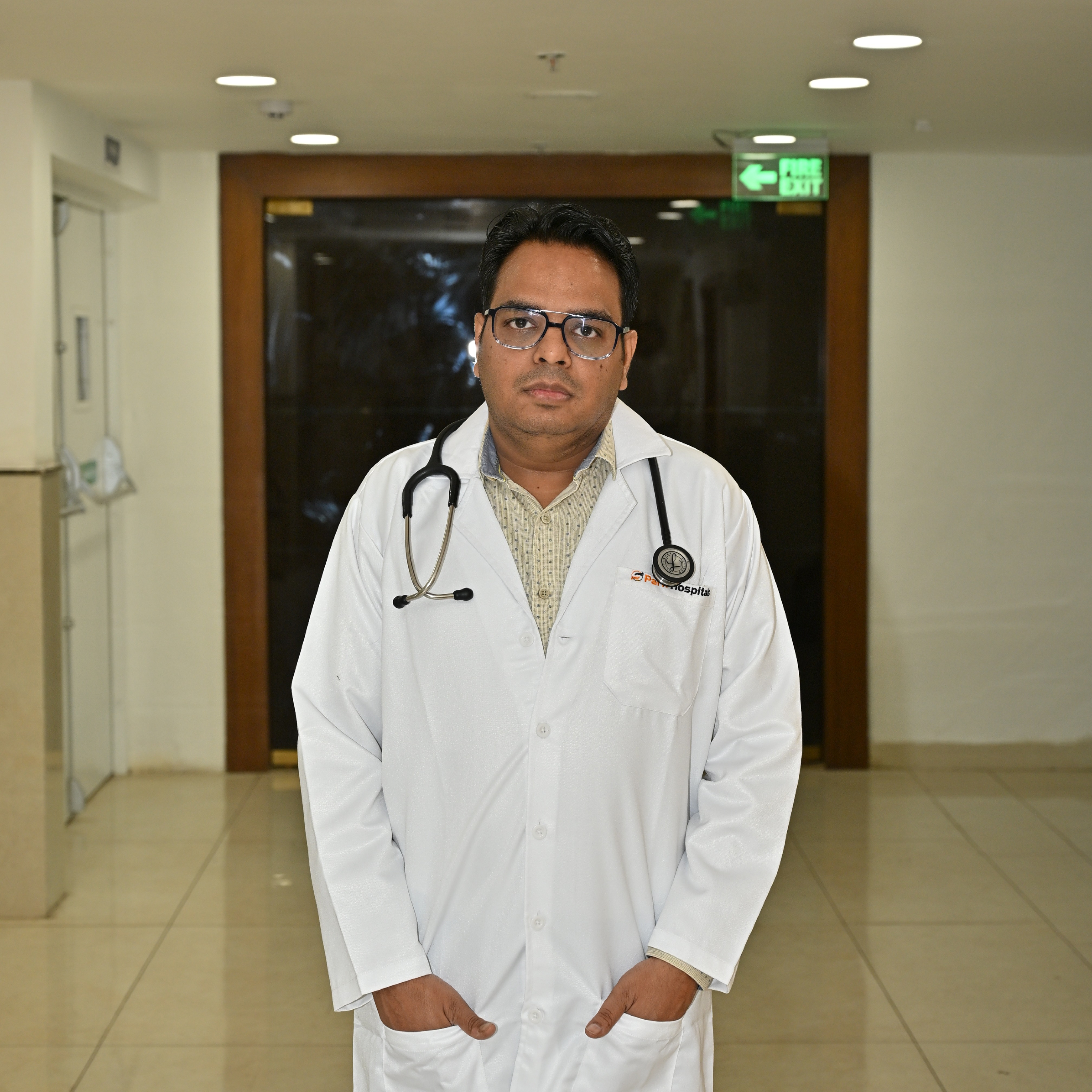
Meet Our Experts
Experienced Clinical Leaders
Consult with our highly skilled specialists dedicated to providing world-class medical expertise and personalized treatment plans.
Find A Doctor





















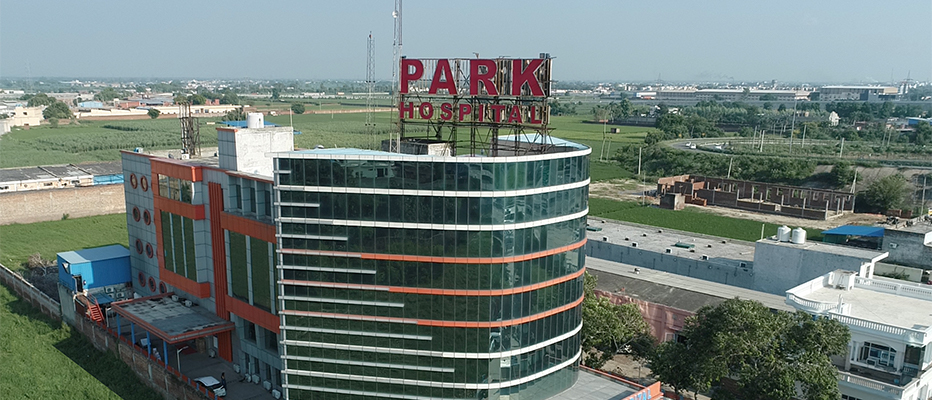


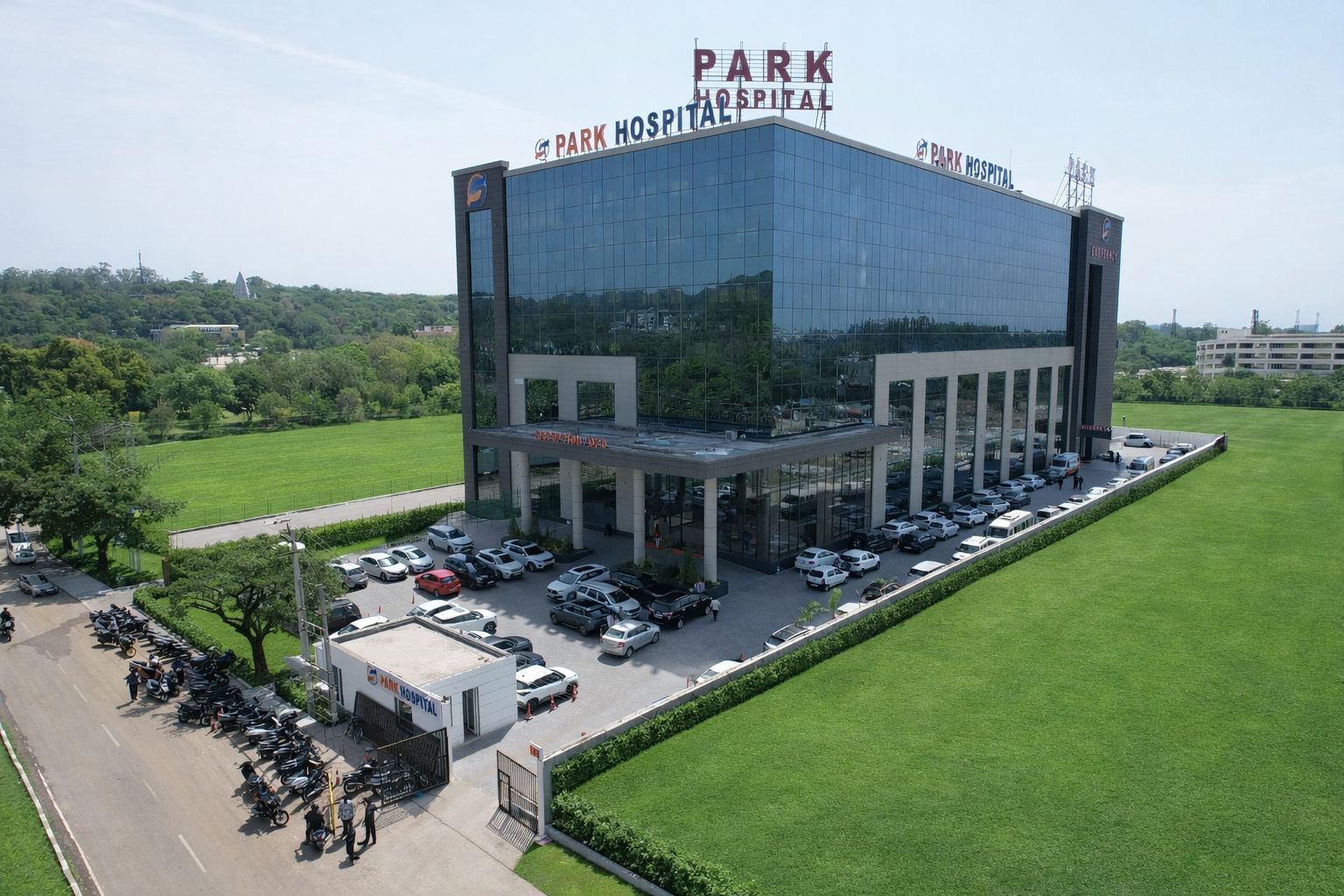
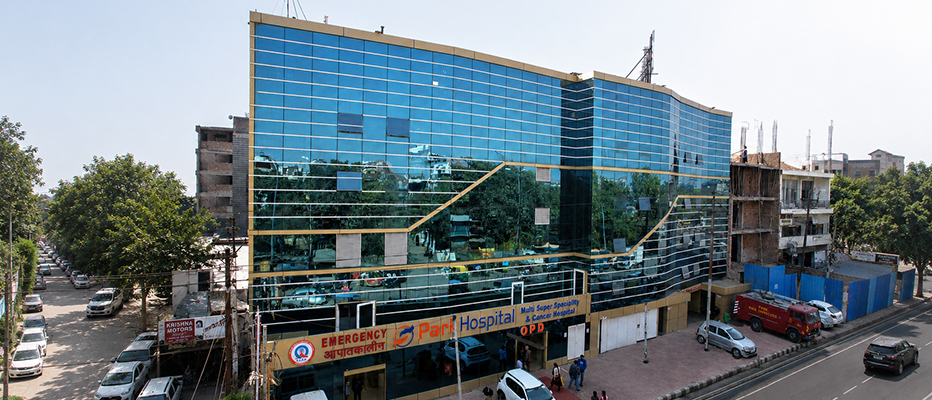

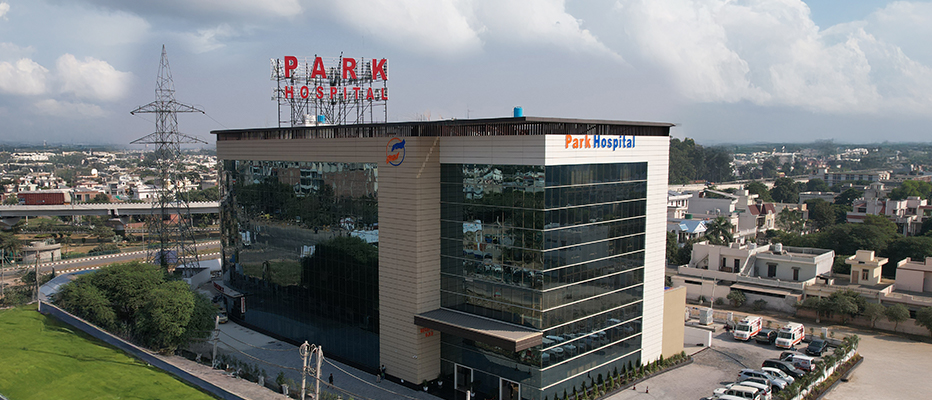
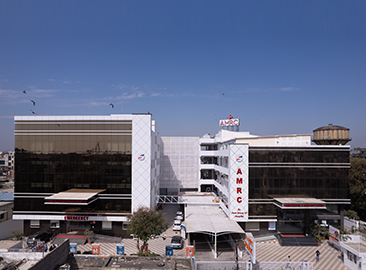

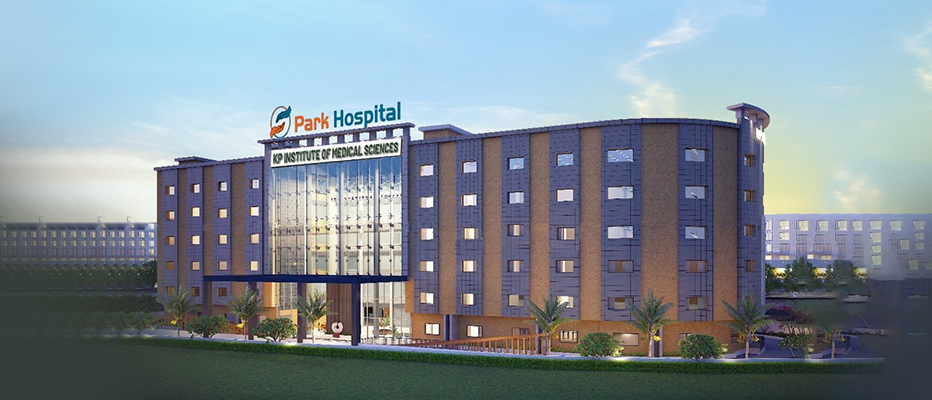
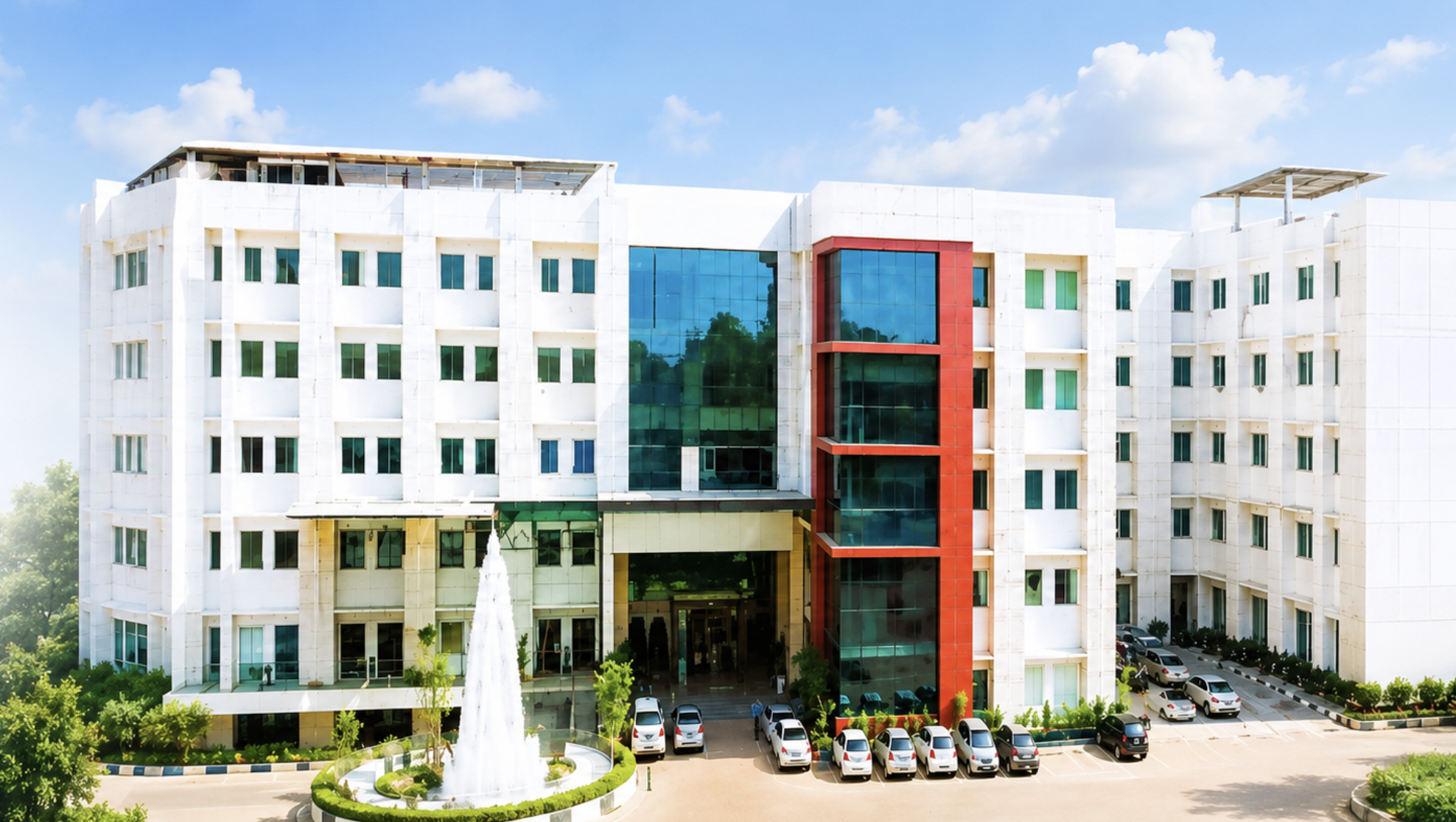
Our Hospital Locations
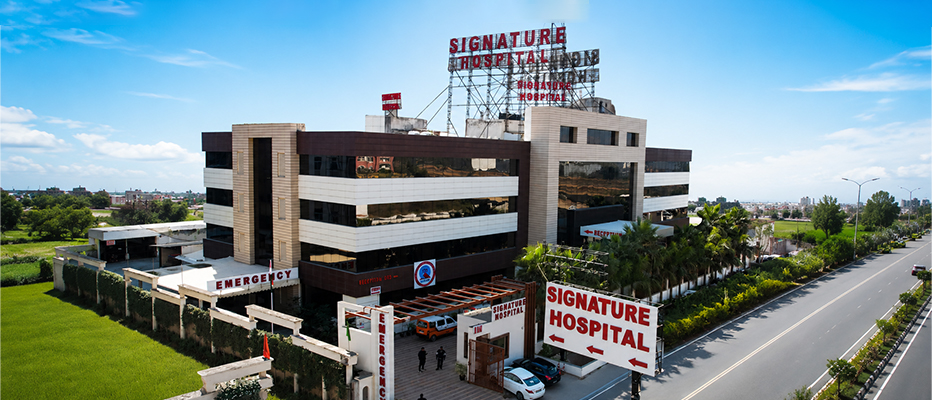
Healing Near You
Experience world-class clinical expertise and compassionate care at our advanced facilities conveniently located across the region
View All