
Menstrual Disorders
Menstrual disorders are conditions that affect the normal menstrual cycle, including changes in the frequency, duration, timing, or amount of menstrual bleeding. These disorders can occur at any stage of a woman's reproductive life and may significantly impact physical health, emotional well-being, and quality of life. Common menstrual disorders include heavy menstrual bleeding, painful periods, irregular cycles, absent menstruation, and abnormal uterine bleeding. At Park Hospitals, advanced gynecology services, specialized diagnostic facilities, and comprehensive women's health programs support the early diagnosis and effective management of menstrual disorders to promote reproductive health and overall well-being.
Several factors can contribute to menstrual disorders. Hormonal imbalances, polycystic ovary syndrome (PCOS), thyroid disorders, uterine fibroids, endometriosis, stress, excessive exercise, certain medications, and underlying medical conditions may disrupt the normal menstrual cycle. Age-related hormonal changes during adolescence and perimenopause can also affect menstrual patterns.
Symptoms vary depending on the underlying cause. Common signs include unusually heavy or prolonged menstrual bleeding, irregular periods, missed periods, severe menstrual cramps, pelvic pain, spotting between periods, and symptoms associated with anemia such as fatigue and weakness. Some individuals may also experience emotional and hormonal symptoms that affect daily activities.
If left untreated, menstrual disorders can lead to complications such as anemia, chronic pelvic pain, fertility problems, hormonal imbalances, and reduced quality of life. Early medical evaluation is important to identify the underlying cause and prevent long-term health concerns.
Diagnosis typically involves a detailed medical history, physical examination, blood tests, hormonal assessments, pelvic ultrasound, and other specialized investigations when necessary. These evaluations help specialists determine the cause and severity of the condition.
Treatment depends on the underlying disorder and individual health needs. Management may include lifestyle modifications, hormonal therapies, medications, treatment of underlying conditions, minimally invasive procedures, or surgical interventions in selected cases.
With experienced gynecologists, advanced diagnostic technology, and comprehensive women's healthcare services, Park Hospitals provides personalized treatment and ongoing support for individuals with menstrual disorders. Early diagnosis and timely intervention can help restore menstrual health, reduce symptoms, and support better long-term reproductive outcomes.
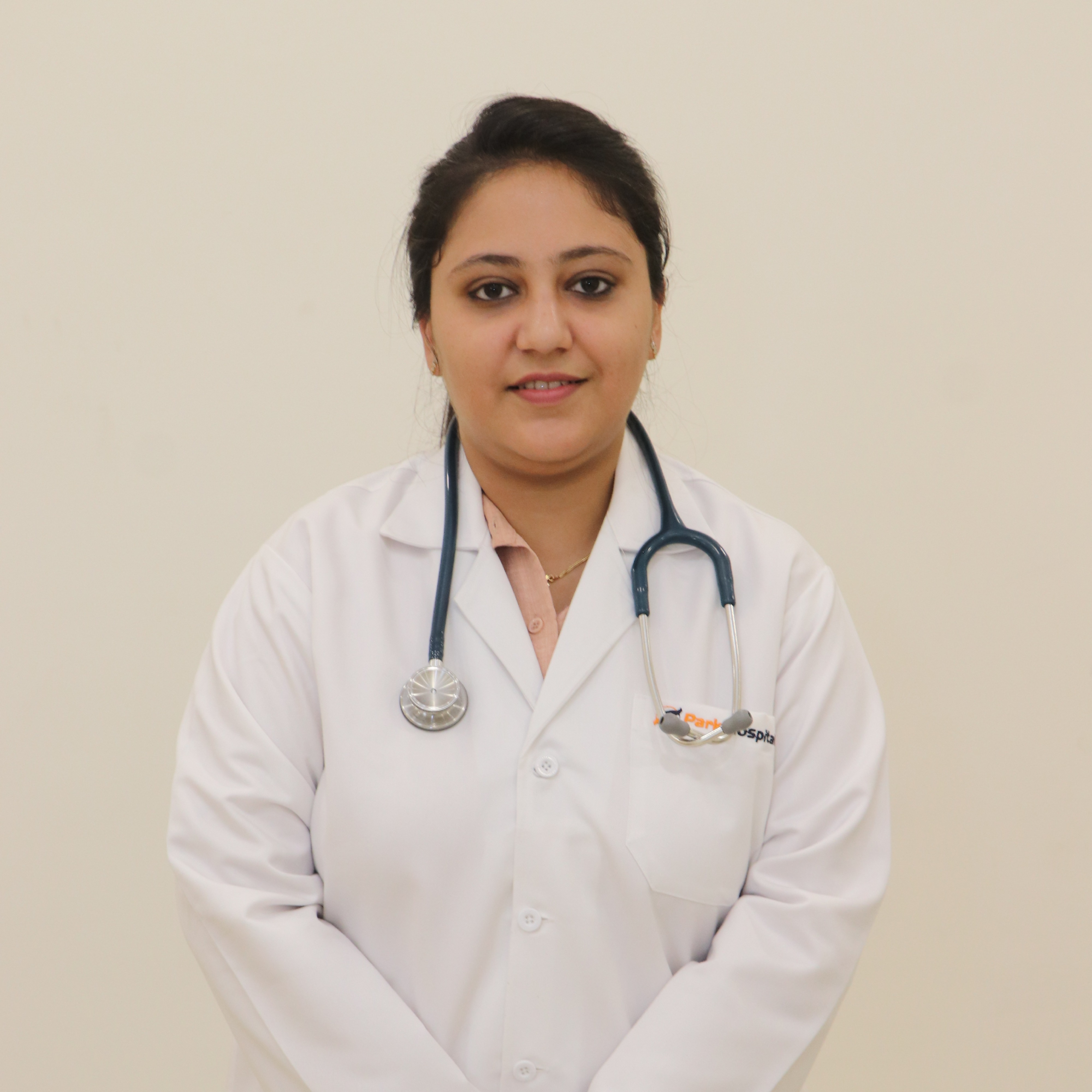
Meet Our Experts
Experienced Clinical Leaders
Consult with our highly skilled specialists dedicated to providing world-class medical expertise and personalized treatment plans.
Find A Doctor


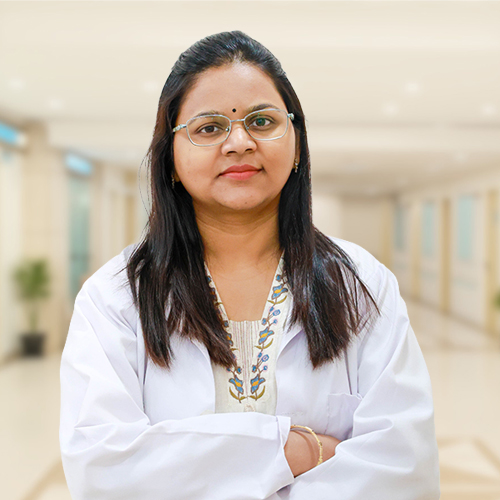





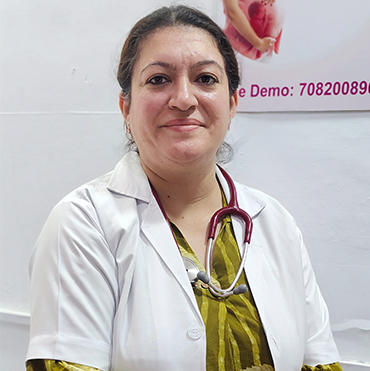

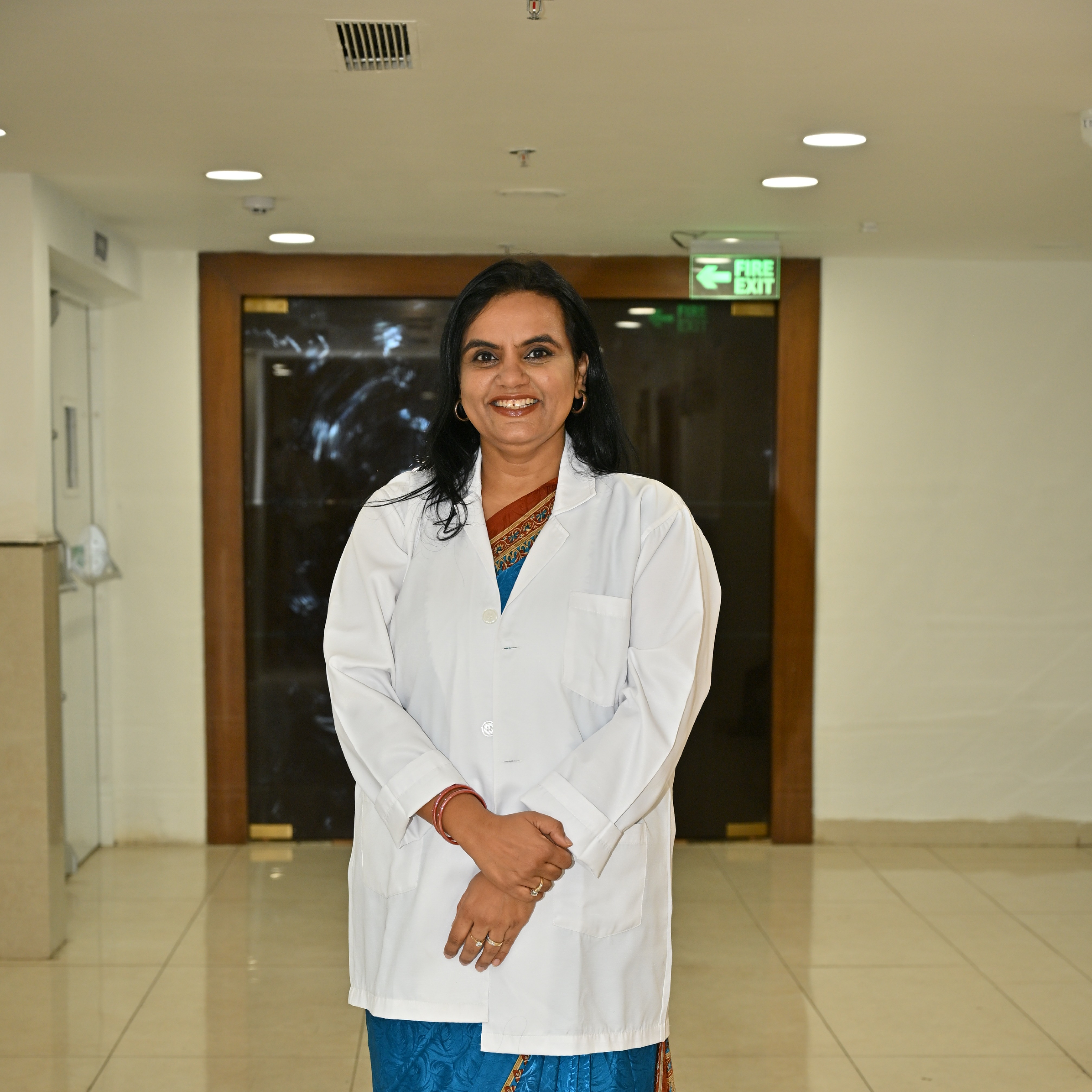

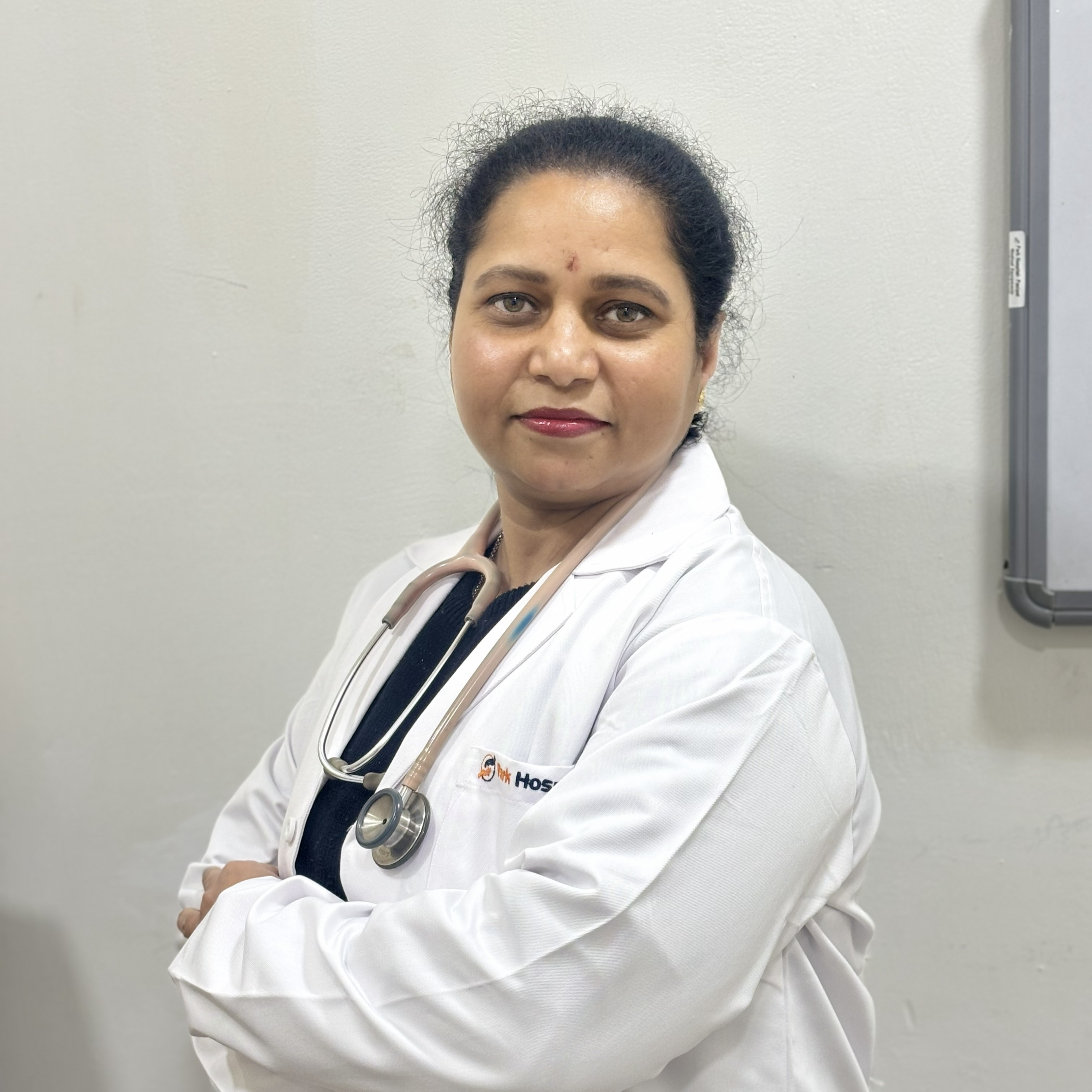



 Raman Malhi.png)

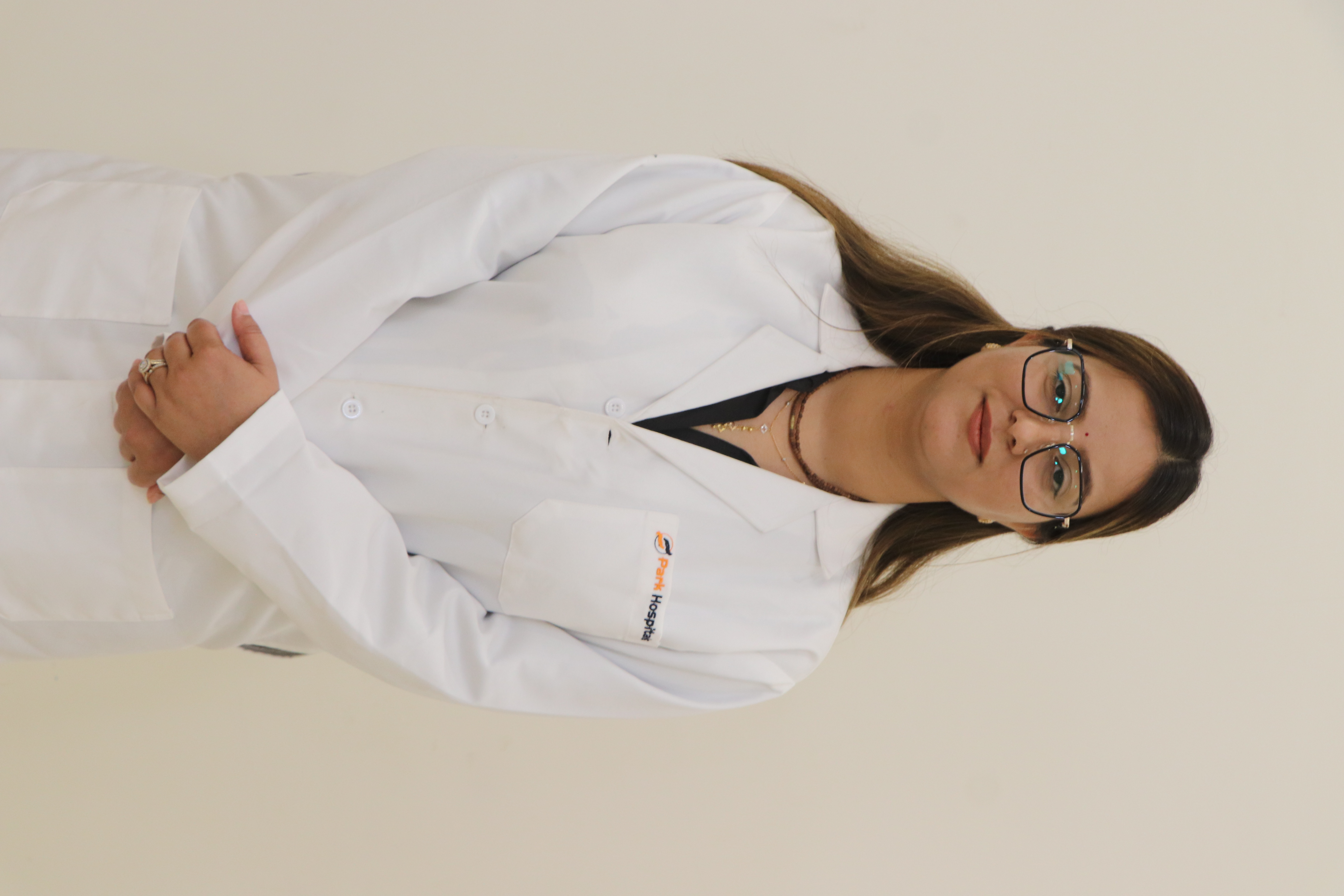
.jpeg)
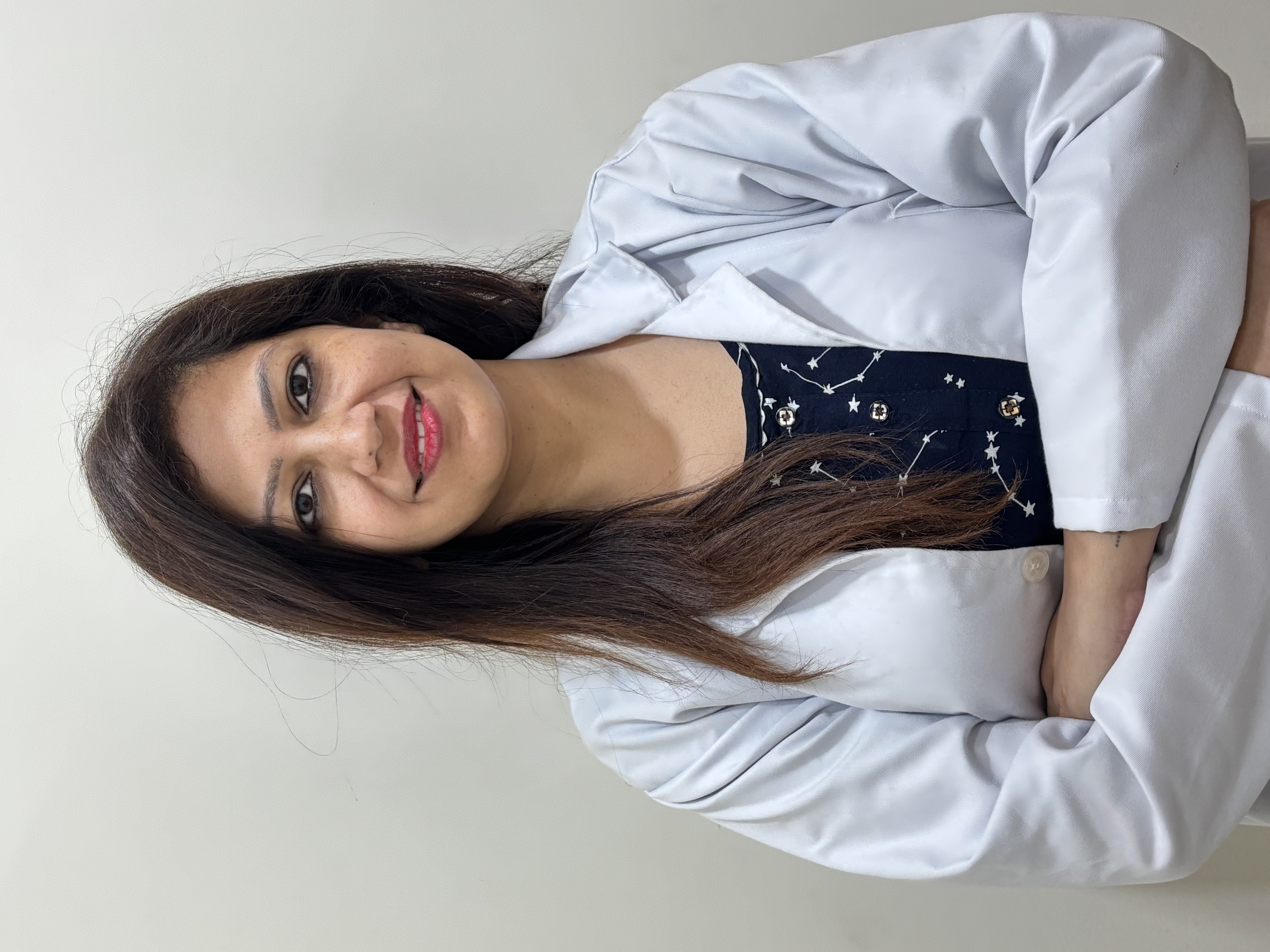




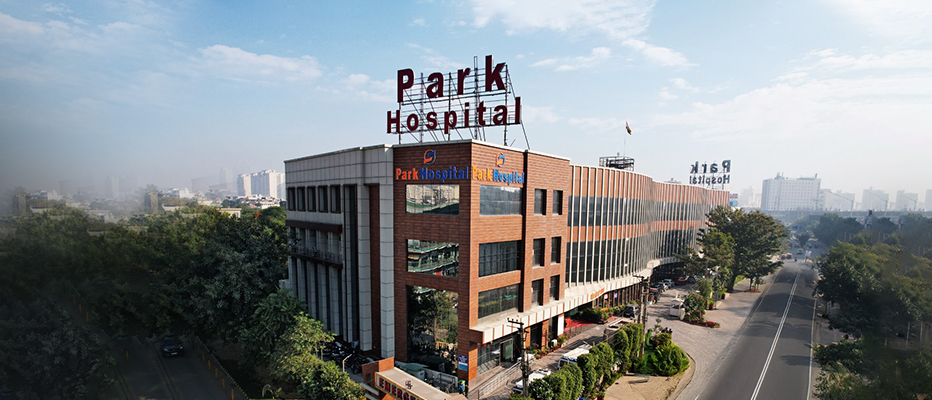

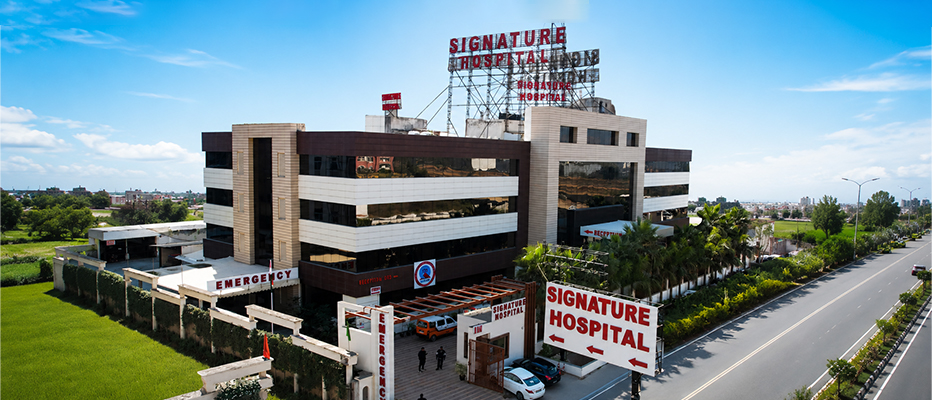
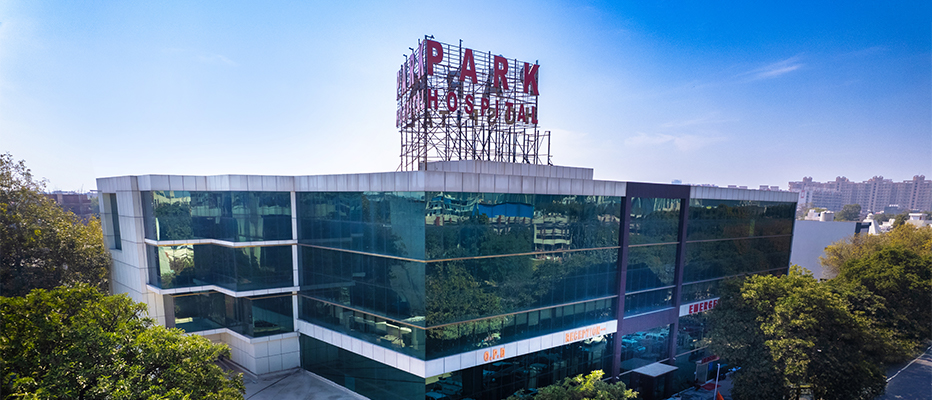
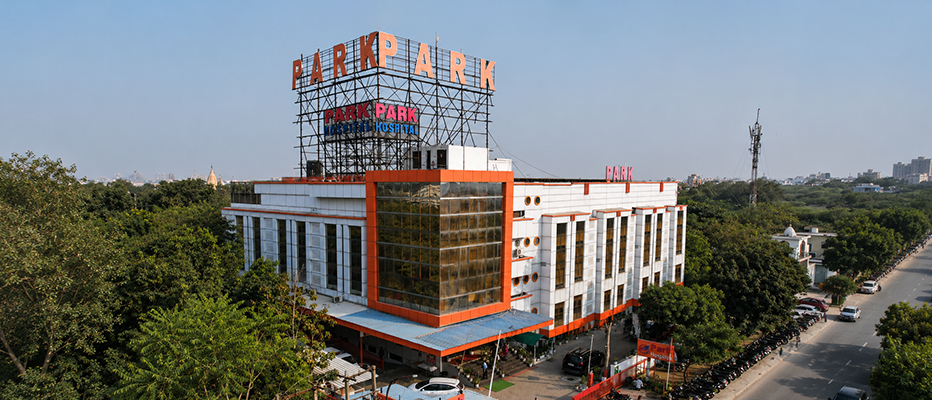
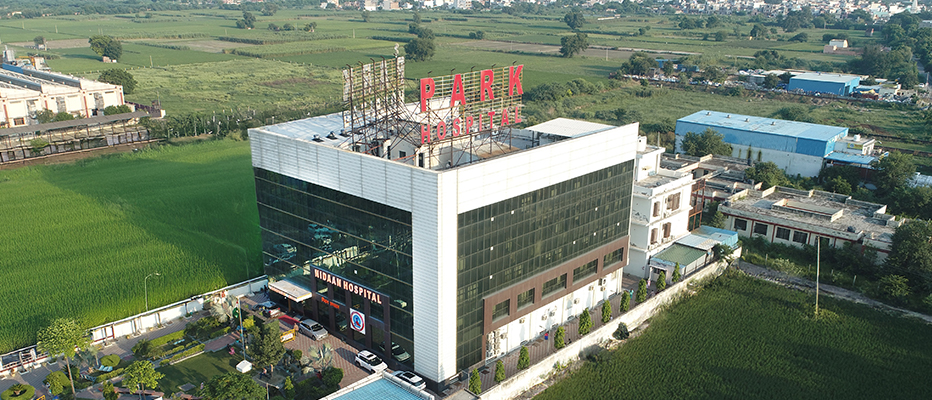
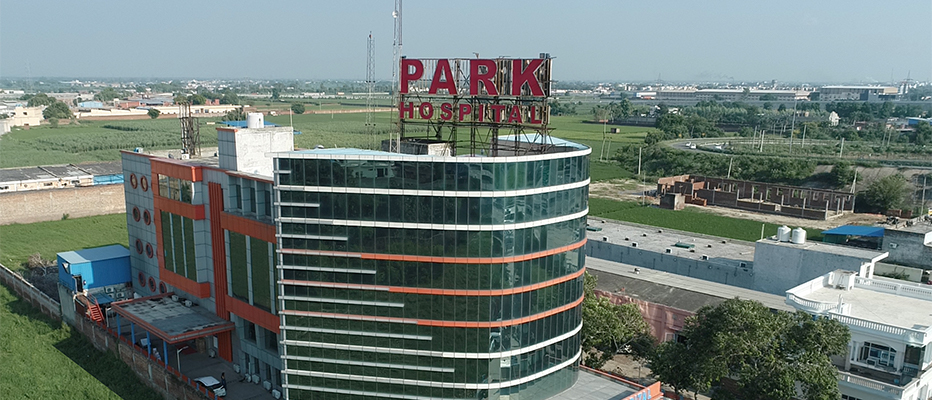
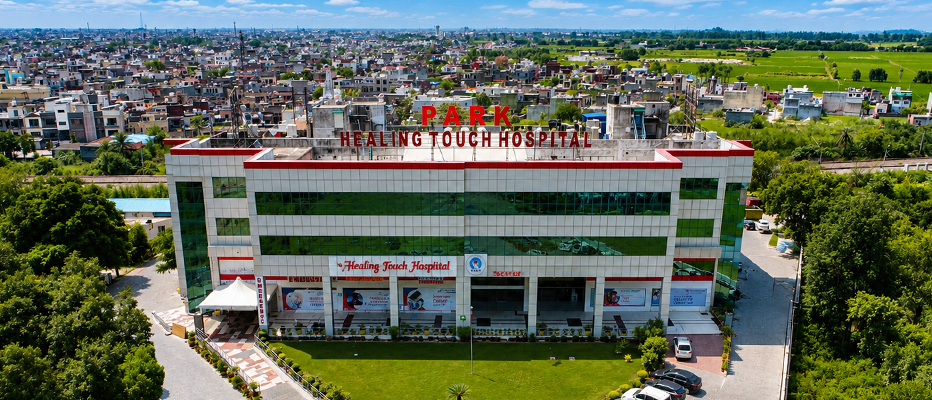
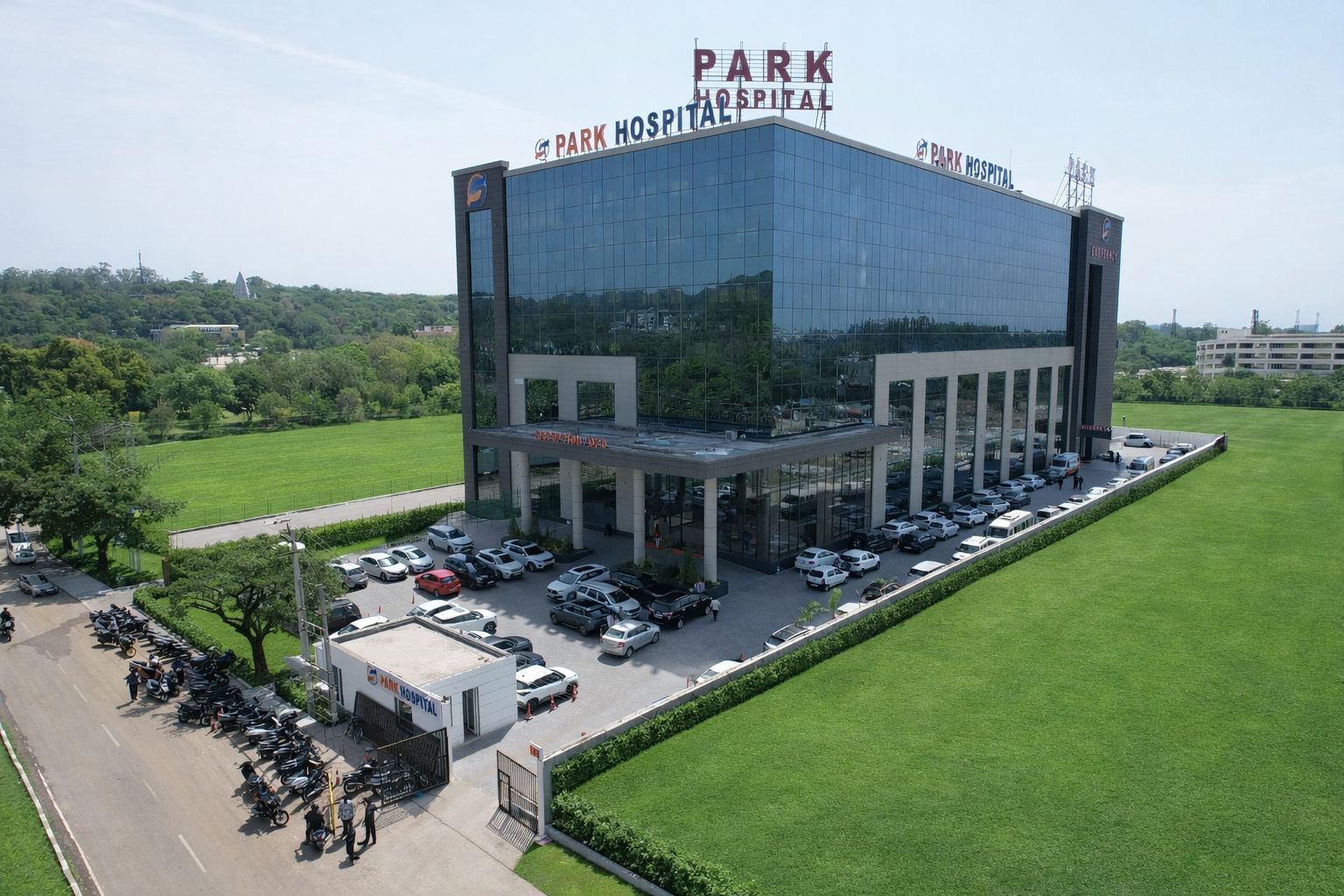
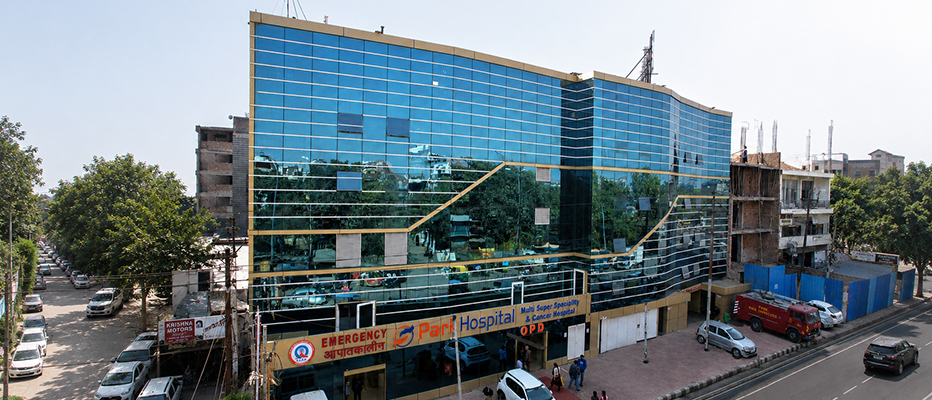






Our Hospital Locations
Healing Near You
Experience world-class clinical expertise and compassionate care at our advanced facilities conveniently located across the region
View All