
Parkinson’s Disease
Parkinson’s disease is a progressive neurological disorder that affects movement, coordination, and balance. The condition develops when nerve cells in a specific region of the brain gradually lose their ability to produce dopamine, a chemical messenger that helps regulate smooth and controlled muscle movements. Parkinson’s disease typically develops gradually and can affect various aspects of physical and cognitive functioning over time. At Park Hospitals, advanced neurology services, specialized diagnostic facilities, and comprehensive movement disorder programs support the early diagnosis and effective management of Parkinson’s disease to help maintain independence and quality of life.
The exact cause of Parkinson’s disease remains unclear, although a combination of genetic and environmental factors is believed to contribute to its development. Increasing age is one of the most significant risk factors, and the condition is more commonly diagnosed in older adults. Certain genetic mutations, exposure to environmental toxins, and family history may also increase susceptibility in some individuals.
Symptoms often begin gradually and may vary from person to person. Common signs include tremors, slowed movements, muscle stiffness, balance difficulties, changes in posture, and reduced facial expressions. Individuals may also experience speech changes, sleep disturbances, constipation, mood changes, and cognitive difficulties as the disease progresses.
If left untreated, Parkinson’s disease can lead to increasing mobility limitations, falls, difficulties with daily activities, swallowing problems, and reduced quality of life. Although the condition cannot currently be cured, early intervention can significantly improve symptom control and functional independence.
Diagnosis typically involves a detailed neurological evaluation, review of symptoms, physical examination, and specialized assessments to exclude other neurological disorders. Imaging studies may be recommended in selected cases to support diagnosis and evaluate related conditions.
Treatment focuses on managing symptoms and maintaining functional ability. Management may include medications that improve dopamine activity, physical therapy, occupational therapy, speech therapy, lifestyle modifications, and advanced therapies such as deep brain stimulation for selected patients.
With experienced neurologists, advanced diagnostic technology, and comprehensive movement disorder care services, Park Hospitals provides personalized treatment and long-term support for individuals living with Parkinson’s disease. Early diagnosis and ongoing management can help improve mobility, reduce complications, and support better long-term neurological health.
Meet Our Experts
Experienced Clinical Leaders
Consult with our highly skilled specialists dedicated to providing world-class medical expertise and personalized treatment plans.
Find A Doctor




.jpg)









.png)
.jpeg)










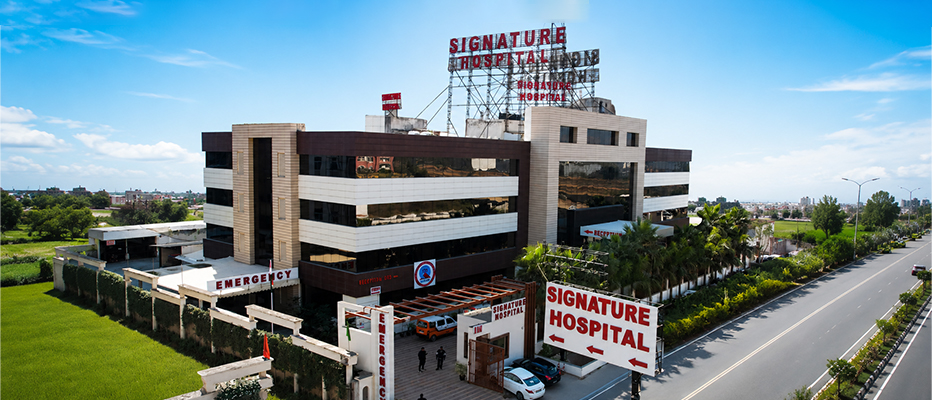






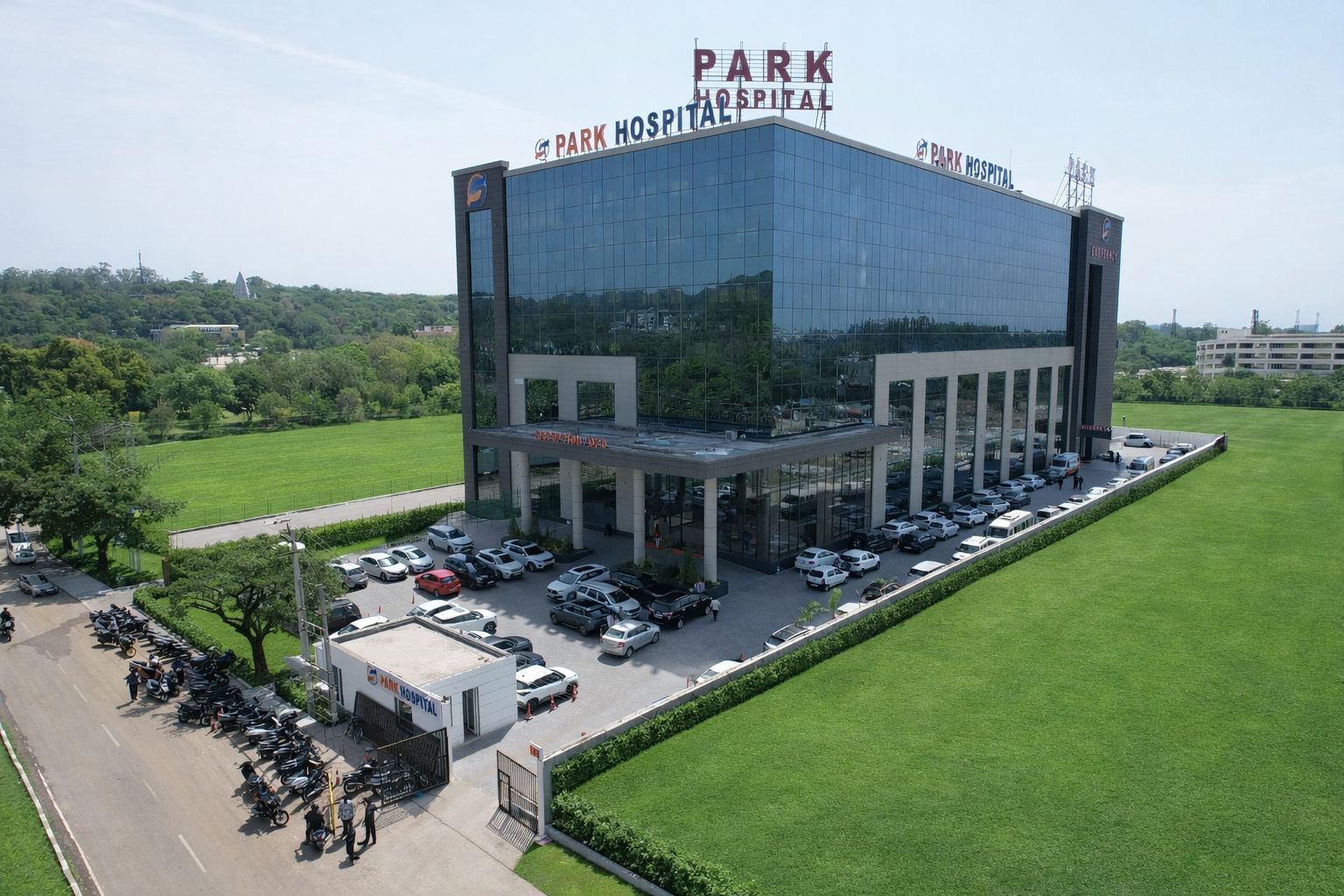
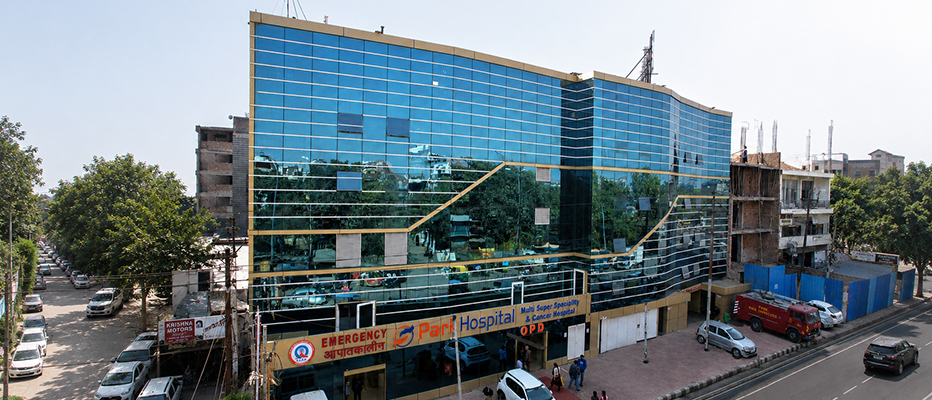




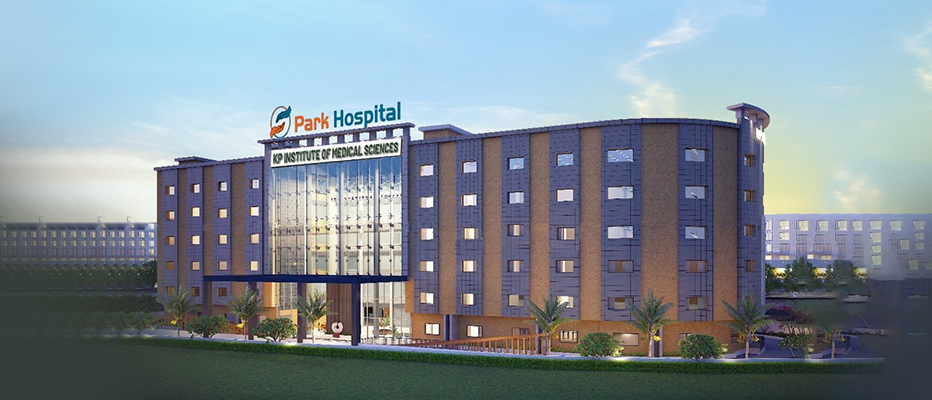

Our Hospital Locations
Healing Near You
Experience world-class clinical expertise and compassionate care at our advanced facilities conveniently located across the region
View All