
Stroke
A stroke is a serious medical emergency that occurs when blood flow to a part of the brain is interrupted or reduced, preventing brain tissue from receiving adequate oxygen and nutrients. Within minutes, affected brain cells begin to suffer damage, making rapid medical intervention critical. Strokes are broadly classified as ischemic strokes, caused by blocked blood vessels, and hemorrhagic strokes, caused by bleeding within the brain. At Park Hospitals, advanced neurology services, specialized stroke care units, and comprehensive emergency medical facilities support the rapid diagnosis and treatment of stroke to improve recovery and reduce long-term disability.
Several factors can increase the risk of stroke. Common risk factors include high blood pressure, diabetes, high cholesterol levels, smoking, obesity, heart disease, atrial fibrillation, excessive alcohol consumption, and a family history of cardiovascular disease. Advancing age and certain lifestyle factors may further contribute to stroke risk.
Symptoms typically appear suddenly and may include weakness or numbness on one side of the body, facial drooping, difficulty speaking or understanding speech, loss of balance, dizziness, vision disturbances, severe headache, and confusion. Prompt recognition of these symptoms is essential because early treatment can significantly improve outcomes.
If left untreated, stroke can result in permanent neurological damage, paralysis, speech difficulties, cognitive impairment, swallowing problems, and death. Early medical intervention is crucial to minimize brain injury and maximize recovery potential.
Diagnosis typically involves emergency neurological evaluation along with brain imaging studies such as CT scans and MRI, blood tests, vascular imaging, and cardiac assessments. These investigations help determine the type, location, and severity of the stroke.
Treatment depends on the type of stroke and timing of presentation. Management may include clot-dissolving medications, mechanical thrombectomy, blood pressure management, surgical intervention, rehabilitation therapies, and long-term preventive care.
With experienced neurologists, stroke specialists, advanced imaging technology, and comprehensive rehabilitation services, Park Hospitals provides personalized treatment and ongoing support for individuals affected by stroke. Early diagnosis and immediate intervention can help improve survival, reduce complications, and support better long-term neurological outcomes.
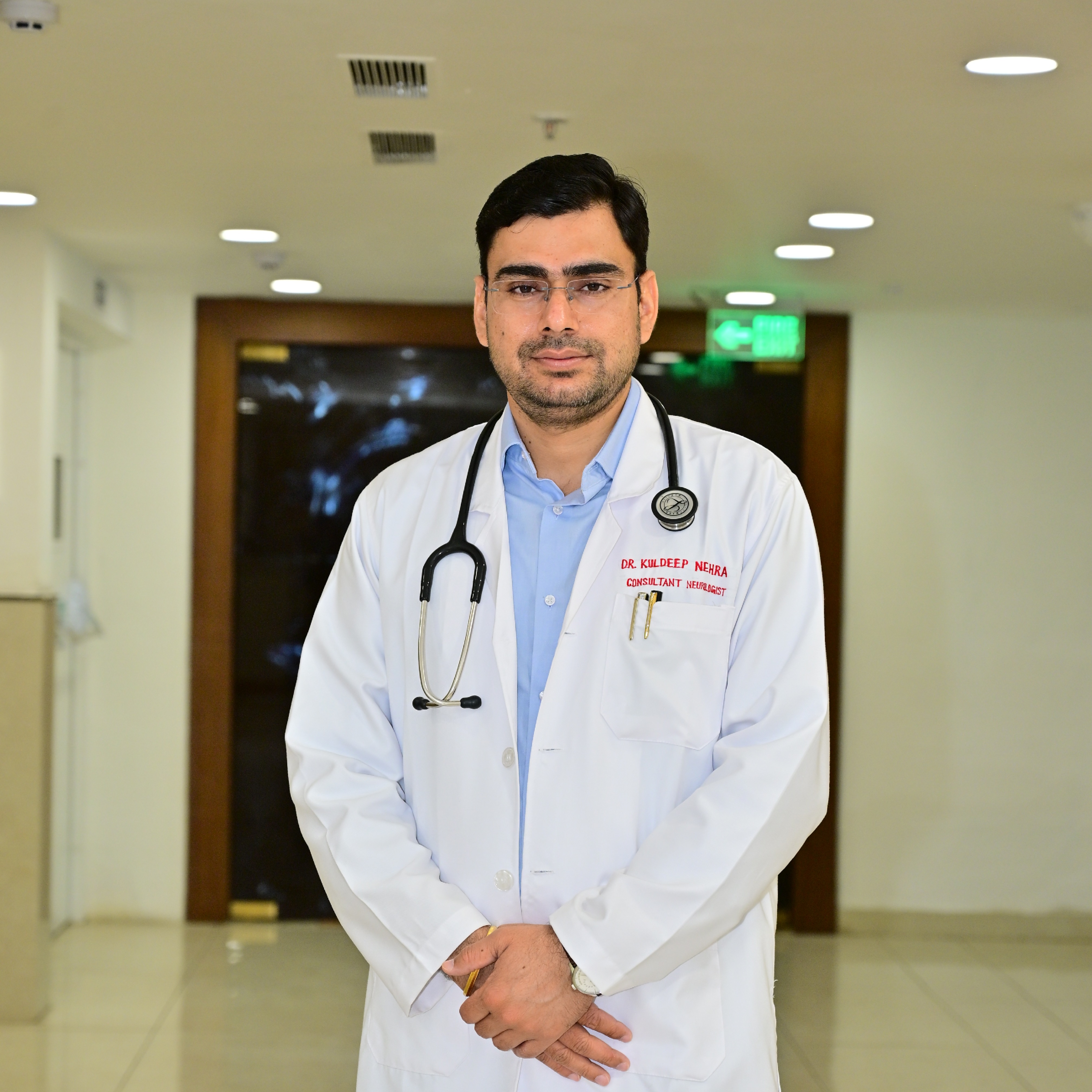
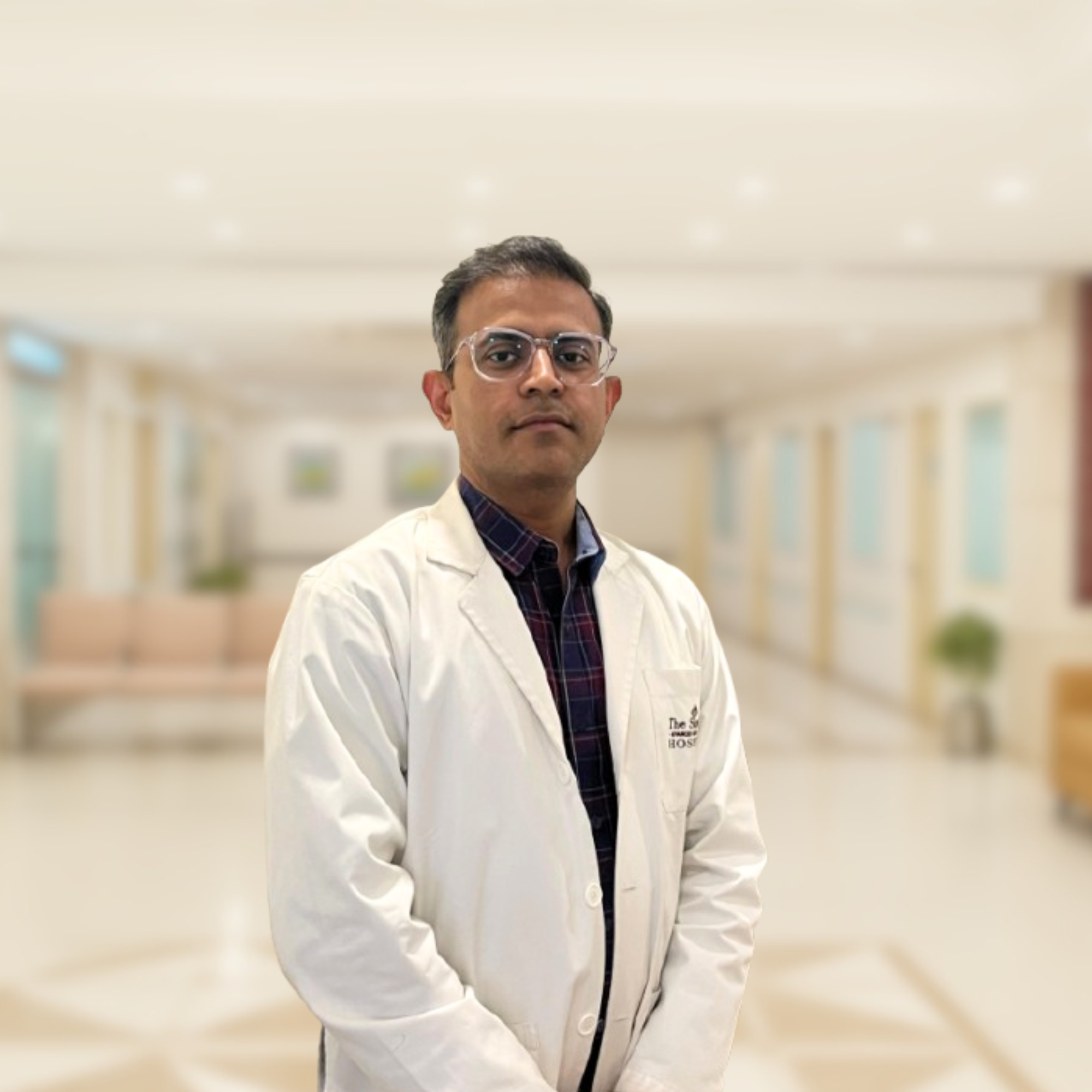
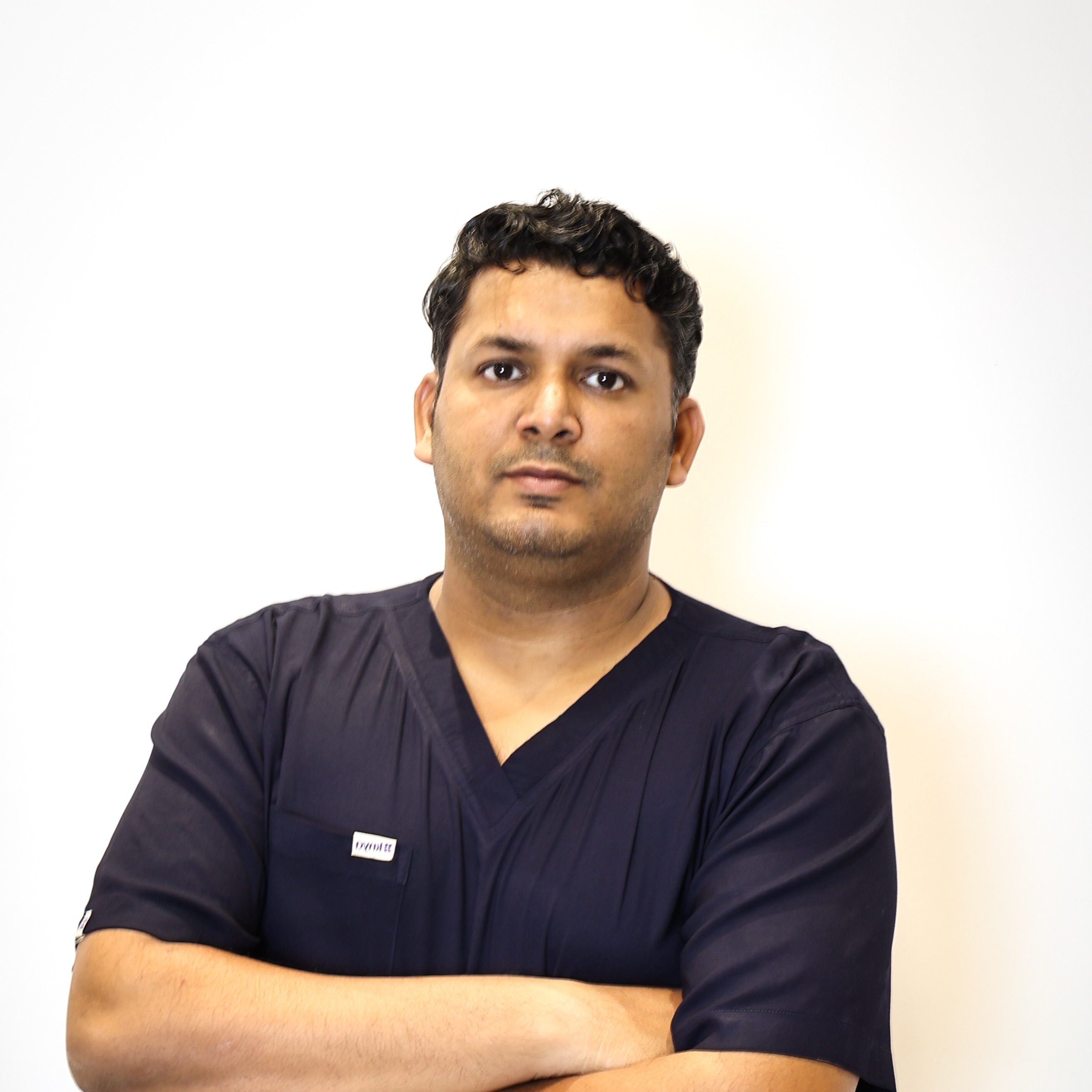
Meet Our Experts
Experienced Clinical Leaders
Consult with our highly skilled specialists dedicated to providing world-class medical expertise and personalized treatment plans.
Find A Doctor



.jpg)





.png)
.jpeg)








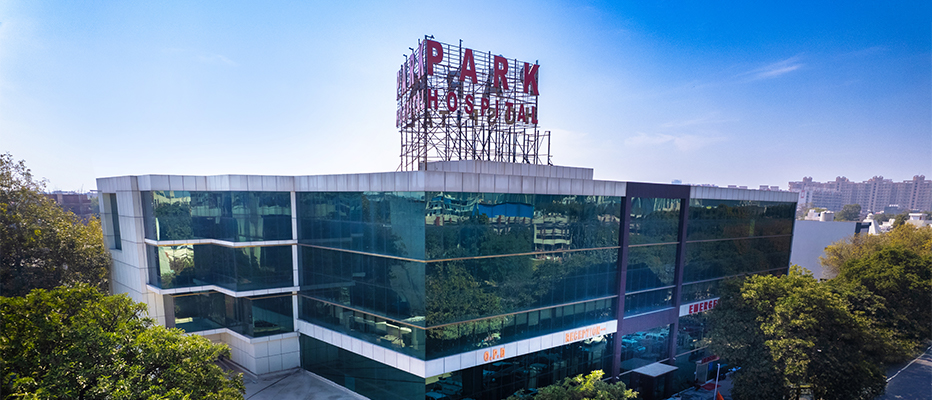





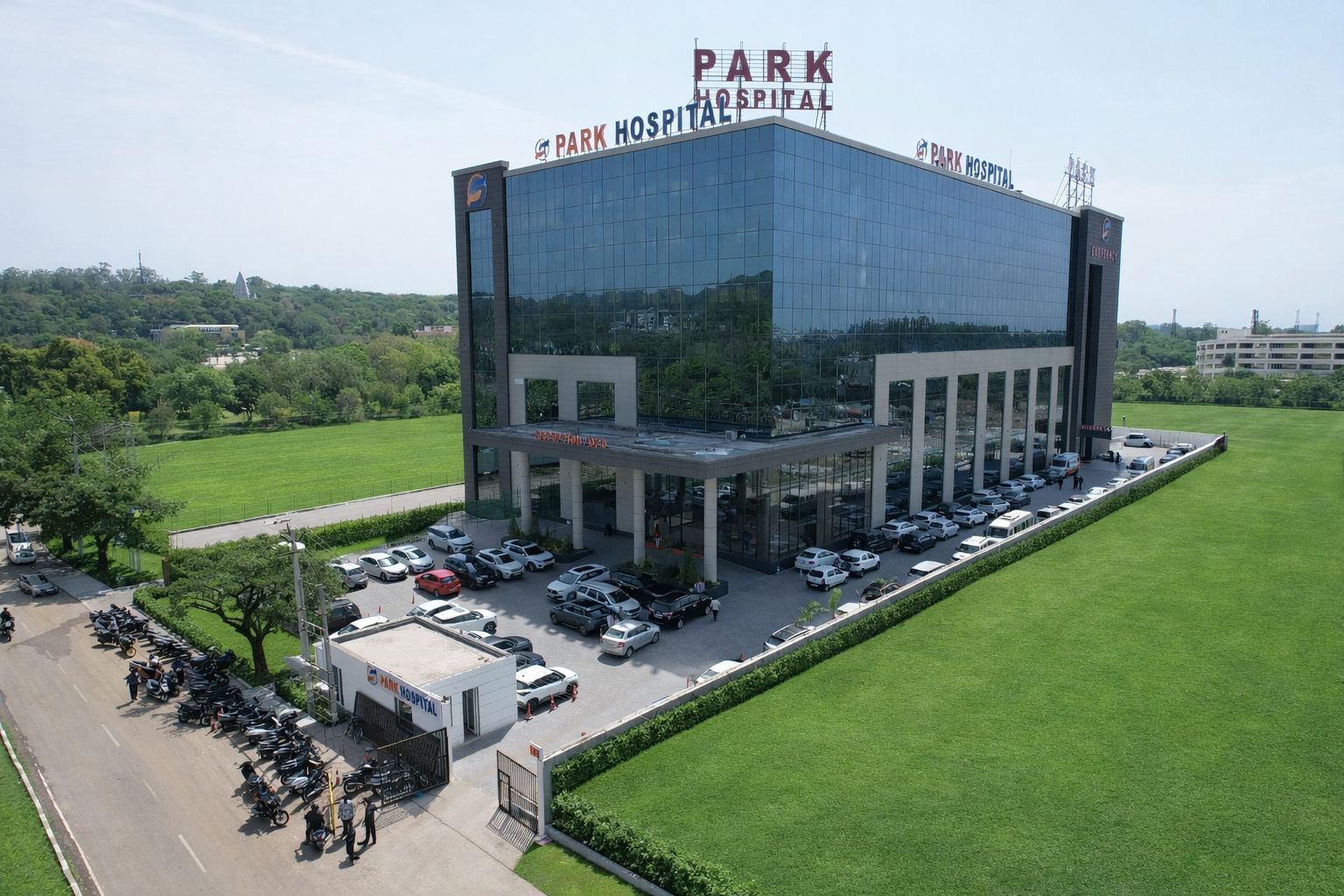




Our Hospital Locations
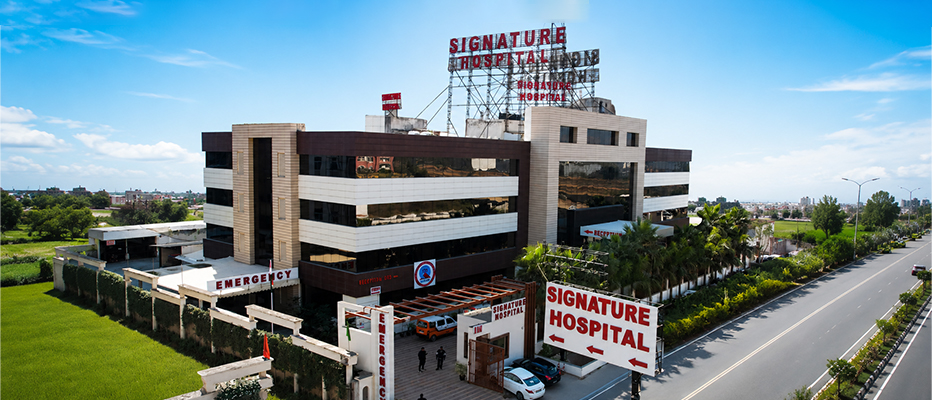
Healing Near You
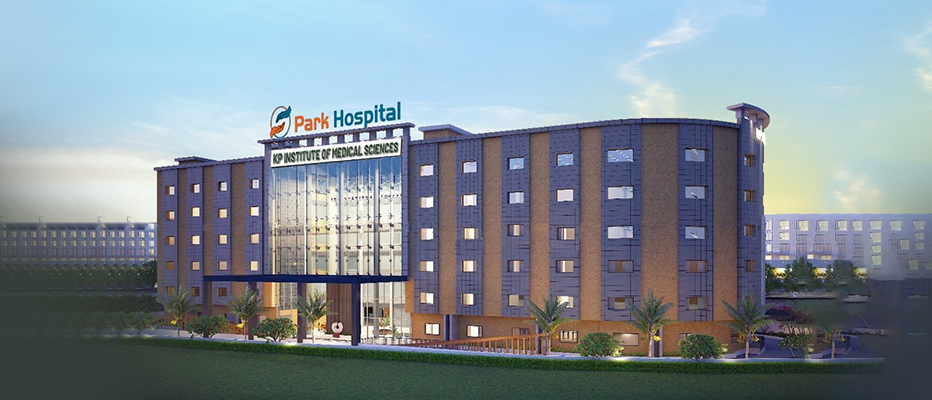
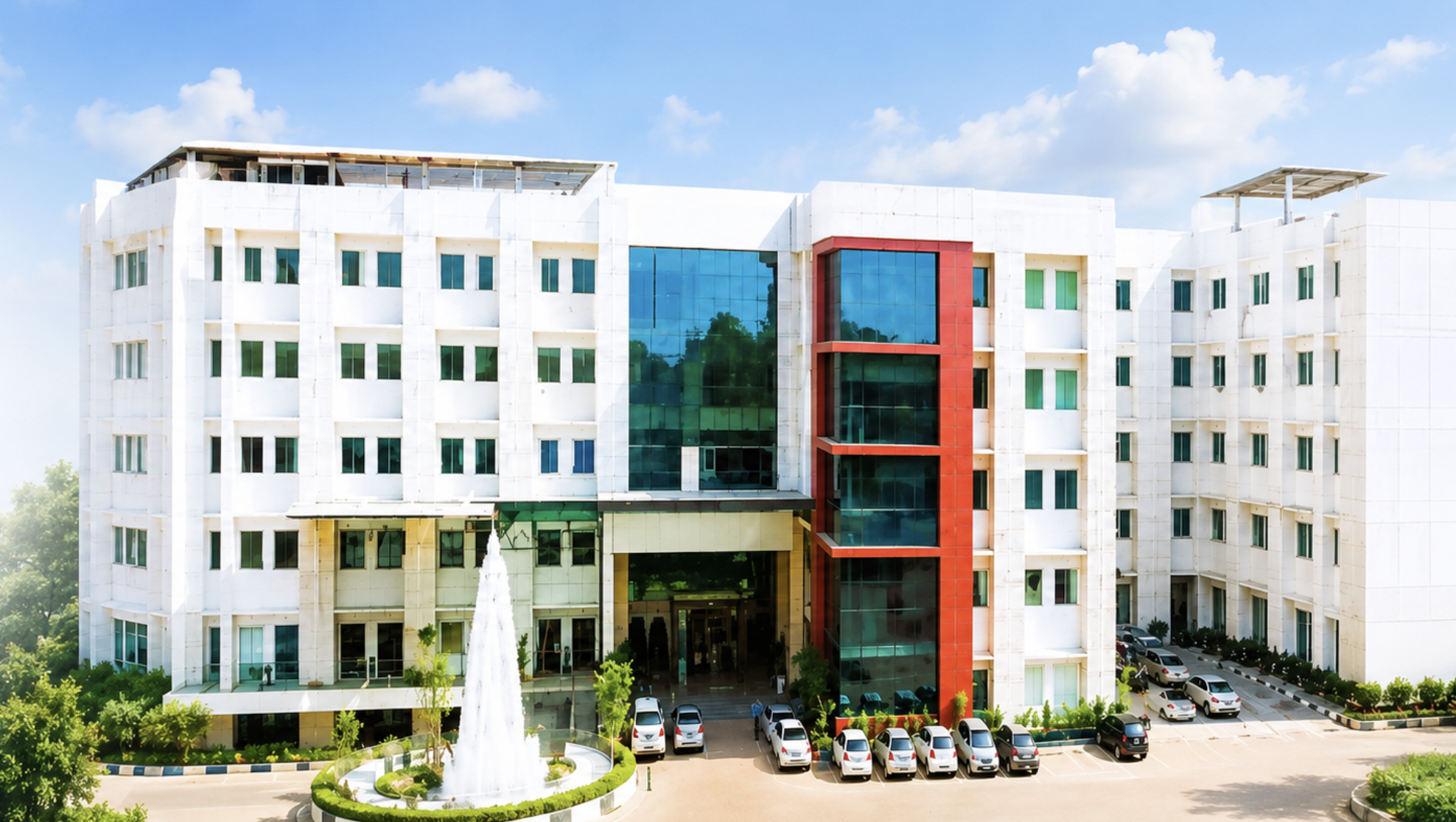
Experience world-class clinical expertise and compassionate care at our advanced facilities conveniently located across the region
View AllFrequently Asked Questions
Common questions answered by our experts
Common warning signs include sudden weakness or numbness on one side of the body, difficulty speaking, vision changes, dizziness, or a severe headache.
Yes. Depending on the area of the brain affected, a stroke can impact communication, memory, thinking, emotions, or behavior.
Recovery varies from person to person and depends on factors such as the type of stroke, its severity, and how quickly treatment was received.
A stroke may affect movement, speech, memory, swallowing, or other daily activities, depending on the area of the brain involved.
Managing blood pressure, controlling diabetes, staying physically active, taking prescribed medications, and following a healthy lifestyle can help lower the risk.