Chest & Respiratory Diseases
Pulmonology Hospital in Patiala
The Department of Chest & Respiratory Diseases at Park Hospitals, Patiala, focuses on the diagnosis, treatment, and long-term management of conditions affecting the lungs, airways, and respiratory system. Breathing-related symptoms such as persistent cough, chest tightness, wheezing, shortness of breath, recurrent respiratory infections, or difficulty breathing during physical activity should not be ignored, as they may indicate underlying pulmonary conditions requiring timely medical attention. Early respiratory evaluation and appropriate treatment are important in improving lung function, preventing complications, and supporting overall respiratory health.
Experienced pulmonologists, respiratory specialists, and critical care professionals carefully evaluate each patient through detailed clinical examinations, pulmonary assessments, diagnostic investigations, and review of medical history before planning a personalized treatment approach. The department manages a wide range of respiratory conditions, including asthma, chronic obstructive pulmonary disease (COPD), pneumonia, tuberculosis, lung infections, sleep-related breathing disorders, and other pulmonary complications. Depending on the patient’s condition and symptom severity, treatment may include medication management, respiratory therapies, bronchoscopy procedures, oxygen support, or critical respiratory care to improve breathing capacity and overall lung health. Emergency respiratory care services are also available for patients requiring immediate medical intervention and continuous monitoring.
Modern pulmonary diagnostic technologies, bronchoscopy facilities, pulmonary function testing systems, and specialized respiratory monitoring equipment support accurate diagnosis and comprehensive respiratory care within the department. Advanced imaging and monitoring systems help specialists evaluate airway conditions, lung function, oxygen levels, and respiratory performance with precision throughout treatment and recovery. Specialized respiratory support technologies and critical care systems are further utilized for patients requiring advanced breathing support and continuous pulmonary monitoring.
The Department of Chest & Respiratory Diseases at Park Hospitals, Patiala, also focuses on long-term respiratory wellness, symptom management, and improving overall lung function after treatment. Patients are guided on breathing exercises, medication adherence, smoking cessation, infection prevention, pulmonary rehabilitation, and lifestyle modifications to support healthier respiratory function and reduce the risk of recurrent complications. Depending on the patient’s condition, continuous respiratory monitoring and rehabilitation support may also be recommended to improve recovery and physical endurance. Regular follow-ups and ongoing respiratory assessments further help patients maintain better lung health and gradually return to their daily routines with improved comfort and confidence.
Meet Our Experts
Experienced Clinical Leaders
Consult with our highly skilled specialists dedicated to providing world-class medical expertise and personalized treatment plans.
Find A Doctor


Patient Testimonials
Stories Reflecting Excellence in Patient Care
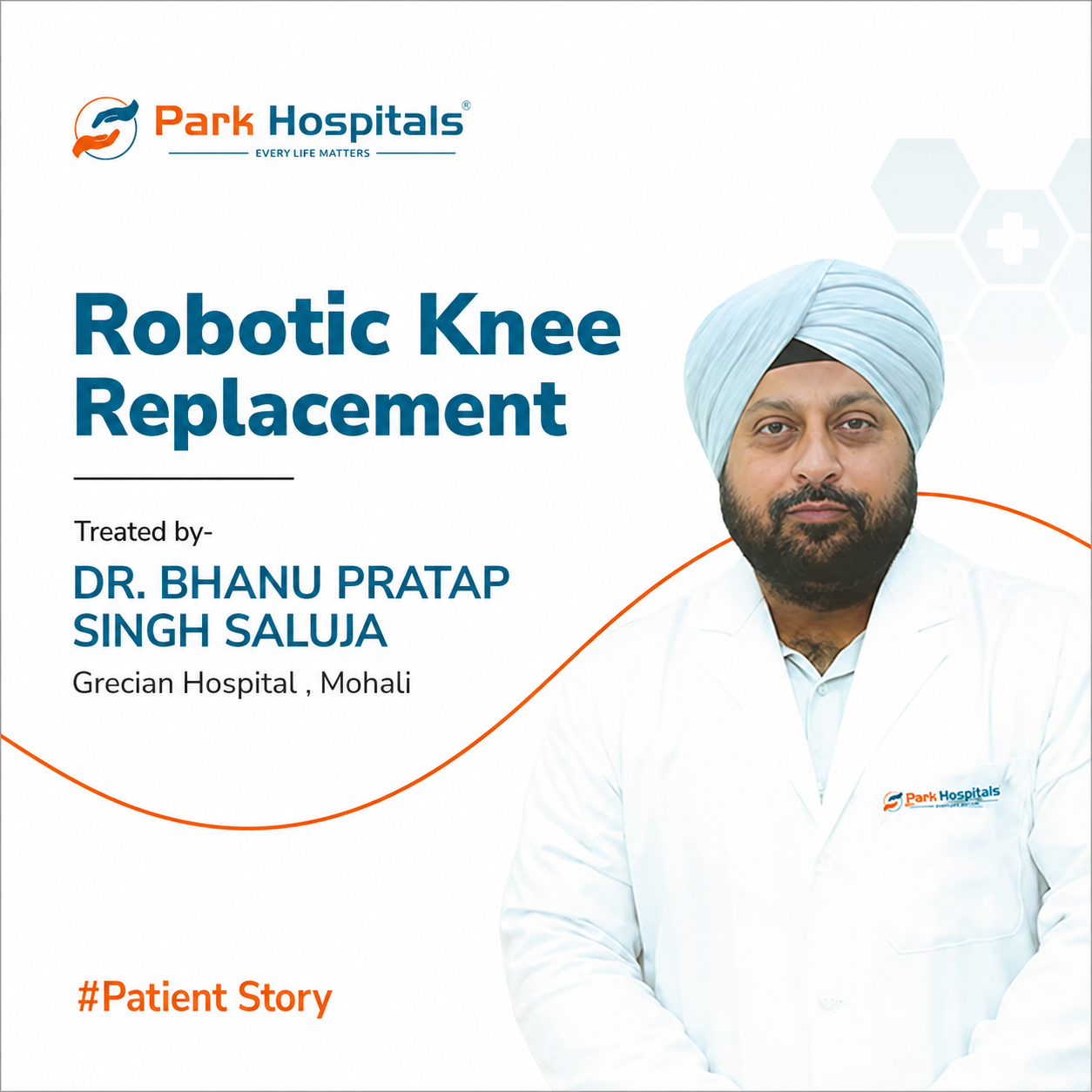
Robotic Knee Replacement Success Story
A patient regained mobility and confidence through successful robotic knee replacement surgery. Advanced robotic technology, expert orthopedic care, and personalized rehabilitation helped reduce pain, improve movement, and enhance overall quality of life.
Know More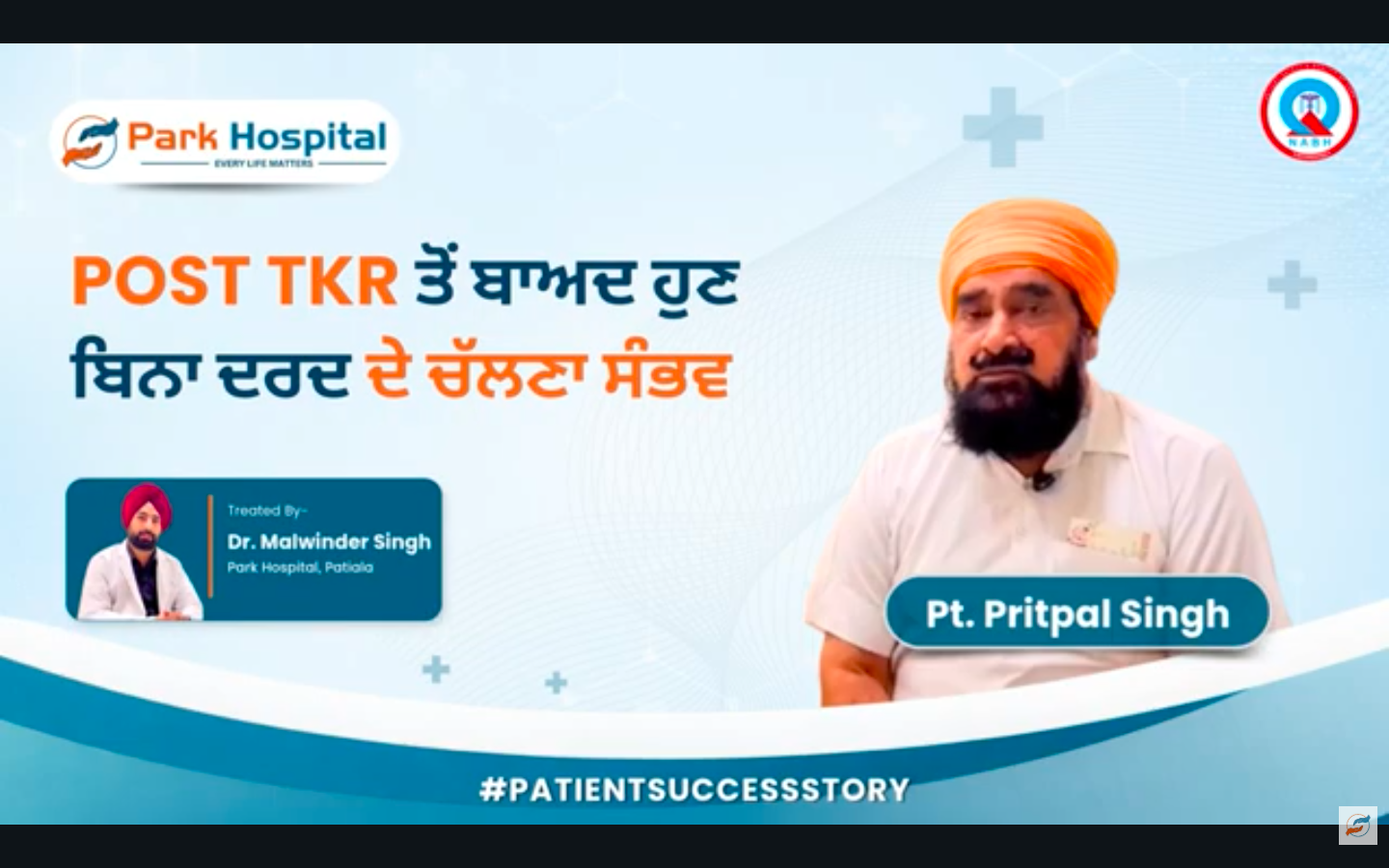
Pain-Free Walking After Total Knee Replacement
Following a successful Total Knee Replacement (TKR), the patient regained mobility and confidence. Expert orthopedic care, advanced surgical techniques, and rehabilitation support helped achieve pain-free walking and an improved quality of life.
Goodbye Knee Pain! | Advanced Knee Replacement | Dr. Anand Jindal | Park Hospital Panchkula
Chronic knee pain can affect your mobility and quality of life. Advanced knee replacement surgery can help you move comfortably and regain confidence.
Dr. Anand Jindal
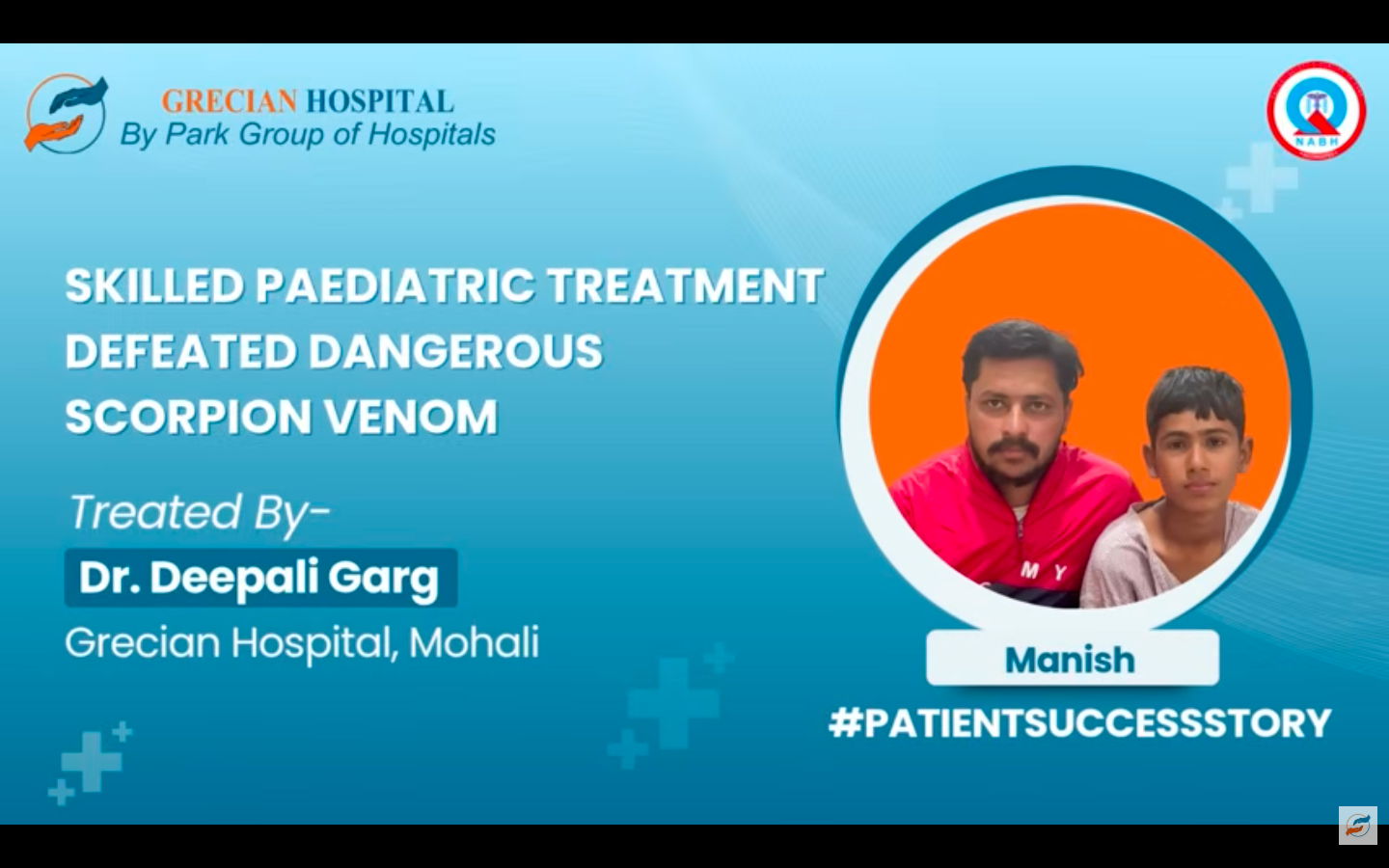
Expert Paediatric Care Defeats Scorpion Venom
A child suffering from a dangerous scorpion sting was successfully treated through timely intervention and expert pediatric care. Prompt diagnosis, critical monitoring, and specialized treatment ensured a safe recovery and positive outcome.
Dr. Milan Arora
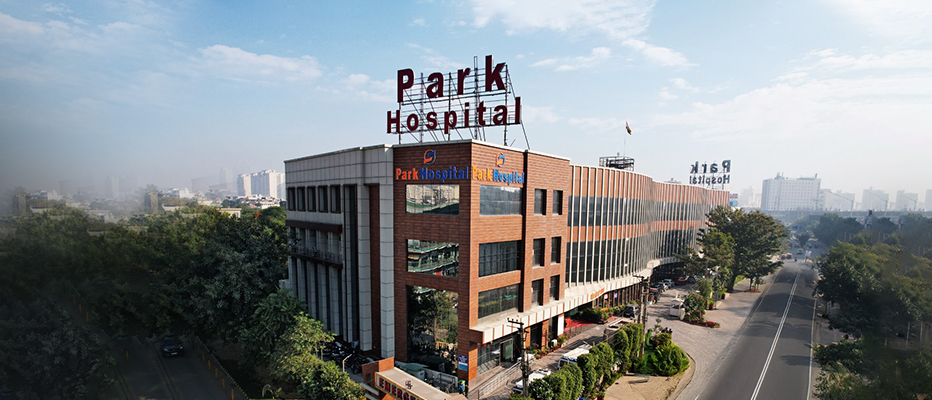

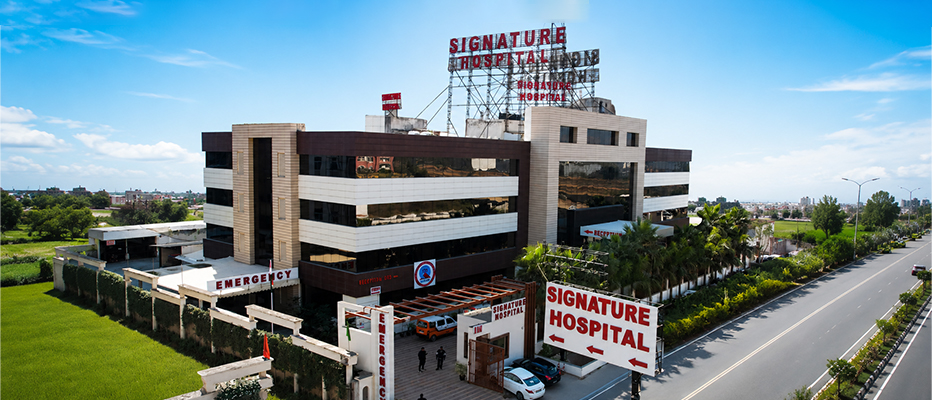
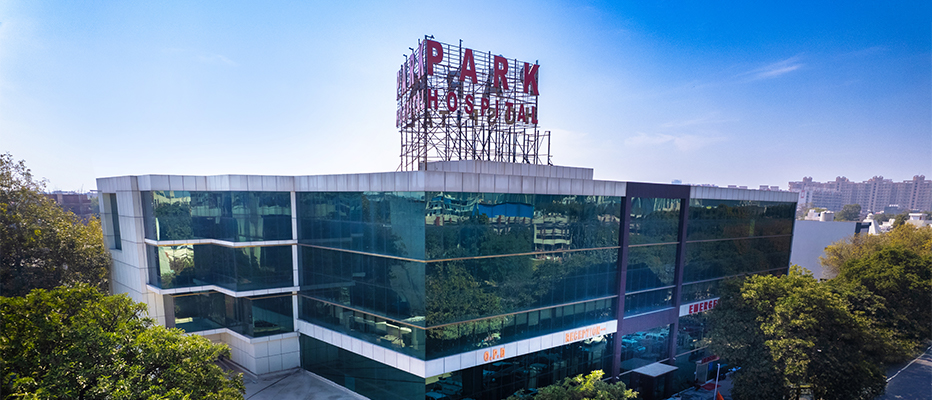
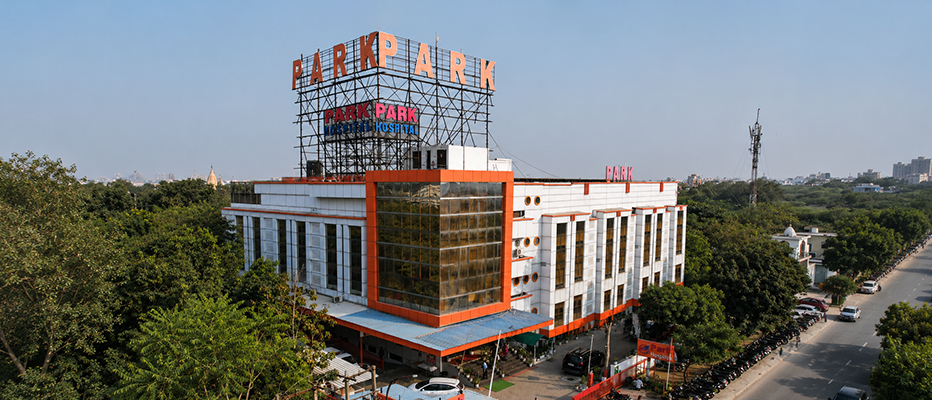

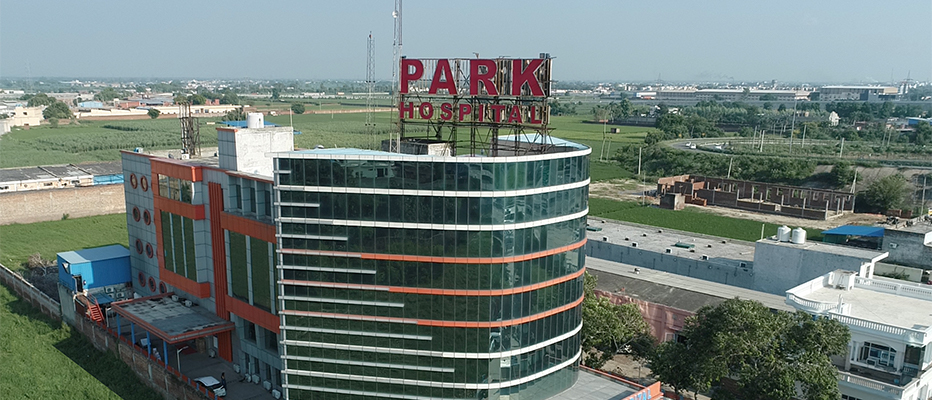


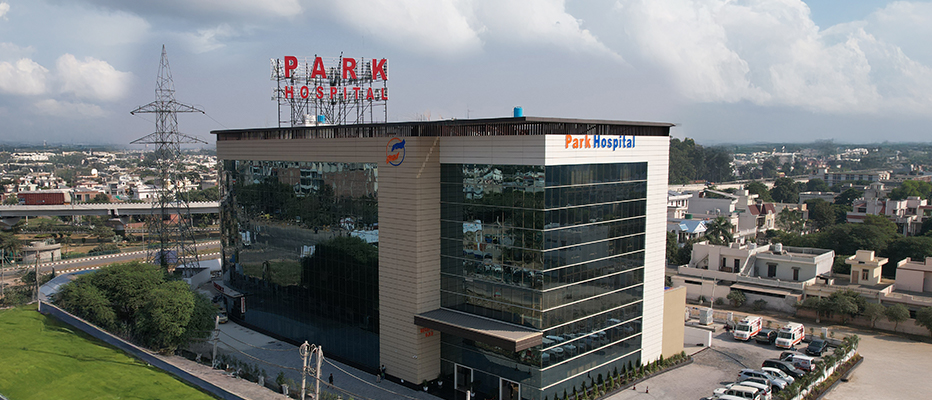


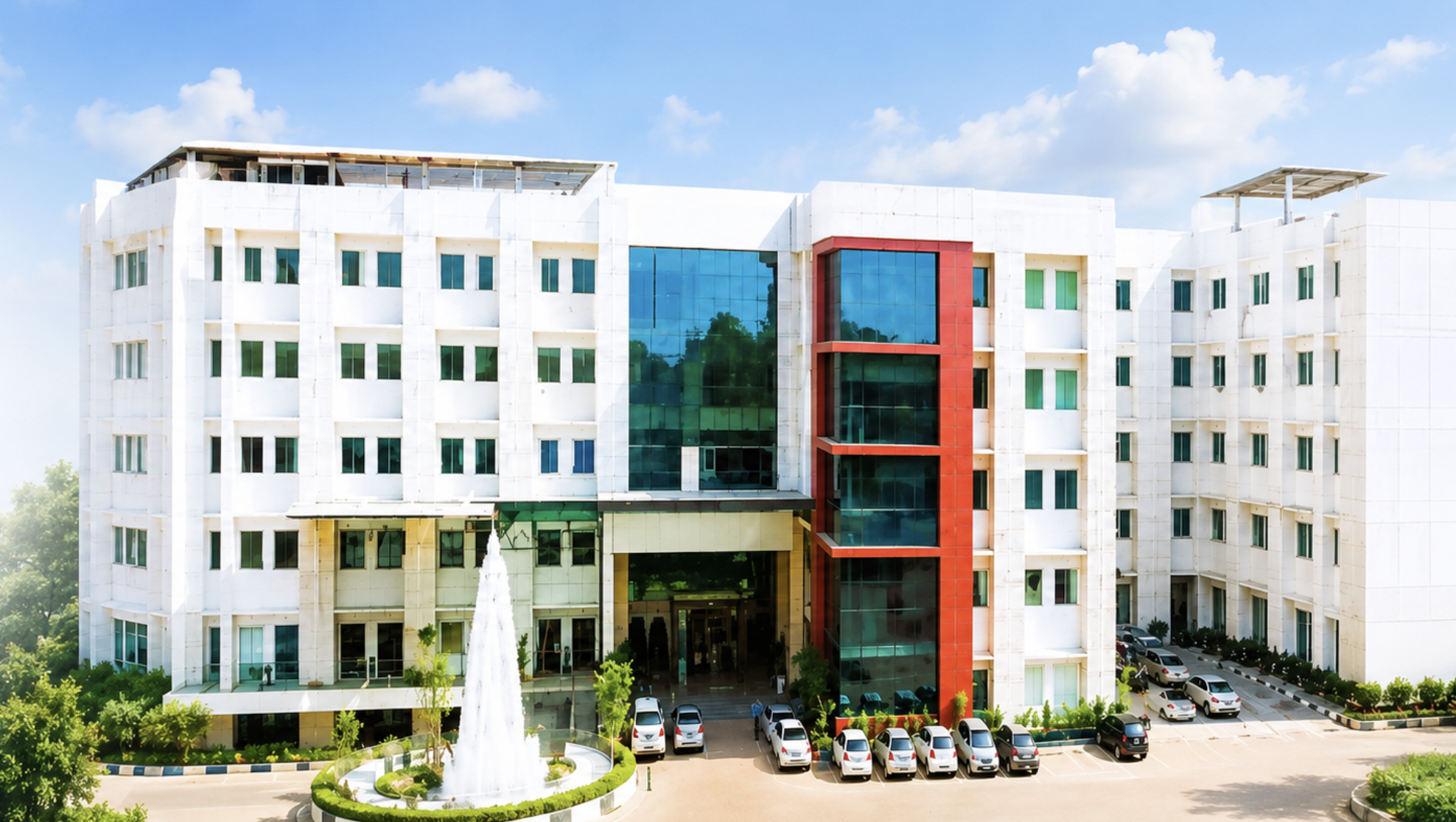
Our Hospital Locations
Healing Near You
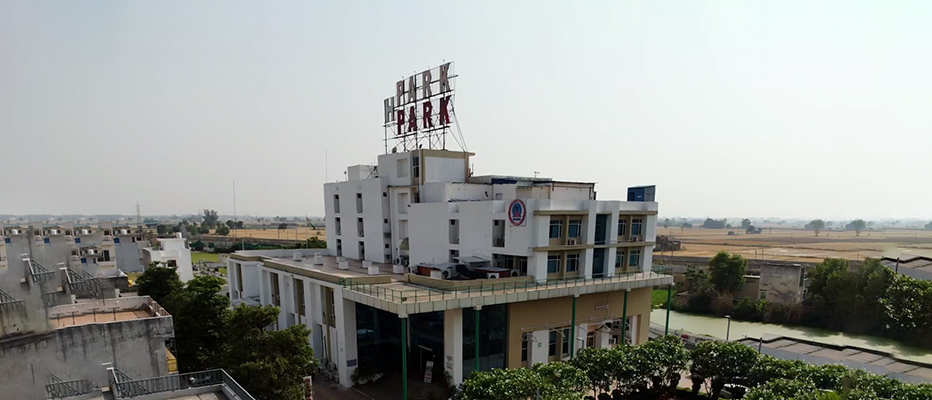
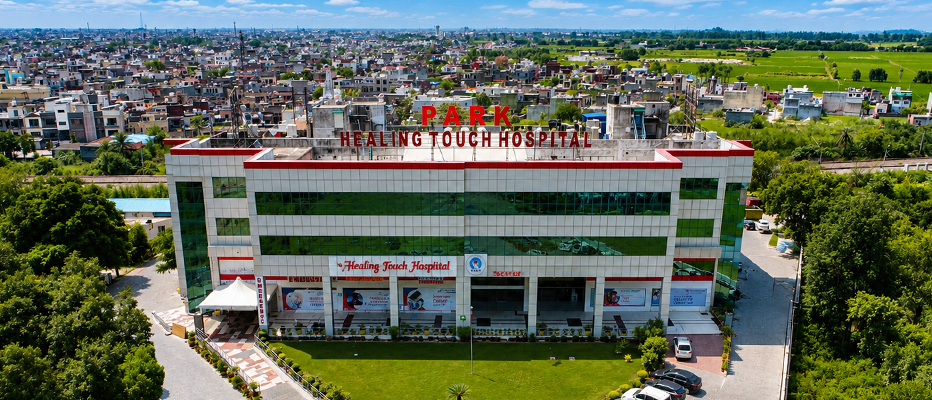
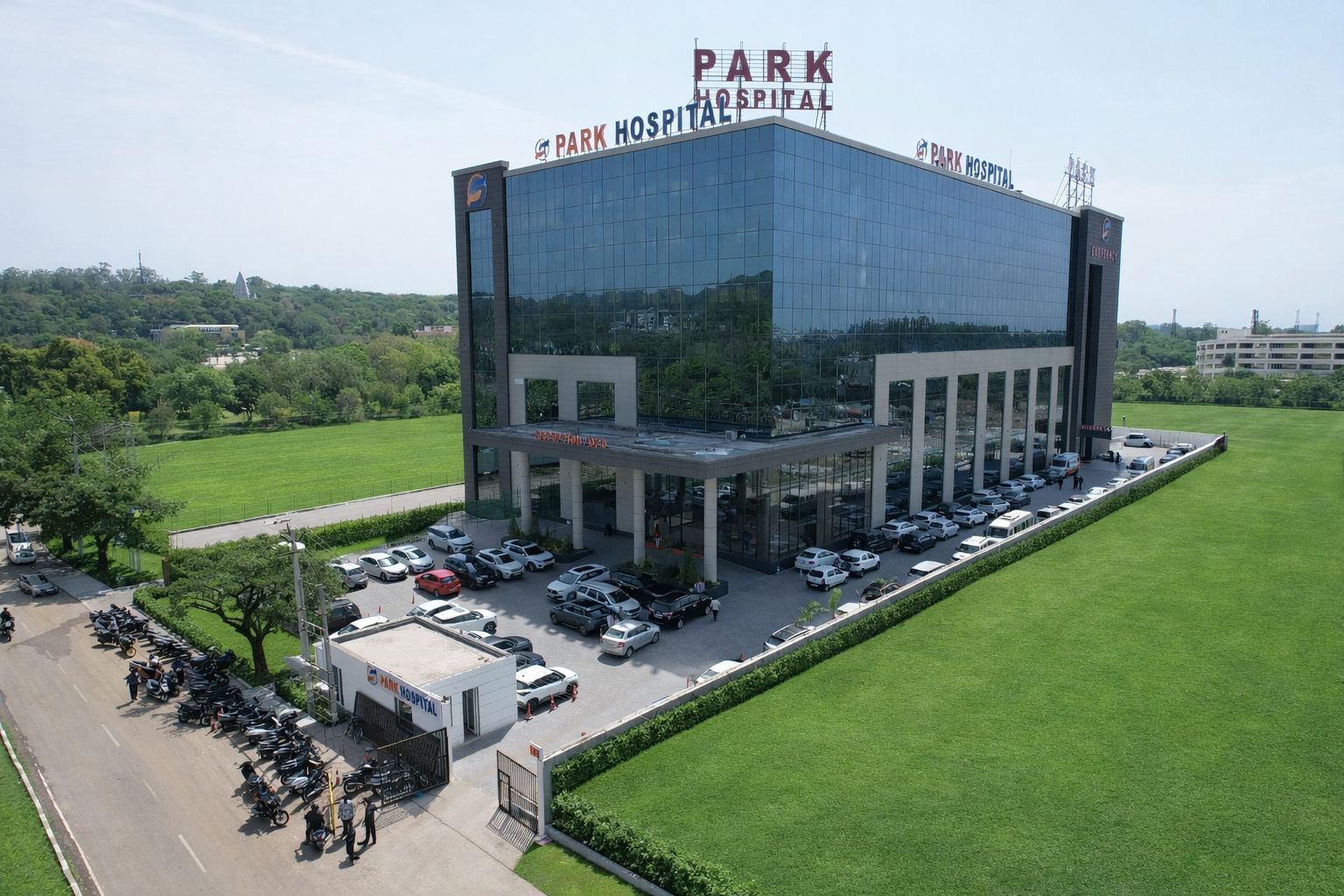
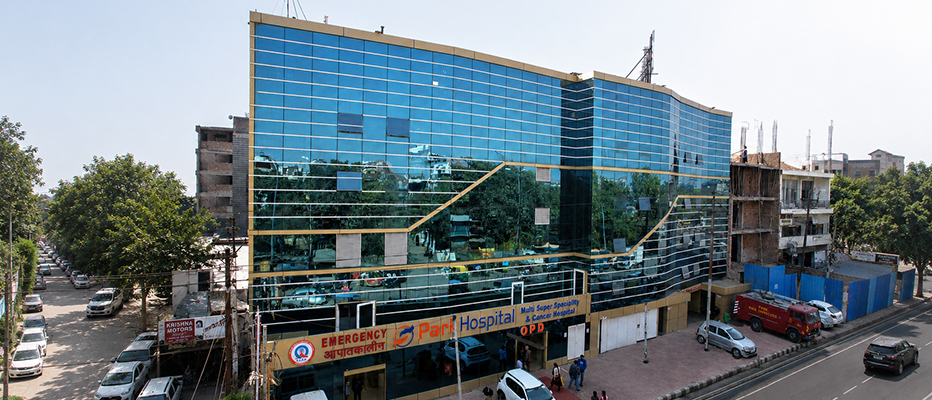
Experience world-class clinical expertise and compassionate care at our advanced facilities conveniently located across the region
View All