
Heart transplant
A heart transplant is a specialized surgical procedure in which a diseased or severely damaged heart is replaced with a healthy donor heart. This procedure is typically considered for individuals with advanced heart failure or severe heart disease that has not responded adequately to other medical or surgical treatments. Heart transplantation can offer a life-saving treatment option for carefully selected patients and significantly improve survival and quality of life. At Park Hospitals, advanced cardiac care services, specialized transplant evaluation programs, and experienced multidisciplinary teams provide comprehensive support for patients undergoing heart transplantation.
Individuals may be considered for a heart transplant when severe heart disease significantly impairs heart function and daily activities. Common conditions that may lead to heart transplantation include end-stage heart failure, dilated cardiomyopathy, severe coronary artery disease, congenital heart defects, and certain advanced heart muscle disorders. A thorough evaluation is necessary to determine eligibility for transplantation and assess overall health status.
Symptoms leading to consideration for heart transplantation often include severe shortness of breath, extreme fatigue, persistent fluid retention, reduced exercise capacity, recurrent hospitalizations, and worsening heart failure despite optimal treatment. These symptoms can significantly affect quality of life and daily functioning.
Without appropriate treatment, advanced heart disease may continue to progress, leading to worsening organ function, serious cardiovascular complications, and reduced survival. Heart transplantation may offer an important treatment option for eligible patients with end-stage disease.
Evaluation for heart transplantation typically involves comprehensive cardiovascular assessments, blood tests, imaging studies, cardiac catheterization, and detailed reviews of overall physical and psychological health. These investigations help specialists determine suitability for transplantation and identify potential risks.
Following transplantation, patients require lifelong medical follow-up and immunosuppressive medications to prevent rejection of the donor heart. Rehabilitation programs, lifestyle modifications, and regular monitoring are also important components of long-term care.
With experienced transplant specialists, advanced surgical expertise, comprehensive postoperative care, and multidisciplinary support services, Park Hospitals provides personalized treatment and long-term management for individuals undergoing heart transplantation. Careful evaluation, timely intervention, and ongoing follow-up can help improve survival, enhance quality of life, and support successful long-term outcomes.
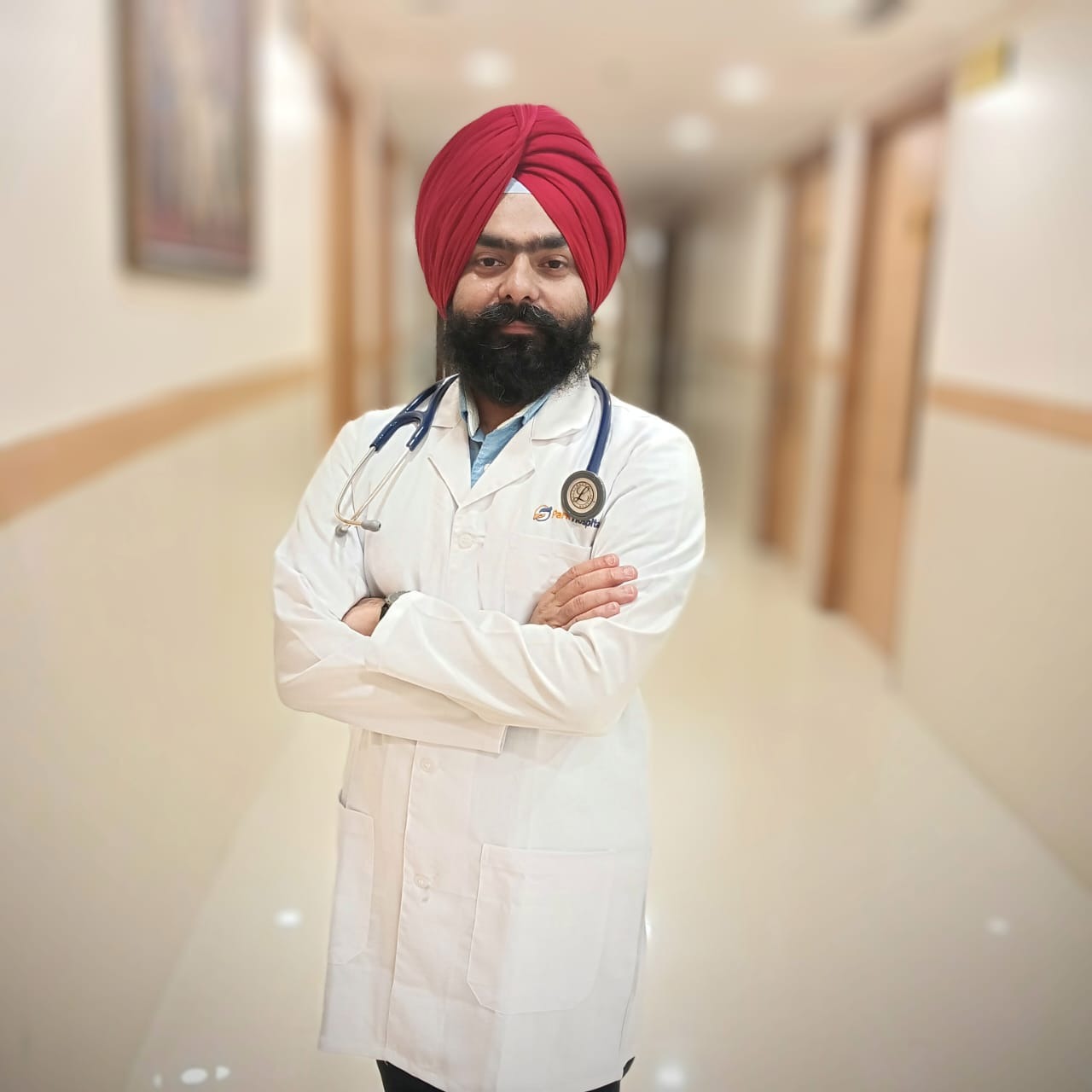
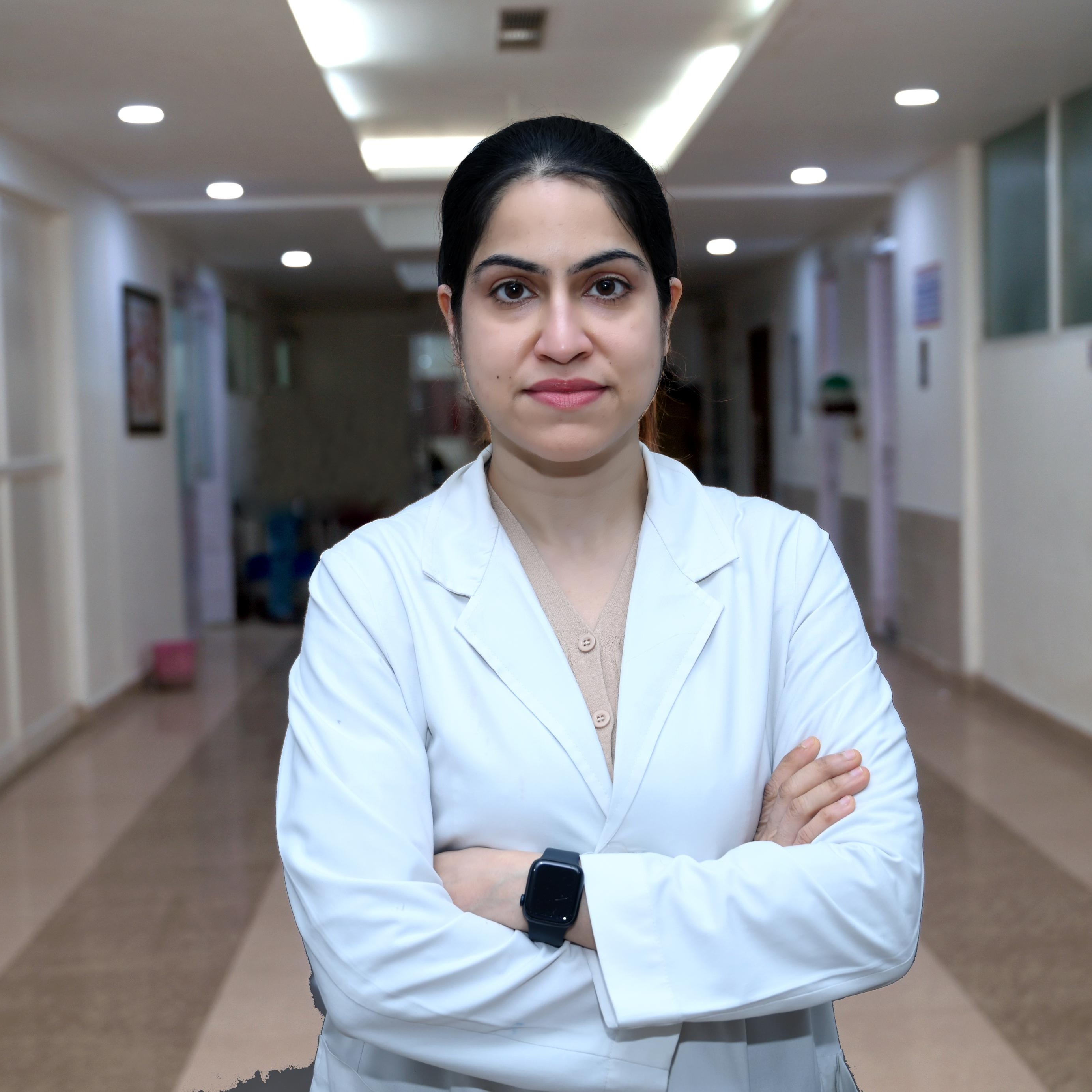
Meet Our Experts
Experienced Clinical Leaders
Consult with our highly skilled specialists dedicated to providing world-class medical expertise and personalized treatment plans.
Find A Doctor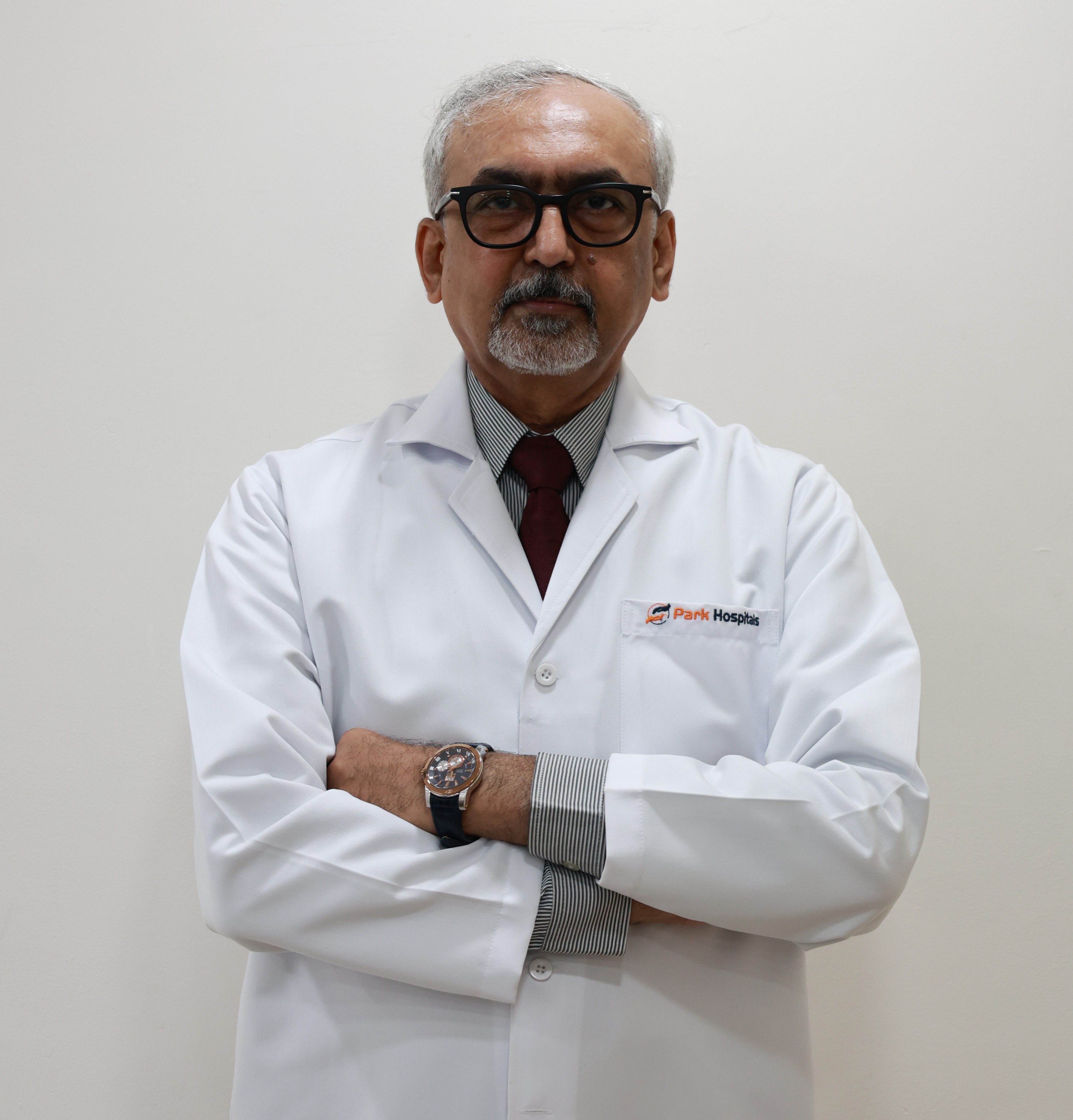
















.png)



.jpg)







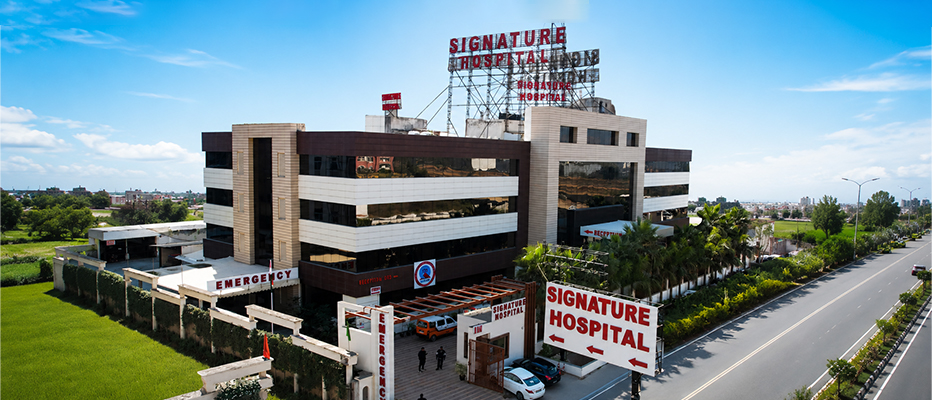



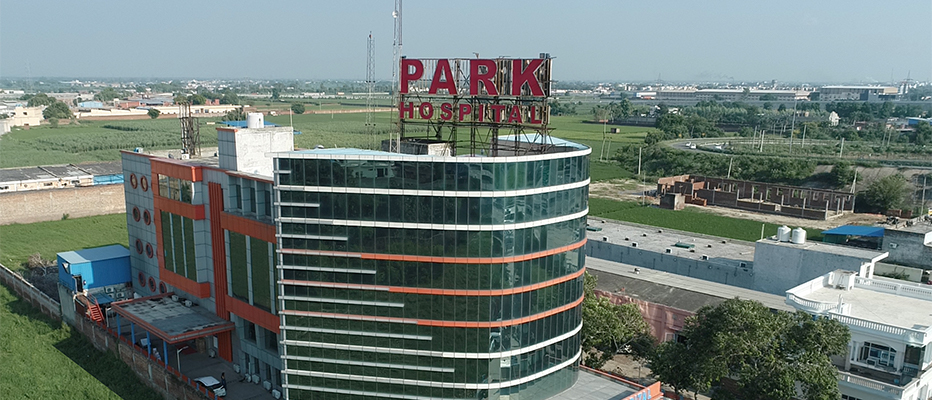


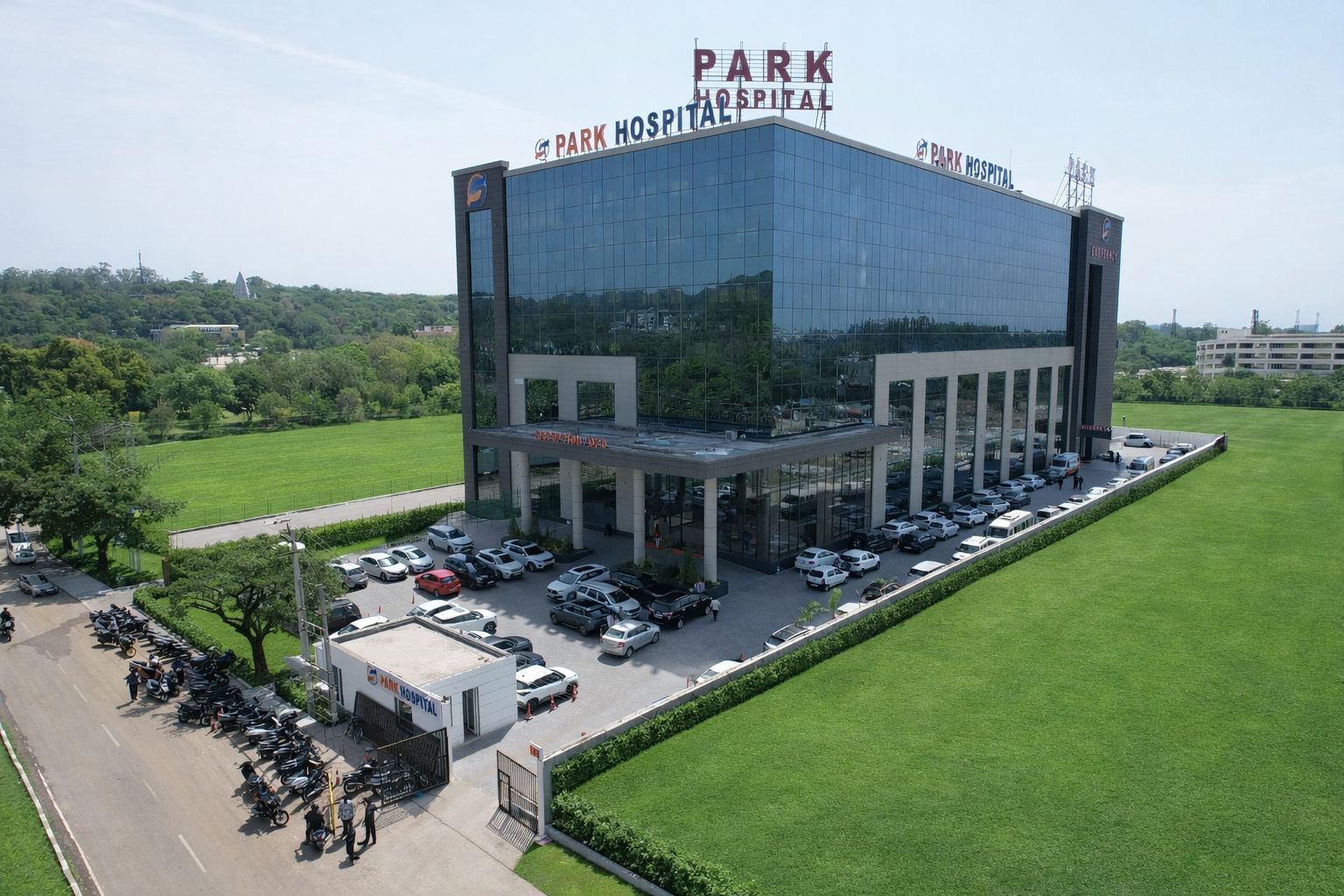
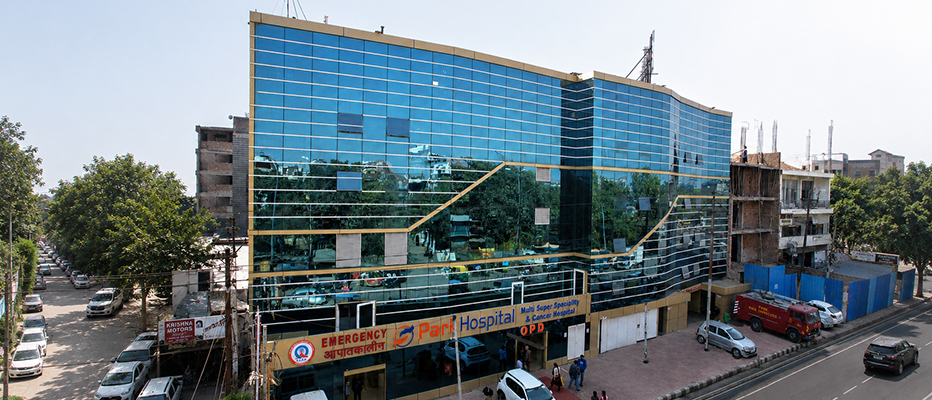




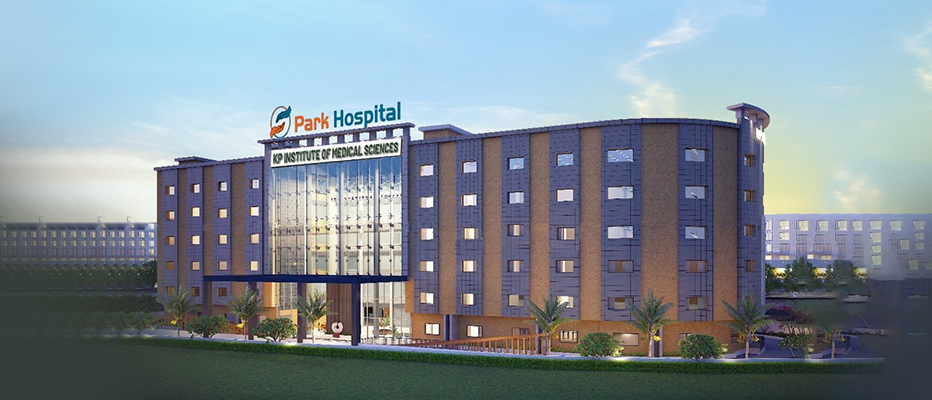

Our Hospital Locations
Healing Near You
Experience world-class clinical expertise and compassionate care at our advanced facilities conveniently located across the region
View All