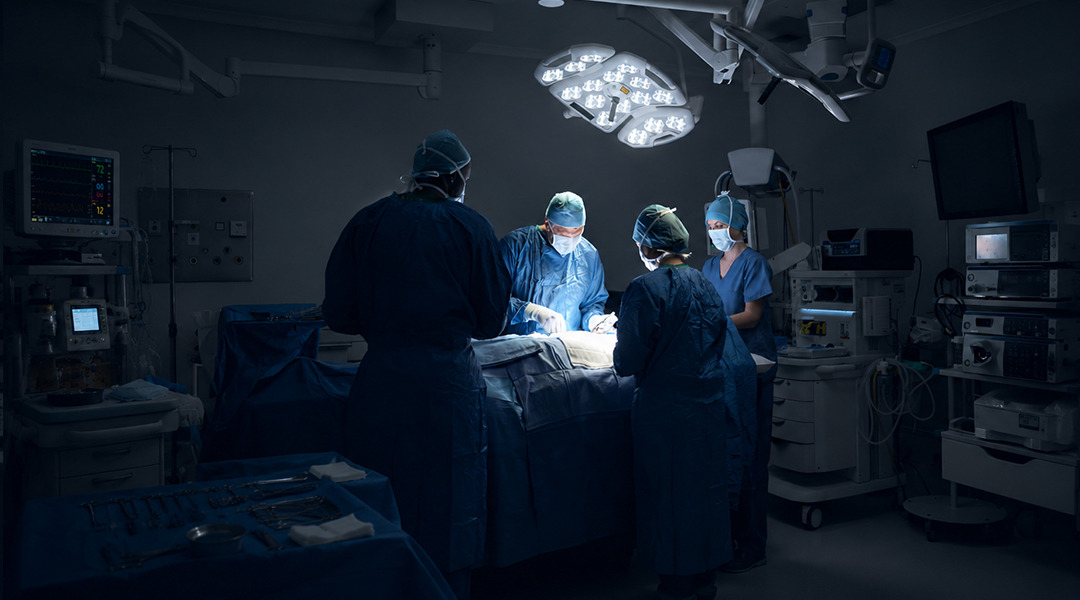
Spinal Tumor Surgery
Spinal Tumor Surgery at Park Hospitals is a specialized surgical procedure performed to remove tumors affecting the spine, spinal cord, or surrounding spinal structures while preserving neurological function and spinal stability. Spinal tumors may be benign or malignant and can develop within the spinal cord, vertebrae, nerve tissues, or may spread to the spine from other parts of the body. These tumors can place pressure on the spinal cord and nerves, leading to pain, weakness, numbness, difficulty walking, loss of balance, or impaired bladder and bowel control. In many cases, spinal tumor surgery is recommended to relieve nerve compression, reduce pain, remove tumor growth, prevent further neurological damage, and improve the patient’s overall quality of life.
Before recommending spinal tumor surgery, spine surgeons, neurosurgeons, and oncology specialists conduct detailed evaluations to determine the size, location, type, and extent of the tumor. Diagnostic investigations may include neurological examination, digital X-rays, MRI scans, CT scans, PET scans, biopsy procedures, and blood investigations to assess spinal involvement and overall health status. Symptoms such as persistent neck or back pain, radiating pain, muscle weakness, tingling sensations, reduced mobility, spinal instability, unexplained weight loss, or progressive neurological deficits are carefully evaluated before planning treatment. The surgical approach is personalized according to the patient’s condition, tumor characteristics, age, medical history, and neurological function to achieve the safest and most effective outcome.
During spinal tumor surgery, advanced surgical techniques are used to remove the tumor while protecting the spinal cord, nerves, and surrounding tissues. Depending on the type and location of the tumor, the procedure may involve partial or complete tumor removal, spinal decompression, stabilization of the spine, or reconstruction using spinal implants such as rods, screws, cages, or plates. In some cases, minimally invasive surgical techniques may be used to reduce tissue damage and support faster recovery. Advanced imaging guidance, intraoperative neuromonitoring, surgical navigation systems, and precision microsurgical technology help improve accuracy, preserve nerve function, and enhance patient safety throughout the procedure.
One of the major advantages of spinal tumor surgery is relief from spinal cord compression and improved neurological function. Removing or reducing the tumor can help decrease pain, improve mobility, restore balance, and prevent further progression of nerve-related complications. Many patients experience better physical comfort, improved movement, enhanced daily activity tolerance, and improved quality of life following surgery. Depending on the nature of the tumor, additional treatment such as radiation therapy, chemotherapy, rehabilitation, or long-term monitoring may also be recommended as part of a comprehensive treatment plan.
With experienced spine surgeons, neurospecialists, advanced operation theatres, and comprehensive oncology and spinal care services, Park Hospitals provides specialized treatment support for patients requiring spinal tumor surgery and complex spinal oncology care. Early diagnosis, timely surgical intervention, multidisciplinary treatment planning, and structured rehabilitation can help improve spinal stability, preserve neurological function, relieve symptoms, and support long-term recovery and overall well-being.
Meet Our Experts
Experienced Clinical Leaders
Consult with our highly skilled specialists dedicated to providing world-class medical expertise and personalized treatment plans.
Find A Doctor




.jpg)









.png)
.jpeg)










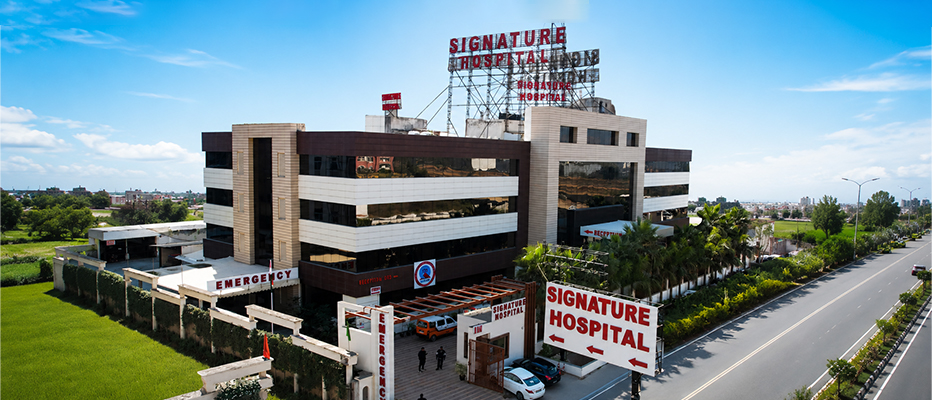
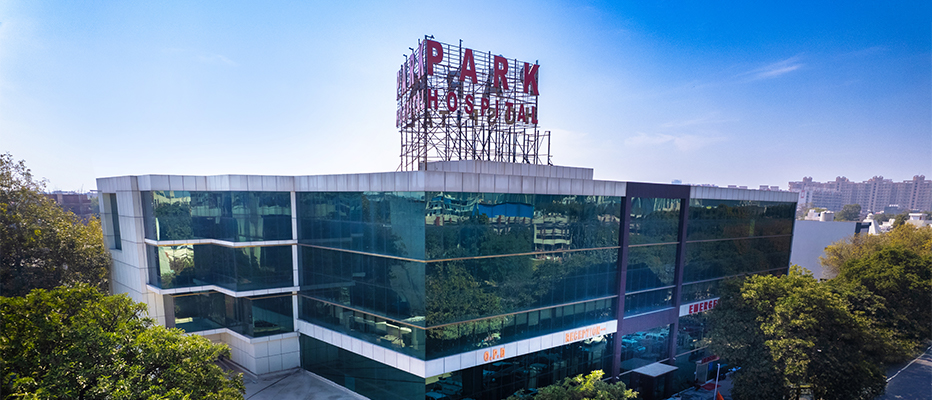


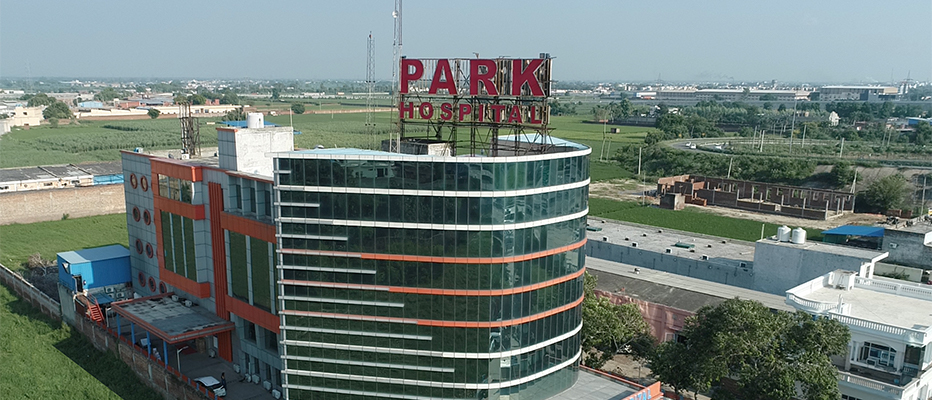


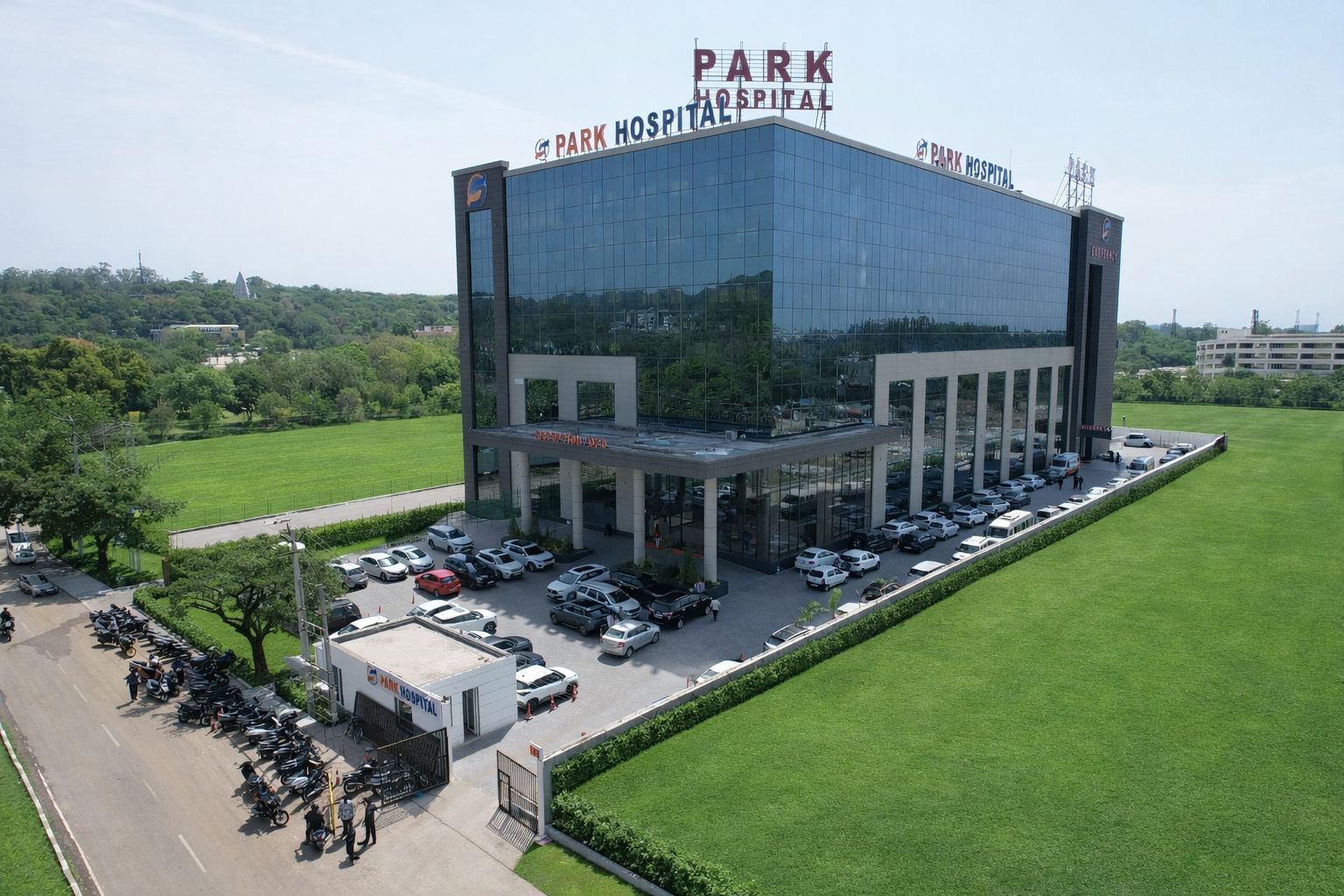
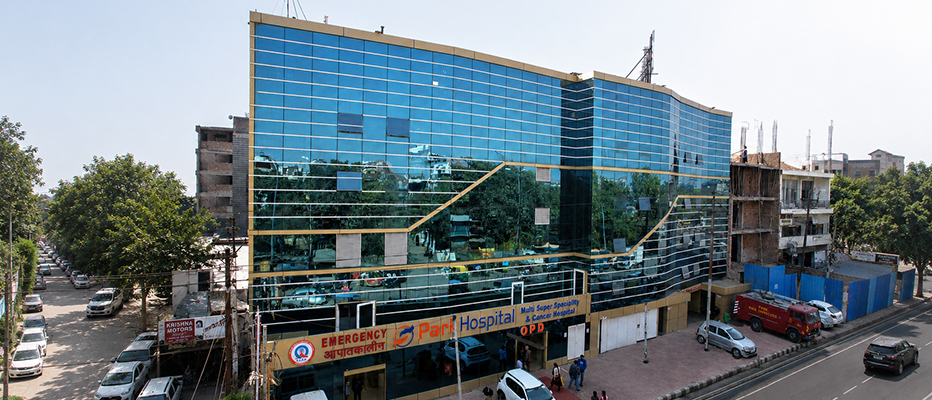
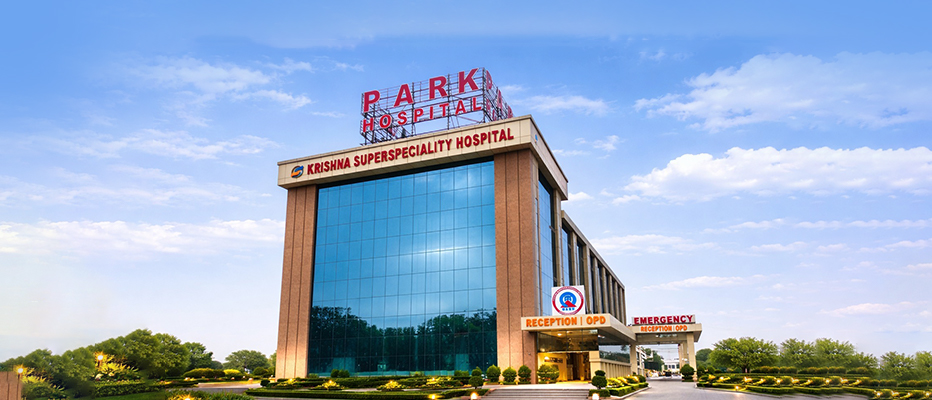
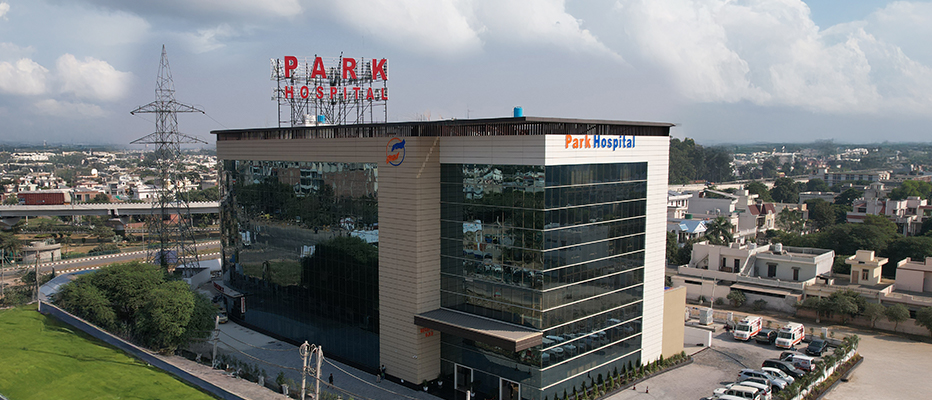
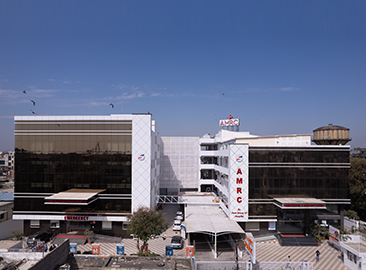

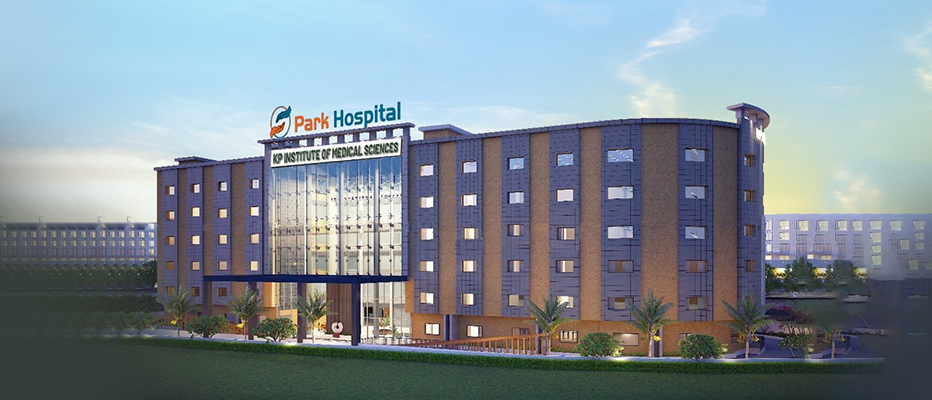
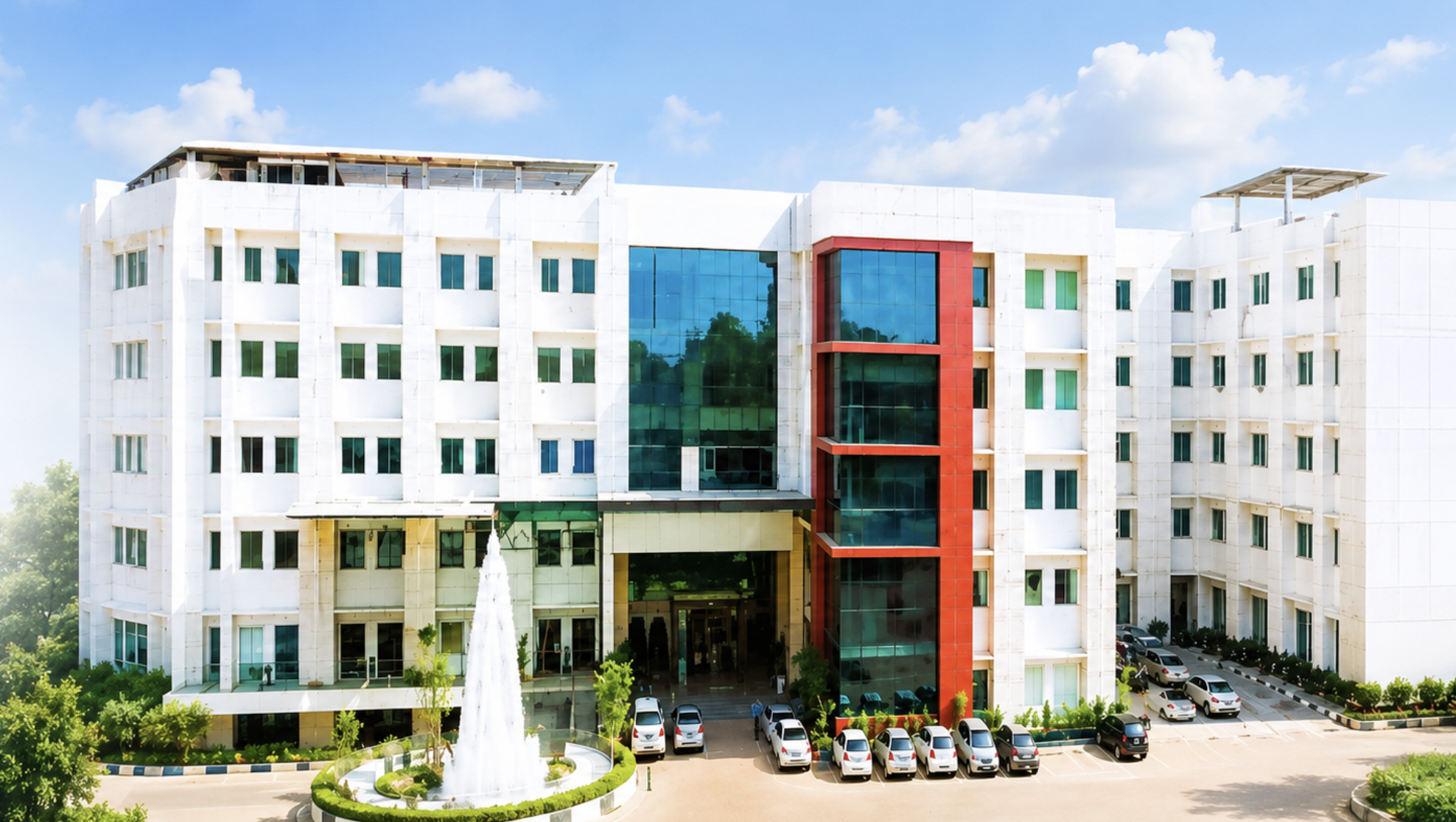
Our Hospital Locations
Healing Near You
Experience world-class clinical expertise and compassionate care at our advanced facilities conveniently located across the region
View AllFrequently Asked Questions
Common questions answered by our experts
Surgery may be recommended to remove or reduce the tumor, relieve pressure on the spinal cord or nerves, and help preserve function.
The primary goals are to remove as much of the tumor as possible, relieve symptoms, and protect the spinal cord and surrounding nerves.
Depending on its location, a spinal tumor may cause pain, weakness, numbness, or changes in mobility and daily functioning.
Recovery varies depending on the type of surgery and overall health, but rehabilitation may be recommended to support recovery and mobility.
Some patients may require further treatment, such as radiation therapy, chemotherapy, or ongoing monitoring, depending on the type of tumor.