
TAVI / TAVR
Transcatheter Aortic Valve Implantation/Transcatheter Aortic Valve Replacement (TAVI/TAVR) at Park Hospitals is an advanced minimally invasive cardiac procedure performed to replace a diseased or narrowed aortic valve without the need for traditional open-heart surgery. The procedure is commonly recommended for patients suffering from severe aortic stenosis, a condition in which the aortic valve becomes narrowed and restricts blood flow from the heart to the rest of the body. TAVI/TAVR is especially beneficial for elderly patients or individuals who may be at high risk for conventional surgical valve replacement due to age, existing medical conditions, or overall health status. The procedure helps restore normal blood flow, improve heart function, relieve symptoms, and reduce the risk of serious cardiac complications associated with untreated valve disease.
Before recommending TAVI/TAVR, cardiologists and cardiac specialists conduct detailed evaluations and diagnostic investigations to assess the severity of the valve condition and determine the patient’s suitability for the procedure. These assessments may include electrocardiograms (ECG), echocardiography, CT angiography, cardiac catheterization, blood investigations, chest imaging, and overall cardiovascular risk evaluation. Symptoms such as chest pain, shortness of breath, fatigue, dizziness, fainting episodes, irregular heartbeat, reduced exercise tolerance, or heart failure-related symptoms are carefully evaluated before planning treatment. The procedure is personalized according to the patient’s cardiac condition, anatomical structure, medical history, and overall cardiovascular health.
During the TAVI/TAVR procedure, a replacement artificial valve is delivered to the heart through a thin flexible catheter, usually inserted through a blood vessel in the groin or occasionally through other access points depending on the patient’s condition. Using advanced imaging guidance, the catheter is carefully guided to the diseased aortic valve, where the new valve is positioned and expanded to replace the damaged valve and restore proper blood flow. The new valve begins functioning immediately once implanted. Advanced catheter-based technology, precision imaging systems, and continuous cardiac monitoring help improve procedural accuracy, reduce complications, and enhance patient safety throughout the treatment process.
One of the major advantages of TAVI/TAVR is effective aortic valve replacement without the need for major open-heart surgery. Since the procedure is minimally invasive, patients generally experience less pain, smaller incisions, reduced hospital stays, faster recovery, and lower surgical risk compared to traditional valve replacement surgery. Many patients experience significant improvement in breathing, physical activity tolerance, heart function, and overall quality of life following the procedure. Early intervention can also help prevent worsening heart failure and other serious cardiovascular complications associated with severe aortic stenosis.
With experienced interventional cardiologists, advanced cardiac catheterization laboratories, modern imaging technology, and comprehensive heart care services, Park Hospitals provides specialized treatment support through advanced TAVI/TAVR procedures. Early diagnosis, timely cardiac intervention, personalized rehabilitation, and continuous follow-up care can help restore healthy heart valve function, improve circulation, reduce symptoms, and support long-term cardiovascular health and overall well-being.
Meet Our Experts
Experienced Clinical Leaders
Consult with our highly skilled specialists dedicated to providing world-class medical expertise and personalized treatment plans.
Find A Doctor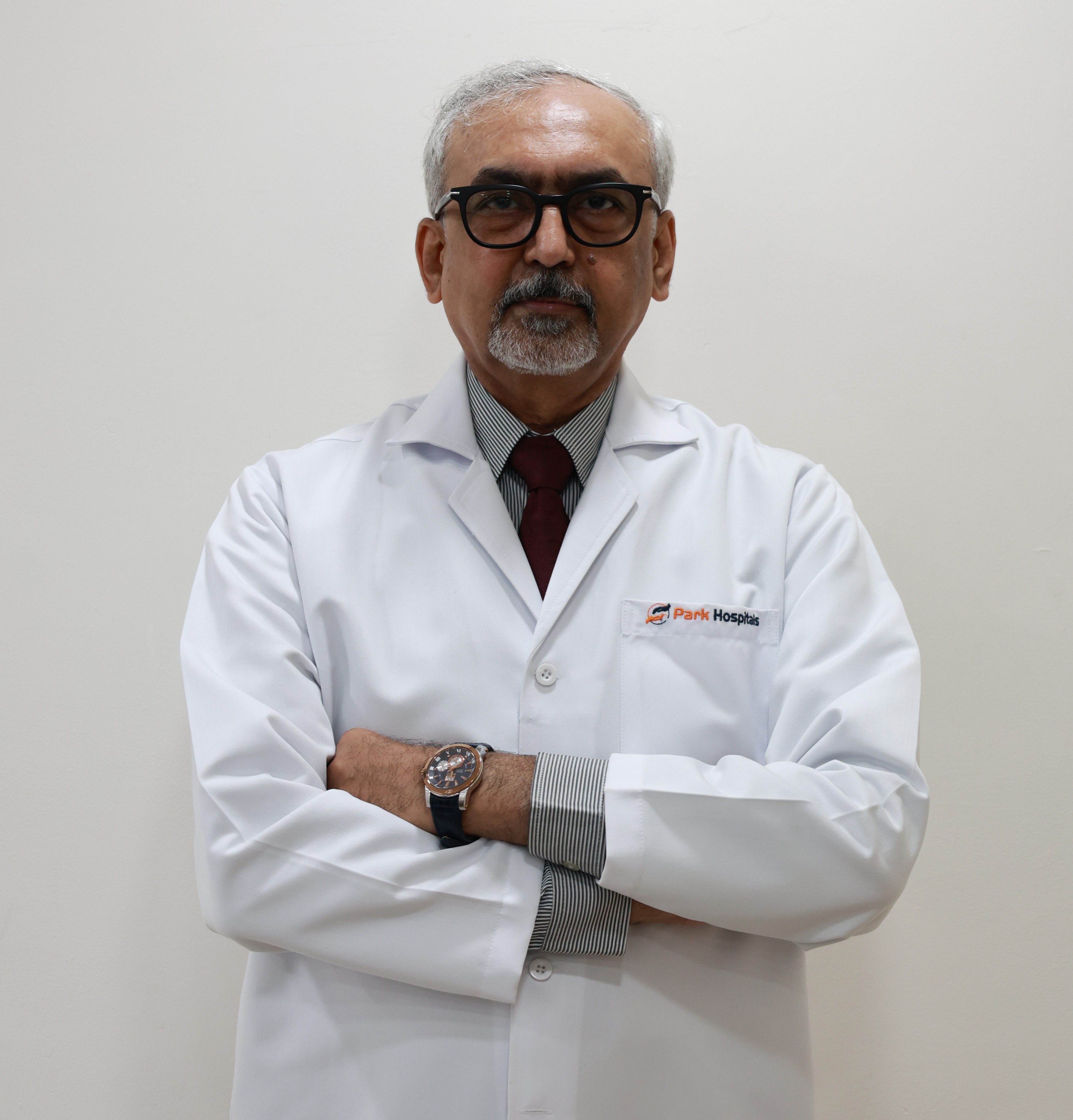

















.png)



.jpg)












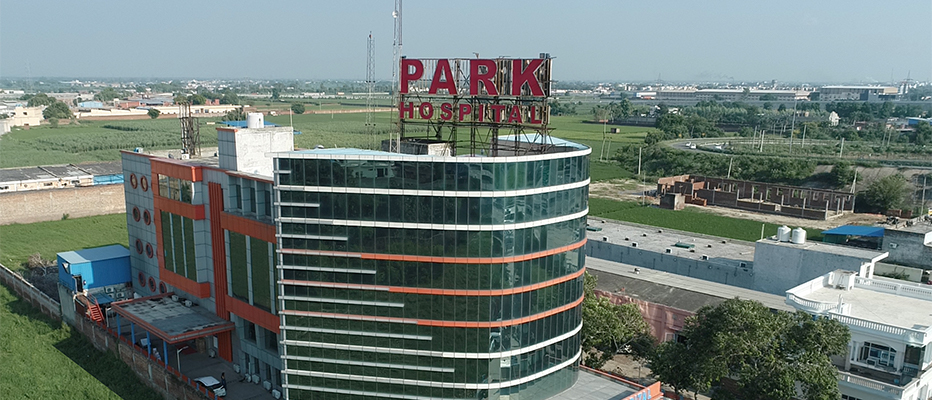



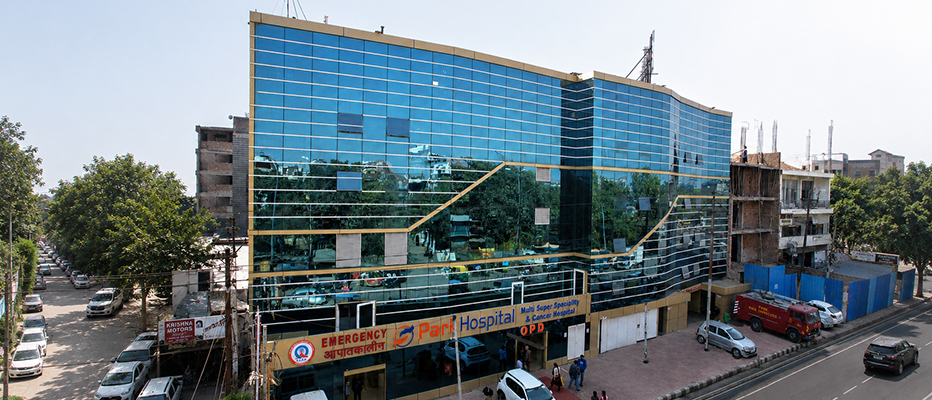






Our Hospital Locations
Healing Near You
Experience world-class clinical expertise and compassionate care at our advanced facilities conveniently located across the region
View All