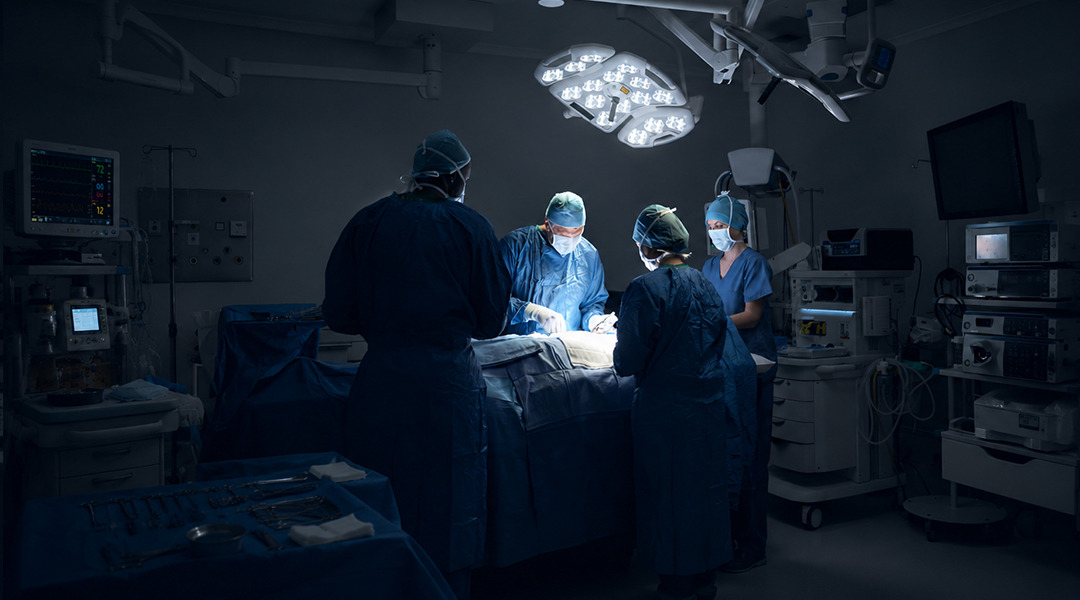
Tubal Ligation Reversal
Tubal Ligation Reversal at Park Hospitals is a specialized microsurgical procedure performed to restore fertility in women who have previously undergone tubal ligation, commonly known as female sterilization. The procedure involves reconnecting or reopening the fallopian tubes to allow the egg and sperm to meet naturally for conception. Tubal ligation reversal is commonly recommended for women who wish to become pregnant again due to changes in personal circumstances, family planning decisions, remarriage, or loss of a child. The success of the procedure depends on factors such as the type of previous sterilization method used, remaining fallopian tube length, age, reproductive health, and overall medical condition. The procedure aims to restore natural fertility while improving the chances of future pregnancy.
Before recommending tubal ligation reversal, gynecologists and fertility specialists conduct detailed evaluations to assess the patient’s reproductive health and determine whether the procedure is suitable. Diagnostic investigations may include pelvic examination, blood investigations, hormonal testing, ultrasound imaging, hysterosalpingography (HSG), fertility assessments, and evaluation of the partner’s reproductive health when required. Factors such as ovarian reserve, menstrual history, uterine health, scar tissue formation, and previous surgical techniques are carefully reviewed before planning treatment. Symptoms related to reproductive health, menstrual irregularities, pelvic pain, or hormonal concerns may also be assessed to develop a personalized surgical and fertility plan according to the patient’s condition and fertility goals.
During the tubal ligation reversal procedure, the blocked or sealed sections of the fallopian tubes are carefully identified and surgically reconnected using advanced microsurgical techniques. The surgery is typically performed under anesthesia through minimally invasive or open surgical methods depending on the patient’s condition and previous surgical history. Precision surgical instruments, magnification technology, and delicate suturing techniques help improve the accuracy of tube reconstruction and preserve healthy tissue. The goal of the procedure is to restore the normal passage within the fallopian tubes and support natural conception while minimizing damage to surrounding reproductive structures.
One of the major advantages of tubal ligation reversal is the opportunity for natural pregnancy without requiring repeated fertility treatments in suitable candidates. Many women experience restored reproductive function and improved chances of conception following successful surgery. Since the procedure aims to preserve the natural reproductive process, patients may have the possibility of multiple pregnancies over time if fertility remains healthy. Recovery is generally gradual, and follow-up evaluations help monitor healing, tubal function, and reproductive progress after surgery. Lifestyle guidance, fertility counseling, and regular medical monitoring also support long-term reproductive health and pregnancy planning.
With experienced gynecologists, fertility specialists, advanced surgical facilities, and comprehensive women’s healthcare services, Park Hospitals provides specialized treatment support for patients considering tubal ligation reversal procedures. Early fertility evaluation, personalized surgical planning, advanced microsurgical care, and continuous follow-up support can help improve reproductive outcomes, restore fertility potential, and support long-term women’s health and family planning goals.
Meet Our Experts
Experienced Clinical Leaders
Consult with our highly skilled specialists dedicated to providing world-class medical expertise and personalized treatment plans.
Find A Doctor


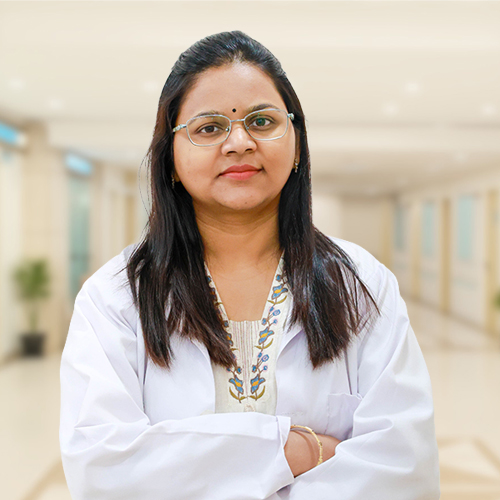




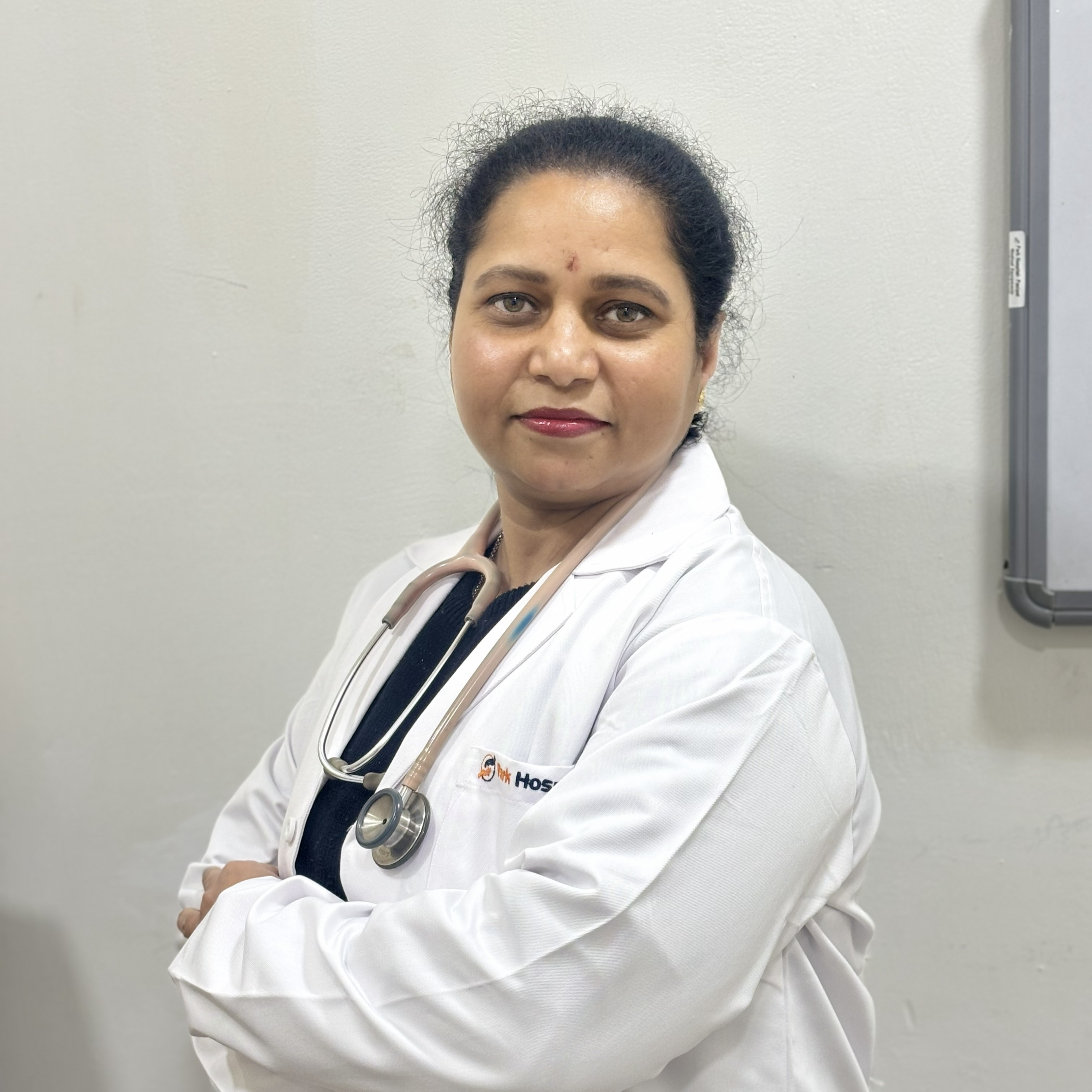
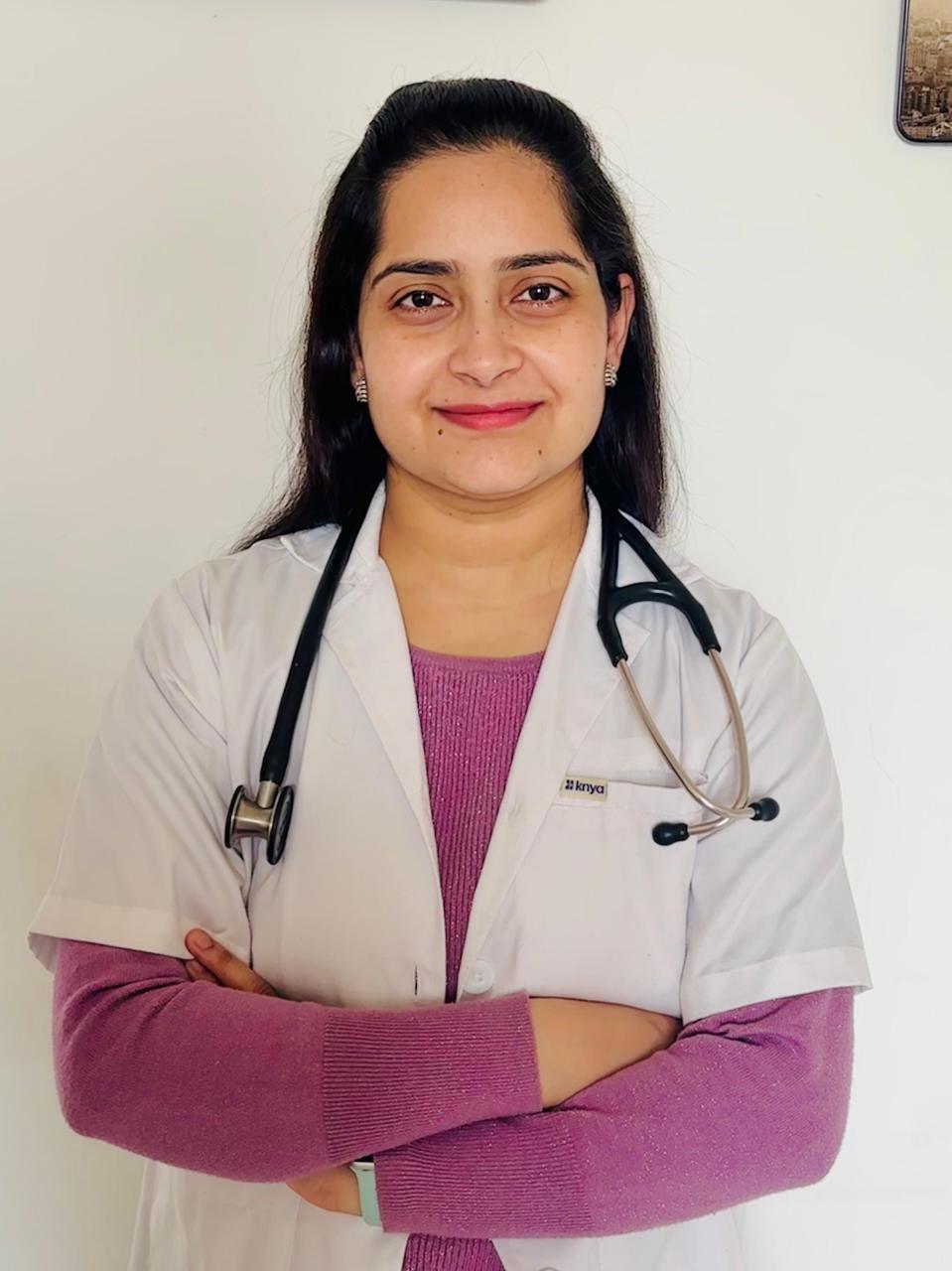


 Raman Malhi.png)

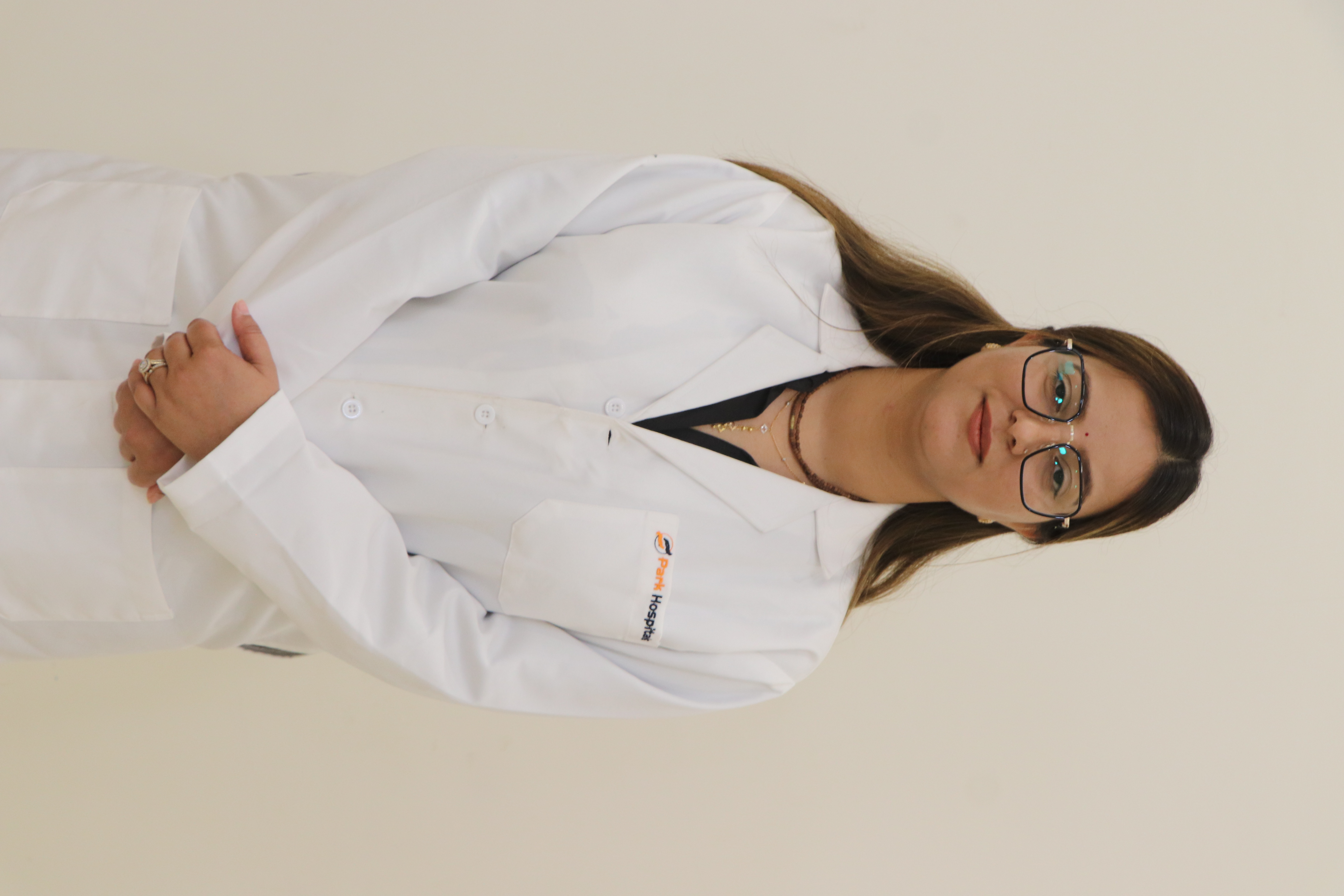
.jpeg)





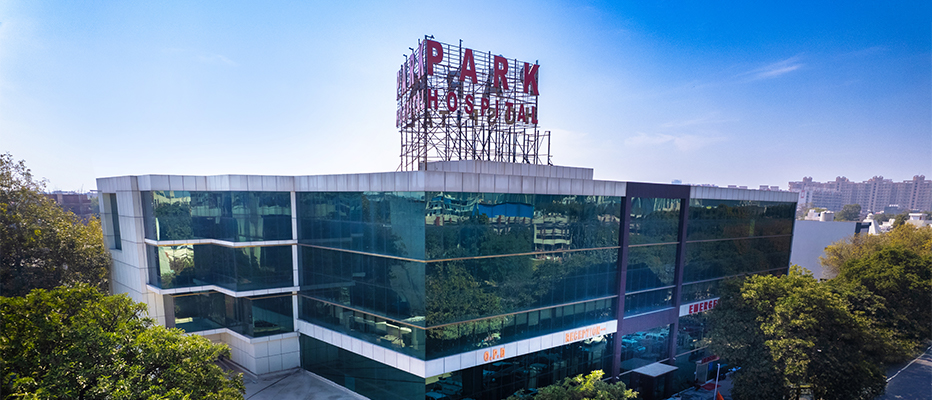


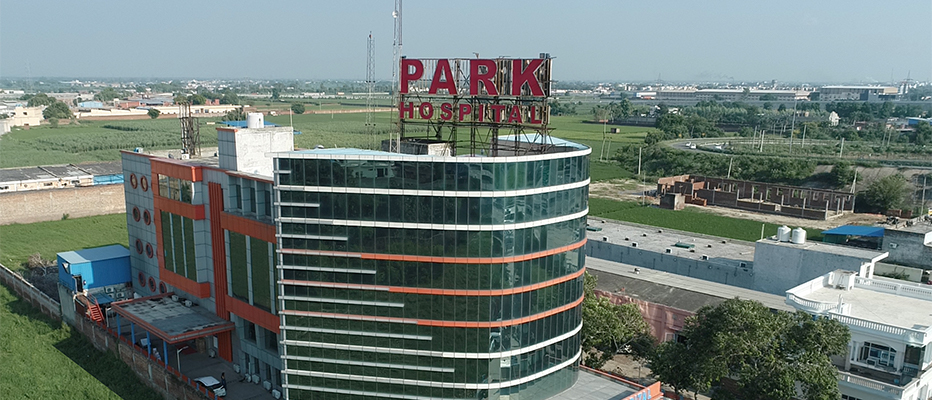



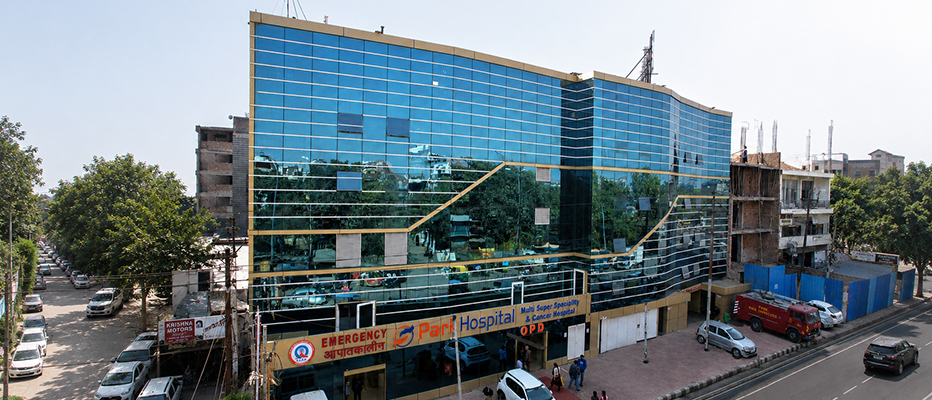




Our Hospital Locations
Healing Near You
Experience world-class clinical expertise and compassionate care at our advanced facilities conveniently located across the region
View All