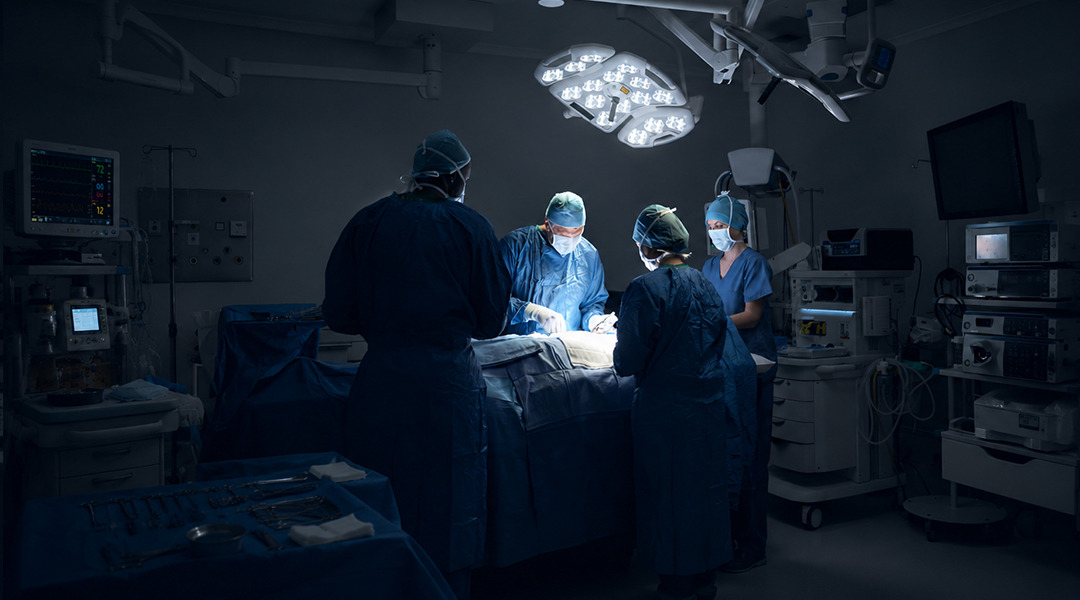
Varicose Vein
Varicose Vein treatment at Park Hospitals involves advanced medical and minimally invasive procedures performed to treat enlarged, twisted, and swollen veins that commonly develop in the legs due to poor blood circulation and weakened vein valves. Varicose veins occur when blood collects within the veins instead of flowing efficiently back toward the heart, causing the veins to become enlarged and visible beneath the skin. The condition is commonly associated with prolonged standing, aging, obesity, pregnancy, family history, hormonal changes, or occupations that involve long periods of sitting or standing. Patients with varicose veins may experience leg pain, heaviness, swelling, burning sensation, muscle cramps, itching, skin discoloration, or visible bulging veins that can gradually worsen over time. Early treatment helps improve circulation, relieve discomfort, and prevent complications such as ulcers, blood clots, or chronic venous insufficiency.
Before recommending treatment, vascular specialists conduct detailed clinical evaluations and diagnostic investigations to assess the severity of venous disease and identify the affected veins. These assessments may include physical examination, Doppler ultrasound studies, vascular imaging, blood circulation assessment, and evaluation of venous valve function. Symptoms such as aching legs, swelling, visible twisted veins, skin changes, fatigue in the legs, nighttime cramps, or recurrent vein-related discomfort are carefully evaluated before planning the most suitable treatment approach. The treatment plan is personalized according to the patient’s condition, vein involvement, medical history, lifestyle, and overall vascular health.
Treatment for varicose veins may involve lifestyle modifications, compression therapy, minimally invasive procedures, or advanced surgical intervention depending on the severity of the condition. Common minimally invasive procedures include endovenous laser treatment (EVLT), radiofrequency ablation, sclerotherapy, or catheter-based vein closure techniques that seal or remove damaged veins while preserving healthy blood circulation. In certain cases, surgical procedures such as vein ligation or vein stripping may be recommended for more advanced varicose vein disease. Advanced vascular imaging systems, precision-guided technology, and modern treatment techniques help improve procedural accuracy, minimize discomfort, and enhance patient safety throughout treatment.
One of the major advantages of modern varicose vein treatment is improved blood circulation and symptom relief without the need for major surgery in many cases. Since several treatment methods are minimally invasive, patients generally experience less pain, minimal scarring, shorter recovery time, and faster return to daily activities. Many patients experience significant improvement in leg pain, swelling, heaviness, appearance of veins, and overall comfort following treatment. Early management can also help prevent progression of venous disease and reduce the risk of long-term complications affecting mobility and skin health.
With experienced vascular specialists, advanced vascular care facilities, modern imaging technology, and comprehensive circulatory care services, Park Hospitals provides specialized treatment support for patients suffering from varicose veins and venous disorders. Early diagnosis, timely intervention, personalized follow-up care, and lifestyle guidance can help improve blood circulation, relieve symptoms, restore leg comfort, and support long-term vascular health and overall well-being.
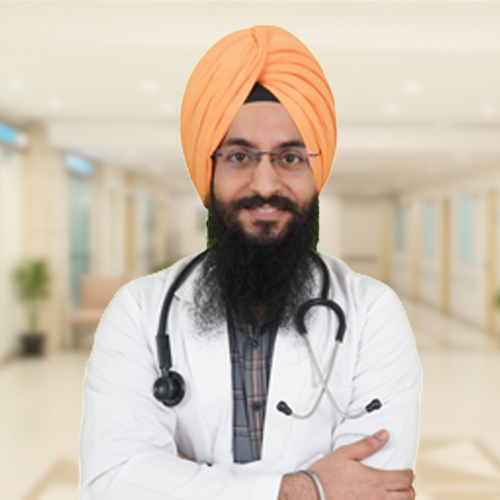
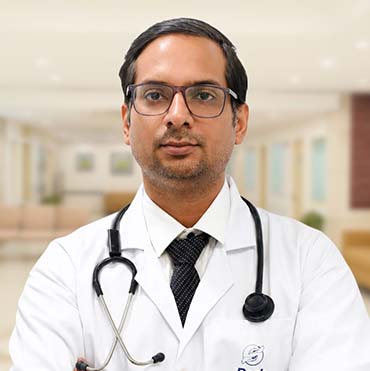
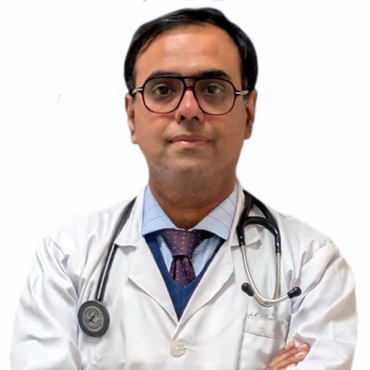
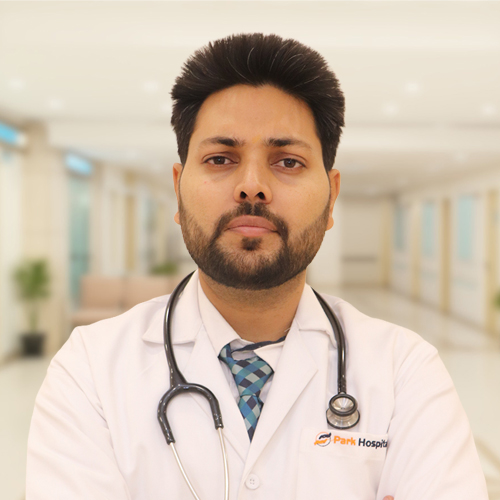
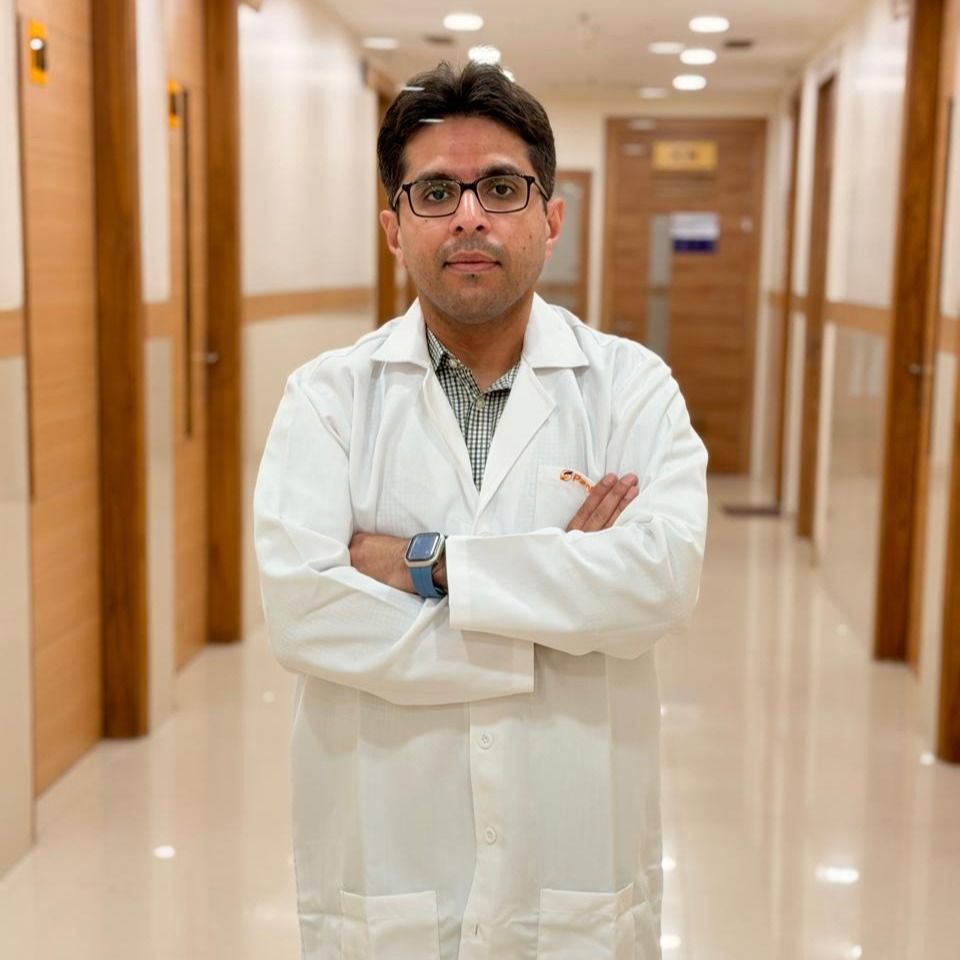
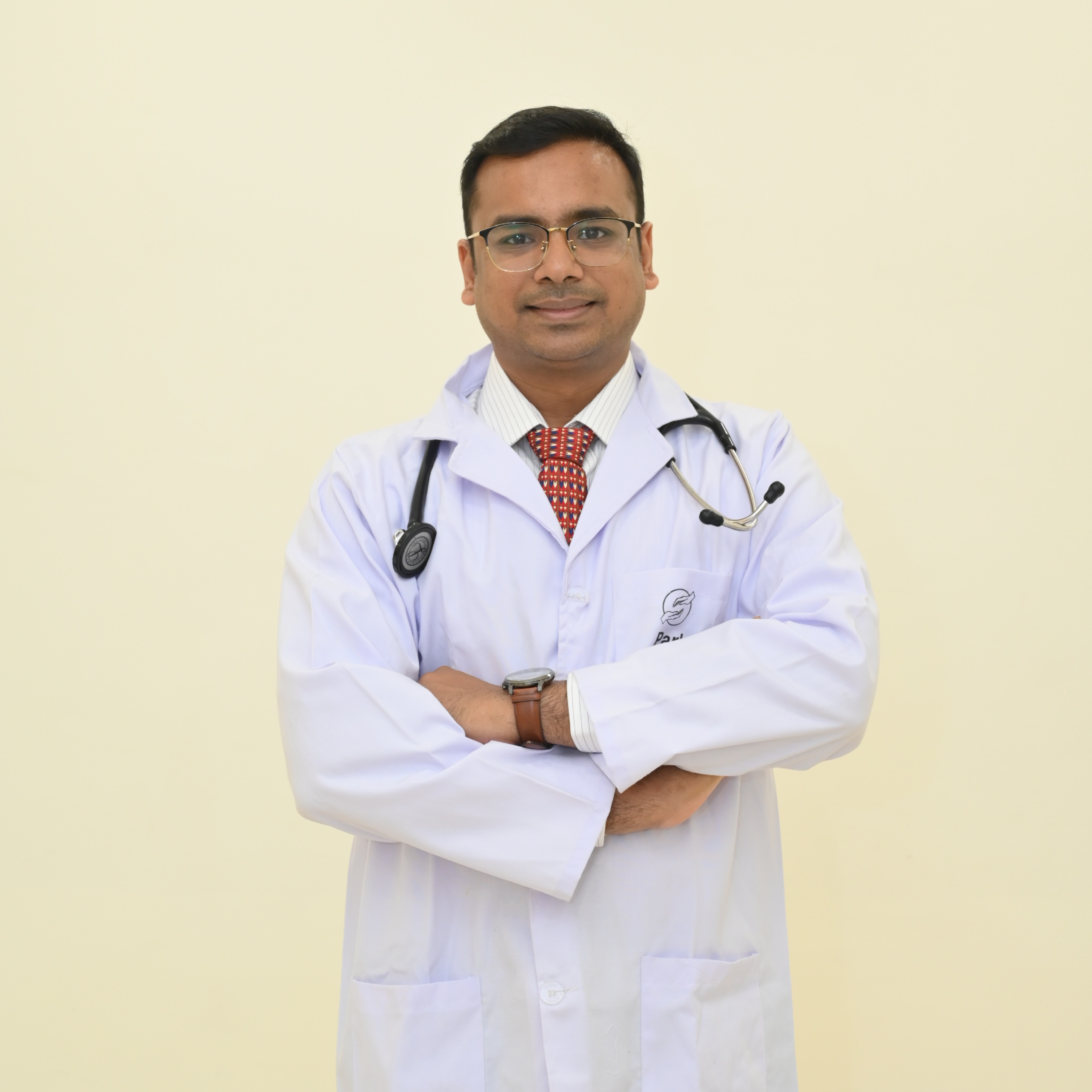
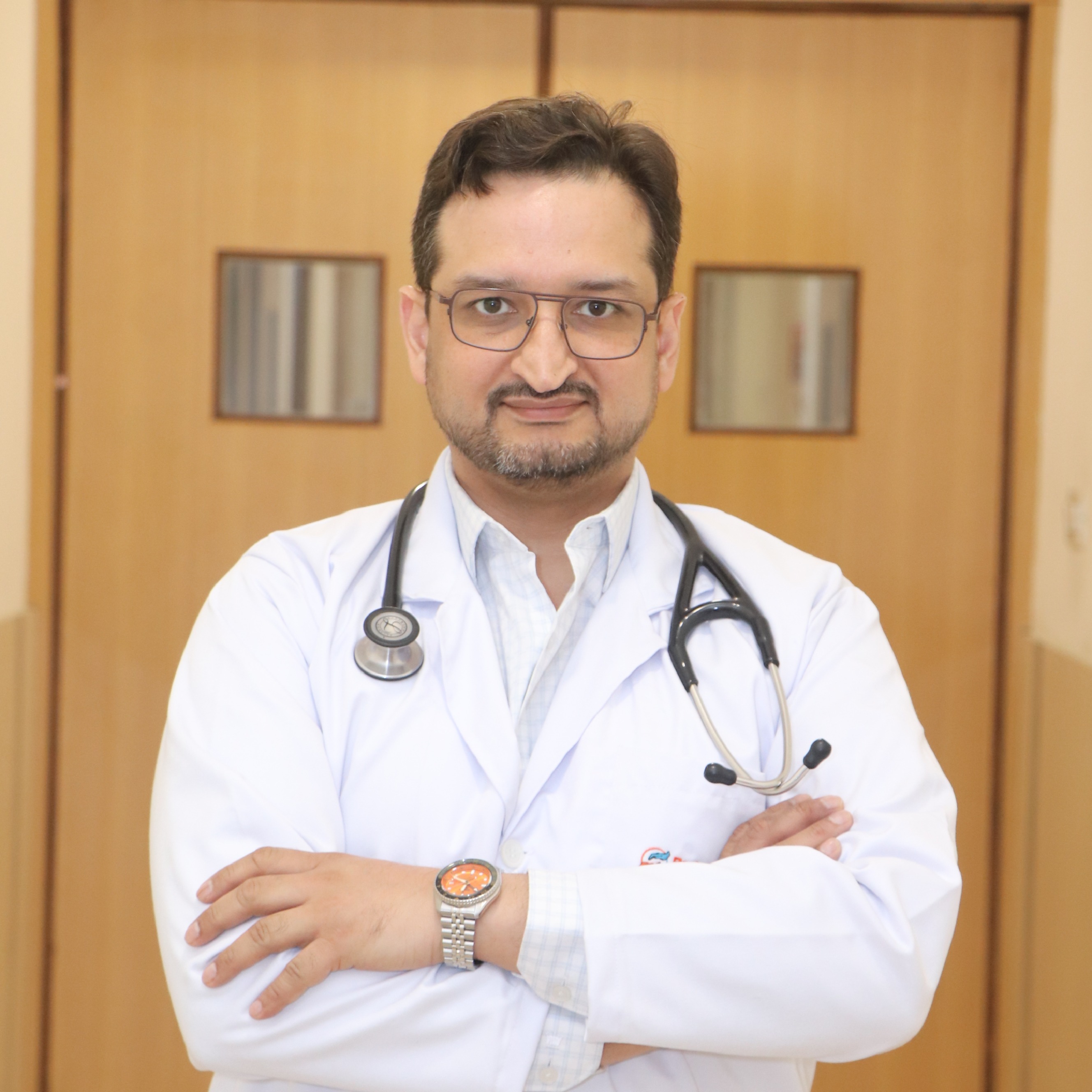
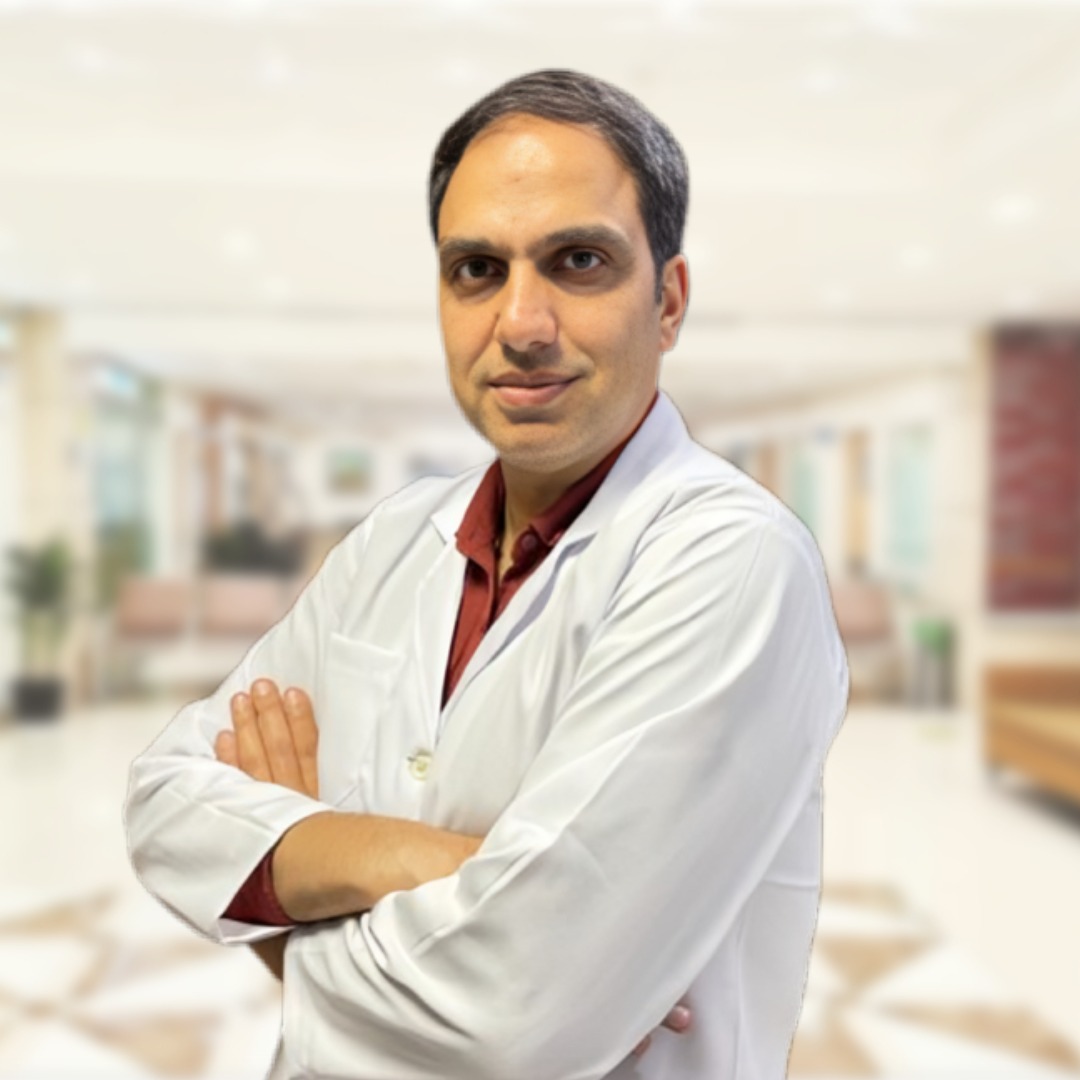
Meet Our Experts
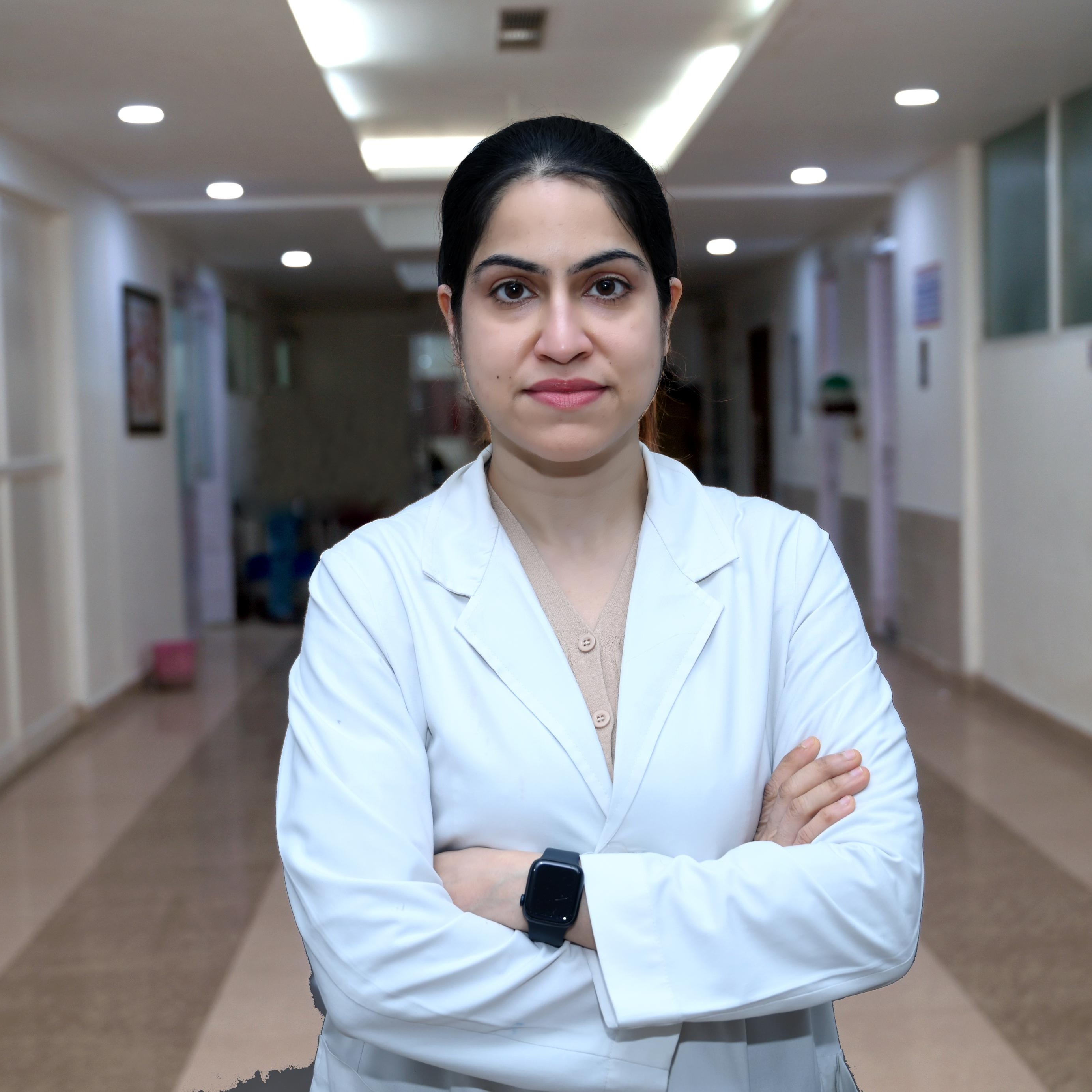
Experienced Clinical Leaders
Consult with our highly skilled specialists dedicated to providing world-class medical expertise and personalized treatment plans.
Find A Doctor


.png)
.jpg)

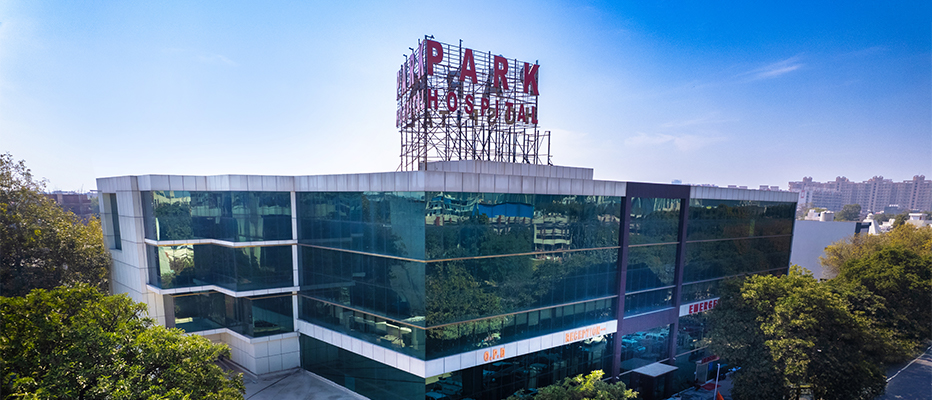
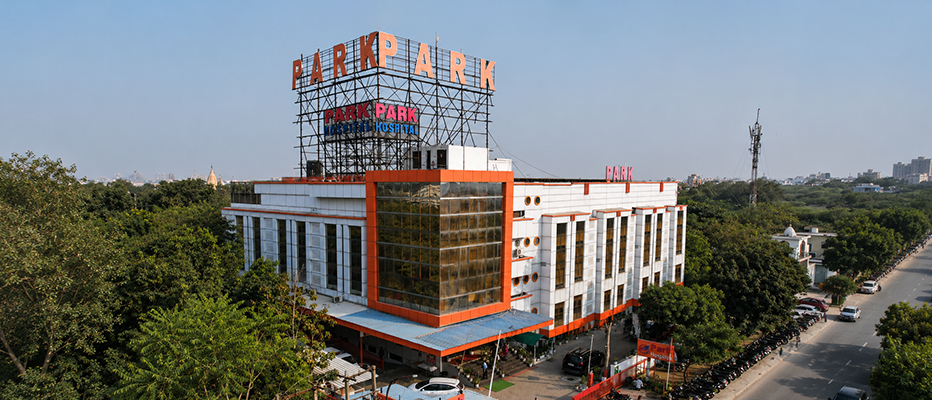
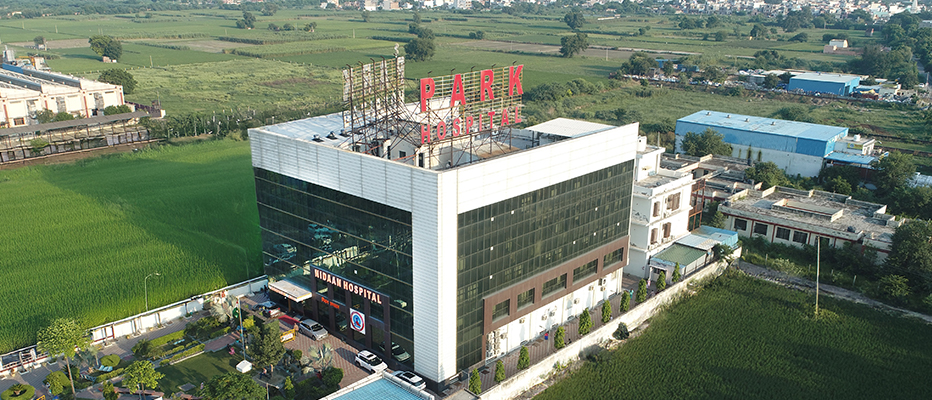
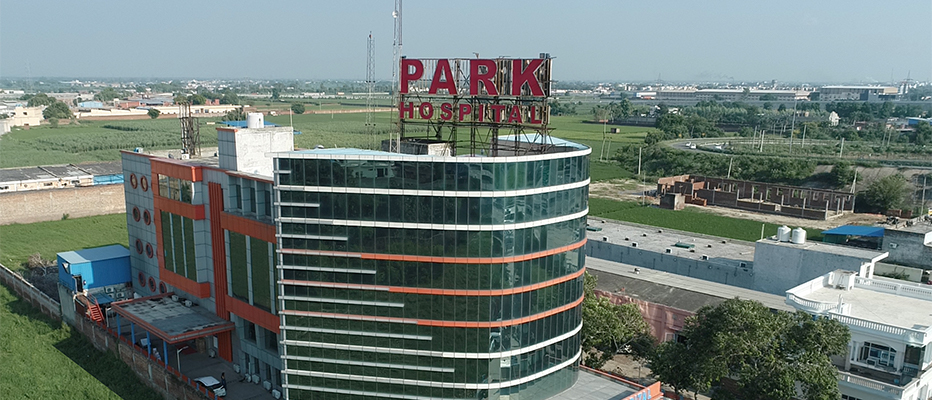
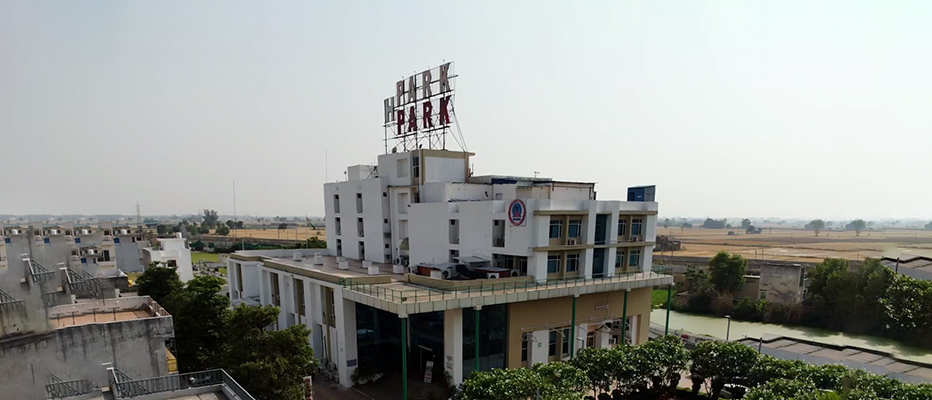
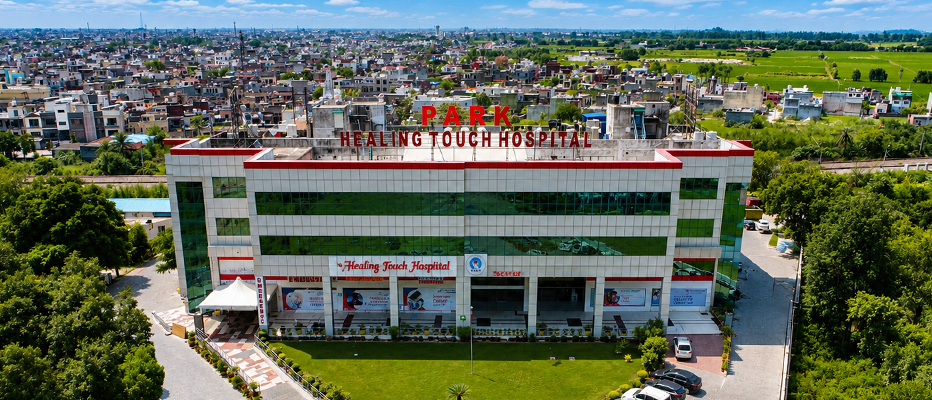
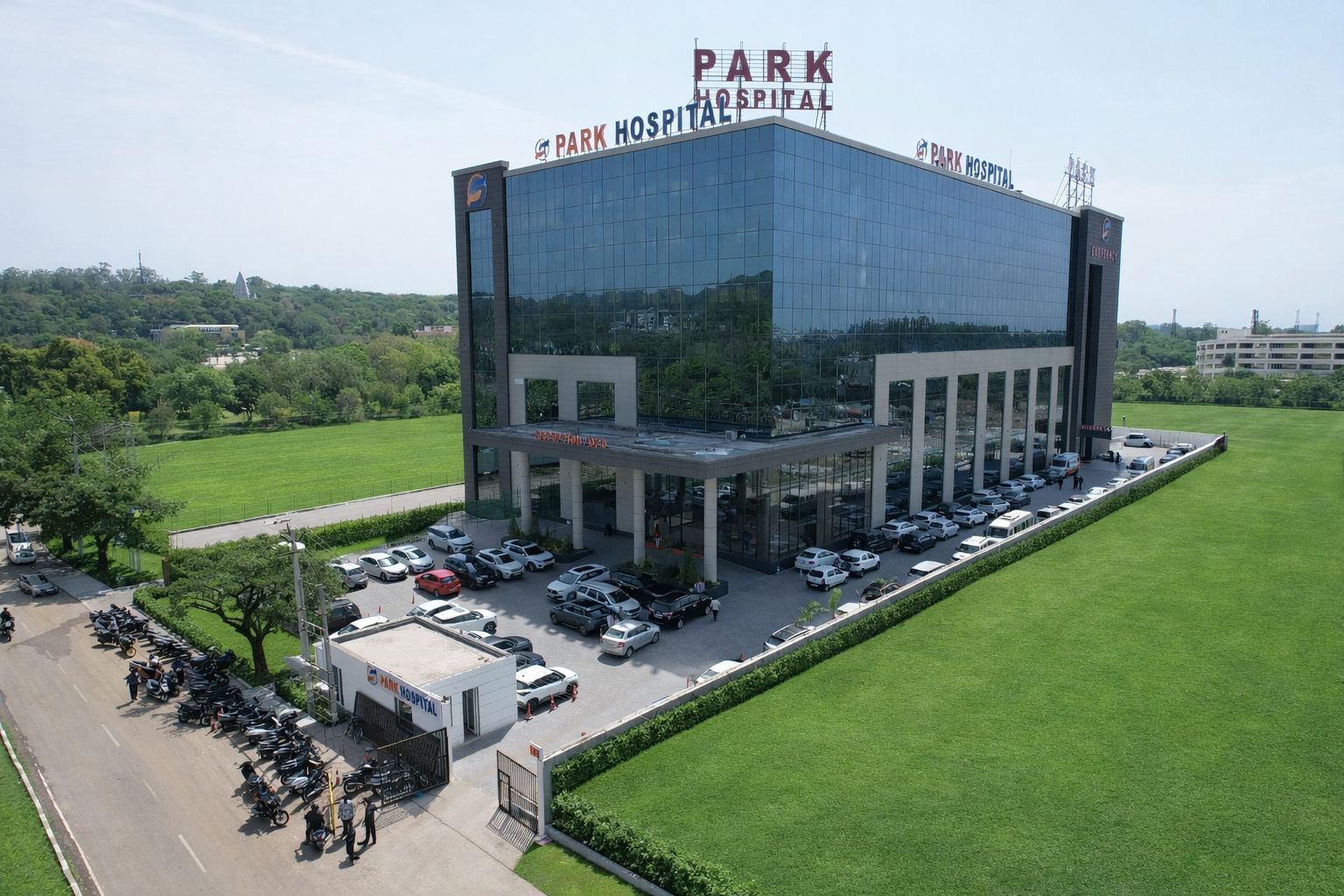
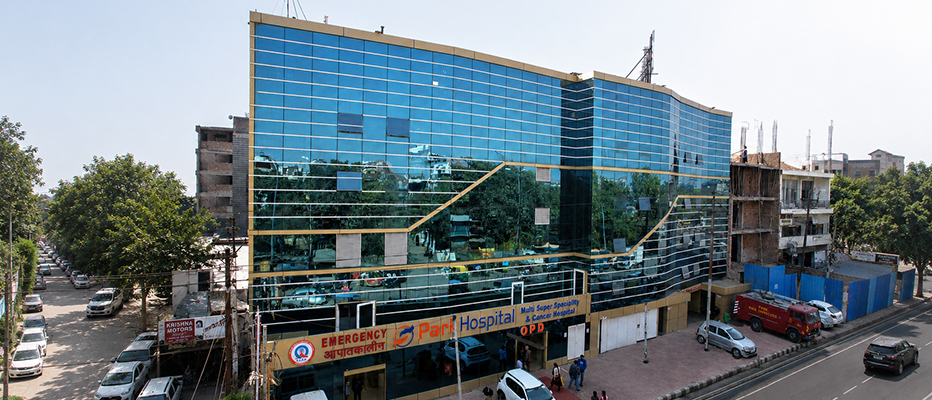
Our Hospital Locations
Healing Near You
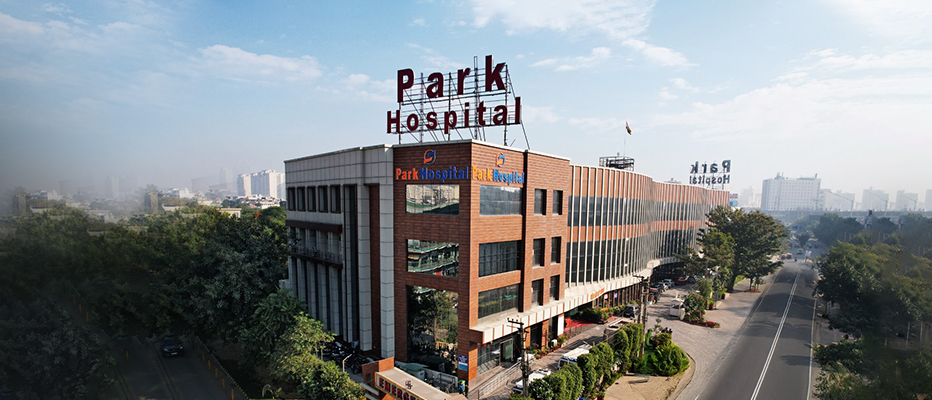
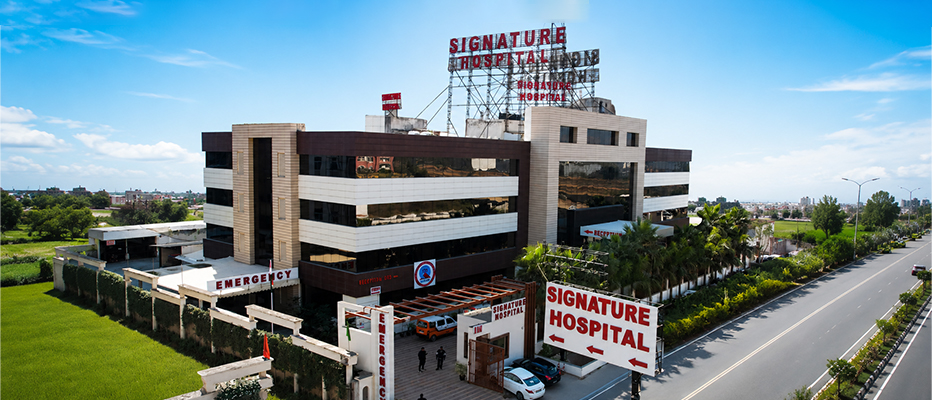
Experience world-class clinical expertise and compassionate care at our advanced facilities conveniently located across the region
View All