
Cardiothoracic And Vascular Surgery
Cardiothoracic And Vascular Surgery involves specialized surgical procedures for diseases affecting the heart, lungs, chest, and blood vessels. At Park Hospitals, our experienced cardiac surgeons provide advanced surgical treatment using modern operation theatres and critical care support.
The department offers treatment for coronary artery disease, valve disorders, congenital heart defects, aneurysms, and vascular diseases. Advanced procedures include bypass surgery, valve replacement, valve repair, aortic surgery, and minimally invasive cardiac surgery.
At Park Hospitals, patient safety and precision remain central to every surgical procedure. Advanced diagnostic imaging and cardiac monitoring technologies help ensure accurate surgical planning and successful outcomes.
Comprehensive postoperative care and rehabilitation programs support faster recovery and long term cardiovascular wellness. Patients also receive guidance regarding diet, exercise, medications, and lifestyle modifications to maintain heart health.
With a multidisciplinary approach involving cardiac surgeons, anesthesiologists, intensivists, and rehabilitation specialists, Park Hospitals delivers comprehensive Cardiothoracic And Vascular Surgery care focused on restoring heart function and improving quality of life.
Patient Testimonials
Stories Reflecting Excellence in Patient Care

Robotic Knee Replacement Success Story
A patient regained mobility and confidence through successful robotic knee replacement surgery. Advanced robotic technology, expert orthopedic care, and personalized rehabilitation helped reduce pain, improve movement, and enhance overall quality of life.
Know More
Pain-Free Walking After Total Knee Replacement
Following a successful Total Knee Replacement (TKR), the patient regained mobility and confidence. Expert orthopedic care, advanced surgical techniques, and rehabilitation support helped achieve pain-free walking and an improved quality of life.

Goodbye Knee Pain! | Advanced Knee Replacement | Dr. Anand Jindal | Park Hospital Panchkula
Chronic knee pain can affect your mobility and quality of life. Advanced knee replacement surgery can help you move comfortably and regain confidence.
Dr. Anand Jindal
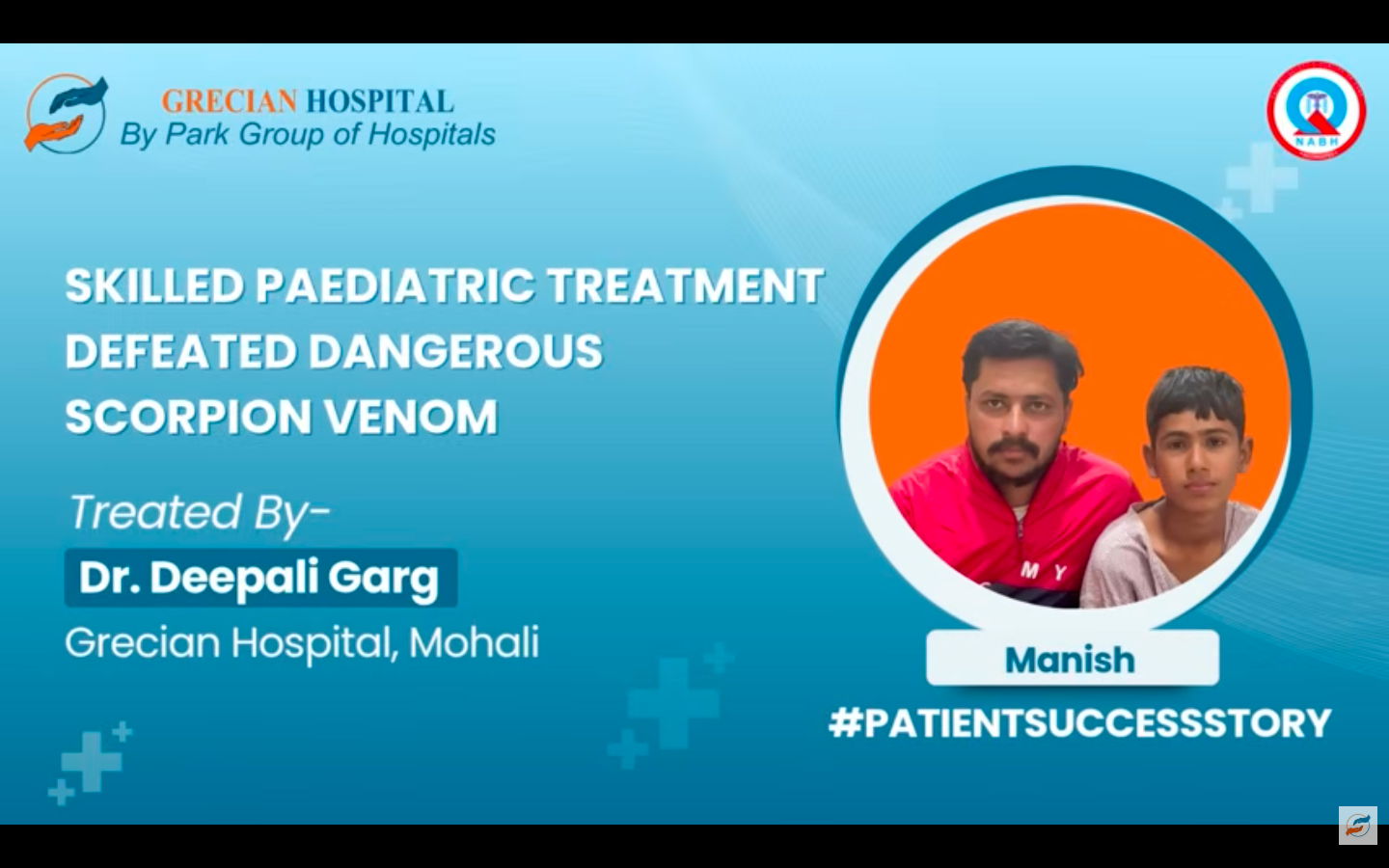
Expert Paediatric Care Defeats Scorpion Venom
A child suffering from a dangerous scorpion sting was successfully treated through timely intervention and expert pediatric care. Prompt diagnosis, critical monitoring, and specialized treatment ensured a safe recovery and positive outcome.
Dr. Milan Arora



















Our Hospital Locations
Healing Near You
Experience world-class clinical expertise and compassionate care at our advanced facilities conveniently located across the region
View AllHealth Tips
Expert Advice for Healthy Life


Frequently Asked Questions
Common questions answered by our experts
Cardiothoracic surgery may be recommended for certain serious conditions affecting the heart, lungs and chest. These can include severe coronary artery disease requiring bypass surgery, damaged or diseased heart valves, some congenital heart conditions, certain diseases of the lungs and chest, and other structural problems. The need for surgery depends on the condition, its severity, symptoms, test results and overall health. Some conditions may be treated with medicines or minimally invasive procedures, while others require surgical intervention.
Heart bypass surgery, also called coronary artery bypass grafting, may be recommended when coronary arteries are severely narrowed or blocked and blood flow to the heart needs to be restored. It may be considered when several arteries are affected, when there is significant narrowing of a major coronary artery, or when angioplasty is not suitable or has not worked. In some situations, bypass surgery may be performed urgently during a heart attack. The decision depends on the blockages, symptoms, heart function and overall health.
Bypass surgery treats blocked or narrowed coronary arteries by creating a new route for blood to reach the heart muscle. A healthy blood vessel is used to bypass the blocked artery. Valve surgery, on the other hand, treats a damaged or diseased heart valve. The surgeon may repair the valve or replace it with a mechanical or biological valve. The choice of procedure depends on the specific heart problem, its severity, symptoms and the patient's overall health.
Cardiothoracic surgery includes procedures involving the heart, lungs and chest. Common procedures include coronary artery bypass surgery, heart valve repair or replacement, surgery for certain congenital heart conditions and minimally invasive heart surgery. Depending on the condition, surgeons may also perform procedures involving the lungs and other structures within the chest. Some heart procedures can be performed through smaller incisions or with robotic assistance. The appropriate surgical approach depends on the condition, anatomy, overall health and treatment goals.
Before cardiothoracic surgery, the healthcare team reviews the patient's medical history, symptoms, medicines and existing health conditions. Tests may include blood tests, ECG, echocardiography and imaging studies, depending on the planned procedure. For bypass surgery, detailed evaluation of the coronary arteries may be required. The team also assesses factors that could affect surgical risk and recovery. This evaluation helps determine whether surgery is appropriate, which procedure is most suitable and how the patient should prepare.
Recovery depends on the type of surgery and the patient's overall health. After major heart surgery, patients are closely monitored in the hospital for breathing, heart rhythm, blood pressure and other signs of complications. Gradual movement, walking and breathing exercises are usually introduced during recovery. Cardiac rehabilitation may be recommended after bypass surgery to support safe return to activity and improve heart health. Recovery can take several weeks, and the timeline varies according to the procedure and individual progress.
You may need a cardiothoracic surgeon when tests identify a heart or chest condition that may require surgery, particularly when medicines or less invasive treatments are not sufficient. Referral may be considered for severe coronary artery disease, significant heart valve disease, certain congenital heart conditions or surgical conditions affecting the lungs and chest. A cardiologist or other specialist can determine whether a surgical opinion is appropriate. If surgery is recommended, the cardiothoracic surgeon can discuss the procedure, alternatives, potential risks and expected recovery.