
Dialysis Services
Dialysis Services provide life supporting treatment for patients with severe kidney dysfunction or kidney failure. At Park Hospitals, our dialysis units are equipped with advanced technology and infection controlled environments to ensure safe patient care.
Hemodialysis and peritoneal dialysis services are provided under the supervision of experienced nephrologists and trained nursing professionals. Patients receive continuous monitoring, nutritional counseling, fluid management support, and long term kidney care guidance.
The department focuses on patient comfort, safety, and maintaining quality of life during long term dialysis treatment.
With compassionate support and advanced renal infrastructure, Park Hospitals remains committed to providing high quality dialysis care.
Patient Testimonials
Stories Reflecting Excellence in Patient Care

Robotic Knee Replacement Success Story
A patient regained mobility and confidence through successful robotic knee replacement surgery. Advanced robotic technology, expert orthopedic care, and personalized rehabilitation helped reduce pain, improve movement, and enhance overall quality of life.
Know More
Pain-Free Walking After Total Knee Replacement
Following a successful Total Knee Replacement (TKR), the patient regained mobility and confidence. Expert orthopedic care, advanced surgical techniques, and rehabilitation support helped achieve pain-free walking and an improved quality of life.

Goodbye Knee Pain! | Advanced Knee Replacement | Dr. Anand Jindal | Park Hospital Panchkula
Chronic knee pain can affect your mobility and quality of life. Advanced knee replacement surgery can help you move comfortably and regain confidence.
Dr. Anand Jindal
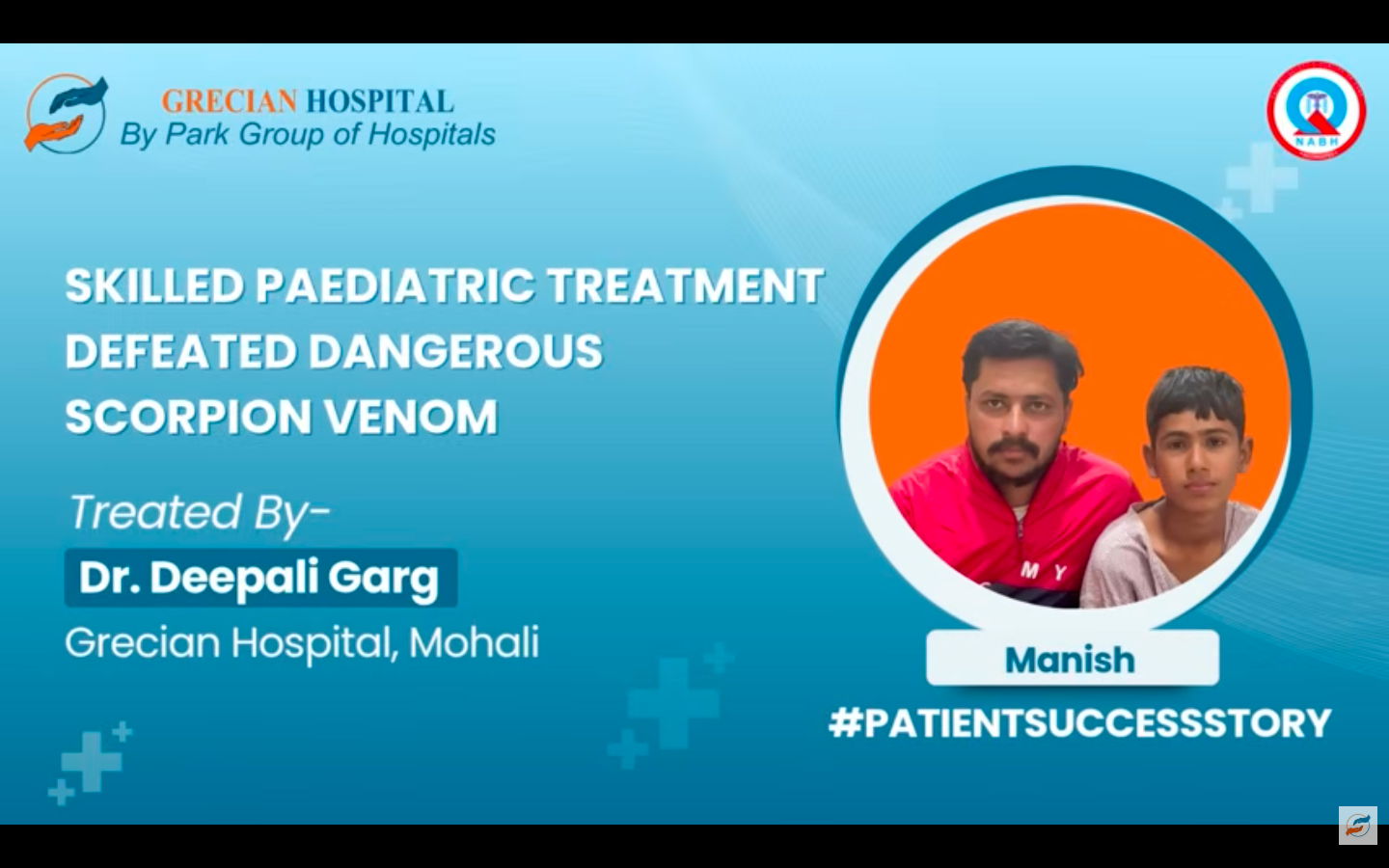
Expert Paediatric Care Defeats Scorpion Venom
A child suffering from a dangerous scorpion sting was successfully treated through timely intervention and expert pediatric care. Prompt diagnosis, critical monitoring, and specialized treatment ensured a safe recovery and positive outcome.
Dr. Milan Arora



















Our Hospital Locations
Healing Near You
Experience world-class clinical expertise and compassionate care at our advanced facilities conveniently located across the region
View AllHealth Tips
Expert Advice for Healthy Life


Frequently Asked Questions
Common questions answered by our experts
Dialysis may be needed when the kidneys can no longer remove enough waste, excess fluid and minerals from the body. The decision is not based on kidney function alone. Doctors also consider symptoms, overall health, quality of life and treatment goals. Dialysis may be recommended when kidney failure causes problems such as severe fluid buildup, high potassium, excess acid in the blood or symptoms including persistent nausea, vomiting, fatigue, itching or confusion. Some patients may instead be suitable for a kidney transplant or supportive care.
The two main types of dialysis are haemodialysis and peritoneal dialysis. Haemodialysis removes blood from the body and passes it through a machine that filters waste and excess fluid before returning the blood. Peritoneal dialysis uses the lining of the abdomen as a natural filter. Dialysis fluid is placed into the abdomen through a catheter and later drained, carrying waste and excess fluid with it. The choice depends on kidney function, overall health, lifestyle, home situation and personal preferences.
During haemodialysis, blood is taken from the body through a vascular access and passed through a dialyzer, which acts as an artificial kidney. The filter removes waste products, excess salts and fluid from the blood, which is then returned to the body. Haemodialysis may be performed at a dialysis centre, hospital or, for selected patients, at home. Treatment requires a regular schedule, along with prescribed medicines, dietary adjustments and monitoring of blood pressure, weight, blood chemistry and dialysis effectiveness.
Peritoneal dialysis uses the peritoneum, the natural lining of the abdomen, as a filter. A catheter is placed into the abdomen, through which dialysis solution enters the abdominal cavity. The solution remains there for a period of time, allowing waste and excess fluid to move from the blood into the solution. The used fluid is then drained and replaced with fresh solution. Peritoneal dialysis is generally performed at home and can offer greater flexibility for some patients, including those who work or travel.
The choice between haemodialysis and peritoneal dialysis is individualised. Doctors consider remaining kidney function, overall health, other medical conditions, home environment, ability to manage treatment, lifestyle and personal preferences. Peritoneal dialysis may offer greater flexibility because it can be performed at home, while haemodialysis may be provided at a dialysis centre or at home for selected patients. The healthcare team discusses the advantages, limitations and practical requirements of each option before recommending the approach that best fits the patient's medical and personal needs.
Symptoms of advanced kidney failure can include persistent nausea or vomiting, loss of appetite, severe tiredness or weakness, itching, swelling of the feet and ankles, changes in urination, shortness of breath, difficulty sleeping or reduced mental alertness. However, symptoms alone do not determine whether dialysis is needed. Doctors also assess kidney function, fluid levels, blood potassium, acid levels, overall health and quality of life. Anyone with worsening kidney disease symptoms should undergo medical evaluation rather than waiting for symptoms to become severe.
Dialysis requires regular treatment, prescribed medicines and dietary adjustments. Depending on kidney function and dialysis type, patients may need to manage their intake of sodium, potassium, phosphorus and fluids. A renal dietitian can create an eating plan based on individual needs. Medicines should be taken exactly as prescribed, and regular monitoring helps assess kidney function, fluid balance and dialysis effectiveness. Patients should also discuss travel, work, exercise and other daily activities with their care team so treatment can be planned around their lifestyle.