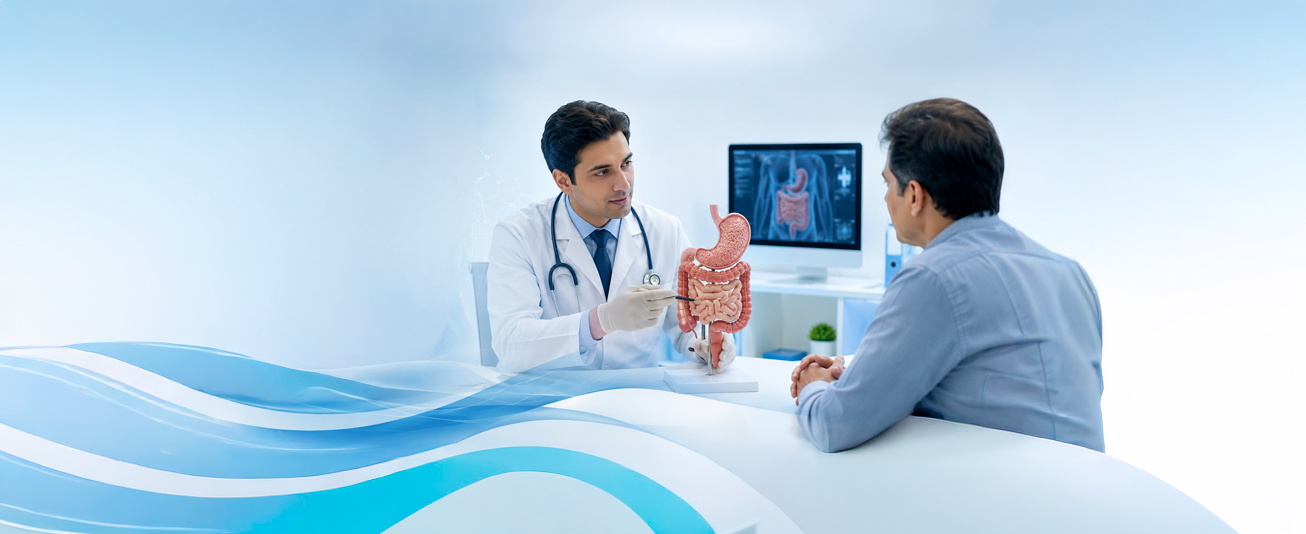
Endoscopy & Advanced GI Procedure
Endoscopy And Advanced GI Procedures help diagnose and treat digestive disorders using minimally invasive techniques. At Park Hospitals, our specialists provide advanced endoscopic evaluation using high definition imaging systems and precision guided procedures.
The department offers diagnostic endoscopy, colonoscopy, ERCP, therapeutic endoscopy, polypectomy, and gastrointestinal bleeding management.
Minimally invasive digestive procedures help reduce discomfort, improve diagnosis accuracy, and support faster recovery.
With advanced technology and experienced gastroenterologists, Park Hospitals provides safe and effective endoscopic care focused on patient comfort and digestive wellness.
Patient Testimonials
Stories Reflecting Excellence in Patient Care
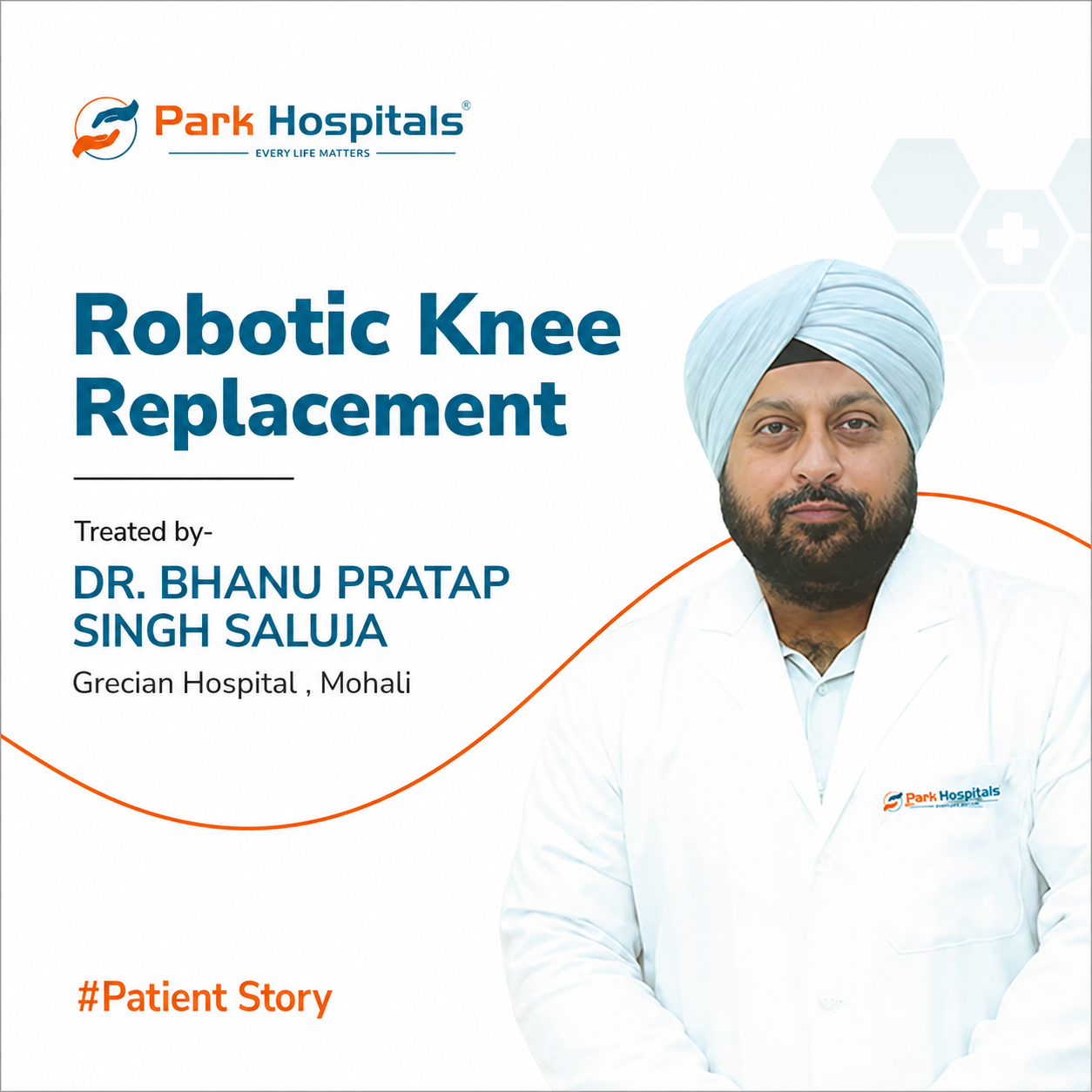
Robotic Knee Replacement Success Story
A patient regained mobility and confidence through successful robotic knee replacement surgery. Advanced robotic technology, expert orthopedic care, and personalized rehabilitation helped reduce pain, improve movement, and enhance overall quality of life.
Know More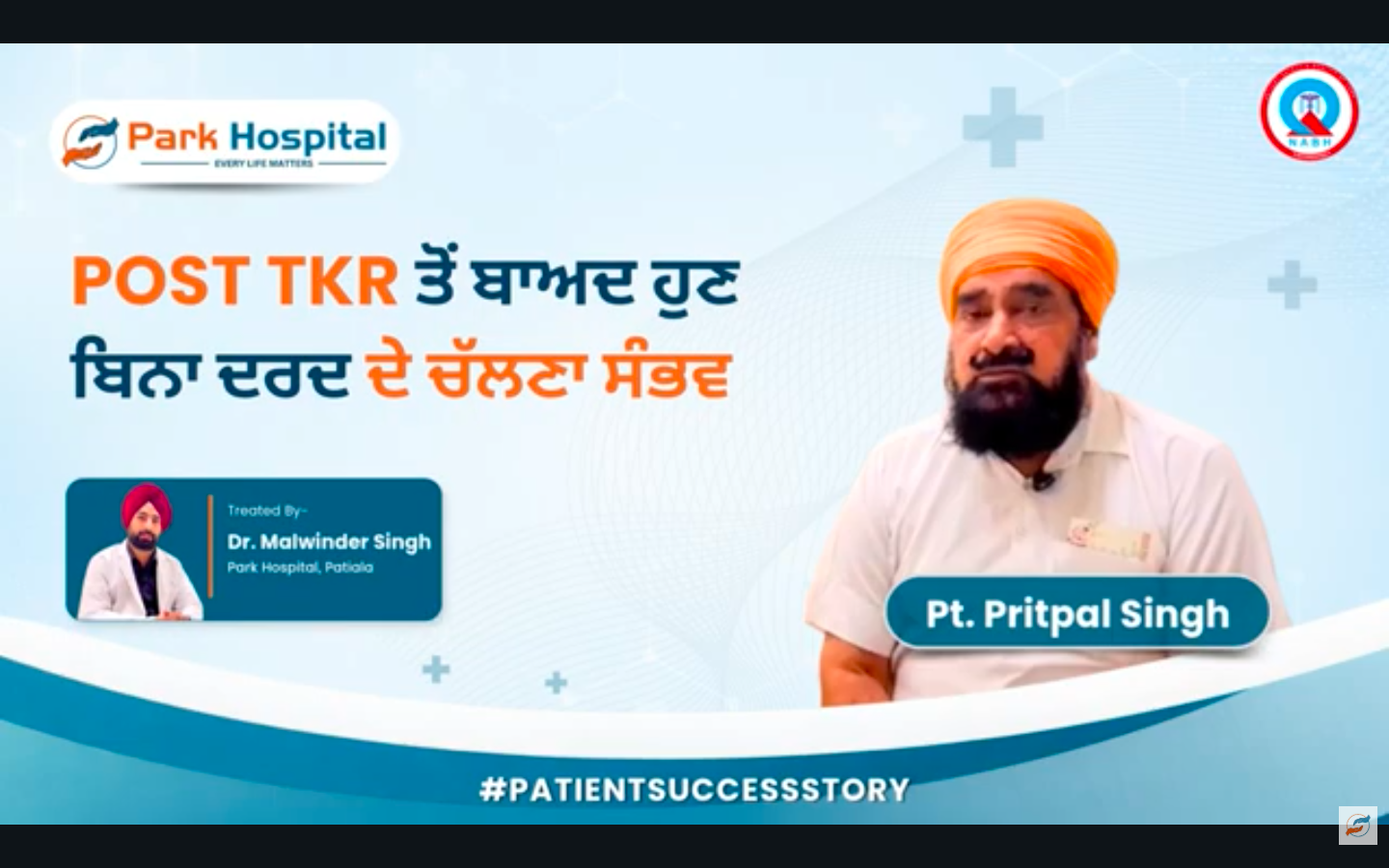
Pain-Free Walking After Total Knee Replacement
Following a successful Total Knee Replacement (TKR), the patient regained mobility and confidence. Expert orthopedic care, advanced surgical techniques, and rehabilitation support helped achieve pain-free walking and an improved quality of life.
Goodbye Knee Pain! | Advanced Knee Replacement | Dr. Anand Jindal | Park Hospital Panchkula
Chronic knee pain can affect your mobility and quality of life. Advanced knee replacement surgery can help you move comfortably and regain confidence.
Dr. Anand Jindal
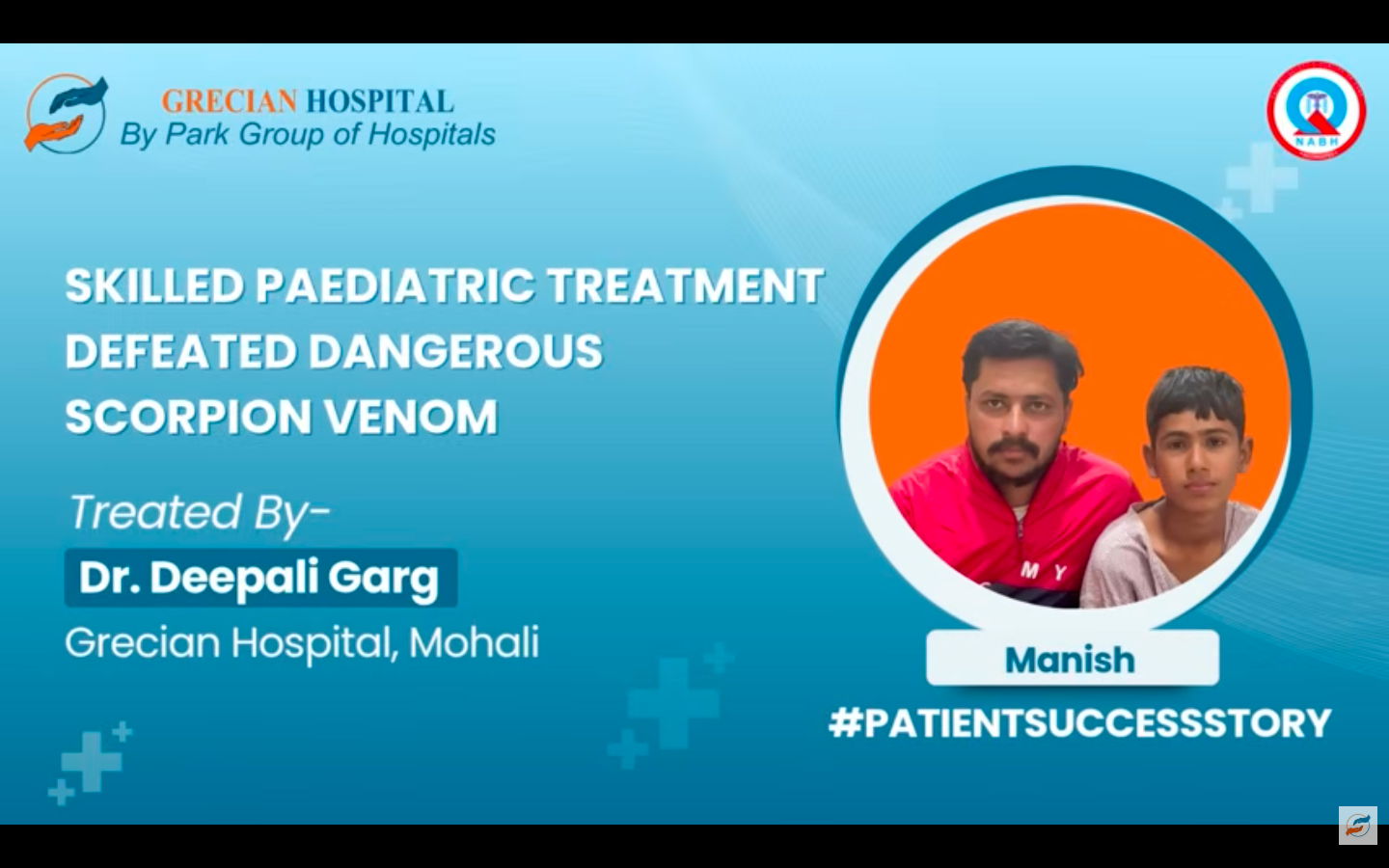
Expert Paediatric Care Defeats Scorpion Venom
A child suffering from a dangerous scorpion sting was successfully treated through timely intervention and expert pediatric care. Prompt diagnosis, critical monitoring, and specialized treatment ensured a safe recovery and positive outcome.
Dr. Milan Arora
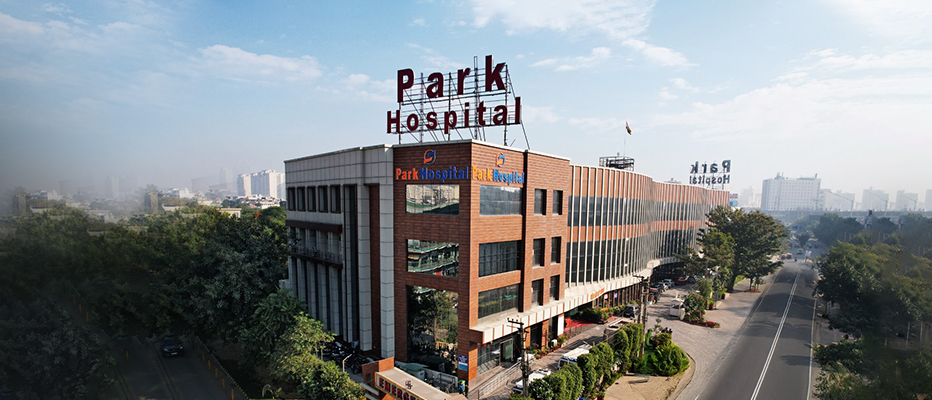


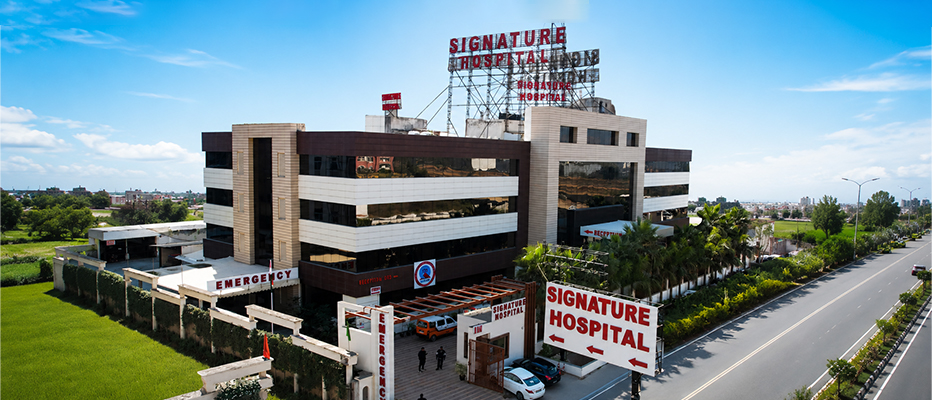
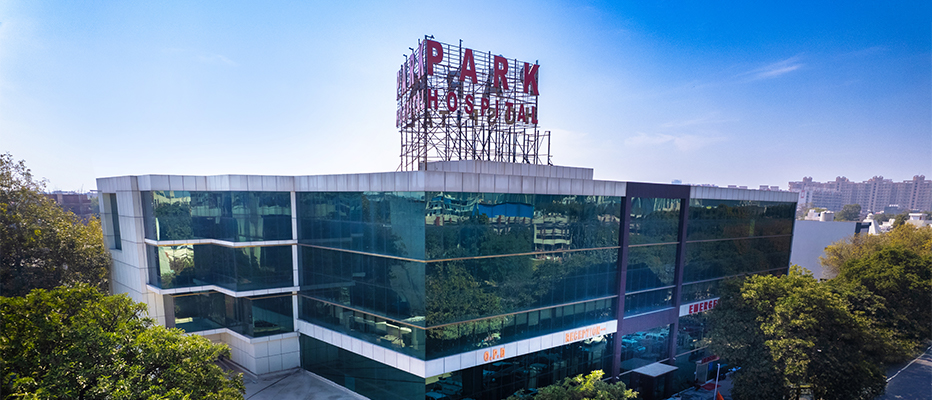
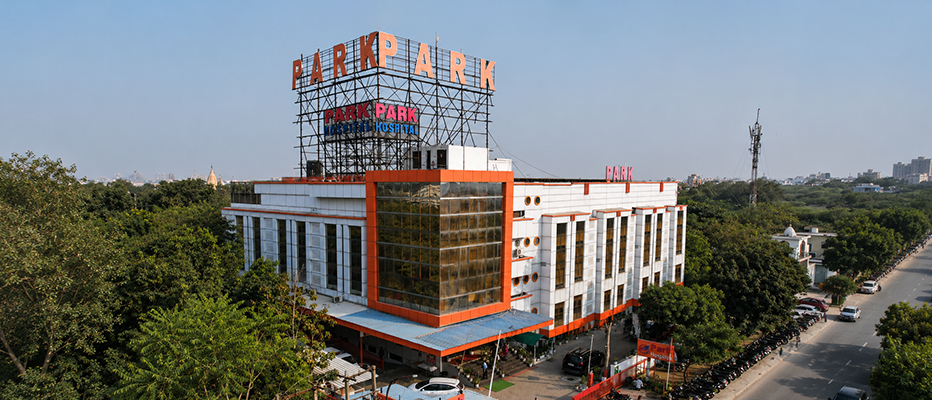
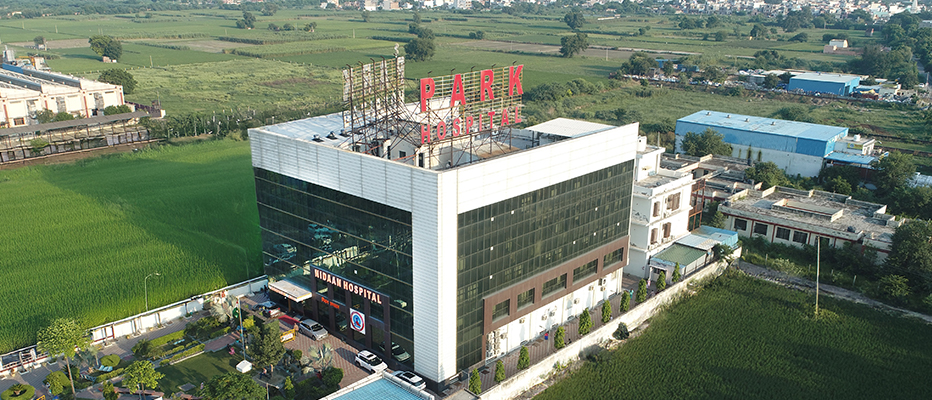
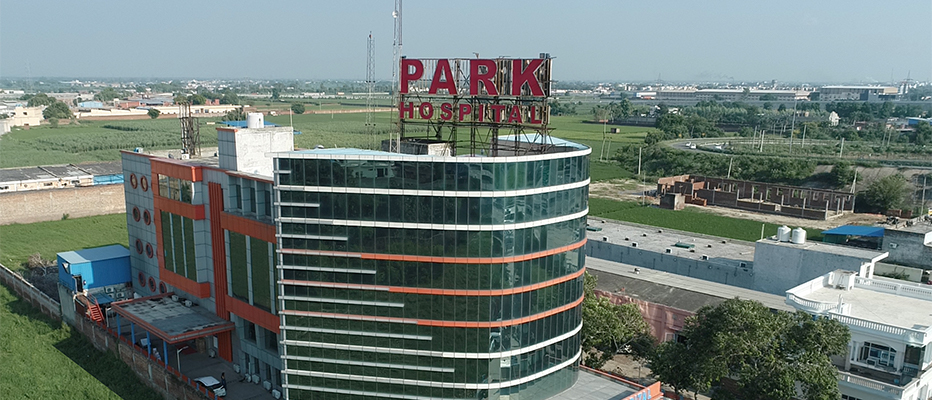
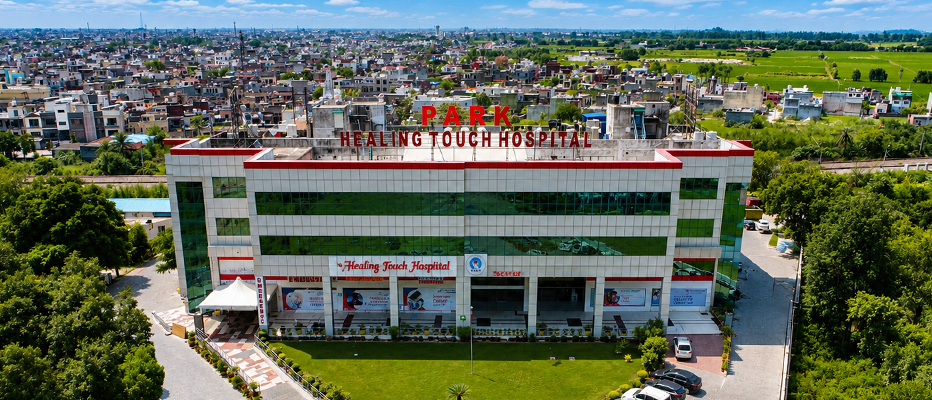
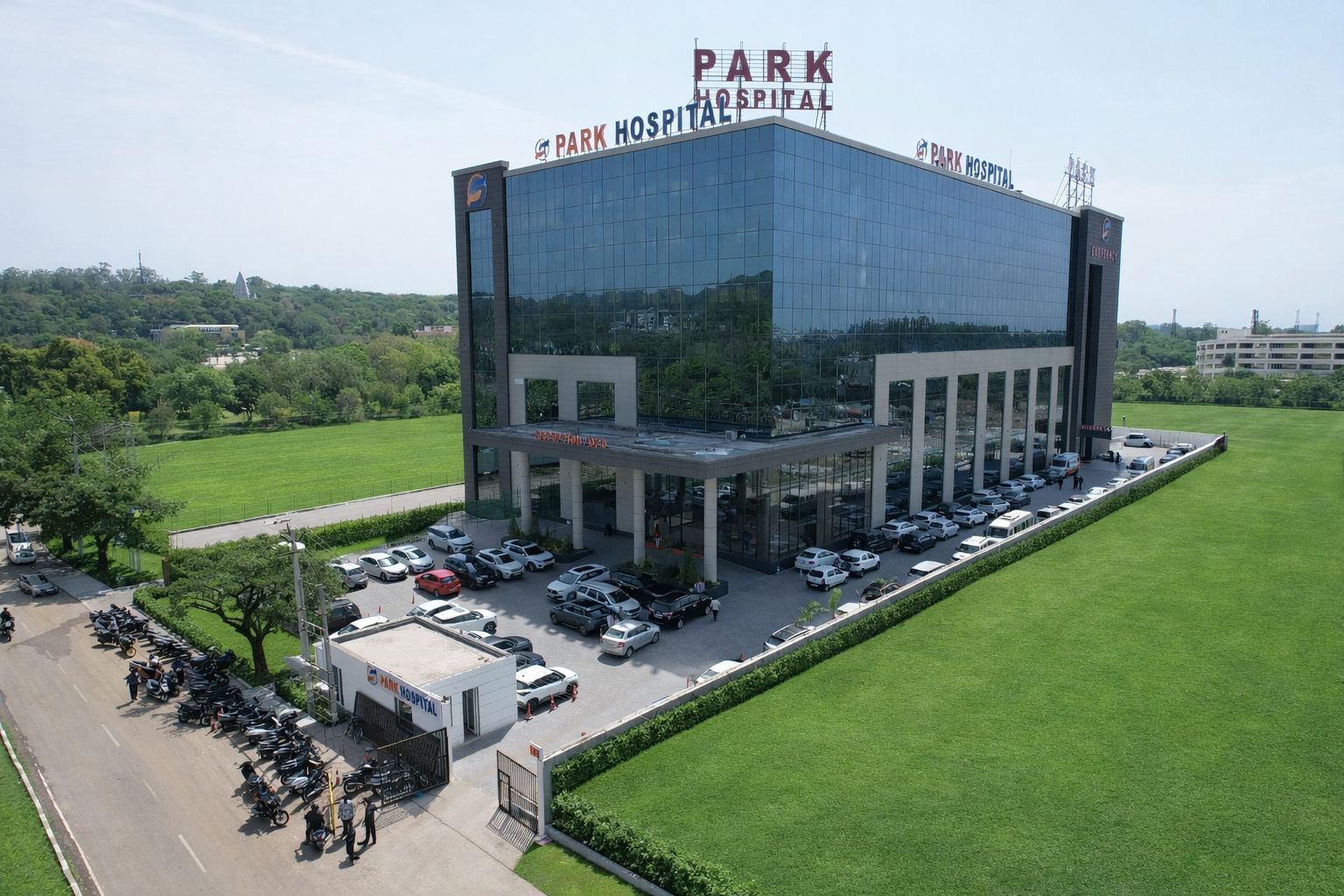
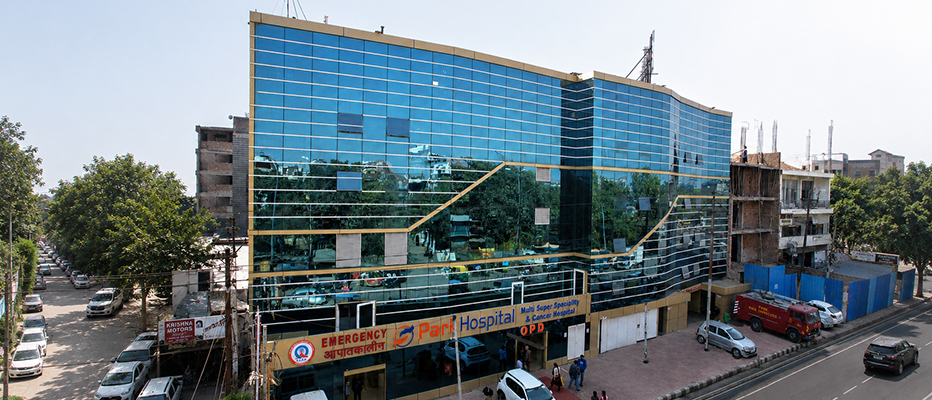
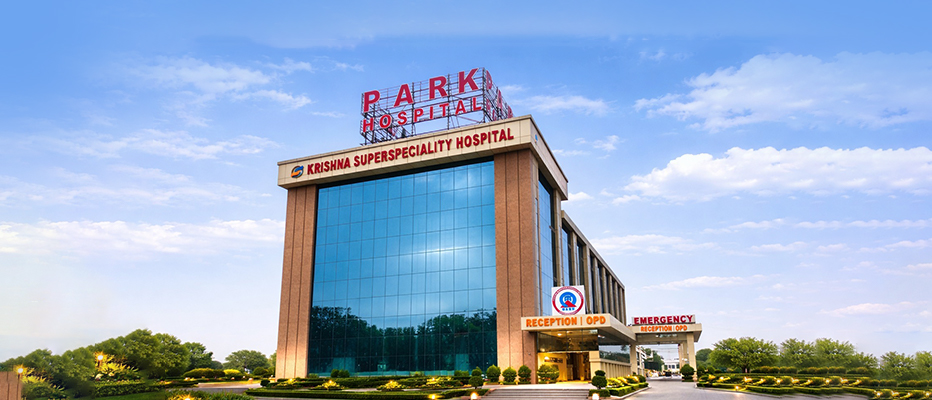
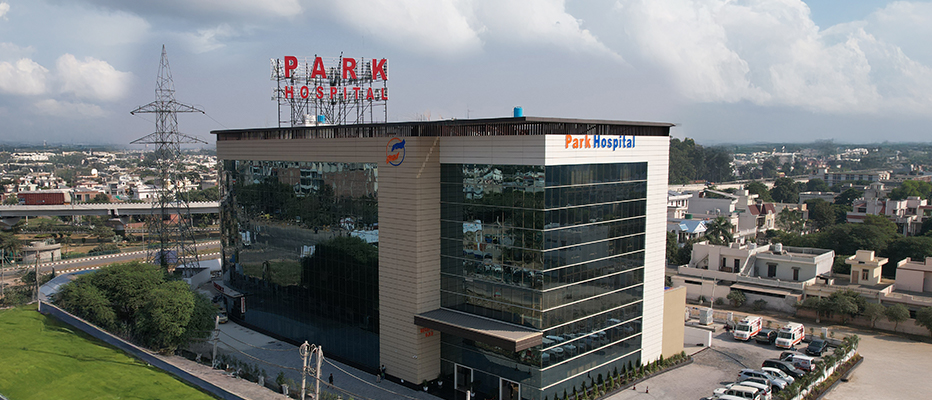
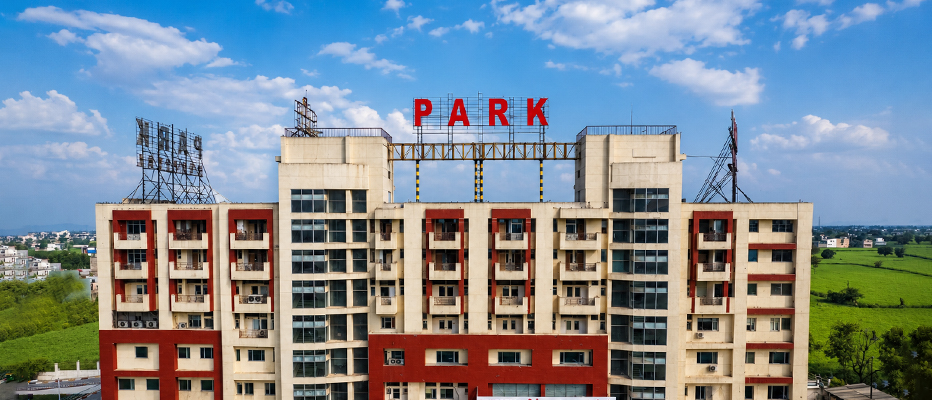
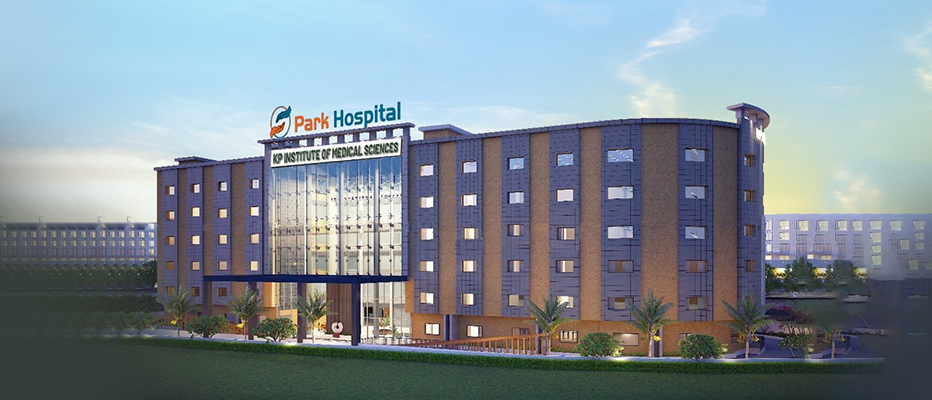
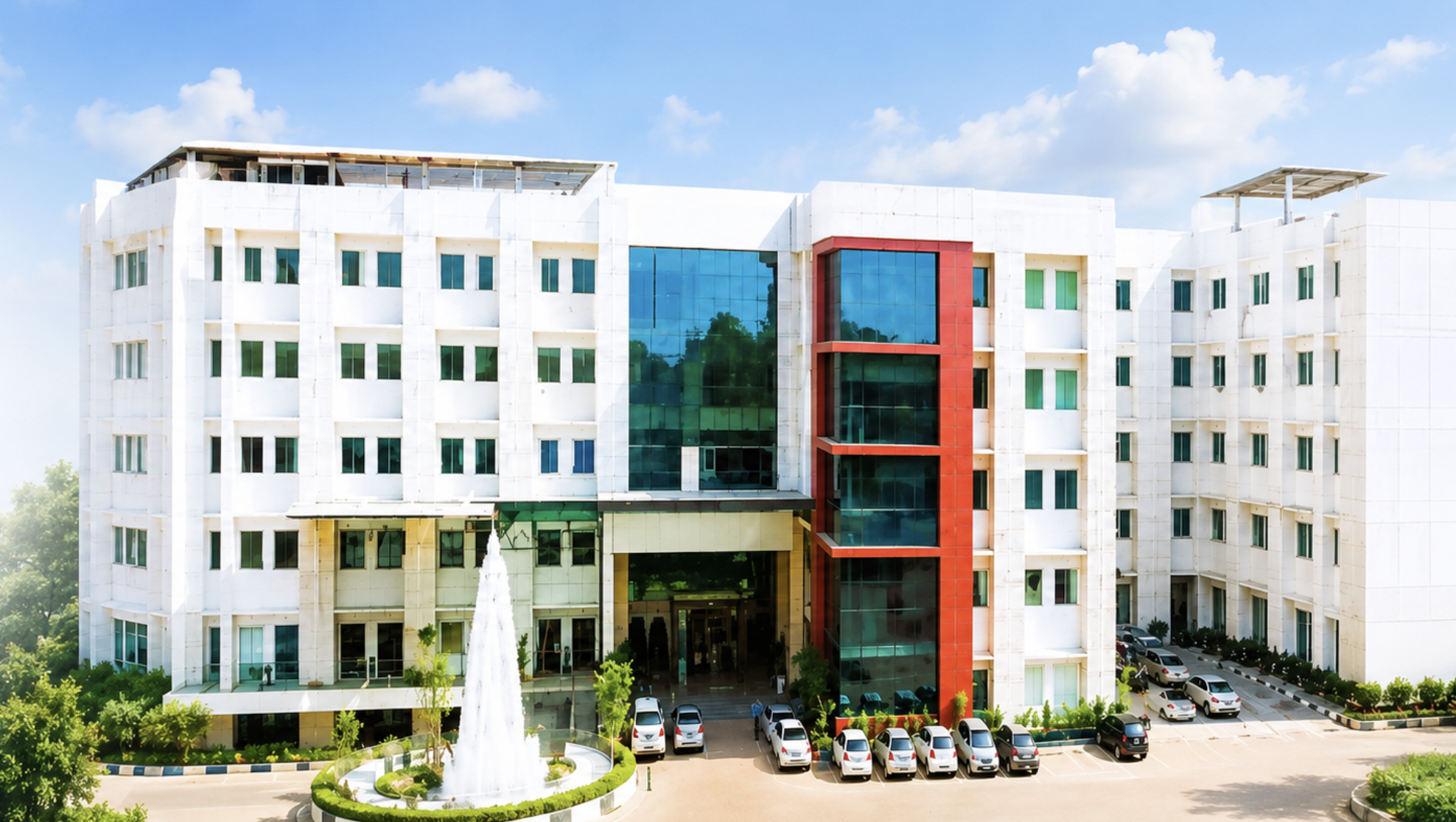
Our Hospital Locations
Healing Near You
Experience world-class clinical expertise and compassionate care at our advanced facilities conveniently located across the region
View AllHealth Tips
Expert Advice for Healthy Life


Frequently Asked Questions
Common questions answered by our experts
Endoscopy is a procedure that uses a flexible tube with a camera to examine parts of the digestive tract from inside the body. An upper GI endoscopy examines the oesophagus, stomach and first part of the small intestine. It may be recommended to investigate symptoms such as persistent upper abdominal pain, heartburn, difficulty swallowing, vomiting or suspected gastrointestinal bleeding. It can also help identify abnormalities that may not be detected through routine imaging or laboratory tests.
Endoscopy can help identify a range of conditions affecting the upper or lower digestive tract. Depending on the procedure, doctors may detect inflammation, ulcers, bleeding, narrowing, polyps, abnormal growths and certain cancers. Upper GI endoscopy can help evaluate conditions involving the oesophagus, stomach and duodenum, while colonoscopy examines the colon and rectum. During the procedure, tissue samples can be collected for biopsy, which may provide additional information about inflammation, infection or abnormal cells.
Both procedures use a flexible camera to examine the digestive tract, but they assess different areas. An upper GI endoscopy is performed through the mouth to examine the oesophagus, stomach and duodenum. A colonoscopy is performed through the rectum to examine the colon and rectum. Preparation also differs: colonoscopy generally requires bowel cleansing beforehand, while preparation for an upper endoscopy usually involves fasting. The procedure recommended depends on your symptoms and which part of the digestive system needs evaluation.
Preparation depends on the type of endoscopy and the reason for the procedure. For an upper GI endoscopy, you will generally be asked to avoid eating and drinking for a specified period beforehand so the stomach is sufficiently empty. Colonoscopy requires bowel preparation to clear the colon, usually involving dietary restrictions and a prescribed bowel-cleansing solution. Your doctor will also advise you about medicines, particularly blood thinners and medicines that affect blood sugar. Follow the specific preparation instructions provided by your healthcare team.
Yes. Endoscopy is not limited to looking for the cause of symptoms. During the same procedure, specialists can perform certain treatments when appropriate. These may include removing polyps, controlling bleeding, widening narrowed areas, retrieving objects and taking tissue samples for biopsy. Certain advanced endoscopic procedures can also address problems involving the bile ducts and pancreas. This ability to diagnose and treat through the same procedure can sometimes reduce the need for more invasive interventions.
Recovery depends on the type of procedure and whether sedation was used. After an upper endoscopy or colonoscopy, you may experience temporary bloating, gas, a mild sore throat or abdominal discomfort. If sedation was given, you will usually need someone to take you home and should follow instructions about driving, work and other activities. Most people resume normal activities relatively quickly. Severe or persistent abdominal pain, fever, vomiting, significant bleeding or other concerning symptoms should be reported to your healthcare team promptly.
Advanced GI endoscopy may be worth discussing when a digestive condition requires more specialised evaluation or treatment than a routine endoscopy can provide. Depending on the clinical situation, advanced procedures may be used to investigate or treat complex problems involving the bile ducts, pancreas, gastrointestinal bleeding, difficult-to-remove lesions or narrowed sections of the digestive tract. Whether an advanced procedure is appropriate depends on your diagnosis, symptoms, previous test results and overall health. A gastroenterologist can explain the potential benefits, risks and alternatives.