
Hepatology
Hepatology focuses on diseases affecting the liver, gallbladder, and bile ducts. At Park Hospitals, our liver specialists provide advanced diagnosis and treatment for hepatitis, liver cirrhosis, fatty liver disease, liver failure, and liver cancers.
Advanced liver imaging, liver function testing, and endoscopic procedures help ensure accurate diagnosis and effective treatment planning. Patients receive medication management, nutritional counseling, infection control support, and long term liver wellness guidance.
With experienced hepatologists and advanced digestive care infrastructure, Park Hospitals remains dedicated to improving liver health and patient outcomes.
Patient Testimonials
Stories Reflecting Excellence in Patient Care

Robotic Knee Replacement Success Story
A patient regained mobility and confidence through successful robotic knee replacement surgery. Advanced robotic technology, expert orthopedic care, and personalized rehabilitation helped reduce pain, improve movement, and enhance overall quality of life.
Know More
Pain-Free Walking After Total Knee Replacement
Following a successful Total Knee Replacement (TKR), the patient regained mobility and confidence. Expert orthopedic care, advanced surgical techniques, and rehabilitation support helped achieve pain-free walking and an improved quality of life.

Goodbye Knee Pain! | Advanced Knee Replacement | Dr. Anand Jindal | Park Hospital Panchkula
Chronic knee pain can affect your mobility and quality of life. Advanced knee replacement surgery can help you move comfortably and regain confidence.
Dr. Anand Jindal
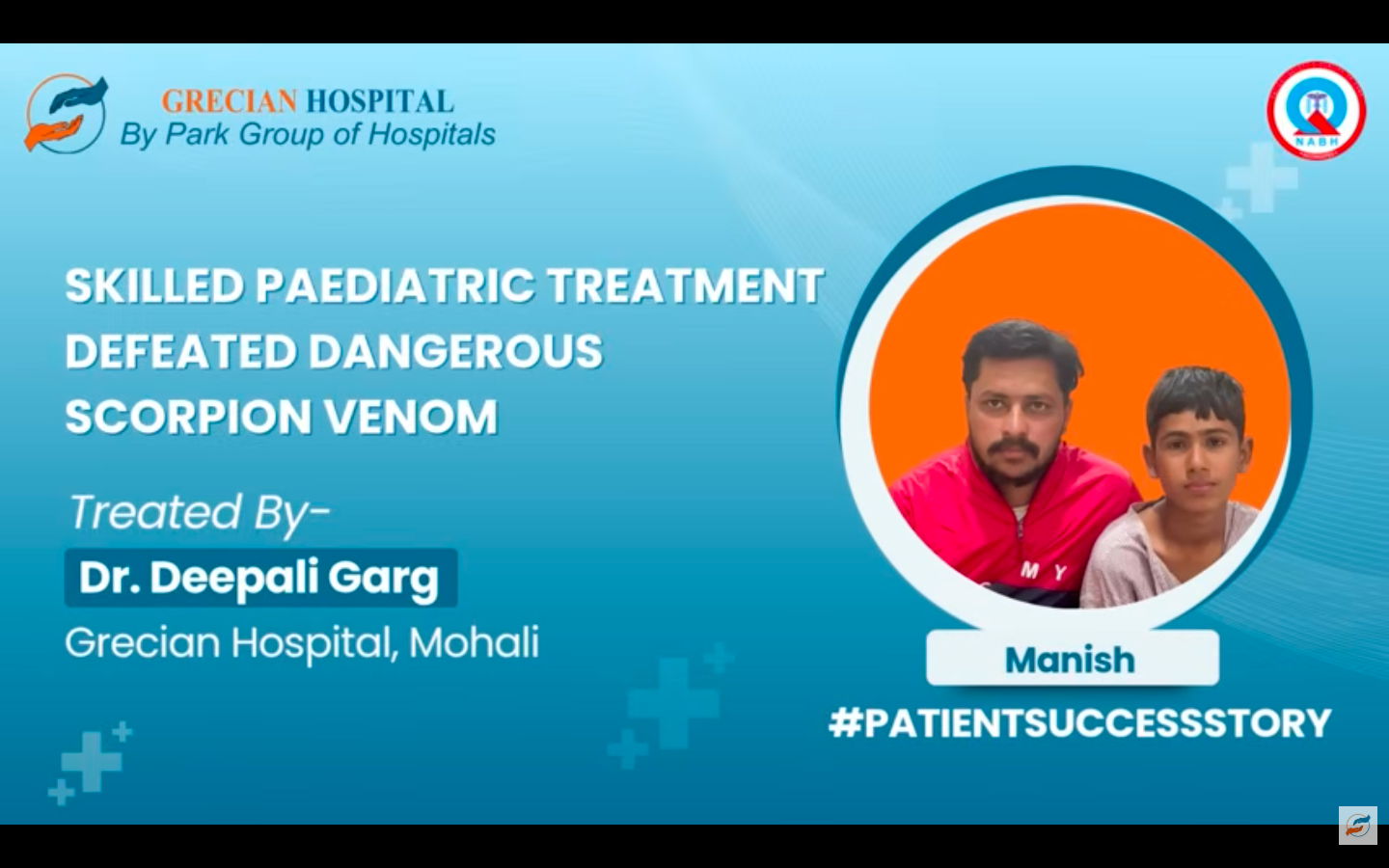
Expert Paediatric Care Defeats Scorpion Venom
A child suffering from a dangerous scorpion sting was successfully treated through timely intervention and expert pediatric care. Prompt diagnosis, critical monitoring, and specialized treatment ensured a safe recovery and positive outcome.
Dr. Milan Arora



















Our Hospital Locations
Healing Near You
Experience world-class clinical expertise and compassionate care at our advanced facilities conveniently located across the region
View AllHealth Tips
Expert Advice for Healthy Life


Frequently Asked Questions
Common questions answered by our experts
Liver disease does not always cause noticeable symptoms, particularly in its early stages. When symptoms occur, they may include persistent fatigue, loss of appetite, nausea, abdominal discomfort or swelling, and yellowing of the skin or eyes (jaundice). Dark urine, pale stools, persistent itching, easy bruising or swelling of the legs may also occur. Because these symptoms can have many causes, they do not necessarily indicate liver disease. Persistent or unexplained symptoms should be evaluated by a healthcare professional.
A hepatologist specialises in diseases of the liver, gallbladder and bile ducts. You may be referred to one if blood tests or imaging suggest a liver abnormality, or if you have a known liver condition requiring specialist management. Consultation may also be appropriate for persistent abnormal liver enzymes, viral hepatitis, fatty liver disease, cirrhosis or unexplained liver-related symptoms. People with advanced or complex liver disease may benefit from ongoing hepatology care to monitor disease progression and manage complications.
Hepatologists manage a broad range of liver and biliary conditions. These include viral hepatitis, metabolic dysfunction-associated steatotic liver disease (MASLD), alcohol-associated liver disease, cirrhosis and its complications, autoimmune liver diseases and certain inherited liver disorders. They also evaluate problems affecting the bile ducts and gallbladder and manage patients with advanced liver disease. Depending on the condition, treatment may involve lifestyle changes, medicines, procedures, monitoring or referral for specialised care such as liver transplantation.
Evaluation usually begins with blood tests that assess liver enzymes, bilirubin and other markers of liver function and overall health. Depending on the suspected condition, doctors may also recommend tests for viral hepatitis, autoimmune disorders or inherited conditions. Imaging such as ultrasound, CT or MRI can assess the liver's structure and identify abnormalities. Elastography may be used to assess liver stiffness and fibrosis. In selected cases, a liver biopsy may be performed to examine liver tissue and clarify the diagnosis or extent of disease.
Treatment depends on the underlying cause, the extent of liver damage and whether complications are present. Management may include lifestyle changes, weight management, avoiding alcohol when advised, and medicines to treat the specific liver condition or its complications. Some forms of viral hepatitis can be treated with antiviral medicines, while autoimmune liver diseases may require medicines that modify the immune response. Regular monitoring is also important. In advanced liver disease, specialised procedures or liver transplantation may be considered.
Not all liver diseases can be prevented, but several measures can lower risk and help protect liver health. Maintaining a healthy weight, eating a balanced diet, staying physically active and limiting or avoiding alcohol can be important, depending on individual circumstances. Preventing viral hepatitis through appropriate vaccination and other preventive measures can also reduce risk. Avoiding unnecessary medicines or supplements that may harm the liver and managing conditions such as diabetes and high cholesterol can further support liver health. People with existing liver disease should follow their specialist's recommendations.
Liver transplant evaluation may be considered when liver disease has progressed to the point that the liver can no longer adequately perform its essential functions, or when certain liver cancers or other severe liver conditions meet transplant criteria. Signs of advanced disease can include complications such as significant fluid accumulation, bleeding related to portal hypertension, confusion from hepatic encephalopathy or worsening liver function. Transplant decisions are complex and depend on the underlying disease, severity, overall health and suitability for transplantation. Early specialist referral can help determine when evaluation should begin.