
Interventional Cardiology
Interventional Cardiology focuses on the diagnosis and minimally invasive treatment of heart and blood vessel diseases using catheter based procedures. At Park Hospitals, our Interventional Cardiology team provides advanced cardiac care supported by modern catheterization laboratories and experienced heart specialists.
Patients with chest pain, blocked arteries, heart attacks, or circulation related conditions benefit from advanced procedures such as coronary angiography, angioplasty, stent placement, and balloon valvotomy. These minimally invasive techniques help restore healthy blood flow to the heart while reducing recovery time and surgical risk.
At Park Hospitals, our specialists use advanced imaging technology and evidence based treatment protocols to provide accurate diagnosis and effective treatment for coronary artery disease and related cardiovascular conditions. Emergency cardiac interventions are available round the clock to provide immediate treatment during heart attacks and other cardiac emergencies.
The department also focuses on preventive cardiology through lifestyle counseling, cardiac risk assessment, blood pressure management, cholesterol monitoring, and diabetes related heart care.
With experienced cardiologists, advanced infrastructure, and comprehensive cardiac rehabilitation support, Park Hospitals remains committed to delivering world class Interventional Cardiology care focused on patient safety and long term heart health.
Patient Testimonials
Stories Reflecting Excellence in Patient Care
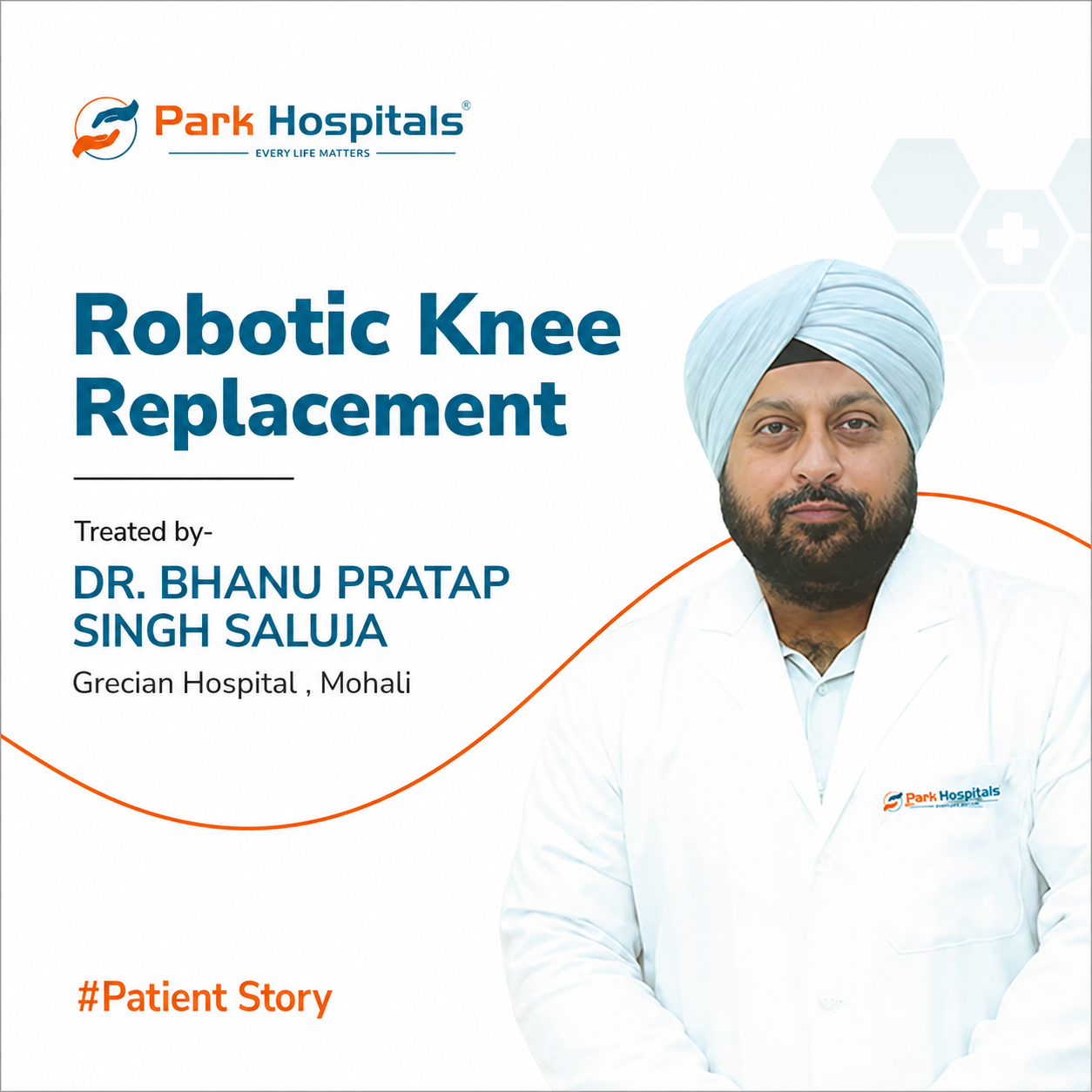
Robotic Knee Replacement Success Story
A patient regained mobility and confidence through successful robotic knee replacement surgery. Advanced robotic technology, expert orthopedic care, and personalized rehabilitation helped reduce pain, improve movement, and enhance overall quality of life.
Know More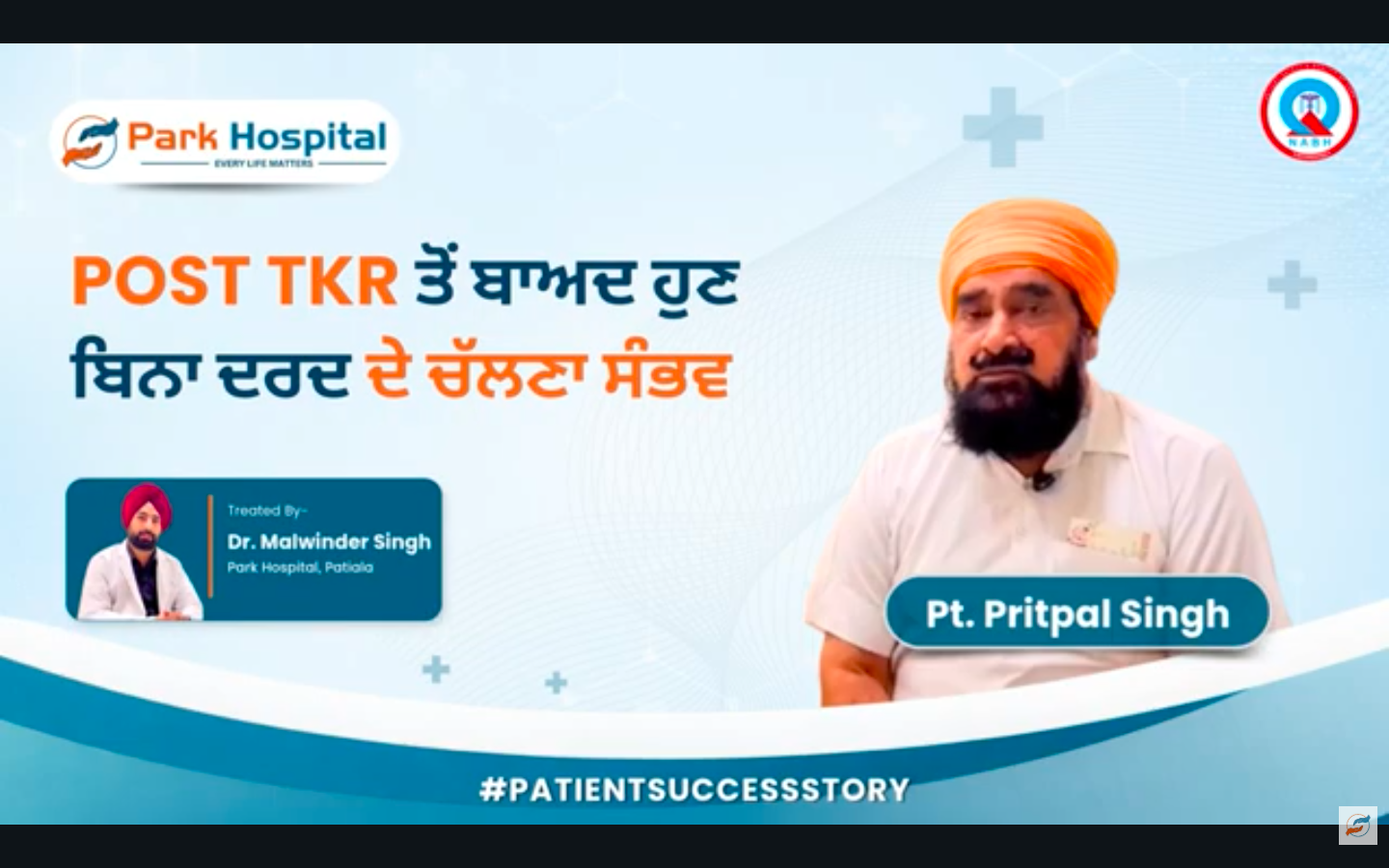
Pain-Free Walking After Total Knee Replacement
Following a successful Total Knee Replacement (TKR), the patient regained mobility and confidence. Expert orthopedic care, advanced surgical techniques, and rehabilitation support helped achieve pain-free walking and an improved quality of life.
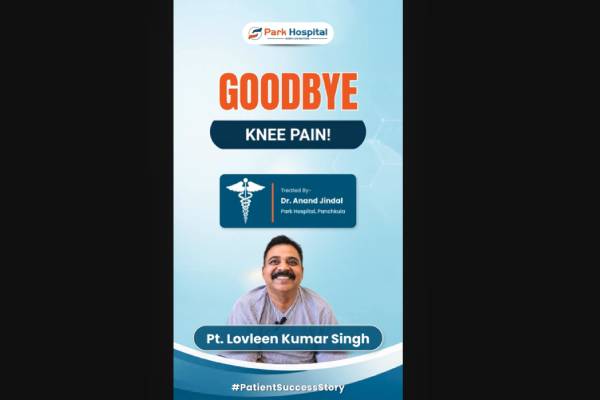
Goodbye Knee Pain! | Advanced Knee Replacement | Dr. Anand Jindal | Park Hospital Panchkula
Chronic knee pain can affect your mobility and quality of life. Advanced knee replacement surgery can help you move comfortably and regain confidence.
Dr. Anand Jindal
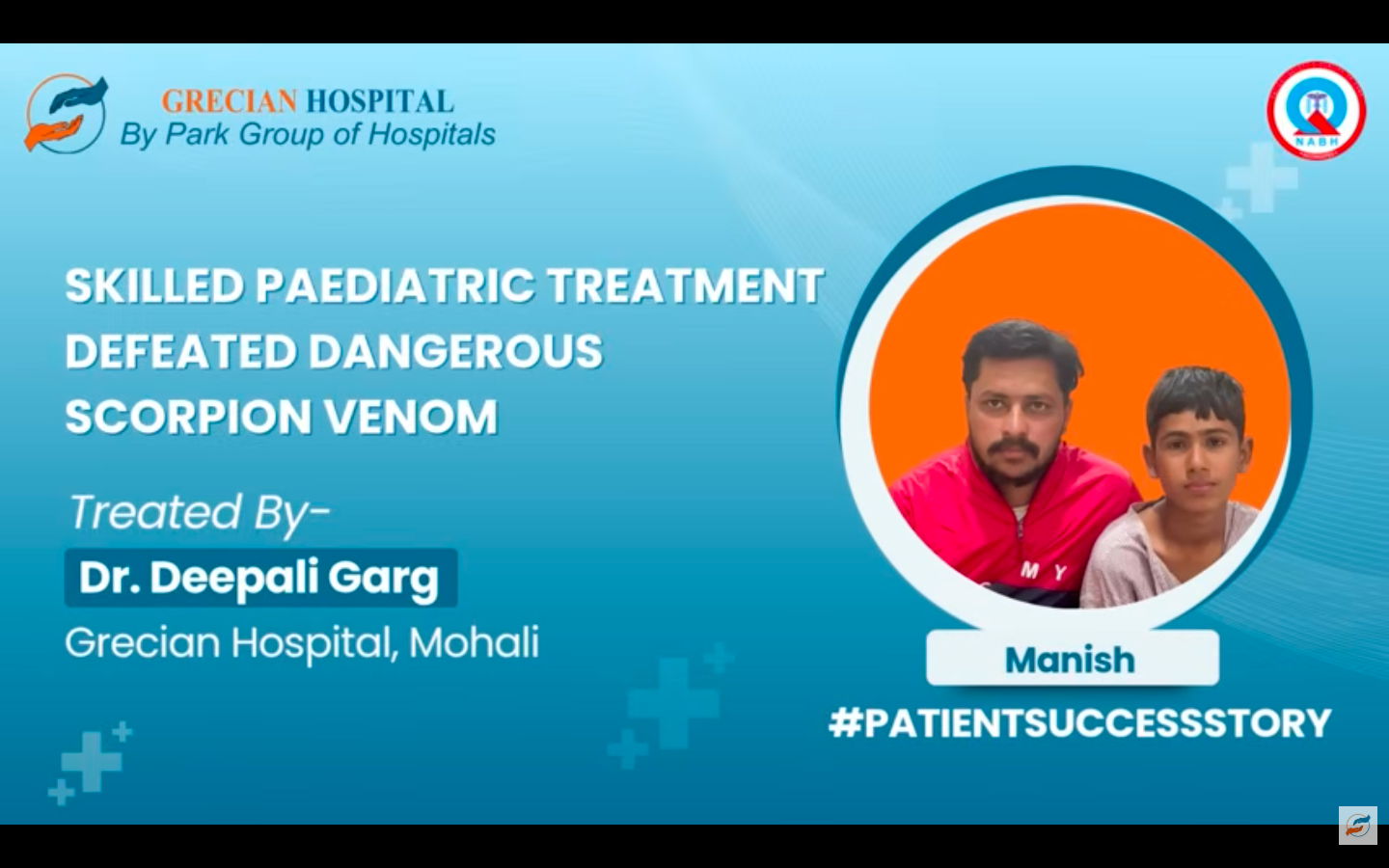
Expert Paediatric Care Defeats Scorpion Venom
A child suffering from a dangerous scorpion sting was successfully treated through timely intervention and expert pediatric care. Prompt diagnosis, critical monitoring, and specialized treatment ensured a safe recovery and positive outcome.
Dr. Milan Arora



















Our Hospital Locations
Healing Near You
Experience world-class clinical expertise and compassionate care at our advanced facilities conveniently located across the region
View AllHealth Tips
Expert Advice for Healthy Life


Frequently Asked Questions
Common questions answered by our experts
Interventional cardiology uses catheter-based procedures to diagnose and treat certain heart and blood vessel conditions without traditional open-heart surgery. These procedures are commonly used for coronary artery disease, including narrowed or blocked heart arteries. Depending on the condition, they may also be used for certain heart valve problems, congenital heart defects and other structural heart conditions. The appropriate procedure depends on the patient's symptoms, test results, anatomy, overall health and severity of the condition.
Angioplasty may be recommended when a coronary artery is significantly narrowed or blocked and improving blood flow is appropriate. It may be considered when chest pain caused by reduced blood flow does not improve adequately with medicines and lifestyle changes, when symptoms are worsening or when blood flow needs to be restored quickly during a heart attack. The cardiologist considers the severity and location of the blockage, symptoms, heart function and overall health before recommending angioplasty or another treatment.
Coronary angiography is an imaging test used to identify narrowed or blocked coronary arteries. A thin catheter is inserted into a blood vessel, usually through the wrist or groin, and guided towards the heart. Contrast dye is then injected through the catheter while X-ray images are taken. The dye makes the coronary arteries visible, allowing the cardiologist to assess blood flow and identify blockages. If appropriate, angioplasty and stenting may sometimes be performed during the same catheter-based procedure.
Angioplasty is a minimally invasive procedure that uses a catheter and a small balloon to widen a narrowed or blocked coronary artery. A stent is often placed to help keep the artery open. Bypass surgery, also called coronary artery bypass grafting, is an operation that creates a new route for blood to flow around a blocked artery using a healthy blood vessel from another part of the body. The choice depends on the number, location and severity of blockages and the patient's overall health.
Common minimally invasive cardiac procedures include coronary angioplasty and stent placement to open narrowed arteries. Cardiac catheterization may also be used to evaluate heart pressures and blood flow. Depending on the condition, catheter-based treatments can include balloon valvuloplasty for certain narrowed valves, transcatheter aortic valve replacement, and procedures to close certain congenital heart defects. The procedure recommended depends on the specific heart condition, diagnostic findings and the patient's overall health.
Preparation depends on the reason for the procedure and your medical history. Your healthcare team will review your medicines, allergies and existing health conditions and may ask you not to eat or drink for several hours beforehand. Your blood pressure, pulse and heart rhythm are checked before the procedure. The catheter insertion area is cleaned and numbed, and medicines may be given to help you relax. Follow your hospital's instructions regarding medicines, food, fluids and transportation after the procedure.
Ask why the procedure is being recommended, what it is expected to achieve and whether medicines or another treatment could be considered instead. You can also ask about the procedure itself, possible benefits and risks, preparation, recovery and how long you may need to stay in the hospital. If angioplasty is planned, ask whether a stent may be required and what medicines you will need afterwards. Understanding your options can help you make an informed decision with your cardiologist.