
Kidney Transplant
Kidney Transplant is a specialized surgical procedure performed for patients with end stage kidney failure. At Park Hospitals, our transplant specialists provide comprehensive transplant evaluation, surgery, and long term transplant management.
The transplant program includes donor evaluation, recipient assessment, advanced surgical care, infection prevention, and immunosuppressive therapy management.
Experienced transplant surgeons, nephrologists, intensivists, and rehabilitation specialists work together to ensure safe transplantation and successful recovery.
Comprehensive follow up care and lifestyle counseling help patients maintain healthy kidney function after transplantation.
With advanced transplant infrastructure and multidisciplinary expertise, Park Hospitals delivers safe and effective Kidney Transplant services focused on improving patient survival and quality of life.
Patient Testimonials
Stories Reflecting Excellence in Patient Care

Robotic Knee Replacement Success Story
A patient regained mobility and confidence through successful robotic knee replacement surgery. Advanced robotic technology, expert orthopedic care, and personalized rehabilitation helped reduce pain, improve movement, and enhance overall quality of life.
Know More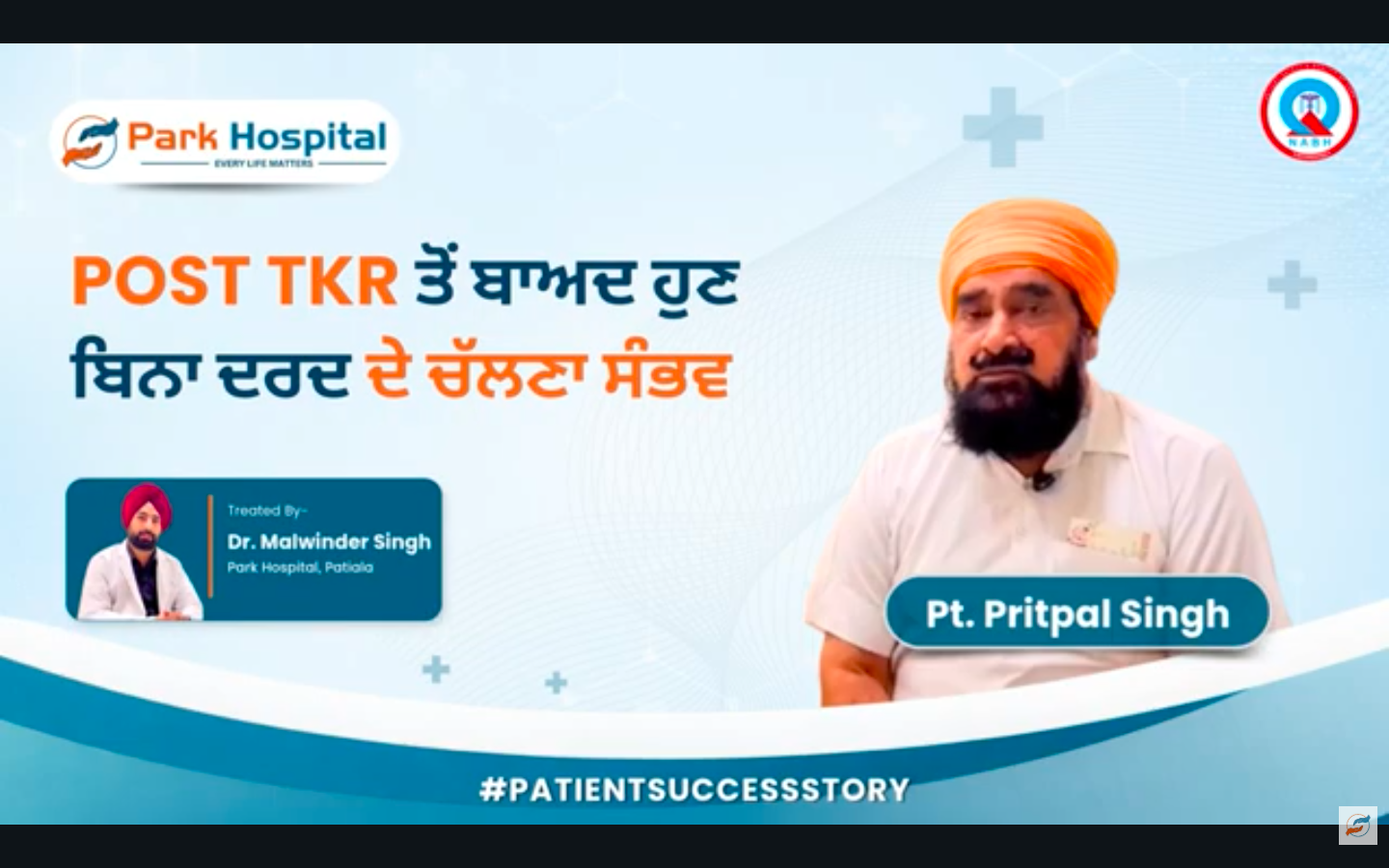
Pain-Free Walking After Total Knee Replacement
Following a successful Total Knee Replacement (TKR), the patient regained mobility and confidence. Expert orthopedic care, advanced surgical techniques, and rehabilitation support helped achieve pain-free walking and an improved quality of life.
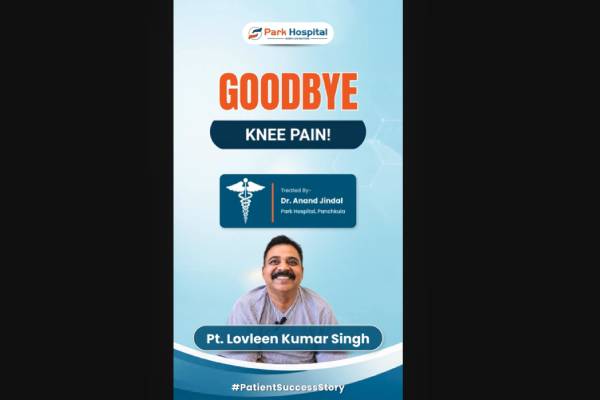
Goodbye Knee Pain! | Advanced Knee Replacement | Dr. Anand Jindal | Park Hospital Panchkula
Chronic knee pain can affect your mobility and quality of life. Advanced knee replacement surgery can help you move comfortably and regain confidence.
Dr. Anand Jindal
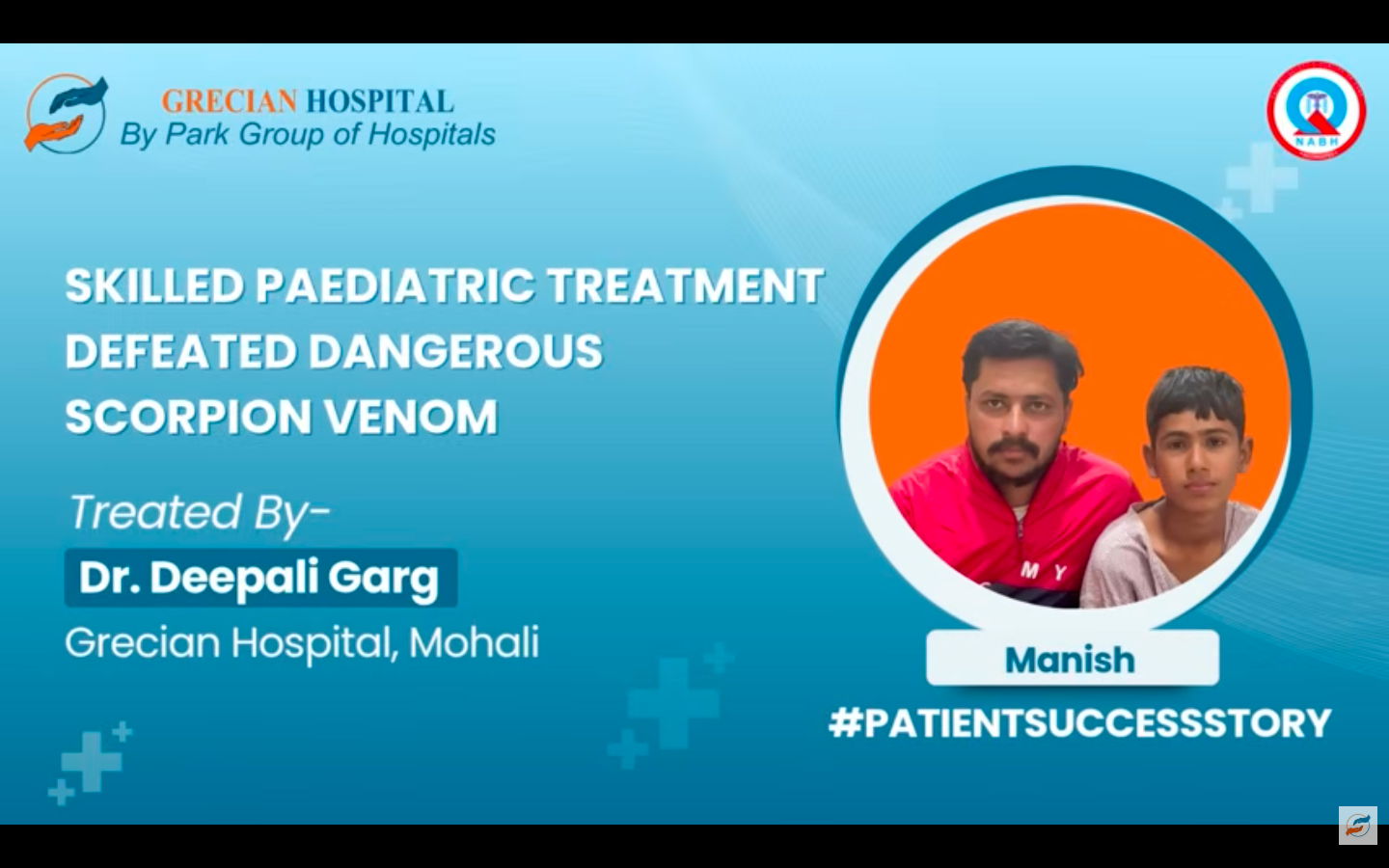
Expert Paediatric Care Defeats Scorpion Venom
A child suffering from a dangerous scorpion sting was successfully treated through timely intervention and expert pediatric care. Prompt diagnosis, critical monitoring, and specialized treatment ensured a safe recovery and positive outcome.
Dr. Milan Arora



















Our Hospital Locations
Healing Near You
Experience world-class clinical expertise and compassionate care at our advanced facilities conveniently located across the region
View AllHealth Tips
Expert Advice for Healthy Life


Frequently Asked Questions
Common questions answered by our experts
A kidney transplant may be recommended for people with advanced chronic kidney disease or kidney failure when kidney function has declined significantly. For selected patients, transplantation may be performed before dialysis begins, known as a preemptive kidney transplant. A transplant can offer better quality of life and fewer dietary restrictions compared with long-term dialysis. The decision depends on kidney function, overall health, other medical conditions and whether transplantation is expected to be safe and beneficial.
People with advanced kidney disease or kidney failure may be evaluated for transplantation. Eligibility depends on whether a person is healthy enough to undergo surgery, take lifelong anti-rejection medicines and follow the required follow-up care. Doctors also consider conditions that could affect transplant success, such as serious heart disease, active cancer, severe infection or other significant health problems. Each transplant centre has its own eligibility criteria, so a comprehensive evaluation is needed before determining whether transplantation is appropriate.
Before transplantation, the patient undergoes a comprehensive assessment to determine whether surgery is safe and whether a transplant is likely to be beneficial. Evaluation may include a physical examination, blood tests, imaging scans, cancer screening and assessment of heart and blood vessel health. Psychological and social evaluations may also be performed. The transplant team reviews the findings along with the patient's medical history and ability to follow long-term treatment. The final decision is based on the individual's overall health and transplant suitability.
A living-donor transplant uses a kidney donated by a living person, who may be a relative, friend or another eligible donor. A deceased-donor transplant uses a kidney donated after a person's death. Living-donor transplantation can often be planned in advance and may reduce waiting time. If a compatible living donor is unavailable, a patient may be placed on a waiting list for a deceased-donor kidney. Both options require careful donor and recipient evaluation and compatibility testing.
Compatibility testing commonly includes blood typing, tissue typing and a crossmatch. Blood typing determines whether the donor and recipient have compatible blood groups. Tissue typing, also called HLA typing, compares genetic markers that can influence the likelihood of rejection. A crossmatch tests whether antibodies in the recipient's blood react against the donor's cells. A negative crossmatch generally indicates better compatibility. Other factors, including the donor's kidney size, age and infection exposure, may also be considered when selecting a suitable kidney.
After a kidney transplant, patients need lifelong anti-rejection medicines, also called immunosuppressants, to prevent the immune system from attacking the donated kidney. Other medicines may be prescribed to reduce the risk of infections and other complications. Regular follow-up is essential, particularly during the first few weeks when blood tests may be needed several times a week to monitor kidney function and adjust medicines. Continued medical reviews are important throughout life to monitor the transplanted kidney and manage treatment.
Taking anti-rejection medicines exactly as prescribed is one of the most important ways to protect a transplanted kidney. Missing doses can increase the risk of rejection. Patients should attend scheduled appointments and blood tests, report symptoms such as fever, reduced urine output or pain around the transplanted kidney promptly, and follow their transplant team's advice on medicines, diet and activity. Because immunosuppressants increase infection and certain cancer risks, recommended vaccinations, health screenings and skin checks are also important.