Medical Oncology
Medical Oncology focuses on the treatment of cancer using medications such as chemotherapy, targeted therapy, immunotherapy, and hormone therapy. At Park Hospitals, our oncology specialists provide personalized cancer treatment plans using evidence based protocols and advanced cancer care technology.
Patients receive comprehensive evaluation, cancer staging, treatment planning, and supportive care aimed at improving treatment outcomes and quality of life.
The department manages cancers affecting the breast, lungs, blood, digestive system, reproductive organs, and other body parts.
Comprehensive nutritional support, pain management, psychological counseling, and rehabilitation services help patients cope with cancer treatment.
With compassionate patient support and advanced oncology expertise, Park Hospitals delivers comprehensive Medical Oncology care focused on recovery and hope.
Meet Our Experts
Experienced Clinical Leaders
Consult with our highly skilled specialists dedicated to providing world-class medical expertise and personalized treatment plans.
Find A Doctor





Patient Testimonials
Stories Reflecting Excellence in Patient Care

Robotic Knee Replacement Success Story
A patient regained mobility and confidence through successful robotic knee replacement surgery. Advanced robotic technology, expert orthopedic care, and personalized rehabilitation helped reduce pain, improve movement, and enhance overall quality of life.
Know More
Pain-Free Walking After Total Knee Replacement
Following a successful Total Knee Replacement (TKR), the patient regained mobility and confidence. Expert orthopedic care, advanced surgical techniques, and rehabilitation support helped achieve pain-free walking and an improved quality of life.

Goodbye Knee Pain! | Advanced Knee Replacement | Dr. Anand Jindal | Park Hospital Panchkula
Chronic knee pain can affect your mobility and quality of life. Advanced knee replacement surgery can help you move comfortably and regain confidence.
Dr. Anand Jindal
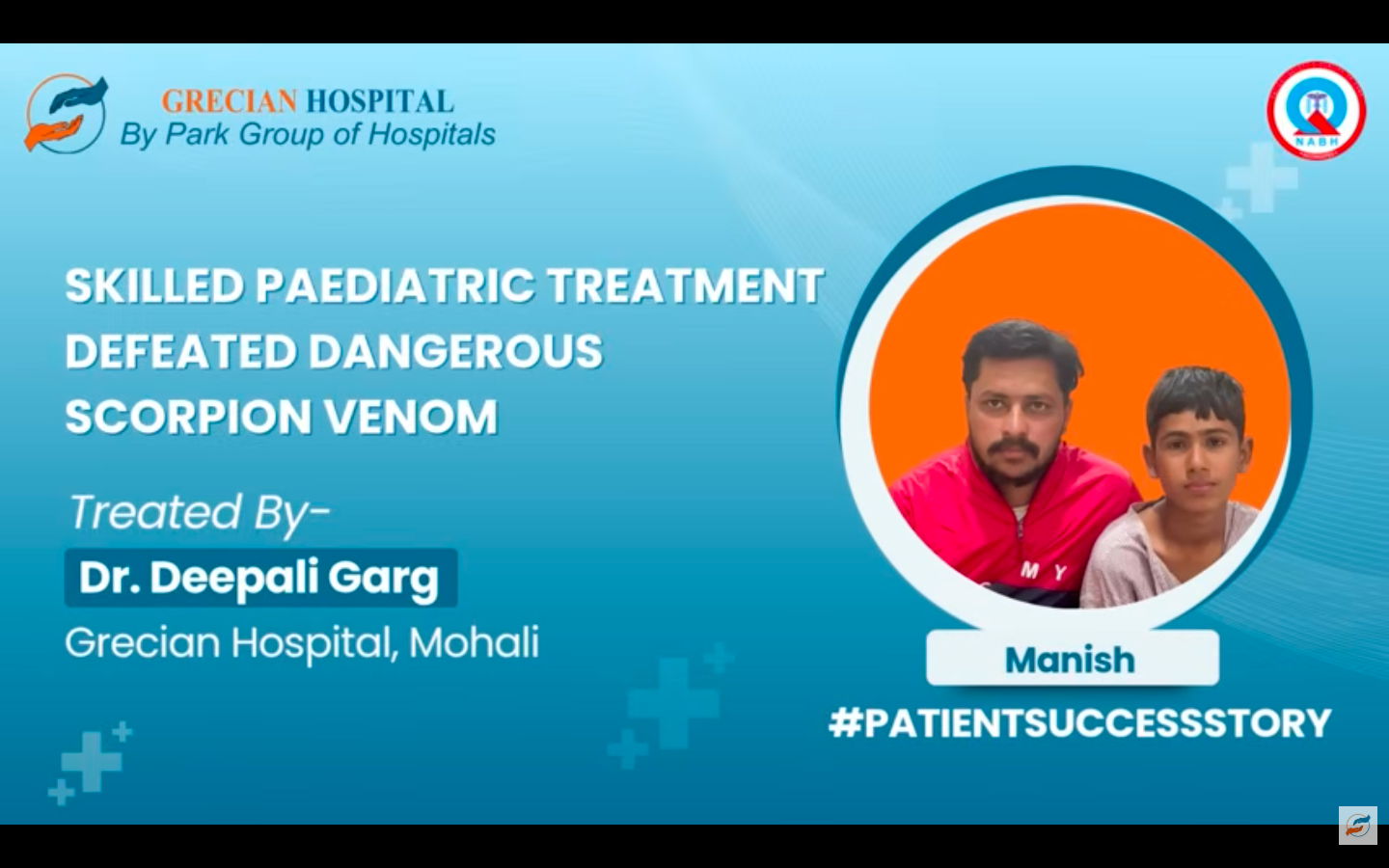
Expert Paediatric Care Defeats Scorpion Venom
A child suffering from a dangerous scorpion sting was successfully treated through timely intervention and expert pediatric care. Prompt diagnosis, critical monitoring, and specialized treatment ensured a safe recovery and positive outcome.
Dr. Milan Arora


















Our Hospital Locations
Healing Near You
Experience world-class clinical expertise and compassionate care at our advanced facilities conveniently located across the region
View AllHealth Tips
Expert Advice for Healthy Life

Frequently Asked Questions
Common questions answered by our experts
Medical oncologists diagnose and treat cancer using medicines and systemic therapies. They may care for people with many types of cancer, including breast, lung, colorectal, prostate, ovarian, pancreatic and gastrointestinal cancers, as well as blood cancers such as lymphoma and multiple myeloma. Depending on the cancer, medical oncology may be involved at different stages of care, including before or after surgery, alongside radiation therapy, or when cancer has spread or returned. Treatment is tailored to the cancer type, stage and individual patient.
Chemotherapy uses medicines to destroy cancer cells or slow their growth. It may be recommended as the main treatment for certain cancers or combined with surgery or radiation therapy. Chemotherapy given before surgery may help shrink a tumour, while treatment after surgery can help destroy remaining cancer cells and reduce the risk of recurrence. It may also be used when cancer has spread to control the disease and relieve symptoms. Whether chemotherapy is appropriate depends on the cancer type, stage and treatment goals.
Immunotherapy helps the body's immune system recognize and fight cancer cells, while targeted therapy works on specific molecules or genetic changes that help cancer cells grow and survive. These treatments can be used for selected cancers when testing shows that the tumour has characteristics likely to respond. They may be given alone or alongside other treatments. Because their effectiveness depends on the biology of the cancer, biomarker or molecular testing may help determine whether a patient is likely to benefit.
An individualized treatment plan begins with understanding the cancer in detail. The oncologist considers the cancer type, stage, grade and location, whether it has spread, previous treatments and the patient's overall health. Molecular or biomarker findings may identify therapies that are more likely to work. The oncologist also considers potential benefits, side effects, practical factors and the patient's goals and preferences. Treatment may involve one therapy or a combination of approaches, with the plan adjusted according to how the cancer responds.
Along with tests that establish the cancer type and stage, specialists may recommend biomarker or molecular testing of tumour tissue. These tests can identify particular genes, proteins or other characteristics that may influence how a cancer behaves or responds to specific treatments. Depending on the cancer, testing may help identify patients who could benefit from targeted therapy or immunotherapy. Blood tests and imaging may also be used to assess overall health and monitor treatment response. The appropriate tests depend on the specific cancer.
Cancer medicines can cause different side effects depending on the treatment and individual patient. Oncologists monitor patients throughout treatment and may use medicines, dose adjustments, treatment breaks or supportive care to manage symptoms. For example, nausea, pain, fatigue and changes in blood counts can often be addressed with appropriate medical support. Patients should report new or worsening symptoms rather than stopping treatment on their own. Prompt communication allows the cancer team to determine whether a side effect needs treatment or further evaluation.
Ask what type and stage of cancer you have, what the goal of treatment is and why a particular therapy is being recommended. It is also useful to ask about alternatives, expected benefits, possible side effects and how they will be managed. Find out how treatment will be given, how long it may continue and how it could affect your daily activities. Ask whether biomarker testing or a clinical trial is appropriate and whom to contact if you experience concerning symptoms during treatment.