
Pathology & Microbiology
Pathology Centre in India
Every accurate diagnosis rests on reliable laboratory data, and at Park Hospitals, our Department of Pathology & Microbiology provides the full range of diagnostic laboratory services that power clinical decision-making across our entire hospital. From routine hematology and biochemistry, specialist histopathology, IHC, Immunofluorescence, molecular diagnostics, electrophoresis, and clinical microbiology, our accredited laboratory operates 24 hours a day with precision, speed, and rigorous quality standards.
Our histopathology and cytopathology services provide detailed tissue analysis for all biopsy specimens, surgical resections, and cytological samples, generating the diagnostic reports that guide cancer diagnosis, staging, and treatment. Clinical chemistry and haematology departments perform the complete range of investigations, blood counts, coagulation studies, liver and renal function, lipid profiles, hormone assays, tumor markers, cardiac enzymes, and therapeutic drug monitoring, using automated analyzers with stringent quality control.
Microbiology provides comprehensive culture and sensitivity testing for bacterial, fungal, and mycobacterial infections, guiding antimicrobial therapy and supporting our hospital's stewardship program. Molecular diagnostics, including PCR for viral and bacterial pathogens, HPV genotyping, and molecular TB diagnosis, deliver rapid, highly sensitive results.
Blood bank services, including blood grouping, cross-matching, component preparation, and transfusion support, are integrated within our department. We participate in external quality assessment schemes to benchmark our performance against national and international standards. At Park Hospitals, pathology is the diagnostic engine that powers clinical excellence, every sample, every result, every day.
Meet Our Experts
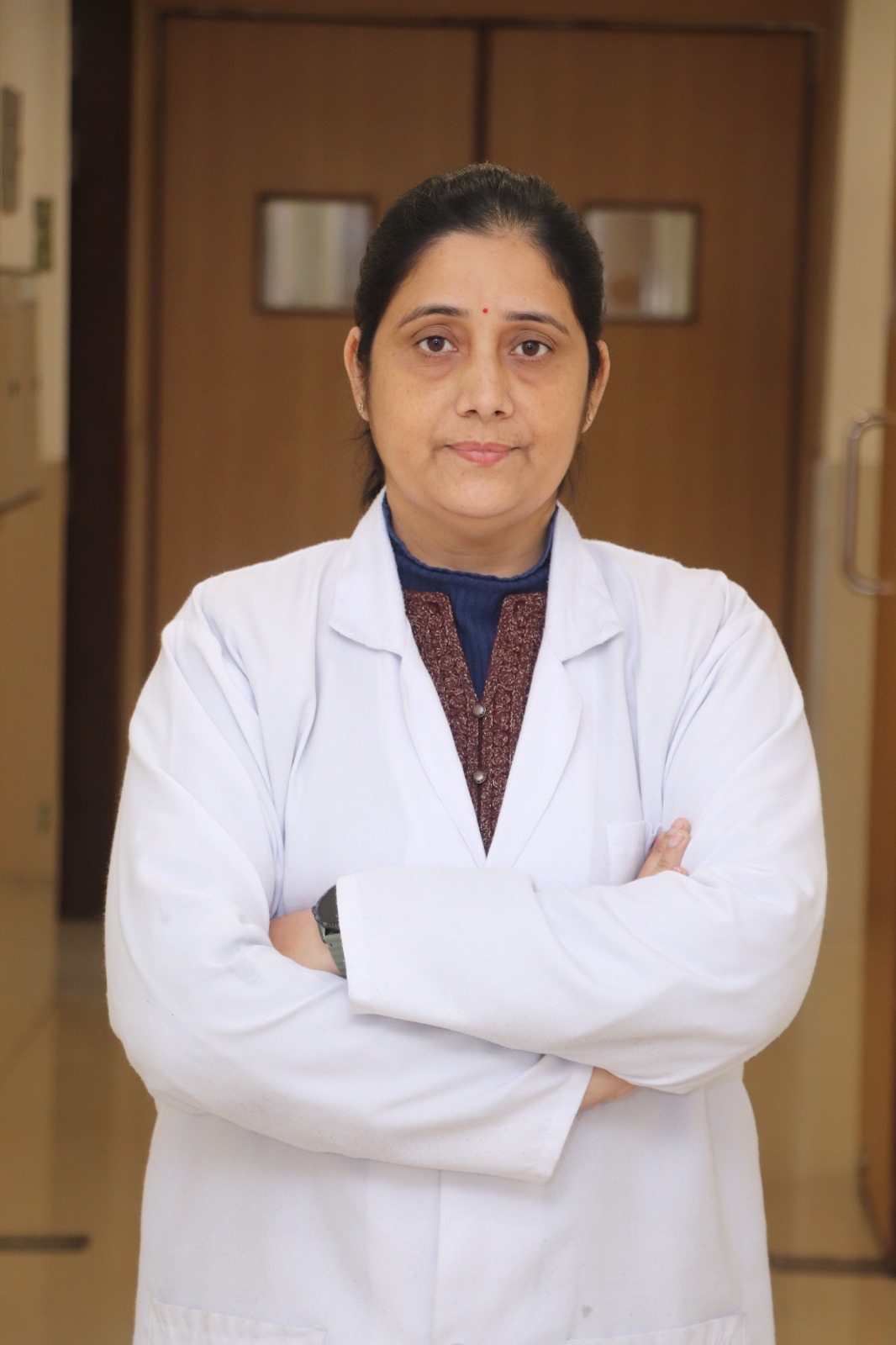
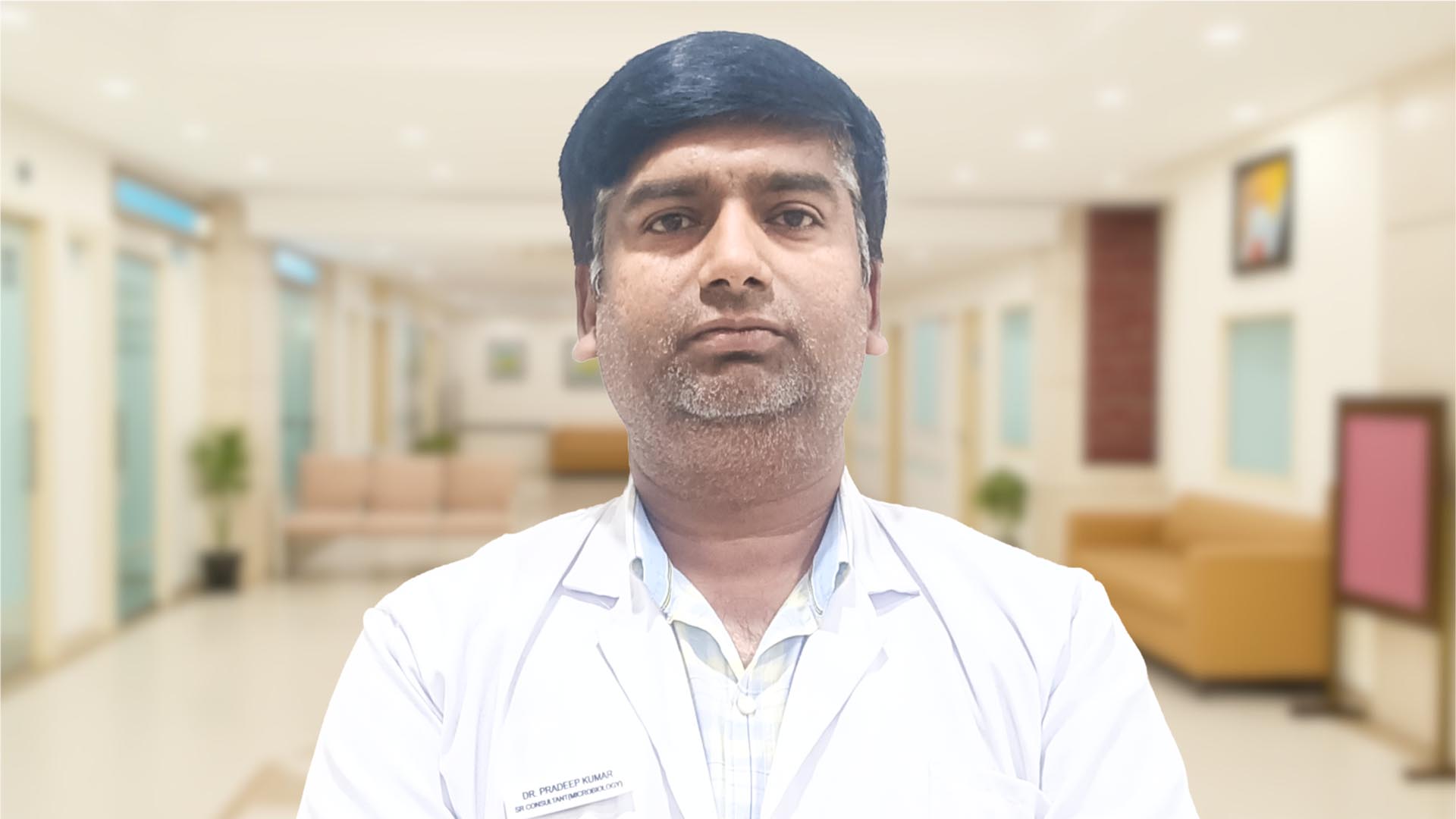
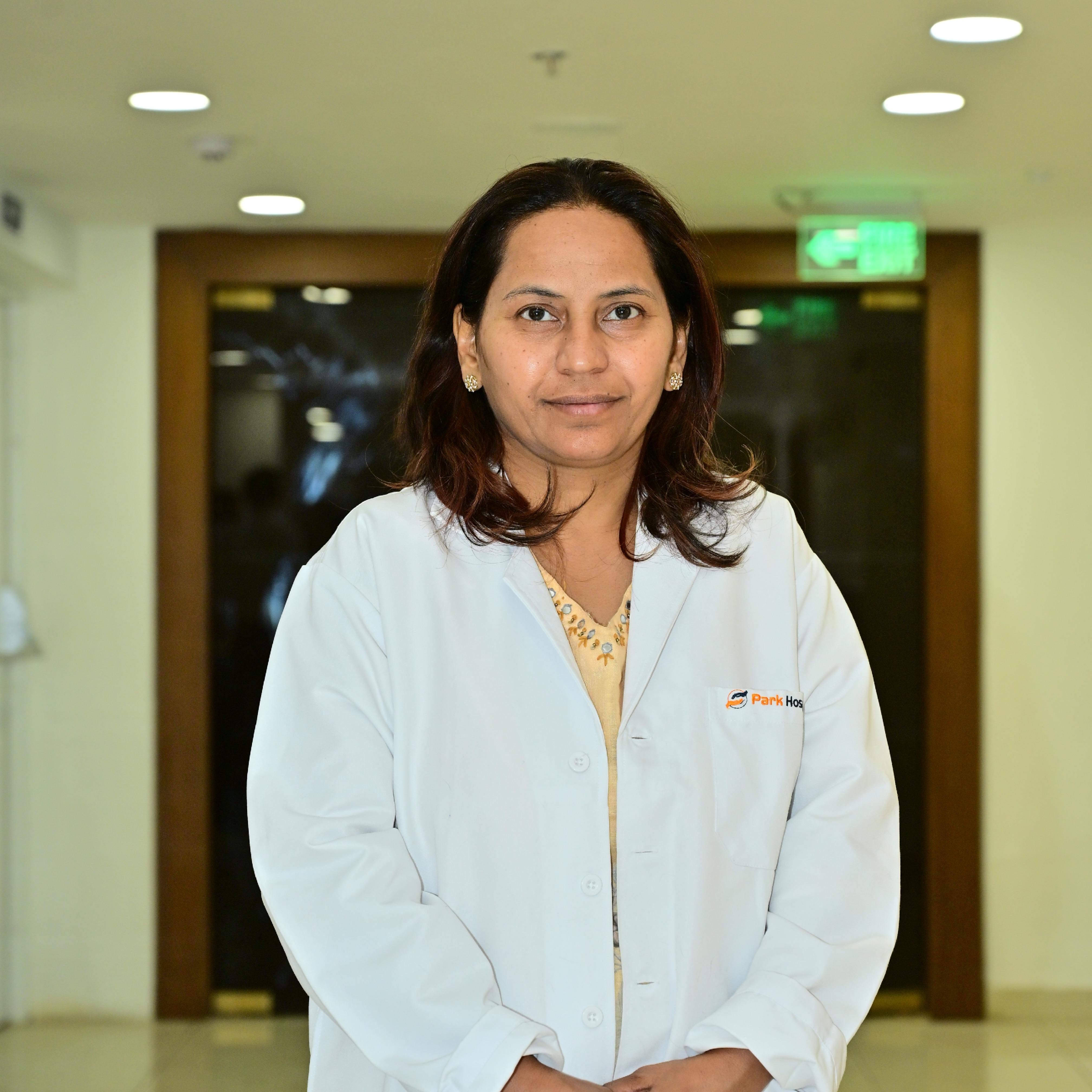
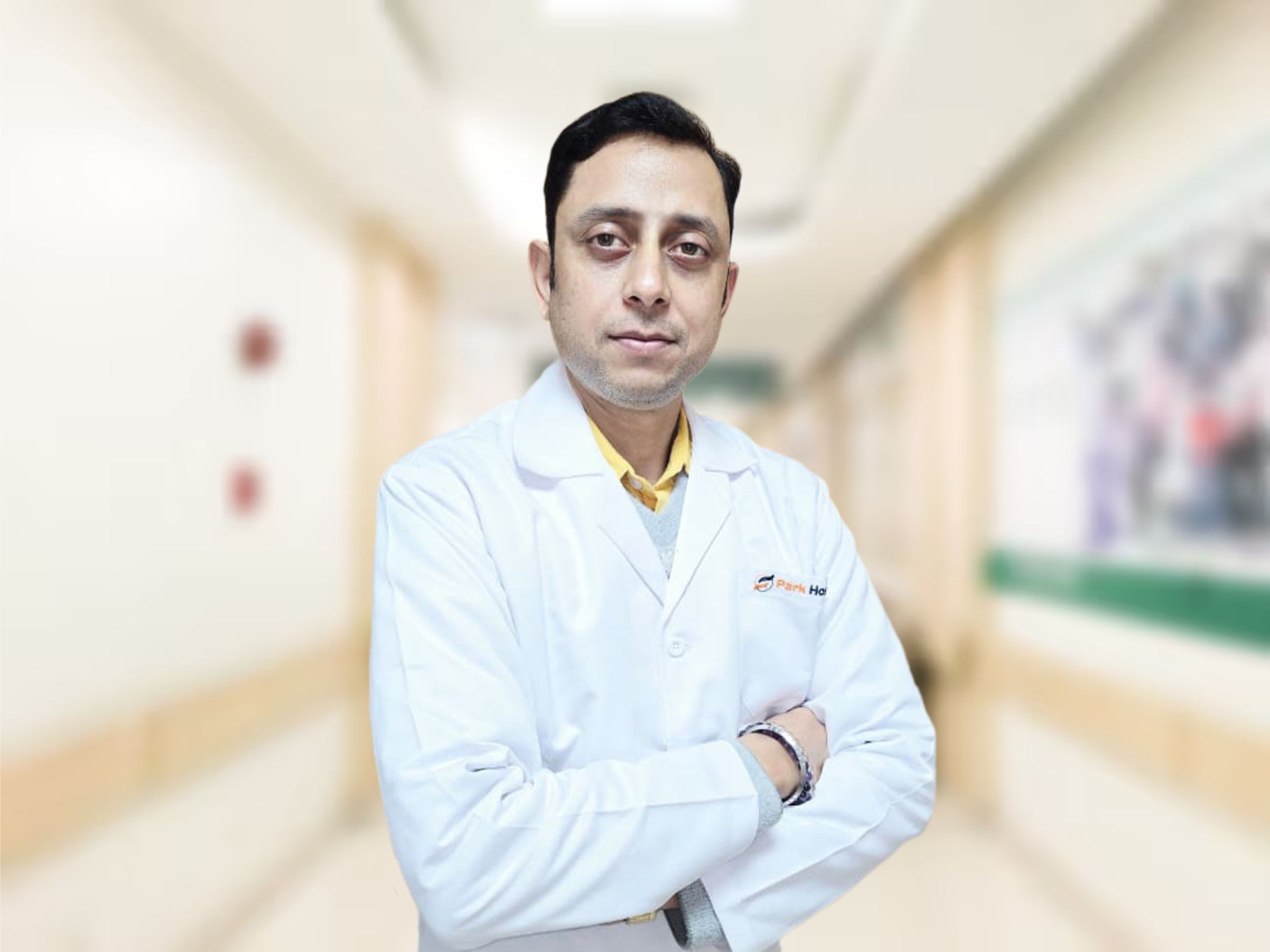
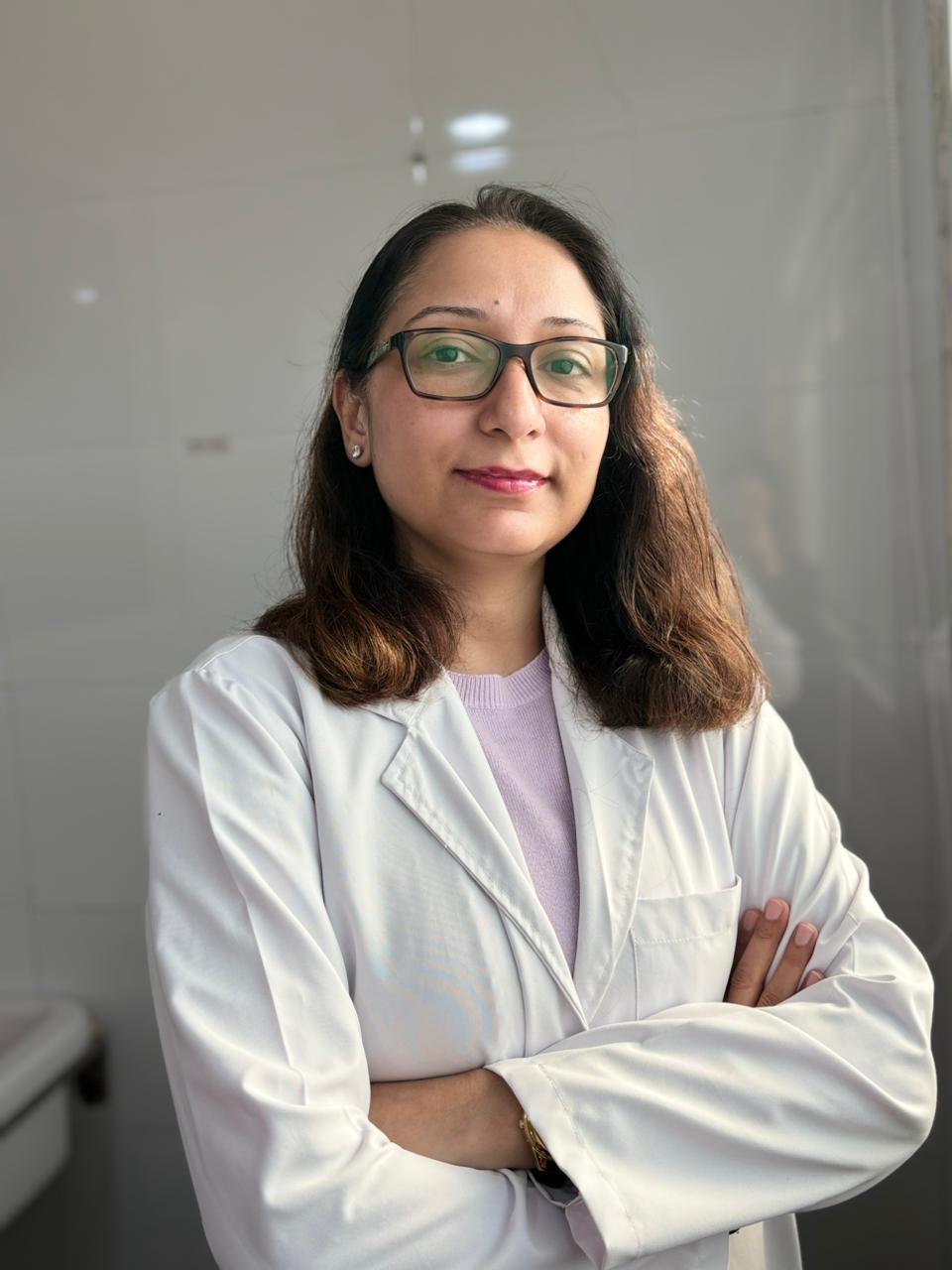
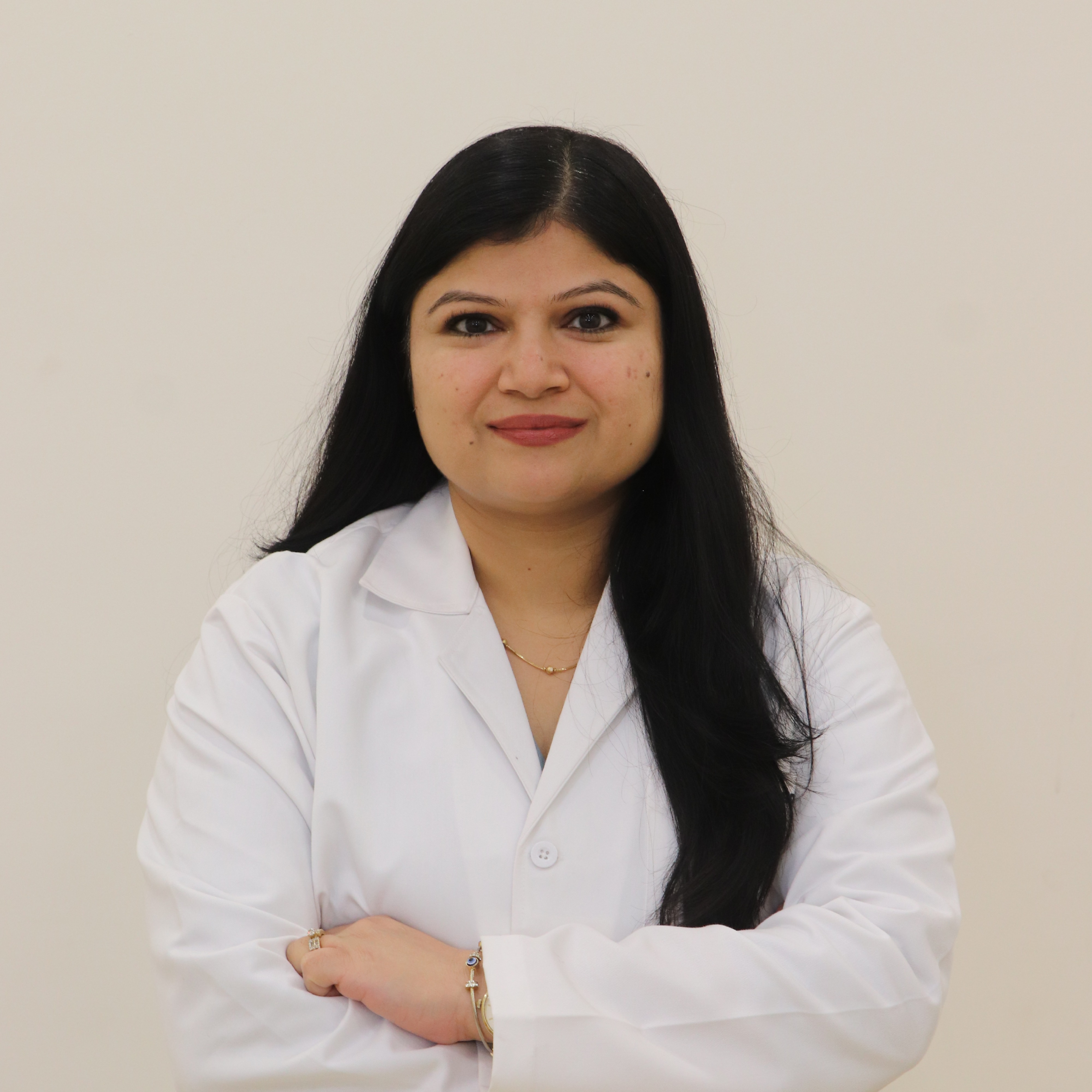
Experienced Clinical Leaders
Consult with our highly skilled specialists dedicated to providing world-class medical expertise and personalized treatment plans.
Find A Doctor










.jpg)






Patient Testimonials
Stories Reflecting Excellence in Patient Care

Robotic Knee Replacement Success Story
A patient regained mobility and confidence through successful robotic knee replacement surgery. Advanced robotic technology, expert orthopedic care, and personalized rehabilitation helped reduce pain, improve movement, and enhance overall quality of life.
Know More
Pain-Free Walking After Total Knee Replacement
Following a successful Total Knee Replacement (TKR), the patient regained mobility and confidence. Expert orthopedic care, advanced surgical techniques, and rehabilitation support helped achieve pain-free walking and an improved quality of life.

Goodbye Knee Pain! | Advanced Knee Replacement | Dr. Anand Jindal | Park Hospital Panchkula
Chronic knee pain can affect your mobility and quality of life. Advanced knee replacement surgery can help you move comfortably and regain confidence.
Dr. Anand Jindal

Expert Paediatric Care Defeats Scorpion Venom
A child suffering from a dangerous scorpion sting was successfully treated through timely intervention and expert pediatric care. Prompt diagnosis, critical monitoring, and specialized treatment ensured a safe recovery and positive outcome.
Dr. Milan Arora


















Our Hospital Locations
Healing Near You
Experience world-class clinical expertise and compassionate care at our advanced facilities conveniently located across the region
View AllHealth Tips
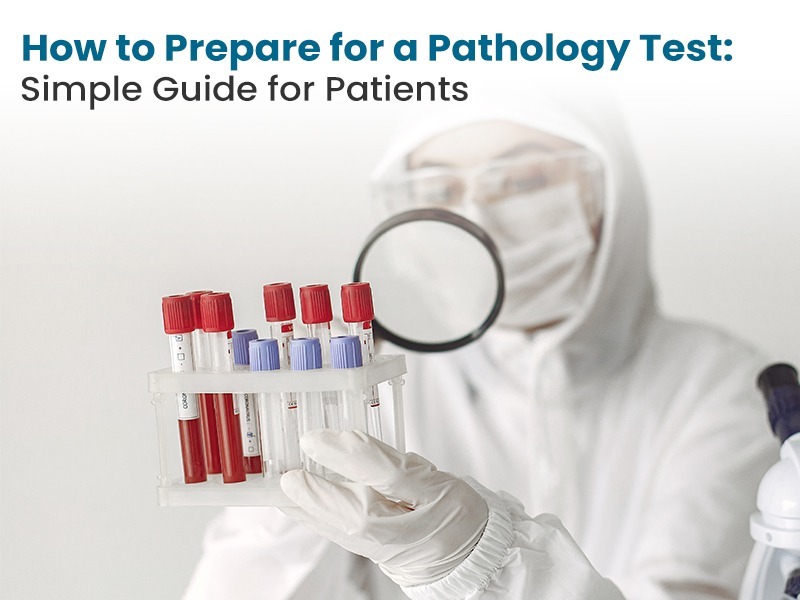
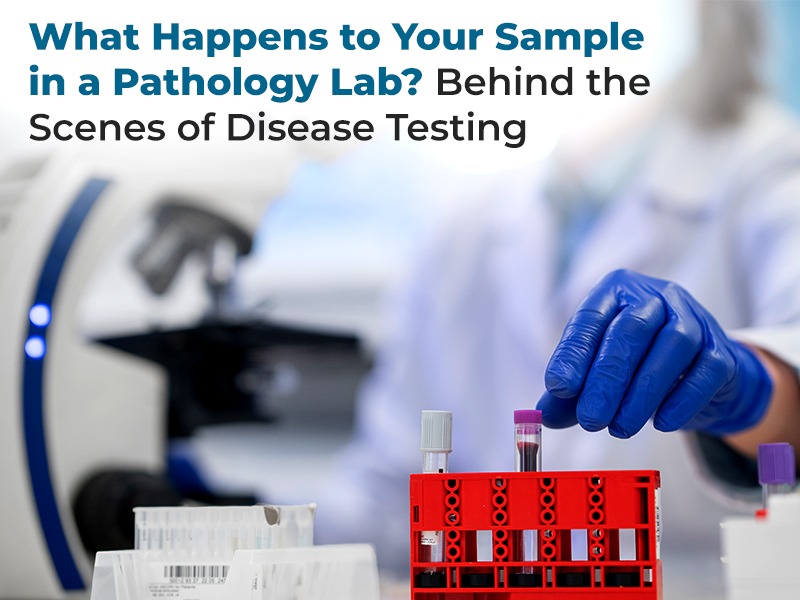
Expert Advice for Healthy Life



Frequently Asked Questions
Common questions answered by our experts
Pathology and microbiology provide important information about what is happening inside the body. Pathology examines cells, tissues and body fluids to identify abnormalities such as inflammation, infection or cancer. Microbiology focuses on detecting microorganisms such as bacteria, viruses, fungi and parasites that can cause infection. Along with symptoms, examination and imaging, laboratory findings help doctors establish or confirm a diagnosis, assess the severity of disease and determine the most appropriate treatment.
Laboratory tests may be recommended when a doctor needs additional information to diagnose a condition, investigate symptoms, monitor an existing disease or assess how the body is responding to treatment. Blood and urine tests are commonly used to evaluate organ function, blood counts, hormones, glucose and signs of infection or inflammation. Tissue samples may be examined when a biopsy is needed to investigate an abnormal area. The type of sample and test depend on the patient's symptoms and the clinical question being investigated.
Pathology can provide microscopic information that cannot always be obtained through symptoms, physical examination or imaging alone. When tissue or cells are collected through a biopsy or other procedure, a pathologist examines the sample for changes that may indicate cancer, infection, inflammation or another disease. Specialized laboratory techniques can provide additional information about the characteristics of abnormal cells. Pathology findings are interpreted alongside the patient's clinical history and other investigations to help establish an accurate diagnosis and guide treatment.
Microbiology testing can help identify infections caused by bacteria, viruses, fungi and parasites. Depending on the suspected infection, samples may be collected from blood, urine, respiratory secretions, stool, wounds or other body sites. Laboratory methods can identify the microorganism responsible and, in some cases, determine which medicines are likely to be effective against it. The choice of test depends on the symptoms, suspected source of infection and clinical circumstances.
Laboratory results provide objective information that can help doctors confirm a diagnosis, determine disease severity and select appropriate treatment. For infections, microbiology testing may identify the organism causing the infection and, when appropriate, provide information about antimicrobial susceptibility. Pathology results can help determine the type and characteristics of a tumour or other tissue abnormality. Laboratory tests may also be repeated during treatment to monitor response, detect complications or determine whether therapy needs to be adjusted.
Preparation depends on the specific test. Some blood tests may require fasting, while others do not. Certain urine, stool or other specimen tests require specific collection methods or timing to ensure an accurate result. Patients should tell their healthcare provider about medicines, supplements and relevant medical conditions, as some tests can be affected by these factors. Do not stop prescribed medicines unless instructed to do so. Always follow the preparation and specimen-collection instructions provided by your healthcare team or laboratory.
Laboratory results can influence important decisions throughout a patient's care, from identifying a disease to selecting treatment and monitoring recovery. Accurate testing helps reduce the risk of missed or incorrect diagnoses, inappropriate treatment and unnecessary investigations. Reliable sample collection, appropriate test selection, quality laboratory processes and careful interpretation are all important for dependable results. Laboratory findings are not considered in isolation; clinicians interpret them alongside symptoms, examination findings, medical history and other investigations to make informed decisions about patient care.