Physiotherapy
Physiotherapy in India
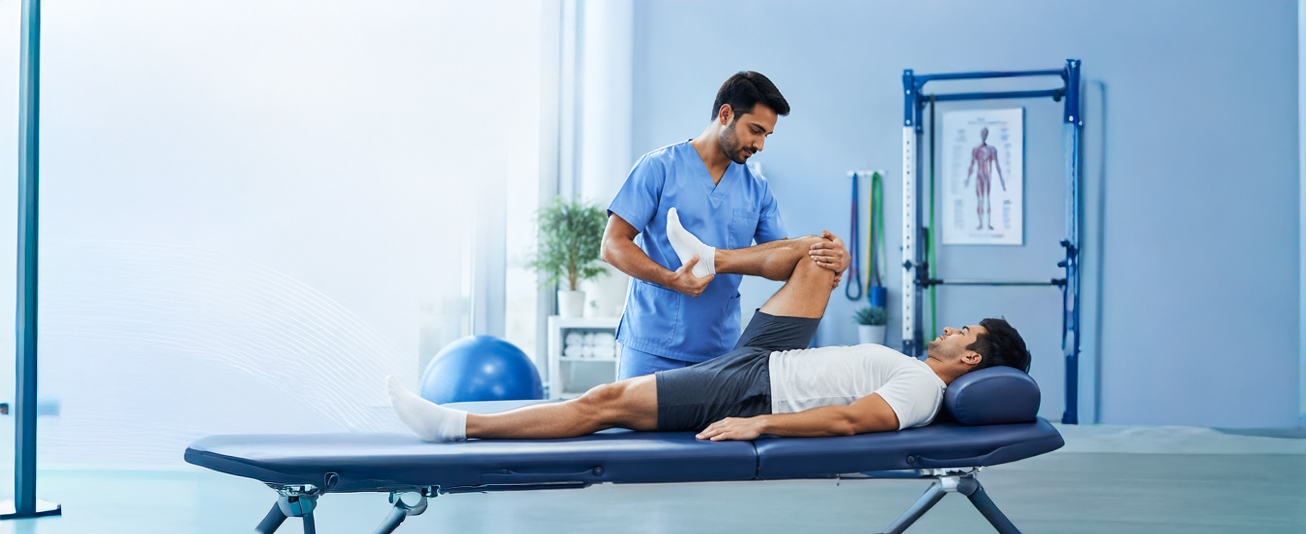
Recovery is not an event; it is a process. And at Park Hospitals, our Department of Physiotherapy is dedicated to making that process as effective, evidence-based, and empowering as possible. Our team of qualified physiotherapists works across the full clinical spectrum, from ICU and post-operative care to outpatient rehabilitation, helping patients recover from injury, surgery, and illness and return to the life they love.
Musculoskeletal physiotherapy is the cornerstone of our outpatient service, managing back and neck pain, sports injuries, post-fracture rehabilitation, joint replacement recovery, tendinopathies, and postural disorders. Manual therapy, therapeutic exercise, electrotherapy, ultrasound, TENS, dry needling, and individualised exercise programmes are combined to address each patient's specific goals and functional needs.
Neurological physiotherapy for patients recovering from stroke, spinal cord injury, Parkinson's disease, MS, and traumatic brain injury uses facilitation techniques, gait re-education, balance training, and neurodevelopmental approaches to promote neuroplasticity and functional recovery. Cardio respiratory physiotherapy, chest physiotherapy, airway clearance, breathing exercises, and early ICU mobilisation is delivered by our critical care physiotherapy team.
Paediatric physiotherapy, women's health physiotherapy, and sports physiotherapy complete our comprehensive offering. Rehabilitation begins on the first day of treatment and continues through every phase of recovery. At Park Hospitals, physiotherapy is the bridge between treatment and recovery and our team is committed to helping every patient cross it.
Meet Our Experts
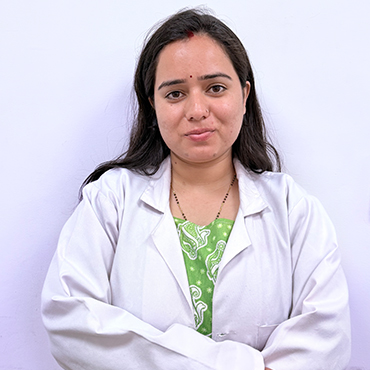
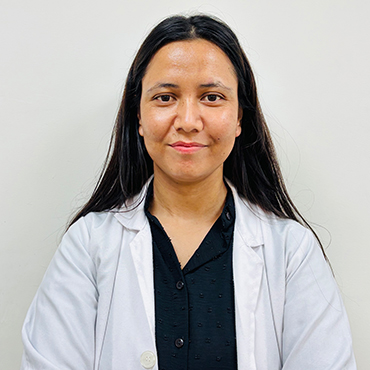
Experienced Clinical Leaders
Consult with our highly skilled specialists dedicated to providing world-class medical expertise and personalized treatment plans.
Find A Doctor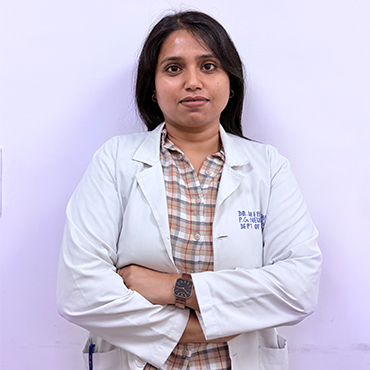







Patient Testimonials
Stories Reflecting Excellence in Patient Care
Robotic Knee Replacement Success Story
A patient regained mobility and confidence through successful robotic knee replacement surgery. Advanced robotic technology, expert orthopedic care, and personalized rehabilitation helped reduce pain, improve movement, and enhance overall quality of life.
Know More
Pain-Free Walking After Total Knee Replacement
Following a successful Total Knee Replacement (TKR), the patient regained mobility and confidence. Expert orthopedic care, advanced surgical techniques, and rehabilitation support helped achieve pain-free walking and an improved quality of life.
Goodbye Knee Pain! | Advanced Knee Replacement | Dr. Anand Jindal | Park Hospital Panchkula
Chronic knee pain can affect your mobility and quality of life. Advanced knee replacement surgery can help you move comfortably and regain confidence.
Dr. Anand Jindal
Expert Paediatric Care Defeats Scorpion Venom
A child suffering from a dangerous scorpion sting was successfully treated through timely intervention and expert pediatric care. Prompt diagnosis, critical monitoring, and specialized treatment ensured a safe recovery and positive outcome.
Dr. Milan Arora
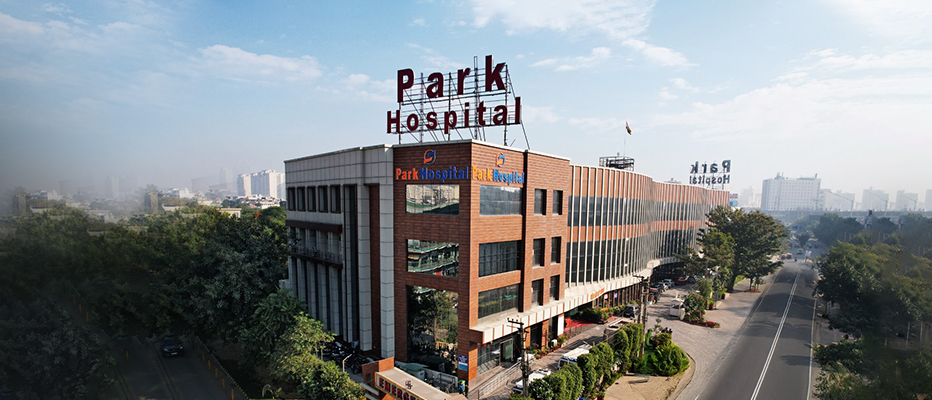

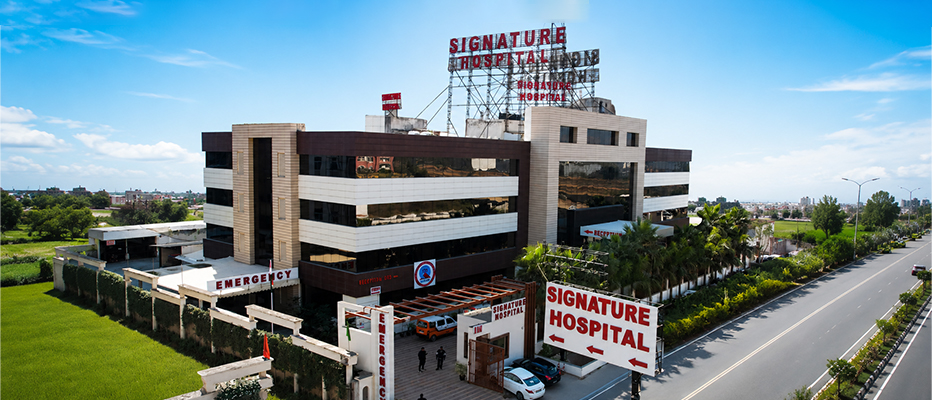
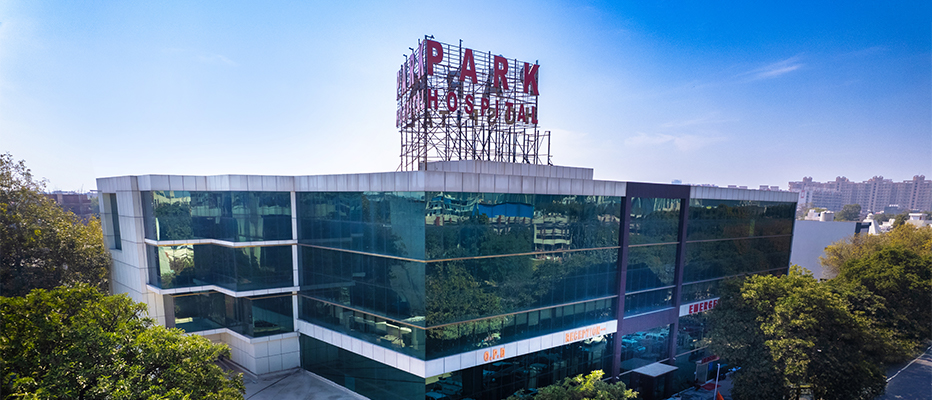
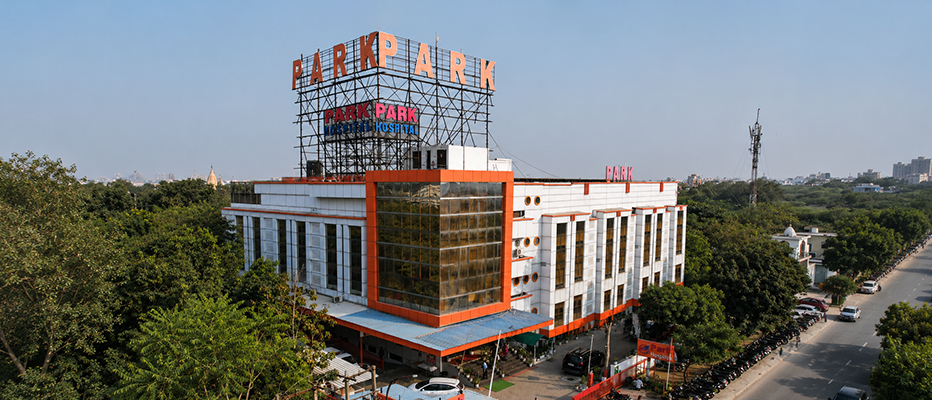
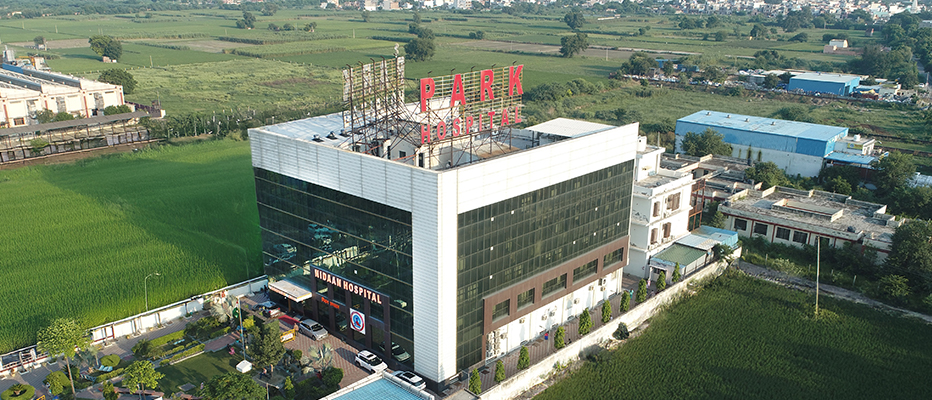
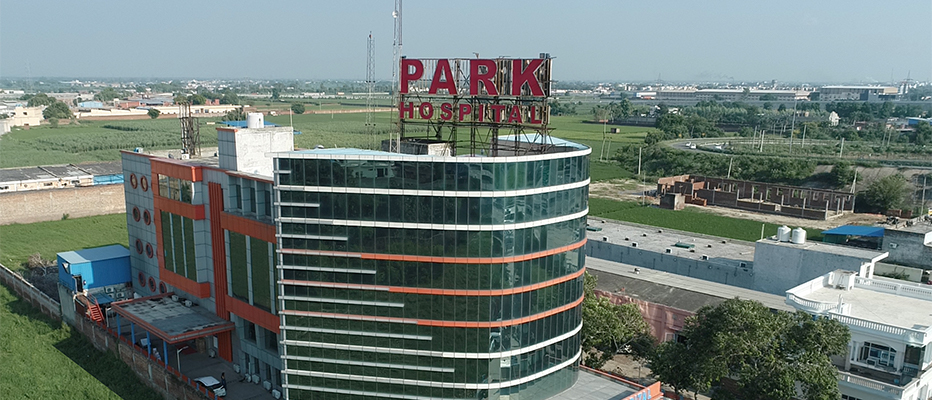
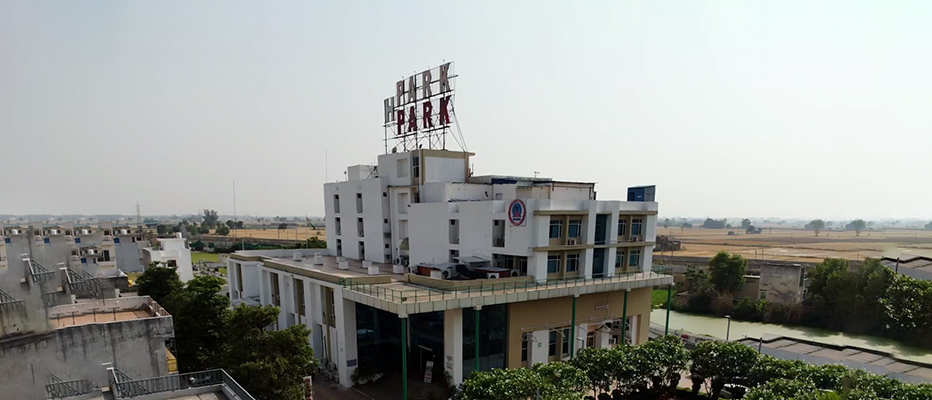

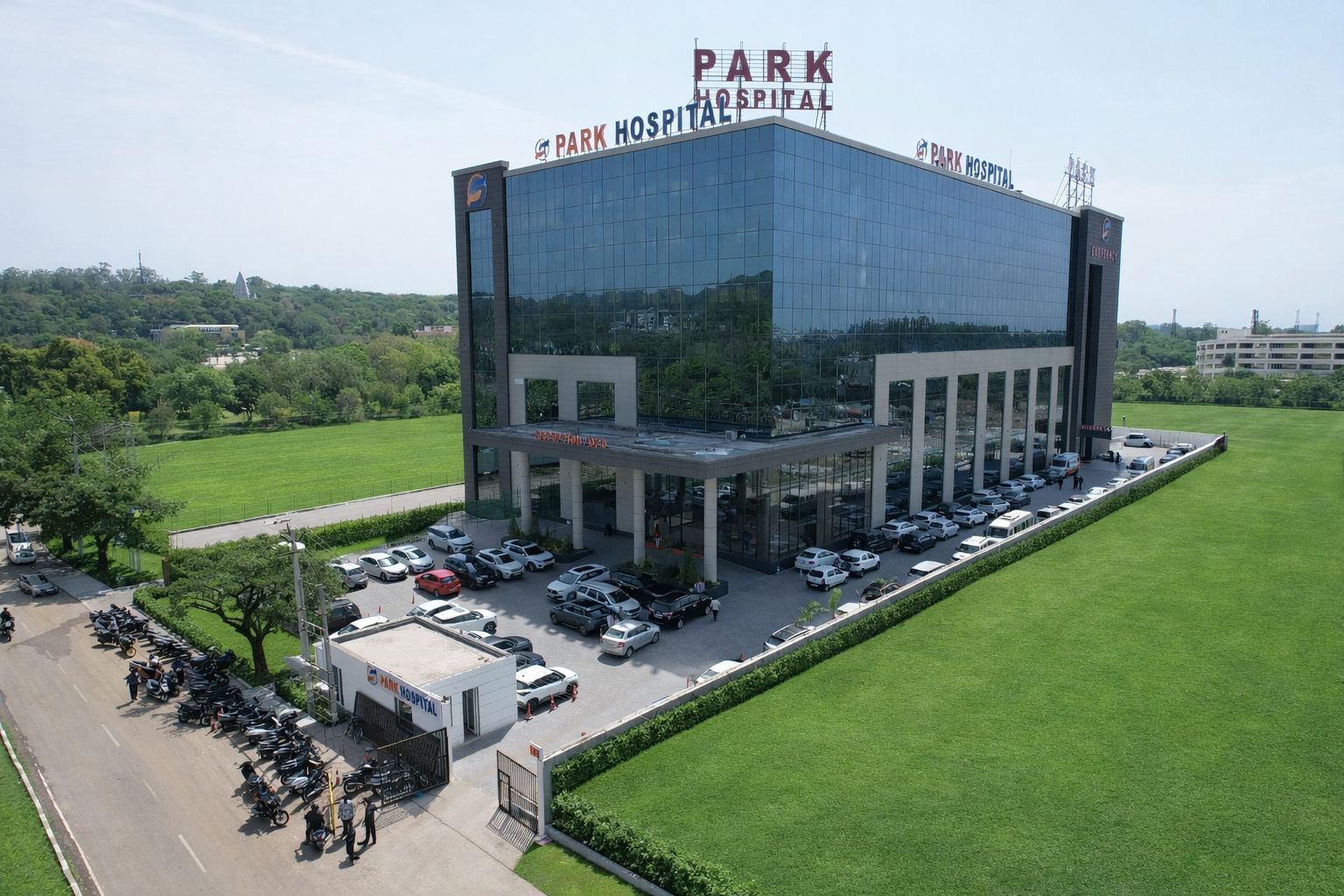
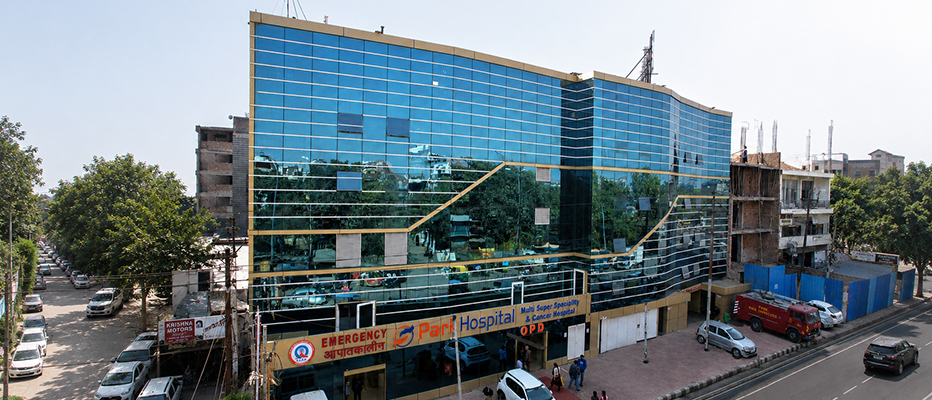

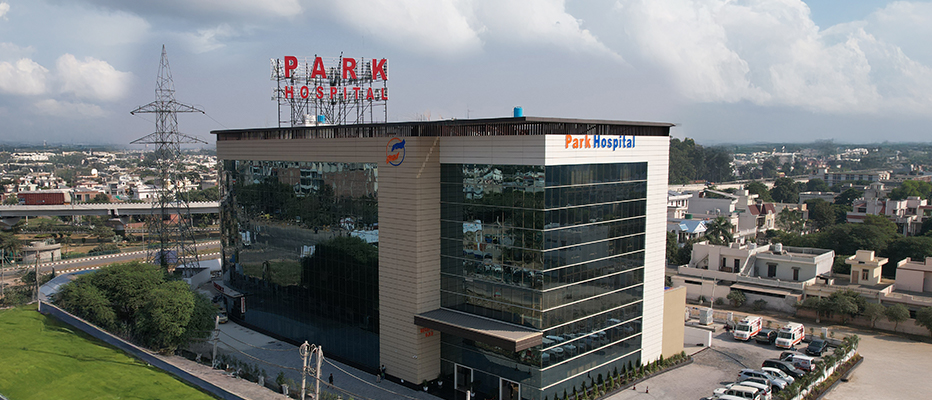

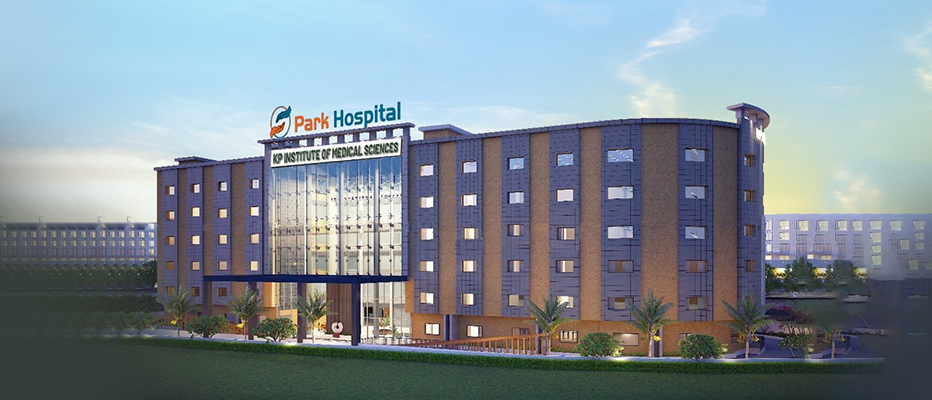
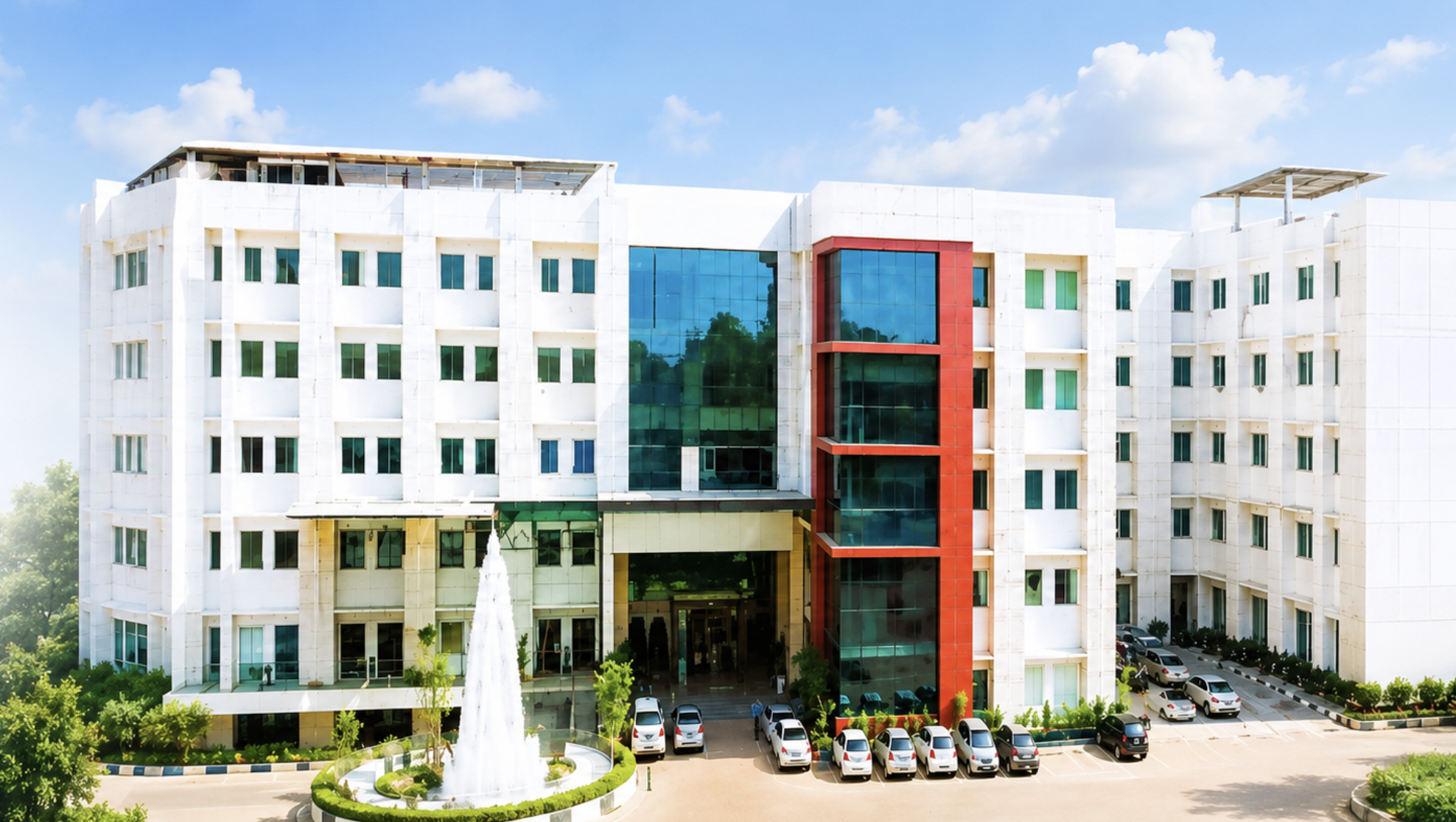
Our Hospital Locations
Healing Near You
Experience world-class clinical expertise and compassionate care at our advanced facilities conveniently located across the region
View AllHealth Tips
Expert Advice for Healthy Life

Frequently Asked Questions
Common questions answered by our experts
You may benefit from physiotherapy when pain, stiffness, weakness, reduced mobility or difficulty with everyday movements is affecting your function. It can be useful for problems involving the muscles, joints, bones, nerves and movement system, including back pain, sports injuries, arthritis and muscle or tendon injuries. Physiotherapy may also be part of recovery after surgery or injury. If pain is severe, follows a significant injury, or is accompanied by symptoms such as sudden weakness or loss of sensation, medical assessment may be needed before starting rehabilitation.
Physiotherapy can support recovery and function across a wide range of musculoskeletal, neurological and movement-related conditions. These may include back and neck pain, arthritis, sprains and strains, tendon problems, sports injuries, fractures, balance problems and some neurological conditions. It can also form part of rehabilitation following surgery, stroke or other illnesses that affect movement. The aim is not simply to reduce pain, but to improve strength, mobility, balance and the ability to perform everyday activities safely.
Rehabilitation helps the body gradually regain movement, strength and function after surgery, injury or illness. Depending on the condition, a programme may begin with restoring movement and controlling pain before progressing to strengthening, balance and coordination exercises. After some surgeries, physiotherapy is an important part of recovery and may help patients return safely to daily activities. The pace depends on the procedure, injury, overall health and individual recovery.
Treatment depends on the patient's condition and goals. Physiotherapy may include exercises to improve range of motion, flexibility, strength, balance, coordination and cardiovascular fitness. Depending on the situation, therapists may also use techniques such as manual therapy, massage, heat or ice, and other supportive approaches. Education about posture, body mechanics and safe movement may be part of treatment as well. The focus is generally on helping patients become stronger and more capable of managing their condition, rather than relying only on passive treatments.
A physiotherapist considers the patient's symptoms, movement limitations, strength, medical history, diagnosis, activity level and personal goals when developing a programme. The exercises and intensity are then adjusted according to how the patient responds and how recovery progresses. For example, rehabilitation after knee surgery will have different priorities from treatment for chronic back pain or arthritis. A personalised programme may also be modified during flare-ups, recovery or changes in function to keep exercise both appropriate and safe.
There is no single timeline for physiotherapy. Improvement depends on the underlying condition, how long the problem has been present, its severity, overall health and how consistently the rehabilitation programme is followed. Some people notice changes in pain or movement relatively early, while recovery after surgery or a significant injury may take several months. Progress is usually gradual, with the programme adjusted as strength, mobility and function improve. Your physiotherapist can explain realistic milestones based on your specific condition and goals.
Following the home exercise programme provided by your physiotherapist is an important part of rehabilitation. Perform exercises with the recommended technique and frequency rather than increasing intensity on your own. Staying physically active within your prescribed limits, maintaining good movement and body mechanics, and gradually returning to activities can also support recovery. If an exercise causes significant or worsening pain, discuss it with your therapist rather than simply pushing through it. Consistency is generally more useful than doing too much too quickly.