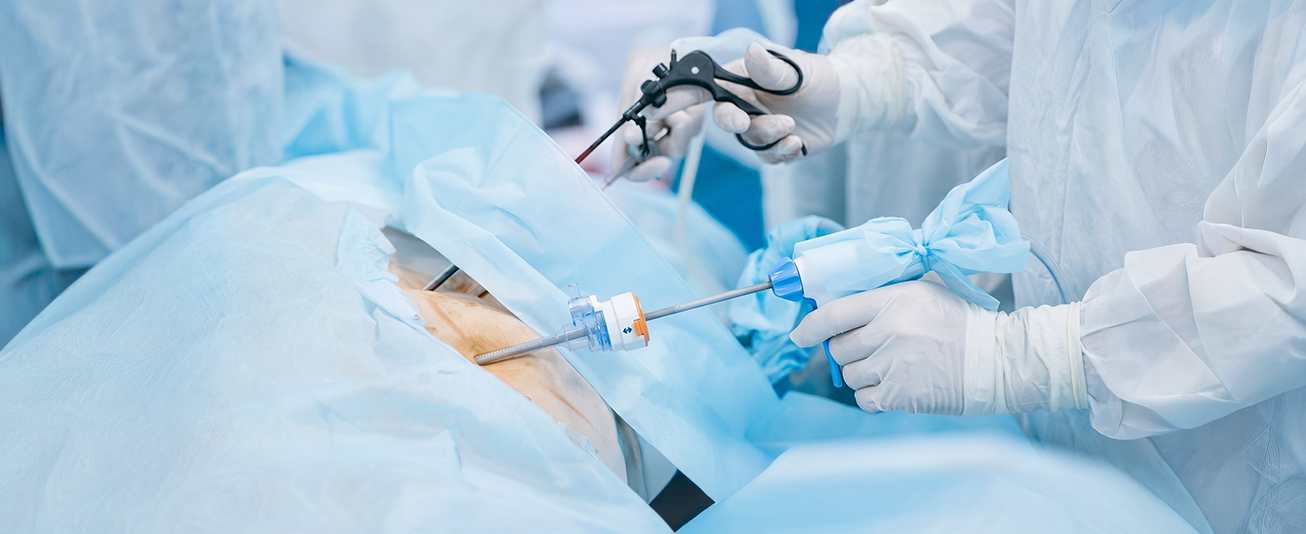
General & Laparoscopic Surgery
Laparoscopic Hospital in India
Great surgery is more than technical skill; it is the right decision, delivered at the right time, with the right level of care. At Park Hospitals, our Department of General & Laparoscopic Surgery is built on that philosophy, combining extensive surgical experience with a commitment to minimally invasive techniques and patient-centered recovery.
Our team manages the complete spectrum of general surgical conditions, appendicitis, cholecystitis, hernia, thyroid and parathyroid disease, bowel disorders, and soft tissue conditions through both open and laparoscopic approaches. Laparoscopic surgery is our preference wherever clinically appropriate, offering smaller incisions, less pain, shorter hospital stay, and faster return to daily life.
Our laparoscopic program covers appendectomy, cholecystectomy, hernia repair, colectomy, splenectomy, adrenalectomy, and anti-reflux procedures. Surgical oncology, managing cancers of the stomach, colon, liver, pancreas, thyroid, and breast, is performed in close collaboration with our oncology team through a multidisciplinary approach. Anorectal surgery, including haemorrhoidectomy, fistula, and pilonidal sinus procedures, is another area of significant expertise.
Every patient receives a thorough pre-operative assessment, detailed informed consent counseling, and a personalized post-operative care plan. At Park Hospitals, the trust a patient places in their surgeon is a privilege, honored with every incision and every recovery.
?
Diseases and Procedures
Advanced Treatments For Every Disease
1 Fistulectomy
Fistulectomy at Park Hospitals is a surgical procedure performed to completely remove an anal fistula, which is an abnor Read More
2 Hernia
Hernia treatment at Park Hospitals focuses on the diagnosis and surgical management of hernias that develop when an inte Read More
3 Proctology Surgeries
Proctology Surgeries at Park Hospitals are performed to diagnose and treat conditions affecting the rectum, anus, and lo Read More
Meet Our Experts
Experienced Clinical Leaders
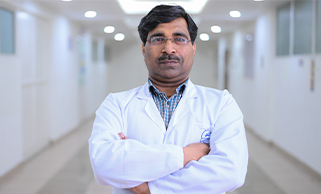
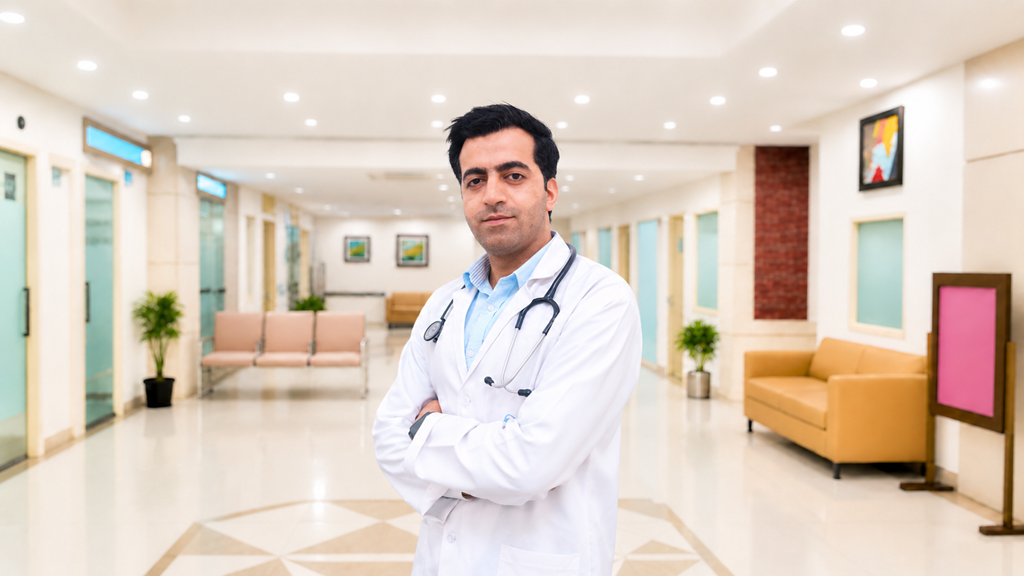
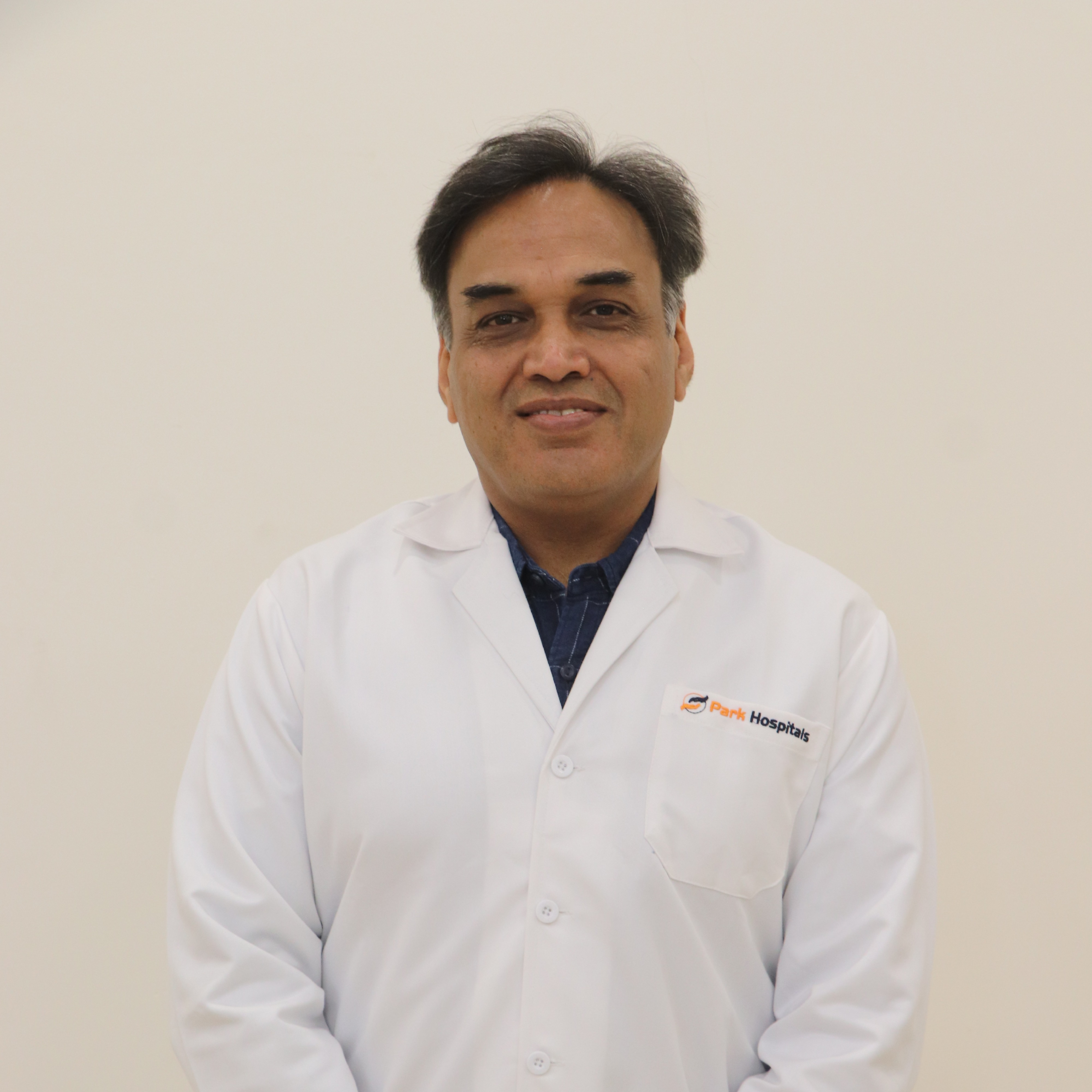
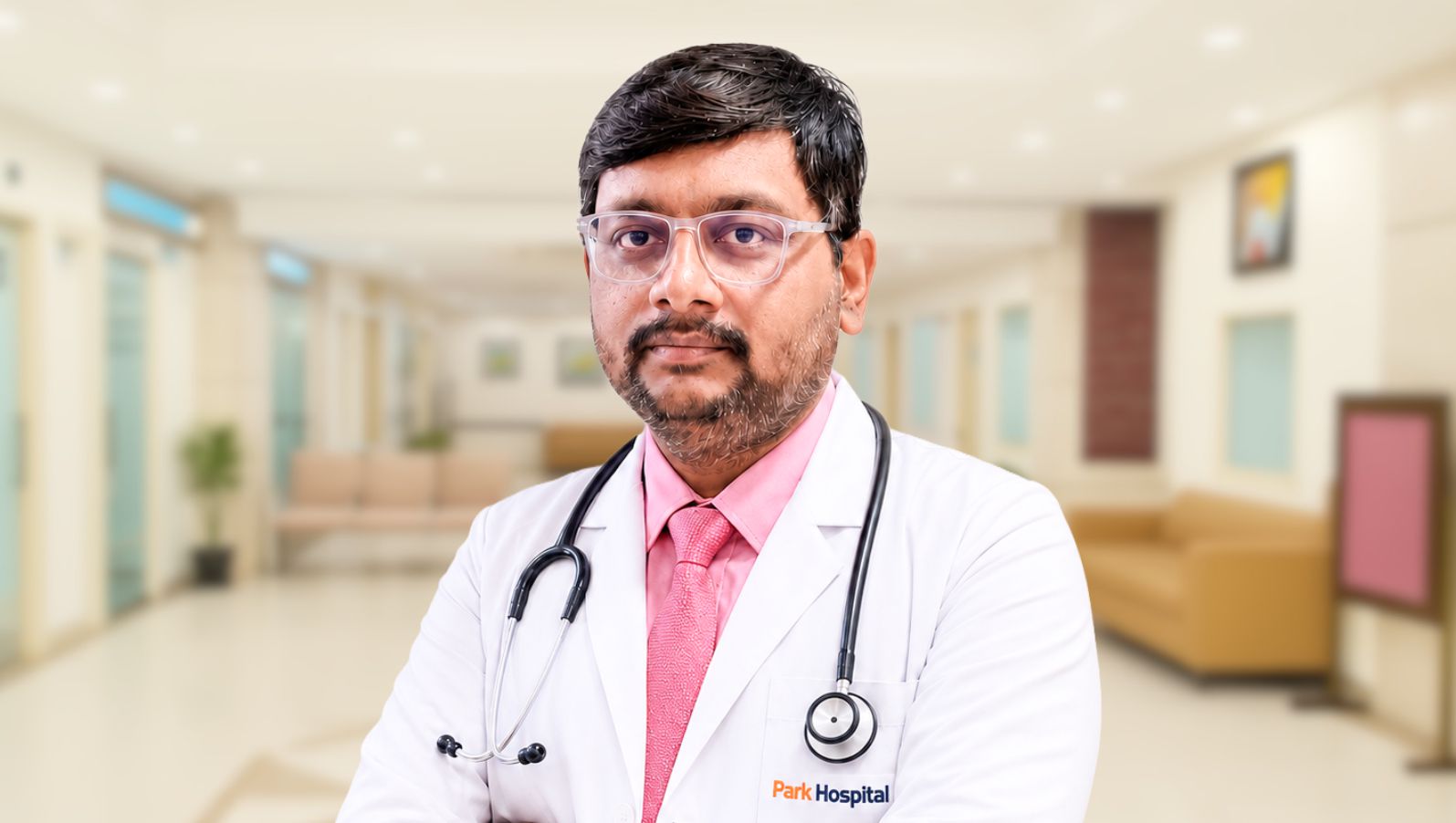
Consult with our highly skilled specialists dedicated to providing world-class medical expertise and personalized treatment plans.
Find A Doctor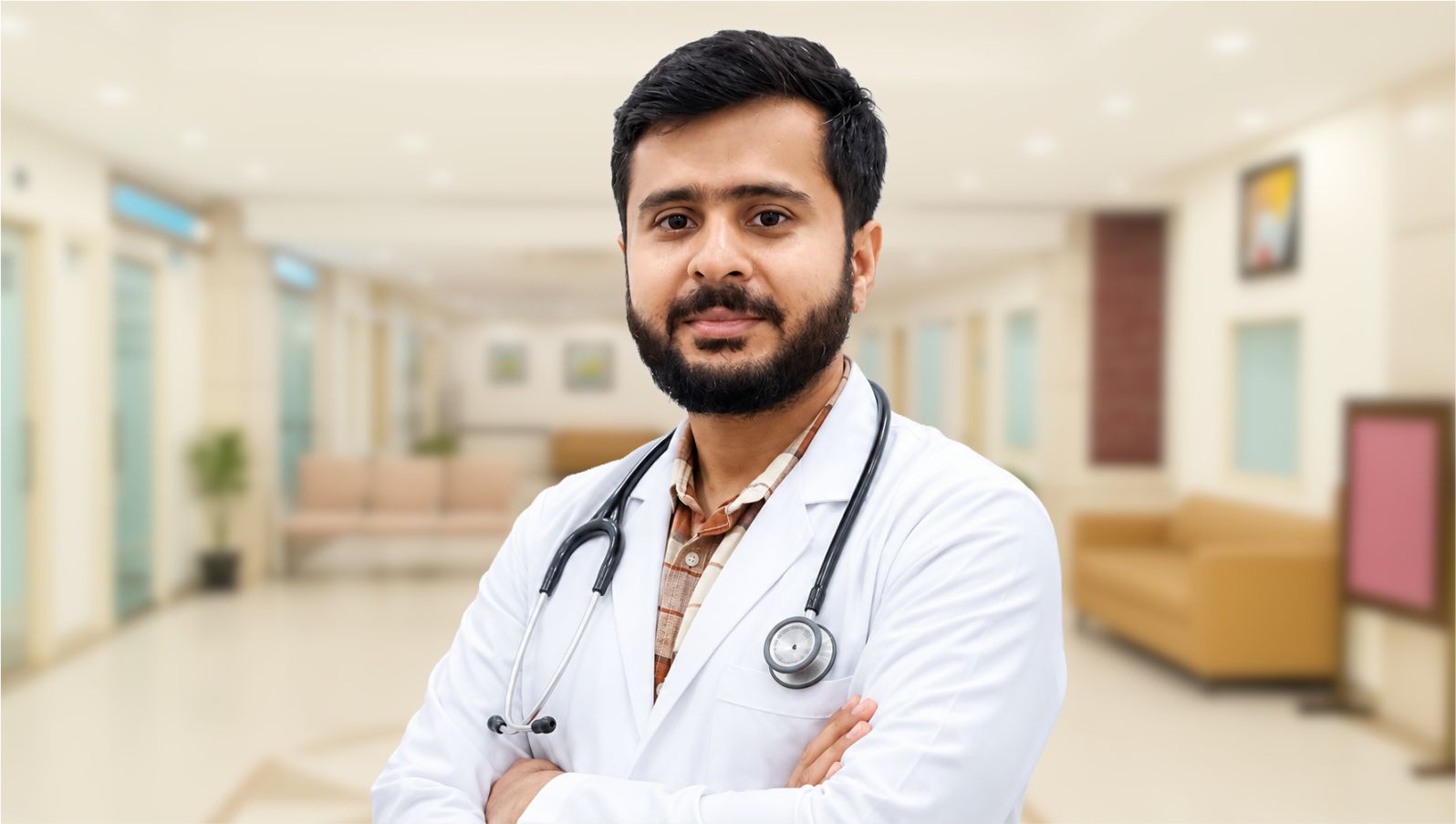


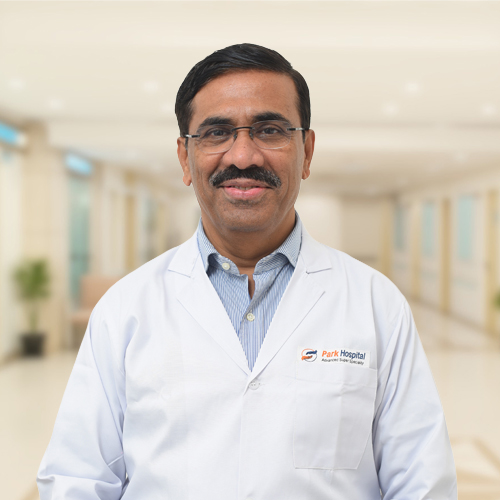
 Gurjot Singh (Retd).jpg)
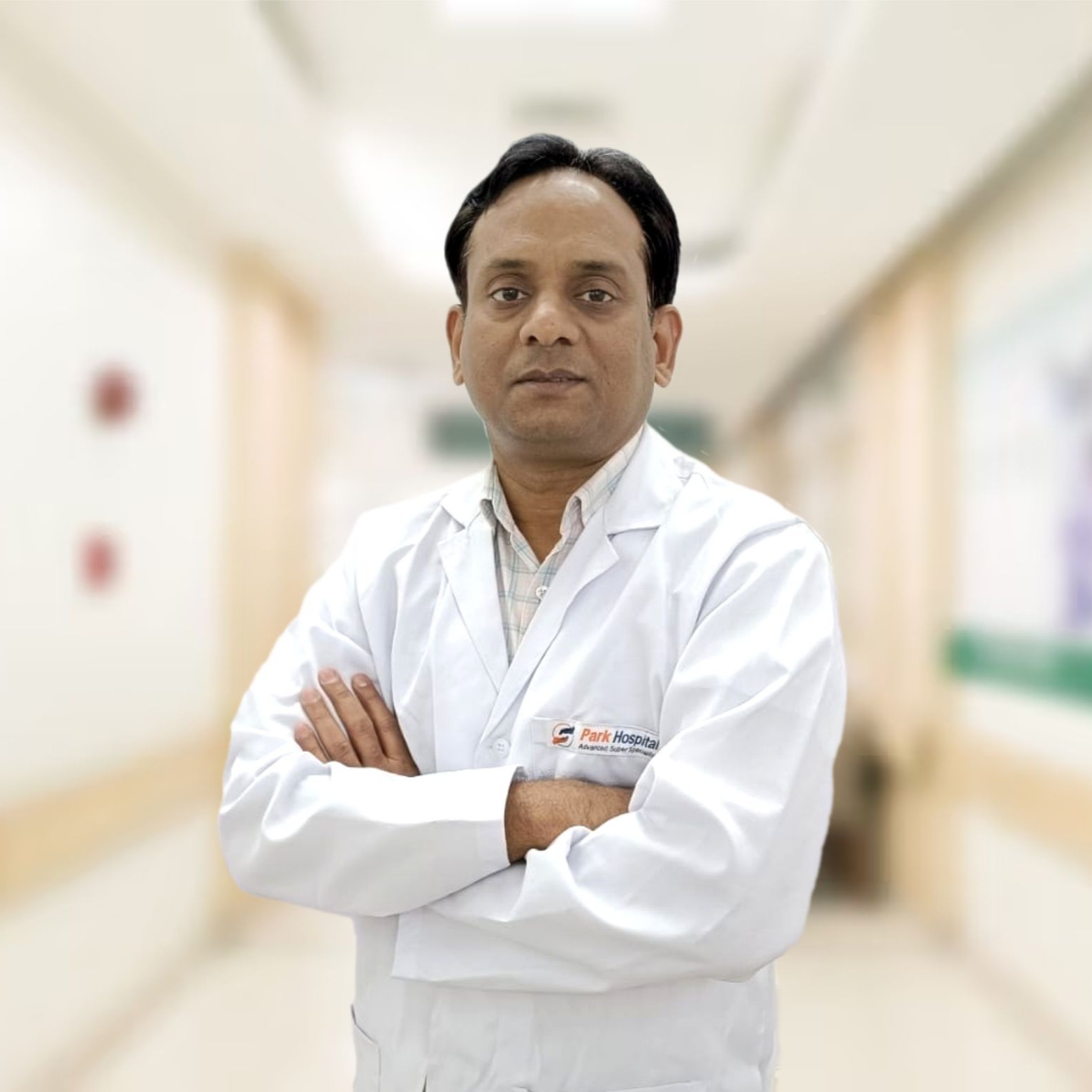
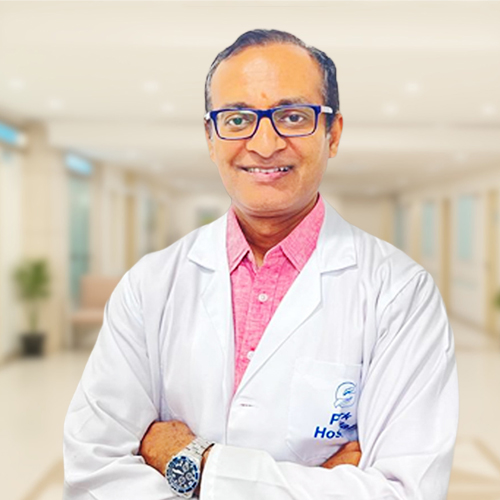
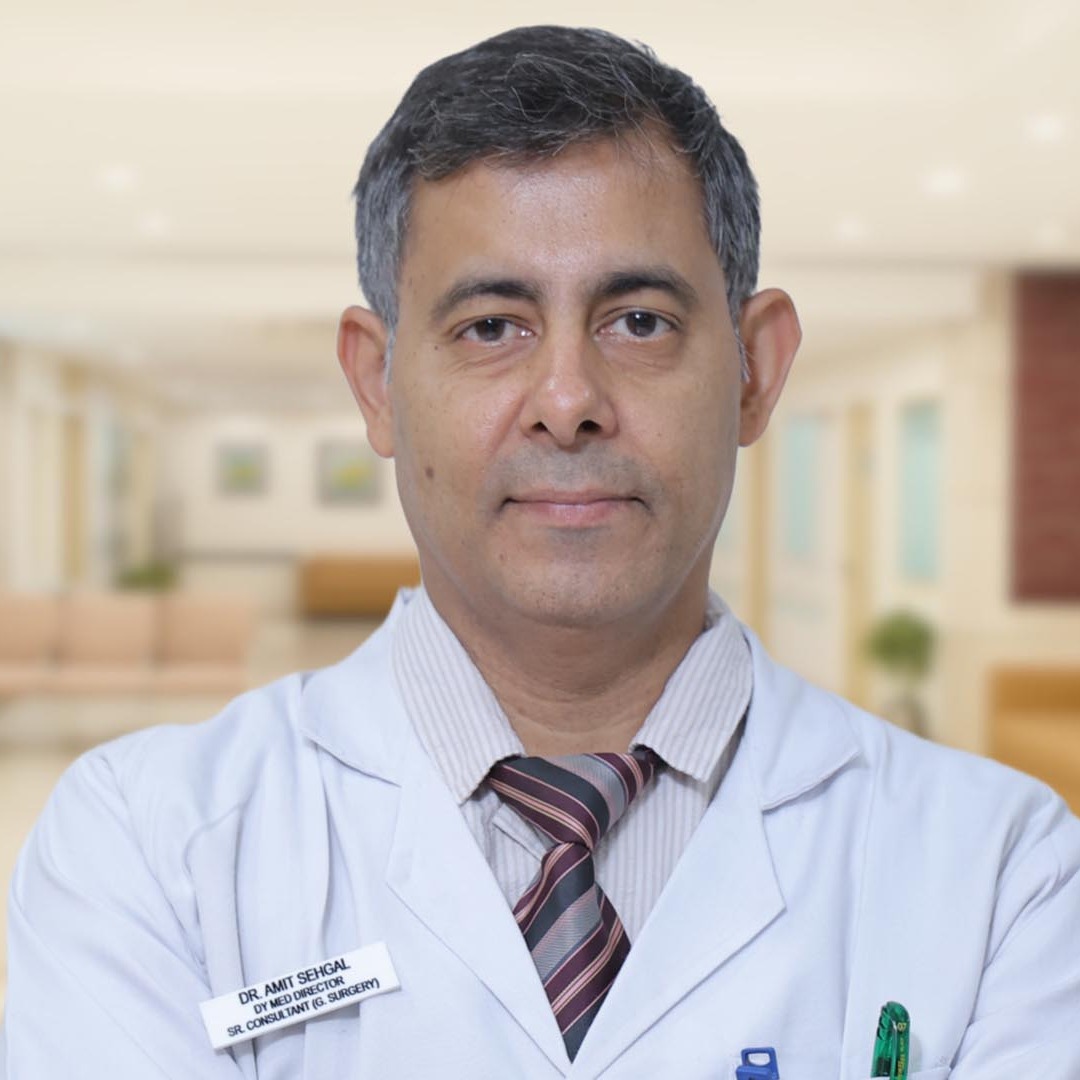
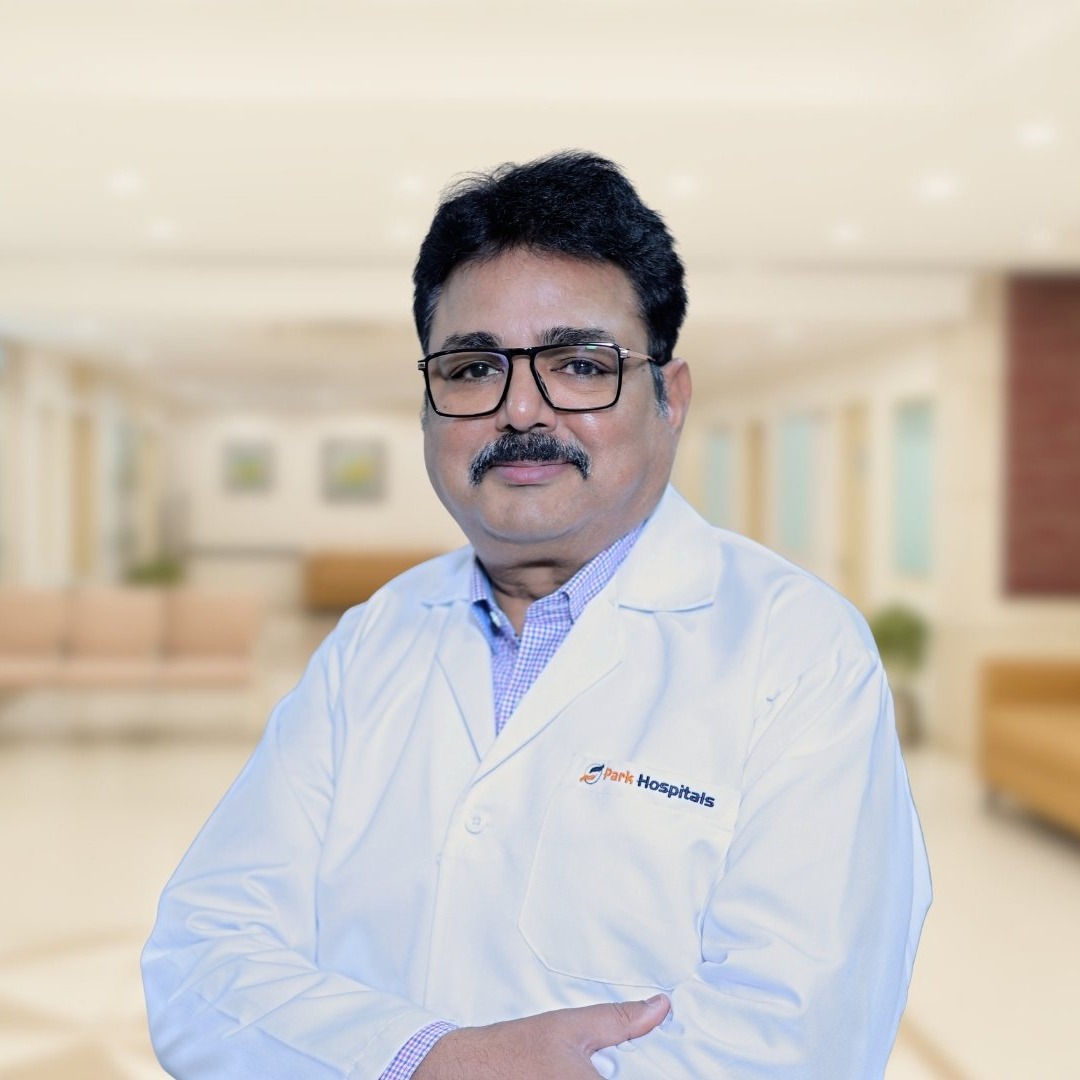
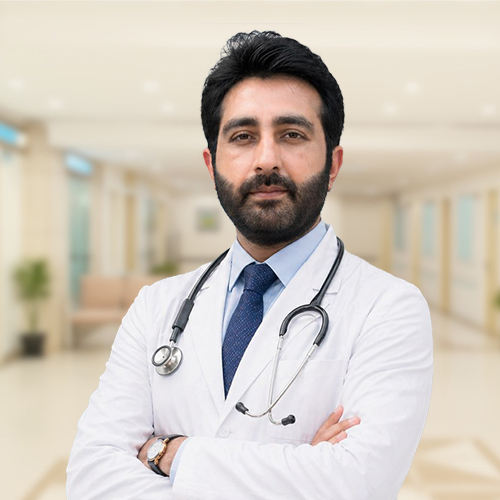

.jpeg)

.png)

Patient Testimonials
Stories Reflecting Excellence in Patient Care
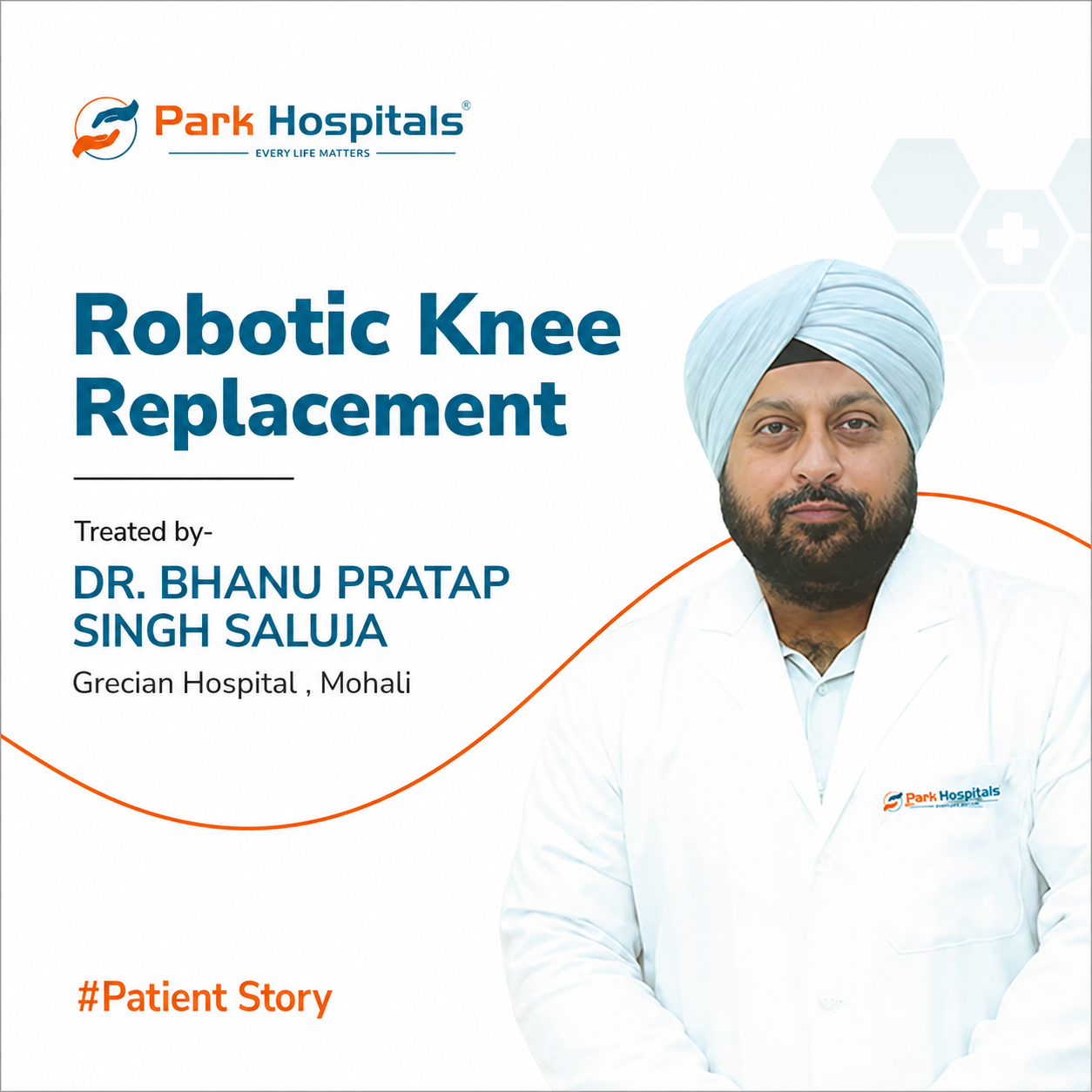
Robotic Knee Replacement Success Story
A patient regained mobility and confidence through successful robotic knee replacement surgery. Advanced robotic technology, expert orthopedic care, and personalized rehabilitation helped reduce pain, improve movement, and enhance overall quality of life.
Know More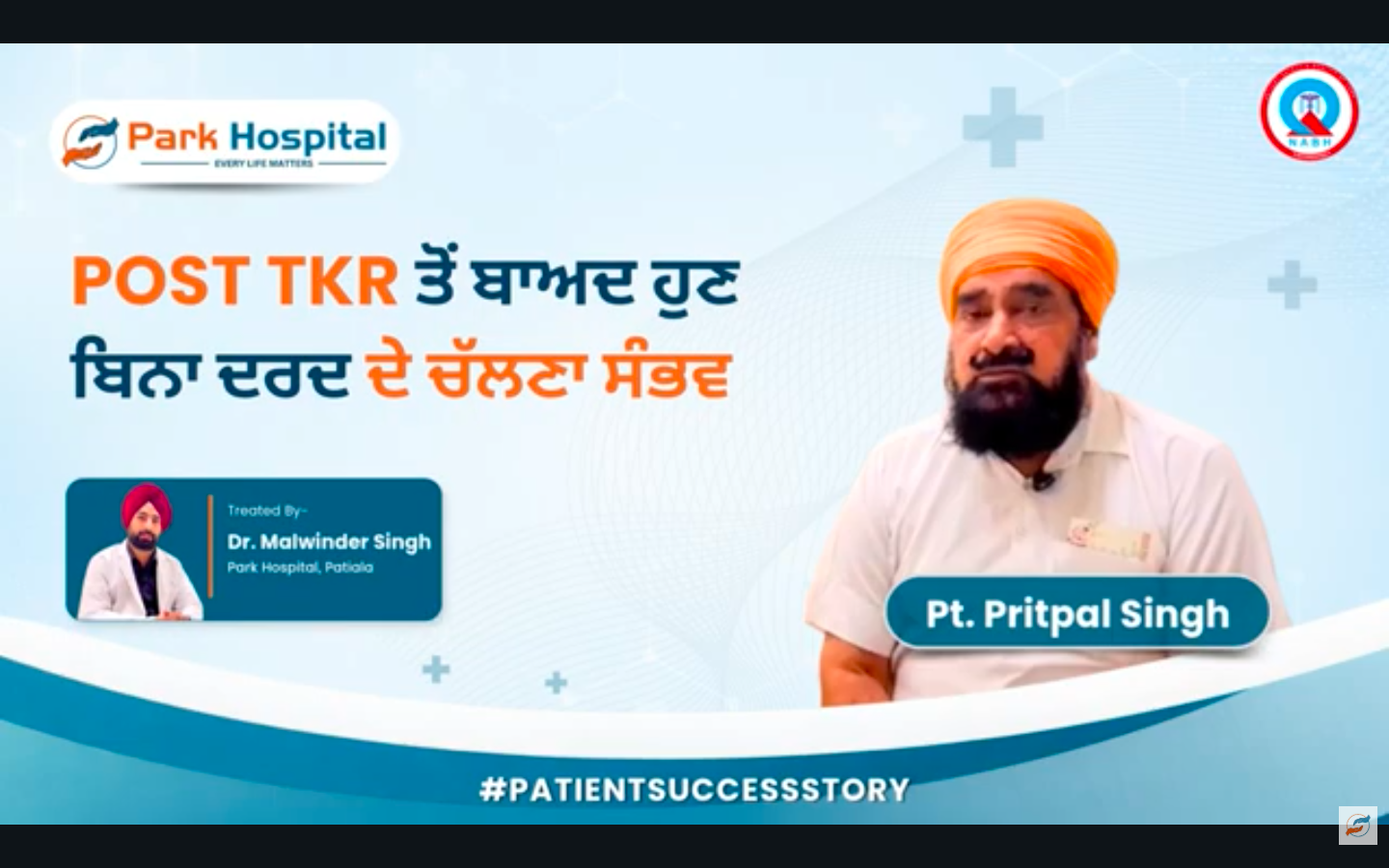
Pain-Free Walking After Total Knee Replacement
Following a successful Total Knee Replacement (TKR), the patient regained mobility and confidence. Expert orthopedic care, advanced surgical techniques, and rehabilitation support helped achieve pain-free walking and an improved quality of life.
Goodbye Knee Pain! | Advanced Knee Replacement | Dr. Anand Jindal | Park Hospital Panchkula
Chronic knee pain can affect your mobility and quality of life. Advanced knee replacement surgery can help you move comfortably and regain confidence.
Dr. Anand Jindal
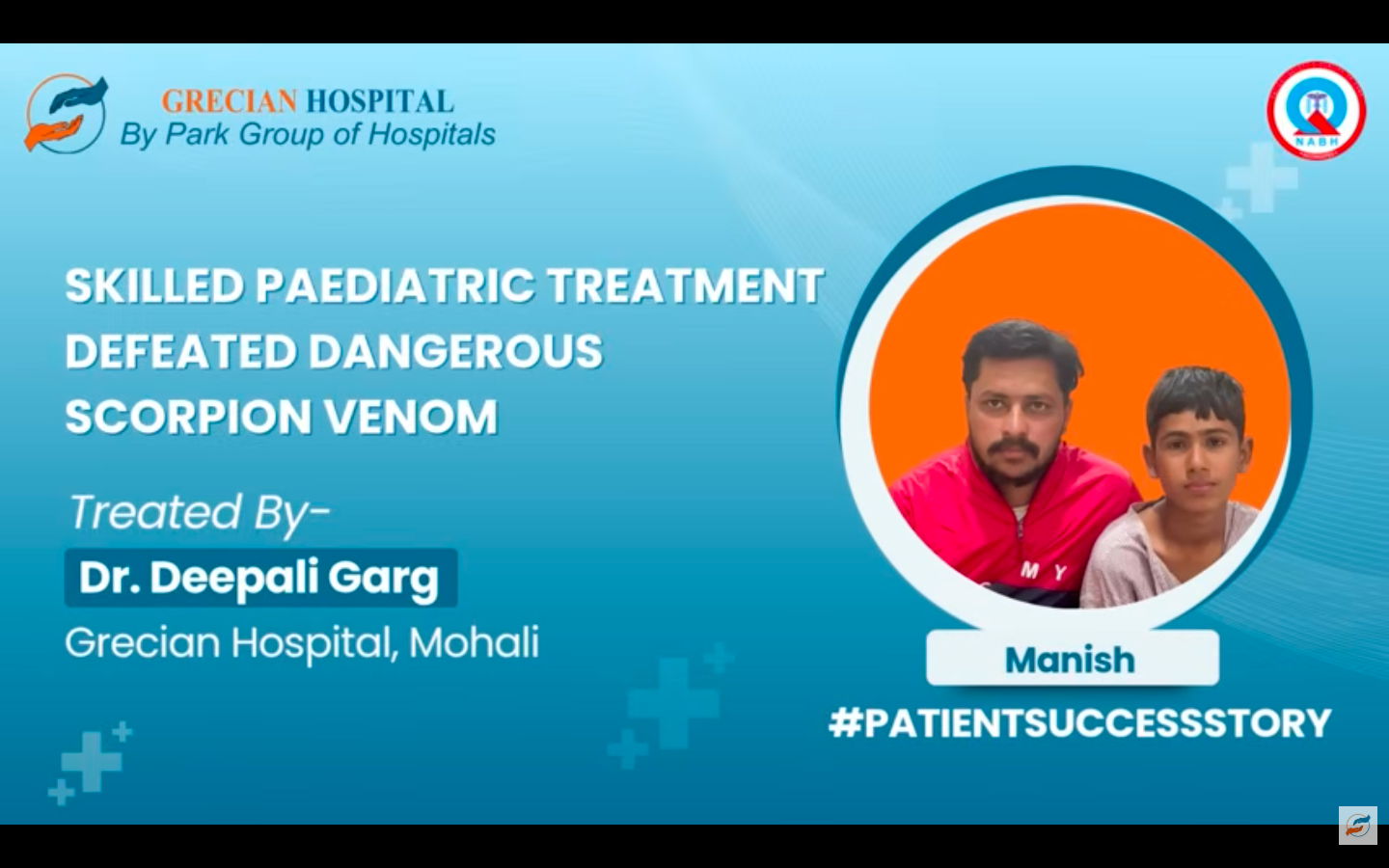
Expert Paediatric Care Defeats Scorpion Venom
A child suffering from a dangerous scorpion sting was successfully treated through timely intervention and expert pediatric care. Prompt diagnosis, critical monitoring, and specialized treatment ensured a safe recovery and positive outcome.
Dr. Milan Arora


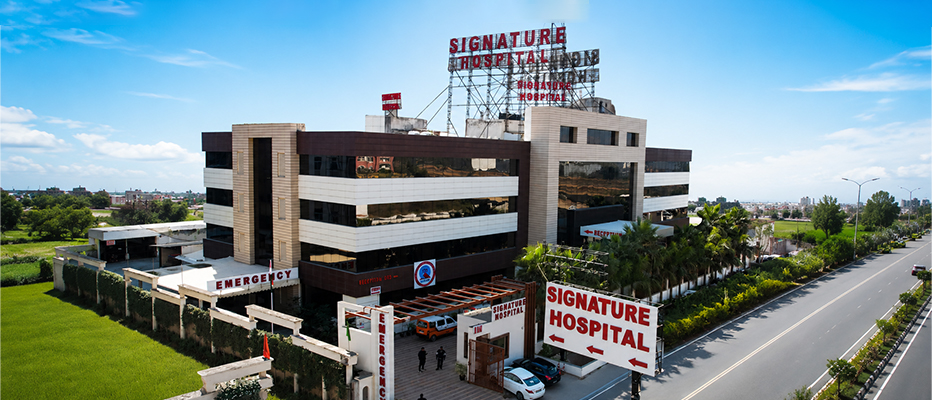



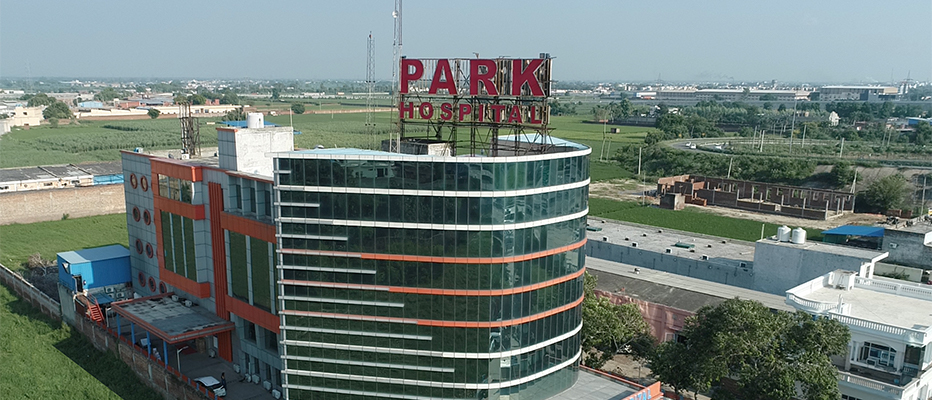


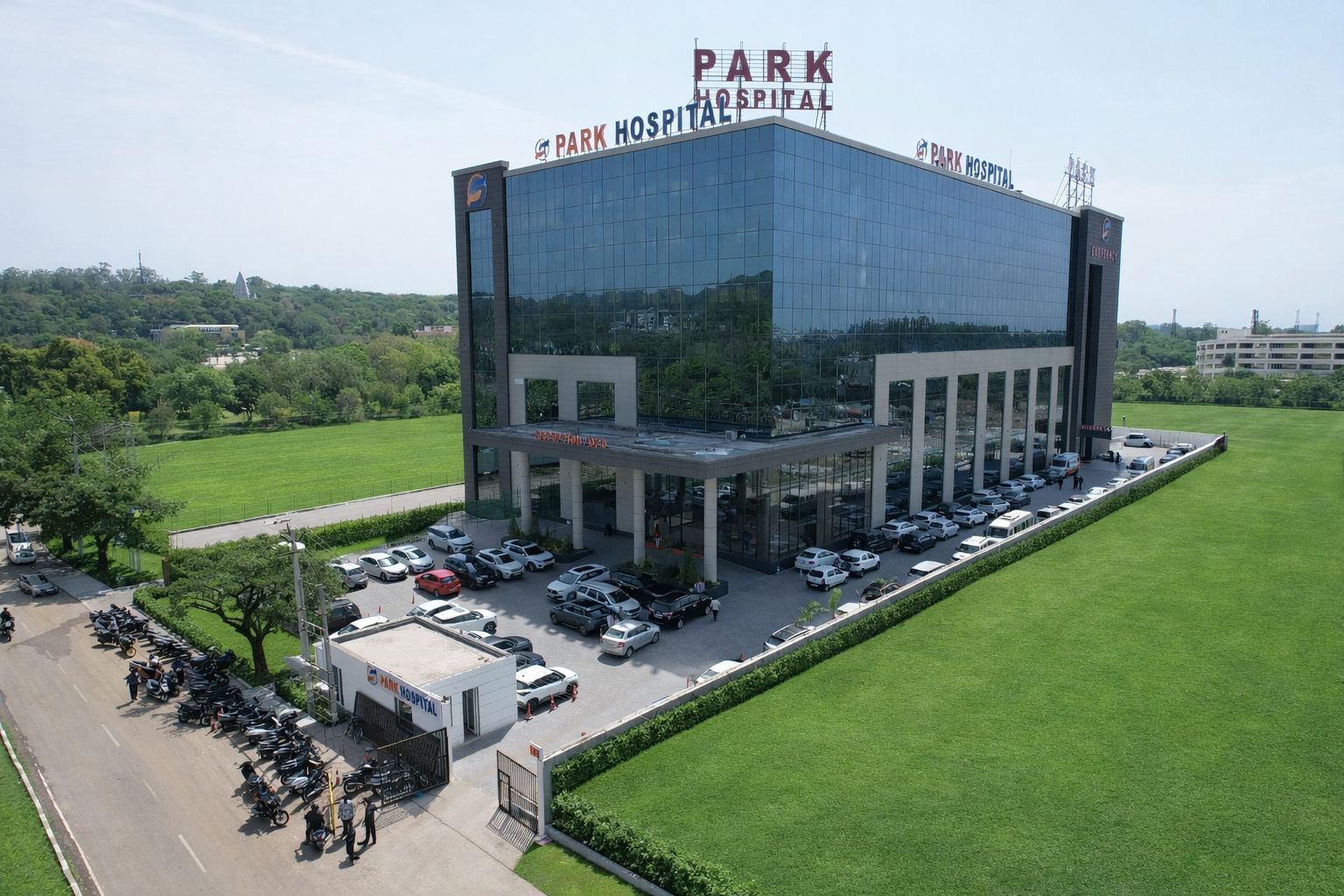
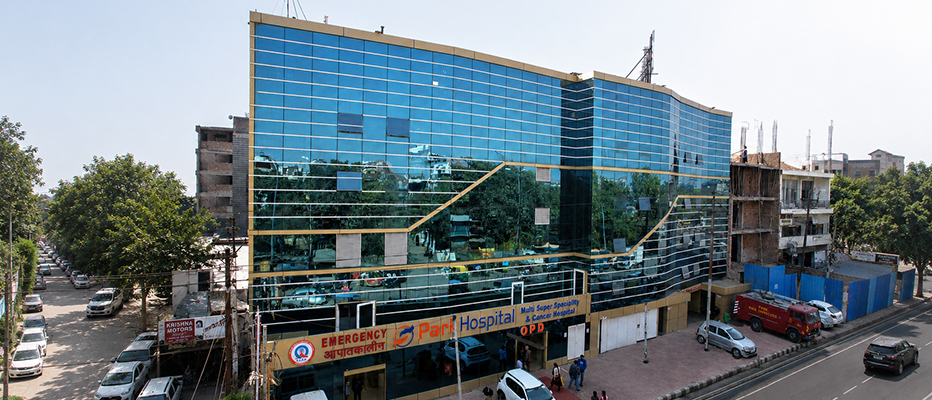
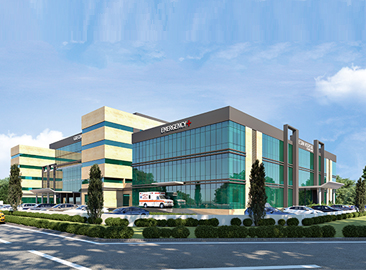

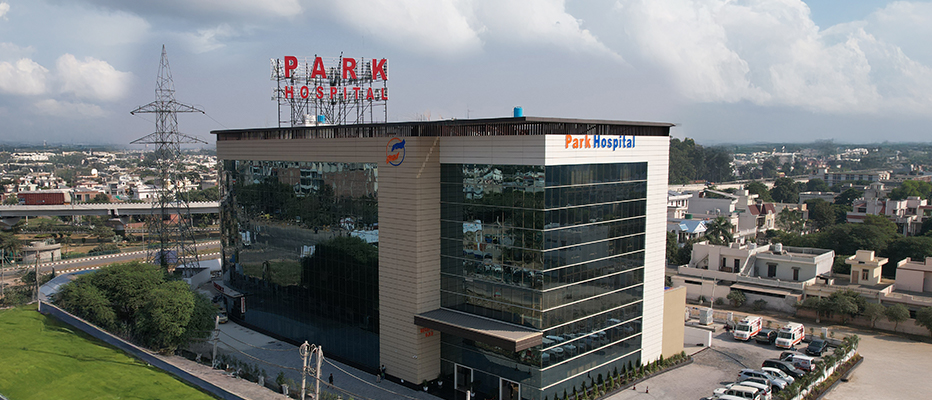
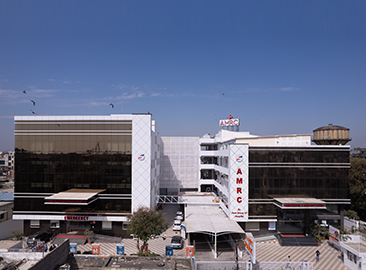

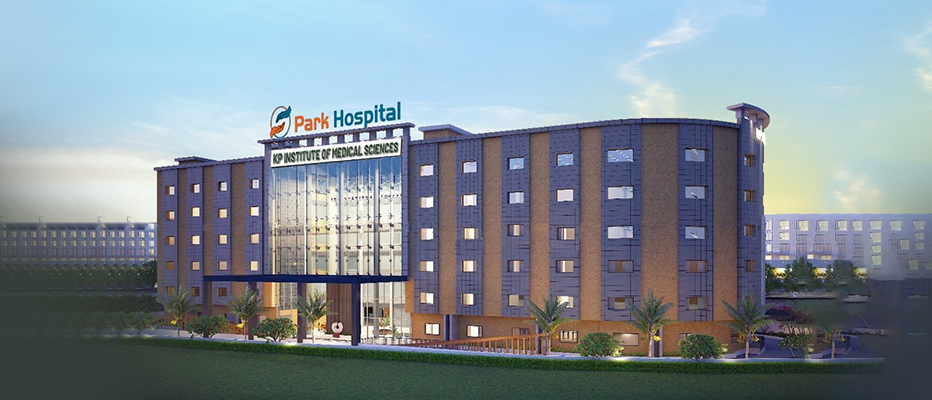
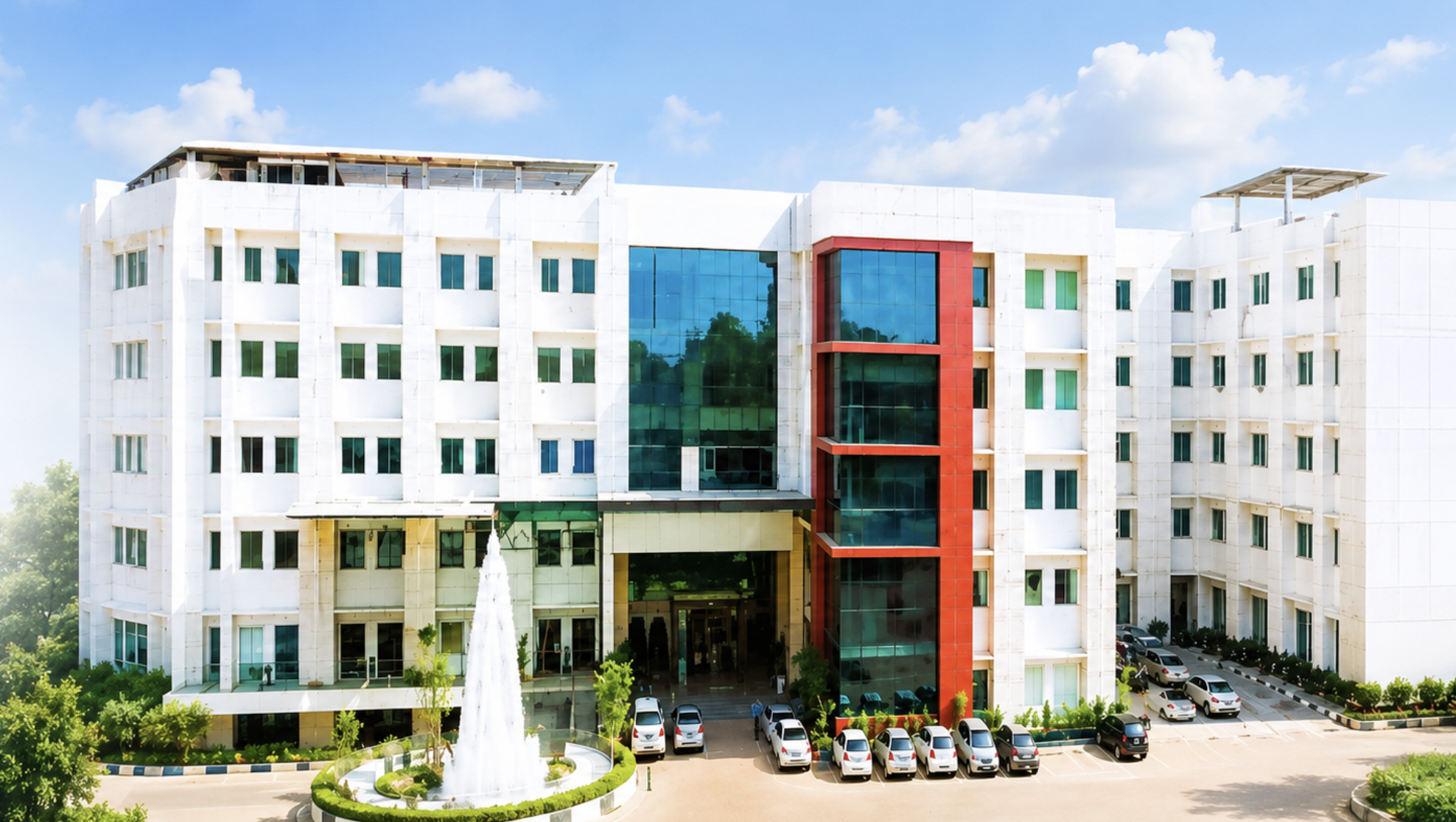
Our Hospital Locations
Healing Near You
Experience world-class clinical expertise and compassionate care at our advanced facilities conveniently located across the region
View AllHealth Tips
Expert Advice for Healthy Life



Frequently Asked Questions
Common questions answered by our experts
General surgery covers a broad range of conditions, particularly those involving the abdomen, digestive system and abdominal wall. Common conditions treated surgically include appendicitis, gallstones, hernias, certain gastrointestinal disorders, reflux disease and some abdominal tumours. General surgeons may also perform procedures such as bowel surgery, gallbladder removal, hernia repair and other abdominal operations. Depending on the condition, surgery may be performed through a traditional open approach or using minimally invasive techniques.
Laparoscopic surgery may be preferred when the condition can be safely treated through small incisions rather than one larger incision. The approach can result in less pain, smaller scars, a shorter hospital stay and faster recovery compared with many open procedures. However, it is not appropriate for every patient or every condition. The surgeon considers the diagnosis, severity of disease, previous surgeries, overall health and technical feasibility before deciding whether laparoscopic or open surgery is the safer option.
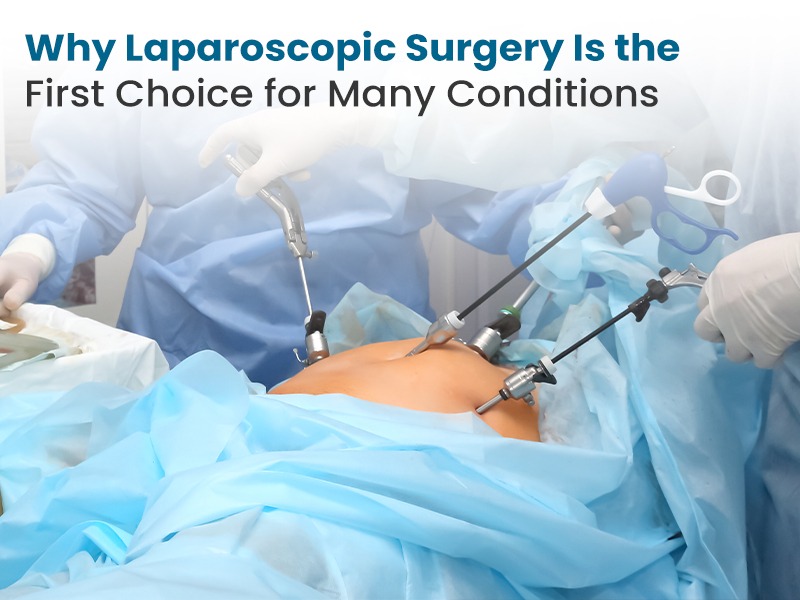
Laparoscopic surgery uses small incisions, a camera and specialised instruments to perform an operation without the larger incision required for many open procedures. Potential benefits include less postoperative pain, smaller scars, less blood loss, a shorter hospital stay and a quicker return to normal activities. Minimally invasive surgery may also reduce certain complications compared with open surgery. However, these benefits vary depending on the procedure and individual patient, and minimally invasive surgery is not suitable for everyone.
Laparoscopic techniques can be used for several abdominal conditions, depending on the patient's diagnosis and suitability for minimally invasive surgery. Common examples include gallstones requiring gallbladder removal, appendicitis, certain hernias, reflux and hiatal hernia, some bowel conditions and selected abdominal cancers. Procedures may include laparoscopic cholecystectomy, appendectomy, hernia repair and bowel surgery. The choice of technique depends on the condition, its severity, previous abdominal operations and the surgeon's assessment.
Before surgery, the doctor reviews your symptoms, medical history, previous operations, medicines, allergies and existing health conditions. A physical examination and appropriate tests are performed based on the planned procedure. These may include blood tests, imaging, ECG or other investigations to assess your overall health and understand the condition being treated. The surgical team also discusses anaesthesia, potential risks, the planned approach and recovery. This evaluation helps determine whether surgery is appropriate and which technique is safest.
Recovery depends on the procedure and your overall health. Compared with many open operations, laparoscopic surgery may involve less pain, smaller wounds and a shorter hospital stay. Patients are generally encouraged to begin moving gradually after surgery, with activity increased as advised by the surgical team. You may experience some tiredness or discomfort around the incision sites during the initial recovery period. Your surgeon will provide instructions about wound care, medicines, diet, activity restrictions and when you can return to normal activities.
You may need a general surgeon when a condition may require an operation, particularly for problems such as hernias, gallstones, appendicitis, certain gastrointestinal conditions or abdominal masses. A surgical consultation can also help when symptoms persist despite medical treatment or when imaging identifies a condition that may benefit from surgery. If surgery is recommended, the surgeon can explain whether an open, laparoscopic or another minimally invasive approach is appropriate. Seeking an evaluation does not necessarily mean that surgery will be required.