
Paediatrics
Paediatric Hospital in India
Children are not small adults; their physiology, diseases, and responses to treatment are fundamentally different, requiring specialized expertise combined with warmth, patience, and family-centered care. At Park Hospitals, our Department of Paediatrics is dedicated to the health and well-being of children from birth through adolescence, providing comprehensive, compassionate care for every child who comes to us.
Our paediatricians manage the complete range of childhood illnesses from common infections and developmental concerns to complex chronic conditions. Newborn care, growth and developmental assessment, vaccination, nutritional guidance, and acute childhood illness management form the foundation of our general practice. Our neonatal care unit provides specialist care for premature and sick newborns with trained neonatologists, ensuring the best possible start in life.
Paediatric subspecialty services, cardiology, neurology, gastroenterology, nephrology, endocrinology, and haematology ensure that children with complex conditions receive specialist expertise within our hospital. Our paediatric emergency service provides immediate, expert assessment of acutely unwell children around the clock.
Vaccination, the complete national immunisation schedule plus additional recommended vaccines, is a cornerstone of our preventive program, with our team providing detailed, evidence-based guidance to every parent. Our approach is family-centered, involving parents fully in every assessment and management decision. At Park Hospitals, every child deserves the very best start in life, and our paediatrics team is committed to delivering it.
Meet Our Experts
Experienced Clinical Leaders
Consult with our highly skilled specialists dedicated to providing world-class medical expertise and personalized treatment plans.
Find A Doctor







 (1).jpg)
.jpg)

.jpeg)


Patient Testimonials
Stories Reflecting Excellence in Patient Care
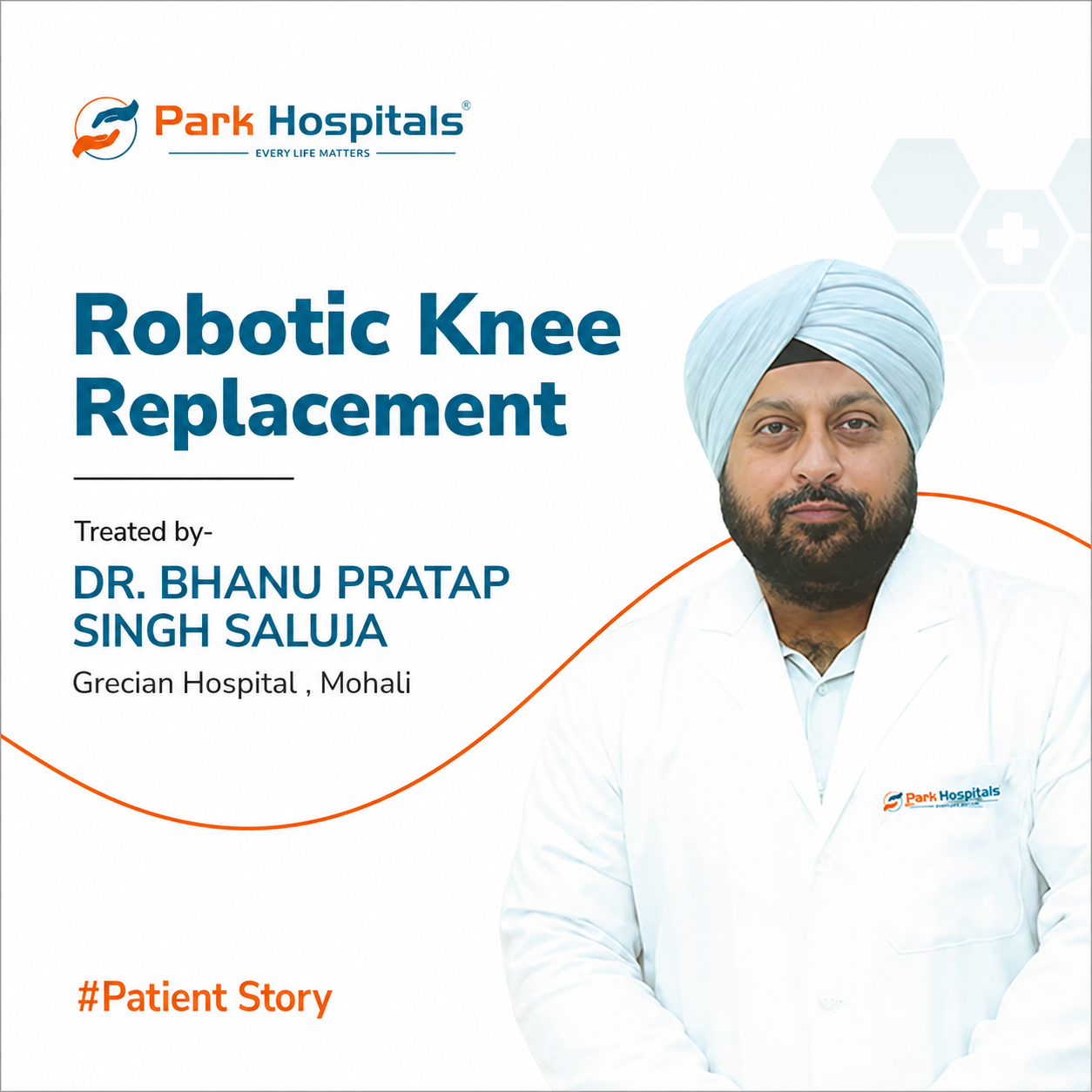
Robotic Knee Replacement Success Story
A patient regained mobility and confidence through successful robotic knee replacement surgery. Advanced robotic technology, expert orthopedic care, and personalized rehabilitation helped reduce pain, improve movement, and enhance overall quality of life.
Know More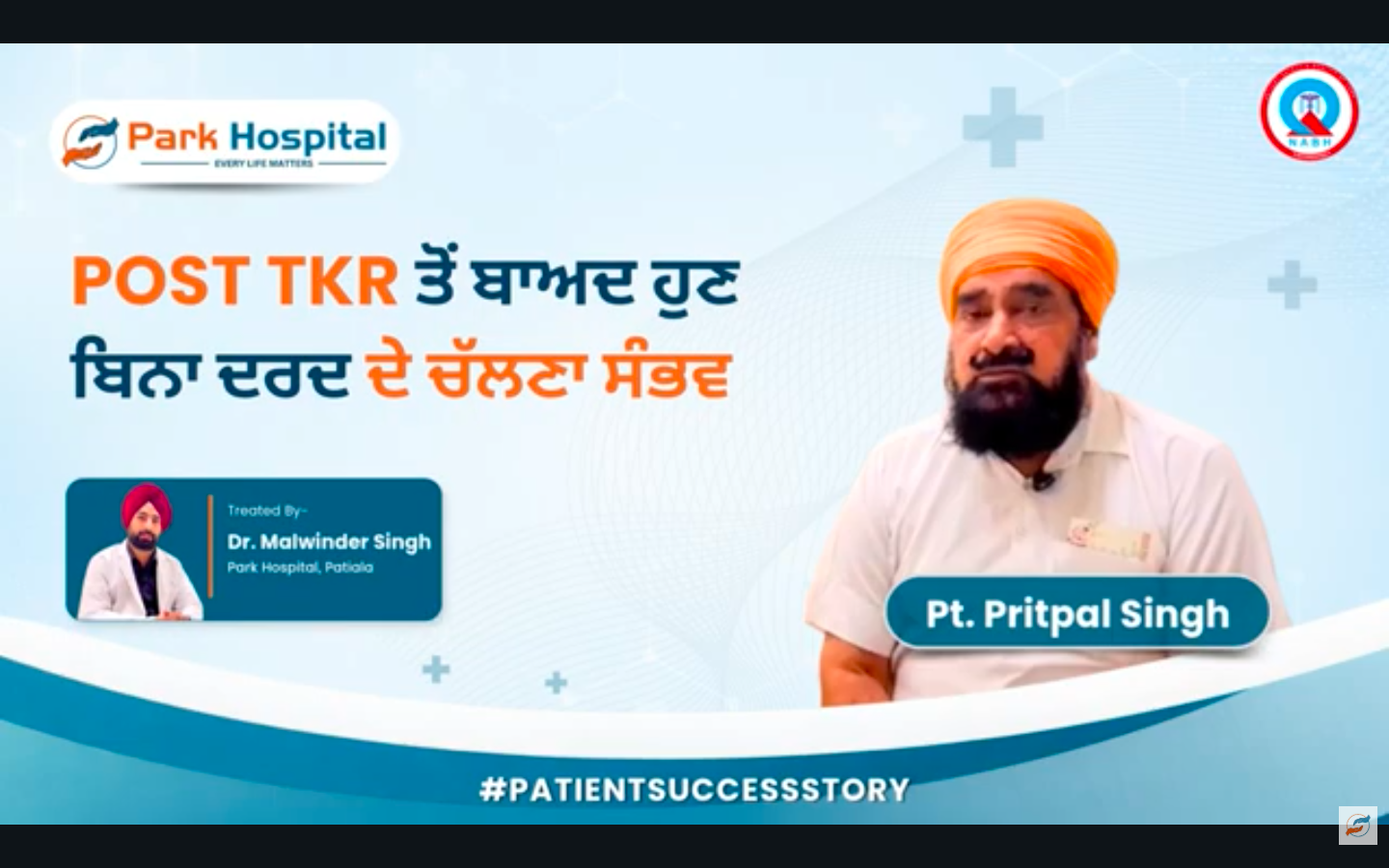
Pain-Free Walking After Total Knee Replacement
Following a successful Total Knee Replacement (TKR), the patient regained mobility and confidence. Expert orthopedic care, advanced surgical techniques, and rehabilitation support helped achieve pain-free walking and an improved quality of life.

Goodbye Knee Pain! | Advanced Knee Replacement | Dr. Anand Jindal | Park Hospital Panchkula
Chronic knee pain can affect your mobility and quality of life. Advanced knee replacement surgery can help you move comfortably and regain confidence.
Dr. Anand Jindal
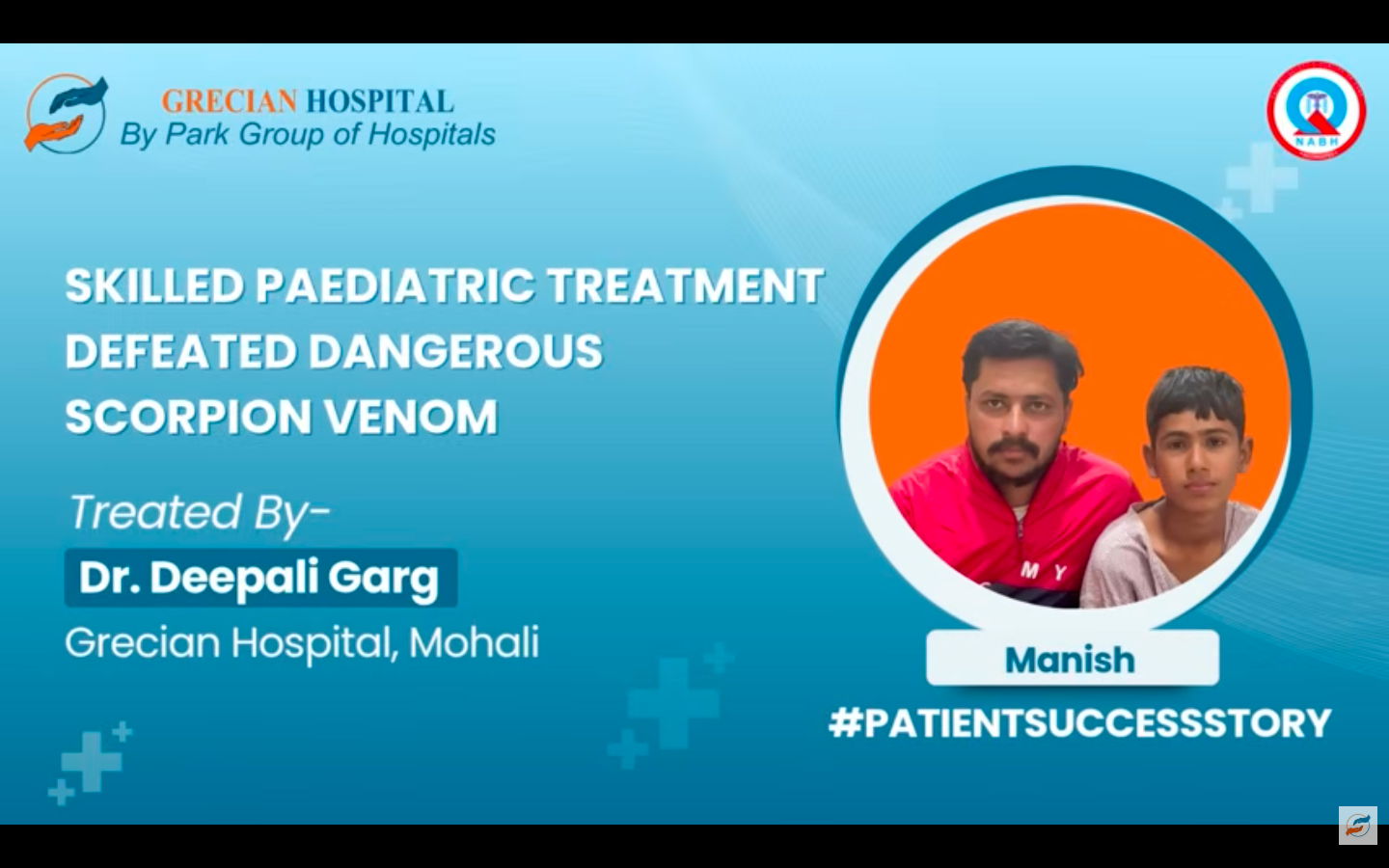
Expert Paediatric Care Defeats Scorpion Venom
A child suffering from a dangerous scorpion sting was successfully treated through timely intervention and expert pediatric care. Prompt diagnosis, critical monitoring, and specialized treatment ensured a safe recovery and positive outcome.
Dr. Milan Arora


















Our Hospital Locations
Healing Near You
Experience world-class clinical expertise and compassionate care at our advanced facilities conveniently located across the region
View AllHealth Tips
Expert Advice for Healthy Life



Frequently Asked Questions
Common questions answered by our experts
Paediatricians provide care for children from infancy through adolescence and manage a wide range of physical, developmental and emotional health needs. Common concerns include fever, coughs and colds, ear infections, allergies, asthma, digestive problems, skin conditions and minor injuries. They also monitor growth and development, provide preventive care and manage childhood immunizations. Paediatricians can identify concerns that may require additional evaluation and coordinate referrals to specialists when a child's condition needs more focused care.
A child may need specialist evaluation when a health problem is persistent, recurrent, complex or not responding as expected to initial treatment. A paediatrician may refer a child for concerns involving growth, development, breathing, digestion, the nervous system, heart, kidneys or other areas of health. Referral may also be appropriate when specialized testing or treatment is required. The decision depends on the child's symptoms, medical history, examination and response to treatment.
Routine paediatric visits help track a child's growth, development, nutrition, behaviour, hearing, vision and overall wellbeing. These visits also provide opportunities to discuss sleep, physical activity, nutrition, safety and age-appropriate developmental milestones. Vaccinations are an important part of preventive care and protect children against a range of serious infectious diseases. The recommended immunization schedule varies by country, age and individual circumstances, so parents should follow the vaccination schedule advised by their paediatrician and local health authorities.
Parents should seek medical advice when a child has symptoms that are severe, persistent, worsening or noticeably different from their usual behaviour or health. Concerning signs can include difficulty breathing, unusual sleepiness or difficulty waking, persistent vomiting, dehydration, seizures, severe pain, significant injury or a high or persistent fever, depending on the child's age. Changes in feeding, activity, responsiveness or behaviour can also be important, particularly in infants who cannot describe their symptoms. When in doubt, parents should contact their child's healthcare provider.
Many childhood illnesses can be managed by a general paediatrician, but specialist assessment may be needed when symptoms are persistent, severe, recurrent or difficult to diagnose. Examples may include poorly controlled asthma, recurrent infections, persistent digestive problems, significant allergies, seizures, developmental concerns or unexplained growth problems. A paediatrician may also refer a child when a condition affects a particular organ system or requires specialized investigations or treatment. Early referral can help establish a diagnosis and develop an appropriate care plan.
Growth is monitored through regular measurements of height or length, weight and, in younger children, head circumference. These measurements are plotted on standardized growth charts over time rather than judged from a single measurement. Paediatric visits also assess nutrition, feeding patterns, physical activity and age-appropriate developmental milestones such as language, movement, learning and social interaction. Tracking these changes over time helps identify patterns that may need further evaluation and provides an opportunity to address nutritional or developmental concerns early.
Before the appointment, note the child's main symptoms, when they started, how they have changed and anything that appears to make them better or worse. Bring a list of medicines, supplements and allergies, along with relevant medical records, vaccination information and previous test reports when available. For younger children, details about feeding, sleep, bowel habits and developmental milestones can be useful. Parents should also prepare questions about the diagnosis, recommended tests, treatment, expected recovery and any signs that should prompt further medical attention.