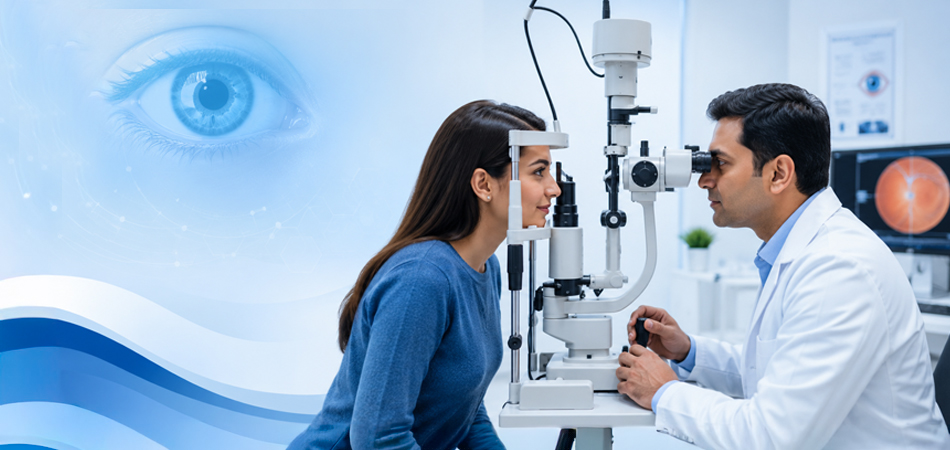
Ophthalmology(Eye)
Opthal Hospital in India
Vision connects us to the world, enables independence, and enriches every experience of daily life. At Park Hospitals, our Department of Ophthalmology is committed to protecting, restoring, and enhancing the vision of every patient with experienced ophthalmologists, optometrists, and ophthalmic nurses providing comprehensive eye care across all ages and conditions.
Our team manages all forms of eye disease, refractive errors, dry eye, glaucoma, diabetic retinopathy, age-related macular degeneration, retinal detachment, cataracts, corneal disease, and uveitis. Diagnostics include slit-lamp examination, OCT, fundus photography, visual field analysis, corneal topography, and biometry.
Cataract surgery, using modern phacoemulsification and premium intraocular lens implants including multifocal, toric, and extended depth-of-focus options delivers outstanding visual outcomes with minimal recovery. LASEK, and phakic IOL implantation offers patients freedom from glasses. Glaucoma is managed through early detection, medication, laser, and surgery to halt progressive vision loss.
Diabetic eye disease is addressed through retinal screening, laser photocoagulation, and anti-VEGF intravitreal injections, protecting vision from proliferative retinopathy and macular oedema. Paediatric ophthalmology manages amblyopia, strabismus, and paediatric cataract with specialist expertise. At Park Hospitals, sight is precious and our ophthalmology team is dedicated to protecting it with precision and genuine care.
Meet Our Experts
Experienced Clinical Leaders
Consult with our highly skilled specialists dedicated to providing world-class medical expertise and personalized treatment plans.
Find A Doctor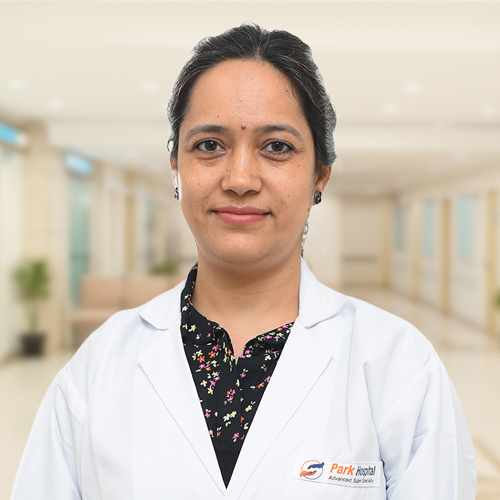






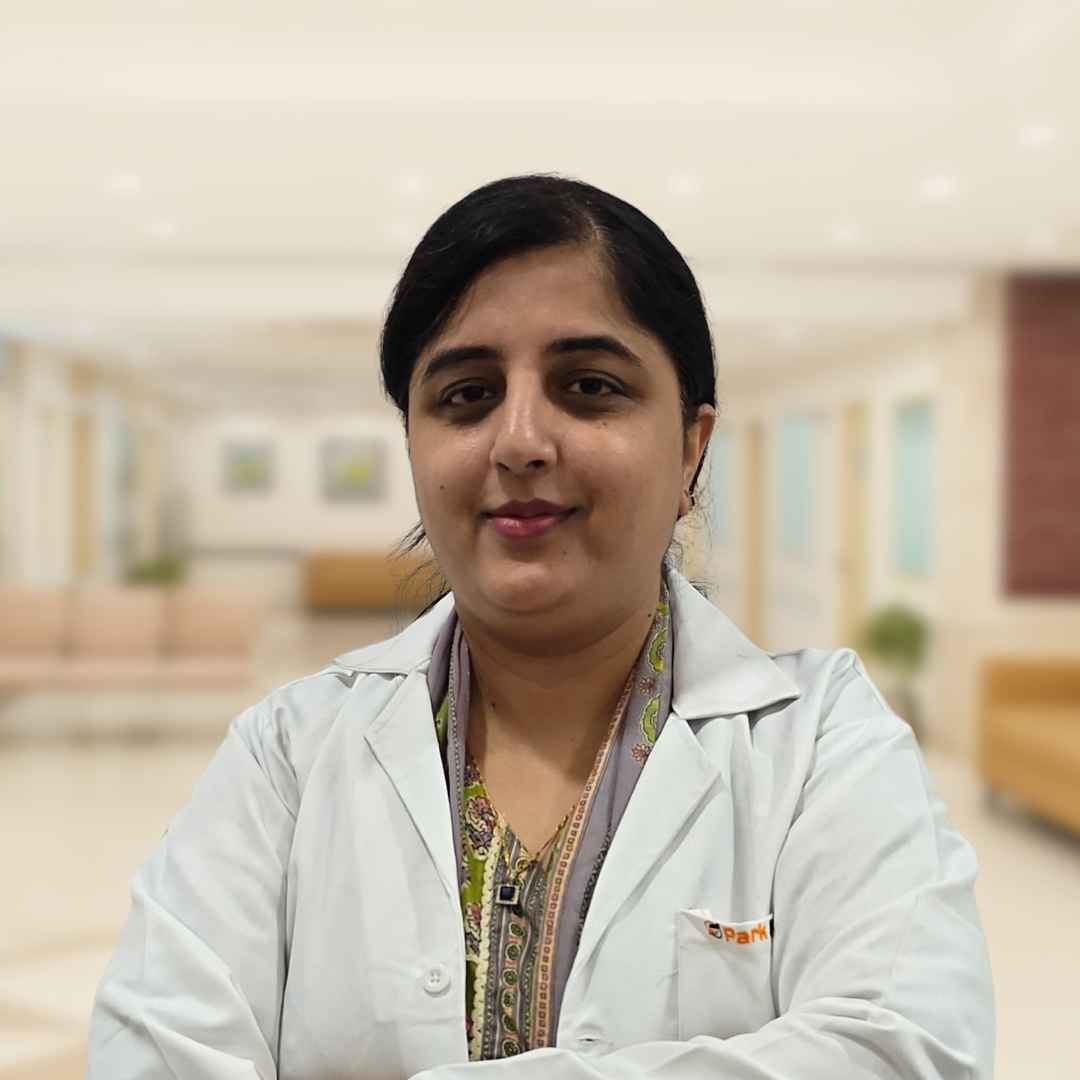
.jpg)
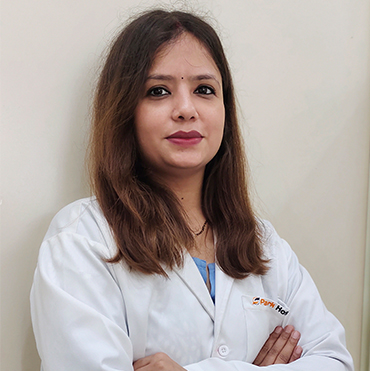
.png)

Patient Testimonials
Stories Reflecting Excellence in Patient Care
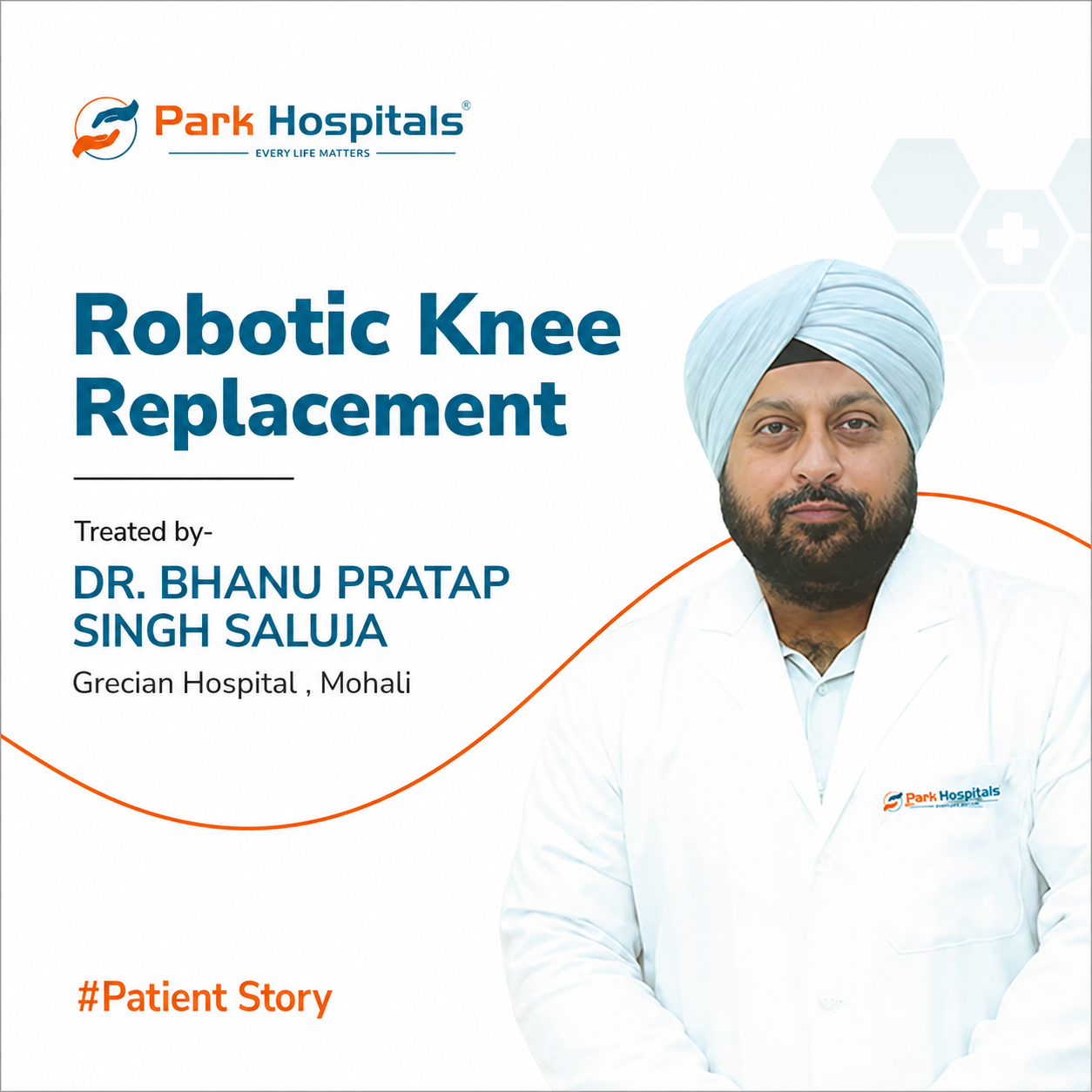
Robotic Knee Replacement Success Story
A patient regained mobility and confidence through successful robotic knee replacement surgery. Advanced robotic technology, expert orthopedic care, and personalized rehabilitation helped reduce pain, improve movement, and enhance overall quality of life.
Know More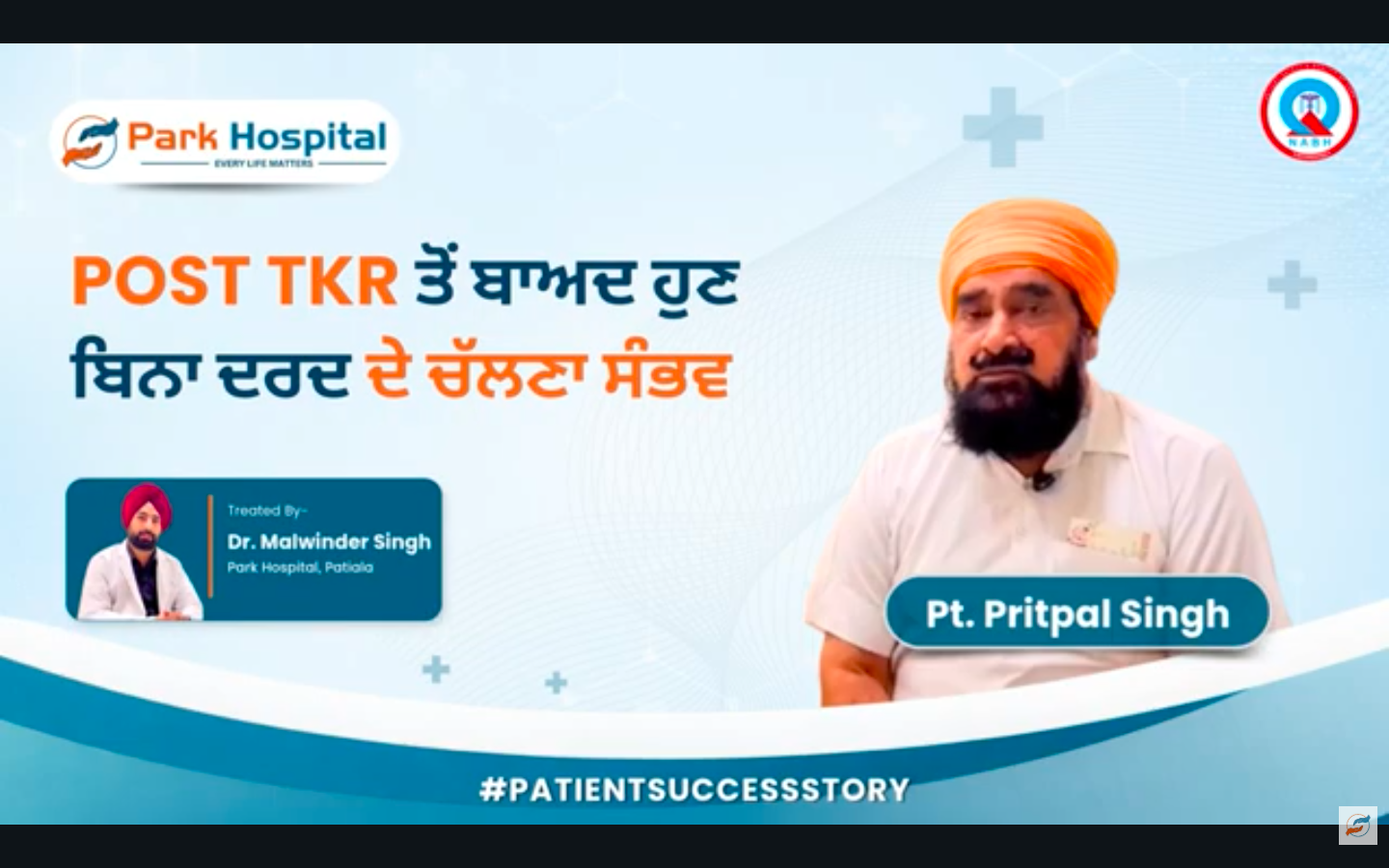
Pain-Free Walking After Total Knee Replacement
Following a successful Total Knee Replacement (TKR), the patient regained mobility and confidence. Expert orthopedic care, advanced surgical techniques, and rehabilitation support helped achieve pain-free walking and an improved quality of life.
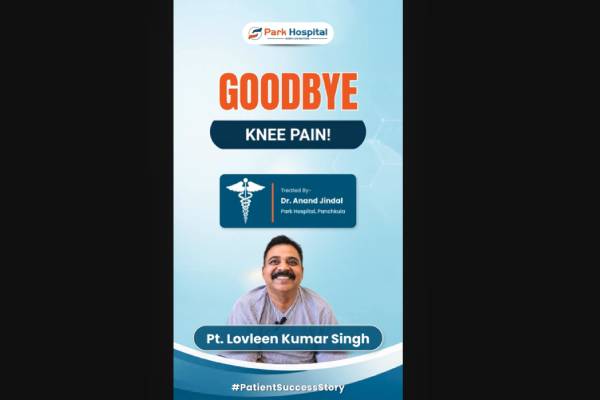
Goodbye Knee Pain! | Advanced Knee Replacement | Dr. Anand Jindal | Park Hospital Panchkula
Chronic knee pain can affect your mobility and quality of life. Advanced knee replacement surgery can help you move comfortably and regain confidence.
Dr. Anand Jindal
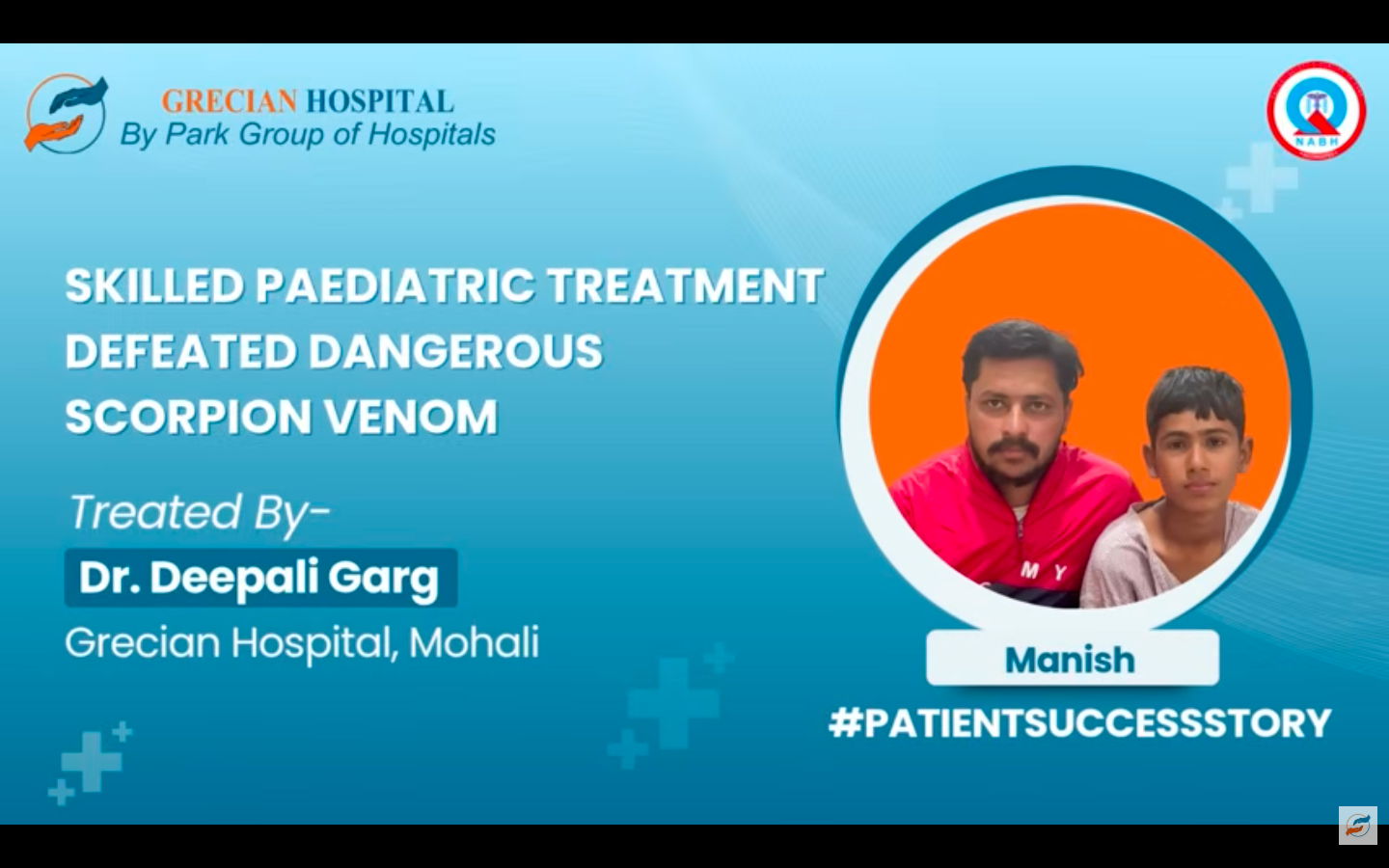
Expert Paediatric Care Defeats Scorpion Venom
A child suffering from a dangerous scorpion sting was successfully treated through timely intervention and expert pediatric care. Prompt diagnosis, critical monitoring, and specialized treatment ensured a safe recovery and positive outcome.
Dr. Milan Arora


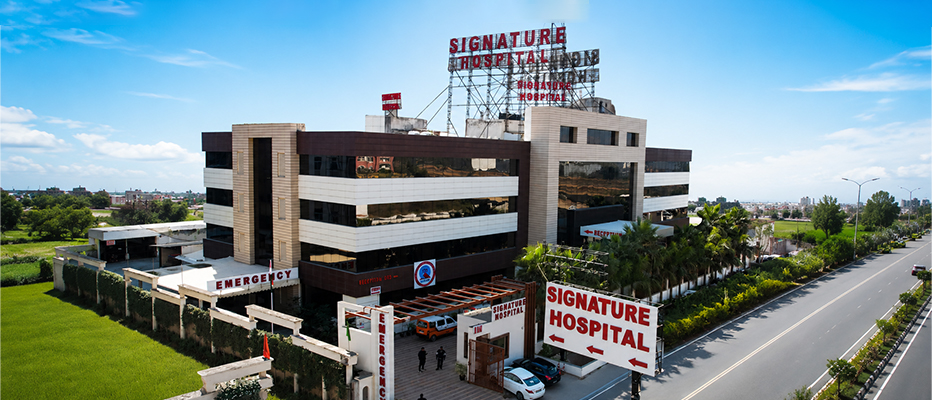
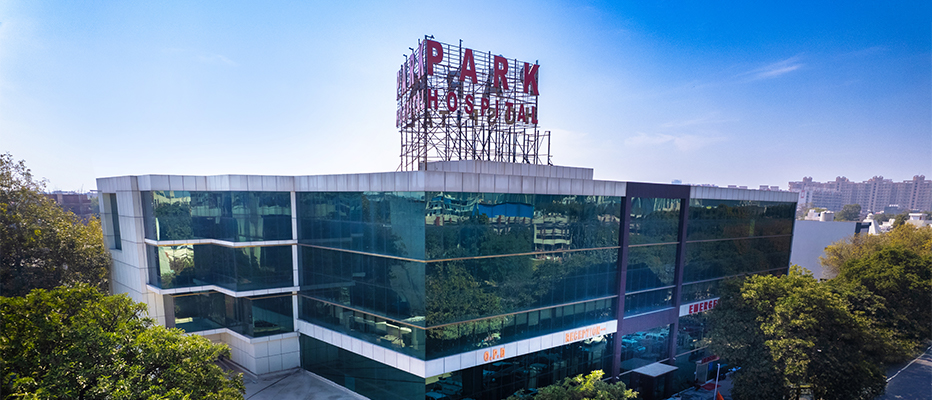

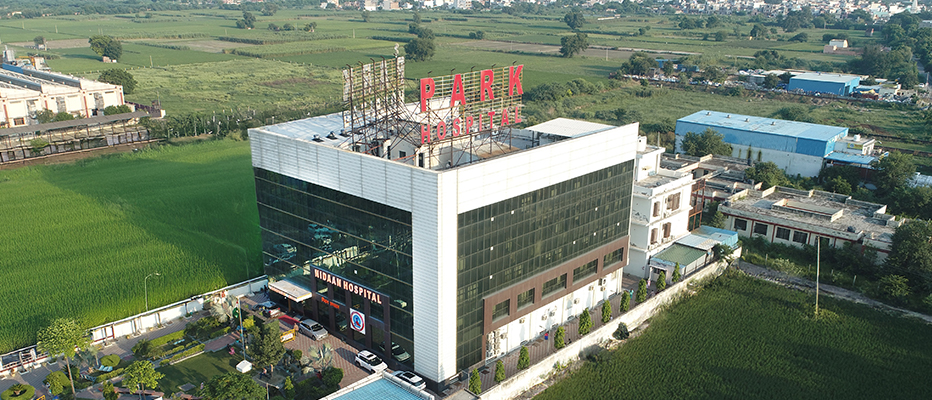
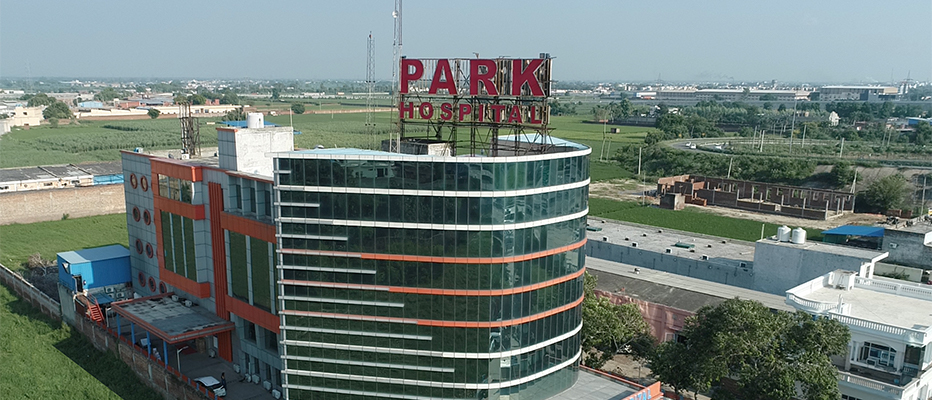
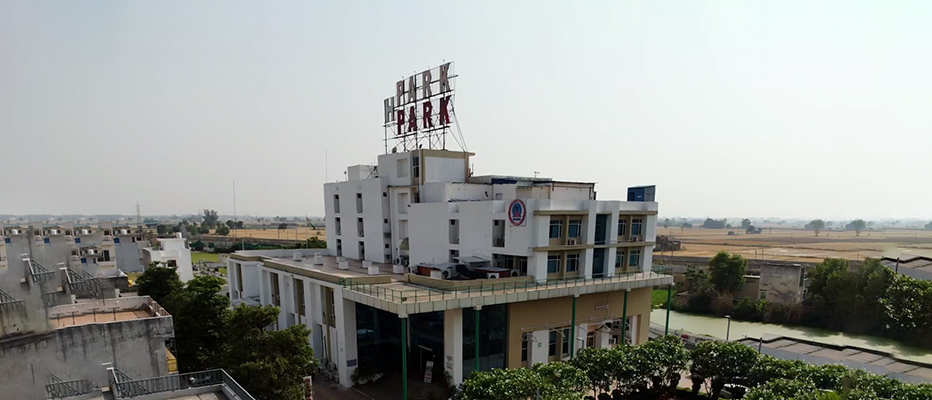

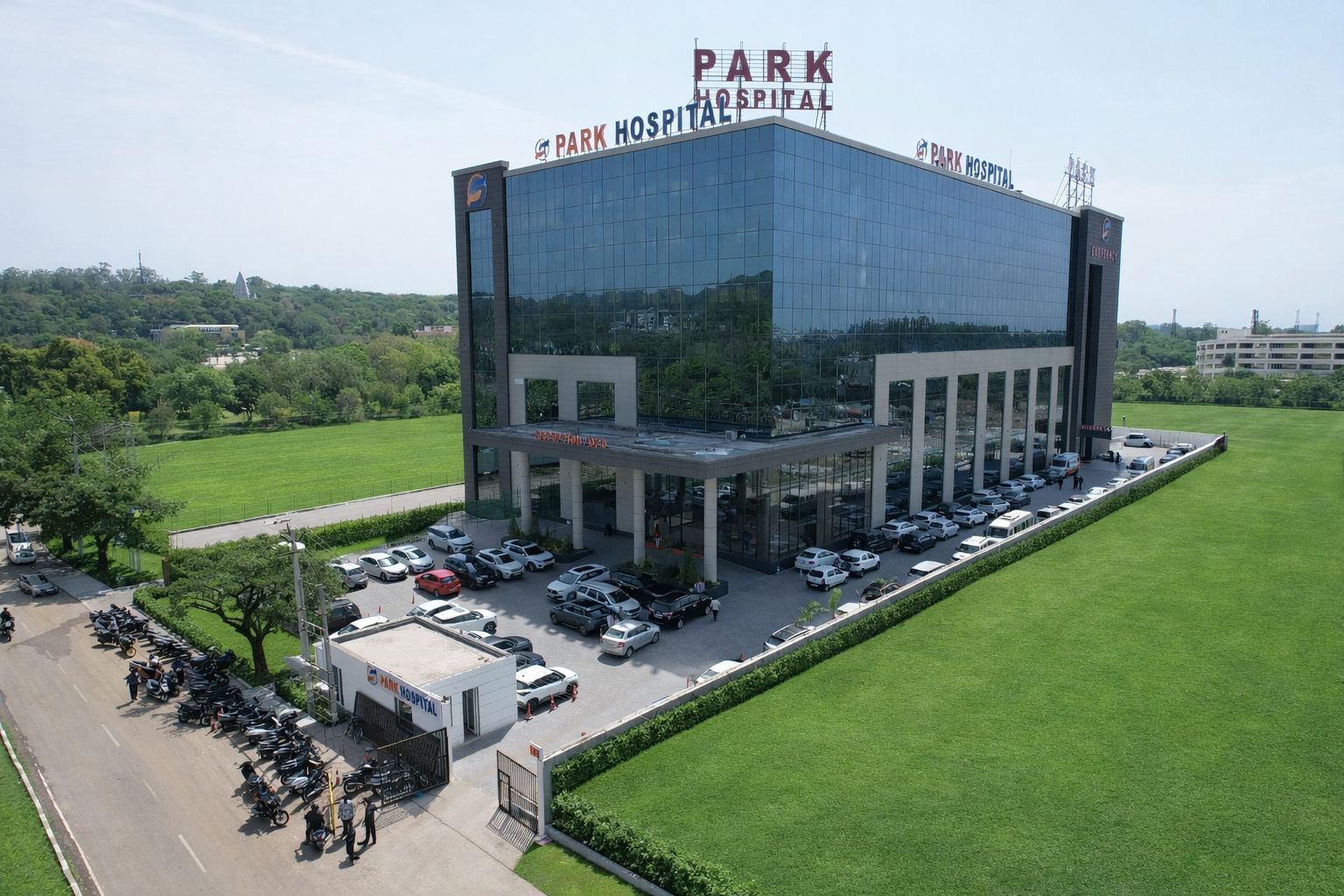
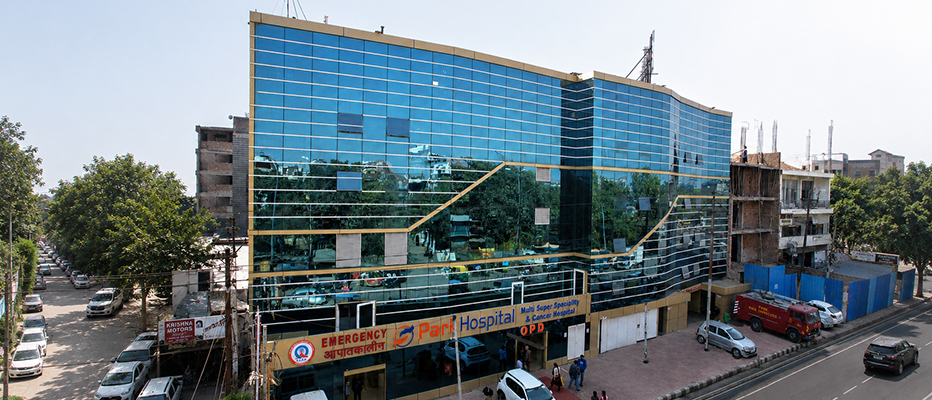







Our Hospital Locations
Healing Near You
Experience world-class clinical expertise and compassionate care at our advanced facilities conveniently located across the region
View AllHealth Tips
Expert Advice for Healthy Life



Frequently Asked Questions
Common questions answered by our experts
Persistent or unexplained changes in vision should be evaluated by an ophthalmologist. These may include blurred or double vision, difficulty seeing at night, new or increasing floaters, flashes of light, eye pain, redness, sensitivity to light or a gradual loss of vision. Changes in peripheral vision or a noticeable difference between the two eyes also warrant assessment. Sudden vision loss, sudden flashes or a sudden increase in floaters, particularly with a shadow or curtain across the vision, require urgent eye care.
The timing of a comprehensive eye examination depends on age, overall health, family history, vision needs and risk factors for eye disease. People with diabetes, high blood pressure, a family history of glaucoma or other eye conditions may require more frequent examinations. Regular examinations can detect conditions such as glaucoma, cataracts and retinal disease before significant vision loss occurs. Your ophthalmologist can recommend an appropriate examination schedule based on your individual risk and whether you have existing eye problems.
Ophthalmologists diagnose and treat a wide range of conditions affecting vision and eye health. These include cataracts, glaucoma, age-related macular degeneration, diabetic eye disease, retinal disorders, dry eye, corneal conditions and eye infections. They can also evaluate refractive problems such as short-sightedness and long-sightedness. Because ophthalmologists are medical and surgical eye specialists, they can provide treatments ranging from medicines and laser procedures to surgery when appropriate.
A comprehensive eye examination may include visual acuity testing, assessment of eye movements and pupils, measurement of eye pressure and examination of the front and back of the eye. Dilating the pupils can allow the ophthalmologist to examine the retina and optic nerve more closely. Depending on the suspected condition, additional tests may include visual field testing, optical coherence tomography (OCT), corneal measurements or specialized retinal imaging. The tests selected depend on the patient's symptoms, age and risk of eye disease.
Eye surgery is considered when a condition significantly affects vision or eye function and the expected benefits outweigh the risks. Cataract surgery, for example, may be recommended when a cataract causes vision problems that interfere with everyday activities such as reading, driving or working. Other eye surgeries may be required for conditions such as glaucoma, retinal disorders or corneal disease. The timing depends on the specific condition, severity, symptoms and overall eye health rather than simply the presence of an abnormality.
Protecting eye health includes regular comprehensive examinations, particularly when you have risk factors for eye disease. Wearing appropriate sunglasses that block ultraviolet radiation, protecting your eyes from injury and avoiding smoking can help support long-term eye health. Managing conditions such as diabetes and high blood pressure is also important because they can affect the eyes. A balanced diet, regular physical activity and appropriate management of screen-related eye strain can further support healthy vision.
Ask whether your vision and eye health are normal and whether you have any signs of an eye condition that need monitoring or treatment. Discuss what tests you need, how often you should have examinations and whether your medical history or family history increases your risk. If a condition is diagnosed, ask about treatment options, expected benefits, possible risks and what may happen if treatment is delayed. You can also ask about warning signs that should prompt an urgent review.