Why Lung Cancer Awareness Month Matters
Lung Cancer Awareness Month reminds us of the global impact of this disease and the importance of prevention and early detection. Lung cancer remains one of the leading causes of cancer-related deaths worldwide. The purpose of this awareness campaign is to encourage regular check-ups, promote healthy habits, and dispel the myths surrounding the condition.
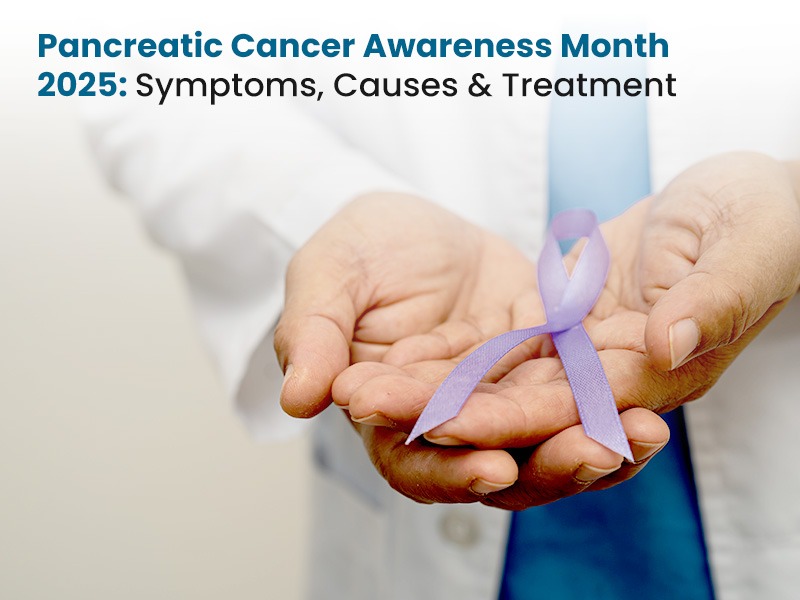
In India, lung cancer cases are rising due to factors such as smoking, air pollution, and occupational exposures. Awareness campaigns during this month help reduce stigma and motivate people to seek timely medical advice. The white ribbon represents lung cancer awareness, symbolizing hope, courage, and the collective fight against the disease.
Understanding Lung Cancer
Lung cancer occurs when abnormal cells in the lungs begin to grow uncontrollably, forming a mass or tumor. These cancerous cells can spread to other parts of the body if not detected early. The two main types of lung cancer are:
1. Non-Small Cell Lung Cancer (NSCLC)- This is the most common type and includes subtypes such as adenocarcinoma, squamous cell carcinoma, and large cell carcinoma.
2. Small Cell Lung Cancer (SCLC)- This type spreads more aggressively and often requires a combination of chemotherapy and radiation therapy.
The lungs play a vital role in supplying oxygen to the body and removing carbon dioxide. Any damage to these organs, whether from smoking or environmental factors, can significantly impact overall health.
Lung Cancer Symptoms
Lung cancer symptoms often appear in later stages, but recognizing them early can improve treatment outcomes. Common symptoms include:
-
Persistent cough that does not go away
-
Coughing up blood or rust-colored phlegm
-
Shortness of breath or wheezing
-
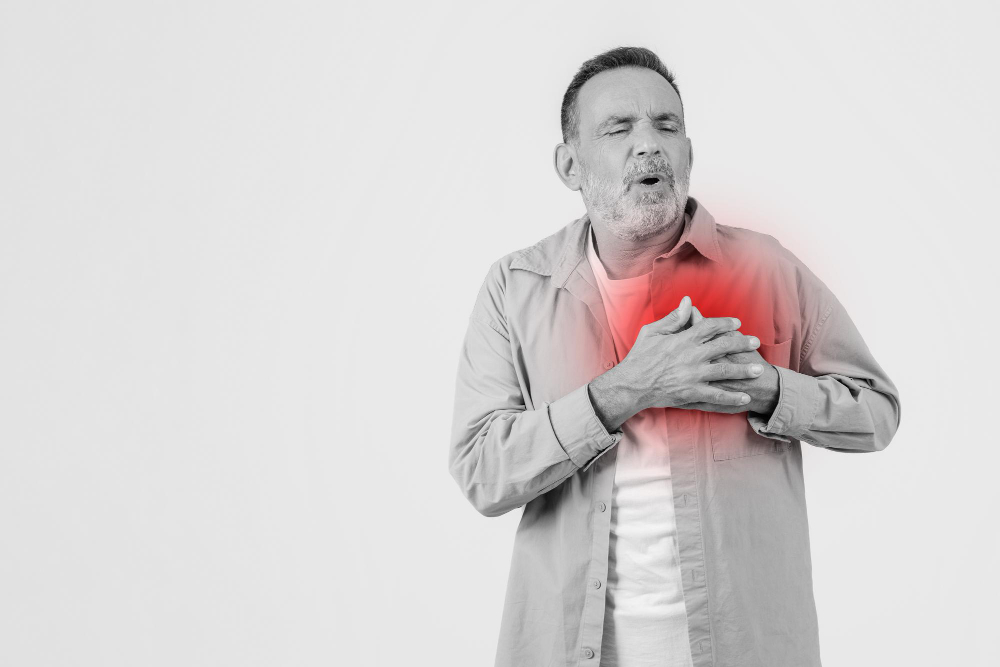
Chest pain that worsens with deep breathing or coughing
-
Hoarseness or changes in voice
-
Unexplained weight loss and fatigue
If these symptoms persist for more than two weeks, it is important to consult a specialist. Early evaluation and screening can lead to a more effective treatment plan.
Lung Cancer Causes and Risk Factors
Several causes and risk factors contribute to the development of lung cancer. Understanding these can help in prevention and timely intervention.
-
Smoking and Tobacco Use: The leading cause of lung cancer is cigarette smoking. Tobacco smoke contains carcinogens that damage lung tissues and cause mutations. Even exposure to second-hand smoke increases the risk significantly.
-
Air Pollution: Prolonged exposure to polluted air, especially fine particulate matter like PM 2.5, is a major risk factor in urban areas.
-
Occupational Hazards: Certain industries expose workers to asbestos, arsenic, or diesel fumes, which can increase the risk of lung cancer.
-
Family History and Genetics: A family history of lung cancer or inherited gene mutations can also play a role.
-
Radon Gas Exposure: Radon, a naturally occurring radioactive gas, can accumulate indoors and is known to cause lung cancer.
Identifying and minimizing these risk factors through healthy lifestyle choices and regular medical check-ups is essential for prevention.
Lung Cancer Screening and Diagnosis
Screening is an important step toward detecting lung cancer at an early stage when it is most treatable. High-risk individuals such as long-term smokers or people with a family history of lung cancer should consider regular screening.
Common screening and diagnostic methods include:
-
Low Dose CT scan (LDCT): The most effective screening tool that uses minimal radiation to detect small nodules in the lungs.
-
Chest X-ray: A preliminary imaging test to identify abnormalities.
-
PET or MRI Scans: These help determine whether the cancer has spread to other parts of the body.
-
Biopsy: A small sample of lung tissue is examined to confirm the presence and type of cancer.
At Park Group of Hospitals, our oncologists and pulmonologists work together to provide accurate diagnosis and personalized care plans.
Lung Cancer Treatment Options
The treatment of lung cancer depends on the type, stage, and overall health of the patient. Advancements in medical technology have made treatments more effective and less invasive. The main treatment options include:
-
Surgery: Used for early-stage cancer to remove the tumor or affected portion of the lung.
-
Chemotherapy: Uses anti-cancer drugs to destroy cancer cells and prevent them from spreading.
-
Radiation Therapy: Targets cancer cells with high-energy beams, especially when surgery is not possible.
-
Targeted Therapy: Focuses on specific genetic changes in cancer cells to block their growth.
-
Immunotherapy: Strengthens the body’s immune system to fight cancer cells naturally.
Park Hospital offers comprehensive cancer treatment under one roof, equipped with advanced radiation and robotic surgery facilities. Our expert oncologists provide personalized treatment tailored to each patient’s condition for the best possible outcomes.
Lung Cancer Prevention
While not all lung cancer cases can be prevented, many risk factors are within human control. Preventive steps include:
-
Quit smoking and avoid exposure to second-hand smoke
-
Eat a balanced diet rich in fruits and vegetables
-
Stay physically active to keep the lungs healthy
-
Avoid or limit exposure to air pollution and industrial fumes
-
Get regular medical check-ups and screenings if at high risk
Preventive measures, combined with awareness and early detection, can significantly reduce the burden of lung cancer.
Breaking the Stigma Around Lung Cancer
Lung cancer is often misunderstood as a disease affecting only smokers, but it can also impact non-smokers. This misconception creates unnecessary stigma that prevents patients from seeking help. Awareness campaigns during Lung Cancer Awareness Month encourage open conversations, promote empathy, and remind everyone that early detection saves lives.
At Park Group of Hospitals, we are committed to breaking this stigma by promoting education, research, and patient-centered care. Our mission is to provide hope, healing, and holistic support for every patient and their family.
Conclusion
Lung Cancer Awareness Month 2025 serves as a powerful reminder of the importance of prevention, awareness, and timely treatment. By understanding the symptoms, causes, and risk factors of lung cancer, individuals can take proactive steps to protect their lung health.
With its network of advanced cancer care facilities and a team of expert oncologists, Park Group of Hospitals stands as a trusted name in the fight against lung cancer. For consultations or screenings, contact our 24x7 service helpline at +91 7428275533 and take the first step toward a healthier future.