
Rheumatology
Rheumatology Hospital in India
Rheumatic diseases, affecting the joints, muscles, bones, and immune system can cause chronic pain, stiffness, fatigue, and progressive disability if not accurately diagnosed and effectively managed. At Park Hospitals, our Department of Rheumatology provides specialist, evidence-based care for the complete spectrum of inflammatory and autoimmune musculoskeletal conditions.
Rheumatoid arthritis is a particular area of expertise with early, aggressive treatment using conventional and biologic disease-modifying drugs forming the cornerstone of management. Our goal is disease remission and prevention of structural joint damage, with regular clinical and laboratory monitoring ensuring treatment is optimised at every stage.
Other conditions within our scope include ankylosing spondylitis, psoriatic arthritis, reactive arthritis, juvenile idiopathic arthritis, systemic lupus erythematosus, Sjögren's syndrome, systemic sclerosis, polymyositis, dermatomyositis, and vasculitic conditions. Crystal arthropathies, gout and pseudogout are managed with both acute and long-term urate-lowering strategies.
Osteoporosis and metabolic bone disease are addressed through DEXA scanning, fracture risk stratification, and evidence-based pharmacological treatment. Fibromyalgia, tendinopathy, and mechanical back pain are managed with physical therapy, pain management, and patient education. Our team works in close collaboration with orthopaedics, nephrology, dermatology, and ophthalmology. At Park Hospitals, living with a rheumatic condition does not have to mean living in pain.
Meet Our Experts
Experienced Clinical Leaders
Consult with our highly skilled specialists dedicated to providing world-class medical expertise and personalized treatment plans.
Find A Doctor


Patient Testimonials
Stories Reflecting Excellence in Patient Care
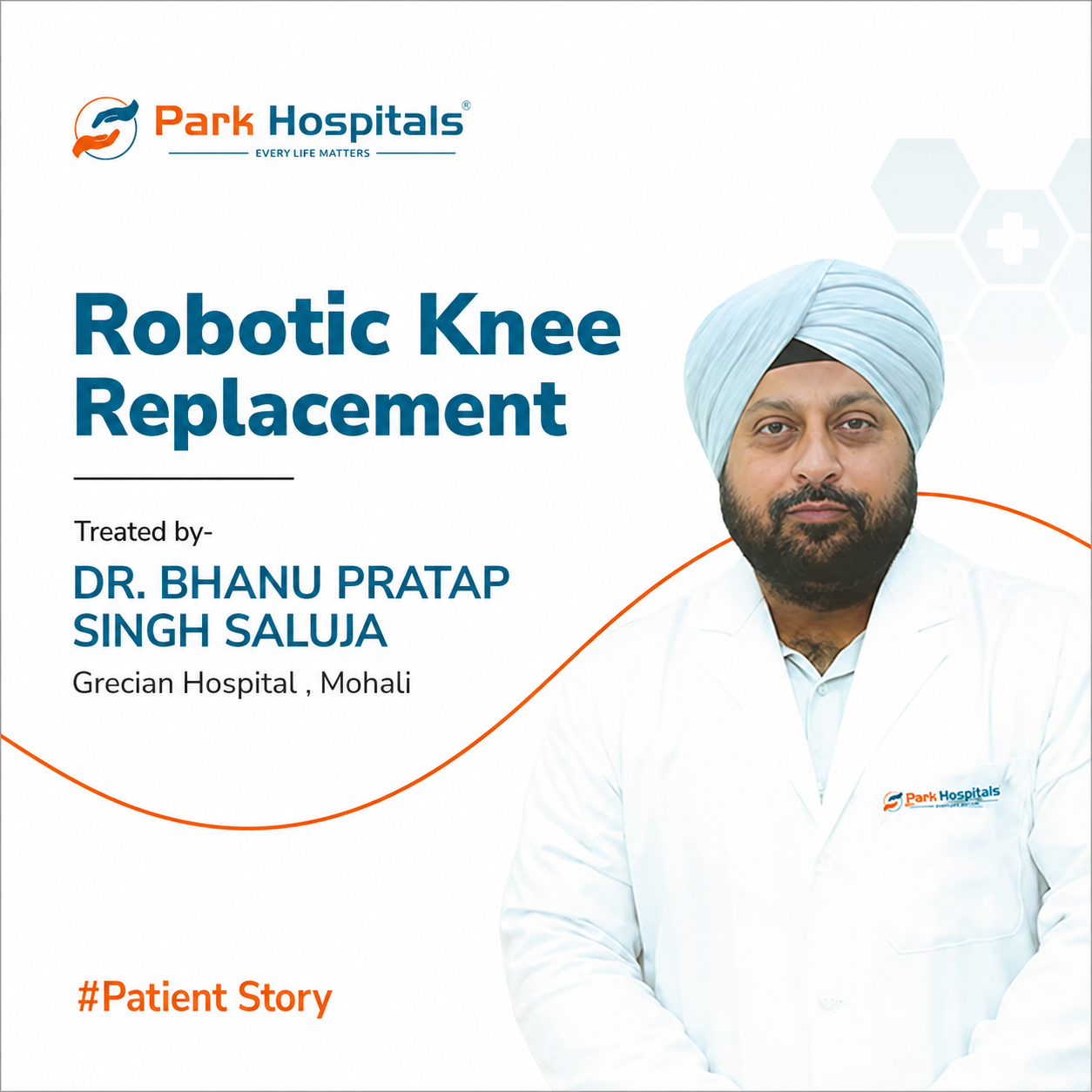
Robotic Knee Replacement Success Story
A patient regained mobility and confidence through successful robotic knee replacement surgery. Advanced robotic technology, expert orthopedic care, and personalized rehabilitation helped reduce pain, improve movement, and enhance overall quality of life.
Know More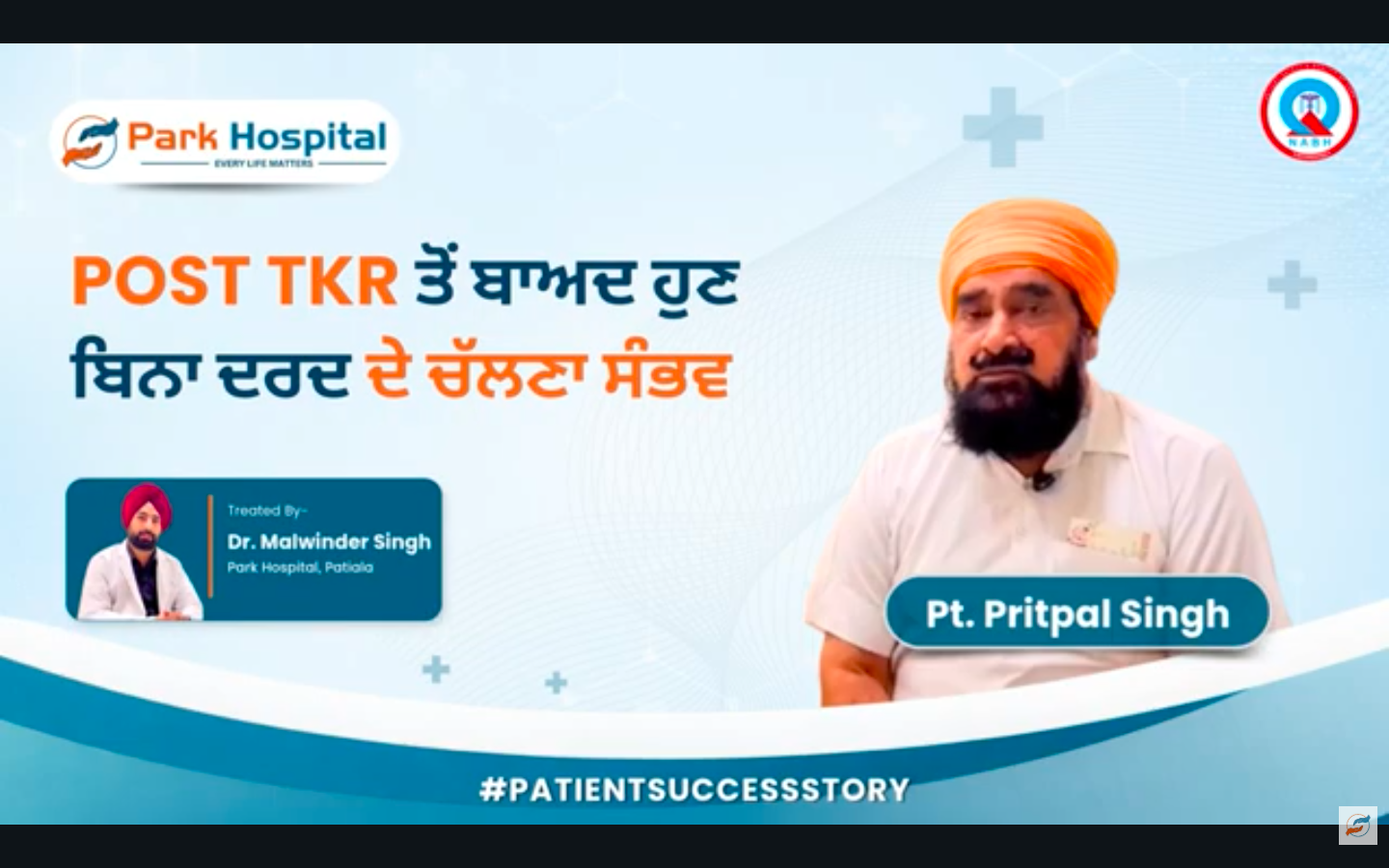
Pain-Free Walking After Total Knee Replacement
Following a successful Total Knee Replacement (TKR), the patient regained mobility and confidence. Expert orthopedic care, advanced surgical techniques, and rehabilitation support helped achieve pain-free walking and an improved quality of life.
Goodbye Knee Pain! | Advanced Knee Replacement | Dr. Anand Jindal | Park Hospital Panchkula
Chronic knee pain can affect your mobility and quality of life. Advanced knee replacement surgery can help you move comfortably and regain confidence.
Dr. Anand Jindal
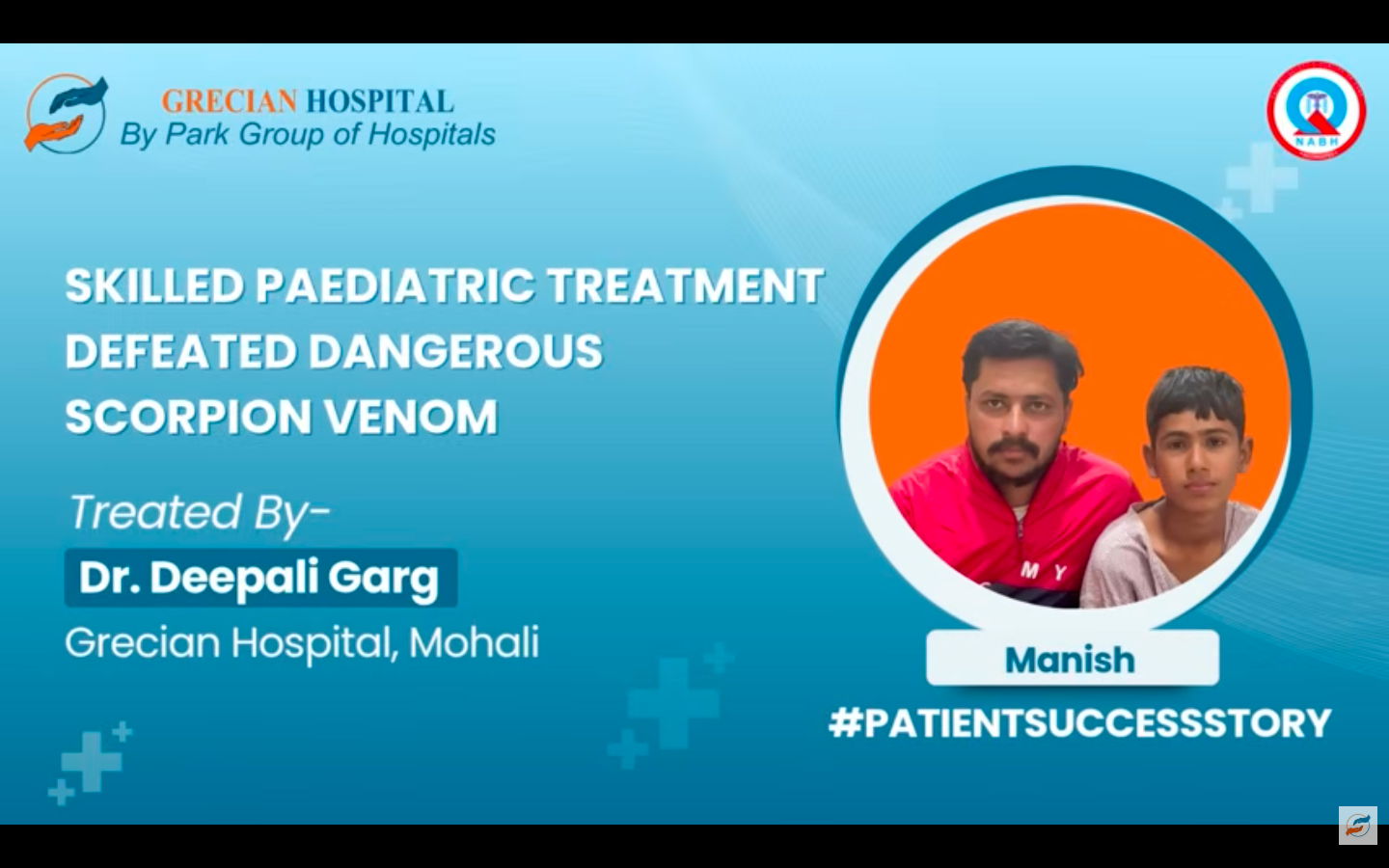
Expert Paediatric Care Defeats Scorpion Venom
A child suffering from a dangerous scorpion sting was successfully treated through timely intervention and expert pediatric care. Prompt diagnosis, critical monitoring, and specialized treatment ensured a safe recovery and positive outcome.
Dr. Milan Arora


















Our Hospital Locations
Healing Near You
Experience world-class clinical expertise and compassionate care at our advanced facilities conveniently located across the region
View AllHealth Tips
Expert Advice for Healthy Life

Frequently Asked Questions
Common questions answered by our experts
Rheumatic diseases can affect joints, muscles, bones and other organs. Symptoms may include persistent joint pain, swelling, stiffness or reduced movement, particularly when stiffness is prolonged or symptoms affect several joints. Some inflammatory conditions can also cause fatigue, fever, skin rashes, muscle weakness or symptoms affecting other parts of the body. Joint symptoms do not always indicate arthritis, so persistent, recurrent or unexplained pain and swelling should be evaluated to identify the underlying cause.
Consider seeing a rheumatologist when joint or muscle symptoms persist, recur, involve multiple areas or are accompanied by swelling, prolonged stiffness or other unexplained symptoms. Specialist evaluation may also be appropriate when blood tests suggest inflammation or an autoimmune condition, or when symptoms are not improving with initial treatment. Early assessment can be particularly important for inflammatory arthritis, where timely treatment may help control inflammation and reduce the risk of long-term joint damage.
Rheumatologists diagnose and manage a wide range of conditions involving the joints, muscles, bones and immune system. These include rheumatoid arthritis, osteoarthritis, gout, lupus, psoriatic arthritis, ankylosing spondylitis and other forms of spondyloarthritis. They also treat conditions such as Sjögren's syndrome, scleroderma, vasculitis and myositis. Some rheumatic diseases can affect organs beyond the joints, so rheumatologists may work with other specialists when a condition has broader effects on the body.
Diagnosis usually combines the patient's symptoms and medical history with a physical examination and appropriate investigations. Blood tests may measure markers of inflammation and antibodies associated with particular autoimmune diseases. Depending on the condition, doctors may also examine joint fluid, perform X-rays, ultrasound or MRI scans, or use other specialized tests. No single blood test can diagnose every rheumatic disease. The pattern of symptoms, examination findings and test results is considered together to establish the most likely diagnosis.
Treatment depends on the specific rheumatic disease, its severity and whether inflammation or joint damage is present. Options may include medicines to relieve pain and inflammation, disease-modifying antirheumatic drugs (DMARDs), biologic medicines and targeted therapies for selected inflammatory conditions. Physical or occupational therapy can help maintain mobility and function, while lifestyle measures may support overall health. Treatment is often adjusted over time based on symptoms, disease activity, medication response and potential side effects.
Lifestyle measures can complement medical treatment and support mobility and overall wellbeing. Regular, appropriate physical activity can help maintain joint movement, muscle strength and function, while maintaining a healthy weight can reduce stress on weight-bearing joints. A balanced diet, adequate sleep and avoiding smoking can also support general health. The right level and type of exercise depends on the condition and disease activity. During active inflammation or a flare, your rheumatologist or physiotherapist may recommend modifying activity temporarily.
Ask what may be causing your symptoms, whether your condition appears inflammatory or autoimmune and whether additional tests are needed. Discuss the recommended treatment, its goal, expected benefits, possible side effects and available alternatives. Ask how the disease will be monitored and what symptoms should prompt an earlier review. It can also be helpful to ask about exercise, diet, joint protection and other lifestyle measures. If you have several symptoms, discuss how they may be connected rather than addressing each one separately.